Inter Carrier Interference and Bandwidth Efficiency: Optimization Tactics
MAR 17, 20269 MIN READ
Generate Your Research Report Instantly with AI Agent
Patsnap Eureka helps you evaluate technical feasibility & market potential.
ICI and Bandwidth Efficiency Challenges and Goals
Inter Carrier Interference (ICI) represents one of the most significant technical challenges in modern wireless communication systems, particularly in Orthogonal Frequency Division Multiplexing (OFDM) and multi-carrier transmission schemes. The phenomenon occurs when the orthogonality between subcarriers is disrupted due to frequency offset, phase noise, or Doppler shifts, leading to signal degradation and reduced system performance. As wireless communication systems evolve toward higher data rates and more complex modulation schemes, the impact of ICI becomes increasingly pronounced, necessitating sophisticated mitigation strategies.
The historical development of ICI mitigation techniques has progressed through several distinct phases, beginning with basic frequency synchronization methods in early OFDM systems during the 1990s. Initial approaches focused primarily on precise carrier frequency recovery and timing synchronization to maintain subcarrier orthogonality. However, as mobile communication systems expanded and operating frequencies increased, traditional synchronization methods proved insufficient for dynamic channel conditions and high-mobility scenarios.
The evolution toward advanced ICI cancellation techniques emerged in the early 2000s, driven by the deployment of 3G and 4G cellular networks. Researchers developed sophisticated algorithms including self-cancellation schemes, iterative interference cancellation, and frequency domain equalization methods. These approaches demonstrated significant improvements in system performance but often at the cost of increased computational complexity and implementation challenges.
Contemporary ICI mitigation strategies have shifted toward adaptive and intelligent solutions, incorporating machine learning algorithms and advanced signal processing techniques. The integration of Multiple Input Multiple Output (MIMO) systems and beamforming technologies has opened new avenues for ICI suppression while simultaneously addressing bandwidth efficiency optimization. Modern approaches leverage channel state information and predictive algorithms to proactively combat interference before it significantly impacts system performance.
The primary technical objectives in addressing ICI challenges center on achieving optimal balance between interference suppression and bandwidth utilization efficiency. Current research focuses on developing low-complexity algorithms that can operate effectively in real-time environments while maintaining acceptable computational overhead. Key performance targets include reducing ICI power levels by 15-20 dB compared to unmitigated systems, while preserving spectral efficiency and minimizing latency impacts.
Bandwidth efficiency optimization represents a parallel challenge that intersects significantly with ICI mitigation efforts. The fundamental goal involves maximizing data throughput within allocated spectrum resources while maintaining acceptable quality of service parameters. This objective becomes increasingly complex when considering the trade-offs between ICI suppression techniques and spectral efficiency, as many traditional mitigation methods require additional bandwidth or computational resources that can negatively impact overall system efficiency.
The historical development of ICI mitigation techniques has progressed through several distinct phases, beginning with basic frequency synchronization methods in early OFDM systems during the 1990s. Initial approaches focused primarily on precise carrier frequency recovery and timing synchronization to maintain subcarrier orthogonality. However, as mobile communication systems expanded and operating frequencies increased, traditional synchronization methods proved insufficient for dynamic channel conditions and high-mobility scenarios.
The evolution toward advanced ICI cancellation techniques emerged in the early 2000s, driven by the deployment of 3G and 4G cellular networks. Researchers developed sophisticated algorithms including self-cancellation schemes, iterative interference cancellation, and frequency domain equalization methods. These approaches demonstrated significant improvements in system performance but often at the cost of increased computational complexity and implementation challenges.
Contemporary ICI mitigation strategies have shifted toward adaptive and intelligent solutions, incorporating machine learning algorithms and advanced signal processing techniques. The integration of Multiple Input Multiple Output (MIMO) systems and beamforming technologies has opened new avenues for ICI suppression while simultaneously addressing bandwidth efficiency optimization. Modern approaches leverage channel state information and predictive algorithms to proactively combat interference before it significantly impacts system performance.
The primary technical objectives in addressing ICI challenges center on achieving optimal balance between interference suppression and bandwidth utilization efficiency. Current research focuses on developing low-complexity algorithms that can operate effectively in real-time environments while maintaining acceptable computational overhead. Key performance targets include reducing ICI power levels by 15-20 dB compared to unmitigated systems, while preserving spectral efficiency and minimizing latency impacts.
Bandwidth efficiency optimization represents a parallel challenge that intersects significantly with ICI mitigation efforts. The fundamental goal involves maximizing data throughput within allocated spectrum resources while maintaining acceptable quality of service parameters. This objective becomes increasingly complex when considering the trade-offs between ICI suppression techniques and spectral efficiency, as many traditional mitigation methods require additional bandwidth or computational resources that can negatively impact overall system efficiency.
Market Demand for High-Efficiency Wireless Communication
The global wireless communication market is experiencing unprecedented growth driven by the exponential increase in data traffic and the proliferation of connected devices. Mobile data consumption continues to surge as consumers demand higher quality streaming services, real-time gaming, and immersive multimedia experiences. This surge places tremendous pressure on existing network infrastructure to deliver enhanced bandwidth efficiency while maintaining service quality.
The deployment of 5G networks worldwide has intensified the focus on spectral efficiency optimization. Network operators face mounting pressure to maximize throughput within limited spectrum allocations while minimizing interference between carriers. The challenge becomes more acute as frequency bands become increasingly congested, particularly in urban environments where user density is highest.
Enterprise applications represent a rapidly expanding segment driving demand for high-efficiency wireless solutions. Industrial IoT deployments, autonomous vehicle communications, and smart city infrastructure require ultra-reliable low-latency communications with optimal bandwidth utilization. These applications cannot tolerate the performance degradation caused by inter-carrier interference, making advanced optimization techniques essential for market viability.
The emergence of massive MIMO systems and advanced beamforming technologies has created new opportunities for addressing interference challenges while improving spectral efficiency. Market demand for these solutions is particularly strong in dense urban deployments where traditional interference mitigation approaches prove insufficient. Telecommunications equipment manufacturers are investing heavily in developing sophisticated signal processing algorithms to meet these requirements.
Satellite communication markets are also driving demand for interference mitigation solutions as low Earth orbit constellation deployments increase. The coexistence of terrestrial and satellite networks requires advanced coordination mechanisms to prevent mutual interference while maximizing bandwidth efficiency across both domains.
The competitive landscape is pushing network operators to differentiate their services through superior performance metrics. Quality of experience has become a critical factor in customer retention, making bandwidth efficiency optimization a strategic imperative rather than merely a technical consideration. This market dynamic is accelerating adoption of advanced interference cancellation techniques and adaptive resource allocation algorithms.
Regulatory bodies worldwide are implementing stricter efficiency requirements for spectrum usage, further amplifying market demand for optimization solutions. These regulations are particularly stringent for new spectrum allocations, compelling operators to adopt cutting-edge interference management technologies to maintain compliance while achieving business objectives.
The deployment of 5G networks worldwide has intensified the focus on spectral efficiency optimization. Network operators face mounting pressure to maximize throughput within limited spectrum allocations while minimizing interference between carriers. The challenge becomes more acute as frequency bands become increasingly congested, particularly in urban environments where user density is highest.
Enterprise applications represent a rapidly expanding segment driving demand for high-efficiency wireless solutions. Industrial IoT deployments, autonomous vehicle communications, and smart city infrastructure require ultra-reliable low-latency communications with optimal bandwidth utilization. These applications cannot tolerate the performance degradation caused by inter-carrier interference, making advanced optimization techniques essential for market viability.
The emergence of massive MIMO systems and advanced beamforming technologies has created new opportunities for addressing interference challenges while improving spectral efficiency. Market demand for these solutions is particularly strong in dense urban deployments where traditional interference mitigation approaches prove insufficient. Telecommunications equipment manufacturers are investing heavily in developing sophisticated signal processing algorithms to meet these requirements.
Satellite communication markets are also driving demand for interference mitigation solutions as low Earth orbit constellation deployments increase. The coexistence of terrestrial and satellite networks requires advanced coordination mechanisms to prevent mutual interference while maximizing bandwidth efficiency across both domains.
The competitive landscape is pushing network operators to differentiate their services through superior performance metrics. Quality of experience has become a critical factor in customer retention, making bandwidth efficiency optimization a strategic imperative rather than merely a technical consideration. This market dynamic is accelerating adoption of advanced interference cancellation techniques and adaptive resource allocation algorithms.
Regulatory bodies worldwide are implementing stricter efficiency requirements for spectrum usage, further amplifying market demand for optimization solutions. These regulations are particularly stringent for new spectrum allocations, compelling operators to adopt cutting-edge interference management technologies to maintain compliance while achieving business objectives.
Current ICI Mitigation and Bandwidth Optimization Status
The current landscape of Inter Carrier Interference (ICI) mitigation and bandwidth optimization presents a complex array of established techniques and emerging solutions. Traditional approaches primarily focus on guard interval insertion, windowing functions, and frequency domain equalization to address ICI challenges in OFDM-based systems. These conventional methods have demonstrated effectiveness in reducing interference but often at the cost of spectral efficiency and system complexity.
Advanced signal processing techniques have emerged as prominent solutions, including sophisticated channel estimation algorithms and adaptive filtering mechanisms. Maximum likelihood estimation and minimum mean square error approaches are widely implemented for channel state information acquisition, enabling more precise interference cancellation. Pilot-assisted channel estimation remains the industry standard, though it introduces overhead that impacts overall bandwidth efficiency.
Frequency domain interference cancellation techniques have gained significant traction in modern communication systems. Successive interference cancellation (SIC) and parallel interference cancellation (PIC) algorithms are extensively deployed in cellular networks and wireless broadband systems. These methods demonstrate substantial performance improvements in multi-user environments, particularly when combined with advanced modulation schemes and coding techniques.
Bandwidth optimization strategies currently emphasize dynamic spectrum allocation and cognitive radio technologies. Adaptive modulation and coding schemes automatically adjust transmission parameters based on channel conditions, maximizing throughput while maintaining acceptable error rates. Resource block allocation algorithms in LTE and 5G networks exemplify this approach, dynamically distributing frequency resources among users to optimize overall system capacity.
Machine learning-based solutions are increasingly integrated into ICI mitigation frameworks. Deep neural networks and reinforcement learning algorithms show promising results in predicting and compensating for interference patterns. These intelligent systems can adapt to varying channel conditions and interference scenarios more effectively than traditional static approaches.
Current implementation challenges include computational complexity limitations, real-time processing requirements, and hardware constraints in mobile devices. The trade-off between interference suppression performance and energy consumption remains a critical consideration for practical deployments, particularly in battery-powered devices and IoT applications.
Advanced signal processing techniques have emerged as prominent solutions, including sophisticated channel estimation algorithms and adaptive filtering mechanisms. Maximum likelihood estimation and minimum mean square error approaches are widely implemented for channel state information acquisition, enabling more precise interference cancellation. Pilot-assisted channel estimation remains the industry standard, though it introduces overhead that impacts overall bandwidth efficiency.
Frequency domain interference cancellation techniques have gained significant traction in modern communication systems. Successive interference cancellation (SIC) and parallel interference cancellation (PIC) algorithms are extensively deployed in cellular networks and wireless broadband systems. These methods demonstrate substantial performance improvements in multi-user environments, particularly when combined with advanced modulation schemes and coding techniques.
Bandwidth optimization strategies currently emphasize dynamic spectrum allocation and cognitive radio technologies. Adaptive modulation and coding schemes automatically adjust transmission parameters based on channel conditions, maximizing throughput while maintaining acceptable error rates. Resource block allocation algorithms in LTE and 5G networks exemplify this approach, dynamically distributing frequency resources among users to optimize overall system capacity.
Machine learning-based solutions are increasingly integrated into ICI mitigation frameworks. Deep neural networks and reinforcement learning algorithms show promising results in predicting and compensating for interference patterns. These intelligent systems can adapt to varying channel conditions and interference scenarios more effectively than traditional static approaches.
Current implementation challenges include computational complexity limitations, real-time processing requirements, and hardware constraints in mobile devices. The trade-off between interference suppression performance and energy consumption remains a critical consideration for practical deployments, particularly in battery-powered devices and IoT applications.
Existing ICI Cancellation and Bandwidth Enhancement Methods
01 OFDM subcarrier spacing optimization techniques
Methods for optimizing subcarrier spacing in Orthogonal Frequency Division Multiplexing (OFDM) systems to reduce inter-carrier interference while maintaining or improving bandwidth efficiency. These techniques involve adaptive adjustment of subcarrier spacing based on channel conditions, Doppler spread, and timing offset characteristics. The optimization balances the trade-off between spectral efficiency and interference mitigation by dynamically configuring the frequency separation between adjacent subcarriers.- OFDM subcarrier spacing optimization techniques: Methods for optimizing subcarrier spacing in Orthogonal Frequency Division Multiplexing (OFDM) systems to reduce inter-carrier interference while maintaining or improving bandwidth efficiency. These techniques involve adaptive adjustment of subcarrier spacing based on channel conditions, Doppler spread, and timing offset characteristics. The optimization balances the trade-off between spectral efficiency and interference mitigation by dynamically configuring the frequency separation between adjacent subcarriers.
- Windowing and filtering methods for ICI reduction: Application of time-domain windowing functions and frequency-domain filtering techniques to suppress inter-carrier interference in multicarrier communication systems. These methods shape the transmitted signal spectrum to reduce spectral leakage between subcarriers, thereby improving bandwidth utilization. The techniques include raised cosine windowing, Gaussian filtering, and adaptive filter design that minimize out-of-band emissions while preserving in-band signal quality.
- Equalization and compensation algorithms for ICI mitigation: Advanced equalization and compensation algorithms designed to cancel or reduce inter-carrier interference effects in the receiver. These algorithms employ frequency-domain equalization, time-domain pre-distortion, or iterative interference cancellation techniques to recover the transmitted signal with improved accuracy. The methods enhance bandwidth efficiency by allowing closer subcarrier spacing without significant performance degradation due to interference.
- Pilot-assisted channel estimation for interference reduction: Techniques utilizing pilot symbols and reference signals to estimate channel characteristics and interference patterns, enabling more accurate signal detection and improved bandwidth efficiency. These methods insert known pilot sequences at specific subcarrier locations to facilitate channel state information acquisition, which is then used to compensate for inter-carrier interference effects. The approach allows for dynamic adaptation to varying channel conditions and interference levels.
- Multi-antenna and MIMO techniques for ICI suppression: Employment of multiple-input multiple-output (MIMO) antenna configurations and spatial processing techniques to mitigate inter-carrier interference while enhancing spectral efficiency. These methods leverage spatial diversity and beamforming to separate desired signals from interference components, allowing for more aggressive frequency reuse and improved bandwidth utilization. The techniques include spatial filtering, interference alignment, and coordinated multi-point transmission strategies.
02 Windowing and filtering methods for ICI reduction
Application of time-domain windowing functions and frequency-domain filtering techniques to suppress inter-carrier interference in multicarrier communication systems. These methods shape the transmitted signal spectrum to reduce spectral leakage between subcarriers, thereby improving bandwidth utilization. The techniques include raised cosine windowing, Gaussian filtering, and adaptive filter design that minimize out-of-band emissions while preserving in-band signal quality.Expand Specific Solutions03 Equalization and compensation algorithms for ICI mitigation
Advanced equalization and compensation algorithms designed to cancel or reduce inter-carrier interference effects in the frequency domain. These algorithms employ channel estimation techniques, interference prediction models, and iterative cancellation methods to recover the transmitted signal from ICI-corrupted received signals. The approaches enhance bandwidth efficiency by enabling closer subcarrier spacing without significant performance degradation.Expand Specific Solutions04 Guard interval and cyclic prefix optimization
Techniques for optimizing guard intervals and cyclic prefix lengths to balance inter-carrier interference suppression with spectral efficiency. These methods adaptively configure the duration of guard periods based on multipath delay spread and channel characteristics, minimizing overhead while maintaining adequate protection against interference. The optimization improves overall bandwidth efficiency by reducing redundant transmission time.Expand Specific Solutions05 Multi-antenna and MIMO techniques for interference management
Utilization of multiple-input multiple-output (MIMO) and multi-antenna configurations to mitigate inter-carrier interference through spatial diversity and beamforming. These techniques exploit spatial dimensions to separate interfering signals, enabling improved bandwidth efficiency through spatial multiplexing and interference cancellation. The methods include precoding schemes, antenna selection algorithms, and coordinated transmission strategies that enhance spectral utilization.Expand Specific Solutions
Key Players in Wireless Communication and ICI Solutions
The inter-carrier interference and bandwidth efficiency optimization landscape represents a mature telecommunications sector experiencing rapid evolution driven by 5G deployment and next-generation wireless standards. The market demonstrates substantial scale with established infrastructure giants like Ericsson, Huawei, and ZTE leading network equipment development, while semiconductor innovators including Qualcomm, Samsung Electronics, and Apple drive chipset advancement. Technology maturity varies significantly across the competitive field - traditional telecom equipment manufacturers such as Nokia Solutions & Networks and NEC Corp maintain strong positions in legacy optimization solutions, whereas emerging players like Ofinno Technologies focus specifically on 5G/6G interference mitigation patents. The convergence of hardware manufacturers like LG Electronics and Mitsubishi Electric with software-centric companies including Google Technology Holdings creates a diverse ecosystem addressing bandwidth efficiency through both physical layer improvements and intelligent signal processing algorithms.
Telefonaktiebolaget LM Ericsson
Technical Solution: Ericsson's approach focuses on advanced receiver design with iterative interference cancellation techniques and sophisticated timing synchronization algorithms. Their solution implements multi-stage ICI suppression using frequency domain processing and achieves bandwidth efficiency improvements through optimized resource allocation algorithms. The technology features adaptive beamforming techniques that can reduce interference levels by 12-18dB while maintaining high spectral efficiency. Their implementation includes real-time channel estimation and compensation mechanisms specifically designed for OFDM-based systems.
Strengths: Extensive network infrastructure experience and proven deployment track record. Weaknesses: Higher implementation costs compared to some competitors' solutions.
Huawei Technologies Co., Ltd.
Technical Solution: Huawei employs a comprehensive ICI mitigation strategy combining time-frequency synchronization algorithms with advanced channel coding techniques. Their solution features adaptive filtering mechanisms that can reduce ICI by up to 20dB in high-mobility environments. The technology incorporates machine learning-based interference prediction models and implements fractional frequency offset compensation with sub-Hz accuracy. Their bandwidth efficiency optimization includes dynamic spectrum allocation and advanced modulation schemes achieving spectral efficiency improvements of 25-30% compared to conventional systems.
Strengths: Strong R&D capabilities and integrated hardware-software optimization approach. Weaknesses: Limited market access in some regions due to regulatory restrictions.
Core Innovations in Advanced ICI Mitigation Techniques
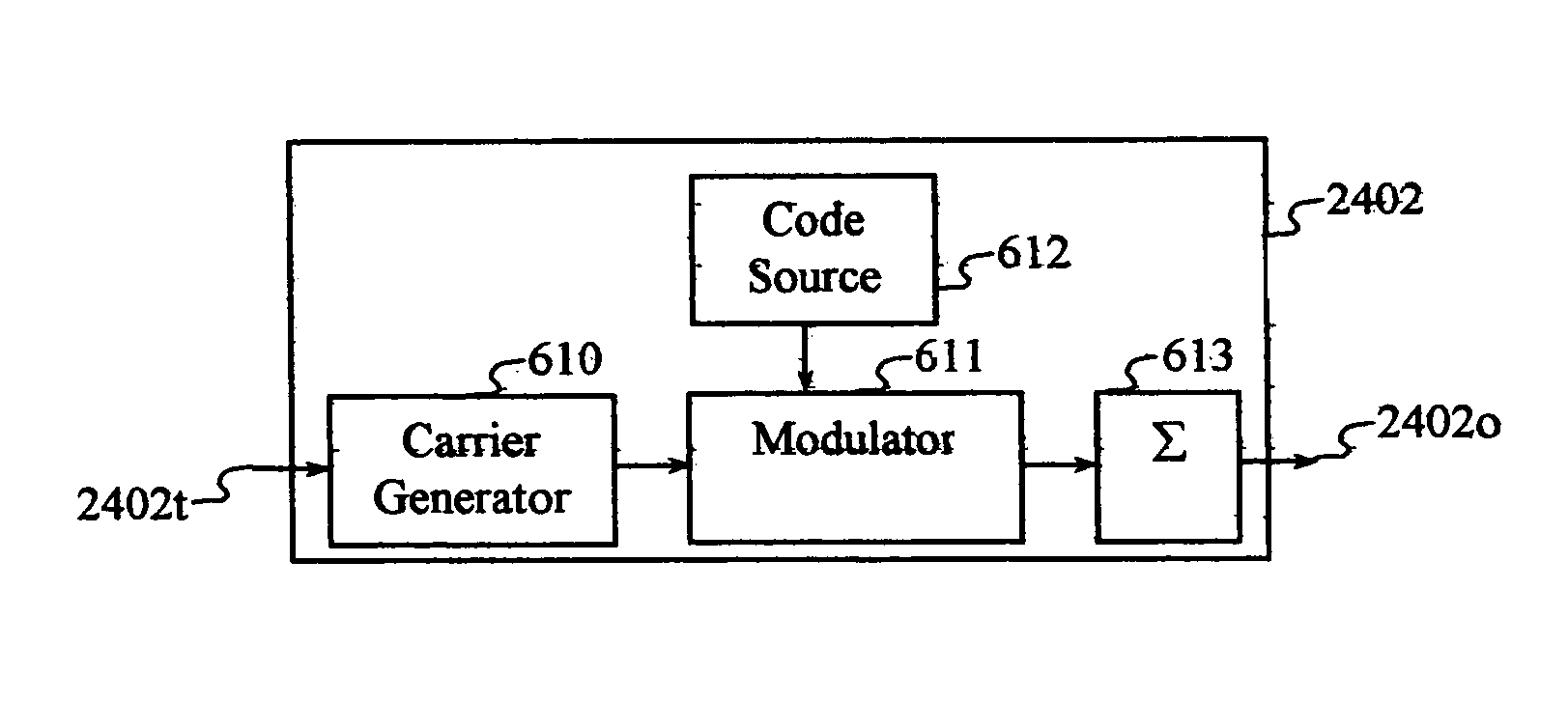
Method and apparatus for transmitting and receiving signals having a carrier interferometry architecture
PatentInactiveUS6686879B2
Innovation
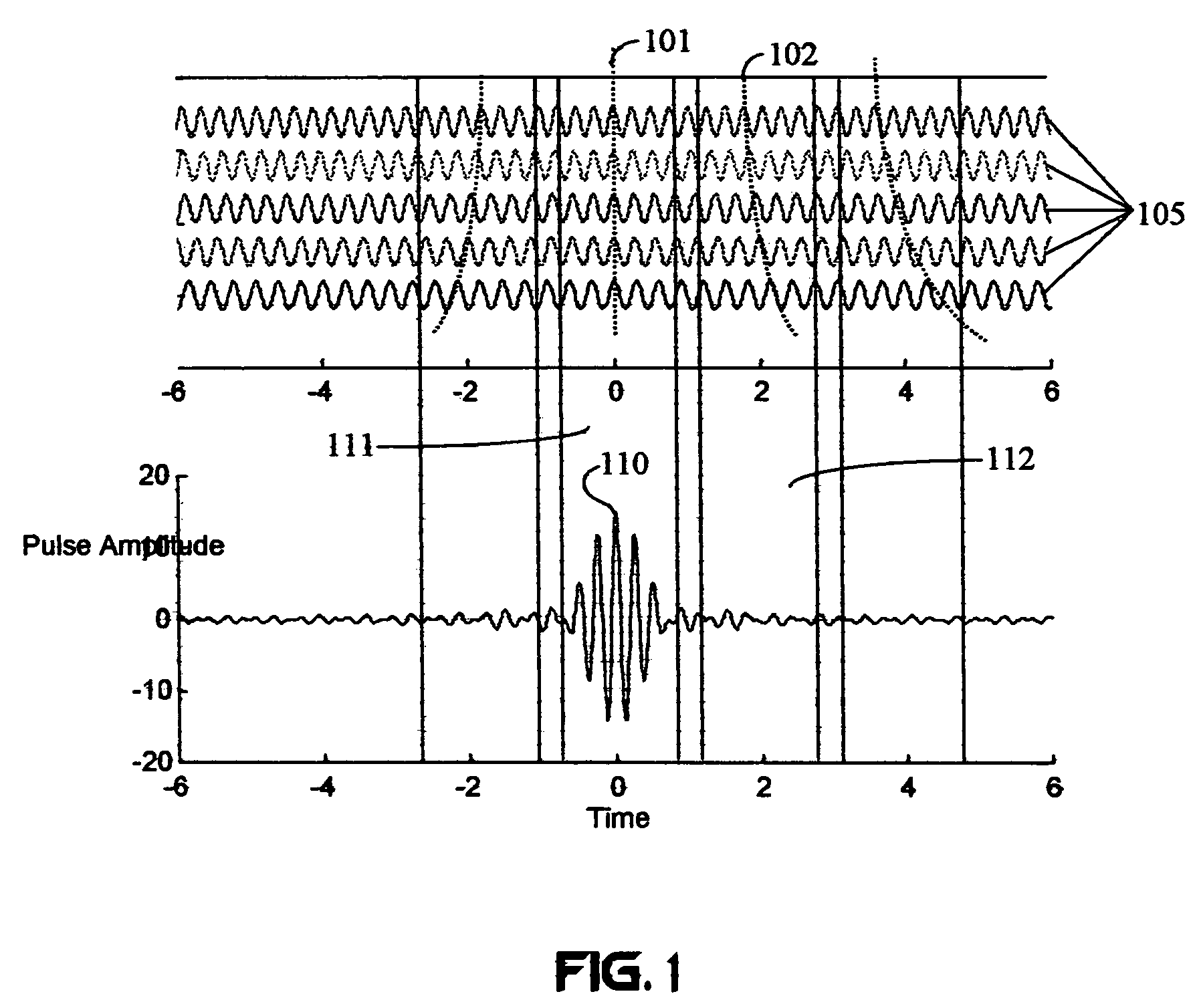
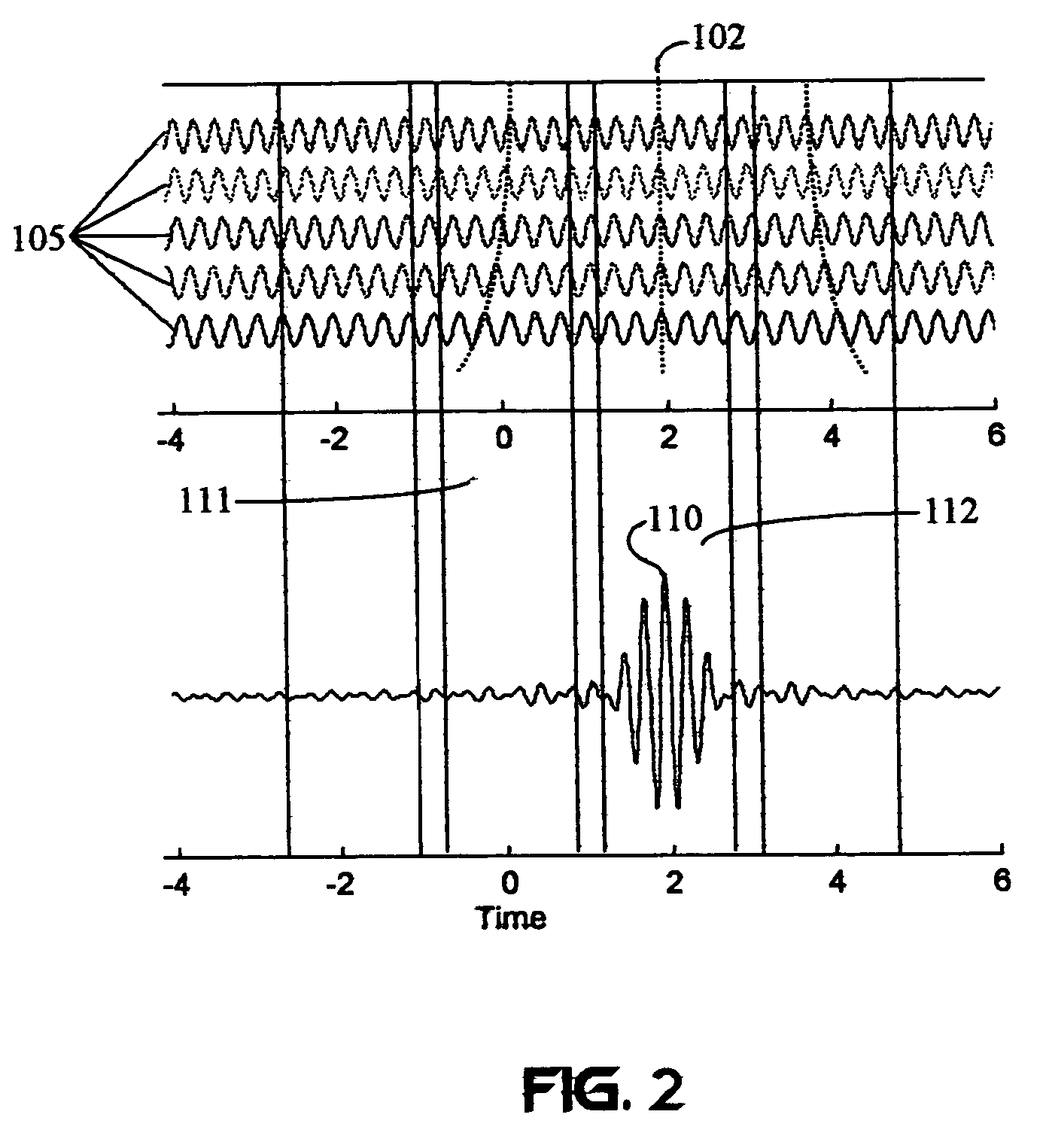
- The implementation of Carrier Interferometry (CI) signals, which use a baseband information signal to redundantly modulate multiple carrier signals, creating a superposition that reconstructs the signal in the time domain, allowing for adaptive processing and interference rejection, and enabling direct down-conversion and parallel processing.


Method and apparatus for transmitting signals having a carrier-interferometry architecture
PatentInactiveUS7639597B2
Innovation
- The implementation of Carrier Interferometry (CI) signals, which use a baseband information signal to redundantly modulate multiple carrier signals, creating a superposition that reconstructs the signal in the time domain, allowing for adaptive transmission and reception across various protocols and frequency ranges with reduced components and power consumption.

Spectrum Regulatory Framework for Carrier Management
The spectrum regulatory framework for carrier management represents a critical foundation for addressing inter-carrier interference and optimizing bandwidth efficiency in modern telecommunications systems. Regulatory bodies worldwide have established comprehensive frameworks that govern spectrum allocation, interference mitigation standards, and carrier coordination protocols to ensure optimal utilization of the finite radio frequency spectrum.
International spectrum management is primarily coordinated through the International Telecommunication Union (ITU), which divides the world into three regions and establishes Radio Regulations that serve as binding international treaties. These regulations define frequency band allocations, power limitations, and technical standards that directly impact carrier interference management strategies. The ITU-R recommendations provide detailed technical specifications for interference protection criteria and coordination procedures between different services and operators.
National regulatory authorities implement these international frameworks through domestic spectrum policies and licensing regimes. In the United States, the Federal Communications Commission (FCC) establishes Part 15 and Part 97 regulations that define interference thresholds and technical requirements for unlicensed and licensed operations respectively. The European Conference of Postal and Telecommunications Administrations (CEPT) harmonizes spectrum policies across European nations through Electronic Communications Committee (ECC) reports and recommendations.
Spectrum licensing frameworks typically incorporate interference protection mechanisms through geographic separation requirements, power spectral density limitations, and mandatory coordination procedures between adjacent channel operators. These regulatory measures directly influence the technical approaches available for inter-carrier interference mitigation, as operators must comply with established emission masks and spurious radiation limits while implementing optimization tactics.
Recent regulatory developments have introduced dynamic spectrum access frameworks and cognitive radio regulations that enable more flexible carrier management approaches. The FCC's Citizens Broadband Radio Service (CBRS) and similar tiered sharing mechanisms in other jurisdictions demonstrate evolving regulatory support for advanced interference management techniques, including real-time spectrum sensing and adaptive power control systems that enhance bandwidth efficiency while maintaining regulatory compliance.
International spectrum management is primarily coordinated through the International Telecommunication Union (ITU), which divides the world into three regions and establishes Radio Regulations that serve as binding international treaties. These regulations define frequency band allocations, power limitations, and technical standards that directly impact carrier interference management strategies. The ITU-R recommendations provide detailed technical specifications for interference protection criteria and coordination procedures between different services and operators.
National regulatory authorities implement these international frameworks through domestic spectrum policies and licensing regimes. In the United States, the Federal Communications Commission (FCC) establishes Part 15 and Part 97 regulations that define interference thresholds and technical requirements for unlicensed and licensed operations respectively. The European Conference of Postal and Telecommunications Administrations (CEPT) harmonizes spectrum policies across European nations through Electronic Communications Committee (ECC) reports and recommendations.
Spectrum licensing frameworks typically incorporate interference protection mechanisms through geographic separation requirements, power spectral density limitations, and mandatory coordination procedures between adjacent channel operators. These regulatory measures directly influence the technical approaches available for inter-carrier interference mitigation, as operators must comply with established emission masks and spurious radiation limits while implementing optimization tactics.
Recent regulatory developments have introduced dynamic spectrum access frameworks and cognitive radio regulations that enable more flexible carrier management approaches. The FCC's Citizens Broadband Radio Service (CBRS) and similar tiered sharing mechanisms in other jurisdictions demonstrate evolving regulatory support for advanced interference management techniques, including real-time spectrum sensing and adaptive power control systems that enhance bandwidth efficiency while maintaining regulatory compliance.
Energy Efficiency Considerations in ICI Optimization
Energy efficiency has emerged as a critical design parameter in modern communication systems, particularly when addressing Inter Carrier Interference (ICI) optimization challenges. The growing demand for sustainable wireless networks, coupled with increasing operational costs and environmental regulations, necessitates the integration of energy-aware strategies into ICI mitigation techniques.
Traditional ICI optimization approaches often prioritize performance metrics such as signal-to-interference ratio and throughput maximization without considering power consumption implications. However, contemporary system designs must balance interference suppression effectiveness with energy expenditure, as power-hungry algorithms can significantly impact battery life in mobile devices and operational costs in base stations.
The relationship between ICI mitigation complexity and energy consumption presents a fundamental trade-off scenario. Advanced signal processing techniques, including sophisticated equalization algorithms and multi-antenna processing schemes, typically require substantial computational resources, directly translating to higher power consumption. This creates a optimization challenge where system designers must carefully evaluate the energy cost of implementing complex ICI suppression methods against their performance benefits.
Power-aware ICI optimization strategies have gained prominence through the development of adaptive algorithms that dynamically adjust processing complexity based on channel conditions and energy constraints. These approaches employ techniques such as selective subcarrier processing, where interference cancellation is applied only to severely affected carriers, and computational load balancing across multiple processing units to minimize peak power consumption.
Hardware-level considerations play a crucial role in energy-efficient ICI optimization implementation. The choice between digital signal processors, field-programmable gate arrays, and application-specific integrated circuits significantly impacts power efficiency. Modern implementations increasingly leverage specialized hardware accelerators and parallel processing architectures to achieve optimal energy-performance ratios while maintaining real-time processing requirements.
Machine learning approaches have introduced novel perspectives on energy-efficient ICI optimization by enabling predictive power management and intelligent resource allocation. These techniques can anticipate interference patterns and proactively adjust system parameters to minimize both ICI impact and energy consumption, representing a paradigm shift toward holistic system optimization that considers multiple performance dimensions simultaneously.
Traditional ICI optimization approaches often prioritize performance metrics such as signal-to-interference ratio and throughput maximization without considering power consumption implications. However, contemporary system designs must balance interference suppression effectiveness with energy expenditure, as power-hungry algorithms can significantly impact battery life in mobile devices and operational costs in base stations.
The relationship between ICI mitigation complexity and energy consumption presents a fundamental trade-off scenario. Advanced signal processing techniques, including sophisticated equalization algorithms and multi-antenna processing schemes, typically require substantial computational resources, directly translating to higher power consumption. This creates a optimization challenge where system designers must carefully evaluate the energy cost of implementing complex ICI suppression methods against their performance benefits.
Power-aware ICI optimization strategies have gained prominence through the development of adaptive algorithms that dynamically adjust processing complexity based on channel conditions and energy constraints. These approaches employ techniques such as selective subcarrier processing, where interference cancellation is applied only to severely affected carriers, and computational load balancing across multiple processing units to minimize peak power consumption.
Hardware-level considerations play a crucial role in energy-efficient ICI optimization implementation. The choice between digital signal processors, field-programmable gate arrays, and application-specific integrated circuits significantly impacts power efficiency. Modern implementations increasingly leverage specialized hardware accelerators and parallel processing architectures to achieve optimal energy-performance ratios while maintaining real-time processing requirements.
Machine learning approaches have introduced novel perspectives on energy-efficient ICI optimization by enabling predictive power management and intelligent resource allocation. These techniques can anticipate interference patterns and proactively adjust system parameters to minimize both ICI impact and energy consumption, representing a paradigm shift toward holistic system optimization that considers multiple performance dimensions simultaneously.
Unlock deeper insights with Patsnap Eureka Quick Research — get a full tech report to explore trends and direct your research. Try now!
Generate Your Research Report Instantly with AI Agent
Supercharge your innovation with Patsnap Eureka AI Agent Platform!