
Intercooling for Space Exploration: Heat Dissipation
APR 3, 20269 MIN READ
Generate Your Research Report Instantly with AI Agent
Patsnap Eureka helps you evaluate technical feasibility & market potential.
Space Intercooling Technology Background and Objectives
Space exploration missions face unprecedented thermal management challenges due to the extreme environmental conditions and operational constraints inherent in extraterrestrial environments. The vacuum of space, combined with intense solar radiation and extreme temperature variations, creates a complex thermal landscape that demands sophisticated heat dissipation solutions. Traditional terrestrial cooling methods prove inadequate in space applications, where convective heat transfer is impossible and radiative cooling becomes the primary mechanism for thermal regulation.
The evolution of space intercooling technology traces back to early satellite missions in the 1960s, where simple passive radiators sufficed for basic electronic components. As missions became more complex and power-intensive, the need for active thermal management systems emerged. The Apollo program marked a significant milestone, introducing liquid cooling loops and heat exchangers specifically designed for space applications. Subsequent developments in the Space Shuttle era brought advanced two-phase cooling systems and deployable radiator panels.
Modern space missions, particularly those involving high-performance computing systems, advanced scientific instruments, and life support systems, generate substantial heat loads that exceed the capabilities of conventional passive cooling methods. Mars rovers, space stations, and deep space probes require sophisticated intercooling systems capable of maintaining optimal operating temperatures across varying mission phases and environmental conditions.
The primary objective of contemporary space intercooling technology development centers on achieving efficient heat dissipation while minimizing system mass, power consumption, and complexity. Mission-critical goals include maintaining component temperatures within operational limits, ensuring long-term reliability in harsh space environments, and providing scalable solutions for diverse mission profiles. Advanced objectives encompass the development of autonomous thermal management systems capable of adapting to changing thermal loads and environmental conditions without ground intervention.
Future intercooling technology aims to enable more ambitious space exploration missions, including extended lunar surface operations, Mars colonization efforts, and deep space exploration vehicles. These applications demand revolutionary approaches to heat dissipation that can operate reliably for extended periods while supporting increasingly power-intensive systems essential for human survival and scientific discovery in space environments.
The evolution of space intercooling technology traces back to early satellite missions in the 1960s, where simple passive radiators sufficed for basic electronic components. As missions became more complex and power-intensive, the need for active thermal management systems emerged. The Apollo program marked a significant milestone, introducing liquid cooling loops and heat exchangers specifically designed for space applications. Subsequent developments in the Space Shuttle era brought advanced two-phase cooling systems and deployable radiator panels.
Modern space missions, particularly those involving high-performance computing systems, advanced scientific instruments, and life support systems, generate substantial heat loads that exceed the capabilities of conventional passive cooling methods. Mars rovers, space stations, and deep space probes require sophisticated intercooling systems capable of maintaining optimal operating temperatures across varying mission phases and environmental conditions.
The primary objective of contemporary space intercooling technology development centers on achieving efficient heat dissipation while minimizing system mass, power consumption, and complexity. Mission-critical goals include maintaining component temperatures within operational limits, ensuring long-term reliability in harsh space environments, and providing scalable solutions for diverse mission profiles. Advanced objectives encompass the development of autonomous thermal management systems capable of adapting to changing thermal loads and environmental conditions without ground intervention.
Future intercooling technology aims to enable more ambitious space exploration missions, including extended lunar surface operations, Mars colonization efforts, and deep space exploration vehicles. These applications demand revolutionary approaches to heat dissipation that can operate reliably for extended periods while supporting increasingly power-intensive systems essential for human survival and scientific discovery in space environments.
Market Demand for Space Thermal Management Systems
The space thermal management systems market is experiencing unprecedented growth driven by the rapid expansion of commercial space activities and increasing complexity of space missions. Traditional aerospace agencies are now joined by private companies launching satellites, conducting space tourism, and planning deep space exploration missions, all requiring sophisticated thermal control solutions.
Satellite constellations represent the largest market segment, with thousands of small satellites requiring efficient heat dissipation systems. These missions demand lightweight, reliable thermal management solutions that can operate in the harsh space environment for extended periods. The miniaturization trend in satellite technology has intensified the need for advanced intercooling systems capable of managing high heat flux densities in compact form factors.
Deep space exploration missions present unique thermal management challenges that drive demand for innovative intercooling technologies. Spacecraft venturing beyond Earth's orbit encounter extreme temperature variations, from intense solar radiation to the cold vacuum of space. These missions require thermal systems capable of maintaining optimal operating temperatures for sensitive electronics, scientific instruments, and life support systems across vast temperature ranges.
The emerging space manufacturing sector is creating new market opportunities for thermal management systems. In-orbit manufacturing processes generate significant heat loads that must be efficiently dissipated to maintain product quality and equipment functionality. This application requires specialized intercooling solutions designed for zero-gravity environments and extended operational periods.
Commercial space stations and lunar bases represent high-growth market segments with substantial thermal management requirements. These facilities must maintain habitable environments while managing heat generated by life support systems, research equipment, and industrial processes. The scale and complexity of these applications demand robust, scalable thermal management architectures.
Market drivers include increasing satellite launch frequencies, growing investment in space infrastructure, and advancing space exploration programs. The trend toward reusable launch vehicles and sustainable space operations further emphasizes the importance of reliable, long-lasting thermal management systems. Additionally, the integration of high-power electronics and advanced propulsion systems in modern spacecraft creates more demanding heat dissipation requirements, fueling market growth for innovative intercooling solutions.
Satellite constellations represent the largest market segment, with thousands of small satellites requiring efficient heat dissipation systems. These missions demand lightweight, reliable thermal management solutions that can operate in the harsh space environment for extended periods. The miniaturization trend in satellite technology has intensified the need for advanced intercooling systems capable of managing high heat flux densities in compact form factors.
Deep space exploration missions present unique thermal management challenges that drive demand for innovative intercooling technologies. Spacecraft venturing beyond Earth's orbit encounter extreme temperature variations, from intense solar radiation to the cold vacuum of space. These missions require thermal systems capable of maintaining optimal operating temperatures for sensitive electronics, scientific instruments, and life support systems across vast temperature ranges.
The emerging space manufacturing sector is creating new market opportunities for thermal management systems. In-orbit manufacturing processes generate significant heat loads that must be efficiently dissipated to maintain product quality and equipment functionality. This application requires specialized intercooling solutions designed for zero-gravity environments and extended operational periods.
Commercial space stations and lunar bases represent high-growth market segments with substantial thermal management requirements. These facilities must maintain habitable environments while managing heat generated by life support systems, research equipment, and industrial processes. The scale and complexity of these applications demand robust, scalable thermal management architectures.
Market drivers include increasing satellite launch frequencies, growing investment in space infrastructure, and advancing space exploration programs. The trend toward reusable launch vehicles and sustainable space operations further emphasizes the importance of reliable, long-lasting thermal management systems. Additionally, the integration of high-power electronics and advanced propulsion systems in modern spacecraft creates more demanding heat dissipation requirements, fueling market growth for innovative intercooling solutions.
Current State and Challenges of Space Heat Dissipation
Space exploration missions face unprecedented thermal management challenges due to the extreme operating environments and stringent weight constraints. Current heat dissipation technologies in spacecraft primarily rely on passive radiative cooling systems, active thermal control loops, and phase change materials. However, these conventional approaches are reaching their performance limits as spacecraft electronics become more powerful and mission durations extend.
The primary challenge stems from the vacuum environment of space, which eliminates convective heat transfer mechanisms available on Earth. Spacecraft must rely solely on conduction within components and radiation to space for heat rejection. This limitation becomes critical when dealing with high-power electronics, propulsion systems, and life support equipment that generate substantial thermal loads during operation.
Current radiative cooling systems, while proven, suffer from significant mass penalties and limited heat rejection capabilities. Traditional radiator panels require large surface areas to achieve adequate cooling, directly conflicting with launch vehicle payload constraints. The effectiveness of these systems also varies dramatically based on spacecraft orientation relative to the Sun and other celestial bodies, creating thermal management complexities during mission operations.
Active thermal control systems using pumped fluid loops offer better heat transport capabilities but introduce mechanical complexity and potential failure points. These systems require pumps, valves, and extensive plumbing networks that add mass and consume power. The working fluids in these loops face challenges including freezing in shadowed regions, boiling under low pressure conditions, and potential contamination over extended mission durations.
Phase change materials represent an emerging approach for thermal buffering, but current implementations are limited by their finite heat absorption capacity and the challenge of regenerating their cooling capability in space environments. The lack of gravity affects heat transfer mechanisms within these materials, reducing their effectiveness compared to terrestrial applications.
Intercooling systems specifically face additional constraints related to the cyclical nature of heat generation in spacecraft systems. Power electronics, communication equipment, and scientific instruments often operate in duty cycles that create transient thermal loads. Current heat dissipation technologies struggle to efficiently manage these variable thermal demands while maintaining component temperatures within operational limits.
The geographic distribution of space thermal management expertise is concentrated in major space-faring nations, with significant research activities in the United States, Europe, Russia, and increasingly in China and India. However, the specialized nature of space-qualified thermal management components creates supply chain vulnerabilities and limits innovation pathways for emerging space companies and nations.
The primary challenge stems from the vacuum environment of space, which eliminates convective heat transfer mechanisms available on Earth. Spacecraft must rely solely on conduction within components and radiation to space for heat rejection. This limitation becomes critical when dealing with high-power electronics, propulsion systems, and life support equipment that generate substantial thermal loads during operation.
Current radiative cooling systems, while proven, suffer from significant mass penalties and limited heat rejection capabilities. Traditional radiator panels require large surface areas to achieve adequate cooling, directly conflicting with launch vehicle payload constraints. The effectiveness of these systems also varies dramatically based on spacecraft orientation relative to the Sun and other celestial bodies, creating thermal management complexities during mission operations.
Active thermal control systems using pumped fluid loops offer better heat transport capabilities but introduce mechanical complexity and potential failure points. These systems require pumps, valves, and extensive plumbing networks that add mass and consume power. The working fluids in these loops face challenges including freezing in shadowed regions, boiling under low pressure conditions, and potential contamination over extended mission durations.
Phase change materials represent an emerging approach for thermal buffering, but current implementations are limited by their finite heat absorption capacity and the challenge of regenerating their cooling capability in space environments. The lack of gravity affects heat transfer mechanisms within these materials, reducing their effectiveness compared to terrestrial applications.
Intercooling systems specifically face additional constraints related to the cyclical nature of heat generation in spacecraft systems. Power electronics, communication equipment, and scientific instruments often operate in duty cycles that create transient thermal loads. Current heat dissipation technologies struggle to efficiently manage these variable thermal demands while maintaining component temperatures within operational limits.
The geographic distribution of space thermal management expertise is concentrated in major space-faring nations, with significant research activities in the United States, Europe, Russia, and increasingly in China and India. However, the specialized nature of space-qualified thermal management components creates supply chain vulnerabilities and limits innovation pathways for emerging space companies and nations.
Existing Space Heat Dissipation Solutions
01 Intercooler structure with enhanced heat exchange surfaces
Intercooler designs incorporating optimized fin structures, corrugated plates, or extended heat exchange surfaces to maximize the contact area between compressed air and cooling medium. These structural improvements enhance heat transfer efficiency by increasing turbulence and surface area, allowing for more effective temperature reduction of compressed gases before they enter the engine or subsequent compression stages.- Intercooler structure with enhanced heat exchange surfaces: Intercooler designs incorporating optimized fin structures, corrugated plates, or extended heat exchange surfaces to maximize the contact area between compressed air and cooling medium. These structural improvements enhance heat transfer efficiency by increasing turbulence and surface area, thereby improving overall cooling performance in turbocharged or supercharged engine systems.
- Liquid cooling systems for intercoolers: Implementation of liquid-based cooling circuits that utilize water or coolant to absorb heat from compressed intake air. These systems typically feature integrated cooling channels, circulation pumps, and heat exchangers that provide more efficient heat dissipation compared to air-cooled alternatives, particularly suitable for high-performance or compact engine applications.
- Air flow optimization and ducting design: Strategic design of air intake pathways, ducting configurations, and flow distribution systems to maximize cooling air velocity and uniformity across intercooler surfaces. These designs minimize pressure drops while ensuring optimal air flow patterns, often incorporating aerodynamic features, variable geometry components, or active flow control mechanisms to enhance heat dissipation efficiency.
- Integrated cooling modules with multiple heat exchangers: Compact cooling assemblies that combine intercoolers with radiators, oil coolers, or other thermal management components in a unified module. These integrated designs optimize space utilization, reduce installation complexity, and enable coordinated thermal management across multiple vehicle systems through shared cooling resources and airflow paths.
- Advanced materials and coatings for heat transfer enhancement: Application of specialized materials with high thermal conductivity, such as aluminum alloys or copper composites, and surface treatments including hydrophilic coatings or nano-structured surfaces to improve heat transfer rates. These material innovations reduce thermal resistance, prevent fouling, and enhance condensate drainage, resulting in sustained cooling performance over extended operating periods.
02 Liquid cooling systems for intercooling applications
Implementation of liquid-based cooling circuits that circulate coolant through intercooler cores to dissipate heat from compressed air. These systems typically include pumps, radiators, and heat exchangers that provide superior cooling capacity compared to air-cooled alternatives. The liquid medium enables more consistent temperature control and compact design integration in space-constrained applications.Expand Specific Solutions03 Multi-stage intercooling configurations
Intercooling systems employing multiple cooling stages between compression phases to progressively reduce air temperature. This approach involves sequential heat exchangers positioned at different points in the compression process, each removing a portion of the heat generated. Multi-stage designs improve overall compression efficiency and reduce the thermal load on individual cooling components.Expand Specific Solutions04 Integrated cooling channels and thermal management
Intercooler designs featuring integrated cooling passages, microchannels, or embedded heat pipes within the component structure. These advanced thermal management solutions optimize heat dissipation pathways and reduce thermal resistance between the heat source and cooling medium. The integration approach enables compact packaging while maintaining high cooling performance in demanding applications.Expand Specific Solutions05 Air-cooled intercooler with optimized airflow design
Intercooling systems utilizing ambient air as the cooling medium with enhanced airflow management through optimized duct design, fan placement, and air distribution patterns. These designs focus on maximizing convective heat transfer by directing cooling air efficiently across heat exchange surfaces. Air-cooled solutions offer simplicity and reliability for applications where liquid cooling infrastructure is impractical.Expand Specific Solutions
Key Players in Space Thermal Management Industry
The intercooling technology for space exploration heat dissipation represents an emerging yet critical market segment within the broader thermal management industry. Currently in its early development stage, this specialized field is driven by increasing space missions and the need for advanced thermal solutions in extreme environments. The market remains relatively niche but shows significant growth potential as space exploration activities intensify globally. Technology maturity varies considerably across players, with established aerospace institutes like Beijing Institute of Spacecraft System Engineering and Shanghai Institute of Satellite Engineering leading fundamental research, while industrial giants such as Thales SA, Northrop Grumman Systems Corp., and specialized thermal management companies like MAHLE International GmbH and Modine Manufacturing Co. contribute proven terrestrial cooling technologies adapted for space applications. The competitive landscape features a mix of government research institutions, aerospace contractors, and automotive thermal specialists, indicating the cross-industry nature of technological development in this domain.
Beijing Institute of Spacecraft System Engineering
Technical Solution: The institute has developed integrated thermal management systems for Chinese space missions, including the Chang'e lunar program and Mars exploration missions. Their intercooling solutions feature domestically produced heat pipes, thermal straps, and radiative cooling systems designed for deep space exploration. The technology incorporates flexible thermal links and deployable thermal radiators that can operate effectively in the extreme temperature variations of space, from lunar surface operations to interplanetary transit phases.
Strengths: Proven track record in Chinese space program, cost-effective solutions for emerging space markets. Weaknesses: Limited international market presence, technology transfer restrictions.
MAHLE International GmbH
Technical Solution: MAHLE has leveraged its automotive thermal management expertise to develop space-qualified intercooling systems, focusing on compact heat exchangers and thermal interface materials suitable for spacecraft applications. Their solutions include micro-channel heat exchangers and advanced thermal management fluids designed to operate in microgravity environments. The company's space thermal systems incorporate lightweight aluminum and carbon fiber composite materials to minimize mass while maximizing heat dissipation efficiency for satellite and space station applications.
Strengths: Strong materials science background, lightweight and efficient heat exchanger designs. Weaknesses: Limited space flight heritage compared to traditional aerospace suppliers, adaptation challenges from terrestrial to space applications.
Core Innovations in Space Intercooling Patents
Spacecraft heat dissipation system
PatentWO2010111364A1
Innovation
- A modular spacecraft heat dissipation system utilizing externally attached 'L-shaped' heat pipes thermally coupled between north and south thermal radiator panels to efficiently transfer heat between them, maximizing thermal dissipation capacity and reducing temperature differentials.


Dual conduction heat dissipating system for a spacecraft
PatentInactiveUS20050077432A1
Innovation
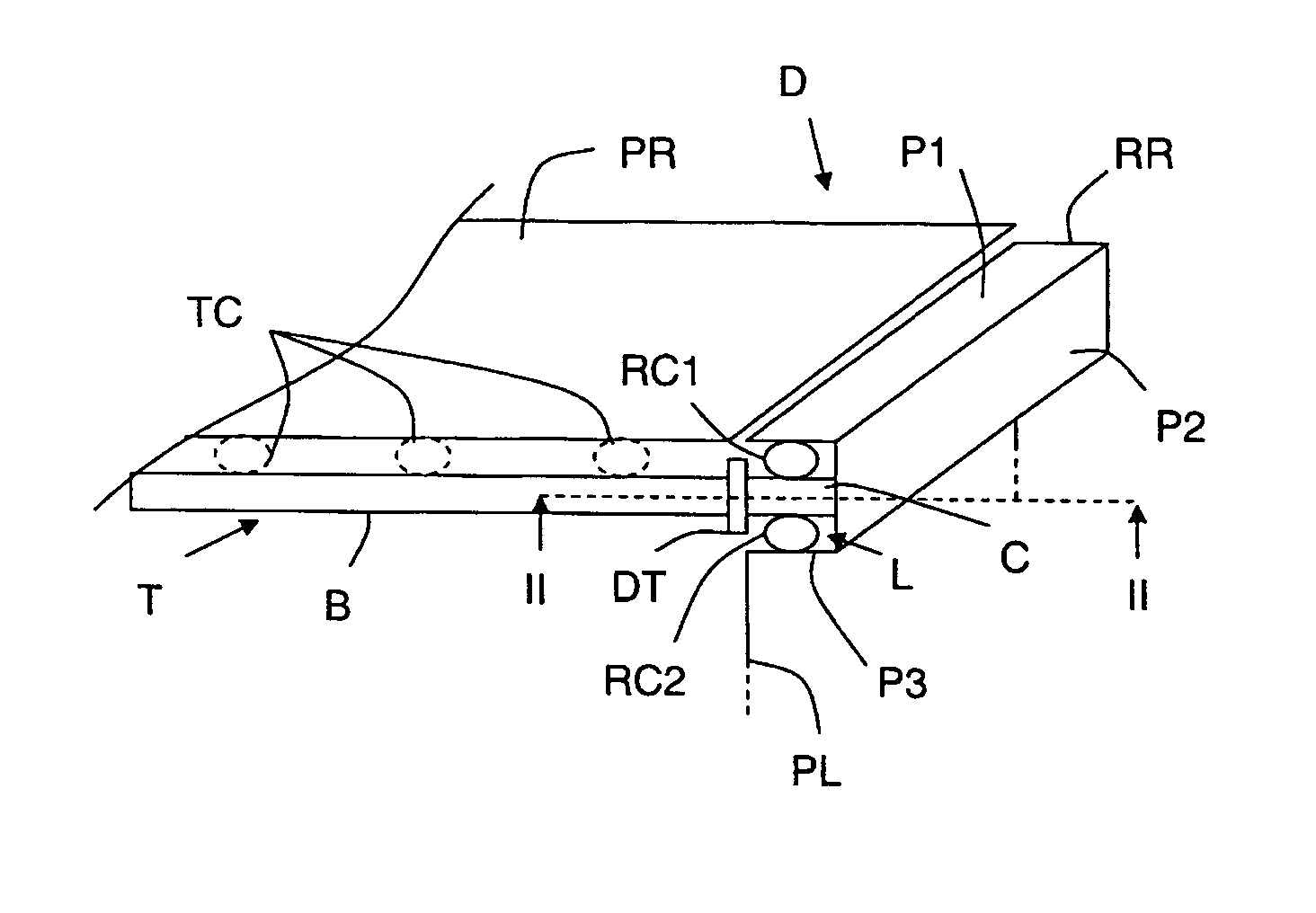
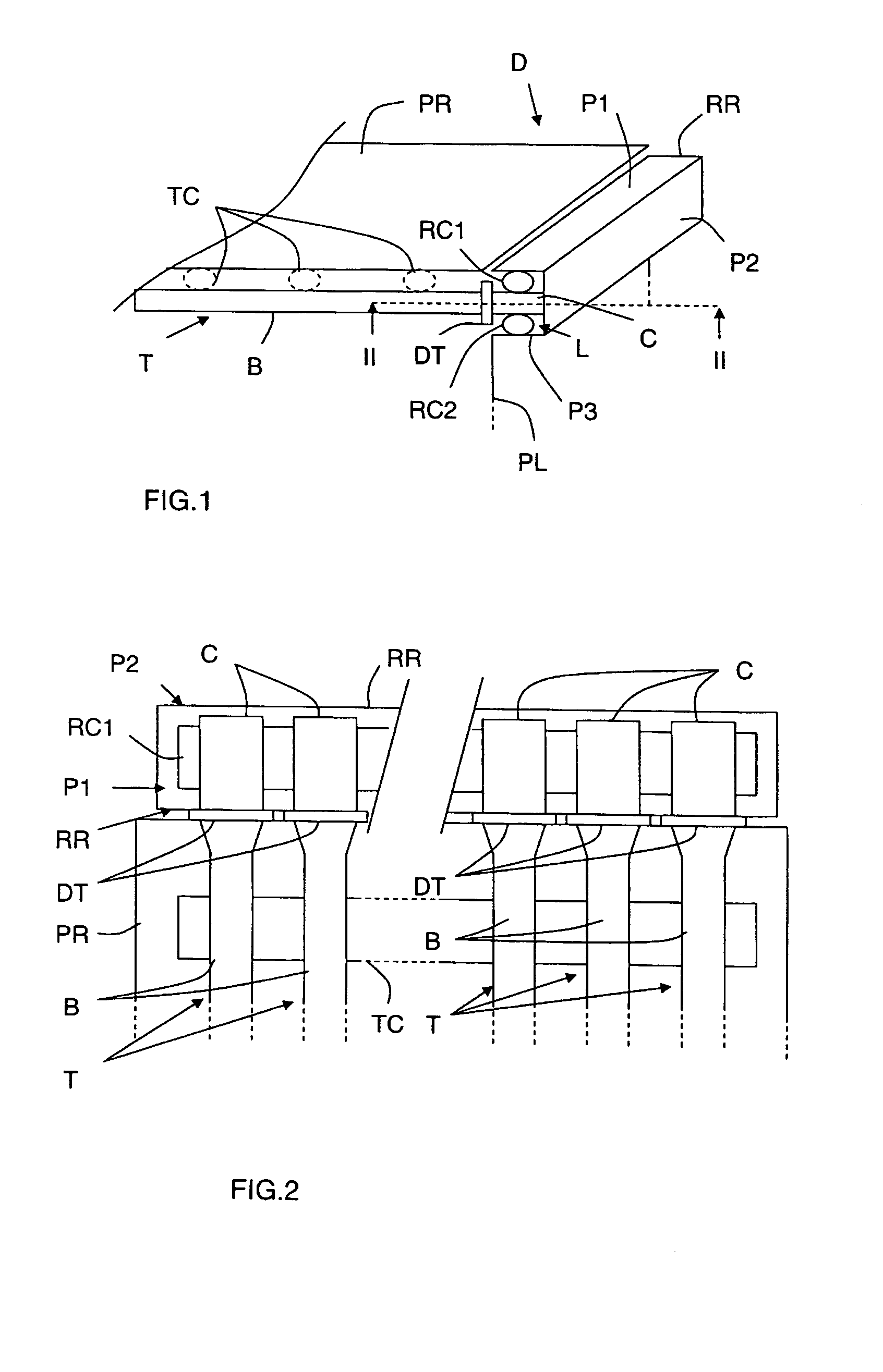
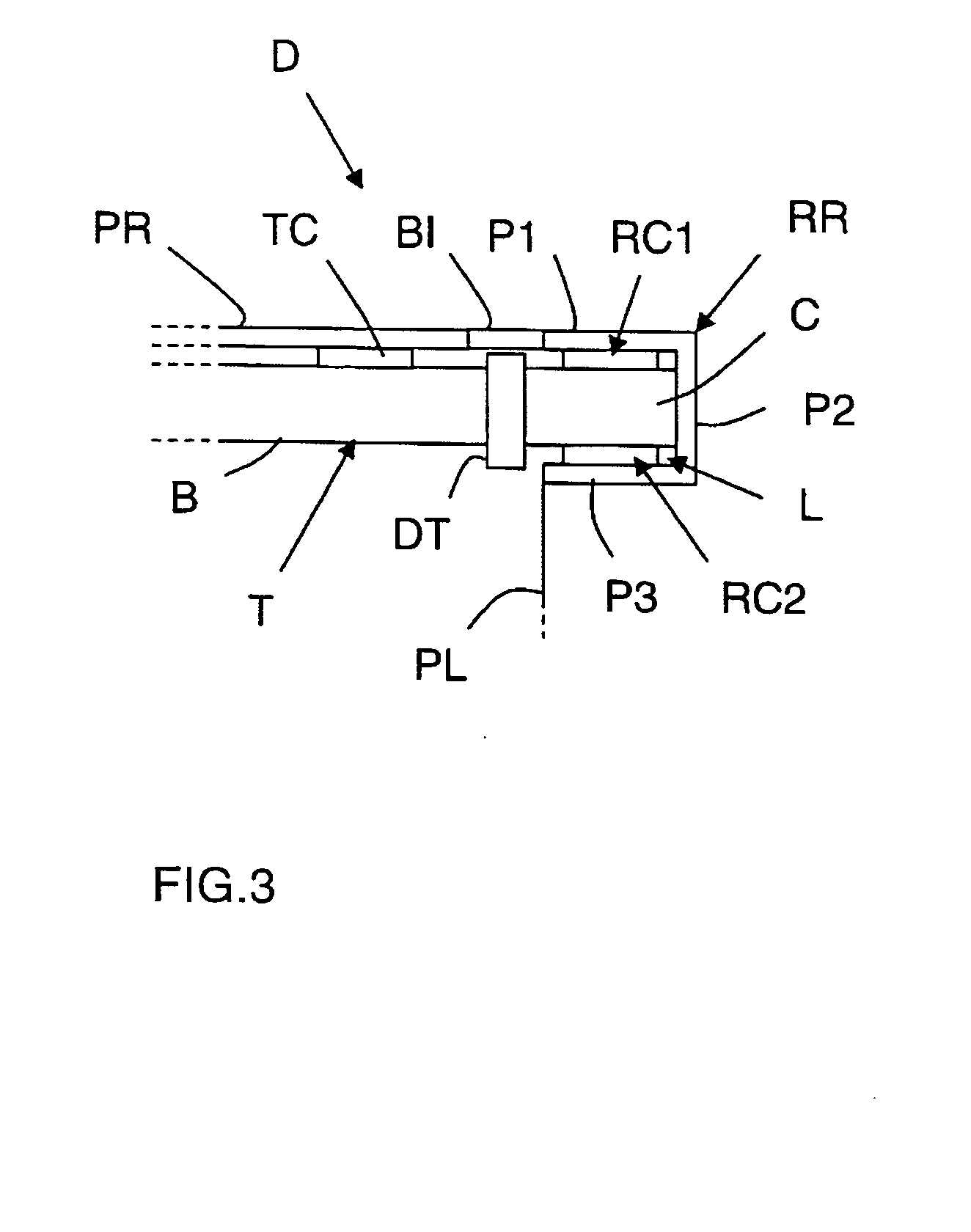
- A heat dissipating system for spacecraft that includes a radiating panel thermally coupled to amplifier tubes and a radiating receptacle with heat distribution means, allowing for dual conduction temperatures and improved heat distribution between collectors and walls, enhancing radiative efficiency and reducing mechanical stress.
Space Mission Safety and Reliability Standards
Space exploration missions operate in extreme environments where thermal management systems face unprecedented challenges that demand the highest levels of safety and reliability. The vacuum of space, intense radiation, and extreme temperature variations create conditions where intercooling system failures can result in catastrophic mission loss or crew endangerment. Establishing comprehensive safety and reliability standards for heat dissipation systems is therefore critical for mission success and astronaut protection.
Current safety standards for space thermal management systems are primarily governed by NASA's Safety and Mission Assurance requirements, ESA's ECSS standards, and international space safety protocols. These frameworks mandate rigorous testing protocols including thermal vacuum testing, vibration analysis, and radiation exposure assessments. For intercooling systems specifically, standards require redundant cooling paths, fail-safe mechanisms, and real-time monitoring capabilities to ensure continuous operation even under component failure scenarios.
Reliability requirements for space intercooling systems typically demand Mean Time Between Failures (MTBF) exceeding 100,000 hours for critical components. This necessitates extensive qualification testing including accelerated life testing, thermal cycling, and materials compatibility assessments. Components must demonstrate functionality across temperature ranges from -150°C to +120°C while maintaining performance specifications throughout mission duration, which can extend beyond 10 years for deep space missions.
Safety protocols mandate multiple levels of thermal protection and emergency heat dissipation procedures. Primary systems must include backup cooling mechanisms, emergency heat dump capabilities, and automated shutdown procedures to prevent overheating of critical spacecraft systems. Human-rated missions require additional safety margins with triple redundancy for life-support thermal management systems.
Quality assurance processes involve comprehensive documentation, traceability requirements, and independent verification and validation procedures. All thermal management components must undergo rigorous material selection processes, ensuring compatibility with space environments and long-term stability. Manufacturing processes require strict contamination control and precision assembly procedures to meet the demanding reliability standards essential for successful space exploration missions.
Current safety standards for space thermal management systems are primarily governed by NASA's Safety and Mission Assurance requirements, ESA's ECSS standards, and international space safety protocols. These frameworks mandate rigorous testing protocols including thermal vacuum testing, vibration analysis, and radiation exposure assessments. For intercooling systems specifically, standards require redundant cooling paths, fail-safe mechanisms, and real-time monitoring capabilities to ensure continuous operation even under component failure scenarios.
Reliability requirements for space intercooling systems typically demand Mean Time Between Failures (MTBF) exceeding 100,000 hours for critical components. This necessitates extensive qualification testing including accelerated life testing, thermal cycling, and materials compatibility assessments. Components must demonstrate functionality across temperature ranges from -150°C to +120°C while maintaining performance specifications throughout mission duration, which can extend beyond 10 years for deep space missions.
Safety protocols mandate multiple levels of thermal protection and emergency heat dissipation procedures. Primary systems must include backup cooling mechanisms, emergency heat dump capabilities, and automated shutdown procedures to prevent overheating of critical spacecraft systems. Human-rated missions require additional safety margins with triple redundancy for life-support thermal management systems.
Quality assurance processes involve comprehensive documentation, traceability requirements, and independent verification and validation procedures. All thermal management components must undergo rigorous material selection processes, ensuring compatibility with space environments and long-term stability. Manufacturing processes require strict contamination control and precision assembly procedures to meet the demanding reliability standards essential for successful space exploration missions.
Microgravity Environment Impact on Heat Transfer
The microgravity environment fundamentally alters heat transfer mechanisms in space-based intercooling systems, creating unique challenges that terrestrial thermal management solutions cannot adequately address. Unlike Earth-based applications where gravitational forces drive natural convection currents, microgravity conditions eliminate buoyancy-driven fluid motion, forcing thermal engineers to rely primarily on conduction and radiation for heat dissipation.
In microgravity, the absence of gravitational acceleration prevents the formation of thermal plumes and convective cells that typically enhance heat transfer efficiency in ground-based systems. This limitation significantly reduces the effectiveness of traditional cooling methods, as heated fluids no longer naturally rise and create circulation patterns. Consequently, intercooling systems must incorporate forced convection mechanisms, such as fans or pumps, to maintain adequate fluid circulation and prevent thermal stratification.
The behavior of two-phase heat transfer processes becomes particularly complex in microgravity environments. Boiling and condensation phenomena exhibit dramatically different characteristics compared to terrestrial conditions. Vapor bubbles do not separate from heated surfaces due to buoyancy, instead remaining attached and forming larger, less efficient heat transfer surfaces. This bubble coalescence reduces the nucleate boiling heat transfer coefficient and can lead to critical heat flux conditions at lower power levels than expected.
Surface tension forces become dominant in microgravity, significantly influencing fluid behavior within intercooling systems. Capillary effects control liquid distribution and flow patterns, making surface wetting properties and channel geometry critical design parameters. Heat pipes and thermosiphons, which rely on capillary action for fluid transport, can actually benefit from microgravity conditions when properly designed, as gravitational limitations on fluid return are eliminated.
Radiation heat transfer assumes greater importance in space applications due to the reduced effectiveness of convective cooling. The vacuum environment surrounding spacecraft provides no medium for convective heat dissipation to the external environment, making radiative cooling the primary mechanism for rejecting waste heat to space. This necessitates larger radiator surfaces and careful thermal design to maintain optimal operating temperatures for intercooling systems during extended space missions.
In microgravity, the absence of gravitational acceleration prevents the formation of thermal plumes and convective cells that typically enhance heat transfer efficiency in ground-based systems. This limitation significantly reduces the effectiveness of traditional cooling methods, as heated fluids no longer naturally rise and create circulation patterns. Consequently, intercooling systems must incorporate forced convection mechanisms, such as fans or pumps, to maintain adequate fluid circulation and prevent thermal stratification.
The behavior of two-phase heat transfer processes becomes particularly complex in microgravity environments. Boiling and condensation phenomena exhibit dramatically different characteristics compared to terrestrial conditions. Vapor bubbles do not separate from heated surfaces due to buoyancy, instead remaining attached and forming larger, less efficient heat transfer surfaces. This bubble coalescence reduces the nucleate boiling heat transfer coefficient and can lead to critical heat flux conditions at lower power levels than expected.
Surface tension forces become dominant in microgravity, significantly influencing fluid behavior within intercooling systems. Capillary effects control liquid distribution and flow patterns, making surface wetting properties and channel geometry critical design parameters. Heat pipes and thermosiphons, which rely on capillary action for fluid transport, can actually benefit from microgravity conditions when properly designed, as gravitational limitations on fluid return are eliminated.
Radiation heat transfer assumes greater importance in space applications due to the reduced effectiveness of convective cooling. The vacuum environment surrounding spacecraft provides no medium for convective heat dissipation to the external environment, making radiative cooling the primary mechanism for rejecting waste heat to space. This necessitates larger radiator surfaces and careful thermal design to maintain optimal operating temperatures for intercooling systems during extended space missions.
Unlock deeper insights with Patsnap Eureka Quick Research — get a full tech report to explore trends and direct your research. Try now!
Generate Your Research Report Instantly with AI Agent
Supercharge your innovation with Patsnap Eureka AI Agent Platform!