

Intercooling in Telecommunications: Signal Stability
APR 3, 20269 MIN READ
Generate Your Research Report Instantly with AI Agent
PatSnap Eureka helps you evaluate technical feasibility & market potential.
Intercooling Technology Background and Telecom Objectives
Intercooling technology in telecommunications has emerged as a critical thermal management solution addressing the exponential growth in data processing demands and signal transmission requirements. The fundamental principle involves strategic heat dissipation at intermediate stages of signal processing chains, preventing thermal accumulation that can compromise signal integrity. This approach differs from traditional end-point cooling by implementing distributed thermal management throughout the signal path.
The evolution of intercooling in telecommunications traces back to early microwave communication systems where vacuum tube amplifiers generated substantial heat. As semiconductor technology advanced, the miniaturization of components led to increased power density, making thermal management more challenging. The transition from analog to digital systems further intensified heat generation due to higher processing loads and faster switching frequencies.
Modern telecommunications infrastructure faces unprecedented thermal challenges driven by 5G deployment, edge computing integration, and massive MIMO antenna systems. These technologies operate at higher frequencies and require more complex signal processing, generating heat that can cause frequency drift, phase noise, and amplitude variations. Without proper thermal control, signal-to-noise ratios degrade significantly, affecting overall system performance.
The primary objective of implementing intercooling technology in telecommunications is maintaining signal stability across varying operational conditions. Temperature fluctuations directly impact semiconductor junction characteristics, causing variations in gain, phase response, and linearity of amplifiers and other active components. By maintaining consistent operating temperatures through intercooling, systems can achieve predictable performance parameters essential for reliable communication links.
Signal stability requirements have become increasingly stringent with the advent of advanced modulation schemes and higher-order QAM constellations used in modern communication systems. These techniques demand exceptional phase and amplitude accuracy, making thermal stability crucial for maintaining constellation integrity and minimizing error vector magnitude. Intercooling technology enables sustained operation at optimal temperature ranges, ensuring consistent signal quality.
Contemporary intercooling implementations target specific thermal hotspots within telecommunications equipment, including power amplifiers, digital signal processors, and optical transceivers. The technology aims to maintain junction temperatures within specified ranges while minimizing power consumption overhead. Advanced systems incorporate predictive thermal management, adjusting cooling capacity based on anticipated signal processing loads and environmental conditions.
The evolution of intercooling in telecommunications traces back to early microwave communication systems where vacuum tube amplifiers generated substantial heat. As semiconductor technology advanced, the miniaturization of components led to increased power density, making thermal management more challenging. The transition from analog to digital systems further intensified heat generation due to higher processing loads and faster switching frequencies.
Modern telecommunications infrastructure faces unprecedented thermal challenges driven by 5G deployment, edge computing integration, and massive MIMO antenna systems. These technologies operate at higher frequencies and require more complex signal processing, generating heat that can cause frequency drift, phase noise, and amplitude variations. Without proper thermal control, signal-to-noise ratios degrade significantly, affecting overall system performance.
The primary objective of implementing intercooling technology in telecommunications is maintaining signal stability across varying operational conditions. Temperature fluctuations directly impact semiconductor junction characteristics, causing variations in gain, phase response, and linearity of amplifiers and other active components. By maintaining consistent operating temperatures through intercooling, systems can achieve predictable performance parameters essential for reliable communication links.
Signal stability requirements have become increasingly stringent with the advent of advanced modulation schemes and higher-order QAM constellations used in modern communication systems. These techniques demand exceptional phase and amplitude accuracy, making thermal stability crucial for maintaining constellation integrity and minimizing error vector magnitude. Intercooling technology enables sustained operation at optimal temperature ranges, ensuring consistent signal quality.
Contemporary intercooling implementations target specific thermal hotspots within telecommunications equipment, including power amplifiers, digital signal processors, and optical transceivers. The technology aims to maintain junction temperatures within specified ranges while minimizing power consumption overhead. Advanced systems incorporate predictive thermal management, adjusting cooling capacity based on anticipated signal processing loads and environmental conditions.
Market Demand for Thermal Management in Telecom Infrastructure
The telecommunications industry faces unprecedented thermal management challenges as network infrastructure continues to evolve toward higher data rates and increased power densities. Modern telecommunications equipment, including 5G base stations, data centers, and edge computing nodes, generates substantial heat loads that directly impact signal integrity and system reliability. The correlation between thermal performance and signal stability has become a critical factor driving market demand for advanced cooling solutions.
Market drivers for thermal management solutions in telecommunications infrastructure stem from multiple technological and operational factors. The deployment of 5G networks requires sophisticated radio frequency equipment operating at higher frequencies and power levels, creating more stringent thermal control requirements. Edge computing integration within telecommunications networks further amplifies cooling demands as processing capabilities are distributed closer to end users.
The global shift toward network densification and small cell deployments has created new thermal management challenges in space-constrained environments. Traditional air cooling methods often prove inadequate for maintaining optimal operating temperatures in these compact installations. This limitation has sparked significant market interest in innovative cooling technologies, including liquid cooling systems, phase change materials, and advanced heat exchanger designs.
Energy efficiency regulations and sustainability initiatives across major telecommunications markets are reshaping thermal management requirements. Operators seek solutions that not only maintain signal stability but also minimize power consumption and environmental impact. This dual focus on performance and efficiency has expanded the addressable market for intelligent thermal management systems incorporating predictive algorithms and adaptive control mechanisms.
Regional market dynamics vary significantly based on climate conditions, infrastructure maturity, and regulatory frameworks. Tropical and desert regions demonstrate particularly strong demand for robust thermal management solutions due to extreme ambient temperatures. Developed markets emphasize energy efficiency and integration with existing infrastructure, while emerging markets prioritize cost-effective solutions that ensure reliable network operation.
The market landscape encompasses diverse customer segments, from major telecommunications operators managing extensive network infrastructures to equipment manufacturers integrating thermal solutions into their products. Each segment presents distinct requirements regarding performance specifications, cost constraints, and deployment timelines, creating opportunities for specialized thermal management approaches tailored to specific applications and operating environments.
Market drivers for thermal management solutions in telecommunications infrastructure stem from multiple technological and operational factors. The deployment of 5G networks requires sophisticated radio frequency equipment operating at higher frequencies and power levels, creating more stringent thermal control requirements. Edge computing integration within telecommunications networks further amplifies cooling demands as processing capabilities are distributed closer to end users.
The global shift toward network densification and small cell deployments has created new thermal management challenges in space-constrained environments. Traditional air cooling methods often prove inadequate for maintaining optimal operating temperatures in these compact installations. This limitation has sparked significant market interest in innovative cooling technologies, including liquid cooling systems, phase change materials, and advanced heat exchanger designs.
Energy efficiency regulations and sustainability initiatives across major telecommunications markets are reshaping thermal management requirements. Operators seek solutions that not only maintain signal stability but also minimize power consumption and environmental impact. This dual focus on performance and efficiency has expanded the addressable market for intelligent thermal management systems incorporating predictive algorithms and adaptive control mechanisms.
Regional market dynamics vary significantly based on climate conditions, infrastructure maturity, and regulatory frameworks. Tropical and desert regions demonstrate particularly strong demand for robust thermal management solutions due to extreme ambient temperatures. Developed markets emphasize energy efficiency and integration with existing infrastructure, while emerging markets prioritize cost-effective solutions that ensure reliable network operation.
The market landscape encompasses diverse customer segments, from major telecommunications operators managing extensive network infrastructures to equipment manufacturers integrating thermal solutions into their products. Each segment presents distinct requirements regarding performance specifications, cost constraints, and deployment timelines, creating opportunities for specialized thermal management approaches tailored to specific applications and operating environments.
Current Intercooling Challenges in Signal Stability Systems
Thermal management in telecommunications signal stability systems faces unprecedented challenges as network infrastructure evolves toward higher frequencies and increased power densities. Modern 5G base stations and data centers generate substantially more heat per unit area compared to previous generations, creating critical thermal hotspots that directly impact signal integrity. The primary challenge lies in maintaining consistent operating temperatures across sensitive RF components, where even minor temperature fluctuations can cause frequency drift, phase noise, and amplitude variations that degrade overall system performance.
Power amplifier thermal cycling represents one of the most significant intercooling challenges in contemporary telecommunications equipment. These components experience rapid temperature changes during transmission cycles, leading to thermal stress that affects both component longevity and signal stability. Traditional air-cooling solutions prove inadequate for managing these thermal transients, particularly in high-density deployments where multiple amplifiers operate in close proximity. The resulting thermal interference between components creates complex heat distribution patterns that are difficult to predict and control.
Miniaturization trends in telecommunications hardware have intensified intercooling complexity by reducing available space for thermal management solutions. Modern base station equipment must accommodate increasingly powerful processing units within compact form factors, creating thermal design constraints that challenge conventional cooling approaches. The limited airflow pathways and reduced surface area for heat dissipation force engineers to develop innovative cooling strategies that maintain signal stability without compromising equipment density requirements.
Environmental operating conditions present additional intercooling challenges, particularly for outdoor telecommunications infrastructure. Equipment must maintain signal stability across extreme temperature ranges while managing internal heat generation. Solar loading, ambient temperature variations, and humidity fluctuations create dynamic thermal conditions that stress intercooling systems beyond their design parameters. These environmental factors compound internal heat generation issues, requiring robust thermal management solutions that can adapt to changing external conditions.
Electromagnetic interference from cooling systems poses a unique challenge in telecommunications applications where signal purity is paramount. Traditional cooling fans and pumps can generate electromagnetic noise that interferes with sensitive RF circuits, creating a paradox where thermal management solutions potentially degrade the very signal stability they aim to protect. This challenge necessitates the development of EMI-quiet cooling technologies specifically designed for telecommunications environments.
The integration of advanced semiconductor technologies, including gallium nitride and silicon carbide devices, introduces new thermal management complexities. These wide-bandgap semiconductors operate at higher temperatures and power densities than traditional silicon components, requiring specialized intercooling approaches that can handle concentrated heat loads while maintaining precise temperature control for optimal signal performance.
Power amplifier thermal cycling represents one of the most significant intercooling challenges in contemporary telecommunications equipment. These components experience rapid temperature changes during transmission cycles, leading to thermal stress that affects both component longevity and signal stability. Traditional air-cooling solutions prove inadequate for managing these thermal transients, particularly in high-density deployments where multiple amplifiers operate in close proximity. The resulting thermal interference between components creates complex heat distribution patterns that are difficult to predict and control.
Miniaturization trends in telecommunications hardware have intensified intercooling complexity by reducing available space for thermal management solutions. Modern base station equipment must accommodate increasingly powerful processing units within compact form factors, creating thermal design constraints that challenge conventional cooling approaches. The limited airflow pathways and reduced surface area for heat dissipation force engineers to develop innovative cooling strategies that maintain signal stability without compromising equipment density requirements.
Environmental operating conditions present additional intercooling challenges, particularly for outdoor telecommunications infrastructure. Equipment must maintain signal stability across extreme temperature ranges while managing internal heat generation. Solar loading, ambient temperature variations, and humidity fluctuations create dynamic thermal conditions that stress intercooling systems beyond their design parameters. These environmental factors compound internal heat generation issues, requiring robust thermal management solutions that can adapt to changing external conditions.
Electromagnetic interference from cooling systems poses a unique challenge in telecommunications applications where signal purity is paramount. Traditional cooling fans and pumps can generate electromagnetic noise that interferes with sensitive RF circuits, creating a paradox where thermal management solutions potentially degrade the very signal stability they aim to protect. This challenge necessitates the development of EMI-quiet cooling technologies specifically designed for telecommunications environments.
The integration of advanced semiconductor technologies, including gallium nitride and silicon carbide devices, introduces new thermal management complexities. These wide-bandgap semiconductors operate at higher temperatures and power densities than traditional silicon components, requiring specialized intercooling approaches that can handle concentrated heat loads while maintaining precise temperature control for optimal signal performance.
Existing Intercooling Solutions for Signal Integrity
01 Signal filtering and noise reduction techniques
Various filtering methods and noise reduction circuits can be implemented to enhance signal stability in intercooling systems. These techniques include the use of capacitive filtering, active filters, and digital signal processing algorithms to eliminate electromagnetic interference and thermal noise. Advanced filtering architectures help maintain consistent signal quality even under varying operational conditions and temperature fluctuations.- Signal filtering and noise reduction techniques: Implementation of advanced filtering methods to eliminate electromagnetic interference and noise in intercooling systems. These techniques include digital signal processing, adaptive filtering algorithms, and hardware-based noise suppression circuits to maintain stable signal transmission in cooling control systems. The methods help reduce signal distortion caused by temperature fluctuations and electromagnetic interference from cooling components.
- Temperature compensation circuits for signal stability: Integration of temperature compensation mechanisms to maintain consistent signal characteristics across varying thermal conditions in intercooling systems. These circuits automatically adjust signal parameters based on temperature readings to prevent drift and ensure reliable communication between cooling system components. The compensation methods account for thermal effects on electronic components and signal transmission paths.
- Shielding and grounding structures for interference prevention: Design and implementation of electromagnetic shielding enclosures and optimized grounding configurations to protect signal integrity in intercooling control systems. These structures include metal shielding layers, grounded cable arrangements, and isolation barriers that prevent external electromagnetic fields from affecting signal quality. The designs specifically address interference sources common in cooling equipment environments.
- Signal amplification and conditioning circuits: Application of signal amplification stages and conditioning circuits to maintain adequate signal strength and quality throughout intercooling system communication paths. These circuits include operational amplifiers, voltage regulators, and signal level converters that ensure signals remain within optimal ranges despite losses in transmission. The conditioning stages also provide impedance matching and waveform shaping for improved stability.
- Redundant signal paths and fault detection systems: Implementation of redundant communication channels and real-time fault detection mechanisms to ensure continuous signal availability in intercooling systems. These systems include backup signal routes, automatic switchover circuits, and diagnostic modules that monitor signal quality parameters. The redundancy designs provide failsafe operation and immediate detection of signal degradation or interruption in critical cooling control applications.
02 Shielding and electromagnetic compatibility design
Proper electromagnetic shielding structures and grounding schemes are essential for maintaining signal integrity in intercooling applications. This includes the use of shielded cables, conductive enclosures, and proper PCB layout techniques to minimize crosstalk and external interference. Electromagnetic compatibility design ensures that signals remain stable despite the presence of high-power components and switching circuits in the cooling system.Expand Specific Solutions03 Temperature compensation and thermal management
Temperature variations in intercooling systems can significantly affect signal stability. Compensation circuits and thermal management strategies are employed to counteract temperature-dependent signal drift. These solutions include temperature sensors coupled with adaptive calibration algorithms, thermally stable components, and heat dissipation structures that maintain consistent operating temperatures for signal processing circuits.Expand Specific Solutions04 Signal amplification and conditioning circuits
Dedicated amplification and signal conditioning stages are utilized to maintain adequate signal levels and quality throughout the intercooling control system. These circuits provide gain stabilization, impedance matching, and level shifting to ensure reliable signal transmission. Operational amplifier configurations and instrumentation amplifiers are commonly employed to boost weak signals while maintaining high signal-to-noise ratios.Expand Specific Solutions05 Digital signal processing and error correction
Modern intercooling systems incorporate digital signal processing techniques and error correction algorithms to enhance signal stability. These methods include digital filtering, signal averaging, redundancy checking, and adaptive algorithms that can detect and correct signal anomalies in real-time. Microcontroller-based implementations provide flexible and robust solutions for maintaining signal integrity under various operating conditions.Expand Specific Solutions
Major Players in Telecom Cooling and Signal Processing
The intercooling technology for telecommunications signal stability represents a mature market segment within the broader telecommunications infrastructure industry, which has reached a consolidation phase with established global players dominating the landscape. The market demonstrates substantial scale, driven by increasing data traffic demands and 5G network deployments requiring enhanced thermal management solutions. Technology maturity varies significantly among key players, with companies like Ericsson, Nokia Solutions & Networks, and Huawei leading in advanced cooling solutions for base stations and network equipment, while traditional electronics manufacturers such as Fujitsu, Samsung Electronics, and NEC focus on component-level thermal management. Intel and NXP Semiconductors contribute specialized semiconductor cooling technologies, whereas Murata Manufacturing and Mitsubishi Electric provide precision thermal components. The competitive landscape shows high technical sophistication among established players, with innovation centered on energy efficiency and miniaturization to support next-generation telecommunications infrastructure requirements.
Telefonaktiebolaget LM Ericsson
Technical Solution: Ericsson implements advanced intercooling technologies in their radio access network equipment to ensure signal stability across varying environmental conditions. Their thermal management approach combines active cooling systems with intelligent power management to maintain optimal operating temperatures for sensitive RF components. The company's intercooling solutions feature adaptive cooling algorithms that respond to traffic load variations and ambient temperature changes, ensuring consistent signal quality and minimizing thermal-induced phase noise. Their cooling systems are specifically designed for outdoor base station deployments where temperature fluctuations can significantly impact signal performance and network reliability.
Strengths: Extensive experience in outdoor telecommunications equipment, robust cooling solutions for harsh environments. Weaknesses: Higher power consumption compared to passive cooling alternatives.
Nokia Solutions & Networks Oy
Technical Solution: Nokia has developed comprehensive thermal management systems for telecommunications infrastructure that focus on maintaining signal stability through precise temperature control. Their intercooling technology incorporates advanced heat dissipation mechanisms combined with intelligent thermal monitoring to ensure consistent performance of critical signal processing components. The system features distributed cooling architecture that targets high-heat generating elements such as power amplifiers and digital signal processors, preventing thermal-induced signal degradation. Nokia's approach includes predictive thermal management algorithms that anticipate cooling requirements based on network traffic patterns and environmental conditions, maintaining optimal signal quality across diverse deployment scenarios.
Strengths: Comprehensive thermal management solutions, predictive cooling algorithms for proactive temperature control. Weaknesses: Complex system integration requirements may increase deployment complexity.
Core Thermal Management Patents for Signal Stability
Method for determining stability of a wireless signal and system thereof
PatentInactiveUS10306497B2
Innovation
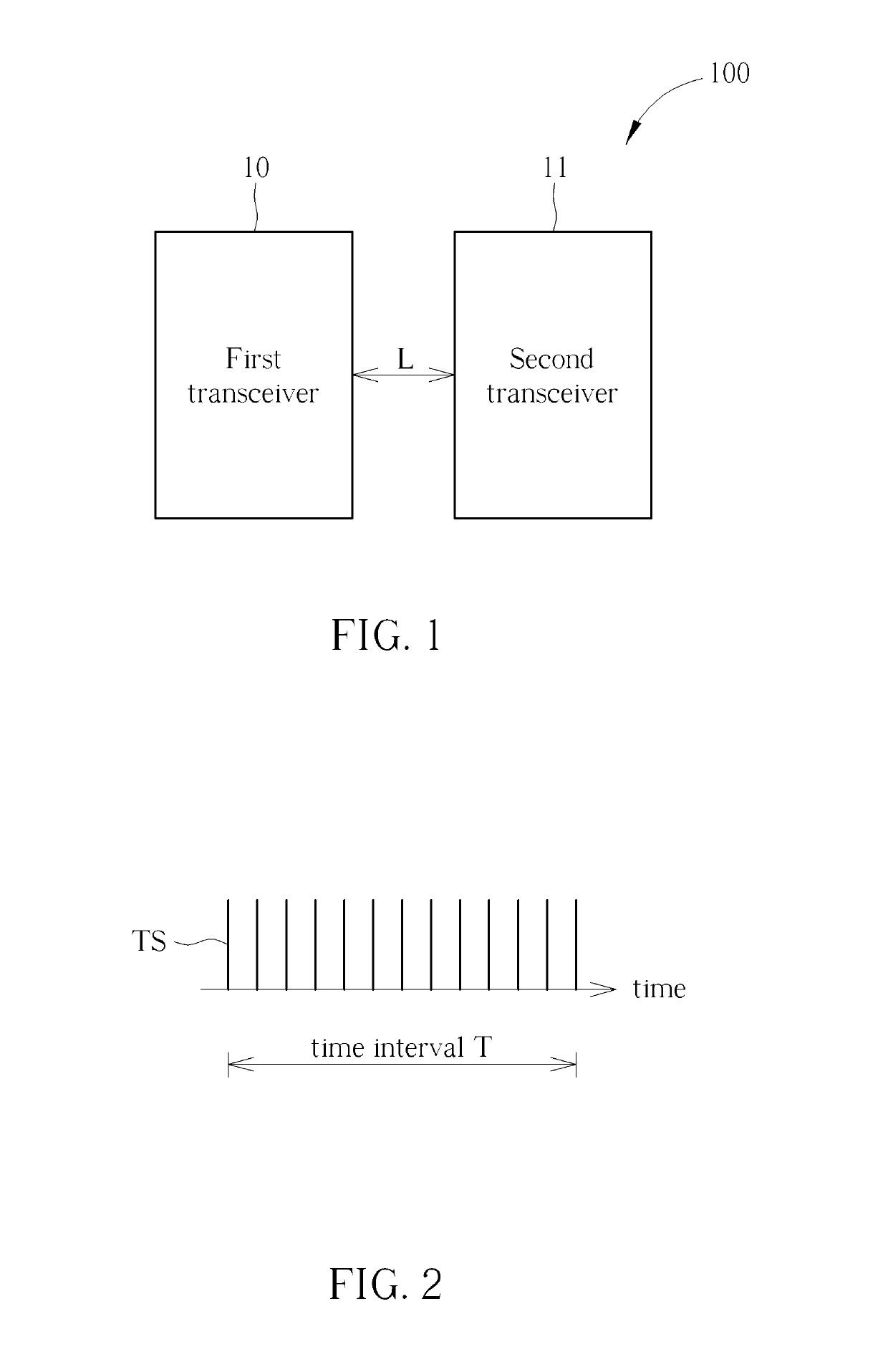
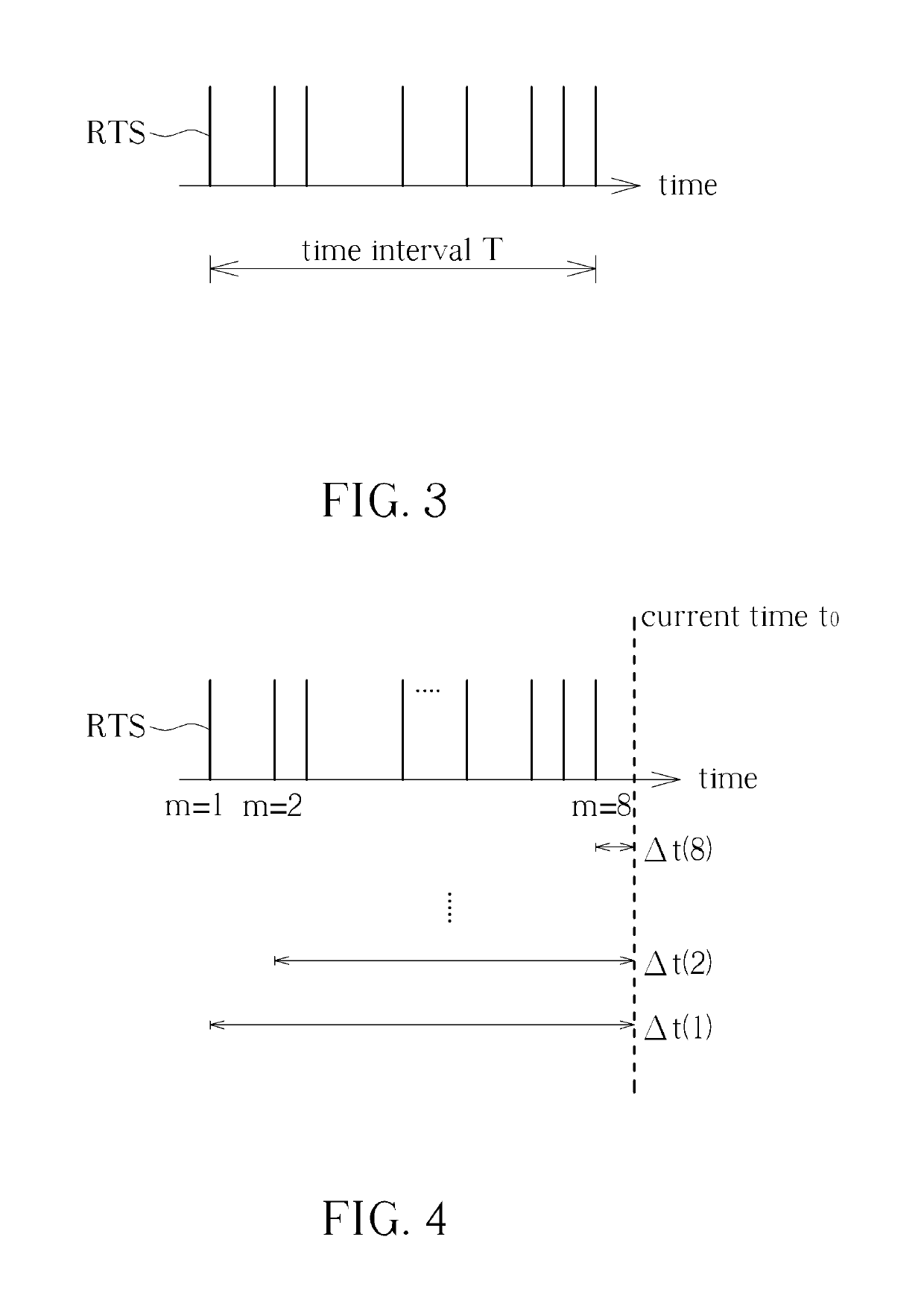
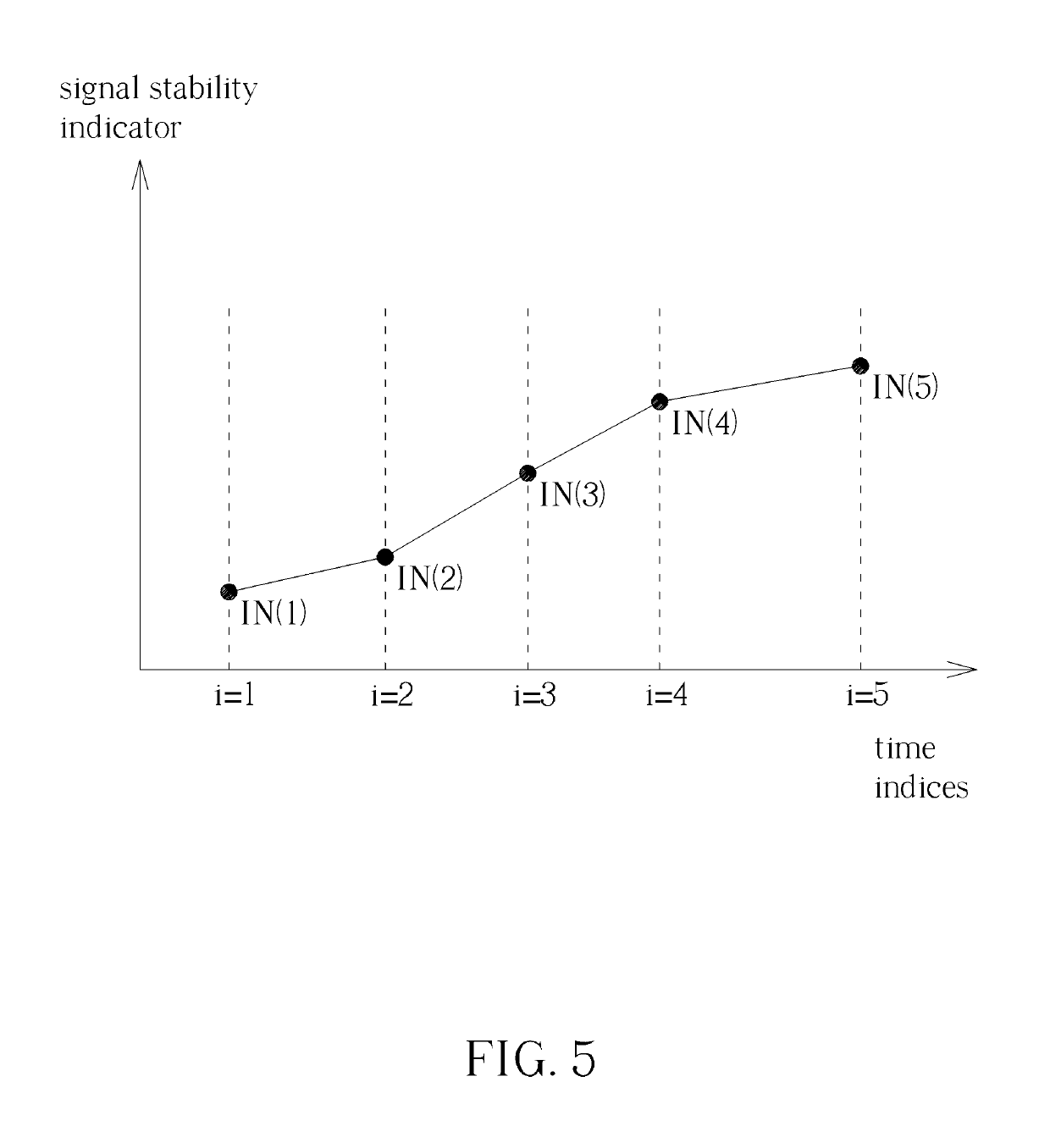
- A method involving the transmission of testing signals, generation of a signal stability indicator based on time weighting of received signals, and calculation of a signal quality factor to predict stability and quality trends, allowing for optimized link maintenance and resource management.

Method of transmitting a level of stability of a clock signal to a telecommunications apparatus
PatentWO2010029249A1
Innovation
- A method to transmit a stability level of a clock signal on a synchronous communication link by obtaining information from the operating state of a clock recovery device, allowing client equipment to assess the stability and make informed decisions about synchronization, using messages that complement traceability information to ensure reliable operation.


Energy Efficiency Standards for Telecom Cooling Systems
Energy efficiency standards for telecommunications cooling systems have emerged as critical regulatory frameworks addressing the growing environmental and operational concerns within the industry. These standards establish mandatory performance benchmarks that cooling systems must achieve to minimize energy consumption while maintaining optimal signal stability in intercooling applications. The development of such standards reflects the telecommunications sector's commitment to sustainable operations and cost reduction strategies.
The International Telecommunication Union (ITU) has established baseline energy efficiency metrics through ITU-T L.1310 recommendations, which specify power usage effectiveness (PUE) targets for telecom facilities. These guidelines mandate that cooling systems achieve PUE ratios below 1.6 for new installations and 1.8 for existing facilities by 2025. Additionally, the European Telecommunications Standards Institute (ETSI) has introduced EN 300 132 series standards that define thermal management requirements specifically for intercooling applications in signal processing equipment.
Regional regulatory bodies have implemented complementary standards tailored to local climate conditions and infrastructure capabilities. The Federal Communications Commission (FCC) in the United States has adopted Energy Star certification requirements for telecom cooling equipment, while the European Union's Ecodesign Directive mandates minimum energy performance standards for cooling systems exceeding 12kW capacity. These regulations establish testing protocols that evaluate cooling efficiency under various operational loads and ambient temperature conditions.
Compliance mechanisms within these standards typically require annual energy audits and performance reporting to regulatory authorities. Equipment manufacturers must demonstrate adherence through standardized testing procedures that measure cooling capacity, power consumption, and thermal response characteristics. Non-compliance penalties range from operational restrictions to mandatory equipment upgrades, creating strong incentives for industry adoption.
The standards also incorporate adaptive efficiency requirements that account for dynamic cooling demands in modern telecommunications infrastructure. These provisions recognize that intercooling systems must maintain consistent performance across varying signal processing loads while optimizing energy consumption. Future standard revisions are expected to integrate artificial intelligence-driven cooling optimization and renewable energy integration requirements, reflecting the industry's evolution toward more sophisticated thermal management solutions.
The International Telecommunication Union (ITU) has established baseline energy efficiency metrics through ITU-T L.1310 recommendations, which specify power usage effectiveness (PUE) targets for telecom facilities. These guidelines mandate that cooling systems achieve PUE ratios below 1.6 for new installations and 1.8 for existing facilities by 2025. Additionally, the European Telecommunications Standards Institute (ETSI) has introduced EN 300 132 series standards that define thermal management requirements specifically for intercooling applications in signal processing equipment.
Regional regulatory bodies have implemented complementary standards tailored to local climate conditions and infrastructure capabilities. The Federal Communications Commission (FCC) in the United States has adopted Energy Star certification requirements for telecom cooling equipment, while the European Union's Ecodesign Directive mandates minimum energy performance standards for cooling systems exceeding 12kW capacity. These regulations establish testing protocols that evaluate cooling efficiency under various operational loads and ambient temperature conditions.
Compliance mechanisms within these standards typically require annual energy audits and performance reporting to regulatory authorities. Equipment manufacturers must demonstrate adherence through standardized testing procedures that measure cooling capacity, power consumption, and thermal response characteristics. Non-compliance penalties range from operational restrictions to mandatory equipment upgrades, creating strong incentives for industry adoption.
The standards also incorporate adaptive efficiency requirements that account for dynamic cooling demands in modern telecommunications infrastructure. These provisions recognize that intercooling systems must maintain consistent performance across varying signal processing loads while optimizing energy consumption. Future standard revisions are expected to integrate artificial intelligence-driven cooling optimization and renewable energy integration requirements, reflecting the industry's evolution toward more sophisticated thermal management solutions.
Environmental Impact of Telecom Thermal Management
The environmental implications of thermal management systems in telecommunications infrastructure have become increasingly significant as network densities and power consumption continue to escalate. Traditional cooling approaches, particularly those relying on energy-intensive air conditioning systems, contribute substantially to the carbon footprint of telecom operations. Data centers and base stations collectively account for approximately 1-2% of global electricity consumption, with thermal management representing 30-40% of their total energy usage.
Intercooling technologies present both opportunities and challenges from an environmental perspective. Advanced liquid cooling systems, while more energy-efficient than conventional air cooling, introduce concerns regarding coolant selection and potential leakage risks. Synthetic coolants such as hydrofluorocarbons (HFCs) possess high global warming potential, necessitating careful consideration of environmentally benign alternatives like natural refrigerants or specialized dielectric fluids with lower environmental impact.
The manufacturing lifecycle of intercooling components generates additional environmental considerations. Heat exchangers, pumps, and distribution networks require materials with specific thermal and electrical properties, often involving rare earth elements or specialized alloys. The extraction and processing of these materials contribute to the overall environmental burden, though this impact is typically offset by improved operational efficiency over the system's lifespan.
Energy efficiency improvements through effective intercooling directly translate to reduced greenhouse gas emissions. Modern intercooling implementations can achieve power usage effectiveness (PUE) ratios below 1.3, compared to 2.0 or higher for traditional cooling methods. This efficiency gain becomes particularly significant when considering the exponential growth in telecommunications infrastructure driven by 5G deployment and edge computing expansion.
Waste heat recovery represents an emerging opportunity within telecom thermal management. Intercooling systems can be designed to capture and redirect waste heat for beneficial applications such as building heating or industrial processes. This approach transforms thermal management from a purely consumptive process into a potentially productive one, further reducing the net environmental impact of telecommunications operations while supporting circular economy principles.
Intercooling technologies present both opportunities and challenges from an environmental perspective. Advanced liquid cooling systems, while more energy-efficient than conventional air cooling, introduce concerns regarding coolant selection and potential leakage risks. Synthetic coolants such as hydrofluorocarbons (HFCs) possess high global warming potential, necessitating careful consideration of environmentally benign alternatives like natural refrigerants or specialized dielectric fluids with lower environmental impact.
The manufacturing lifecycle of intercooling components generates additional environmental considerations. Heat exchangers, pumps, and distribution networks require materials with specific thermal and electrical properties, often involving rare earth elements or specialized alloys. The extraction and processing of these materials contribute to the overall environmental burden, though this impact is typically offset by improved operational efficiency over the system's lifespan.
Energy efficiency improvements through effective intercooling directly translate to reduced greenhouse gas emissions. Modern intercooling implementations can achieve power usage effectiveness (PUE) ratios below 1.3, compared to 2.0 or higher for traditional cooling methods. This efficiency gain becomes particularly significant when considering the exponential growth in telecommunications infrastructure driven by 5G deployment and edge computing expansion.
Waste heat recovery represents an emerging opportunity within telecom thermal management. Intercooling systems can be designed to capture and redirect waste heat for beneficial applications such as building heating or industrial processes. This approach transforms thermal management from a purely consumptive process into a potentially productive one, further reducing the net environmental impact of telecommunications operations while supporting circular economy principles.
Unlock deeper insights with PatSnap Eureka Quick Research — get a full tech report to explore trends and direct your research. Try now!
Generate Your Research Report Instantly with AI Agent
Supercharge your innovation with PatSnap Eureka AI Agent Platform!