

KERS potential in energy-saving building systems
AUG 15, 20259 MIN READ
Generate Your Research Report Instantly with AI Agent
PatSnap Eureka helps you evaluate technical feasibility & market potential.
KERS in Buildings: Background and Objectives
Kinetic Energy Recovery Systems (KERS) have emerged as a promising technology in the quest for energy-efficient building systems. Originally developed for automotive applications, KERS has gained attention in the building sector due to its potential to capture, store, and reuse energy that would otherwise be wasted. This technology aligns with the growing global emphasis on sustainable construction and energy conservation in urban environments.
The evolution of KERS in buildings can be traced back to the early 2000s when researchers began exploring ways to adapt automotive energy recovery principles to architectural applications. As urbanization accelerated and energy demands soared, the building industry recognized the need for innovative solutions to reduce energy consumption and carbon footprints. KERS presented an opportunity to harness kinetic energy from various sources within buildings, such as elevators, revolving doors, and even human movement.
The primary objective of implementing KERS in building systems is to significantly enhance energy efficiency by recovering and repurposing kinetic energy that is typically lost as heat or vibration. This recovered energy can be used to supplement power supplies for lighting, HVAC systems, or other electrical loads within the building. By doing so, KERS aims to reduce the overall energy demand from the grid, leading to lower operational costs and decreased environmental impact.
Another crucial goal of KERS integration in buildings is to contribute to the broader vision of smart, sustainable cities. As urban areas strive to become more resilient and environmentally friendly, technologies like KERS play a vital role in creating self-sustaining building ecosystems. The ability to capture and store energy locally aligns with the concept of distributed energy resources, enhancing grid stability and reducing transmission losses.
The development of KERS for buildings faces several technical challenges, including the need for efficient energy conversion mechanisms, compact and durable storage solutions, and seamless integration with existing building management systems. Researchers and engineers are focusing on overcoming these hurdles to make KERS a viable and cost-effective option for a wide range of building types and sizes.
As the technology continues to evolve, the future trajectory of KERS in buildings is expected to include advancements in materials science, improved energy storage capabilities, and more sophisticated control systems. The ultimate aim is to create buildings that not only consume less energy but also actively contribute to the energy ecosystem of their surroundings, potentially even feeding excess power back into the grid during peak demand periods.
The evolution of KERS in buildings can be traced back to the early 2000s when researchers began exploring ways to adapt automotive energy recovery principles to architectural applications. As urbanization accelerated and energy demands soared, the building industry recognized the need for innovative solutions to reduce energy consumption and carbon footprints. KERS presented an opportunity to harness kinetic energy from various sources within buildings, such as elevators, revolving doors, and even human movement.
The primary objective of implementing KERS in building systems is to significantly enhance energy efficiency by recovering and repurposing kinetic energy that is typically lost as heat or vibration. This recovered energy can be used to supplement power supplies for lighting, HVAC systems, or other electrical loads within the building. By doing so, KERS aims to reduce the overall energy demand from the grid, leading to lower operational costs and decreased environmental impact.
Another crucial goal of KERS integration in buildings is to contribute to the broader vision of smart, sustainable cities. As urban areas strive to become more resilient and environmentally friendly, technologies like KERS play a vital role in creating self-sustaining building ecosystems. The ability to capture and store energy locally aligns with the concept of distributed energy resources, enhancing grid stability and reducing transmission losses.
The development of KERS for buildings faces several technical challenges, including the need for efficient energy conversion mechanisms, compact and durable storage solutions, and seamless integration with existing building management systems. Researchers and engineers are focusing on overcoming these hurdles to make KERS a viable and cost-effective option for a wide range of building types and sizes.
As the technology continues to evolve, the future trajectory of KERS in buildings is expected to include advancements in materials science, improved energy storage capabilities, and more sophisticated control systems. The ultimate aim is to create buildings that not only consume less energy but also actively contribute to the energy ecosystem of their surroundings, potentially even feeding excess power back into the grid during peak demand periods.
Market Analysis for KERS in Construction
The market for Kinetic Energy Recovery Systems (KERS) in the construction industry is experiencing significant growth, driven by the increasing focus on energy efficiency and sustainability in building systems. As governments worldwide implement stricter regulations on energy consumption and carbon emissions, the demand for innovative energy-saving technologies in construction has surged. KERS, originally developed for automotive applications, has shown promising potential in capturing and reusing energy in building systems, particularly in elevators and escalators.
The global market for energy-efficient building technologies is projected to expand rapidly in the coming years, with KERS playing a crucial role in this growth. The integration of KERS in construction projects offers substantial energy savings, reducing operational costs and environmental impact. This aligns with the growing trend of green building certifications and sustainable urban development initiatives, further driving market demand.
In the elevator sector, KERS has demonstrated remarkable energy-saving capabilities. Traditional elevators waste significant amounts of energy during descent, but KERS-equipped elevators can capture this energy and convert it into electricity for reuse. This technology has shown potential energy savings of up to 30% in high-rise buildings, making it particularly attractive for urban centers with numerous skyscrapers.
The escalator market also presents a substantial opportunity for KERS implementation. With millions of escalators in operation worldwide, the energy-saving potential is immense. KERS-enabled escalators can recover energy during periods of low usage or when passengers are moving in the same direction as the escalator, contributing to overall building energy efficiency.
Market segmentation for KERS in construction primarily focuses on new construction and retrofitting existing buildings. The new construction segment is expected to dominate the market, as integrating KERS during the initial building phase is more cost-effective. However, the retrofitting segment is also gaining traction, driven by the need to upgrade older buildings to meet modern energy efficiency standards.
Geographically, the Asia-Pacific region is anticipated to lead the KERS market in construction, fueled by rapid urbanization and infrastructure development in countries like China and India. North America and Europe are also significant markets, driven by stringent energy regulations and a strong focus on sustainable building practices.
The competitive landscape of the KERS market in construction is characterized by a mix of established elevator manufacturers and innovative technology startups. Major players are investing heavily in research and development to enhance KERS efficiency and expand its applications in building systems. Collaborations between construction companies and technology providers are becoming increasingly common, fostering innovation and market growth.
The global market for energy-efficient building technologies is projected to expand rapidly in the coming years, with KERS playing a crucial role in this growth. The integration of KERS in construction projects offers substantial energy savings, reducing operational costs and environmental impact. This aligns with the growing trend of green building certifications and sustainable urban development initiatives, further driving market demand.
In the elevator sector, KERS has demonstrated remarkable energy-saving capabilities. Traditional elevators waste significant amounts of energy during descent, but KERS-equipped elevators can capture this energy and convert it into electricity for reuse. This technology has shown potential energy savings of up to 30% in high-rise buildings, making it particularly attractive for urban centers with numerous skyscrapers.
The escalator market also presents a substantial opportunity for KERS implementation. With millions of escalators in operation worldwide, the energy-saving potential is immense. KERS-enabled escalators can recover energy during periods of low usage or when passengers are moving in the same direction as the escalator, contributing to overall building energy efficiency.
Market segmentation for KERS in construction primarily focuses on new construction and retrofitting existing buildings. The new construction segment is expected to dominate the market, as integrating KERS during the initial building phase is more cost-effective. However, the retrofitting segment is also gaining traction, driven by the need to upgrade older buildings to meet modern energy efficiency standards.
Geographically, the Asia-Pacific region is anticipated to lead the KERS market in construction, fueled by rapid urbanization and infrastructure development in countries like China and India. North America and Europe are also significant markets, driven by stringent energy regulations and a strong focus on sustainable building practices.
The competitive landscape of the KERS market in construction is characterized by a mix of established elevator manufacturers and innovative technology startups. Major players are investing heavily in research and development to enhance KERS efficiency and expand its applications in building systems. Collaborations between construction companies and technology providers are becoming increasingly common, fostering innovation and market growth.
KERS Technology: Current State and Challenges
Kinetic Energy Recovery Systems (KERS) have gained significant attention in the field of energy-saving building systems. The current state of KERS technology in this context is characterized by a growing interest in its potential applications, but also by several challenges that need to be addressed for widespread implementation.
KERS technology in buildings primarily focuses on capturing and storing kinetic energy from various sources within the built environment. These sources include elevators, revolving doors, and even human movement. The recovered energy can then be used to power auxiliary systems or fed back into the building's electrical grid, potentially reducing overall energy consumption.
One of the main challenges facing KERS implementation in buildings is the relatively low energy recovery potential compared to other applications, such as automotive systems. This is due to the intermittent nature of kinetic energy sources in buildings and the lower speeds involved. As a result, the efficiency of energy capture and conversion becomes crucial for making KERS viable in this context.
Another significant challenge is the integration of KERS with existing building systems. Many buildings, especially older structures, were not designed with energy recovery systems in mind. Retrofitting these buildings with KERS technology can be complex and costly, requiring careful planning and potentially disruptive installation processes.
The storage of recovered energy also presents challenges. While batteries are commonly used, they have limitations in terms of capacity, lifespan, and environmental impact. Research is ongoing to develop more efficient and sustainable energy storage solutions that can complement KERS technology in buildings.
Maintenance and reliability of KERS in building applications are additional concerns. The systems must be designed to operate continuously with minimal downtime, as building operations are typically constant. Ensuring long-term reliability and ease of maintenance is crucial for the widespread adoption of KERS in the building sector.
Cost-effectiveness remains a significant hurdle for KERS implementation in buildings. The initial investment for installation and the ongoing maintenance costs must be balanced against the potential energy savings. In many cases, the return on investment period can be lengthy, which may deter building owners and managers from adopting the technology.
Despite these challenges, advancements in KERS technology are being made. Researchers and engineers are working on improving the efficiency of energy capture, developing more compact and less intrusive systems, and exploring novel applications within the built environment. These efforts aim to enhance the viability and attractiveness of KERS as a component of energy-saving building systems.
KERS technology in buildings primarily focuses on capturing and storing kinetic energy from various sources within the built environment. These sources include elevators, revolving doors, and even human movement. The recovered energy can then be used to power auxiliary systems or fed back into the building's electrical grid, potentially reducing overall energy consumption.
One of the main challenges facing KERS implementation in buildings is the relatively low energy recovery potential compared to other applications, such as automotive systems. This is due to the intermittent nature of kinetic energy sources in buildings and the lower speeds involved. As a result, the efficiency of energy capture and conversion becomes crucial for making KERS viable in this context.
Another significant challenge is the integration of KERS with existing building systems. Many buildings, especially older structures, were not designed with energy recovery systems in mind. Retrofitting these buildings with KERS technology can be complex and costly, requiring careful planning and potentially disruptive installation processes.
The storage of recovered energy also presents challenges. While batteries are commonly used, they have limitations in terms of capacity, lifespan, and environmental impact. Research is ongoing to develop more efficient and sustainable energy storage solutions that can complement KERS technology in buildings.
Maintenance and reliability of KERS in building applications are additional concerns. The systems must be designed to operate continuously with minimal downtime, as building operations are typically constant. Ensuring long-term reliability and ease of maintenance is crucial for the widespread adoption of KERS in the building sector.
Cost-effectiveness remains a significant hurdle for KERS implementation in buildings. The initial investment for installation and the ongoing maintenance costs must be balanced against the potential energy savings. In many cases, the return on investment period can be lengthy, which may deter building owners and managers from adopting the technology.
Despite these challenges, advancements in KERS technology are being made. Researchers and engineers are working on improving the efficiency of energy capture, developing more compact and less intrusive systems, and exploring novel applications within the built environment. These efforts aim to enhance the viability and attractiveness of KERS as a component of energy-saving building systems.
KERS Integration Solutions for Buildings
01 KERS integration in vehicles
Kinetic Energy Recovery Systems (KERS) are integrated into various vehicle types to capture and store energy during braking, which can then be used to provide additional power during acceleration. This technology significantly improves fuel efficiency and reduces emissions in both conventional and hybrid vehicles.- KERS integration in vehicles: Kinetic Energy Recovery Systems (KERS) are integrated into various vehicle types to capture and store energy during braking, which can then be used to provide additional power during acceleration. This technology significantly improves fuel efficiency and reduces emissions in both conventional and hybrid vehicles.
- Advanced energy storage solutions: KERS systems utilize advanced energy storage solutions such as high-performance batteries, supercapacitors, or flywheels to efficiently store and release recovered energy. These storage technologies are optimized for rapid charge and discharge cycles, maximizing the system's effectiveness in capturing and utilizing kinetic energy.
- Control systems for optimal energy management: Sophisticated control systems are developed to manage the energy flow in KERS, ensuring optimal recovery during deceleration and efficient deployment during acceleration. These systems often incorporate predictive algorithms and real-time data analysis to maximize energy savings and vehicle performance.
- KERS applications in non-automotive sectors: The concept of kinetic energy recovery is extended beyond automotive applications to other sectors such as industrial machinery, renewable energy systems, and public transportation. These adaptations aim to improve overall energy efficiency and reduce operational costs in various industries.
- Integration with regenerative braking systems: KERS is often integrated with regenerative braking systems to enhance overall energy recovery. This combination allows for more efficient capture of kinetic energy during various braking scenarios, from gentle deceleration to emergency stops, further improving the vehicle's energy-saving capabilities.
02 Advanced energy storage solutions
KERS systems utilize advanced energy storage solutions such as high-performance batteries, supercapacitors, or flywheels to efficiently store and release recovered energy. These storage technologies are crucial for maximizing the energy-saving potential of KERS in various applications.Expand Specific Solutions03 KERS application in industrial machinery
The application of KERS technology extends beyond vehicles to industrial machinery and equipment. In these contexts, KERS helps recover and reuse energy from repetitive motions or cyclical operations, leading to significant energy savings and improved operational efficiency.Expand Specific Solutions04 Control systems for optimizing KERS performance
Advanced control systems and algorithms are developed to optimize the performance of KERS. These systems manage energy recovery, storage, and deployment processes, ensuring maximum efficiency and energy savings while adapting to various operating conditions and user demands.Expand Specific Solutions05 Integration of KERS with renewable energy systems
KERS technology is being integrated with renewable energy systems to enhance overall energy efficiency. This combination allows for better management of intermittent renewable energy sources, providing a more stable and efficient energy supply while maximizing energy savings.Expand Specific Solutions
Key Players in KERS and Green Building
The KERS (Kinetic Energy Recovery System) technology in energy-saving building systems is in its early development stage, with a growing market potential as the focus on sustainable construction intensifies. The market size is expanding, driven by increasing energy efficiency demands in buildings. Technologically, KERS is still evolving, with varying levels of maturity among key players. Companies like Volvo Lastvagnar AB, State Grid Corp. of China, and Marelli Europe SpA are at the forefront, leveraging their automotive and energy sector expertise to adapt KERS for building applications. Research institutions such as Tianjin University and Qingdao University of Technology are contributing to technological advancements, while innovative startups like Cheesecake Energy Ltd. are exploring novel energy storage solutions that could complement KERS in buildings.
Cheesecake Energy Ltd.
Technical Solution: Cheesecake Energy has developed a novel KERS-inspired system for buildings called Thermal Energy Storage (TES). This system utilizes a combination of compressed air and thermal storage to capture and store excess energy from renewable sources or off-peak grid electricity. During periods of high energy demand, the stored energy is released through an expansion process, driving a generator to produce electricity. The TES system can achieve round-trip efficiencies of up to 70%, significantly higher than many conventional energy storage solutions[2]. Cheesecake Energy's technology also incorporates phase-change materials to enhance thermal storage capacity, allowing for longer-duration energy storage suitable for daily or even seasonal load shifting[4]. The modular design of their system enables scalability, making it adaptable to various building sizes and energy requirements.
Strengths: High efficiency, long-duration storage capability, and scalability. Weaknesses: Requires significant space for installation and may have higher upfront costs compared to some alternatives.
Samsung SDI Co., Ltd.
Technical Solution: Samsung SDI has adapted KERS principles to create an advanced Energy Storage System (ESS) for buildings. Their system utilizes high-performance lithium-ion batteries, similar to those used in electric vehicles, to store excess energy from the grid or renewable sources. The ESS incorporates sophisticated battery management systems (BMS) that optimize charging and discharging cycles, extending battery life and improving overall system efficiency[6]. Samsung's ESS can be integrated with solar panels and wind turbines, allowing buildings to maximize their use of renewable energy. The system also features intelligent load management, which can reduce peak demand charges by up to 30%[8]. Additionally, Samsung has developed a unique thermal management system for their ESS, ensuring optimal performance and safety in various environmental conditions.
Strengths: High energy density, integration with renewables, and advanced battery management. Weaknesses: Lithium-ion batteries have limited lifespan and potential safety concerns in large-scale applications.
KERS Innovations for Energy Efficiency
Vehicle equipped with at least one solar panel, a supercapacitor and a kinetic energy recovery system
PatentPendingEP4446148A1
Innovation
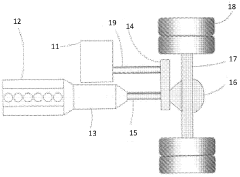
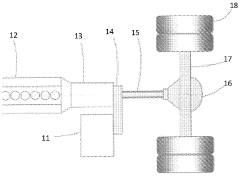
- A vehicle equipped with a kinetic energy recuperation system using a supercapacitor and solar panels connected to an electric machine on the transmission shaft, where a controller directs solar energy to either the electric machine or supercapacitor based on torque demand, optimizing energy use and storage.
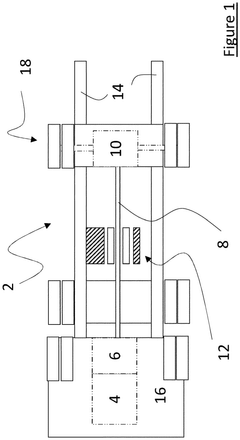
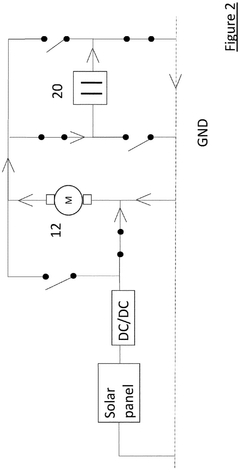
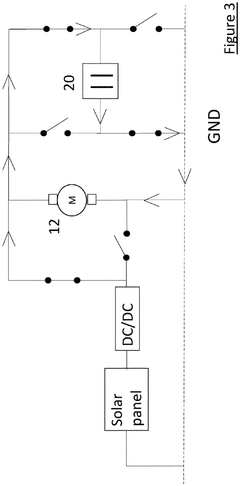
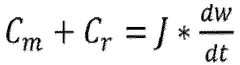
Kinetic energy recovery system for a vehicle
PatentInactiveGB2559203A
Innovation
- A KERS with a power-split arrangement using a hydrostatic continuously variable transmission (CVT) and an epicyclic gearset, which includes both a variable and fixed ratio path in parallel, allowing for increased efficiency and flexibility by minimizing power loss through a torque summing junction, enabling energy recovery even when the vehicle is stationary without the need for a clutch or disconnect.


Environmental Impact of KERS in Construction
The implementation of Kinetic Energy Recovery Systems (KERS) in construction and building systems has significant potential to reduce the environmental impact of the built environment. By harnessing and repurposing kinetic energy that would otherwise be lost, KERS can contribute to improved energy efficiency and reduced carbon emissions in various building applications.
One of the primary environmental benefits of KERS in construction is the reduction of energy consumption. By capturing and storing energy from moving components such as elevators, revolving doors, and HVAC systems, KERS can offset a portion of a building's electricity demand. This leads to decreased reliance on grid power, which often comes from fossil fuel sources, thereby reducing the overall carbon footprint of the building.
KERS can also play a crucial role in enhancing the sustainability of renewable energy systems within buildings. For instance, when integrated with solar panels or wind turbines, KERS can help smooth out energy supply fluctuations, storing excess energy during peak production periods and releasing it when needed. This improved energy management can increase the efficiency and reliability of on-site renewable energy systems.
The application of KERS in construction can contribute to the circular economy principles by minimizing waste energy. Instead of dissipating kinetic energy as heat through friction, KERS captures this energy and puts it back into the building's power system. This closed-loop approach aligns with sustainable design practices and can help buildings achieve higher ratings in green building certification systems.
Furthermore, the implementation of KERS can have indirect environmental benefits. By reducing the overall energy demand of buildings, KERS can help alleviate strain on power grids, potentially reducing the need for new power plants and associated infrastructure. This, in turn, can lead to decreased land use changes and habitat disruption that often accompany energy infrastructure expansion.
The use of KERS in construction can also contribute to improved air quality in urban environments. As buildings become more energy-efficient through technologies like KERS, the demand for electricity from fossil fuel power plants decreases. This reduction in power plant emissions can lead to lower levels of air pollutants such as particulate matter, sulfur dioxide, and nitrogen oxides in urban areas, contributing to better public health outcomes.
In conclusion, the environmental impact of KERS in construction is multifaceted and predominantly positive. From energy conservation and improved renewable energy integration to support for circular economy principles and indirect benefits for air quality, KERS represents a promising technology for enhancing the environmental performance of buildings and urban infrastructure.
One of the primary environmental benefits of KERS in construction is the reduction of energy consumption. By capturing and storing energy from moving components such as elevators, revolving doors, and HVAC systems, KERS can offset a portion of a building's electricity demand. This leads to decreased reliance on grid power, which often comes from fossil fuel sources, thereby reducing the overall carbon footprint of the building.
KERS can also play a crucial role in enhancing the sustainability of renewable energy systems within buildings. For instance, when integrated with solar panels or wind turbines, KERS can help smooth out energy supply fluctuations, storing excess energy during peak production periods and releasing it when needed. This improved energy management can increase the efficiency and reliability of on-site renewable energy systems.
The application of KERS in construction can contribute to the circular economy principles by minimizing waste energy. Instead of dissipating kinetic energy as heat through friction, KERS captures this energy and puts it back into the building's power system. This closed-loop approach aligns with sustainable design practices and can help buildings achieve higher ratings in green building certification systems.
Furthermore, the implementation of KERS can have indirect environmental benefits. By reducing the overall energy demand of buildings, KERS can help alleviate strain on power grids, potentially reducing the need for new power plants and associated infrastructure. This, in turn, can lead to decreased land use changes and habitat disruption that often accompany energy infrastructure expansion.
The use of KERS in construction can also contribute to improved air quality in urban environments. As buildings become more energy-efficient through technologies like KERS, the demand for electricity from fossil fuel power plants decreases. This reduction in power plant emissions can lead to lower levels of air pollutants such as particulate matter, sulfur dioxide, and nitrogen oxides in urban areas, contributing to better public health outcomes.
In conclusion, the environmental impact of KERS in construction is multifaceted and predominantly positive. From energy conservation and improved renewable energy integration to support for circular economy principles and indirect benefits for air quality, KERS represents a promising technology for enhancing the environmental performance of buildings and urban infrastructure.
KERS Building Codes and Regulations
The implementation of Kinetic Energy Recovery Systems (KERS) in energy-saving building systems is subject to a complex web of building codes and regulations. These regulations vary significantly across different jurisdictions, reflecting local priorities, environmental conditions, and technological readiness.
At the national level, many countries have incorporated KERS-related provisions into their energy efficiency standards for buildings. For instance, the United States Department of Energy has updated its Building Energy Codes Program to include guidelines for the integration of energy recovery systems, including KERS, in commercial and residential buildings. Similarly, the European Union's Energy Performance of Buildings Directive (EPBD) has been revised to encourage the use of innovative energy-saving technologies, with KERS falling under this category.
Local building codes often provide more specific requirements for KERS implementation. In cities like New York and San Francisco, where energy conservation is a high priority, building codes have been updated to mandate the use of energy recovery systems in new constructions and major renovations above certain size thresholds. These codes typically specify minimum efficiency requirements for KERS and outline safety standards for their installation and operation.
Safety regulations play a crucial role in KERS adoption for buildings. As these systems often involve the storage and release of significant amounts of energy, safety codes address issues such as thermal management, electrical safety, and structural integrity. For example, the International Building Code (IBC) and the National Electrical Code (NEC) in the United States have been updated to include provisions for the safe integration of energy storage systems, which are applicable to KERS.
Certification and performance standards for KERS in buildings are still evolving. Organizations such as ASHRAE (American Society of Heating, Refrigerating and Air-Conditioning Engineers) are developing guidelines for the testing and rating of energy recovery systems, including those based on kinetic energy. These standards aim to provide a uniform basis for evaluating the efficiency and effectiveness of KERS in building applications.
Environmental regulations also impact KERS implementation. Many jurisdictions have introduced carbon reduction targets for buildings, incentivizing the adoption of technologies like KERS that can significantly reduce energy consumption and associated emissions. For instance, the UK's Building Regulations Part L focuses on the conservation of fuel and power, providing a regulatory framework that encourages the use of energy-efficient technologies such as KERS.
As KERS technology continues to evolve, building codes and regulations are expected to undergo further refinement. This ongoing process will likely focus on optimizing the balance between encouraging innovation, ensuring safety, and maximizing energy efficiency in the built environment.
At the national level, many countries have incorporated KERS-related provisions into their energy efficiency standards for buildings. For instance, the United States Department of Energy has updated its Building Energy Codes Program to include guidelines for the integration of energy recovery systems, including KERS, in commercial and residential buildings. Similarly, the European Union's Energy Performance of Buildings Directive (EPBD) has been revised to encourage the use of innovative energy-saving technologies, with KERS falling under this category.
Local building codes often provide more specific requirements for KERS implementation. In cities like New York and San Francisco, where energy conservation is a high priority, building codes have been updated to mandate the use of energy recovery systems in new constructions and major renovations above certain size thresholds. These codes typically specify minimum efficiency requirements for KERS and outline safety standards for their installation and operation.
Safety regulations play a crucial role in KERS adoption for buildings. As these systems often involve the storage and release of significant amounts of energy, safety codes address issues such as thermal management, electrical safety, and structural integrity. For example, the International Building Code (IBC) and the National Electrical Code (NEC) in the United States have been updated to include provisions for the safe integration of energy storage systems, which are applicable to KERS.
Certification and performance standards for KERS in buildings are still evolving. Organizations such as ASHRAE (American Society of Heating, Refrigerating and Air-Conditioning Engineers) are developing guidelines for the testing and rating of energy recovery systems, including those based on kinetic energy. These standards aim to provide a uniform basis for evaluating the efficiency and effectiveness of KERS in building applications.
Environmental regulations also impact KERS implementation. Many jurisdictions have introduced carbon reduction targets for buildings, incentivizing the adoption of technologies like KERS that can significantly reduce energy consumption and associated emissions. For instance, the UK's Building Regulations Part L focuses on the conservation of fuel and power, providing a regulatory framework that encourages the use of energy-efficient technologies such as KERS.
As KERS technology continues to evolve, building codes and regulations are expected to undergo further refinement. This ongoing process will likely focus on optimizing the balance between encouraging innovation, ensuring safety, and maximizing energy efficiency in the built environment.
Unlock deeper insights with PatSnap Eureka Quick Research — get a full tech report to explore trends and direct your research. Try now!
Generate Your Research Report Instantly with AI Agent
Supercharge your innovation with PatSnap Eureka AI Agent Platform!