Machine Olfaction for Veterinary Applications: Emerging Trends
APR 29, 20269 MIN READ
Generate Your Research Report Instantly with AI Agent
PatSnap Eureka helps you evaluate technical feasibility & market potential.
Machine Olfaction in Veterinary Medicine Background and Goals
Machine olfaction represents a revolutionary convergence of sensor technology, artificial intelligence, and veterinary medicine that has evolved from rudimentary chemical detection systems to sophisticated biomimetic platforms. The field emerged from early gas chromatography applications in the 1960s and has progressively advanced through electronic nose technologies, ultimately reaching today's AI-driven olfactory analysis systems capable of detecting complex molecular signatures in biological samples.
The historical development of machine olfaction in veterinary contexts traces back to basic breath analysis techniques used for metabolic disorder detection in livestock. Early implementations focused primarily on environmental monitoring in animal facilities, gradually expanding to direct health assessment applications. The integration of pattern recognition algorithms in the 1990s marked a pivotal transition, enabling systems to differentiate between healthy and pathological odor profiles with increasing accuracy.
Contemporary machine olfaction systems leverage advanced sensor arrays, including metal oxide semiconductors, conducting polymers, and surface acoustic wave devices, combined with machine learning algorithms to create comprehensive olfactory fingerprints. These technological foundations have established the groundwork for addressing critical challenges in veterinary medicine, where traditional diagnostic methods often prove time-consuming, invasive, or require specialized laboratory facilities.
The primary technological objectives center on developing non-invasive, real-time diagnostic capabilities that can detect diseases at their earliest stages through volatile organic compound analysis. Current research aims to achieve sensitivity levels comparable to trained detection animals while maintaining the consistency and scalability that electronic systems provide. Key performance targets include sub-parts-per-million detection thresholds, rapid response times under five minutes, and robust operation across diverse environmental conditions.
Strategic goals encompass expanding diagnostic scope beyond respiratory conditions to include gastrointestinal disorders, infectious diseases, and metabolic imbalances through breath, urine, and fecal sample analysis. The technology seeks to enable point-of-care diagnostics in remote veterinary settings, reducing dependency on centralized laboratory infrastructure while improving animal welfare through early intervention capabilities.
Long-term vision involves creating integrated veterinary health monitoring ecosystems where machine olfaction serves as a primary screening tool, seamlessly interfacing with electronic health records and automated treatment protocols to revolutionize preventive veterinary care across multiple species and clinical environments.
The historical development of machine olfaction in veterinary contexts traces back to basic breath analysis techniques used for metabolic disorder detection in livestock. Early implementations focused primarily on environmental monitoring in animal facilities, gradually expanding to direct health assessment applications. The integration of pattern recognition algorithms in the 1990s marked a pivotal transition, enabling systems to differentiate between healthy and pathological odor profiles with increasing accuracy.
Contemporary machine olfaction systems leverage advanced sensor arrays, including metal oxide semiconductors, conducting polymers, and surface acoustic wave devices, combined with machine learning algorithms to create comprehensive olfactory fingerprints. These technological foundations have established the groundwork for addressing critical challenges in veterinary medicine, where traditional diagnostic methods often prove time-consuming, invasive, or require specialized laboratory facilities.
The primary technological objectives center on developing non-invasive, real-time diagnostic capabilities that can detect diseases at their earliest stages through volatile organic compound analysis. Current research aims to achieve sensitivity levels comparable to trained detection animals while maintaining the consistency and scalability that electronic systems provide. Key performance targets include sub-parts-per-million detection thresholds, rapid response times under five minutes, and robust operation across diverse environmental conditions.
Strategic goals encompass expanding diagnostic scope beyond respiratory conditions to include gastrointestinal disorders, infectious diseases, and metabolic imbalances through breath, urine, and fecal sample analysis. The technology seeks to enable point-of-care diagnostics in remote veterinary settings, reducing dependency on centralized laboratory infrastructure while improving animal welfare through early intervention capabilities.
Long-term vision involves creating integrated veterinary health monitoring ecosystems where machine olfaction serves as a primary screening tool, seamlessly interfacing with electronic health records and automated treatment protocols to revolutionize preventive veterinary care across multiple species and clinical environments.
Market Demand for Veterinary Diagnostic Technologies
The veterinary diagnostic technology market is experiencing unprecedented growth driven by evolving pet ownership patterns and heightened awareness of animal health. Pet humanization trends have fundamentally transformed how owners perceive veterinary care, with companion animals increasingly viewed as family members deserving comprehensive medical attention. This shift has created substantial demand for advanced diagnostic solutions that can provide rapid, accurate, and non-invasive health assessments.
Traditional veterinary diagnostic methods face significant limitations in early disease detection and real-time health monitoring. Current approaches often require invasive procedures, lengthy laboratory processing times, or specialized equipment that may not be readily available in all veterinary settings. These constraints have created a market gap for innovative diagnostic technologies that can deliver immediate results while minimizing animal stress and procedural complexity.
Machine olfaction technology addresses critical diagnostic challenges in veterinary medicine by leveraging the natural biological principle that diseases produce distinctive volatile organic compounds. This approach offers particular value in detecting metabolic disorders, infections, and early-stage diseases that may not present obvious clinical symptoms. The technology's non-invasive nature aligns perfectly with growing demands for animal welfare-conscious diagnostic procedures.
The livestock and agricultural sectors represent substantial market opportunities for machine olfaction applications. Large-scale farming operations require efficient health monitoring systems to prevent disease outbreaks that could result in significant economic losses. Early detection capabilities provided by electronic nose systems can enable proactive intervention strategies, reducing mortality rates and improving overall herd health management.
Regulatory frameworks governing veterinary diagnostics are evolving to accommodate emerging technologies while maintaining safety and efficacy standards. This regulatory environment creates both opportunities and challenges for machine olfaction technology adoption. Successful market penetration requires demonstrating clinical validation, cost-effectiveness, and integration compatibility with existing veterinary workflows.
Market demand is further amplified by the shortage of veterinary professionals in many regions, creating pressure for diagnostic tools that can enhance clinical efficiency and extend specialized expertise to underserved areas. Machine olfaction systems offer potential solutions by providing standardized diagnostic capabilities that can support decision-making across diverse veterinary practice settings.
Traditional veterinary diagnostic methods face significant limitations in early disease detection and real-time health monitoring. Current approaches often require invasive procedures, lengthy laboratory processing times, or specialized equipment that may not be readily available in all veterinary settings. These constraints have created a market gap for innovative diagnostic technologies that can deliver immediate results while minimizing animal stress and procedural complexity.
Machine olfaction technology addresses critical diagnostic challenges in veterinary medicine by leveraging the natural biological principle that diseases produce distinctive volatile organic compounds. This approach offers particular value in detecting metabolic disorders, infections, and early-stage diseases that may not present obvious clinical symptoms. The technology's non-invasive nature aligns perfectly with growing demands for animal welfare-conscious diagnostic procedures.
The livestock and agricultural sectors represent substantial market opportunities for machine olfaction applications. Large-scale farming operations require efficient health monitoring systems to prevent disease outbreaks that could result in significant economic losses. Early detection capabilities provided by electronic nose systems can enable proactive intervention strategies, reducing mortality rates and improving overall herd health management.
Regulatory frameworks governing veterinary diagnostics are evolving to accommodate emerging technologies while maintaining safety and efficacy standards. This regulatory environment creates both opportunities and challenges for machine olfaction technology adoption. Successful market penetration requires demonstrating clinical validation, cost-effectiveness, and integration compatibility with existing veterinary workflows.
Market demand is further amplified by the shortage of veterinary professionals in many regions, creating pressure for diagnostic tools that can enhance clinical efficiency and extend specialized expertise to underserved areas. Machine olfaction systems offer potential solutions by providing standardized diagnostic capabilities that can support decision-making across diverse veterinary practice settings.
Current State of Electronic Nose Systems in Animal Healthcare
Electronic nose (e-nose) systems have established a significant foothold in veterinary healthcare, representing a convergence of sensor technology, pattern recognition algorithms, and clinical diagnostics. These biomimetic devices utilize arrays of chemical sensors to detect and analyze volatile organic compounds (VOCs) emitted by animals, their breath, bodily fluids, and surrounding environments. The current technological landscape demonstrates varying levels of maturity across different veterinary applications, with some systems approaching commercial viability while others remain in research phases.
The sensor technologies employed in veterinary e-nose systems predominantly include metal oxide semiconductors, conducting polymers, quartz crystal microbalances, and surface acoustic wave devices. Metal oxide sensors dominate due to their cost-effectiveness and sensitivity to a broad spectrum of organic compounds, though they face challenges with humidity interference and temperature stability. Advanced systems increasingly incorporate hybrid sensor arrays combining multiple detection principles to enhance selectivity and reduce cross-sensitivity issues.
Pattern recognition capabilities have evolved substantially, with machine learning algorithms now standard in most veterinary e-nose implementations. Support vector machines, artificial neural networks, and random forest algorithms demonstrate superior performance in distinguishing disease-specific volatile signatures from healthy baselines. Recent developments show promising results in detecting respiratory diseases in livestock, metabolic disorders in companion animals, and infectious conditions through breath analysis.
Commercial deployment remains limited but growing, with several companies developing specialized veterinary diagnostic platforms. Current systems typically require 2-5 minutes for sample analysis, achieving detection accuracies ranging from 75-95% depending on the target condition and animal species. Laboratory-based prototypes demonstrate higher performance metrics, but field-deployable systems face constraints related to environmental stability, calibration maintenance, and regulatory approval processes.
Integration challenges persist in clinical veterinary settings, particularly regarding standardization of sampling protocols, data interpretation guidelines, and training requirements for veterinary professionals. The technology shows greatest maturity in controlled environments such as research facilities and specialized veterinary hospitals, where consistent operating conditions can be maintained.
The sensor technologies employed in veterinary e-nose systems predominantly include metal oxide semiconductors, conducting polymers, quartz crystal microbalances, and surface acoustic wave devices. Metal oxide sensors dominate due to their cost-effectiveness and sensitivity to a broad spectrum of organic compounds, though they face challenges with humidity interference and temperature stability. Advanced systems increasingly incorporate hybrid sensor arrays combining multiple detection principles to enhance selectivity and reduce cross-sensitivity issues.
Pattern recognition capabilities have evolved substantially, with machine learning algorithms now standard in most veterinary e-nose implementations. Support vector machines, artificial neural networks, and random forest algorithms demonstrate superior performance in distinguishing disease-specific volatile signatures from healthy baselines. Recent developments show promising results in detecting respiratory diseases in livestock, metabolic disorders in companion animals, and infectious conditions through breath analysis.
Commercial deployment remains limited but growing, with several companies developing specialized veterinary diagnostic platforms. Current systems typically require 2-5 minutes for sample analysis, achieving detection accuracies ranging from 75-95% depending on the target condition and animal species. Laboratory-based prototypes demonstrate higher performance metrics, but field-deployable systems face constraints related to environmental stability, calibration maintenance, and regulatory approval processes.
Integration challenges persist in clinical veterinary settings, particularly regarding standardization of sampling protocols, data interpretation guidelines, and training requirements for veterinary professionals. The technology shows greatest maturity in controlled environments such as research facilities and specialized veterinary hospitals, where consistent operating conditions can be maintained.
Existing Machine Olfaction Solutions for Animal Diagnostics
01 Electronic nose systems and sensor arrays
Electronic nose systems utilize arrays of chemical sensors to detect and identify odors by mimicking the human olfactory system. These systems typically employ multiple sensor types including metal oxide sensors, conducting polymer sensors, or other chemical detection elements arranged in arrays to create unique response patterns for different odorous compounds. The sensor arrays generate electrical signals that correspond to specific odor signatures, enabling automated odor detection and classification.- Electronic nose systems and sensor arrays: Electronic nose systems utilize arrays of chemical sensors to detect and identify odors by mimicking the human olfactory system. These systems typically employ multiple sensor types such as metal oxide sensors, conducting polymer sensors, or piezoelectric sensors arranged in arrays to create unique response patterns for different odorous compounds. The sensor arrays generate electrical signals that correspond to specific volatile organic compounds, enabling pattern recognition and odor classification.
- Gas chromatography integration for odor analysis: Integration of gas chromatography techniques with olfactory detection systems provides enhanced separation and identification of volatile compounds. This approach combines the analytical power of chromatographic separation with electronic detection methods to achieve more precise odor characterization. The system can separate complex odor mixtures into individual components and analyze each component's contribution to the overall scent profile.
- Artificial intelligence and machine learning algorithms: Machine learning algorithms and artificial intelligence techniques are employed to process and interpret complex odor data patterns. These systems use neural networks, pattern recognition algorithms, and data processing methods to train models that can classify, identify, and predict odor characteristics. The AI systems learn from training datasets to improve accuracy in odor detection and classification over time.
- Portable and miniaturized detection devices: Development of compact, portable olfactory detection devices enables field applications and real-time odor monitoring. These miniaturized systems incorporate micro-sensors, wireless communication capabilities, and battery-powered operation for mobile use. The devices are designed for applications such as food quality assessment, environmental monitoring, and industrial process control where portability and ease of use are essential.
- Biomimetic and bio-inspired sensing approaches: Bio-inspired sensing methods replicate biological olfactory mechanisms using engineered biological components or biomimetic materials. These approaches may incorporate living cells, engineered proteins, or synthetic materials that mimic natural olfactory receptors. The systems aim to achieve the sensitivity and selectivity of biological olfactory systems while providing the stability and reproducibility required for technological applications.
02 Gas detection and analysis devices
Specialized devices designed for detecting and analyzing specific gases or volatile organic compounds in various environments. These systems incorporate advanced sensing technologies and signal processing capabilities to identify target gases with high precision and selectivity. The devices often feature real-time monitoring capabilities and can be configured for continuous or on-demand gas analysis applications.Expand Specific Solutions03 Artificial intelligence and pattern recognition algorithms
Machine learning algorithms and artificial intelligence techniques are employed to process and interpret complex odor data from sensor arrays. These systems use pattern recognition, neural networks, and other computational methods to classify odors, identify specific compounds, and make predictions based on sensor response patterns. The algorithms enable automated decision-making and improve the accuracy of odor identification over time through training and optimization.Expand Specific Solutions04 Portable and handheld olfactory devices
Compact, portable devices designed for field applications and mobile odor detection. These systems integrate miniaturized sensors, processing units, and user interfaces into handheld or portable form factors. They enable on-site odor analysis and detection in various environments without requiring laboratory equipment, making them suitable for quality control, environmental monitoring, and field inspection applications.Expand Specific Solutions05 Multi-sensor fusion and data processing systems
Advanced systems that combine multiple sensing modalities and sophisticated data processing techniques to enhance odor detection capabilities. These systems integrate various types of sensors and employ complex algorithms to fuse data from different sources, improving detection accuracy and reducing false positives. The systems often include calibration mechanisms, temperature compensation, and environmental correction features to maintain consistent performance across different operating conditions.Expand Specific Solutions
Key Players in Veterinary Tech and E-Nose Industry
The machine olfaction for veterinary applications market represents an emerging technological frontier currently in its early development stage, characterized by significant growth potential but limited commercial maturity. The market remains relatively small yet demonstrates promising expansion opportunities as digital scent detection technologies gain traction in animal healthcare diagnostics and monitoring applications. Technology maturity varies considerably across key players, with established research institutions like New York University, Johns Hopkins University, Auburn University, and Politecnico di Milano conducting foundational research, while specialized companies such as Canaery Inc. and Realnose Inc. are developing practical nose-computer interfaces and digital olfaction platforms. Traditional detection technology providers like Smiths Detection Ltd. bring proven expertise from security applications, and major corporations including Mars Inc., Ajinomoto Co., and Suntory Holdings contribute resources from adjacent industries. The competitive landscape features a diverse ecosystem spanning academic research, startup innovation, and corporate investment, indicating strong technological convergence potential despite current fragmentation and the need for further development to achieve widespread veterinary adoption.
Smiths Detection Ltd.
Technical Solution: Smiths Detection has developed advanced chemical detection systems that can be adapted for veterinary applications. Their technology utilizes ion mobility spectrometry (IMS) and mass spectrometry-based sensors to detect volatile organic compounds (VOCs) emitted by animals. These systems can identify disease biomarkers in animal breath and body odors, enabling early detection of respiratory infections, metabolic disorders, and other health conditions in livestock and companion animals. The company's portable detection units feature real-time analysis capabilities with sensitivity levels reaching parts-per-billion detection thresholds, making them suitable for field veterinary diagnostics.
Strengths: Proven commercial detection technology with high sensitivity and portability. Weaknesses: Limited specific veterinary validation and high equipment costs.
Realnose, Inc.
Technical Solution: Realnose specializes in artificial olfaction technology specifically designed for biological and medical applications. Their veterinary-focused machine olfaction platform combines advanced sensor arrays with machine learning algorithms to analyze animal scent profiles. The system can detect early-stage diseases in animals by identifying specific volatile biomarkers associated with conditions such as mastitis in dairy cattle, respiratory diseases in poultry, and skin infections in companion animals. Their technology features automated sample collection systems and cloud-based data analysis, providing veterinarians with rapid diagnostic results and trend monitoring capabilities for herd health management.
Strengths: Specialized veterinary focus with automated analysis and cloud integration. Weaknesses: Limited market presence and requires extensive training data for accuracy.
Core Innovations in Veterinary Electronic Nose Patents
Multi-Parametric Machine Olfaction
PatentPendingUS20240255483A1
Innovation
- A system incorporating an array of chemical, pressure, and temperature sensors, along with a temporal airflow modulator, which provides sniffed vapors in a temporally-modulated sequence through multiple air paths, enhancing odor classification by incorporating spatiotemporal time signatures and physical properties.


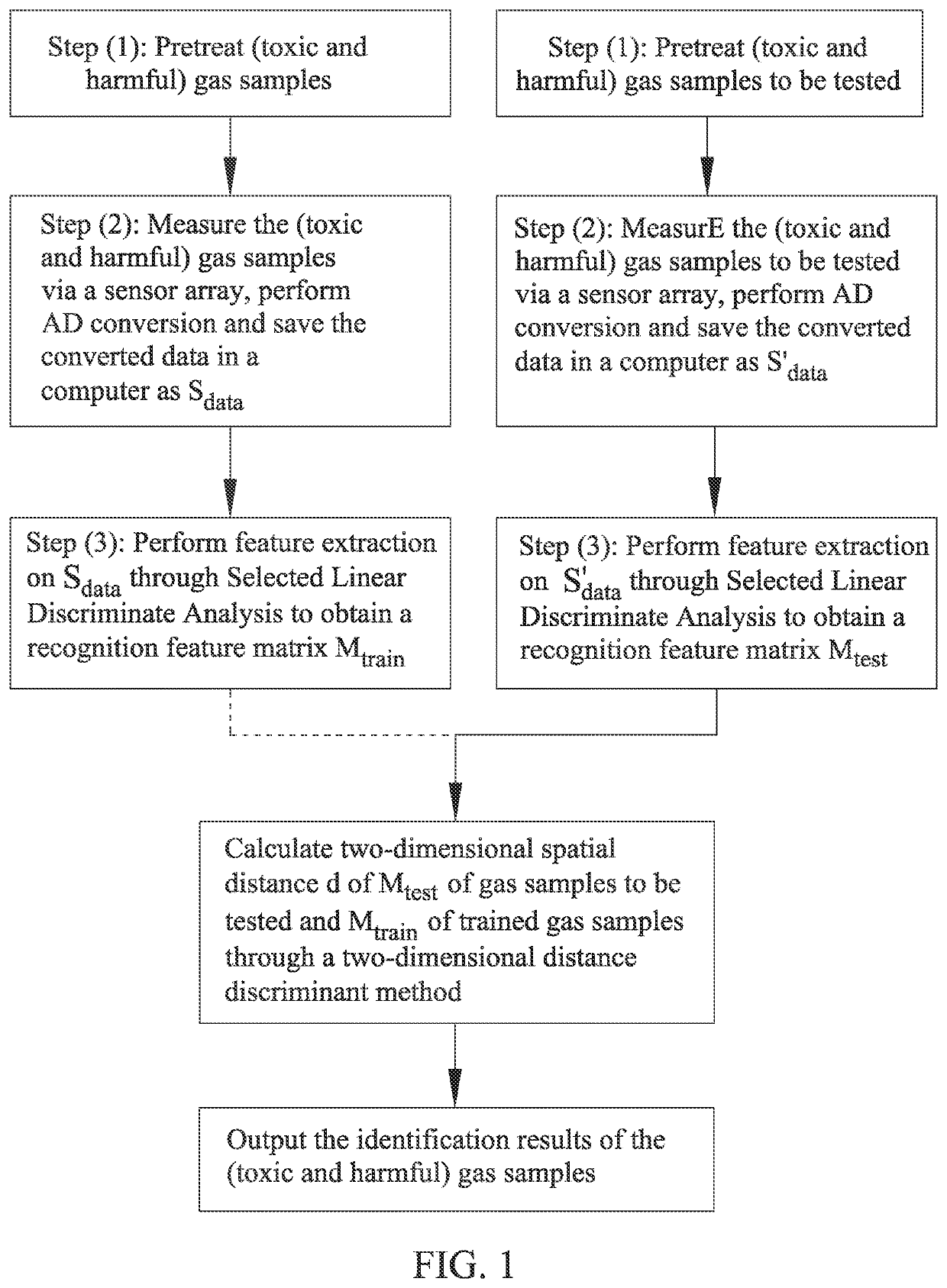
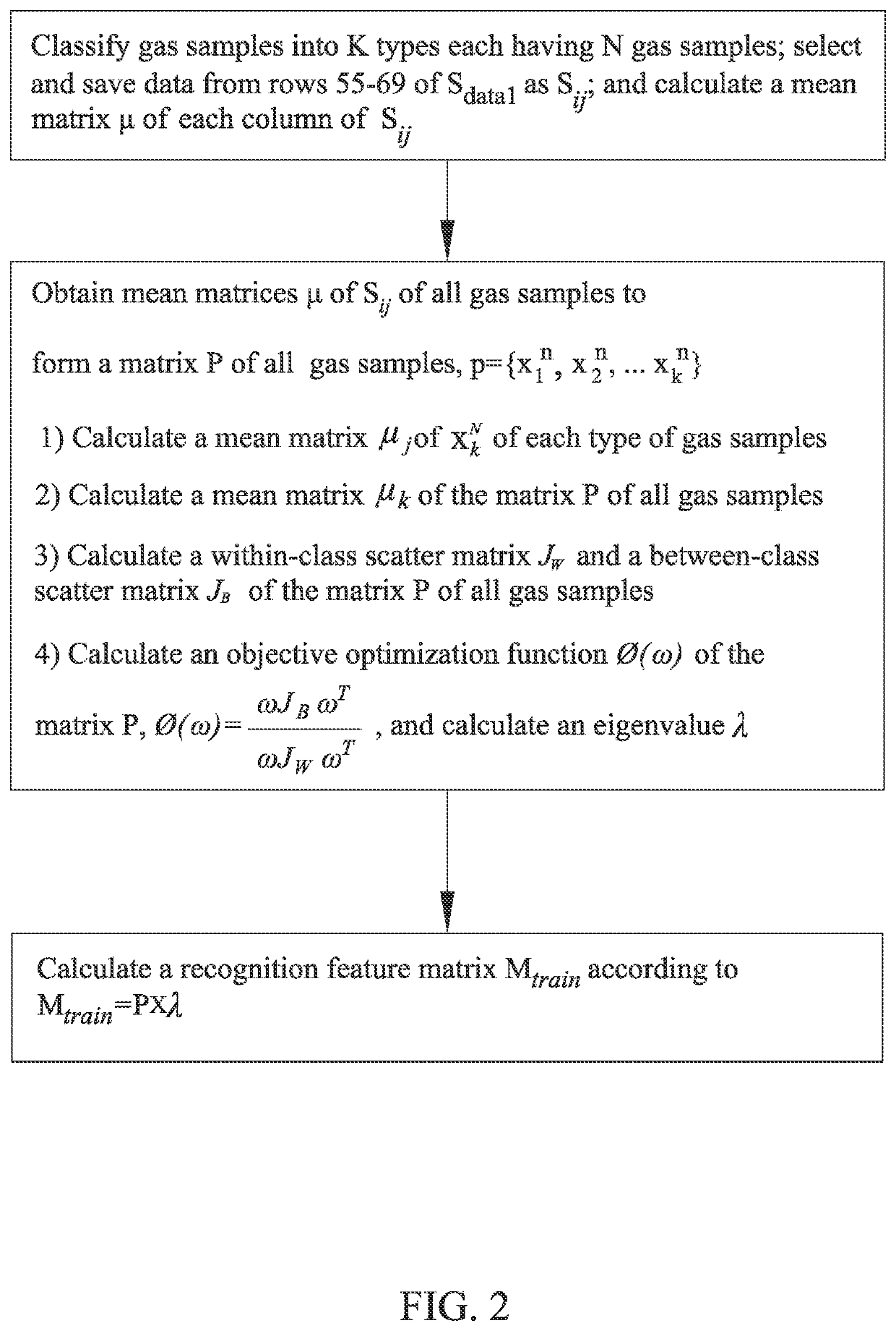
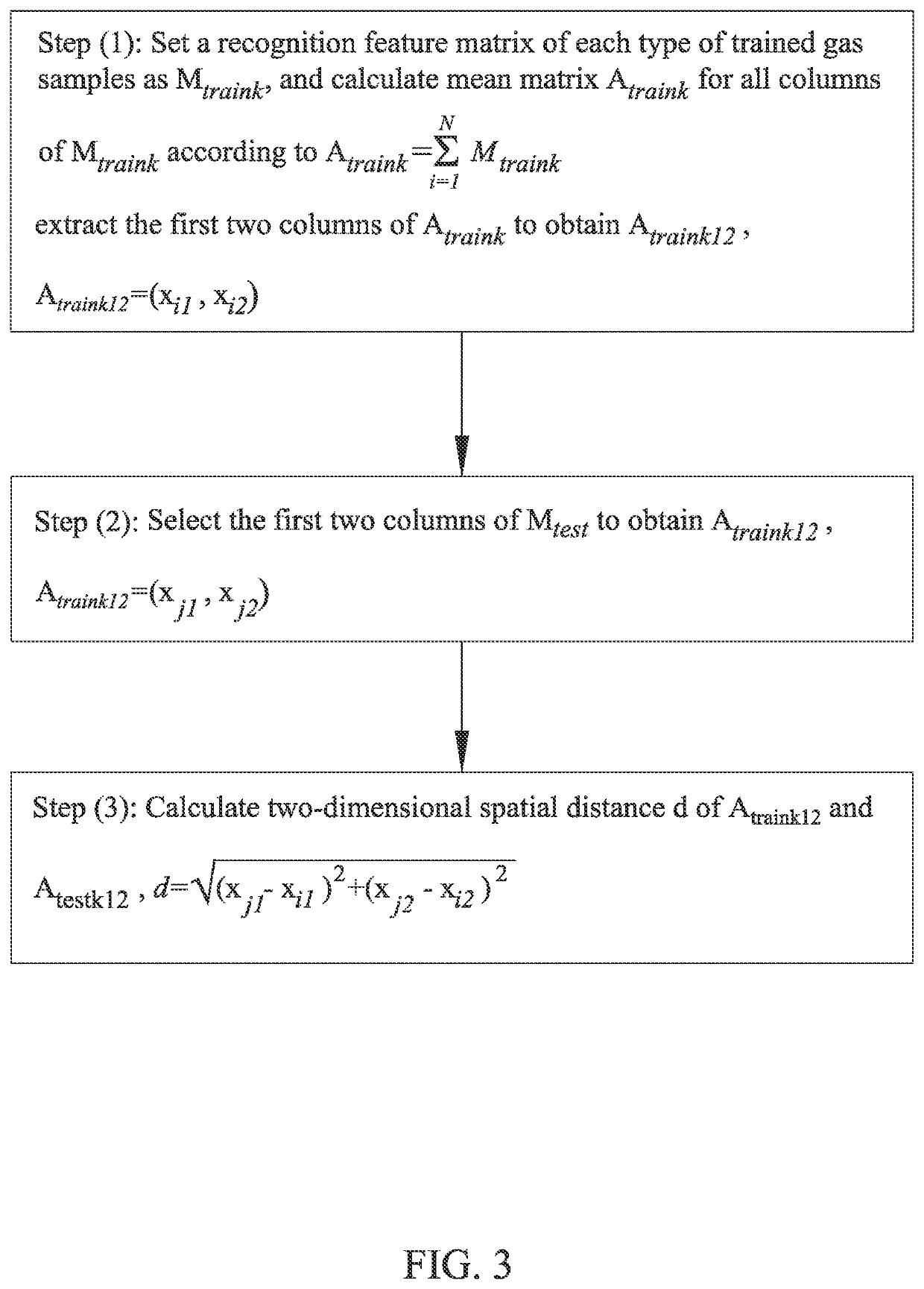
Method for detecting and identifying toxic and harmful gases based on machine olfaction
PatentActiveUS11408875B2
Innovation
- A method utilizing a machine olfactory system with Selected Linear Discriminate Analysis (SLDA) and a two-dimensional distance discriminant method to analyze gas samples, constructing an odor information base for identification.

Regulatory Framework for Veterinary Diagnostic Devices
The regulatory landscape for veterinary diagnostic devices incorporating machine olfaction technology presents a complex framework that varies significantly across different jurisdictions. In the United States, the FDA's Center for Veterinary Medicine (CVM) oversees the approval process for veterinary diagnostic devices through the Veterinary Device Program. These devices are classified into three categories based on risk levels, with machine olfaction systems likely falling under Class II or Class III depending on their intended use and diagnostic claims.
The European Union operates under the Veterinary Medical Device Regulation, which requires conformity assessment procedures and CE marking for devices intended for veterinary use. The regulatory pathway involves demonstrating safety, performance, and analytical validity through comprehensive documentation and clinical evidence. Machine olfaction devices must undergo rigorous validation studies to prove their diagnostic accuracy compared to established reference methods.
Key regulatory challenges specific to machine olfaction technology include establishing standardized protocols for sensor calibration, defining acceptable detection thresholds, and validating performance across diverse environmental conditions. Regulatory bodies require extensive data on cross-reactivity, specificity, and sensitivity parameters. The novel nature of electronic nose technology necessitates the development of new testing standards and validation methodologies that traditional diagnostic devices may not require.
International harmonization efforts through organizations like the International Cooperation on Harmonisation of Technical Requirements for Registration of Veterinary Medicinal Products (VICH) are working to align regulatory standards globally. However, significant variations remain in approval timelines, clinical trial requirements, and post-market surveillance obligations. Manufacturers must navigate multiple regulatory pathways simultaneously when seeking global market access.
The regulatory framework also addresses data integrity, cybersecurity requirements for connected devices, and quality management systems. As machine olfaction technology evolves rapidly, regulatory agencies are adapting their guidelines to accommodate innovative diagnostic approaches while maintaining stringent safety and efficacy standards for veterinary applications.
The European Union operates under the Veterinary Medical Device Regulation, which requires conformity assessment procedures and CE marking for devices intended for veterinary use. The regulatory pathway involves demonstrating safety, performance, and analytical validity through comprehensive documentation and clinical evidence. Machine olfaction devices must undergo rigorous validation studies to prove their diagnostic accuracy compared to established reference methods.
Key regulatory challenges specific to machine olfaction technology include establishing standardized protocols for sensor calibration, defining acceptable detection thresholds, and validating performance across diverse environmental conditions. Regulatory bodies require extensive data on cross-reactivity, specificity, and sensitivity parameters. The novel nature of electronic nose technology necessitates the development of new testing standards and validation methodologies that traditional diagnostic devices may not require.
International harmonization efforts through organizations like the International Cooperation on Harmonisation of Technical Requirements for Registration of Veterinary Medicinal Products (VICH) are working to align regulatory standards globally. However, significant variations remain in approval timelines, clinical trial requirements, and post-market surveillance obligations. Manufacturers must navigate multiple regulatory pathways simultaneously when seeking global market access.
The regulatory framework also addresses data integrity, cybersecurity requirements for connected devices, and quality management systems. As machine olfaction technology evolves rapidly, regulatory agencies are adapting their guidelines to accommodate innovative diagnostic approaches while maintaining stringent safety and efficacy standards for veterinary applications.
Animal Welfare Ethics in Olfactory Diagnostic Systems
The integration of machine olfaction technology in veterinary diagnostics raises significant ethical considerations regarding animal welfare that must be carefully addressed as these systems become more prevalent. The fundamental principle of minimizing animal suffering while maximizing diagnostic benefits forms the cornerstone of ethical implementation in this emerging field.
Non-invasive sampling methodologies represent a primary ethical advantage of olfactory diagnostic systems. Unlike traditional diagnostic procedures that may require blood draws, tissue biopsies, or other invasive interventions, machine olfaction can analyze breath samples, urine, or ambient air around animals with minimal stress or discomfort. This approach aligns with the principle of reducing unnecessary animal distress while maintaining diagnostic accuracy.
The concept of informed consent, while traditionally applied to human medicine, translates to veterinary ethics through responsible ownership and transparent communication with animal caretakers. Veterinarians and researchers must ensure that animal owners understand the diagnostic process, potential benefits, and any associated risks, however minimal they may be with olfactory systems.
Data privacy and security considerations extend beyond the animals themselves to encompass the sensitive information about animal health, breeding programs, and agricultural operations. Ethical frameworks must address how olfactory diagnostic data is collected, stored, shared, and potentially commercialized, ensuring that animal welfare remains the primary consideration rather than economic interests.
The potential for early disease detection through machine olfaction creates ethical obligations for timely intervention and treatment. When these systems identify health issues before clinical symptoms appear, veterinarians face decisions about immediate treatment versus continued monitoring, balancing intervention benefits against potential overtreatment risks.
Equity and accessibility concerns arise as advanced olfactory diagnostic technologies may create disparities in veterinary care quality. Ethical implementation requires consideration of how these technologies can be made available across different economic contexts, ensuring that animal welfare improvements are not limited to well-funded facilities or affluent pet owners.
Research and development phases must adhere to strict ethical protocols, particularly regarding the training of machine learning algorithms that require extensive datasets from healthy and diseased animals. The collection of such data must minimize animal stress while ensuring representative and unbiased sampling across different species, breeds, and conditions.
Non-invasive sampling methodologies represent a primary ethical advantage of olfactory diagnostic systems. Unlike traditional diagnostic procedures that may require blood draws, tissue biopsies, or other invasive interventions, machine olfaction can analyze breath samples, urine, or ambient air around animals with minimal stress or discomfort. This approach aligns with the principle of reducing unnecessary animal distress while maintaining diagnostic accuracy.
The concept of informed consent, while traditionally applied to human medicine, translates to veterinary ethics through responsible ownership and transparent communication with animal caretakers. Veterinarians and researchers must ensure that animal owners understand the diagnostic process, potential benefits, and any associated risks, however minimal they may be with olfactory systems.
Data privacy and security considerations extend beyond the animals themselves to encompass the sensitive information about animal health, breeding programs, and agricultural operations. Ethical frameworks must address how olfactory diagnostic data is collected, stored, shared, and potentially commercialized, ensuring that animal welfare remains the primary consideration rather than economic interests.
The potential for early disease detection through machine olfaction creates ethical obligations for timely intervention and treatment. When these systems identify health issues before clinical symptoms appear, veterinarians face decisions about immediate treatment versus continued monitoring, balancing intervention benefits against potential overtreatment risks.
Equity and accessibility concerns arise as advanced olfactory diagnostic technologies may create disparities in veterinary care quality. Ethical implementation requires consideration of how these technologies can be made available across different economic contexts, ensuring that animal welfare improvements are not limited to well-funded facilities or affluent pet owners.
Research and development phases must adhere to strict ethical protocols, particularly regarding the training of machine learning algorithms that require extensive datasets from healthy and diseased animals. The collection of such data must minimize animal stress while ensuring representative and unbiased sampling across different species, breeds, and conditions.
Unlock deeper insights with PatSnap Eureka Quick Research — get a full tech report to explore trends and direct your research. Try now!
Generate Your Research Report Instantly with AI Agent
Supercharge your innovation with PatSnap Eureka AI Agent Platform!