Measure Photoactive Compound Surface Wettability Contact Angle
DEC 26, 20259 MIN READ
Generate Your Research Report Instantly with AI Agent
PatSnap Eureka helps you evaluate technical feasibility & market potential.
Photoactive Compound Wettability Background and Objectives
Photoactive compounds represent a revolutionary class of materials that undergo structural or chemical changes upon exposure to light, fundamentally altering their surface properties including wettability characteristics. These materials have emerged as critical components in advanced applications ranging from self-cleaning surfaces and smart coatings to biomedical devices and environmental remediation systems. The ability to precisely measure and control the surface wettability of photoactive compounds through contact angle analysis has become increasingly vital for optimizing their performance and expanding their practical applications.
The historical development of photoactive compound research traces back to early photochemistry studies in the mid-20th century, where researchers first observed light-induced changes in material properties. Initial investigations focused primarily on photoisomerization and photopolymerization processes, with limited attention to surface wettability modifications. The breakthrough came in the 1990s when scientists discovered that certain organic compounds could exhibit dramatic wettability transitions upon UV irradiation, leading to reversible switching between hydrophilic and hydrophobic states.
The evolution of contact angle measurement techniques has paralleled the advancement of photoactive compound research. Traditional goniometry methods, while effective for static measurements, proved inadequate for capturing the dynamic nature of light-responsive surfaces. This limitation drove the development of specialized measurement protocols and instrumentation capable of real-time monitoring during photochemical processes. Modern approaches now incorporate controlled illumination systems, environmental chambers, and high-speed imaging to accurately characterize photoactive surface behavior.
Current technological objectives center on achieving precise quantification of wettability changes in photoactive compounds under various illumination conditions. Key goals include establishing standardized measurement protocols that account for wavelength-dependent responses, temporal dynamics of surface transitions, and environmental factors affecting photochemical processes. Researchers aim to develop comprehensive characterization methods that can predict long-term stability, reversibility cycles, and performance degradation of photoactive surfaces.
The primary technical challenge lies in correlating molecular-level photochemical changes with macroscopic wettability behavior. Understanding this relationship requires sophisticated measurement approaches that can simultaneously monitor surface chemistry modifications and contact angle variations. Advanced objectives include developing predictive models that link photochemical kinetics with wettability dynamics, enabling rational design of photoactive compounds with tailored surface properties for specific applications.
The historical development of photoactive compound research traces back to early photochemistry studies in the mid-20th century, where researchers first observed light-induced changes in material properties. Initial investigations focused primarily on photoisomerization and photopolymerization processes, with limited attention to surface wettability modifications. The breakthrough came in the 1990s when scientists discovered that certain organic compounds could exhibit dramatic wettability transitions upon UV irradiation, leading to reversible switching between hydrophilic and hydrophobic states.
The evolution of contact angle measurement techniques has paralleled the advancement of photoactive compound research. Traditional goniometry methods, while effective for static measurements, proved inadequate for capturing the dynamic nature of light-responsive surfaces. This limitation drove the development of specialized measurement protocols and instrumentation capable of real-time monitoring during photochemical processes. Modern approaches now incorporate controlled illumination systems, environmental chambers, and high-speed imaging to accurately characterize photoactive surface behavior.
Current technological objectives center on achieving precise quantification of wettability changes in photoactive compounds under various illumination conditions. Key goals include establishing standardized measurement protocols that account for wavelength-dependent responses, temporal dynamics of surface transitions, and environmental factors affecting photochemical processes. Researchers aim to develop comprehensive characterization methods that can predict long-term stability, reversibility cycles, and performance degradation of photoactive surfaces.
The primary technical challenge lies in correlating molecular-level photochemical changes with macroscopic wettability behavior. Understanding this relationship requires sophisticated measurement approaches that can simultaneously monitor surface chemistry modifications and contact angle variations. Advanced objectives include developing predictive models that link photochemical kinetics with wettability dynamics, enabling rational design of photoactive compounds with tailored surface properties for specific applications.
Market Demand for Surface Wettability Measurement Solutions
The global market for surface wettability measurement solutions has experienced substantial growth driven by increasing demands across multiple industrial sectors. Pharmaceutical and biotechnology companies represent the largest consumer segment, requiring precise contact angle measurements for drug formulation, coating development, and biocompatibility assessments. The semiconductor industry follows closely, where surface wettability control is critical for photolithography processes, wafer cleaning, and thin film applications.
Automotive and aerospace industries demonstrate growing adoption of wettability measurement technologies, particularly for developing advanced coatings, adhesives, and composite materials. These sectors require reliable surface characterization to ensure product performance under extreme conditions. The renewable energy sector, especially solar panel manufacturing, has emerged as a significant market driver, demanding accurate wettability measurements for optimizing photovoltaic cell efficiency and anti-reflective coatings.
Research institutions and academic laboratories constitute a substantial market segment, with increasing focus on fundamental surface science research and material development. Government-funded research programs worldwide have allocated significant resources to surface characterization technologies, recognizing their importance in advancing materials science and nanotechnology applications.
The market exhibits strong regional variations, with North America and Europe leading in terms of technology adoption and research investment. Asia-Pacific markets, particularly China, Japan, and South Korea, show rapid growth due to expanding semiconductor manufacturing and materials research activities. Emerging markets in Latin America and Southeast Asia present untapped opportunities as their industrial capabilities advance.
Quality control requirements across industries have intensified, driving demand for automated and high-throughput measurement solutions. Regulatory compliance in pharmaceutical and medical device sectors mandates precise surface characterization, creating sustained market demand. Environmental regulations promoting sustainable materials and coatings further stimulate market growth.
The integration of artificial intelligence and machine learning capabilities into measurement systems represents a growing market trend, with customers seeking intelligent data analysis and predictive capabilities. Cloud-based data management and remote monitoring features have become increasingly important, especially following the global shift toward digitalization and remote operations.
Automotive and aerospace industries demonstrate growing adoption of wettability measurement technologies, particularly for developing advanced coatings, adhesives, and composite materials. These sectors require reliable surface characterization to ensure product performance under extreme conditions. The renewable energy sector, especially solar panel manufacturing, has emerged as a significant market driver, demanding accurate wettability measurements for optimizing photovoltaic cell efficiency and anti-reflective coatings.
Research institutions and academic laboratories constitute a substantial market segment, with increasing focus on fundamental surface science research and material development. Government-funded research programs worldwide have allocated significant resources to surface characterization technologies, recognizing their importance in advancing materials science and nanotechnology applications.
The market exhibits strong regional variations, with North America and Europe leading in terms of technology adoption and research investment. Asia-Pacific markets, particularly China, Japan, and South Korea, show rapid growth due to expanding semiconductor manufacturing and materials research activities. Emerging markets in Latin America and Southeast Asia present untapped opportunities as their industrial capabilities advance.
Quality control requirements across industries have intensified, driving demand for automated and high-throughput measurement solutions. Regulatory compliance in pharmaceutical and medical device sectors mandates precise surface characterization, creating sustained market demand. Environmental regulations promoting sustainable materials and coatings further stimulate market growth.
The integration of artificial intelligence and machine learning capabilities into measurement systems represents a growing market trend, with customers seeking intelligent data analysis and predictive capabilities. Cloud-based data management and remote monitoring features have become increasingly important, especially following the global shift toward digitalization and remote operations.
Current State and Challenges in Contact Angle Measurement
Contact angle measurement technology has reached a mature stage in conventional applications, with established methodologies providing reliable results for standard surfaces and liquids. Current instrumentation primarily relies on optical goniometry, utilizing high-resolution cameras and image analysis software to capture and analyze droplet profiles. The sessile drop method remains the most widely adopted approach, offering good reproducibility for static measurements on homogeneous surfaces.
However, photoactive compounds present unique challenges that push the boundaries of existing measurement capabilities. These materials undergo structural or chemical changes upon light exposure, leading to dynamic surface property modifications that occur during the measurement process itself. Traditional contact angle instruments, designed for stable surfaces, struggle to capture these rapid transformations accurately.
The primary technical challenge lies in the temporal resolution of measurements. Photoactive surfaces can exhibit contact angle changes within milliseconds to seconds of light exposure, yet conventional systems typically require several seconds for droplet placement, stabilization, and image capture. This temporal mismatch results in measurements that may not represent the true initial or final state of the photoactive surface.
Illumination control presents another significant obstacle. Most contact angle instruments use bright LED or halogen lighting for optimal image contrast, but this illumination can inadvertently trigger photochemical reactions in sensitive compounds. Researchers must balance the need for adequate imaging conditions against the risk of uncontrolled surface activation, often leading to compromised measurement quality or unintended surface modifications.
Environmental stability requirements further complicate measurements. Photoactive compounds are frequently sensitive to ambient conditions including humidity, temperature, and atmospheric composition. Standard measurement chambers may not provide sufficient environmental control, leading to inconsistent results and poor reproducibility across different laboratories or measurement sessions.
Data interpretation challenges arise from the dynamic nature of photoactive surfaces. Traditional contact angle analysis assumes surface homogeneity and stability, but photoactive materials may exhibit spatial variations in wettability depending on illumination patterns or exposure history. Current analysis software lacks sophisticated algorithms to handle such complex, time-dependent surface behaviors.
Calibration and standardization represent ongoing challenges in this field. The absence of universally accepted reference materials for photoactive surface measurements makes inter-laboratory comparisons difficult. Additionally, the reversible or irreversible nature of photoinduced changes varies among different compounds, requiring measurement protocols tailored to specific material classes rather than universal approaches.
However, photoactive compounds present unique challenges that push the boundaries of existing measurement capabilities. These materials undergo structural or chemical changes upon light exposure, leading to dynamic surface property modifications that occur during the measurement process itself. Traditional contact angle instruments, designed for stable surfaces, struggle to capture these rapid transformations accurately.
The primary technical challenge lies in the temporal resolution of measurements. Photoactive surfaces can exhibit contact angle changes within milliseconds to seconds of light exposure, yet conventional systems typically require several seconds for droplet placement, stabilization, and image capture. This temporal mismatch results in measurements that may not represent the true initial or final state of the photoactive surface.
Illumination control presents another significant obstacle. Most contact angle instruments use bright LED or halogen lighting for optimal image contrast, but this illumination can inadvertently trigger photochemical reactions in sensitive compounds. Researchers must balance the need for adequate imaging conditions against the risk of uncontrolled surface activation, often leading to compromised measurement quality or unintended surface modifications.
Environmental stability requirements further complicate measurements. Photoactive compounds are frequently sensitive to ambient conditions including humidity, temperature, and atmospheric composition. Standard measurement chambers may not provide sufficient environmental control, leading to inconsistent results and poor reproducibility across different laboratories or measurement sessions.
Data interpretation challenges arise from the dynamic nature of photoactive surfaces. Traditional contact angle analysis assumes surface homogeneity and stability, but photoactive materials may exhibit spatial variations in wettability depending on illumination patterns or exposure history. Current analysis software lacks sophisticated algorithms to handle such complex, time-dependent surface behaviors.
Calibration and standardization represent ongoing challenges in this field. The absence of universally accepted reference materials for photoactive surface measurements makes inter-laboratory comparisons difficult. Additionally, the reversible or irreversible nature of photoinduced changes varies among different compounds, requiring measurement protocols tailored to specific material classes rather than universal approaches.
Existing Contact Angle Measurement Solutions
01 Surface modification techniques for photoactive compounds
Various surface modification methods are employed to control the contact angle properties of photoactive compounds. These techniques involve chemical treatments, plasma processing, and coating applications that alter the surface energy and wettability characteristics. The modifications can enhance the interaction between photoactive materials and substrates, improving their performance in optical and electronic applications.- Surface modification techniques for photoactive compounds: Various surface modification methods are employed to control the contact angle properties of photoactive compounds. These techniques involve chemical treatments, plasma processing, and coating applications that alter the surface energy and wettability characteristics. The modifications enable better adhesion, spreading, and interaction with substrates while maintaining the photoactive functionality of the compounds.
- Hydrophobic and hydrophilic balance optimization: The contact angle behavior of photoactive compounds is controlled through careful balance of hydrophobic and hydrophilic properties. This involves incorporating specific functional groups, surfactants, or additives that modify the surface tension and wetting characteristics. The optimization allows for precise control over liquid spreading, droplet formation, and interfacial interactions in various applications.
- Substrate interaction and adhesion enhancement: Photoactive compounds are formulated to achieve optimal contact angles for improved substrate adhesion and interaction. This involves understanding the relationship between molecular structure, surface chemistry, and wetting behavior. The enhanced adhesion properties are crucial for applications requiring strong interfacial bonding and uniform distribution of the photoactive material.
- Measurement and characterization methods: Specialized techniques and instruments are developed for accurate measurement and characterization of contact angles in photoactive compound systems. These methods include dynamic contact angle analysis, surface energy determination, and real-time monitoring of wetting behavior under various conditions. The characterization provides essential data for optimizing formulations and predicting performance.
- Application-specific contact angle control: Different applications require specific contact angle ranges for optimal performance of photoactive compounds. This includes coatings, printing applications, electronic devices, and biomedical systems where precise wetting behavior is critical. The formulations are tailored to achieve the desired contact angle values while preserving the photoactive properties and ensuring compatibility with the intended use environment.
02 Hydrophobic and hydrophilic balance optimization
The contact angle of photoactive compounds can be controlled by optimizing the balance between hydrophobic and hydrophilic properties. This involves incorporating specific functional groups or surfactants that modify the surface tension and wetting behavior. The optimization allows for better control over liquid spreading, adhesion, and film formation properties of photoactive materials.Expand Specific Solutions03 Nanostructured surfaces for enhanced photoactivity
Nanostructured surfaces are designed to achieve specific contact angle properties while maintaining or enhancing photoactive functionality. These structures create micro and nano-scale topographies that influence wetting behavior through geometric effects. The combination of surface chemistry and topography provides precise control over contact angles and improves the overall performance of photoactive systems.Expand Specific Solutions04 Polymer-based photoactive compound formulations
Polymer matrices and additives are used to modify the contact angle properties of photoactive compounds. These formulations involve blending photoactive materials with specific polymers or copolymers that provide desired wetting characteristics. The polymer components can be designed to respond to light exposure, creating dynamic contact angle changes that enhance functionality in various applications.Expand Specific Solutions05 Self-cleaning and anti-fouling photoactive surfaces
Photoactive compounds are formulated to create surfaces with self-cleaning properties through controlled contact angle behavior. These surfaces utilize photocatalytic activity combined with specific wetting properties to achieve anti-fouling effects. The contact angle can be engineered to promote water sheeting or droplet formation, facilitating the removal of contaminants under light activation.Expand Specific Solutions
Key Players in Contact Angle and Surface Analysis Industry
The photoactive compound surface wettability contact angle measurement technology operates within a mature yet evolving competitive landscape characterized by diverse market participation across multiple industrial sectors. The industry has reached a stable development stage with established measurement methodologies, though innovation continues in precision instrumentation and specialized applications. Market size reflects steady growth driven by expanding applications in photovoltaics, coatings, and advanced materials sectors. Technology maturity varies significantly among players, with established corporations like Sharp Corp., AGC Inc., and Dow Silicones Corp. demonstrating advanced capabilities in materials science and surface characterization. Chemical giants including Air Products & Chemicals, Solvay SA, and PPG Industries Ohio leverage extensive R&D resources for specialized coating solutions. Academic institutions such as Technische Universität Darmstadt and Tel Aviv University contribute fundamental research, while technology transfer entities like Ramot facilitate commercialization. Energy sector participants including Saudi Arabian Oil Co. and Halliburton Energy Services focus on industrial applications, creating a heterogeneous competitive environment spanning from fundamental research to commercial implementation across diverse technological maturity levels.
PPG Industries Ohio, Inc.
Technical Solution: PPG Industries has established comprehensive contact angle measurement protocols for their photoactive coating formulations. Their approach integrates standard goniometry with spectroscopic analysis to correlate surface wettability changes with photocatalytic activity. The company's methodology includes accelerated weathering tests combined with contact angle measurements to evaluate long-term performance of photoactive coatings under various environmental conditions including UV exposure, temperature cycling, and humidity variations.
Strengths: Extensive coatings expertise, comprehensive testing protocols for durability assessment. Weaknesses: May focus primarily on coating applications rather than fundamental photoactive compound research.
Air Products & Chemicals, Inc.
Technical Solution: Air Products has developed contact angle measurement techniques for evaluating photoactive compound performance in industrial gas processing applications. Their methodology focuses on assessing surface wettability of photocatalytic materials used in air purification systems. The company employs specialized environmental chambers that control gas composition, humidity, and UV exposure while conducting real-time contact angle measurements to evaluate photocatalytic surface activation and regeneration cycles.
Strengths: Expertise in gas-surface interactions, industrial-scale application experience. Weaknesses: Limited focus on liquid-phase photoactive applications, specialized industrial focus may not address broader research needs.
Core Innovations in Photoactive Surface Characterization
Method for manufacturing display device
PatentInactiveUS7470604B2
Innovation
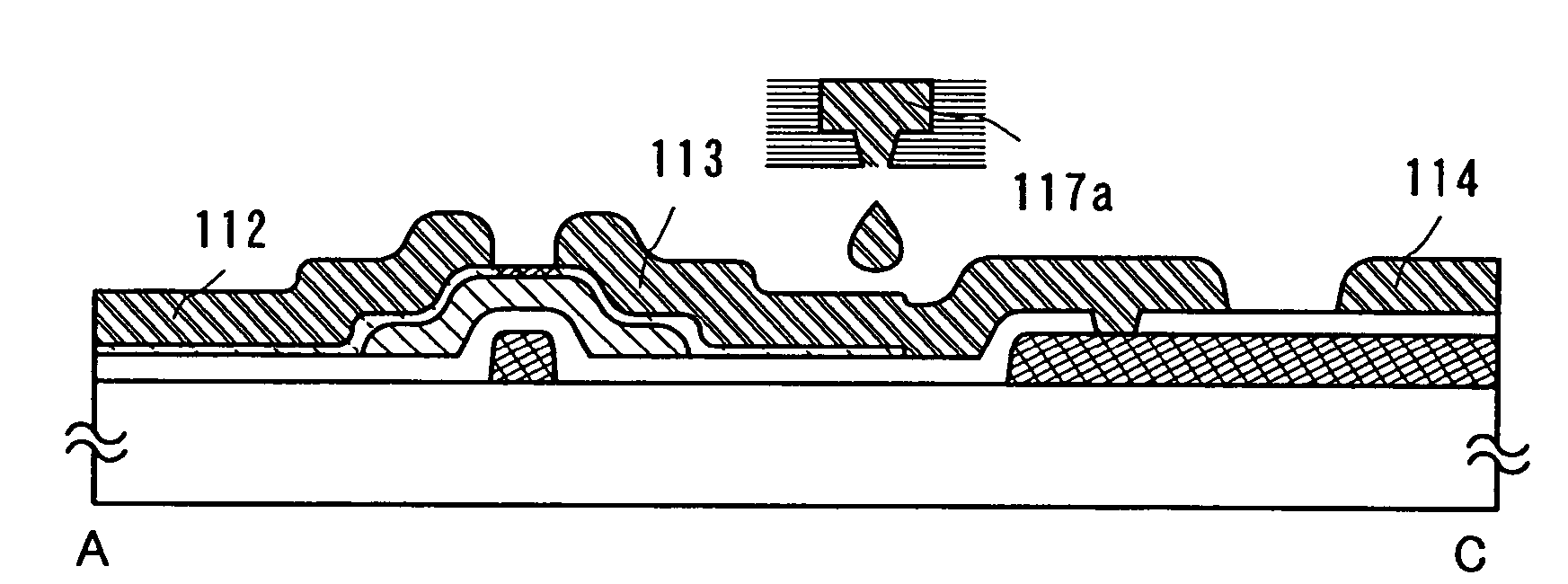
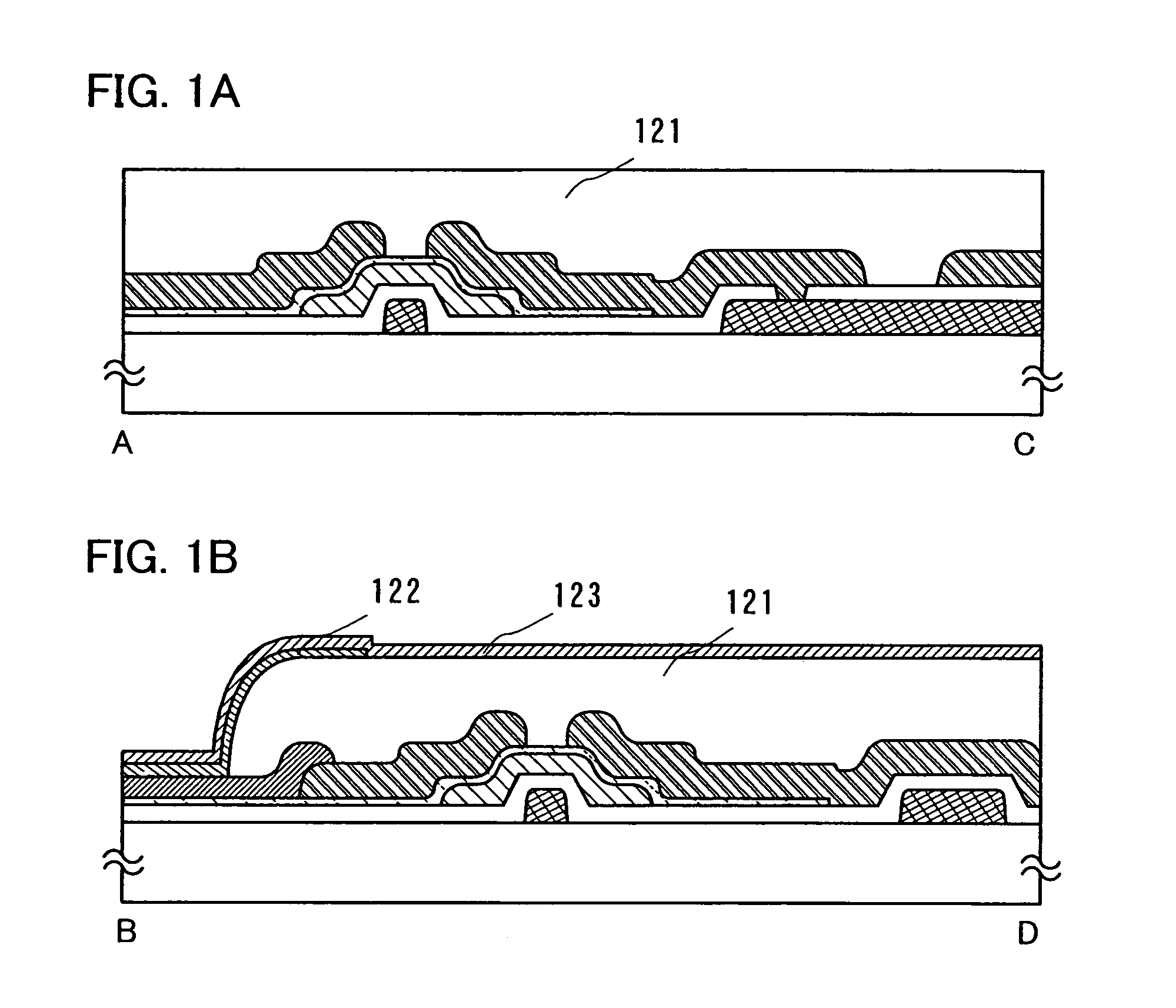
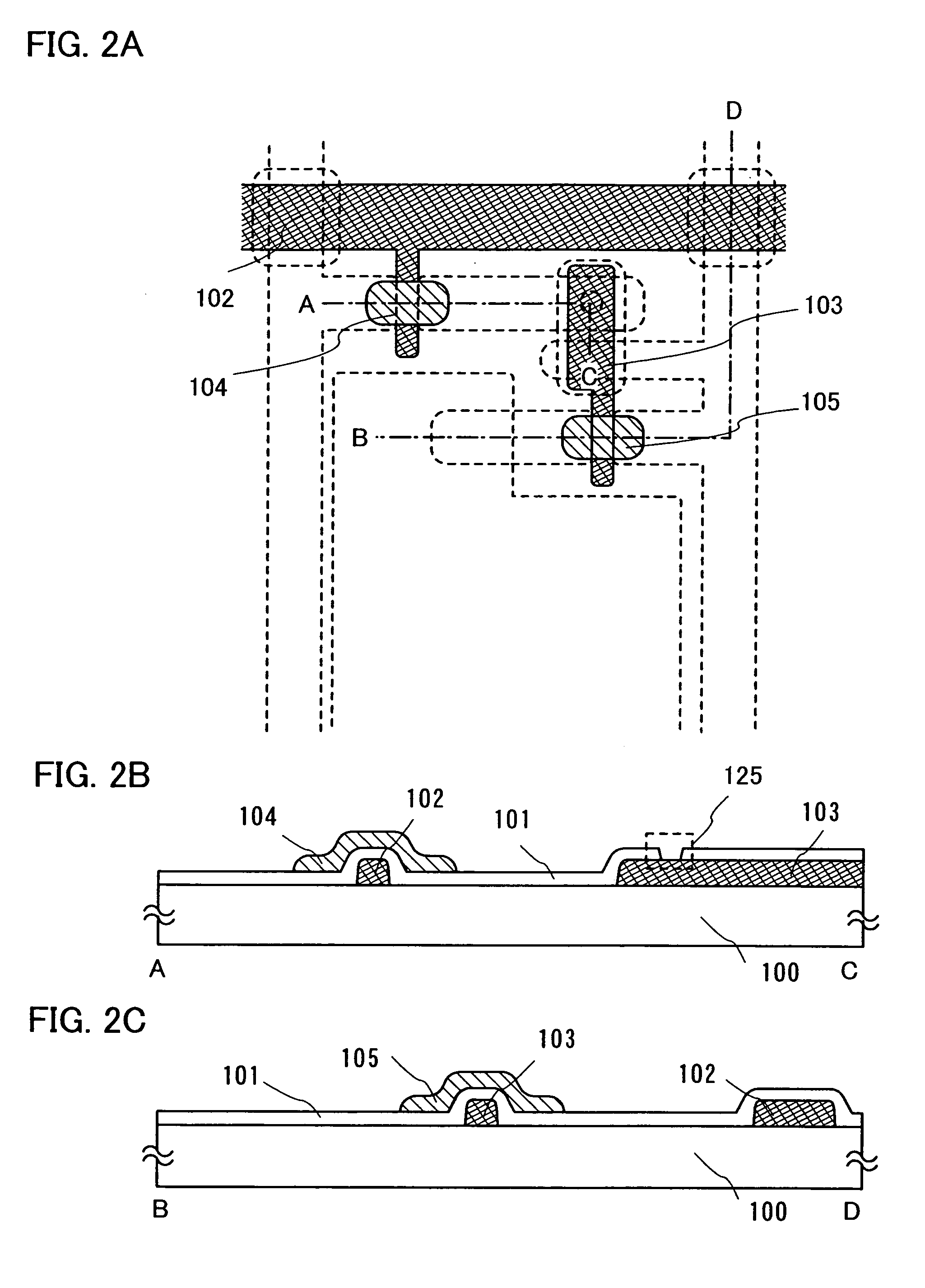
- A method that modifies the wettability of a substrate surface using light-irradiated photoactive or photocatalytic substances, allowing for the formation of conductive and insulating layers with reduced process steps by creating regions of varying wettability, enabling precise control over pattern formation without the need for extensive photolithography.

Modification of the degree of liquid contact with a solid by control of surface and micro-channel capillary geometry
PatentInactiveUS8679233B1
Innovation
- The method involves controlling the surface geometry of solids with features like pits, pores, and capillaries to alter the area of contact with liquids, using transitional included angles to determine when liquids will fully or partially contact surfaces, allowing for increased or decreased contact area without changing the contact angle, and designing capillary devices to separate fluids based on their contact angles.


Standardization and Calibration Requirements
The measurement of contact angles for photoactive compounds requires adherence to rigorous standardization protocols to ensure reproducibility and accuracy across different laboratories and research environments. International standards such as ASTM D7334 and ISO 19403 provide fundamental frameworks for contact angle measurements, though specific adaptations are necessary when dealing with light-sensitive materials that may undergo photochemical reactions during testing.
Calibration procedures must account for the unique properties of photoactive compounds, particularly their potential for surface modification under ambient lighting conditions. Standard reference materials with known contact angle values should be measured under identical environmental conditions, including controlled illumination using monochromatic light sources or complete darkness when appropriate. The calibration frequency should be increased compared to conventional materials, with daily verification recommended for critical applications.
Temperature control represents a critical calibration parameter, as photoactive compounds often exhibit enhanced thermal sensitivity. Calibration standards must be maintained within ±0.5°C of the target measurement temperature, with thermal equilibration periods extended to account for potential photoinduced heating effects. Humidity control becomes equally important, requiring calibration verification across the intended operational humidity range.
Instrument-specific calibration requirements include verification of droplet volume dispensing accuracy, as photoactive compounds may exhibit altered viscosity or surface tension properties under measurement conditions. Syringe needle cleanliness protocols must be enhanced, with solvent compatibility testing required for each photoactive compound class to prevent contamination-induced measurement drift.
Lighting standardization demands particular attention, with calibration procedures establishing baseline measurements under defined spectral conditions. Reference measurements should be conducted using standardized illumination sources with documented spectral output, intensity levels, and exposure durations. Dark-field calibration procedures provide essential baseline data for compounds exhibiting significant photosensitivity.
Traceability requirements extend beyond conventional contact angle measurements to include photochemical stability documentation. Calibration certificates must specify the photochemical history of reference materials, including cumulative light exposure and any observed degradation markers. Regular recalibration intervals should be shortened for photoactive systems, with stability monitoring protocols integrated into routine measurement procedures.
Calibration procedures must account for the unique properties of photoactive compounds, particularly their potential for surface modification under ambient lighting conditions. Standard reference materials with known contact angle values should be measured under identical environmental conditions, including controlled illumination using monochromatic light sources or complete darkness when appropriate. The calibration frequency should be increased compared to conventional materials, with daily verification recommended for critical applications.
Temperature control represents a critical calibration parameter, as photoactive compounds often exhibit enhanced thermal sensitivity. Calibration standards must be maintained within ±0.5°C of the target measurement temperature, with thermal equilibration periods extended to account for potential photoinduced heating effects. Humidity control becomes equally important, requiring calibration verification across the intended operational humidity range.
Instrument-specific calibration requirements include verification of droplet volume dispensing accuracy, as photoactive compounds may exhibit altered viscosity or surface tension properties under measurement conditions. Syringe needle cleanliness protocols must be enhanced, with solvent compatibility testing required for each photoactive compound class to prevent contamination-induced measurement drift.
Lighting standardization demands particular attention, with calibration procedures establishing baseline measurements under defined spectral conditions. Reference measurements should be conducted using standardized illumination sources with documented spectral output, intensity levels, and exposure durations. Dark-field calibration procedures provide essential baseline data for compounds exhibiting significant photosensitivity.
Traceability requirements extend beyond conventional contact angle measurements to include photochemical stability documentation. Calibration certificates must specify the photochemical history of reference materials, including cumulative light exposure and any observed degradation markers. Regular recalibration intervals should be shortened for photoactive systems, with stability monitoring protocols integrated into routine measurement procedures.
Environmental Impact of Surface Treatment Processes
The environmental implications of surface treatment processes for photoactive compounds represent a critical consideration in modern industrial applications. Traditional surface modification techniques often rely on chemical etching, plasma treatments, and solvent-based cleaning procedures that generate hazardous waste streams and atmospheric emissions. These processes typically consume significant energy resources while producing volatile organic compounds (VOCs) and chemical residues that require specialized disposal methods.
Chemical surface treatments commonly employ acids, bases, and organic solvents that pose risks to both human health and environmental systems. The disposal of spent treatment solutions creates long-term contamination concerns, particularly when heavy metals or persistent organic pollutants are involved. Additionally, the energy-intensive nature of plasma and thermal treatments contributes to carbon footprint considerations in manufacturing operations.
Emerging green surface treatment technologies are addressing these environmental challenges through innovative approaches. Supercritical fluid processing eliminates the need for toxic solvents while achieving comparable surface modification results. Atmospheric pressure plasma treatments reduce energy consumption compared to vacuum-based systems, while UV-ozone cleaning provides a chemical-free alternative for organic contamination removal.
Water-based surface treatments are gaining prominence as environmentally benign alternatives, utilizing biodegradable surfactants and eliminating hazardous waste generation. These aqueous systems can be integrated with closed-loop recycling processes, significantly reducing water consumption and effluent discharge. The development of enzymatic surface modification techniques further advances sustainable processing by operating under mild conditions with minimal environmental impact.
Life cycle assessment studies indicate that sustainable surface treatment processes can reduce environmental impact by 40-60% compared to conventional methods. The implementation of real-time monitoring systems enables precise control of treatment parameters, minimizing resource consumption while maintaining surface quality standards. These advances support the transition toward circular economy principles in photoactive compound manufacturing, where waste minimization and resource efficiency drive process innovation.
Chemical surface treatments commonly employ acids, bases, and organic solvents that pose risks to both human health and environmental systems. The disposal of spent treatment solutions creates long-term contamination concerns, particularly when heavy metals or persistent organic pollutants are involved. Additionally, the energy-intensive nature of plasma and thermal treatments contributes to carbon footprint considerations in manufacturing operations.
Emerging green surface treatment technologies are addressing these environmental challenges through innovative approaches. Supercritical fluid processing eliminates the need for toxic solvents while achieving comparable surface modification results. Atmospheric pressure plasma treatments reduce energy consumption compared to vacuum-based systems, while UV-ozone cleaning provides a chemical-free alternative for organic contamination removal.
Water-based surface treatments are gaining prominence as environmentally benign alternatives, utilizing biodegradable surfactants and eliminating hazardous waste generation. These aqueous systems can be integrated with closed-loop recycling processes, significantly reducing water consumption and effluent discharge. The development of enzymatic surface modification techniques further advances sustainable processing by operating under mild conditions with minimal environmental impact.
Life cycle assessment studies indicate that sustainable surface treatment processes can reduce environmental impact by 40-60% compared to conventional methods. The implementation of real-time monitoring systems enables precise control of treatment parameters, minimizing resource consumption while maintaining surface quality standards. These advances support the transition toward circular economy principles in photoactive compound manufacturing, where waste minimization and resource efficiency drive process innovation.
Unlock deeper insights with PatSnap Eureka Quick Research — get a full tech report to explore trends and direct your research. Try now!
Generate Your Research Report Instantly with AI Agent
Supercharge your innovation with PatSnap Eureka AI Agent Platform!