

Quantify Photoactive Compound Light Penetration Depth In Tissue
DEC 26, 20259 MIN READ
Generate Your Research Report Instantly with AI Agent
PatSnap Eureka helps you evaluate technical feasibility & market potential.
Photoactive Compound Tissue Penetration Background and Objectives
Photodynamic therapy (PDT) has emerged as a promising minimally invasive treatment modality for various medical conditions, including cancer, dermatological disorders, and antimicrobial applications. The therapeutic efficacy of PDT fundamentally depends on the precise interaction between photoactive compounds (photosensitizers), specific wavelengths of light, and molecular oxygen within target tissues. However, the clinical success of PDT treatments remains significantly constrained by the limited understanding and predictability of light penetration depths in biological tissues.
The quantification of photoactive compound light penetration depth represents a critical technological challenge that directly impacts treatment planning, dosimetry calculations, and therapeutic outcomes. Current clinical protocols often rely on empirical approaches or simplified models that fail to account for the complex interplay between tissue optical properties, photosensitizer distribution, and light scattering phenomena. This limitation results in suboptimal treatment efficacy, potential damage to healthy tissues, and inconsistent clinical results across different patient populations.
The primary objective of advancing photoactive compound light penetration quantification technology is to establish precise, real-time measurement capabilities that can accurately predict and monitor light distribution within heterogeneous tissue environments. This technological advancement aims to enable personalized treatment protocols by providing clinicians with quantitative tools to optimize light delivery parameters, photosensitizer concentrations, and treatment durations based on individual patient tissue characteristics.
Furthermore, the development of robust quantification methods seeks to address the fundamental challenge of tissue heterogeneity, where variations in blood perfusion, cellular density, pigmentation, and structural composition significantly influence light propagation patterns. Advanced quantification technologies must account for dynamic changes in tissue optical properties during treatment, including photosensitizer photobleaching, oxygen depletion, and vascular responses.
The ultimate technological goal encompasses the creation of integrated systems capable of providing three-dimensional mapping of light penetration depths with high spatial and temporal resolution. Such systems would enable real-time treatment monitoring, adaptive dose delivery, and improved prediction of therapeutic outcomes. This advancement would transform PDT from a largely empirical treatment approach into a precision medicine modality with enhanced safety profiles and therapeutic efficacy across diverse clinical applications.
The quantification of photoactive compound light penetration depth represents a critical technological challenge that directly impacts treatment planning, dosimetry calculations, and therapeutic outcomes. Current clinical protocols often rely on empirical approaches or simplified models that fail to account for the complex interplay between tissue optical properties, photosensitizer distribution, and light scattering phenomena. This limitation results in suboptimal treatment efficacy, potential damage to healthy tissues, and inconsistent clinical results across different patient populations.
The primary objective of advancing photoactive compound light penetration quantification technology is to establish precise, real-time measurement capabilities that can accurately predict and monitor light distribution within heterogeneous tissue environments. This technological advancement aims to enable personalized treatment protocols by providing clinicians with quantitative tools to optimize light delivery parameters, photosensitizer concentrations, and treatment durations based on individual patient tissue characteristics.
Furthermore, the development of robust quantification methods seeks to address the fundamental challenge of tissue heterogeneity, where variations in blood perfusion, cellular density, pigmentation, and structural composition significantly influence light propagation patterns. Advanced quantification technologies must account for dynamic changes in tissue optical properties during treatment, including photosensitizer photobleaching, oxygen depletion, and vascular responses.
The ultimate technological goal encompasses the creation of integrated systems capable of providing three-dimensional mapping of light penetration depths with high spatial and temporal resolution. Such systems would enable real-time treatment monitoring, adaptive dose delivery, and improved prediction of therapeutic outcomes. This advancement would transform PDT from a largely empirical treatment approach into a precision medicine modality with enhanced safety profiles and therapeutic efficacy across diverse clinical applications.
Market Demand for Light-Based Therapeutic Applications
The global market for light-based therapeutic applications has experienced substantial growth driven by increasing demand for minimally invasive treatment options and advancing photomedicine technologies. Photodynamic therapy represents one of the most significant segments, with applications spanning oncology, dermatology, and ophthalmology. The ability to precisely quantify photoactive compound light penetration depth has become a critical factor in treatment efficacy and patient safety, directly influencing market adoption rates.
Healthcare providers increasingly seek evidence-based treatment protocols that can demonstrate predictable outcomes. The demand for accurate light penetration measurement technologies stems from the need to optimize treatment parameters, reduce adverse effects, and improve therapeutic success rates. This requirement has created a specialized market niche for diagnostic and monitoring equipment capable of real-time tissue optical property assessment.
The dermatology sector represents the largest market segment for light-based therapeutics, particularly in treating actinic keratosis, basal cell carcinoma, and various skin conditions. Precise penetration depth quantification enables clinicians to tailor treatment protocols to individual patient characteristics, including skin type, lesion depth, and tissue composition. This personalization capability has driven increased adoption among dermatological practices seeking competitive advantages.
Oncological applications constitute another rapidly expanding market segment, with photodynamic therapy gaining acceptance for treating esophageal, lung, and bladder cancers. The ability to accurately predict and measure light penetration depths allows oncologists to optimize drug-light intervals and ensure adequate treatment coverage while minimizing damage to healthy tissue. This precision requirement has stimulated demand for sophisticated measurement technologies.
Emerging applications in antimicrobial photodynamic therapy and wound healing have created additional market opportunities. The COVID-19 pandemic accelerated interest in light-based disinfection technologies, while aging populations worldwide drive demand for advanced wound care solutions. These applications require precise understanding of light penetration characteristics to ensure therapeutic efficacy across diverse tissue types and conditions.
Regulatory requirements increasingly emphasize treatment standardization and outcome predictability, further driving market demand for quantitative measurement capabilities. Medical device manufacturers respond by developing integrated systems that combine therapeutic delivery with real-time penetration depth monitoring, creating comprehensive solutions that address clinical workflow requirements while ensuring regulatory compliance.
Healthcare providers increasingly seek evidence-based treatment protocols that can demonstrate predictable outcomes. The demand for accurate light penetration measurement technologies stems from the need to optimize treatment parameters, reduce adverse effects, and improve therapeutic success rates. This requirement has created a specialized market niche for diagnostic and monitoring equipment capable of real-time tissue optical property assessment.
The dermatology sector represents the largest market segment for light-based therapeutics, particularly in treating actinic keratosis, basal cell carcinoma, and various skin conditions. Precise penetration depth quantification enables clinicians to tailor treatment protocols to individual patient characteristics, including skin type, lesion depth, and tissue composition. This personalization capability has driven increased adoption among dermatological practices seeking competitive advantages.
Oncological applications constitute another rapidly expanding market segment, with photodynamic therapy gaining acceptance for treating esophageal, lung, and bladder cancers. The ability to accurately predict and measure light penetration depths allows oncologists to optimize drug-light intervals and ensure adequate treatment coverage while minimizing damage to healthy tissue. This precision requirement has stimulated demand for sophisticated measurement technologies.
Emerging applications in antimicrobial photodynamic therapy and wound healing have created additional market opportunities. The COVID-19 pandemic accelerated interest in light-based disinfection technologies, while aging populations worldwide drive demand for advanced wound care solutions. These applications require precise understanding of light penetration characteristics to ensure therapeutic efficacy across diverse tissue types and conditions.
Regulatory requirements increasingly emphasize treatment standardization and outcome predictability, further driving market demand for quantitative measurement capabilities. Medical device manufacturers respond by developing integrated systems that combine therapeutic delivery with real-time penetration depth monitoring, creating comprehensive solutions that address clinical workflow requirements while ensuring regulatory compliance.
Current State of Tissue Light Penetration Measurement Technologies
The measurement of light penetration depth in biological tissues has evolved significantly over the past decades, driven by the growing importance of photodynamic therapy, optical imaging, and photoactivated drug delivery systems. Current technologies encompass a diverse range of optical, computational, and hybrid approaches, each offering distinct advantages and limitations in quantifying how photoactive compounds interact with tissue at various depths.
Optical coherence tomography represents one of the most established methods for tissue light penetration assessment. This non-invasive technique utilizes low-coherence interferometry to generate cross-sectional images of tissue microstructure, enabling real-time measurement of light attenuation coefficients. Modern OCT systems achieve micrometer-scale resolution and can penetrate tissues up to several millimeters, making them particularly valuable for superficial tissue analysis.
Diffuse optical spectroscopy and imaging technologies have gained prominence for deeper tissue penetration measurements. These methods exploit the scattering properties of biological tissues to extract optical parameters including absorption and scattering coefficients. Advanced implementations incorporate time-resolved and frequency-domain approaches, allowing for more accurate separation of absorption and scattering contributions to light attenuation.
Monte Carlo simulation platforms have become indispensable tools for predicting light transport in complex tissue geometries. These computational methods model photon propagation through heterogeneous tissue structures, accounting for wavelength-dependent optical properties, tissue architecture, and photoactive compound distribution. Modern implementations leverage GPU acceleration to achieve real-time simulation capabilities.
Fluorescence-based measurement techniques offer direct assessment of photoactive compound distribution and activation efficiency. Two-photon microscopy enables deep tissue imaging with reduced photodamage, while confocal microscopy provides high-resolution surface and near-surface measurements. These approaches are particularly valuable for validating computational models and assessing compound bioavailability.
Photoacoustic imaging has emerged as a promising hybrid technology combining optical excitation with ultrasonic detection. This approach overcomes traditional optical imaging depth limitations by detecting acoustic waves generated through thermoelastic expansion following light absorption. Recent developments include multispectral photoacoustic systems capable of distinguishing multiple photoactive compounds simultaneously.
Despite these technological advances, significant challenges persist in standardizing measurement protocols and achieving consistent results across different tissue types and experimental conditions.
Optical coherence tomography represents one of the most established methods for tissue light penetration assessment. This non-invasive technique utilizes low-coherence interferometry to generate cross-sectional images of tissue microstructure, enabling real-time measurement of light attenuation coefficients. Modern OCT systems achieve micrometer-scale resolution and can penetrate tissues up to several millimeters, making them particularly valuable for superficial tissue analysis.
Diffuse optical spectroscopy and imaging technologies have gained prominence for deeper tissue penetration measurements. These methods exploit the scattering properties of biological tissues to extract optical parameters including absorption and scattering coefficients. Advanced implementations incorporate time-resolved and frequency-domain approaches, allowing for more accurate separation of absorption and scattering contributions to light attenuation.
Monte Carlo simulation platforms have become indispensable tools for predicting light transport in complex tissue geometries. These computational methods model photon propagation through heterogeneous tissue structures, accounting for wavelength-dependent optical properties, tissue architecture, and photoactive compound distribution. Modern implementations leverage GPU acceleration to achieve real-time simulation capabilities.
Fluorescence-based measurement techniques offer direct assessment of photoactive compound distribution and activation efficiency. Two-photon microscopy enables deep tissue imaging with reduced photodamage, while confocal microscopy provides high-resolution surface and near-surface measurements. These approaches are particularly valuable for validating computational models and assessing compound bioavailability.
Photoacoustic imaging has emerged as a promising hybrid technology combining optical excitation with ultrasonic detection. This approach overcomes traditional optical imaging depth limitations by detecting acoustic waves generated through thermoelastic expansion following light absorption. Recent developments include multispectral photoacoustic systems capable of distinguishing multiple photoactive compounds simultaneously.
Despite these technological advances, significant challenges persist in standardizing measurement protocols and achieving consistent results across different tissue types and experimental conditions.
Existing Methods for Quantifying Light Penetration in Tissue
01 Optical properties and light transmission characteristics of photoactive compounds
The optical properties of photoactive compounds significantly influence their light penetration depth in various media. Factors such as absorption coefficients, scattering properties, and wavelength-dependent transmission characteristics determine how deeply light can penetrate when interacting with these compounds. Understanding these fundamental optical properties is crucial for optimizing the effectiveness of photoactive systems.- Optical properties and light transmission characteristics of photoactive compounds: The optical properties of photoactive compounds significantly influence their light penetration depth in various media. Factors such as absorption coefficients, scattering properties, and wavelength-dependent transmission characteristics determine how deeply light can penetrate when interacting with these compounds. Understanding these fundamental optical behaviors is crucial for optimizing the effectiveness of photoactive materials in different applications.
- Formulation strategies for enhanced light penetration: Various formulation approaches can be employed to optimize the light penetration depth of photoactive compounds. These strategies include the use of specific carriers, solvents, and delivery systems that can enhance the transport of light through the medium. The selection of appropriate excipients and the control of particle size distribution play critical roles in achieving desired penetration characteristics.
- Measurement and characterization techniques for penetration depth: Advanced analytical methods and measurement techniques are essential for accurately determining and characterizing the light penetration depth of photoactive compounds. These techniques involve sophisticated instrumentation and methodologies that can quantify penetration parameters under various conditions. The development of standardized measurement protocols ensures reproducible and reliable results across different research applications.
- Applications in medical and therapeutic treatments: Photoactive compounds with controlled light penetration depths find extensive applications in medical and therapeutic treatments. The ability to precisely control how deeply light penetrates tissue or other biological media is crucial for photodynamic therapy, diagnostic imaging, and other medical procedures. Optimization of penetration depth ensures effective treatment while minimizing damage to surrounding healthy tissue.
- Industrial and technological applications requiring specific penetration characteristics: Various industrial and technological applications require photoactive compounds with tailored light penetration properties. These applications span across fields such as materials processing, quality control, sensing technologies, and manufacturing processes. The ability to engineer specific penetration depths enables the development of advanced technologies and improves process efficiency in industrial settings.
02 Formulation strategies for enhanced light penetration
Various formulation approaches can be employed to optimize light penetration depth of photoactive compounds. These include the use of specific carriers, solvents, and delivery systems that can enhance the transport of light through the medium. The selection of appropriate excipients and formulation components plays a critical role in achieving desired penetration characteristics.Expand Specific Solutions03 Measurement and characterization techniques for penetration depth
Advanced analytical methods and measurement techniques are essential for accurately determining and characterizing the light penetration depth of photoactive compounds. These techniques involve sophisticated instrumentation and methodologies that can quantify penetration parameters under various conditions and provide reliable data for optimization purposes.Expand Specific Solutions04 Applications in photodynamic therapy and medical treatments
Light penetration depth is particularly critical in medical applications where photoactive compounds are used for therapeutic purposes. The effectiveness of treatments depends heavily on achieving optimal penetration depths to reach target tissues while maintaining sufficient light intensity for activation of the photoactive agents.Expand Specific Solutions05 Material design and structural modifications for improved penetration
The molecular structure and physical properties of photoactive compounds can be modified to enhance light penetration characteristics. This includes designing compounds with specific molecular weights, functional groups, and structural features that promote better light transmission and penetration through various media.Expand Specific Solutions
Key Players in Photomedicine and Optical Measurement Industry
The quantification of photoactive compound light penetration depth in tissue represents a rapidly evolving field at the intersection of photomedicine and diagnostic imaging, currently in its growth phase with significant technological advancement opportunities. The market demonstrates substantial potential, driven by increasing applications in photodynamic therapy, fluorescence imaging, and optical diagnostics. Technology maturity varies considerably across different approaches, with established players like Koninklijke Philips NV and Baxter International bringing mature medical device expertise, while specialized companies such as Illumacell focus on innovative PDT light delivery systems. Academic institutions including Princeton University, Swiss Federal Institute of Technology, and Huazhong University of Science & Technology are advancing fundamental research in optical tissue penetration modeling. The competitive landscape spans from pharmaceutical companies like Allergan developing photosensitizers to technology firms creating measurement instrumentation, indicating a fragmented but rapidly consolidating market with significant barriers to entry requiring both optical engineering expertise and regulatory compliance capabilities.
Huazhong University of Science & Technology
Technical Solution: The university has developed innovative optical measurement techniques using diffuse reflectance spectroscopy and fluorescence lifetime imaging to quantify photoactive compound penetration in tissue models. Their research focuses on developing mathematical models that correlate optical properties with compound distribution, utilizing advanced photon transport theory and machine learning algorithms to predict penetration depths. The technology incorporates multi-modal imaging approaches combining confocal microscopy with spectroscopic analysis to provide three-dimensional mapping of photoactive compound distribution and concentration gradients within biological tissues.
Strengths: Strong research foundation, innovative theoretical approaches, cost-effective solutions. Weaknesses: Limited commercial scalability, requires further clinical validation for practical applications.
Zhejiang University
Technical Solution: Zhejiang University has established advanced optical measurement laboratories focusing on photodynamic therapy applications, developing novel techniques to quantify photoactive compound distribution using combined fluorescence imaging and optical coherence tomography. Their research emphasizes developing standardized protocols for measuring light attenuation and compound penetration in various tissue types, utilizing both computational modeling and experimental validation approaches. The technology incorporates real-time monitoring capabilities and automated analysis algorithms to provide quantitative assessment of therapeutic compound distribution and efficacy prediction.
Strengths: Strong optical engineering expertise, comprehensive research infrastructure, focus on standardization protocols. Weaknesses: Limited international commercial presence, requires regulatory approval for clinical applications.
Core Technologies in Optical Tissue Characterization
Process for the assaying of a biological tissue with nichtionogen radiation
PatentWO1998008076A1
Innovation
- The method employs Doppler scattering and frequency filtering of photons to differentiate between photons scattered in different depth ranges within the tissue, using intensity-modulated light and high-pass filtering to isolate photons from specific depth ranges, thereby improving spatial resolution and allowing for the measurement of blood flow and perfusion without interference from superficial structures.


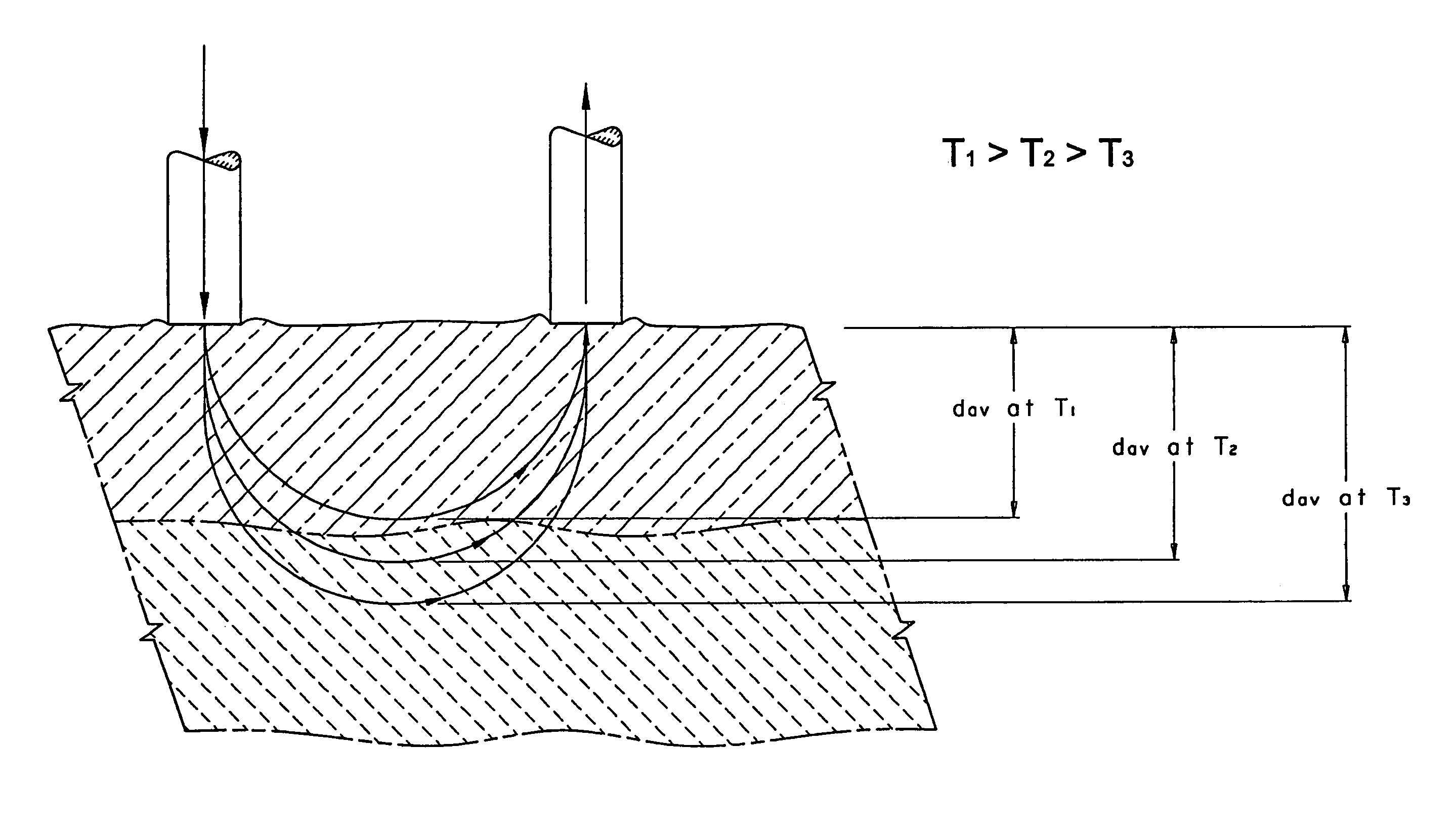
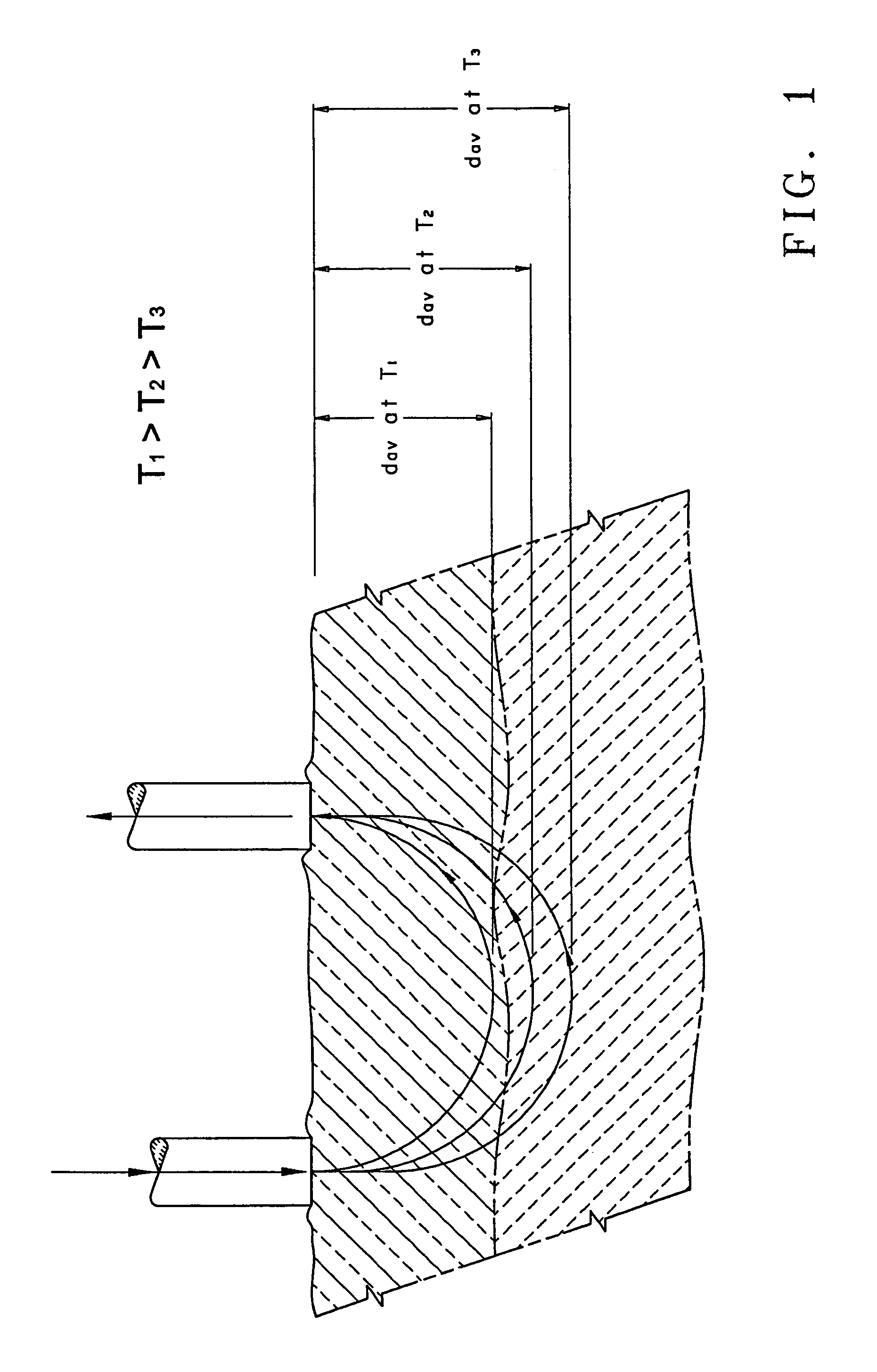
Method for modulating light penetration depth in tissue and diagnostic applications using same
PatentInactiveUS7043287B1
Innovation
- The method involves controlling and varying the temperature of the skin to modify the light penetration depth in tissue, allowing for optical measurements to be taken at different depths and wavelengths, thereby accounting for the effects of skin layers and temperature on light penetration, and using this information to determine analyte concentrations or disease states.

Safety Regulations for Phototherapeutic Applications
The regulatory landscape for phototherapeutic applications involving photoactive compounds requires comprehensive safety frameworks to protect patients and healthcare providers. Current international standards primarily stem from organizations such as the International Electrotechnical Commission (IEC), the Food and Drug Administration (FDA), and the European Medicines Agency (EMA). These regulatory bodies have established specific guidelines for photodynamic therapy devices and photoactive pharmaceutical compounds, emphasizing the critical importance of accurate light penetration depth quantification in treatment planning.
Safety protocols mandate rigorous pre-treatment assessments to determine optimal light dosimetry based on tissue-specific penetration characteristics. Regulatory requirements stipulate that healthcare facilities must implement standardized measurement protocols for assessing photoactive compound distribution and corresponding light penetration depths. These measurements directly influence maximum permissible exposure limits and treatment duration parameters, ensuring therapeutic efficacy while minimizing adverse effects.
Current regulations require comprehensive documentation of light penetration studies during clinical trials and device approval processes. Manufacturers must provide detailed penetration depth data across various tissue types, wavelengths, and photoactive compound concentrations. This data forms the foundation for establishing safe operating parameters and contraindication guidelines for different patient populations.
Personnel safety regulations emphasize proper training requirements for operators handling phototherapeutic equipment. Certification programs must include modules on light penetration physics, tissue optical properties, and photoactive compound pharmacokinetics. Regular competency assessments ensure practitioners maintain proficiency in calculating appropriate treatment parameters based on penetration depth measurements.
Quality assurance protocols mandate regular calibration of light measurement devices and validation of penetration depth calculation methods. Regulatory compliance requires traceability of all measurement equipment to national standards and documentation of measurement uncertainties. These requirements ensure consistent and reliable quantification of light penetration depths across different clinical settings.
Patient safety considerations include mandatory informed consent procedures that clearly communicate treatment limitations based on tissue penetration characteristics. Regulations require disclosure of potential risks associated with insufficient or excessive light penetration, particularly in cases involving varying tissue densities or pathological conditions that may alter optical properties.
Safety protocols mandate rigorous pre-treatment assessments to determine optimal light dosimetry based on tissue-specific penetration characteristics. Regulatory requirements stipulate that healthcare facilities must implement standardized measurement protocols for assessing photoactive compound distribution and corresponding light penetration depths. These measurements directly influence maximum permissible exposure limits and treatment duration parameters, ensuring therapeutic efficacy while minimizing adverse effects.
Current regulations require comprehensive documentation of light penetration studies during clinical trials and device approval processes. Manufacturers must provide detailed penetration depth data across various tissue types, wavelengths, and photoactive compound concentrations. This data forms the foundation for establishing safe operating parameters and contraindication guidelines for different patient populations.
Personnel safety regulations emphasize proper training requirements for operators handling phototherapeutic equipment. Certification programs must include modules on light penetration physics, tissue optical properties, and photoactive compound pharmacokinetics. Regular competency assessments ensure practitioners maintain proficiency in calculating appropriate treatment parameters based on penetration depth measurements.
Quality assurance protocols mandate regular calibration of light measurement devices and validation of penetration depth calculation methods. Regulatory compliance requires traceability of all measurement equipment to national standards and documentation of measurement uncertainties. These requirements ensure consistent and reliable quantification of light penetration depths across different clinical settings.
Patient safety considerations include mandatory informed consent procedures that clearly communicate treatment limitations based on tissue penetration characteristics. Regulations require disclosure of potential risks associated with insufficient or excessive light penetration, particularly in cases involving varying tissue densities or pathological conditions that may alter optical properties.
Standardization Challenges in Optical Dosimetry Protocols
The quantification of photoactive compound light penetration depth in tissue faces significant standardization challenges across optical dosimetry protocols, creating substantial barriers to clinical translation and regulatory approval. Current protocols exhibit considerable variability in measurement methodologies, instrumentation specifications, and data interpretation frameworks, leading to inconsistent results across different research institutions and clinical centers.
Measurement standardization represents a primary challenge, as existing protocols employ diverse approaches including direct optical measurements, fluorescence-based detection, and computational modeling techniques. The lack of consensus on reference standards for tissue optical properties creates fundamental discrepancies in penetration depth calculations. Different research groups utilize varying wavelength specifications, power density measurements, and exposure duration parameters, making cross-study comparisons extremely difficult.
Instrumentation heterogeneity further complicates standardization efforts. Commercial optical dosimetry systems demonstrate significant variations in detector sensitivity, spectral response characteristics, and spatial resolution capabilities. The absence of standardized calibration procedures for optical measurement devices results in systematic errors that propagate through penetration depth calculations. Additionally, the diversity of tissue phantom materials used for validation studies creates inconsistencies in baseline measurements.
Protocol harmonization faces technical obstacles related to tissue heterogeneity and individual patient variations. Current standardization attempts struggle to account for differences in tissue composition, blood perfusion rates, and anatomical variations that significantly influence light penetration characteristics. The development of universal correction factors remains challenging due to the complex interplay between tissue optical properties and photoactive compound distribution patterns.
Regulatory frameworks present additional standardization barriers, as different jurisdictions maintain varying requirements for optical dosimetry validation. The absence of internationally recognized standards for photoactive compound penetration depth measurements creates regulatory uncertainty and delays clinical implementation. Establishing consensus protocols requires extensive inter-institutional collaboration and validation studies across diverse patient populations and clinical scenarios.
Measurement standardization represents a primary challenge, as existing protocols employ diverse approaches including direct optical measurements, fluorescence-based detection, and computational modeling techniques. The lack of consensus on reference standards for tissue optical properties creates fundamental discrepancies in penetration depth calculations. Different research groups utilize varying wavelength specifications, power density measurements, and exposure duration parameters, making cross-study comparisons extremely difficult.
Instrumentation heterogeneity further complicates standardization efforts. Commercial optical dosimetry systems demonstrate significant variations in detector sensitivity, spectral response characteristics, and spatial resolution capabilities. The absence of standardized calibration procedures for optical measurement devices results in systematic errors that propagate through penetration depth calculations. Additionally, the diversity of tissue phantom materials used for validation studies creates inconsistencies in baseline measurements.
Protocol harmonization faces technical obstacles related to tissue heterogeneity and individual patient variations. Current standardization attempts struggle to account for differences in tissue composition, blood perfusion rates, and anatomical variations that significantly influence light penetration characteristics. The development of universal correction factors remains challenging due to the complex interplay between tissue optical properties and photoactive compound distribution patterns.
Regulatory frameworks present additional standardization barriers, as different jurisdictions maintain varying requirements for optical dosimetry validation. The absence of internationally recognized standards for photoactive compound penetration depth measurements creates regulatory uncertainty and delays clinical implementation. Establishing consensus protocols requires extensive inter-institutional collaboration and validation studies across diverse patient populations and clinical scenarios.
Unlock deeper insights with PatSnap Eureka Quick Research — get a full tech report to explore trends and direct your research. Try now!
Generate Your Research Report Instantly with AI Agent
Supercharge your innovation with PatSnap Eureka AI Agent Platform!