

Optimize Photoactive Compound For Energy-Efficient Light Use
DEC 26, 20259 MIN READ
Generate Your Research Report Instantly with AI Agent
PatSnap Eureka helps you evaluate technical feasibility & market potential.
Photoactive Compound Development Background and Energy Goals
The development of photoactive compounds has emerged as a critical frontier in addressing global energy challenges and advancing sustainable technologies. These specialized materials, capable of absorbing and converting light energy into useful forms, represent a convergence of photochemistry, materials science, and energy engineering. The field has evolved from fundamental photosynthesis research in the early 20th century to sophisticated synthetic compounds designed for specific energy applications.
Photoactive compounds encompass a diverse range of materials including organic dyes, metal complexes, semiconductor nanoparticles, and hybrid organic-inorganic systems. Their unique ability to undergo photochemical reactions or generate charge carriers upon light absorption makes them indispensable for applications ranging from solar cells and photocatalysis to light-emitting devices and optical sensors. The optimization of these compounds focuses on enhancing their light absorption efficiency, extending their operational wavelength range, and improving their stability under operational conditions.
The historical trajectory of photoactive compound development began with early observations of photosensitization effects in the 1800s, progressed through the discovery of photovoltaic effects, and accelerated dramatically with the advent of modern synthetic chemistry and nanotechnology. Key milestones include the development of chlorophyll-inspired porphyrin complexes, the introduction of ruthenium-based dye sensitizers, and the recent emergence of perovskite materials that have revolutionized solar cell efficiency standards.
Current energy goals driving photoactive compound optimization center on achieving maximum photon utilization across the solar spectrum while minimizing energy losses through non-radiative pathways. The primary objectives include developing compounds with broad spectral absorption, high quantum yields, and enhanced photostability. Additionally, there is increasing emphasis on creating materials that can function effectively under low-light conditions, thereby expanding the operational envelope of energy-harvesting systems.
The integration of artificial intelligence and computational chemistry has opened new avenues for rational design of photoactive compounds, enabling researchers to predict and optimize molecular properties before synthesis. This approach significantly accelerates the development cycle and reduces the resources required for experimental validation, marking a paradigm shift toward more efficient and targeted compound development strategies.
Photoactive compounds encompass a diverse range of materials including organic dyes, metal complexes, semiconductor nanoparticles, and hybrid organic-inorganic systems. Their unique ability to undergo photochemical reactions or generate charge carriers upon light absorption makes them indispensable for applications ranging from solar cells and photocatalysis to light-emitting devices and optical sensors. The optimization of these compounds focuses on enhancing their light absorption efficiency, extending their operational wavelength range, and improving their stability under operational conditions.
The historical trajectory of photoactive compound development began with early observations of photosensitization effects in the 1800s, progressed through the discovery of photovoltaic effects, and accelerated dramatically with the advent of modern synthetic chemistry and nanotechnology. Key milestones include the development of chlorophyll-inspired porphyrin complexes, the introduction of ruthenium-based dye sensitizers, and the recent emergence of perovskite materials that have revolutionized solar cell efficiency standards.
Current energy goals driving photoactive compound optimization center on achieving maximum photon utilization across the solar spectrum while minimizing energy losses through non-radiative pathways. The primary objectives include developing compounds with broad spectral absorption, high quantum yields, and enhanced photostability. Additionally, there is increasing emphasis on creating materials that can function effectively under low-light conditions, thereby expanding the operational envelope of energy-harvesting systems.
The integration of artificial intelligence and computational chemistry has opened new avenues for rational design of photoactive compounds, enabling researchers to predict and optimize molecular properties before synthesis. This approach significantly accelerates the development cycle and reduces the resources required for experimental validation, marking a paradigm shift toward more efficient and targeted compound development strategies.
Market Demand for Energy-Efficient Photoactive Materials
The global market for energy-efficient photoactive materials is experiencing unprecedented growth driven by mounting environmental concerns and stringent energy regulations worldwide. Industries across multiple sectors are actively seeking advanced photoactive compounds that can maximize light utilization while minimizing energy consumption, creating substantial demand for optimized materials with enhanced photochemical properties.
Solar energy applications represent the largest market segment, where demand for high-efficiency photoactive materials continues to surge. Photovoltaic manufacturers require compounds with improved light absorption spectra, reduced recombination losses, and enhanced charge carrier mobility. The push toward next-generation solar cells, including perovskite and organic photovoltaics, has intensified the need for novel photoactive materials that can achieve higher power conversion efficiencies while maintaining cost-effectiveness.
The lighting industry constitutes another significant demand driver, particularly with the ongoing transition from traditional lighting systems to advanced LED and OLED technologies. Manufacturers seek photoactive compounds that can optimize light emission efficiency, extend operational lifespans, and reduce power consumption. Smart lighting systems and human-centric lighting applications further amplify demand for materials with tunable photochemical properties.
Emerging applications in photocatalysis and environmental remediation are creating new market opportunities. Industries require photoactive materials for air purification, water treatment, and self-cleaning surfaces, where energy efficiency directly impacts operational costs and environmental benefits. The growing emphasis on sustainable manufacturing processes has accelerated adoption of photocatalytic systems powered by optimized photoactive compounds.
Display technology markets, including smartphones, televisions, and emerging flexible displays, demand photoactive materials with superior color reproduction, energy efficiency, and stability. The proliferation of high-resolution displays and extended usage patterns necessitates compounds that maintain performance while reducing power consumption.
Agricultural and horticultural sectors are increasingly adopting controlled environment agriculture systems that rely on optimized photoactive materials for LED grow lights. These applications require precise spectral control and energy efficiency to ensure economic viability while maximizing crop yields.
The market demand is further intensified by regulatory frameworks promoting energy efficiency and carbon reduction targets across developed economies. Government incentives and mandates for renewable energy adoption continue to drive investment in advanced photoactive materials research and commercialization efforts.
Solar energy applications represent the largest market segment, where demand for high-efficiency photoactive materials continues to surge. Photovoltaic manufacturers require compounds with improved light absorption spectra, reduced recombination losses, and enhanced charge carrier mobility. The push toward next-generation solar cells, including perovskite and organic photovoltaics, has intensified the need for novel photoactive materials that can achieve higher power conversion efficiencies while maintaining cost-effectiveness.
The lighting industry constitutes another significant demand driver, particularly with the ongoing transition from traditional lighting systems to advanced LED and OLED technologies. Manufacturers seek photoactive compounds that can optimize light emission efficiency, extend operational lifespans, and reduce power consumption. Smart lighting systems and human-centric lighting applications further amplify demand for materials with tunable photochemical properties.
Emerging applications in photocatalysis and environmental remediation are creating new market opportunities. Industries require photoactive materials for air purification, water treatment, and self-cleaning surfaces, where energy efficiency directly impacts operational costs and environmental benefits. The growing emphasis on sustainable manufacturing processes has accelerated adoption of photocatalytic systems powered by optimized photoactive compounds.
Display technology markets, including smartphones, televisions, and emerging flexible displays, demand photoactive materials with superior color reproduction, energy efficiency, and stability. The proliferation of high-resolution displays and extended usage patterns necessitates compounds that maintain performance while reducing power consumption.
Agricultural and horticultural sectors are increasingly adopting controlled environment agriculture systems that rely on optimized photoactive materials for LED grow lights. These applications require precise spectral control and energy efficiency to ensure economic viability while maximizing crop yields.
The market demand is further intensified by regulatory frameworks promoting energy efficiency and carbon reduction targets across developed economies. Government incentives and mandates for renewable energy adoption continue to drive investment in advanced photoactive materials research and commercialization efforts.
Current State and Challenges in Photoactive Compound Optimization
The optimization of photoactive compounds for energy-efficient light utilization represents a rapidly evolving field with significant technological momentum. Current research focuses primarily on enhancing light absorption efficiency, improving charge carrier mobility, and extending operational lifespans of these materials. The field encompasses diverse compound categories including organic photovoltaics, perovskite materials, quantum dots, and hybrid organic-inorganic systems, each presenting unique optimization pathways and performance characteristics.
Contemporary photoactive compound development faces several critical technical barriers that limit widespread commercial deployment. Stability remains the most pressing concern, particularly for perovskite-based systems which demonstrate exceptional efficiency but suffer from degradation under ambient conditions including moisture, oxygen, and thermal stress. This instability significantly reduces device operational lifetimes and increases replacement costs, hindering market adoption despite superior performance metrics.
Charge recombination losses constitute another fundamental challenge limiting energy conversion efficiency. Current materials exhibit suboptimal charge separation and transport properties, resulting in significant energy losses during the photon-to-electron conversion process. These losses are particularly pronounced at material interfaces and grain boundaries, where defect states trap charge carriers and promote non-radiative recombination pathways.
Manufacturing scalability presents substantial obstacles for translating laboratory achievements to industrial production. Many high-performance photoactive compounds require precise synthesis conditions, expensive precursor materials, or complex processing techniques that are difficult to scale economically. Solution-processing methods, while promising for large-area applications, often compromise material quality and uniformity compared to laboratory-scale preparation techniques.
The geographic distribution of research capabilities shows concentration in developed regions, with leading institutions primarily located in North America, Europe, and East Asia. This concentration creates knowledge gaps and limits global research collaboration, particularly affecting developing regions where energy-efficient technologies could provide significant societal benefits.
Spectral matching optimization remains technically challenging, as most photoactive compounds exhibit limited absorption ranges that poorly match solar irradiance spectra. Current materials typically show strong absorption in narrow wavelength bands, leaving significant portions of available light energy unutilized and reducing overall system efficiency.
Cost-performance optimization continues to constrain commercial viability, as many promising photoactive compounds require expensive synthesis routes or rare earth elements. Achieving the delicate balance between material performance, manufacturing cost, and operational stability requires innovative approaches to molecular design and processing methodologies.
Contemporary photoactive compound development faces several critical technical barriers that limit widespread commercial deployment. Stability remains the most pressing concern, particularly for perovskite-based systems which demonstrate exceptional efficiency but suffer from degradation under ambient conditions including moisture, oxygen, and thermal stress. This instability significantly reduces device operational lifetimes and increases replacement costs, hindering market adoption despite superior performance metrics.
Charge recombination losses constitute another fundamental challenge limiting energy conversion efficiency. Current materials exhibit suboptimal charge separation and transport properties, resulting in significant energy losses during the photon-to-electron conversion process. These losses are particularly pronounced at material interfaces and grain boundaries, where defect states trap charge carriers and promote non-radiative recombination pathways.
Manufacturing scalability presents substantial obstacles for translating laboratory achievements to industrial production. Many high-performance photoactive compounds require precise synthesis conditions, expensive precursor materials, or complex processing techniques that are difficult to scale economically. Solution-processing methods, while promising for large-area applications, often compromise material quality and uniformity compared to laboratory-scale preparation techniques.
The geographic distribution of research capabilities shows concentration in developed regions, with leading institutions primarily located in North America, Europe, and East Asia. This concentration creates knowledge gaps and limits global research collaboration, particularly affecting developing regions where energy-efficient technologies could provide significant societal benefits.
Spectral matching optimization remains technically challenging, as most photoactive compounds exhibit limited absorption ranges that poorly match solar irradiance spectra. Current materials typically show strong absorption in narrow wavelength bands, leaving significant portions of available light energy unutilized and reducing overall system efficiency.
Cost-performance optimization continues to constrain commercial viability, as many promising photoactive compounds require expensive synthesis routes or rare earth elements. Achieving the delicate balance between material performance, manufacturing cost, and operational stability requires innovative approaches to molecular design and processing methodologies.
Existing Solutions for Photoactive Compound Light Efficiency
01 Photosensitizer compounds for enhanced light absorption
Specialized photosensitizer compounds are designed to maximize light absorption efficiency across different wavelengths. These compounds can capture and utilize light energy more effectively than conventional materials, enabling better energy conversion rates in photoactive systems. The compounds are engineered with specific molecular structures that optimize their photophysical properties for enhanced light harvesting capabilities.- Photosensitizer compounds for enhanced light absorption: Specialized photosensitizer compounds are designed to efficiently absorb and utilize light energy across different wavelengths. These compounds can be engineered with specific molecular structures that optimize their photoactive properties, allowing for better energy conversion and utilization in various applications. The compounds often feature conjugated systems or metal complexes that enhance their light-harvesting capabilities.
- Quantum dot and nanostructure-based photoactive systems: Quantum dots and nanostructured materials provide enhanced light utilization through size-dependent optical properties and increased surface area. These nanoscale photoactive compounds can be tuned to absorb specific wavelengths of light and demonstrate improved energy transfer efficiency. The quantum confinement effects in these materials lead to unique photophysical properties that enable more efficient light harvesting.
- Organic photovoltaic and light-harvesting molecules: Organic photoactive compounds designed for energy conversion applications utilize conjugated polymer systems and small molecule donors/acceptors. These materials are engineered to maximize light absorption while minimizing energy losses through optimized molecular orbital arrangements. The compounds often incorporate electron-rich and electron-poor segments to facilitate efficient charge separation and transport.
- Photocatalytic compounds for energy applications: Photocatalytic materials that harness light energy for chemical transformations and energy production processes. These compounds typically feature semiconductor properties or metal-based catalytic centers that become activated upon light exposure. The materials are designed to efficiently convert photon energy into chemical energy through various catalytic pathways, enabling sustainable energy production methods.
- Light management and optical enhancement systems: Advanced optical systems and light management techniques that improve the efficiency of photoactive compounds through enhanced light capture and distribution. These approaches include optical concentrators, light-trapping structures, and photonic crystals that increase the effective light intensity reaching the photoactive materials. The systems are designed to minimize reflection losses and maximize the interaction between light and active compounds.
02 Energy transfer mechanisms in photoactive systems
Advanced energy transfer mechanisms facilitate efficient conversion of absorbed light energy into usable forms. These systems employ sophisticated molecular architectures that enable rapid and efficient energy migration from light-absorbing components to energy-utilizing sites. The mechanisms involve optimized spatial arrangements and electronic coupling between different molecular components to minimize energy losses during transfer processes.Expand Specific Solutions03 Quantum efficiency optimization strategies
Various strategies are employed to maximize quantum efficiency in photoactive compounds, focusing on reducing non-radiative decay pathways and enhancing productive photochemical processes. These approaches involve molecular design modifications, environmental control, and the use of auxiliary components that suppress energy-wasting processes while promoting desired photochemical reactions.Expand Specific Solutions04 Light-harvesting antenna systems
Sophisticated antenna systems are developed to capture light over broad spectral ranges and concentrate the energy for efficient utilization. These systems mimic natural photosynthetic processes and employ multiple chromophores arranged in specific geometries to maximize light collection efficiency. The antenna complexes can be tuned to absorb different wavelengths and funnel the energy to reaction centers.Expand Specific Solutions05 Photocatalytic efficiency enhancement methods
Methods for improving photocatalytic efficiency focus on optimizing the interaction between light, photoactive compounds, and target substrates. These approaches include surface modifications, co-catalyst integration, and reaction environment optimization to maximize the productive use of absorbed photons. The enhancement methods aim to increase reaction rates while minimizing energy losses through unwanted side reactions.Expand Specific Solutions
Key Players in Photoactive Compound and Energy Materials Industry
The photoactive compound optimization market for energy-efficient light applications represents a rapidly evolving sector driven by increasing demand for sustainable display and lighting technologies. The industry is transitioning from early development to commercial maturity, with significant market expansion projected across OLED displays, quantum dot technologies, and transparent photovoltaics. Technology maturity varies considerably among key players: established giants like Samsung Display, LG Chem, and FUJIFILM demonstrate advanced manufacturing capabilities and market-ready solutions, while specialized firms such as Nanosys excel in quantum dot innovations and Ubiquitous Energy pioneers transparent solar technologies. Asian companies, particularly from South Korea and Japan including Sumitomo Chemical, Idemitsu Kosan, and emerging players like DUK SAN NEOLUX, dominate materials development. The competitive landscape features both horizontal integration by chemical conglomerates and vertical specialization by technology-focused companies, indicating a maturing ecosystem with diverse technological approaches and increasing commercial viability across multiple application segments.
LG Chem Ltd.
Technical Solution: LG Chem has developed advanced photoactive materials for OLED displays and energy applications, focusing on phosphorescent and thermally activated delayed fluorescence (TADF) compounds that achieve over 95% internal quantum efficiency. Their proprietary molecular design incorporates donor-acceptor architectures with optimized energy gaps between singlet and triplet states, enabling efficient harvesting of both singlet and triplet excitons. The company's photoactive compounds feature enhanced photostability through strategic molecular engineering, reducing degradation under continuous light exposure by up to 40% compared to conventional materials. Their energy-efficient light-use optimization includes wavelength-selective absorption materials and light management systems that maximize photon utilization efficiency in various applications from displays to photovoltaic devices.
Strengths: Market-leading OLED expertise, strong manufacturing capabilities, extensive patent portfolio. Weaknesses: High production costs, limited focus on emerging photoactive applications beyond displays.
Samsung Display Co., Ltd.
Technical Solution: Samsung Display has pioneered quantum dot photoactive compounds optimized for energy-efficient light applications, particularly in display technologies. Their approach utilizes core-shell quantum dot structures with precisely controlled size distributions to achieve narrow emission spectra and high color purity while maintaining energy efficiency above 85%. The company has developed proprietary surface passivation techniques that enhance photoluminescence quantum yield and reduce non-radiative recombination losses. Their photoactive compound optimization includes advanced ligand engineering and matrix materials that improve thermal stability and prevent aggregation-caused quenching. Samsung's energy-efficient light-use strategy incorporates wavelength conversion layers and optical management films that redirect and concentrate light for maximum utilization, achieving up to 30% improvement in overall system efficiency compared to conventional approaches.
Strengths: Leading display technology expertise, strong R&D investment, advanced manufacturing infrastructure. Weaknesses: Primarily focused on display applications, limited diversification into other photoactive compound markets.
Core Innovations in Energy-Efficient Photoactive Design
Photoactive compound and light-sensitive resin composition comprising same
PatentWO2013180419A1
Innovation
- A photoactive compound with an oxime ester group and a phosphonate group is developed, which efficiently absorbs UV light, exhibits high photoinitiation efficiency, and has excellent mechanical strength, storage stability, and economic advantages, allowing for improved sensitivity and compatibility with polymeric compounds.
Photoactive devices and components with enhanced efficiency
PatentInactiveUS20060112983A1
Innovation
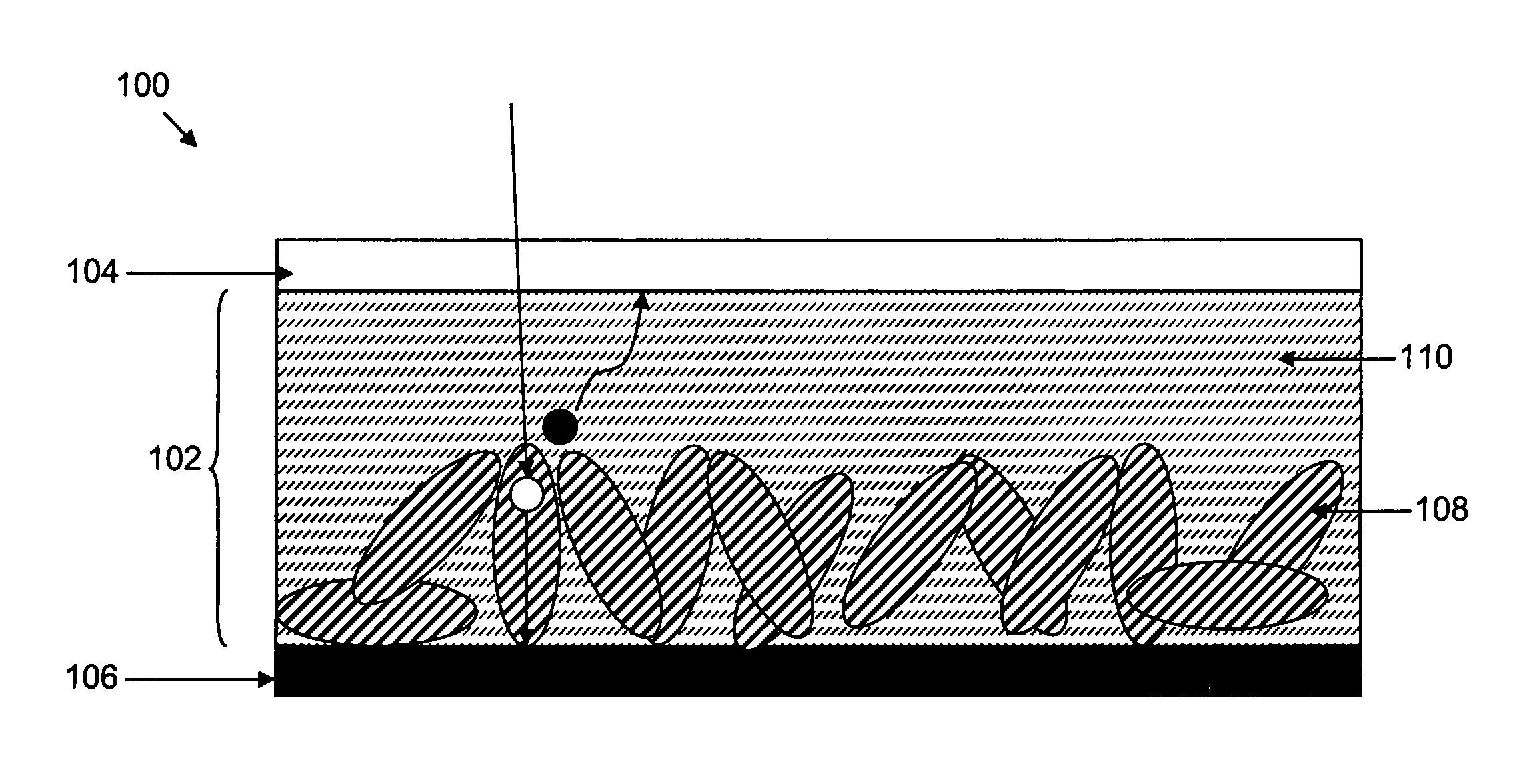
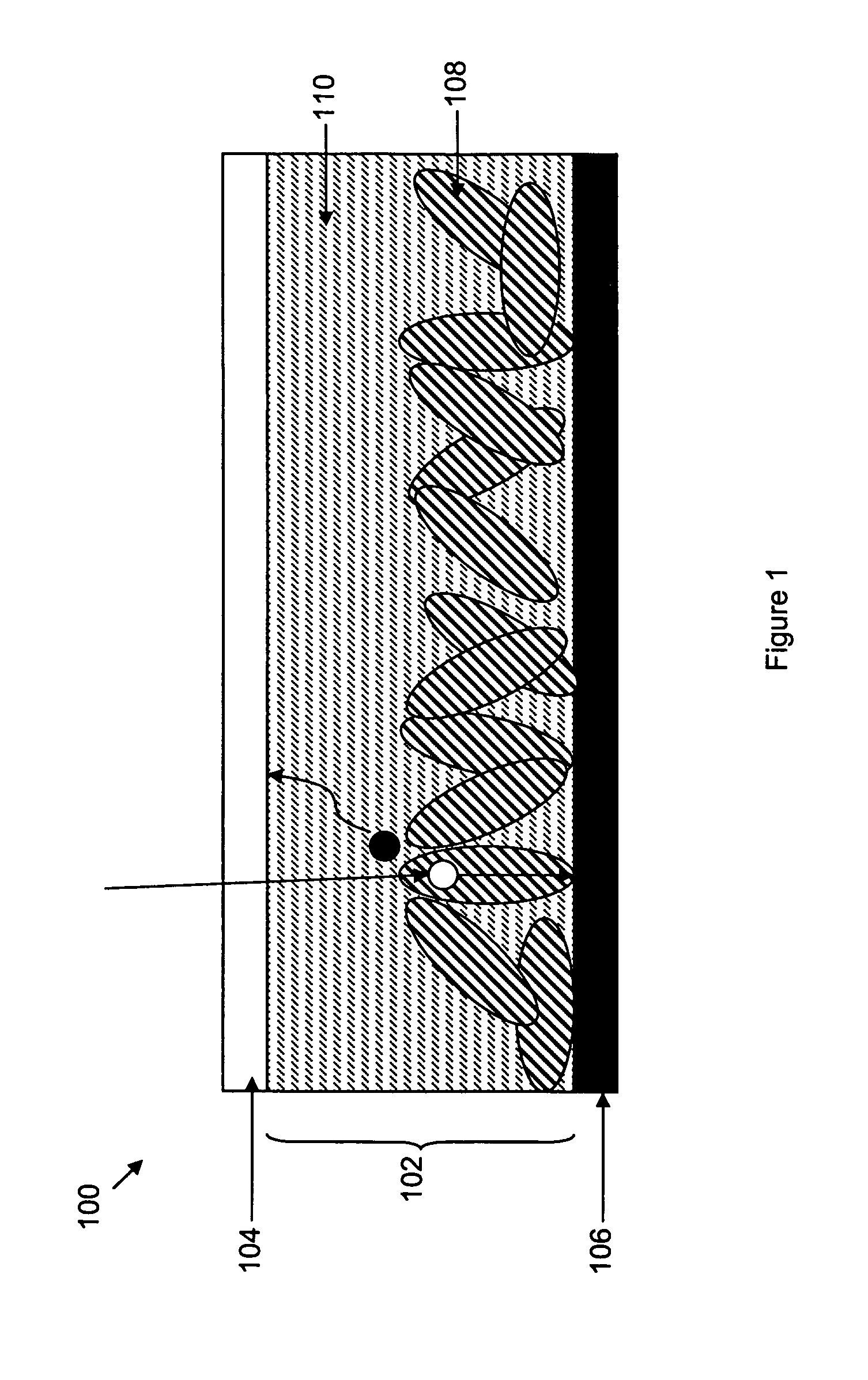
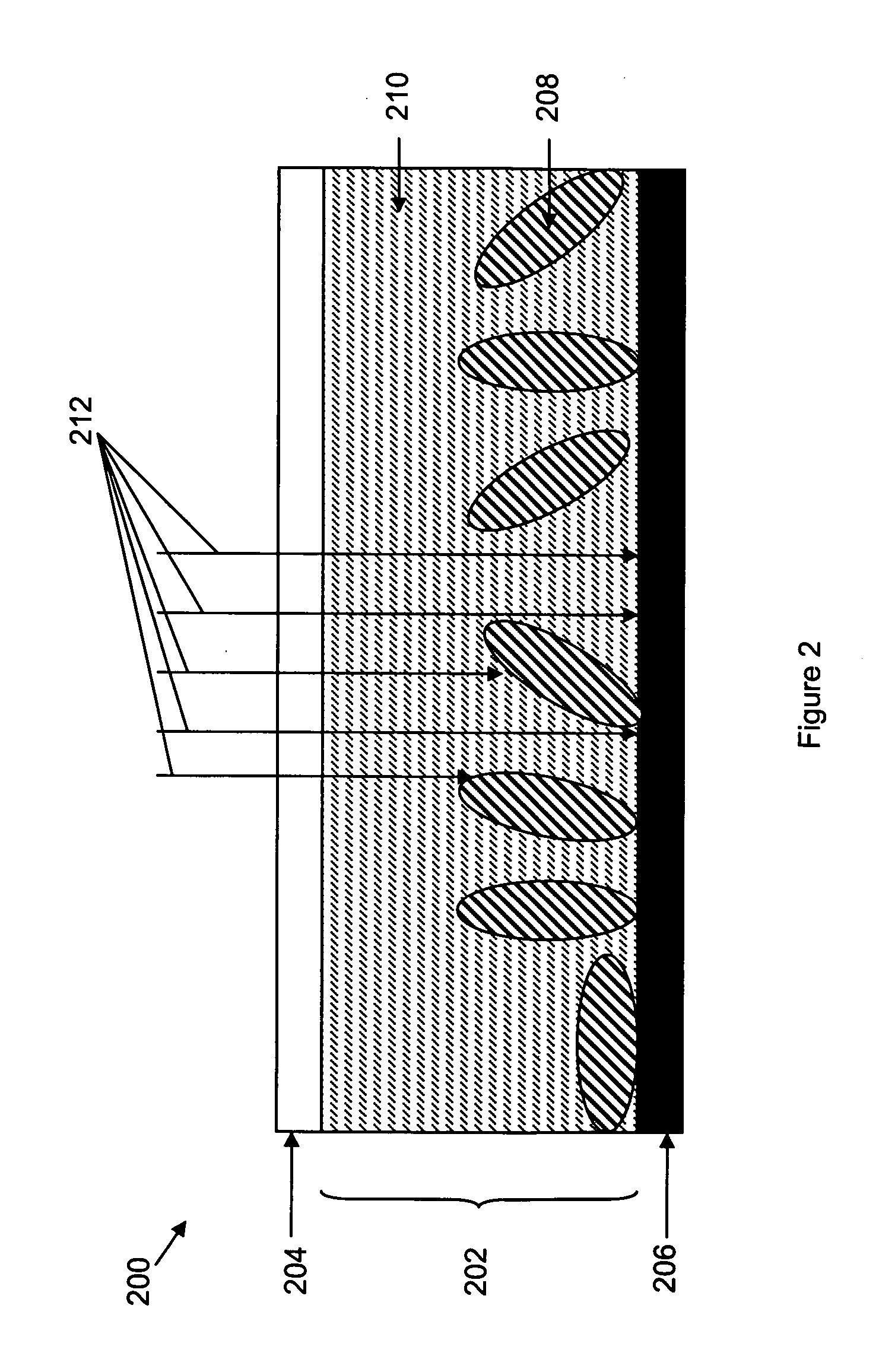
- The development of photoactive devices with improved light absorption and energy extraction efficiencies is achieved through configurations such as multiple photoactive layers, reflective surfaces, and charge recombination layers, which increase the path length of light within the device and enhance the separation and extraction of charge carriers.

Environmental Impact Assessment of Photoactive Materials
The environmental implications of photoactive materials optimization for energy-efficient light utilization present a complex landscape of both opportunities and challenges. These materials, while offering significant potential for reducing energy consumption in lighting applications, introduce various environmental considerations throughout their lifecycle that require comprehensive assessment.
Manufacturing processes for advanced photoactive compounds often involve rare earth elements and specialized chemical precursors, creating upstream environmental impacts. The extraction and processing of materials such as indium, gallium, and various organic semiconductors can result in habitat disruption and chemical waste generation. Additionally, the synthesis of novel photoactive materials frequently requires energy-intensive production methods and the use of organic solvents, contributing to carbon emissions and potential air quality concerns.
The operational phase of photoactive materials generally demonstrates positive environmental outcomes through enhanced energy efficiency. Optimized compounds can significantly reduce electricity consumption in lighting systems, leading to decreased greenhouse gas emissions from power generation. Studies indicate that advanced photoactive materials can achieve energy savings of 30-50% compared to conventional lighting technologies, translating to substantial reductions in carbon footprint over their operational lifetime.
End-of-life considerations present unique challenges for photoactive materials. Many compounds contain elements that require specialized recycling processes to prevent environmental contamination. The degradation products of organic photoactive materials may pose unknown ecological risks, particularly when disposed of in conventional waste streams. However, emerging recycling technologies are being developed to recover valuable materials and minimize waste generation.
Lifecycle assessment studies reveal that despite manufacturing-related environmental costs, the net environmental benefit of optimized photoactive materials remains positive due to their operational efficiency gains. The development of bio-based and less toxic photoactive compounds represents a promising direction for minimizing environmental impact while maintaining performance standards. Regulatory frameworks are evolving to address the environmental assessment requirements for these emerging materials, ensuring sustainable development practices in the industry.
Manufacturing processes for advanced photoactive compounds often involve rare earth elements and specialized chemical precursors, creating upstream environmental impacts. The extraction and processing of materials such as indium, gallium, and various organic semiconductors can result in habitat disruption and chemical waste generation. Additionally, the synthesis of novel photoactive materials frequently requires energy-intensive production methods and the use of organic solvents, contributing to carbon emissions and potential air quality concerns.
The operational phase of photoactive materials generally demonstrates positive environmental outcomes through enhanced energy efficiency. Optimized compounds can significantly reduce electricity consumption in lighting systems, leading to decreased greenhouse gas emissions from power generation. Studies indicate that advanced photoactive materials can achieve energy savings of 30-50% compared to conventional lighting technologies, translating to substantial reductions in carbon footprint over their operational lifetime.
End-of-life considerations present unique challenges for photoactive materials. Many compounds contain elements that require specialized recycling processes to prevent environmental contamination. The degradation products of organic photoactive materials may pose unknown ecological risks, particularly when disposed of in conventional waste streams. However, emerging recycling technologies are being developed to recover valuable materials and minimize waste generation.
Lifecycle assessment studies reveal that despite manufacturing-related environmental costs, the net environmental benefit of optimized photoactive materials remains positive due to their operational efficiency gains. The development of bio-based and less toxic photoactive compounds represents a promising direction for minimizing environmental impact while maintaining performance standards. Regulatory frameworks are evolving to address the environmental assessment requirements for these emerging materials, ensuring sustainable development practices in the industry.
Sustainability Considerations in Photoactive Compound Development
The development of photoactive compounds for energy-efficient light applications must prioritize environmental sustainability throughout the entire lifecycle, from raw material extraction to end-of-life disposal. Traditional photoactive materials often rely on rare earth elements and heavy metals, which pose significant environmental challenges due to mining impacts and limited global reserves. Sustainable development approaches emphasize the utilization of abundant, non-toxic elements such as carbon, silicon, and common transition metals, reducing dependency on scarce resources while minimizing ecological footprint.
Life cycle assessment frameworks have become essential tools for evaluating the environmental impact of photoactive compound development. These assessments encompass energy consumption during synthesis, water usage, waste generation, and carbon emissions associated with manufacturing processes. Recent studies indicate that bio-inspired synthesis routes and green chemistry principles can reduce environmental impact by up to 60% compared to conventional synthetic methods, while maintaining comparable photochemical performance.
Circular economy principles are increasingly integrated into photoactive compound design strategies. This includes developing materials with enhanced recyclability, designing modular systems that allow component replacement rather than complete device disposal, and implementing closed-loop manufacturing processes. Advanced photoactive compounds now incorporate biodegradable organic components or utilize reversible chemical bonds that facilitate material recovery and reprocessing.
Energy payback time represents a critical sustainability metric for photoactive compounds in energy applications. Current research focuses on reducing the energy required for compound synthesis and processing, with emerging low-temperature fabrication techniques showing promise for achieving energy payback times under six months. Additionally, the development of self-healing photoactive materials extends operational lifespans, reducing replacement frequency and associated environmental costs.
Regulatory frameworks and environmental standards are driving innovation toward sustainable photoactive compound development. International initiatives such as RoHS compliance and REACH regulations mandate the elimination of hazardous substances, while emerging green chemistry certifications provide market incentives for environmentally responsible development practices. These regulatory pressures are accelerating research into alternative synthesis pathways and non-toxic material compositions.
Life cycle assessment frameworks have become essential tools for evaluating the environmental impact of photoactive compound development. These assessments encompass energy consumption during synthesis, water usage, waste generation, and carbon emissions associated with manufacturing processes. Recent studies indicate that bio-inspired synthesis routes and green chemistry principles can reduce environmental impact by up to 60% compared to conventional synthetic methods, while maintaining comparable photochemical performance.
Circular economy principles are increasingly integrated into photoactive compound design strategies. This includes developing materials with enhanced recyclability, designing modular systems that allow component replacement rather than complete device disposal, and implementing closed-loop manufacturing processes. Advanced photoactive compounds now incorporate biodegradable organic components or utilize reversible chemical bonds that facilitate material recovery and reprocessing.
Energy payback time represents a critical sustainability metric for photoactive compounds in energy applications. Current research focuses on reducing the energy required for compound synthesis and processing, with emerging low-temperature fabrication techniques showing promise for achieving energy payback times under six months. Additionally, the development of self-healing photoactive materials extends operational lifespans, reducing replacement frequency and associated environmental costs.
Regulatory frameworks and environmental standards are driving innovation toward sustainable photoactive compound development. International initiatives such as RoHS compliance and REACH regulations mandate the elimination of hazardous substances, while emerging green chemistry certifications provide market incentives for environmentally responsible development practices. These regulatory pressures are accelerating research into alternative synthesis pathways and non-toxic material compositions.
Unlock deeper insights with PatSnap Eureka Quick Research — get a full tech report to explore trends and direct your research. Try now!
Generate Your Research Report Instantly with AI Agent
Supercharge your innovation with PatSnap Eureka AI Agent Platform!