
Microcontroller Wireless Protocols: Bluetooth vs Zigbee Efficiency
FEB 25, 20269 MIN READ
Generate Your Research Report Instantly with AI Agent
Patsnap Eureka helps you evaluate technical feasibility & market potential.
Microcontroller Wireless Protocol Background and Objectives
The evolution of wireless communication protocols for microcontrollers has fundamentally transformed embedded system design over the past two decades. Initially, microcontroller-based systems relied heavily on wired connections or proprietary radio frequency solutions, which limited their deployment flexibility and scalability. The emergence of standardized wireless protocols marked a paradigm shift, enabling seamless device interconnectivity and the foundation for modern Internet of Things ecosystems.
Bluetooth technology emerged in the late 1990s as a short-range wireless communication standard, initially designed for personal area networks and consumer electronics. Its development trajectory progressed from basic data transfer capabilities to sophisticated mesh networking and low-energy variants. Concurrently, Zigbee protocol was developed in the early 2000s, specifically targeting industrial automation, home automation, and sensor network applications where low power consumption and reliable mesh networking were paramount.
The technological landscape has witnessed significant advancement in both protocols, with Bluetooth evolving through multiple generations from Classic Bluetooth to Bluetooth Low Energy and Bluetooth Mesh, while Zigbee has progressed from Zigbee 1.0 to Zigbee 3.0, incorporating enhanced security features and improved interoperability. These developments have created distinct application domains where each protocol demonstrates unique advantages and limitations.
Current market demands increasingly emphasize energy efficiency, network scalability, and cost-effectiveness in wireless microcontroller implementations. The proliferation of battery-powered IoT devices has intensified the focus on power optimization, while growing network complexity requires robust mesh networking capabilities. Additionally, security concerns and regulatory compliance have become critical factors influencing protocol selection decisions.
The primary objective of this technical investigation centers on conducting a comprehensive efficiency analysis between Bluetooth and Zigbee protocols in microcontroller applications. This evaluation encompasses power consumption characteristics, data throughput performance, network topology scalability, implementation complexity, and cost considerations. The analysis aims to establish clear guidelines for protocol selection based on specific application requirements, ultimately enabling informed decision-making for embedded system designers and contributing to optimized wireless communication strategies in microcontroller-based solutions.
Bluetooth technology emerged in the late 1990s as a short-range wireless communication standard, initially designed for personal area networks and consumer electronics. Its development trajectory progressed from basic data transfer capabilities to sophisticated mesh networking and low-energy variants. Concurrently, Zigbee protocol was developed in the early 2000s, specifically targeting industrial automation, home automation, and sensor network applications where low power consumption and reliable mesh networking were paramount.
The technological landscape has witnessed significant advancement in both protocols, with Bluetooth evolving through multiple generations from Classic Bluetooth to Bluetooth Low Energy and Bluetooth Mesh, while Zigbee has progressed from Zigbee 1.0 to Zigbee 3.0, incorporating enhanced security features and improved interoperability. These developments have created distinct application domains where each protocol demonstrates unique advantages and limitations.
Current market demands increasingly emphasize energy efficiency, network scalability, and cost-effectiveness in wireless microcontroller implementations. The proliferation of battery-powered IoT devices has intensified the focus on power optimization, while growing network complexity requires robust mesh networking capabilities. Additionally, security concerns and regulatory compliance have become critical factors influencing protocol selection decisions.
The primary objective of this technical investigation centers on conducting a comprehensive efficiency analysis between Bluetooth and Zigbee protocols in microcontroller applications. This evaluation encompasses power consumption characteristics, data throughput performance, network topology scalability, implementation complexity, and cost considerations. The analysis aims to establish clear guidelines for protocol selection based on specific application requirements, ultimately enabling informed decision-making for embedded system designers and contributing to optimized wireless communication strategies in microcontroller-based solutions.
Market Demand for MCU Wireless Communication Solutions
The global microcontroller wireless communication market is experiencing unprecedented growth driven by the proliferation of Internet of Things applications across multiple industry verticals. Smart home automation systems represent one of the largest demand drivers, where consumers increasingly expect seamless connectivity between devices such as smart thermostats, lighting controls, security systems, and appliances. This residential market segment particularly favors solutions that balance power efficiency with reliable communication range.
Industrial automation and Industry 4.0 initiatives constitute another major demand catalyst for MCU wireless solutions. Manufacturing facilities require robust wireless networks for sensor monitoring, predictive maintenance systems, and real-time production data collection. These applications typically prioritize network reliability and mesh networking capabilities over ultra-low power consumption, creating distinct requirements compared to consumer applications.
Healthcare and medical device sectors are emerging as high-growth markets for wireless MCU solutions. Wearable health monitors, remote patient monitoring systems, and medical sensor networks require wireless protocols that can maintain consistent data transmission while operating on battery power for extended periods. Regulatory compliance and data security considerations add complexity to protocol selection in this vertical.
The automotive industry presents substantial opportunities as vehicles integrate more connected systems. Tire pressure monitoring, keyless entry systems, and in-vehicle sensor networks all rely on wireless MCU communication. These applications demand protocols that can operate reliably in electromagnetically noisy environments while maintaining low power consumption.
Smart agriculture and environmental monitoring applications are driving demand for long-range, low-power wireless solutions. Soil moisture sensors, weather monitoring stations, and livestock tracking systems often operate in remote locations where power efficiency and communication range are critical factors. These deployments typically favor mesh networking capabilities to extend coverage across large areas.
Supply chain and logistics applications increasingly utilize wireless MCU solutions for asset tracking, inventory management, and cold chain monitoring. These use cases require protocols that can maintain connectivity while devices move through various environments and network conditions.
The growing emphasis on energy efficiency and sustainability across all sectors is intensifying demand for wireless protocols that can extend battery life while maintaining reliable communication performance.
Industrial automation and Industry 4.0 initiatives constitute another major demand catalyst for MCU wireless solutions. Manufacturing facilities require robust wireless networks for sensor monitoring, predictive maintenance systems, and real-time production data collection. These applications typically prioritize network reliability and mesh networking capabilities over ultra-low power consumption, creating distinct requirements compared to consumer applications.
Healthcare and medical device sectors are emerging as high-growth markets for wireless MCU solutions. Wearable health monitors, remote patient monitoring systems, and medical sensor networks require wireless protocols that can maintain consistent data transmission while operating on battery power for extended periods. Regulatory compliance and data security considerations add complexity to protocol selection in this vertical.
The automotive industry presents substantial opportunities as vehicles integrate more connected systems. Tire pressure monitoring, keyless entry systems, and in-vehicle sensor networks all rely on wireless MCU communication. These applications demand protocols that can operate reliably in electromagnetically noisy environments while maintaining low power consumption.
Smart agriculture and environmental monitoring applications are driving demand for long-range, low-power wireless solutions. Soil moisture sensors, weather monitoring stations, and livestock tracking systems often operate in remote locations where power efficiency and communication range are critical factors. These deployments typically favor mesh networking capabilities to extend coverage across large areas.
Supply chain and logistics applications increasingly utilize wireless MCU solutions for asset tracking, inventory management, and cold chain monitoring. These use cases require protocols that can maintain connectivity while devices move through various environments and network conditions.
The growing emphasis on energy efficiency and sustainability across all sectors is intensifying demand for wireless protocols that can extend battery life while maintaining reliable communication performance.
Current State of Bluetooth vs Zigbee in MCU Applications
Bluetooth technology in microcontroller applications has evolved significantly, with Bluetooth Low Energy (BLE) becoming the dominant variant for MCU implementations. Current BLE versions, particularly Bluetooth 5.0 and 5.4, offer enhanced range up to 240 meters, improved data throughput reaching 2 Mbps, and power consumption as low as 1-15 mA during active transmission. Modern MCUs integrate BLE controllers with ARM Cortex-M0+ or M4 cores, enabling sophisticated application processing while maintaining energy efficiency.
Zigbee has established itself as a mature mesh networking solution, primarily utilizing the IEEE 802.15.4 standard operating in the 2.4 GHz band. Current Zigbee 3.0 implementations in MCUs typically consume 25-35 mA during transmission and 2-3 μA in sleep mode. The protocol supports network topologies of up to 65,000 nodes with self-healing capabilities, making it particularly suitable for large-scale IoT deployments. Leading MCU manufacturers like Silicon Labs, NXP, and Texas Instruments offer dedicated Zigbee-enabled chips with integrated security features.
Power efficiency analysis reveals distinct operational characteristics between the two protocols. Bluetooth LE demonstrates superior performance in point-to-point communications and applications requiring frequent data bursts, with connection intervals ranging from 7.5ms to 4 seconds. Zigbee excels in always-on mesh networks where devices maintain continuous connectivity, though individual node power consumption tends to be higher during active periods.
Processing overhead comparison shows Bluetooth requiring approximately 32-128 KB of flash memory and 8-24 KB of RAM for basic implementations, while Zigbee typically demands 128-256 KB flash and 16-32 KB RAM due to its complex mesh networking stack. This difference significantly impacts MCU selection and system cost considerations.
Current market deployment patterns indicate Bluetooth dominance in consumer electronics, wearables, and smartphone-connected devices, capturing approximately 65% of the wireless MCU market. Zigbee maintains strong positioning in smart home automation, industrial monitoring, and building management systems, representing roughly 25% market share. The remaining market consists of proprietary and emerging protocols.
Interoperability challenges persist in both ecosystems. Bluetooth faces fragmentation across different versions and profiles, while Zigbee struggles with legacy device compatibility despite the Zigbee 3.0 unification efforts. Recent developments include Bluetooth Mesh networking capabilities and Zigbee Green Power initiatives, both aimed at addressing specific application gaps and improving overall ecosystem coherence.
Zigbee has established itself as a mature mesh networking solution, primarily utilizing the IEEE 802.15.4 standard operating in the 2.4 GHz band. Current Zigbee 3.0 implementations in MCUs typically consume 25-35 mA during transmission and 2-3 μA in sleep mode. The protocol supports network topologies of up to 65,000 nodes with self-healing capabilities, making it particularly suitable for large-scale IoT deployments. Leading MCU manufacturers like Silicon Labs, NXP, and Texas Instruments offer dedicated Zigbee-enabled chips with integrated security features.
Power efficiency analysis reveals distinct operational characteristics between the two protocols. Bluetooth LE demonstrates superior performance in point-to-point communications and applications requiring frequent data bursts, with connection intervals ranging from 7.5ms to 4 seconds. Zigbee excels in always-on mesh networks where devices maintain continuous connectivity, though individual node power consumption tends to be higher during active periods.
Processing overhead comparison shows Bluetooth requiring approximately 32-128 KB of flash memory and 8-24 KB of RAM for basic implementations, while Zigbee typically demands 128-256 KB flash and 16-32 KB RAM due to its complex mesh networking stack. This difference significantly impacts MCU selection and system cost considerations.
Current market deployment patterns indicate Bluetooth dominance in consumer electronics, wearables, and smartphone-connected devices, capturing approximately 65% of the wireless MCU market. Zigbee maintains strong positioning in smart home automation, industrial monitoring, and building management systems, representing roughly 25% market share. The remaining market consists of proprietary and emerging protocols.
Interoperability challenges persist in both ecosystems. Bluetooth faces fragmentation across different versions and profiles, while Zigbee struggles with legacy device compatibility despite the Zigbee 3.0 unification efforts. Recent developments include Bluetooth Mesh networking capabilities and Zigbee Green Power initiatives, both aimed at addressing specific application gaps and improving overall ecosystem coherence.
Existing Bluetooth and Zigbee Implementation Solutions
01 Low-power wireless communication protocols for microcontrollers
Microcontroller systems can implement energy-efficient wireless protocols designed to minimize power consumption during data transmission and reception. These protocols optimize sleep modes, duty cycling, and transmission power levels to extend battery life in wireless sensor networks and IoT devices. Techniques include adaptive power management, wake-up scheduling, and efficient packet structures that reduce overhead and transmission time.- Low-power wireless communication protocols for microcontrollers: Microcontroller systems can implement energy-efficient wireless protocols designed to minimize power consumption during data transmission and reception. These protocols optimize sleep modes, duty cycling, and transmission power levels to extend battery life in wireless sensor networks and IoT devices. Techniques include adaptive power management, wake-up scheduling, and efficient packet structures that reduce overhead and transmission time.
- Protocol stack optimization for resource-constrained microcontrollers: Efficient implementation of wireless protocol stacks on microcontrollers with limited memory and processing capabilities involves streamlining protocol layers, reducing code footprint, and optimizing data structures. This includes lightweight implementations of standard protocols, compression techniques, and selective feature implementation to balance functionality with resource constraints while maintaining interoperability.
- Multi-protocol support and dynamic protocol switching: Microcontroller architectures that support multiple wireless protocols enable devices to dynamically select the most efficient communication method based on current conditions such as distance, data rate requirements, and power availability. This flexibility allows systems to optimize performance by switching between protocols like Bluetooth, Zigbee, or proprietary standards depending on application needs and environmental factors.
- Real-time protocol performance monitoring and adaptation: Microcontroller systems can incorporate mechanisms to continuously monitor wireless protocol performance metrics such as packet loss, latency, throughput, and signal quality. Based on these measurements, the system can adaptively adjust protocol parameters including transmission rates, error correction levels, and retry mechanisms to maintain optimal efficiency under varying channel conditions and interference scenarios.
- Hardware-accelerated protocol processing: Integration of dedicated hardware modules within microcontroller architectures to offload protocol processing tasks from the main CPU improves overall system efficiency. Hardware accelerators for encryption, CRC calculation, packet assembly, and physical layer operations reduce processing latency and power consumption while freeing CPU resources for application-level tasks. This approach enables higher data rates and more responsive wireless communication.
02 Protocol stack optimization for resource-constrained microcontrollers
Efficient implementation of wireless protocol stacks on microcontrollers with limited memory and processing capabilities involves streamlining protocol layers, reducing code footprint, and optimizing data structures. This includes lightweight implementations of standard protocols, efficient buffer management, and minimizing protocol overhead to improve throughput and reduce latency while maintaining compatibility with existing wireless standards.Expand Specific Solutions03 Multi-protocol support and dynamic protocol switching
Microcontroller systems can support multiple wireless protocols simultaneously or switch between protocols dynamically based on application requirements, network conditions, or power constraints. This flexibility allows devices to optimize communication efficiency by selecting the most appropriate protocol for specific scenarios, balancing factors such as data rate, range, power consumption, and network congestion.Expand Specific Solutions04 Real-time protocol performance monitoring and adaptation
Microcontroller-based wireless systems can incorporate mechanisms to monitor protocol performance metrics in real-time and adapt transmission parameters accordingly. This includes measuring packet loss, latency, signal strength, and throughput, then adjusting modulation schemes, transmission rates, error correction methods, or channel selection to maintain optimal communication efficiency under varying environmental and network conditions.Expand Specific Solutions05 Efficient data aggregation and compression for wireless transmission
Microcontroller systems can implement data aggregation and compression techniques to reduce the amount of data transmitted over wireless protocols, thereby improving overall efficiency. These methods include combining multiple sensor readings into single packets, applying lightweight compression algorithms suitable for resource-constrained devices, and implementing intelligent filtering to transmit only relevant or changed data, reducing bandwidth usage and power consumption.Expand Specific Solutions
Key Players in MCU Wireless Protocol Ecosystem
The microcontroller wireless protocols market, particularly comparing Bluetooth and Zigbee efficiency, represents a mature yet rapidly evolving sector within the broader IoT ecosystem. The industry has reached a consolidation phase where established players dominate through comprehensive technology portfolios and ecosystem integration. Market size continues expanding driven by smart home, industrial IoT, and automotive applications. Technology maturity varies significantly between protocols, with Bluetooth achieving widespread consumer adoption while Zigbee maintains strong industrial presence. Key players like Qualcomm, Samsung Electronics, and Silicon Laboratories lead through advanced chipset development and protocol optimization. Companies such as ZTE Corp., Motorola, and Cypress Semiconductor contribute specialized solutions, while research institutions including Zhejiang University and University of Electronic Science & Technology of China drive innovation in protocol efficiency and power management, indicating robust R&D investment across the competitive landscape.
Silicon Laboratories, Inc.
Technical Solution: Silicon Labs specializes in ultra-low power wireless microcontroller solutions with their EFR32 series supporting both Bluetooth and Zigbee protocols on a single chip. Their Wireless Gecko platform enables seamless protocol switching and concurrent multi-protocol operation, allowing devices to maintain Bluetooth connections while participating in Zigbee networks. The company's energy profiler tools and proprietary sleep modes achieve industry-leading power consumption figures, with some configurations consuming less than 1µA in deep sleep while maintaining network connectivity. Their development ecosystem includes comprehensive SDK support and real-time energy monitoring capabilities for optimizing protocol efficiency.
Strengths: Exceptional power efficiency, multi-protocol support on single chip, comprehensive development tools. Weaknesses: Limited processing power for complex applications, smaller market presence compared to major competitors.
Samsung Electronics Co., Ltd.
Technical Solution: Samsung has developed integrated wireless solutions combining Bluetooth and Zigbee protocols within their Exynos microcontroller series, focusing on smart home and IoT applications. Their approach emphasizes protocol coexistence through time-division multiplexing and frequency coordination algorithms that minimize interference between Bluetooth and Zigbee communications. The company's wireless protocol stack includes adaptive channel selection, dynamic power management, and intelligent duty cycling that can extend battery life by up to 40% compared to standard implementations. Samsung's solutions also feature hardware-accelerated security processing for both protocols, ensuring efficient encryption and authentication without significant power overhead.
Strengths: Strong integration capabilities, advanced interference mitigation, robust security features. Weaknesses: Limited availability outside Samsung ecosystem, higher complexity for simple applications.
Core Technical Innovations in Protocol Efficiency
Coordinator's data transmission method, device's data reception method, coordinator using the coordinator's data transmission method, and device using the device's data reception method in zigbee system
PatentInactiveUS20060174030A1
Innovation
- A data transmission method where a coordinator directly transmits data to devices by setting a frame pending bit in the beacon frame to '1', allowing for direct transmission without waiting for a data request command, and includes a coordinator with a beacon generator and controller for managing data transmission, and a device with a slot counter and controller for managing data reception.


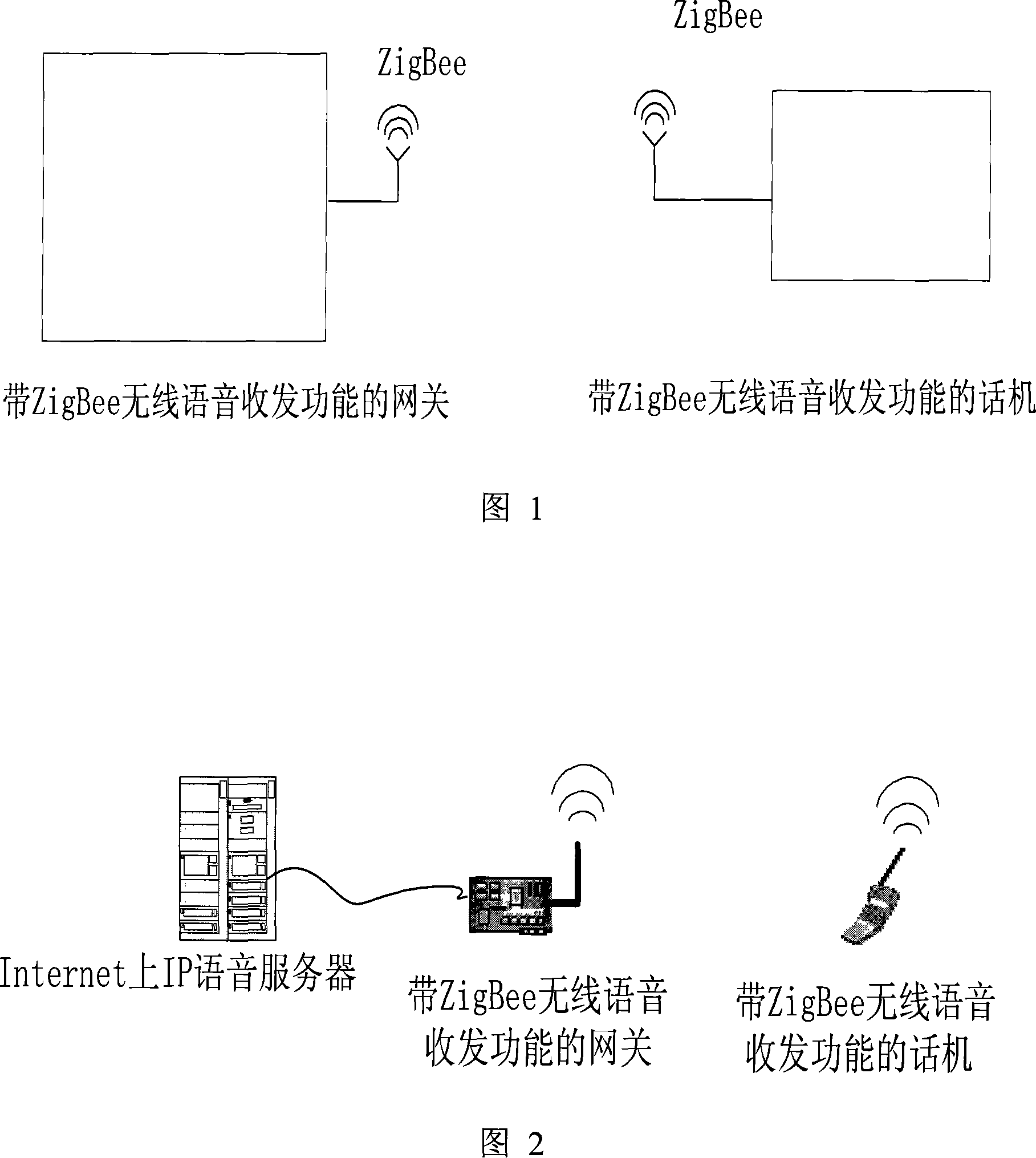
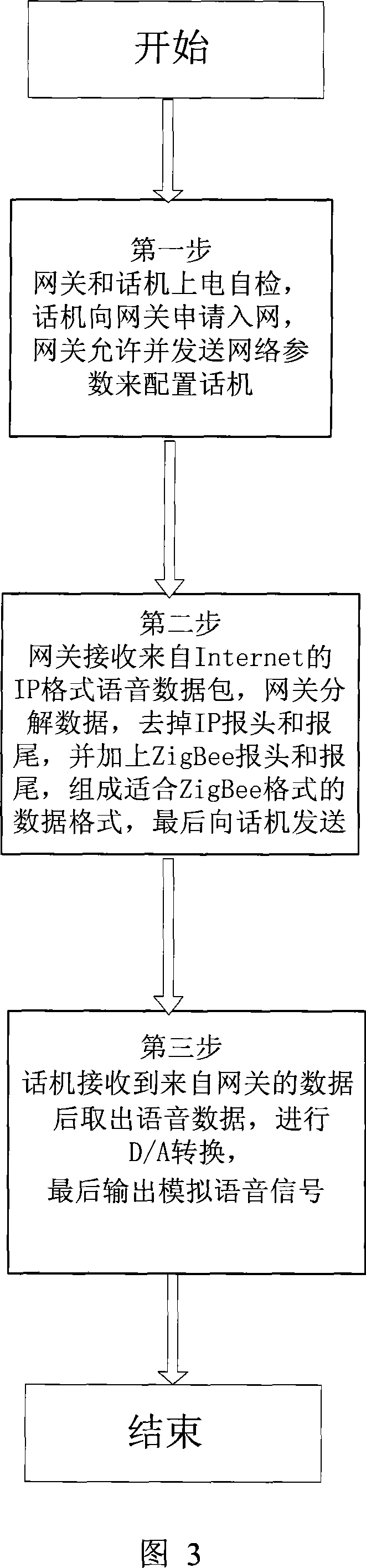
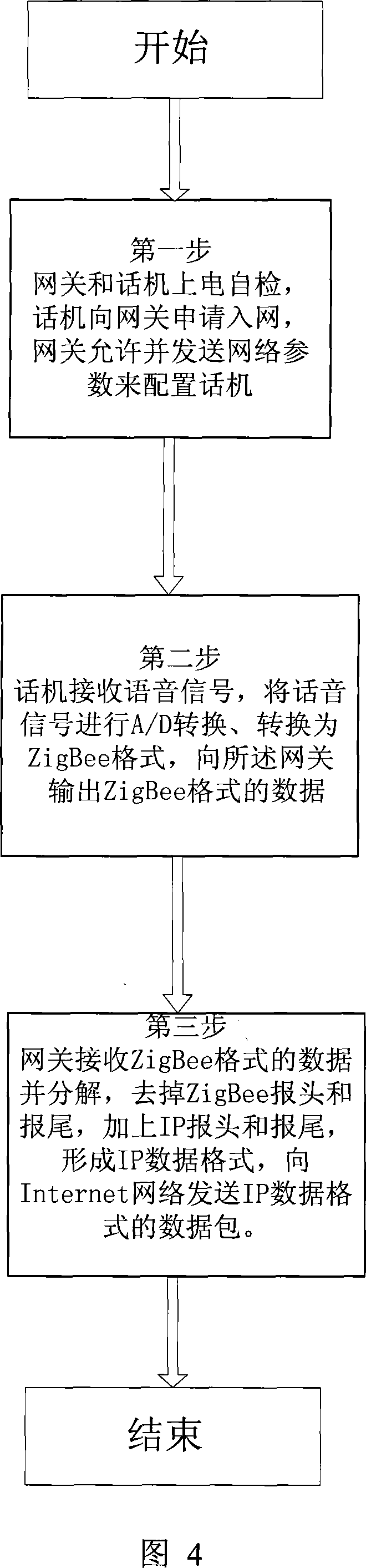
Method and system for implementing wireless IP telephone using ZigBee
PatentInactiveCN101136663A
Innovation
- Using ZigBee wireless technology, the gateway converts data packets into a format suitable for the phone, and uses the ZigBee wireless voice transceiver function to implement a wireless IP phone, reducing equipment costs and increasing the flexibility of standby time and frequency band selection.
Spectrum Regulation and Compliance Standards
The regulatory landscape for wireless communication protocols operating in the 2.4 GHz ISM band presents a complex framework that directly impacts the deployment and efficiency of both Bluetooth and Zigbee technologies. The Industrial, Scientific, and Medical (ISM) band, specifically the 2.4-2.485 GHz range, is globally allocated for unlicensed use, making it accessible for microcontroller-based wireless applications without requiring individual spectrum licenses.
Bluetooth technology operates under strict compliance requirements established by the Bluetooth Special Interest Group (SIG) and various national regulatory bodies. The protocol must adhere to frequency hopping spread spectrum (FHSS) regulations, which mandate specific hop rates and dwell times to minimize interference. In the United States, the Federal Communications Commission (FCC) Part 15.247 governs Bluetooth operations, requiring devices to implement at least 75 hopping frequencies with maximum dwell time of 0.4 seconds per frequency.
Zigbee compliance follows IEEE 802.15.4 standards and must meet regional regulatory requirements that vary significantly across different markets. The protocol operates on fixed channels within the 2.4 GHz band, utilizing direct sequence spread spectrum (DSSS) modulation. European regulations under ETSI EN 300 328 impose different power limitations and duty cycle restrictions compared to FCC regulations, creating challenges for global product deployment.
Power spectral density limitations represent a critical compliance factor affecting both protocols' efficiency. Bluetooth devices typically operate under a maximum effective radiated power (ERP) of 100 mW in most jurisdictions, while Zigbee implementations often utilize lower power levels to extend battery life. These power constraints directly influence transmission range and data throughput capabilities, requiring careful optimization during system design.
Coexistence regulations have become increasingly important as the 2.4 GHz spectrum becomes more congested. Both protocols must implement interference mitigation techniques to comply with good neighbor policies. Bluetooth's frequency hopping provides inherent interference resilience, while Zigbee relies on channel selection algorithms and adaptive frequency agility to maintain compliance with coexistence requirements.
Regional variations in spectrum regulations create additional complexity for manufacturers developing global products. Japan's Radio Law, China's SRRC certification, and other national standards impose unique testing requirements and operational constraints that can significantly impact protocol selection and implementation strategies for microcontroller-based wireless systems.
Bluetooth technology operates under strict compliance requirements established by the Bluetooth Special Interest Group (SIG) and various national regulatory bodies. The protocol must adhere to frequency hopping spread spectrum (FHSS) regulations, which mandate specific hop rates and dwell times to minimize interference. In the United States, the Federal Communications Commission (FCC) Part 15.247 governs Bluetooth operations, requiring devices to implement at least 75 hopping frequencies with maximum dwell time of 0.4 seconds per frequency.
Zigbee compliance follows IEEE 802.15.4 standards and must meet regional regulatory requirements that vary significantly across different markets. The protocol operates on fixed channels within the 2.4 GHz band, utilizing direct sequence spread spectrum (DSSS) modulation. European regulations under ETSI EN 300 328 impose different power limitations and duty cycle restrictions compared to FCC regulations, creating challenges for global product deployment.
Power spectral density limitations represent a critical compliance factor affecting both protocols' efficiency. Bluetooth devices typically operate under a maximum effective radiated power (ERP) of 100 mW in most jurisdictions, while Zigbee implementations often utilize lower power levels to extend battery life. These power constraints directly influence transmission range and data throughput capabilities, requiring careful optimization during system design.
Coexistence regulations have become increasingly important as the 2.4 GHz spectrum becomes more congested. Both protocols must implement interference mitigation techniques to comply with good neighbor policies. Bluetooth's frequency hopping provides inherent interference resilience, while Zigbee relies on channel selection algorithms and adaptive frequency agility to maintain compliance with coexistence requirements.
Regional variations in spectrum regulations create additional complexity for manufacturers developing global products. Japan's Radio Law, China's SRRC certification, and other national standards impose unique testing requirements and operational constraints that can significantly impact protocol selection and implementation strategies for microcontroller-based wireless systems.
Power Consumption and Battery Life Considerations
Power consumption represents a critical differentiating factor between Bluetooth and Zigbee protocols in microcontroller applications. Bluetooth Classic operates with power consumption ranging from 1-100 milliwatts during active transmission, while Bluetooth Low Energy (BLE) significantly reduces this to 0.01-0.5 milliwatts during active periods. Zigbee demonstrates superior efficiency with typical power consumption of 0.1-1 milliwatt during transmission and exceptionally low sleep mode consumption of 0.001-0.01 milliwatts.
The duty cycle characteristics fundamentally impact overall energy efficiency. Zigbee excels in applications requiring infrequent data transmission, as devices can remain in sleep mode for extended periods while maintaining network connectivity. BLE implements similar sleep strategies but requires more frequent wake-up cycles for connection maintenance, resulting in higher average power consumption over time.
Battery life projections vary significantly based on application requirements and usage patterns. For sensor networks transmitting data every few minutes, Zigbee-enabled devices can achieve battery life exceeding five years using standard AA batteries. Comparable BLE implementations typically achieve two to three years under similar conditions due to higher protocol overhead and connection maintenance requirements.
Network topology directly influences power efficiency considerations. Zigbee's mesh networking capability allows devices to act as routers, distributing power consumption across the network while extending overall coverage. However, router nodes consume more power than end devices. BLE's star topology concentrates power consumption at central nodes while allowing peripheral devices to operate with minimal energy requirements.
Sleep mode optimization presents distinct advantages for each protocol. Zigbee devices can enter deep sleep states while maintaining network association through parent-child relationships in the mesh structure. BLE devices utilize connection intervals and advertising parameters to minimize active periods, though connection re-establishment can introduce power consumption spikes.
Environmental factors and transmission range requirements significantly impact power consumption profiles. Zigbee's lower frequency operation and mesh networking enable reliable communication at reduced power levels over extended distances. BLE's higher frequency transmission requires increased power for equivalent range coverage, particularly in challenging RF environments with interference or obstacles.
The duty cycle characteristics fundamentally impact overall energy efficiency. Zigbee excels in applications requiring infrequent data transmission, as devices can remain in sleep mode for extended periods while maintaining network connectivity. BLE implements similar sleep strategies but requires more frequent wake-up cycles for connection maintenance, resulting in higher average power consumption over time.
Battery life projections vary significantly based on application requirements and usage patterns. For sensor networks transmitting data every few minutes, Zigbee-enabled devices can achieve battery life exceeding five years using standard AA batteries. Comparable BLE implementations typically achieve two to three years under similar conditions due to higher protocol overhead and connection maintenance requirements.
Network topology directly influences power efficiency considerations. Zigbee's mesh networking capability allows devices to act as routers, distributing power consumption across the network while extending overall coverage. However, router nodes consume more power than end devices. BLE's star topology concentrates power consumption at central nodes while allowing peripheral devices to operate with minimal energy requirements.
Sleep mode optimization presents distinct advantages for each protocol. Zigbee devices can enter deep sleep states while maintaining network association through parent-child relationships in the mesh structure. BLE devices utilize connection intervals and advertising parameters to minimize active periods, though connection re-establishment can introduce power consumption spikes.
Environmental factors and transmission range requirements significantly impact power consumption profiles. Zigbee's lower frequency operation and mesh networking enable reliable communication at reduced power levels over extended distances. BLE's higher frequency transmission requires increased power for equivalent range coverage, particularly in challenging RF environments with interference or obstacles.
Unlock deeper insights with Patsnap Eureka Quick Research — get a full tech report to explore trends and direct your research. Try now!
Generate Your Research Report Instantly with AI Agent
Supercharge your innovation with Patsnap Eureka AI Agent Platform!