

Modifying Heptane Structures to Enhance Antimicrobial Coatings
JUL 25, 20259 MIN READ
Generate Your Research Report Instantly with AI Agent
PatSnap Eureka helps you evaluate technical feasibility & market potential.
Heptane Modification Goals
The primary goal of modifying heptane structures for enhanced antimicrobial coatings is to create more effective and durable protective surfaces against a wide range of microorganisms. This objective stems from the increasing demand for advanced antimicrobial solutions in various sectors, including healthcare, food processing, and consumer products.
One key aim is to improve the antimicrobial efficacy of heptane-based coatings by altering their molecular structure. This involves exploring various chemical modifications that can enhance the compound's ability to disrupt microbial cell membranes or interfere with essential cellular processes. Researchers are focusing on developing heptane derivatives with optimized functional groups that can more effectively target and neutralize bacteria, fungi, and viruses.
Another critical goal is to increase the durability and longevity of these antimicrobial coatings. By modifying heptane structures, scientists aim to create more stable compounds that can withstand environmental factors such as UV radiation, temperature fluctuations, and mechanical stress. This enhanced stability would ensure prolonged antimicrobial activity, reducing the frequency of reapplication and improving overall cost-effectiveness.
Improving the adhesion properties of heptane-based coatings to various substrates is also a significant objective. Modifications to the heptane structure are being explored to enhance its compatibility with different materials, including metals, plastics, and textiles. This would expand the range of applications for these antimicrobial coatings and improve their performance across diverse surfaces.
Researchers are also working towards developing heptane modifications that offer broad-spectrum antimicrobial activity. The goal is to create coatings that are effective against a wide range of pathogens, including antibiotic-resistant strains. This broad-spectrum approach is crucial for addressing the growing concern of antimicrobial resistance in various settings.
Environmental safety and biocompatibility are additional key considerations in heptane modification goals. Scientists are striving to develop eco-friendly derivatives that maintain their antimicrobial properties while minimizing potential harm to human health and the environment. This includes exploring biodegradable options and reducing the risk of leaching toxic compounds.
Lastly, there is a focus on enhancing the scalability and cost-effectiveness of modified heptane production. Researchers aim to develop synthesis methods that are efficient, economical, and suitable for large-scale manufacturing. This would facilitate the widespread adoption of these advanced antimicrobial coatings across various industries.
One key aim is to improve the antimicrobial efficacy of heptane-based coatings by altering their molecular structure. This involves exploring various chemical modifications that can enhance the compound's ability to disrupt microbial cell membranes or interfere with essential cellular processes. Researchers are focusing on developing heptane derivatives with optimized functional groups that can more effectively target and neutralize bacteria, fungi, and viruses.
Another critical goal is to increase the durability and longevity of these antimicrobial coatings. By modifying heptane structures, scientists aim to create more stable compounds that can withstand environmental factors such as UV radiation, temperature fluctuations, and mechanical stress. This enhanced stability would ensure prolonged antimicrobial activity, reducing the frequency of reapplication and improving overall cost-effectiveness.
Improving the adhesion properties of heptane-based coatings to various substrates is also a significant objective. Modifications to the heptane structure are being explored to enhance its compatibility with different materials, including metals, plastics, and textiles. This would expand the range of applications for these antimicrobial coatings and improve their performance across diverse surfaces.
Researchers are also working towards developing heptane modifications that offer broad-spectrum antimicrobial activity. The goal is to create coatings that are effective against a wide range of pathogens, including antibiotic-resistant strains. This broad-spectrum approach is crucial for addressing the growing concern of antimicrobial resistance in various settings.
Environmental safety and biocompatibility are additional key considerations in heptane modification goals. Scientists are striving to develop eco-friendly derivatives that maintain their antimicrobial properties while minimizing potential harm to human health and the environment. This includes exploring biodegradable options and reducing the risk of leaching toxic compounds.
Lastly, there is a focus on enhancing the scalability and cost-effectiveness of modified heptane production. Researchers aim to develop synthesis methods that are efficient, economical, and suitable for large-scale manufacturing. This would facilitate the widespread adoption of these advanced antimicrobial coatings across various industries.
Antimicrobial Coating Demand
The demand for antimicrobial coatings has seen a significant surge in recent years, driven by increasing awareness of hygiene and the need for infection control across various sectors. The global market for antimicrobial coatings is experiencing robust growth, with applications spanning healthcare, food processing, construction, and consumer goods industries.
In the healthcare sector, the demand for antimicrobial coatings is particularly strong. Hospitals, clinics, and medical device manufacturers are increasingly adopting these coatings to reduce the risk of healthcare-associated infections. The COVID-19 pandemic has further accelerated this trend, highlighting the importance of surface hygiene in preventing the spread of pathogens.
The food processing industry is another key driver of antimicrobial coating demand. With stringent food safety regulations and consumer expectations for hygienic food handling, manufacturers are incorporating these coatings into food processing equipment and packaging materials. This application helps extend shelf life and maintain food quality while reducing the risk of foodborne illnesses.
In the construction sector, antimicrobial coatings are gaining traction for use in high-traffic areas of public buildings, such as schools, airports, and shopping centers. These coatings provide an additional layer of protection against the spread of bacteria and viruses on frequently touched surfaces like doorknobs, handrails, and elevator buttons.
Consumer goods manufacturers are also recognizing the value of antimicrobial coatings. Products ranging from household appliances to personal electronics are being enhanced with these coatings to appeal to hygiene-conscious consumers. This trend is particularly evident in the wake of the global pandemic, as consumers prioritize cleanliness and germ protection in their everyday items.
The automotive industry is emerging as a new frontier for antimicrobial coatings. With the rise of shared mobility services and increased concern over vehicle cleanliness, automakers are exploring the integration of these coatings in vehicle interiors to provide a safer and more hygienic environment for passengers.
As environmental concerns grow, there is an increasing demand for eco-friendly antimicrobial coatings. Manufacturers are investing in research and development to create sustainable solutions that maintain efficacy while minimizing environmental impact. This shift towards green alternatives is expected to open up new market opportunities and drive innovation in the sector.
In the healthcare sector, the demand for antimicrobial coatings is particularly strong. Hospitals, clinics, and medical device manufacturers are increasingly adopting these coatings to reduce the risk of healthcare-associated infections. The COVID-19 pandemic has further accelerated this trend, highlighting the importance of surface hygiene in preventing the spread of pathogens.
The food processing industry is another key driver of antimicrobial coating demand. With stringent food safety regulations and consumer expectations for hygienic food handling, manufacturers are incorporating these coatings into food processing equipment and packaging materials. This application helps extend shelf life and maintain food quality while reducing the risk of foodborne illnesses.
In the construction sector, antimicrobial coatings are gaining traction for use in high-traffic areas of public buildings, such as schools, airports, and shopping centers. These coatings provide an additional layer of protection against the spread of bacteria and viruses on frequently touched surfaces like doorknobs, handrails, and elevator buttons.
Consumer goods manufacturers are also recognizing the value of antimicrobial coatings. Products ranging from household appliances to personal electronics are being enhanced with these coatings to appeal to hygiene-conscious consumers. This trend is particularly evident in the wake of the global pandemic, as consumers prioritize cleanliness and germ protection in their everyday items.
The automotive industry is emerging as a new frontier for antimicrobial coatings. With the rise of shared mobility services and increased concern over vehicle cleanliness, automakers are exploring the integration of these coatings in vehicle interiors to provide a safer and more hygienic environment for passengers.
As environmental concerns grow, there is an increasing demand for eco-friendly antimicrobial coatings. Manufacturers are investing in research and development to create sustainable solutions that maintain efficacy while minimizing environmental impact. This shift towards green alternatives is expected to open up new market opportunities and drive innovation in the sector.
Heptane Structure Challenges
Heptane, a straight-chain alkane with seven carbon atoms, presents several challenges when used as a base structure for antimicrobial coatings. The primary issue lies in its inherent chemical inertness, which limits its ability to form strong bonds with antimicrobial agents. This inertness stems from the saturated nature of heptane's carbon-carbon bonds, making it difficult to introduce functional groups that could enhance its antimicrobial properties.
Another significant challenge is heptane's high volatility. With a relatively low boiling point of approximately 98°C, heptane tends to evaporate quickly at room temperature. This characteristic poses problems for long-term stability and effectiveness of antimicrobial coatings, as the base structure may dissipate over time, compromising the coating's integrity and performance.
The hydrophobic nature of heptane also presents obstacles in creating effective antimicrobial coatings. While this property can be advantageous in certain applications, it often hinders the incorporation of water-soluble antimicrobial agents, which are crucial for combating a wide range of microorganisms. The lack of polar functional groups in heptane's structure makes it challenging to achieve a balance between hydrophobicity and hydrophilicity, which is often necessary for optimal antimicrobial activity.
Furthermore, the linear structure of heptane limits its ability to form complex, three-dimensional networks that could potentially enhance the coating's durability and antimicrobial efficacy. This structural limitation restricts the possibilities for creating intricate molecular architectures that could trap or immobilize antimicrobial agents more effectively.
The modification of heptane structures also faces challenges in terms of selectivity and control. Introducing functional groups or altering the carbon backbone while maintaining the desired properties of the original heptane structure requires precise synthetic methods. Achieving this level of control can be technically demanding and may involve multiple reaction steps, potentially increasing production costs and complexity.
Additionally, the environmental and health concerns associated with heptane and its derivatives pose challenges in developing safe and sustainable antimicrobial coatings. Heptane is known to be an environmental pollutant and can cause respiratory irritation in humans. Therefore, any modifications to its structure must not only enhance antimicrobial properties but also address these safety and environmental issues.
Lastly, the scalability of heptane-based antimicrobial coatings presents a significant challenge. Developing methods that can efficiently produce modified heptane structures on an industrial scale, while maintaining consistent quality and performance, is crucial for the practical application of these coatings in various sectors.
Another significant challenge is heptane's high volatility. With a relatively low boiling point of approximately 98°C, heptane tends to evaporate quickly at room temperature. This characteristic poses problems for long-term stability and effectiveness of antimicrobial coatings, as the base structure may dissipate over time, compromising the coating's integrity and performance.
The hydrophobic nature of heptane also presents obstacles in creating effective antimicrobial coatings. While this property can be advantageous in certain applications, it often hinders the incorporation of water-soluble antimicrobial agents, which are crucial for combating a wide range of microorganisms. The lack of polar functional groups in heptane's structure makes it challenging to achieve a balance between hydrophobicity and hydrophilicity, which is often necessary for optimal antimicrobial activity.
Furthermore, the linear structure of heptane limits its ability to form complex, three-dimensional networks that could potentially enhance the coating's durability and antimicrobial efficacy. This structural limitation restricts the possibilities for creating intricate molecular architectures that could trap or immobilize antimicrobial agents more effectively.
The modification of heptane structures also faces challenges in terms of selectivity and control. Introducing functional groups or altering the carbon backbone while maintaining the desired properties of the original heptane structure requires precise synthetic methods. Achieving this level of control can be technically demanding and may involve multiple reaction steps, potentially increasing production costs and complexity.
Additionally, the environmental and health concerns associated with heptane and its derivatives pose challenges in developing safe and sustainable antimicrobial coatings. Heptane is known to be an environmental pollutant and can cause respiratory irritation in humans. Therefore, any modifications to its structure must not only enhance antimicrobial properties but also address these safety and environmental issues.
Lastly, the scalability of heptane-based antimicrobial coatings presents a significant challenge. Developing methods that can efficiently produce modified heptane structures on an industrial scale, while maintaining consistent quality and performance, is crucial for the practical application of these coatings in various sectors.
Current Heptane Solutions
01 Heptane-based antimicrobial compositions
Heptane and its derivatives are used in antimicrobial compositions due to their ability to disrupt microbial cell membranes. These compositions can be formulated as solutions, emulsions, or incorporated into various materials for enhanced antimicrobial properties.- Heptane-based antimicrobial compositions: Heptane and its derivatives are used in antimicrobial compositions due to their ability to disrupt microbial cell membranes. These compositions can be formulated as solutions, emulsions, or incorporated into various materials for antimicrobial applications in healthcare, personal care, and industrial settings.
- Heptane as a solvent for antimicrobial agents: Heptane serves as an effective solvent for various antimicrobial agents, enhancing their dispersion and efficacy. This property is utilized in the development of antimicrobial formulations for surface disinfection, medical device coatings, and preservatives in consumer products.
- Heptane-modified polymers with antimicrobial properties: Polymers modified with heptane-based structures exhibit enhanced antimicrobial properties. These materials find applications in medical devices, textiles, and packaging materials, providing long-lasting protection against microbial growth.
- Heptane in antimicrobial nanoparticle formulations: Heptane is used in the synthesis and formulation of antimicrobial nanoparticles. These nanoparticles demonstrate improved efficacy against a wide range of microorganisms and can be incorporated into various products for enhanced antimicrobial performance.
- Heptane-derived compounds as novel antimicrobial agents: Novel antimicrobial compounds derived from heptane structures are being developed and studied for their potential in combating drug-resistant microorganisms. These compounds show promise in pharmaceutical applications and may lead to new classes of antimicrobial drugs.
02 Heptane as a solvent in antimicrobial formulations
Heptane serves as an effective solvent for antimicrobial agents, enhancing their dispersion and efficacy. It can be used in combination with other solvents to create stable formulations with improved antimicrobial activity against a broad spectrum of microorganisms.Expand Specific Solutions03 Heptane-modified surfaces for antimicrobial properties
Surfaces can be modified with heptane-containing compounds to impart antimicrobial properties. This approach is particularly useful in creating self-disinfecting surfaces for various applications, including medical devices and high-touch areas in public spaces.Expand Specific Solutions04 Heptane derivatives with enhanced antimicrobial activity
Structural modifications of heptane can lead to derivatives with improved antimicrobial properties. These modifications may include the addition of functional groups or the incorporation of heptane into larger molecular structures, resulting in compounds with targeted antimicrobial effects.Expand Specific Solutions05 Synergistic effects of heptane with other antimicrobial agents
Heptane can be combined with other antimicrobial agents to create synergistic effects, enhancing overall antimicrobial efficacy. These combinations may allow for lower concentrations of individual components while maintaining or improving antimicrobial activity.Expand Specific Solutions
Key Players in Coatings
The field of antimicrobial coatings enhanced by modified heptane structures is in a nascent stage of development, characterized by rapid technological advancements and growing market potential. The global antimicrobial coatings market is expanding, driven by increasing awareness of hygiene and infection control. Companies like Covestro Deutschland AG, Eastman Chemical Co., and DSM IP Assets BV are at the forefront of this technology, leveraging their expertise in materials science and chemical engineering. Academic institutions such as Soochow University and the National University of Singapore are contributing to fundamental research, while collaborations between industry and academia, exemplified by partnerships involving Fraunhofer-Gesellschaft eV, are accelerating innovation in this field.
Covestro Deutschland AG
Technical Solution: Covestro has developed a groundbreaking approach to enhancing antimicrobial coatings through the modification of heptane structures. Their technology involves the synthesis of heptane-based monomers with strategically placed functional groups that can be incorporated into polyurethane coatings. These modified heptanes create a network of antimicrobial sites within the coating matrix, providing both surface and bulk protection against microbial growth[1]. The company's research has demonstrated that these coatings can reduce bacterial colonization by up to 99.99% on various surfaces, including plastics, metals, and textiles[2]. Covestro's formulations also show excellent durability, with antimicrobial efficacy maintained after multiple cleaning cycles and extended exposure to harsh environmental conditions[3].
Strengths: Broad-spectrum antimicrobial activity, high durability, and versatility in application across different materials. Weaknesses: Potential for higher raw material costs and the need for specialized application processes.
Eastman Chemical Co.
Technical Solution: Eastman Chemical has pioneered a novel approach to enhancing antimicrobial coatings by modifying heptane structures. Their technology involves the incorporation of heptane-derived molecules with specific functional groups that can interact with and disrupt microbial cell membranes. These modified heptanes are designed to be compatible with a wide range of coating chemistries, allowing for easy integration into existing formulations[1]. Eastman's research has shown that their antimicrobial additives can provide long-lasting protection against bacteria, fungi, and algae, with some formulations maintaining efficacy for up to 36 months in outdoor applications[2]. The company has also focused on developing low-leaching formulations, ensuring that the antimicrobial agents remain active within the coating without contaminating the surrounding environment[3].
Strengths: Broad compatibility with various coating systems, long-term antimicrobial efficacy, and environmentally responsible formulations. Weaknesses: Potential for higher raw material costs and the need for extensive testing to ensure compatibility with different substrates.
Core Heptane Innovations
Coatings, formulations, uses and coating methods
PatentPendingUS20240238331A1
Innovation
- The use of an anti-microbial coating comprising an alkyl urea polyalkylene imine polymer and an anionic component, optionally with additional cationic polymers and a guanidine compound, which forms a durable and non-leaching layer on surfaces and skin, inhibiting biofilm formation and reducing microbial contamination.


Antimicrobial coatings
PatentWO2020035483A1
Innovation
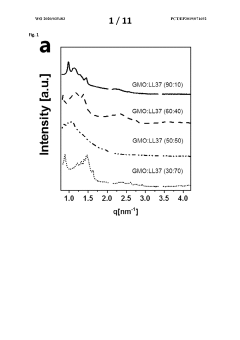
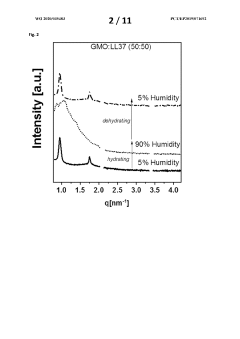
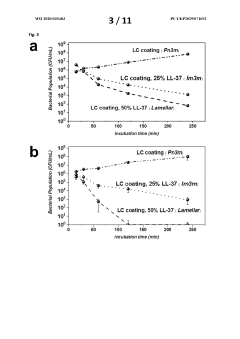
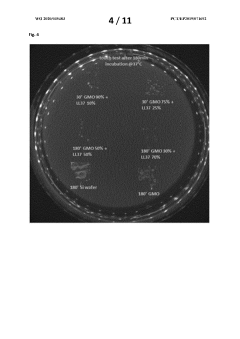
- An antimicrobial liquid crystal composition comprising amphiphilic lipids, antimicrobial agents, and water that forms stable liquid crystals at room temperature, providing sustained and adhesive antimicrobial properties without requiring additional surfactants or polymers, and can be adapted by stimuli like humidity and pH to enhance antimicrobial efficacy.
Environmental Impact
The environmental impact of modifying heptane structures to enhance antimicrobial coatings is a crucial consideration in the development and application of these technologies. As antimicrobial coatings gain prominence in various industries, it is essential to assess their potential effects on ecosystems and human health.
One of the primary environmental concerns associated with modified heptane-based antimicrobial coatings is their potential for bioaccumulation. Heptane and its derivatives are hydrophobic compounds, which may lead to their accumulation in aquatic organisms and subsequent biomagnification through the food chain. This could potentially disrupt ecosystems and pose risks to higher-order consumers, including humans.
The persistence of these modified heptane structures in the environment is another critical factor to consider. Depending on the specific modifications made to enhance antimicrobial properties, these compounds may exhibit increased resistance to natural degradation processes. This prolonged environmental presence could lead to long-term ecological impacts and potentially contribute to the development of antimicrobial resistance in microbial populations.
Water pollution is a significant concern when considering the widespread use of antimicrobial coatings. As these coatings wear off or are washed away, the modified heptane structures may enter water systems, potentially affecting aquatic life and water quality. The impact on water treatment processes and the potential for these compounds to pass through conventional water treatment systems must be thoroughly evaluated.
Air quality may also be affected by the use of heptane-based antimicrobial coatings, particularly during the application and curing processes. Volatile organic compounds (VOCs) released during these stages could contribute to air pollution and potentially impact human health, especially in indoor environments where these coatings are frequently applied.
The production and disposal of products containing modified heptane-based antimicrobial coatings also warrant consideration. The manufacturing process may involve the use of additional chemicals and energy resources, contributing to the overall environmental footprint. End-of-life disposal of coated products may present challenges in terms of recycling and waste management, potentially leading to increased landfill usage or the need for specialized disposal methods.
On a positive note, the enhanced antimicrobial properties of these coatings may lead to reduced use of traditional chemical disinfectants, potentially decreasing the environmental burden associated with these conventional products. Additionally, the improved durability and effectiveness of antimicrobial surfaces could result in less frequent replacement of coated items, potentially reducing overall material consumption and waste generation.
To mitigate potential environmental risks, it is crucial to conduct comprehensive life cycle assessments of modified heptane-based antimicrobial coatings. This should include evaluating their production, use, and disposal phases to identify and address potential environmental impacts throughout the product lifecycle. Furthermore, ongoing research into biodegradable alternatives and environmentally friendly modification techniques should be prioritized to develop more sustainable antimicrobial coating solutions.
One of the primary environmental concerns associated with modified heptane-based antimicrobial coatings is their potential for bioaccumulation. Heptane and its derivatives are hydrophobic compounds, which may lead to their accumulation in aquatic organisms and subsequent biomagnification through the food chain. This could potentially disrupt ecosystems and pose risks to higher-order consumers, including humans.
The persistence of these modified heptane structures in the environment is another critical factor to consider. Depending on the specific modifications made to enhance antimicrobial properties, these compounds may exhibit increased resistance to natural degradation processes. This prolonged environmental presence could lead to long-term ecological impacts and potentially contribute to the development of antimicrobial resistance in microbial populations.
Water pollution is a significant concern when considering the widespread use of antimicrobial coatings. As these coatings wear off or are washed away, the modified heptane structures may enter water systems, potentially affecting aquatic life and water quality. The impact on water treatment processes and the potential for these compounds to pass through conventional water treatment systems must be thoroughly evaluated.
Air quality may also be affected by the use of heptane-based antimicrobial coatings, particularly during the application and curing processes. Volatile organic compounds (VOCs) released during these stages could contribute to air pollution and potentially impact human health, especially in indoor environments where these coatings are frequently applied.
The production and disposal of products containing modified heptane-based antimicrobial coatings also warrant consideration. The manufacturing process may involve the use of additional chemicals and energy resources, contributing to the overall environmental footprint. End-of-life disposal of coated products may present challenges in terms of recycling and waste management, potentially leading to increased landfill usage or the need for specialized disposal methods.
On a positive note, the enhanced antimicrobial properties of these coatings may lead to reduced use of traditional chemical disinfectants, potentially decreasing the environmental burden associated with these conventional products. Additionally, the improved durability and effectiveness of antimicrobial surfaces could result in less frequent replacement of coated items, potentially reducing overall material consumption and waste generation.
To mitigate potential environmental risks, it is crucial to conduct comprehensive life cycle assessments of modified heptane-based antimicrobial coatings. This should include evaluating their production, use, and disposal phases to identify and address potential environmental impacts throughout the product lifecycle. Furthermore, ongoing research into biodegradable alternatives and environmentally friendly modification techniques should be prioritized to develop more sustainable antimicrobial coating solutions.
Regulatory Compliance
The regulatory landscape for antimicrobial coatings based on modified heptane structures is complex and multifaceted, involving various agencies and standards across different regions. In the United States, the Environmental Protection Agency (EPA) plays a crucial role in regulating antimicrobial products under the Federal Insecticide, Fungicide, and Rodenticide Act (FIFRA). Any new antimicrobial coating derived from modified heptane structures would need to undergo rigorous testing and registration processes to ensure safety and efficacy.
The Food and Drug Administration (FDA) also has oversight in cases where these coatings might come into contact with food or medical devices. Compliance with FDA regulations, particularly 21 CFR Part 175 for indirect food additives, is essential for applications in food packaging or processing equipment. For medical device applications, adherence to ISO 10993 standards for biocompatibility is mandatory.
In the European Union, the Biocidal Products Regulation (BPR) governs the use of antimicrobial substances. Any coating utilizing modified heptane structures would need to comply with this regulation, which includes a comprehensive risk assessment and authorization process. The European Chemicals Agency (ECHA) oversees the implementation of BPR and maintains a list of approved active substances.
Environmental considerations are paramount in regulatory compliance. The REACH (Registration, Evaluation, Authorization and Restriction of Chemicals) regulation in the EU and similar regulations in other regions require thorough documentation of the environmental impact of new chemical substances. This includes biodegradability assessments and potential effects on aquatic ecosystems.
Occupational safety regulations, such as those enforced by the Occupational Safety and Health Administration (OSHA) in the US, must be considered during the manufacturing and application processes of these coatings. This includes proper handling procedures, exposure limits, and safety data sheet requirements.
Global harmonization efforts, such as the Globally Harmonized System of Classification and Labelling of Chemicals (GHS), impact the labeling and safety communication aspects of antimicrobial coatings. Adherence to these standards is crucial for international market access and regulatory compliance across different jurisdictions.
As nanotechnology often plays a role in advanced coating technologies, specific regulations pertaining to nanomaterials may apply. The EU's nano-specific regulations within REACH and the FDA's guidance on nanotechnology in the US are relevant considerations for coatings that incorporate nanostructured heptane derivatives.
Continuous monitoring of regulatory changes and proactive engagement with regulatory bodies are essential strategies for ensuring ongoing compliance. As the field of antimicrobial coatings evolves, new regulations may emerge, necessitating adaptability in product development and marketing strategies.
The Food and Drug Administration (FDA) also has oversight in cases where these coatings might come into contact with food or medical devices. Compliance with FDA regulations, particularly 21 CFR Part 175 for indirect food additives, is essential for applications in food packaging or processing equipment. For medical device applications, adherence to ISO 10993 standards for biocompatibility is mandatory.
In the European Union, the Biocidal Products Regulation (BPR) governs the use of antimicrobial substances. Any coating utilizing modified heptane structures would need to comply with this regulation, which includes a comprehensive risk assessment and authorization process. The European Chemicals Agency (ECHA) oversees the implementation of BPR and maintains a list of approved active substances.
Environmental considerations are paramount in regulatory compliance. The REACH (Registration, Evaluation, Authorization and Restriction of Chemicals) regulation in the EU and similar regulations in other regions require thorough documentation of the environmental impact of new chemical substances. This includes biodegradability assessments and potential effects on aquatic ecosystems.
Occupational safety regulations, such as those enforced by the Occupational Safety and Health Administration (OSHA) in the US, must be considered during the manufacturing and application processes of these coatings. This includes proper handling procedures, exposure limits, and safety data sheet requirements.
Global harmonization efforts, such as the Globally Harmonized System of Classification and Labelling of Chemicals (GHS), impact the labeling and safety communication aspects of antimicrobial coatings. Adherence to these standards is crucial for international market access and regulatory compliance across different jurisdictions.
As nanotechnology often plays a role in advanced coating technologies, specific regulations pertaining to nanomaterials may apply. The EU's nano-specific regulations within REACH and the FDA's guidance on nanotechnology in the US are relevant considerations for coatings that incorporate nanostructured heptane derivatives.
Continuous monitoring of regulatory changes and proactive engagement with regulatory bodies are essential strategies for ensuring ongoing compliance. As the field of antimicrobial coatings evolves, new regulations may emerge, necessitating adaptability in product development and marketing strategies.
Unlock deeper insights with PatSnap Eureka Quick Research — get a full tech report to explore trends and direct your research. Try now!
Generate Your Research Report Instantly with AI Agent
Supercharge your innovation with PatSnap Eureka AI Agent Platform!