

Multiplexer Use in Precision Agriculture Technologies
JUL 13, 20259 MIN READ
Generate Your Research Report Instantly with AI Agent
PatSnap Eureka helps you evaluate technical feasibility & market potential.
Multiplexer Evolution in Agriculture
The evolution of multiplexers in agriculture represents a significant technological advancement in precision farming practices. Initially, multiplexers were primarily used in simple data collection systems, allowing farmers to gather basic information about soil moisture and temperature from a limited number of sensors.
As precision agriculture technologies advanced, multiplexers evolved to handle more complex and diverse data inputs. The integration of GPS technology in the late 1990s marked a turning point, enabling farmers to collect and analyze spatially referenced data. This development led to the creation of yield maps and variable-rate application systems, which relied on multiplexers to manage the increased data flow from multiple sensors and equipment.
In the early 2000s, the introduction of wireless sensor networks in agriculture further expanded the role of multiplexers. These systems allowed for real-time monitoring of field conditions across large areas, with multiplexers serving as crucial data aggregation points. This period saw the development of more robust and weather-resistant multiplexers capable of operating in harsh agricultural environments.
The mid-2000s brought about the concept of Internet of Things (IoT) in agriculture, leading to a new generation of smart multiplexers. These devices not only aggregated data but also incorporated edge computing capabilities, allowing for preliminary data processing and decision-making at the field level. This evolution reduced the bandwidth requirements for data transmission and enabled faster response times to changing field conditions.
Recent advancements in multiplexer technology have focused on improving energy efficiency and expanding connectivity options. Solar-powered multiplexers with long-range communication capabilities have become increasingly common, allowing for deployment in remote agricultural areas. Additionally, the integration of artificial intelligence and machine learning algorithms into multiplexer systems has enhanced their ability to detect anomalies and predict potential issues in crop health or equipment performance.
The latest trend in multiplexer evolution for agriculture is the development of modular and scalable systems. These advanced multiplexers can easily adapt to different farm sizes and crop types, allowing farmers to customize their precision agriculture setups. Furthermore, cloud integration has become a standard feature, enabling seamless data synchronization and analysis across multiple farm locations and devices.
As we look to the future, the evolution of multiplexers in agriculture is likely to continue towards even greater integration with emerging technologies such as 5G networks, edge AI, and autonomous farming systems. This ongoing development promises to further enhance the efficiency and sustainability of agricultural practices worldwide.
As precision agriculture technologies advanced, multiplexers evolved to handle more complex and diverse data inputs. The integration of GPS technology in the late 1990s marked a turning point, enabling farmers to collect and analyze spatially referenced data. This development led to the creation of yield maps and variable-rate application systems, which relied on multiplexers to manage the increased data flow from multiple sensors and equipment.
In the early 2000s, the introduction of wireless sensor networks in agriculture further expanded the role of multiplexers. These systems allowed for real-time monitoring of field conditions across large areas, with multiplexers serving as crucial data aggregation points. This period saw the development of more robust and weather-resistant multiplexers capable of operating in harsh agricultural environments.
The mid-2000s brought about the concept of Internet of Things (IoT) in agriculture, leading to a new generation of smart multiplexers. These devices not only aggregated data but also incorporated edge computing capabilities, allowing for preliminary data processing and decision-making at the field level. This evolution reduced the bandwidth requirements for data transmission and enabled faster response times to changing field conditions.
Recent advancements in multiplexer technology have focused on improving energy efficiency and expanding connectivity options. Solar-powered multiplexers with long-range communication capabilities have become increasingly common, allowing for deployment in remote agricultural areas. Additionally, the integration of artificial intelligence and machine learning algorithms into multiplexer systems has enhanced their ability to detect anomalies and predict potential issues in crop health or equipment performance.
The latest trend in multiplexer evolution for agriculture is the development of modular and scalable systems. These advanced multiplexers can easily adapt to different farm sizes and crop types, allowing farmers to customize their precision agriculture setups. Furthermore, cloud integration has become a standard feature, enabling seamless data synchronization and analysis across multiple farm locations and devices.
As we look to the future, the evolution of multiplexers in agriculture is likely to continue towards even greater integration with emerging technologies such as 5G networks, edge AI, and autonomous farming systems. This ongoing development promises to further enhance the efficiency and sustainability of agricultural practices worldwide.
Precision Ag Market Analysis
The precision agriculture market has been experiencing significant growth in recent years, driven by the increasing demand for efficient and sustainable farming practices. As global population continues to rise and arable land becomes scarcer, the need for optimizing agricultural production has become paramount. This has led to a surge in the adoption of precision agriculture technologies, including those utilizing multiplexers.
The global precision agriculture market was valued at approximately $5.6 billion in 2020 and is projected to reach $12.8 billion by 2026, growing at a CAGR of 14.7% during the forecast period. This growth is attributed to factors such as increasing farm mechanization, rising labor costs, and the need for improved crop yield and quality.
Within the precision agriculture market, the segment focusing on multiplexer-based technologies is gaining traction. Multiplexers play a crucial role in data acquisition and sensor integration, allowing farmers to collect and analyze multiple data points simultaneously. This capability is essential for implementing precision farming techniques such as variable rate application, soil mapping, and crop health monitoring.
The North American region currently dominates the precision agriculture market, accounting for about 40% of the global market share. This is due to the high adoption rate of advanced farming technologies and the presence of major agricultural equipment manufacturers in the region. However, the Asia-Pacific region is expected to witness the fastest growth in the coming years, driven by increasing government support for precision farming and the modernization of agricultural practices in countries like China and India.
Key market players in the precision agriculture sector include John Deere, Trimble, AGCO Corporation, and AgJunction. These companies are actively investing in research and development to enhance their product offerings, including the integration of multiplexer technologies in their precision farming solutions.
The market for multiplexer-based precision agriculture technologies is expected to grow at a CAGR of 16.2% from 2021 to 2026. This growth is fueled by the increasing demand for real-time data collection and analysis in farming operations. Multiplexers enable the integration of various sensors and data sources, providing farmers with comprehensive insights into their fields and crops.
Despite the positive market outlook, there are challenges that need to be addressed. These include the high initial investment cost for precision agriculture technologies, the need for technical expertise to operate and maintain these systems, and concerns about data privacy and security. Overcoming these barriers will be crucial for the widespread adoption of multiplexer-based precision agriculture technologies across different farm sizes and regions.
The global precision agriculture market was valued at approximately $5.6 billion in 2020 and is projected to reach $12.8 billion by 2026, growing at a CAGR of 14.7% during the forecast period. This growth is attributed to factors such as increasing farm mechanization, rising labor costs, and the need for improved crop yield and quality.
Within the precision agriculture market, the segment focusing on multiplexer-based technologies is gaining traction. Multiplexers play a crucial role in data acquisition and sensor integration, allowing farmers to collect and analyze multiple data points simultaneously. This capability is essential for implementing precision farming techniques such as variable rate application, soil mapping, and crop health monitoring.
The North American region currently dominates the precision agriculture market, accounting for about 40% of the global market share. This is due to the high adoption rate of advanced farming technologies and the presence of major agricultural equipment manufacturers in the region. However, the Asia-Pacific region is expected to witness the fastest growth in the coming years, driven by increasing government support for precision farming and the modernization of agricultural practices in countries like China and India.
Key market players in the precision agriculture sector include John Deere, Trimble, AGCO Corporation, and AgJunction. These companies are actively investing in research and development to enhance their product offerings, including the integration of multiplexer technologies in their precision farming solutions.
The market for multiplexer-based precision agriculture technologies is expected to grow at a CAGR of 16.2% from 2021 to 2026. This growth is fueled by the increasing demand for real-time data collection and analysis in farming operations. Multiplexers enable the integration of various sensors and data sources, providing farmers with comprehensive insights into their fields and crops.
Despite the positive market outlook, there are challenges that need to be addressed. These include the high initial investment cost for precision agriculture technologies, the need for technical expertise to operate and maintain these systems, and concerns about data privacy and security. Overcoming these barriers will be crucial for the widespread adoption of multiplexer-based precision agriculture technologies across different farm sizes and regions.
Multiplexer Tech Challenges
The integration of multiplexers in precision agriculture technologies presents several significant challenges that need to be addressed for optimal implementation. One of the primary obstacles is the harsh environmental conditions typically encountered in agricultural settings. Multiplexers must be designed to withstand extreme temperatures, humidity, dust, and potential exposure to chemicals, which can affect their reliability and longevity.
Signal integrity is another critical challenge, particularly when dealing with long-distance data transmission across large agricultural fields. The multiplexer system must maintain signal quality over extended cable runs, often in the presence of electromagnetic interference from nearby equipment. This requires careful consideration of signal amplification, noise reduction techniques, and appropriate shielding methods.
Power management poses a significant hurdle, especially for remote sensor networks in precision agriculture. Multiplexers need to operate efficiently with minimal power consumption to extend battery life or reduce the requirements for solar power systems. Balancing power efficiency with performance is crucial for sustained operation in field conditions.
Scalability and flexibility are essential factors that present their own set of challenges. As farms expand or adopt new technologies, the multiplexer system must be capable of accommodating additional sensors and devices without requiring a complete overhaul. This demands a modular design approach and standardized interfaces to ensure compatibility with a wide range of agricultural sensors and equipment.
Data synchronization and timing accuracy are vital for precise agricultural operations. Multiplexers must maintain tight synchronization between multiple sensor inputs to provide accurate, time-stamped data for decision-making processes. This becomes increasingly complex as the number of sensors and the diversity of data types grow.
Integration with existing farm management systems and data platforms presents interoperability challenges. Multiplexers need to support various communication protocols and data formats to seamlessly interface with different software and hardware ecosystems commonly used in precision agriculture.
Maintenance and troubleshooting of multiplexer systems in agricultural environments can be problematic. Limited access to technical support in rural areas necessitates robust, self-diagnostic capabilities and user-friendly interfaces for farmers and field technicians to identify and resolve issues quickly.
Cost-effectiveness remains a significant barrier to widespread adoption. While multiplexers can potentially reduce overall system complexity and wiring requirements, the initial investment and ongoing maintenance costs must be justified by tangible benefits in agricultural productivity and resource management.
Addressing these technical challenges requires a multidisciplinary approach, combining expertise in electronics, signal processing, environmental engineering, and agronomics. Overcoming these hurdles will be crucial for the successful implementation of multiplexer technology in precision agriculture, ultimately leading to more efficient and sustainable farming practices.
Signal integrity is another critical challenge, particularly when dealing with long-distance data transmission across large agricultural fields. The multiplexer system must maintain signal quality over extended cable runs, often in the presence of electromagnetic interference from nearby equipment. This requires careful consideration of signal amplification, noise reduction techniques, and appropriate shielding methods.
Power management poses a significant hurdle, especially for remote sensor networks in precision agriculture. Multiplexers need to operate efficiently with minimal power consumption to extend battery life or reduce the requirements for solar power systems. Balancing power efficiency with performance is crucial for sustained operation in field conditions.
Scalability and flexibility are essential factors that present their own set of challenges. As farms expand or adopt new technologies, the multiplexer system must be capable of accommodating additional sensors and devices without requiring a complete overhaul. This demands a modular design approach and standardized interfaces to ensure compatibility with a wide range of agricultural sensors and equipment.
Data synchronization and timing accuracy are vital for precise agricultural operations. Multiplexers must maintain tight synchronization between multiple sensor inputs to provide accurate, time-stamped data for decision-making processes. This becomes increasingly complex as the number of sensors and the diversity of data types grow.
Integration with existing farm management systems and data platforms presents interoperability challenges. Multiplexers need to support various communication protocols and data formats to seamlessly interface with different software and hardware ecosystems commonly used in precision agriculture.
Maintenance and troubleshooting of multiplexer systems in agricultural environments can be problematic. Limited access to technical support in rural areas necessitates robust, self-diagnostic capabilities and user-friendly interfaces for farmers and field technicians to identify and resolve issues quickly.
Cost-effectiveness remains a significant barrier to widespread adoption. While multiplexers can potentially reduce overall system complexity and wiring requirements, the initial investment and ongoing maintenance costs must be justified by tangible benefits in agricultural productivity and resource management.
Addressing these technical challenges requires a multidisciplinary approach, combining expertise in electronics, signal processing, environmental engineering, and agronomics. Overcoming these hurdles will be crucial for the successful implementation of multiplexer technology in precision agriculture, ultimately leading to more efficient and sustainable farming practices.
Current Multiplexer Solutions
01 Optical multiplexing systems
Optical multiplexers are used in fiber optic communication systems to combine multiple optical signals into a single fiber. These systems often employ wavelength division multiplexing (WDM) to increase data transmission capacity. Advanced optical multiplexers may incorporate tunable filters, optical switches, and signal amplification techniques to enhance performance and flexibility.- Optical multiplexing systems: Optical multiplexers are used in fiber optic communication systems to combine multiple optical signals into a single fiber. These systems often employ wavelength division multiplexing (WDM) to increase data transmission capacity. Advanced optical multiplexers may incorporate tunable lasers, optical switches, and signal processing techniques to optimize performance and flexibility.
- Digital multiplexing techniques: Digital multiplexers are essential components in digital communication systems, allowing multiple data streams to be combined into a single transmission channel. These devices employ various techniques such as time division multiplexing (TDM) and frequency division multiplexing (FDM). Advanced digital multiplexers may incorporate error correction, data compression, and adaptive modulation schemes to improve efficiency and reliability.
- Multiplexer circuit design: The design of multiplexer circuits involves careful consideration of factors such as power consumption, switching speed, and signal integrity. Advanced multiplexer designs may incorporate techniques such as pass transistor logic, transmission gate logic, or dynamic logic to optimize performance. Some designs focus on reducing propagation delay and minimizing crosstalk between channels.
- Multiplexers in display technology: Multiplexers play a crucial role in display technologies, particularly in addressing and driving individual pixels in large-scale displays. These multiplexers are designed to handle high-frequency signals and maintain signal integrity across the display panel. Advanced designs may incorporate features such as charge sharing and voltage boosting to improve energy efficiency and display quality.
- Reconfigurable and programmable multiplexers: Reconfigurable and programmable multiplexers offer increased flexibility in system design by allowing dynamic changes to their configuration. These devices may incorporate field-programmable gate arrays (FPGAs) or other programmable logic to adapt to changing requirements. Some designs focus on reducing the complexity of control circuitry while maintaining high performance and reliability.
02 Digital multiplexers for data communication
Digital multiplexers are essential components in data communication systems, allowing multiple data streams to be combined into a single high-speed transmission. These devices often incorporate time division multiplexing (TDM) techniques, error correction mechanisms, and advanced signal processing algorithms to ensure reliable data transfer and efficient bandwidth utilization.Expand Specific Solutions03 Multiplexers in display technologies
Multiplexers play a crucial role in display technologies, particularly in addressing and driving individual pixels or segments in various types of displays. These multiplexers often incorporate high-speed switching capabilities, low power consumption designs, and integration with display driver circuits to enhance overall display performance and efficiency.Expand Specific Solutions04 Analog multiplexers and signal routing
Analog multiplexers are used for routing and switching analog signals in various applications, including audio/video systems, test and measurement equipment, and sensor interfaces. These devices often feature low on-resistance, high bandwidth, and low crosstalk characteristics to maintain signal integrity. Some designs incorporate programmable gain amplifiers and analog-to-digital converters for enhanced functionality.Expand Specific Solutions05 Multiplexers in wireless communication systems
Multiplexers are crucial components in wireless communication systems, enabling efficient use of radio frequency spectrum and supporting multiple access technologies. These multiplexers often incorporate advanced filtering techniques, frequency synthesis, and adaptive algorithms to optimize signal quality and minimize interference in complex multi-band and multi-standard wireless networks.Expand Specific Solutions
Ag-Tech Industry Leaders
The multiplexer technology in precision agriculture is in a growth phase, with increasing market size and evolving technological maturity. The global precision agriculture market is expanding rapidly, driven by the need for efficient resource management and increased crop yields. Companies like QUALCOMM, Huawei, and Mitsubishi Electric are leveraging their expertise in telecommunications and electronics to develop advanced multiplexing solutions for agricultural applications. Emerging players such as Biocartis and Paragon Genomics are focusing on multiplexed detection technologies, potentially applicable to crop diagnostics. Established agricultural equipment manufacturers like CNH Industrial and Precision Planting are integrating multiplexer technologies into their precision farming systems, indicating a trend towards more sophisticated, data-driven agricultural practices.
Clean Seed Agricultural Technologies Ltd.
Technical Solution: Clean Seed Agricultural Technologies has developed an advanced multiplexer-based precision seeding system called the SMART Seeder MAX. This system utilizes multiplexer technology to control individual seed placement with unprecedented accuracy. The SMART Seeder MAX employs a sophisticated network of sensors and actuators, managed by a central multiplexer unit, to adjust seeding depth, spacing, and fertilizer application in real-time based on soil conditions and pre-programmed agronomic plans[1]. The multiplexer allows for simultaneous control of multiple seeding units, enabling variable rate seeding across the entire width of the implement. This technology integrates with GPS and soil mapping data to optimize seed placement for each specific field location[2].
Strengths: Highly precise seed placement, real-time adjustments, integration with field data. Weaknesses: Complexity may require specialized maintenance, potentially higher initial cost compared to traditional seeders.
Cargill, Inc.
Technical Solution: Cargill has developed a precision agriculture platform that incorporates multiplexer technology for data management and control in large-scale farming operations. Their system uses multiplexers to aggregate data from multiple sources, including satellite imagery, weather stations, soil sensors, and farm equipment. This data is then processed through Cargill's proprietary algorithms to generate actionable insights for farmers. The multiplexer-based system allows for real-time adjustments to irrigation systems, fertilizer applicators, and other farm equipment based on these insights[7]. Cargill's approach focuses on integrating data from various sources to provide a comprehensive view of farm operations, enabling more informed decision-making and resource allocation[8].
Strengths: Comprehensive data integration, scalable for large operations, backed by Cargill's extensive agricultural expertise. Weaknesses: May be more suited for large-scale operations, potential dependency on Cargill's ecosystem.
Key Multiplexer Innovations
Precision agriculture support system and precision agriculture support method
PatentActiveUS11519892B2
Innovation
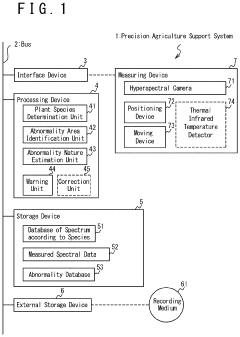
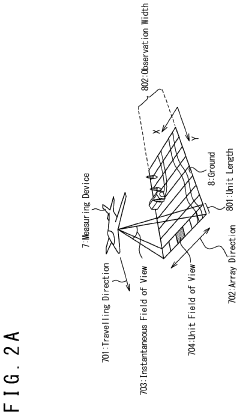
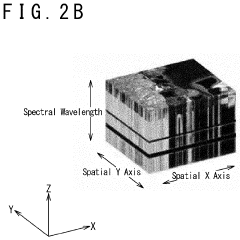
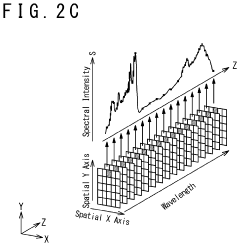
- A precision agriculture support system that uses a hyperspectral camera to measure spectral characteristics across visible and infrared bands, including mid-wavelength and long-wavelength infrared, to differentiate between desired crops and weeds by creating a database of spectral features for accurate identification.
System for processing images for multispectral and hyperspectral analysis in precision agriculture
PatentWO2017105177A1
Innovation
- An image processing system for generating image maps that utilizes multispectral and hyperspectral analysis, allowing for efficient mission planning, georeferencing, and real-time vegetation index calculation from aerial images, enabling early detection of plant health issues without the need for precise temperature measurements.


Environmental Impact Assessment
The implementation of multiplexers in precision agriculture technologies has significant implications for environmental sustainability and resource management. By enabling more efficient and targeted use of agricultural inputs, these systems contribute to reducing the overall environmental footprint of farming operations.
One of the primary environmental benefits of multiplexer-based precision agriculture is the reduction in chemical usage. Through precise application of fertilizers and pesticides, farmers can minimize excess runoff and leaching into surrounding ecosystems. This targeted approach helps protect water quality in nearby streams, rivers, and groundwater sources, reducing the risk of eutrophication and contamination of aquatic habitats.
Furthermore, the optimized use of water resources facilitated by multiplexer systems in irrigation management contributes to water conservation efforts. By delivering water only where and when it is needed, these technologies help mitigate water stress in agriculture-intensive regions and reduce the strain on local water supplies. This is particularly crucial in areas facing water scarcity or drought conditions.
The improved efficiency in resource utilization also leads to a decrease in greenhouse gas emissions associated with agricultural activities. Reduced fuel consumption for machinery operations, coupled with more effective nutrient management, can lower the carbon footprint of farming practices. Additionally, the precise application of inputs minimizes soil disturbance, potentially enhancing soil carbon sequestration and overall soil health.
Multiplexer-based precision agriculture technologies also contribute to biodiversity conservation. By minimizing the overapplication of agrochemicals, these systems help preserve beneficial insects, microorganisms, and other non-target species within and around agricultural landscapes. This promotes a more balanced and resilient agroecosystem, supporting natural pest control and pollination services.
The environmental impact assessment of multiplexer use in precision agriculture must also consider potential challenges. These may include electronic waste generation from sensor networks and control systems, as well as the energy requirements for data processing and communication infrastructure. However, the long-term environmental benefits generally outweigh these concerns, especially when proper recycling and energy-efficient practices are implemented.
In conclusion, the integration of multiplexers in precision agriculture technologies offers substantial environmental benefits through improved resource management, reduced chemical inputs, and enhanced ecosystem preservation. As these systems continue to evolve and become more widespread, their positive impact on agricultural sustainability and environmental conservation is expected to grow, contributing to more resilient and eco-friendly farming practices worldwide.
One of the primary environmental benefits of multiplexer-based precision agriculture is the reduction in chemical usage. Through precise application of fertilizers and pesticides, farmers can minimize excess runoff and leaching into surrounding ecosystems. This targeted approach helps protect water quality in nearby streams, rivers, and groundwater sources, reducing the risk of eutrophication and contamination of aquatic habitats.
Furthermore, the optimized use of water resources facilitated by multiplexer systems in irrigation management contributes to water conservation efforts. By delivering water only where and when it is needed, these technologies help mitigate water stress in agriculture-intensive regions and reduce the strain on local water supplies. This is particularly crucial in areas facing water scarcity or drought conditions.
The improved efficiency in resource utilization also leads to a decrease in greenhouse gas emissions associated with agricultural activities. Reduced fuel consumption for machinery operations, coupled with more effective nutrient management, can lower the carbon footprint of farming practices. Additionally, the precise application of inputs minimizes soil disturbance, potentially enhancing soil carbon sequestration and overall soil health.
Multiplexer-based precision agriculture technologies also contribute to biodiversity conservation. By minimizing the overapplication of agrochemicals, these systems help preserve beneficial insects, microorganisms, and other non-target species within and around agricultural landscapes. This promotes a more balanced and resilient agroecosystem, supporting natural pest control and pollination services.
The environmental impact assessment of multiplexer use in precision agriculture must also consider potential challenges. These may include electronic waste generation from sensor networks and control systems, as well as the energy requirements for data processing and communication infrastructure. However, the long-term environmental benefits generally outweigh these concerns, especially when proper recycling and energy-efficient practices are implemented.
In conclusion, the integration of multiplexers in precision agriculture technologies offers substantial environmental benefits through improved resource management, reduced chemical inputs, and enhanced ecosystem preservation. As these systems continue to evolve and become more widespread, their positive impact on agricultural sustainability and environmental conservation is expected to grow, contributing to more resilient and eco-friendly farming practices worldwide.
Data Management in Precision Ag
Data management is a critical component in precision agriculture technologies, serving as the backbone for informed decision-making and optimized farming practices. The integration of multiplexers in precision agriculture has significantly enhanced data collection, processing, and utilization capabilities.
Multiplexers play a crucial role in managing the vast amounts of data generated by various sensors and devices deployed across agricultural fields. These devices enable the efficient aggregation of data from multiple sources, such as soil moisture sensors, weather stations, and crop health monitors. By consolidating these diverse data streams, multiplexers facilitate the creation of comprehensive datasets that provide a holistic view of farm conditions.
The implementation of multiplexers in precision agriculture data management systems has led to improved data accuracy and reliability. By reducing the number of communication channels required, multiplexers minimize signal interference and data loss, ensuring that farmers and agronomists have access to high-quality, real-time information. This enhanced data integrity is essential for making precise decisions regarding irrigation, fertilization, and pest management.
Furthermore, multiplexers contribute to the scalability of precision agriculture systems. As farms adopt more sensors and IoT devices, multiplexers allow for the seamless integration of new data sources without requiring significant infrastructure changes. This scalability is crucial for adapting to evolving agricultural technologies and expanding monitoring capabilities.
Data storage and retrieval processes have also been optimized through the use of multiplexers. By efficiently organizing and compressing data streams, multiplexers reduce the storage requirements for large-scale agricultural operations. This not only decreases hardware costs but also improves the speed and efficiency of data retrieval for analysis and decision-making purposes.
The role of multiplexers extends to supporting edge computing in precision agriculture. By processing and filtering data at the source, multiplexers help reduce the bandwidth requirements for data transmission to central servers or cloud platforms. This edge processing capability is particularly valuable in remote agricultural areas with limited connectivity, enabling real-time decision support even in challenging environments.
Multiplexers also facilitate the integration of precision agriculture data with other farm management systems. By standardizing data formats and protocols, they enable seamless data exchange between different software applications, such as farm management information systems, yield mapping tools, and predictive analytics platforms. This interoperability enhances the overall efficiency of farm operations and supports data-driven decision-making across all aspects of agricultural production.
Multiplexers play a crucial role in managing the vast amounts of data generated by various sensors and devices deployed across agricultural fields. These devices enable the efficient aggregation of data from multiple sources, such as soil moisture sensors, weather stations, and crop health monitors. By consolidating these diverse data streams, multiplexers facilitate the creation of comprehensive datasets that provide a holistic view of farm conditions.
The implementation of multiplexers in precision agriculture data management systems has led to improved data accuracy and reliability. By reducing the number of communication channels required, multiplexers minimize signal interference and data loss, ensuring that farmers and agronomists have access to high-quality, real-time information. This enhanced data integrity is essential for making precise decisions regarding irrigation, fertilization, and pest management.
Furthermore, multiplexers contribute to the scalability of precision agriculture systems. As farms adopt more sensors and IoT devices, multiplexers allow for the seamless integration of new data sources without requiring significant infrastructure changes. This scalability is crucial for adapting to evolving agricultural technologies and expanding monitoring capabilities.
Data storage and retrieval processes have also been optimized through the use of multiplexers. By efficiently organizing and compressing data streams, multiplexers reduce the storage requirements for large-scale agricultural operations. This not only decreases hardware costs but also improves the speed and efficiency of data retrieval for analysis and decision-making purposes.
The role of multiplexers extends to supporting edge computing in precision agriculture. By processing and filtering data at the source, multiplexers help reduce the bandwidth requirements for data transmission to central servers or cloud platforms. This edge processing capability is particularly valuable in remote agricultural areas with limited connectivity, enabling real-time decision support even in challenging environments.
Multiplexers also facilitate the integration of precision agriculture data with other farm management systems. By standardizing data formats and protocols, they enable seamless data exchange between different software applications, such as farm management information systems, yield mapping tools, and predictive analytics platforms. This interoperability enhances the overall efficiency of farm operations and supports data-driven decision-making across all aspects of agricultural production.
Unlock deeper insights with PatSnap Eureka Quick Research — get a full tech report to explore trends and direct your research. Try now!
Generate Your Research Report Instantly with AI Agent
Supercharge your innovation with PatSnap Eureka AI Agent Platform!