

Fixed Wing Drones vs Planes: Operational Cost Comparison
FEB 25, 20268 MIN READ
Generate Your Research Report Instantly with AI Agent
PatSnap Eureka helps you evaluate technical feasibility & market potential.
Fixed Wing Drone vs Plane Cost Background and Objectives
The aviation industry has witnessed a transformative shift with the emergence of fixed-wing drones as viable alternatives to traditional manned aircraft for specific operational scenarios. This technological evolution stems from decades of unmanned aerial vehicle development, initially driven by military applications before expanding into commercial and civilian sectors. The progression from rudimentary remotely piloted aircraft to sophisticated autonomous fixed-wing drones represents a significant milestone in aviation technology, fundamentally altering cost structures and operational paradigms.
Understanding the operational cost differential between fixed-wing drones and conventional planes has become increasingly critical as organizations across industries evaluate fleet composition strategies. Traditional aircraft have established cost frameworks encompassing fuel consumption, crew salaries, maintenance protocols, insurance premiums, and regulatory compliance expenses. In contrast, fixed-wing drones introduce novel cost variables including advanced sensor systems, ground control infrastructure, data processing capabilities, and evolving certification requirements.
The primary objective of this technical investigation is to establish a comprehensive comparative framework for evaluating operational expenditures across both platforms. This analysis aims to quantify direct operational costs including energy consumption, personnel requirements, maintenance cycles, and infrastructure dependencies. Beyond immediate expenses, the study seeks to identify hidden cost factors such as training investments, technological obsolescence rates, and regulatory adaptation expenses that significantly impact total cost of ownership.
A secondary objective involves examining operational efficiency metrics that influence cost-effectiveness across different mission profiles. Flight duration capabilities, payload capacities, range limitations, and weather resilience directly affect operational utility and economic viability. Understanding how these performance parameters translate into cost implications enables informed decision-making for specific application scenarios.
Furthermore, this research aims to project future cost trajectories as both technologies continue evolving. Anticipated advancements in battery technology, autonomous systems, materials science, and regulatory frameworks will reshape the economic landscape. Identifying these evolutionary trends provides strategic insights for long-term investment planning and technology adoption roadmaps, ultimately supporting organizations in optimizing their aerial operations portfolio while minimizing financial risk and maximizing operational return on investment.
Understanding the operational cost differential between fixed-wing drones and conventional planes has become increasingly critical as organizations across industries evaluate fleet composition strategies. Traditional aircraft have established cost frameworks encompassing fuel consumption, crew salaries, maintenance protocols, insurance premiums, and regulatory compliance expenses. In contrast, fixed-wing drones introduce novel cost variables including advanced sensor systems, ground control infrastructure, data processing capabilities, and evolving certification requirements.
The primary objective of this technical investigation is to establish a comprehensive comparative framework for evaluating operational expenditures across both platforms. This analysis aims to quantify direct operational costs including energy consumption, personnel requirements, maintenance cycles, and infrastructure dependencies. Beyond immediate expenses, the study seeks to identify hidden cost factors such as training investments, technological obsolescence rates, and regulatory adaptation expenses that significantly impact total cost of ownership.
A secondary objective involves examining operational efficiency metrics that influence cost-effectiveness across different mission profiles. Flight duration capabilities, payload capacities, range limitations, and weather resilience directly affect operational utility and economic viability. Understanding how these performance parameters translate into cost implications enables informed decision-making for specific application scenarios.
Furthermore, this research aims to project future cost trajectories as both technologies continue evolving. Anticipated advancements in battery technology, autonomous systems, materials science, and regulatory frameworks will reshape the economic landscape. Identifying these evolutionary trends provides strategic insights for long-term investment planning and technology adoption roadmaps, ultimately supporting organizations in optimizing their aerial operations portfolio while minimizing financial risk and maximizing operational return on investment.
Market Demand for Cost-Effective Aerial Operations
The global aerial operations market is experiencing a fundamental shift driven by the imperative to reduce operational expenditures while maintaining or enhancing service quality. Traditional manned aircraft operations have long dominated sectors such as agricultural monitoring, infrastructure inspection, surveillance, and cargo delivery. However, escalating fuel costs, pilot training expenses, and maintenance requirements are compelling organizations to seek more economical alternatives. This economic pressure has created substantial market demand for cost-effective aerial solutions that can deliver comparable or superior performance at significantly reduced operational costs.
Fixed-wing drones have emerged as a compelling alternative, particularly for applications requiring extended flight duration and large area coverage. Industries such as precision agriculture, pipeline monitoring, environmental surveying, and border patrol are actively evaluating drone-based solutions to replace or supplement conventional aircraft operations. The potential cost savings span multiple dimensions including fuel consumption, crew requirements, insurance premiums, and maintenance intervals. Organizations operating in resource-constrained environments or conducting repetitive monitoring tasks represent particularly receptive market segments for cost-optimized aerial platforms.
The commercial drone services market has demonstrated robust growth trajectories, with fixed-wing variants gaining traction in professional applications where endurance and range are critical factors. Small and medium enterprises that previously could not justify the capital and operational expenses of manned aircraft are now entering aerial operations through drone adoption. Government agencies responsible for large-scale monitoring programs are similarly exploring drone deployments to optimize budget allocation while expanding coverage capabilities.
Market demand is further amplified by regulatory evolution that increasingly accommodates commercial drone operations, particularly in beyond visual line of sight scenarios where fixed-wing platforms demonstrate clear advantages. The convergence of technological maturation, regulatory enablement, and economic necessity has created a substantial addressable market for cost-effective aerial solutions. Organizations across sectors are conducting detailed cost-benefit analyses comparing traditional aviation approaches with emerging drone-based alternatives, seeking quantifiable evidence to guide procurement and operational strategy decisions.
Fixed-wing drones have emerged as a compelling alternative, particularly for applications requiring extended flight duration and large area coverage. Industries such as precision agriculture, pipeline monitoring, environmental surveying, and border patrol are actively evaluating drone-based solutions to replace or supplement conventional aircraft operations. The potential cost savings span multiple dimensions including fuel consumption, crew requirements, insurance premiums, and maintenance intervals. Organizations operating in resource-constrained environments or conducting repetitive monitoring tasks represent particularly receptive market segments for cost-optimized aerial platforms.
The commercial drone services market has demonstrated robust growth trajectories, with fixed-wing variants gaining traction in professional applications where endurance and range are critical factors. Small and medium enterprises that previously could not justify the capital and operational expenses of manned aircraft are now entering aerial operations through drone adoption. Government agencies responsible for large-scale monitoring programs are similarly exploring drone deployments to optimize budget allocation while expanding coverage capabilities.
Market demand is further amplified by regulatory evolution that increasingly accommodates commercial drone operations, particularly in beyond visual line of sight scenarios where fixed-wing platforms demonstrate clear advantages. The convergence of technological maturation, regulatory enablement, and economic necessity has created a substantial addressable market for cost-effective aerial solutions. Organizations across sectors are conducting detailed cost-benefit analyses comparing traditional aviation approaches with emerging drone-based alternatives, seeking quantifiable evidence to guide procurement and operational strategy decisions.
Current Operational Cost Structures and Challenges
Fixed-wing drones and traditional manned aircraft operate under fundamentally different cost structures, each presenting unique economic advantages and operational challenges. Understanding these distinctions is critical for organizations evaluating deployment strategies across various applications including surveillance, cargo transport, agricultural monitoring, and infrastructure inspection.
Traditional manned aircraft face substantial fixed costs dominated by crew expenses, which typically account for 30-40% of total operational expenditure. Pilot salaries, training requirements, certification maintenance, and mandatory rest periods create significant baseline costs regardless of flight frequency. Additionally, insurance premiums for manned operations remain considerably higher due to liability concerns and regulatory requirements. Maintenance costs for certified aircraft follow strict airworthiness standards, requiring licensed technicians and approved parts that command premium pricing.
Fixed-wing drones present a contrasting cost profile with dramatically reduced personnel requirements. A single ground operator can often manage multiple drone missions sequentially or even simultaneously with advanced automation systems. However, this advantage is partially offset by technology-specific expenses including sensor payloads, communication systems, and ground control infrastructure. Battery replacement cycles for electric drones and datalink subscription fees represent recurring costs often underestimated in initial assessments.
Both platforms face escalating regulatory compliance costs as aviation authorities worldwide implement stricter operational frameworks. For drones, beyond-visual-line-of-sight operations require detect-and-avoid systems and enhanced communication capabilities, adding substantial equipment and certification expenses. Manned aircraft continue bearing the burden of increasingly complex avionics upgrades and environmental compliance modifications.
Energy consumption patterns differ markedly between platforms. While drones demonstrate superior efficiency for short-duration missions under 100 kilometers, manned aircraft achieve better cost-per-kilometer economics on longer routes due to superior aerodynamic efficiency at scale. Payload capacity constraints further complicate drone economics, as multiple drone flights may be required to match single aircraft missions.
Infrastructure requirements present another divergence point. Drones offer operational flexibility with minimal ground infrastructure, while manned aircraft demand certified airports, hangars, and maintenance facilities. However, drone operations increasingly require sophisticated command centers with redundant communication systems, narrowing this gap for professional applications.
Traditional manned aircraft face substantial fixed costs dominated by crew expenses, which typically account for 30-40% of total operational expenditure. Pilot salaries, training requirements, certification maintenance, and mandatory rest periods create significant baseline costs regardless of flight frequency. Additionally, insurance premiums for manned operations remain considerably higher due to liability concerns and regulatory requirements. Maintenance costs for certified aircraft follow strict airworthiness standards, requiring licensed technicians and approved parts that command premium pricing.
Fixed-wing drones present a contrasting cost profile with dramatically reduced personnel requirements. A single ground operator can often manage multiple drone missions sequentially or even simultaneously with advanced automation systems. However, this advantage is partially offset by technology-specific expenses including sensor payloads, communication systems, and ground control infrastructure. Battery replacement cycles for electric drones and datalink subscription fees represent recurring costs often underestimated in initial assessments.
Both platforms face escalating regulatory compliance costs as aviation authorities worldwide implement stricter operational frameworks. For drones, beyond-visual-line-of-sight operations require detect-and-avoid systems and enhanced communication capabilities, adding substantial equipment and certification expenses. Manned aircraft continue bearing the burden of increasingly complex avionics upgrades and environmental compliance modifications.
Energy consumption patterns differ markedly between platforms. While drones demonstrate superior efficiency for short-duration missions under 100 kilometers, manned aircraft achieve better cost-per-kilometer economics on longer routes due to superior aerodynamic efficiency at scale. Payload capacity constraints further complicate drone economics, as multiple drone flights may be required to match single aircraft missions.
Infrastructure requirements present another divergence point. Drones offer operational flexibility with minimal ground infrastructure, while manned aircraft demand certified airports, hangars, and maintenance facilities. However, drone operations increasingly require sophisticated command centers with redundant communication systems, narrowing this gap for professional applications.
Existing Cost Analysis Frameworks and Models
01 Energy-efficient propulsion systems and power management
Fixed-wing drones can reduce operational costs through optimized propulsion systems that minimize energy consumption. Advanced power management technologies, including efficient battery systems and energy recovery mechanisms, extend flight duration and reduce the frequency of recharging or refueling. Lightweight electric motors and aerodynamic designs contribute to lower energy requirements per flight hour, directly impacting operational expenses.- Energy-efficient propulsion systems and power management: Fixed-wing drones can reduce operational costs through optimized propulsion systems that minimize energy consumption. Advanced power management technologies, including efficient battery systems and energy recovery mechanisms, help extend flight duration and reduce the frequency of recharging or refueling. Lightweight motor designs and aerodynamic improvements contribute to lower power requirements during flight operations.
- Autonomous flight control and navigation systems: Implementing autonomous flight control systems reduces operational costs by minimizing the need for skilled human operators and reducing training expenses. Advanced navigation algorithms enable efficient route planning, obstacle avoidance, and automated mission execution. These systems can optimize flight paths to reduce flight time and energy consumption while maintaining safety standards.
- Modular and maintainable airframe design: Designing fixed-wing drones with modular components and easy-to-replace parts significantly reduces maintenance costs and downtime. Standardized interfaces and quick-change mechanisms allow for rapid component replacement in the field. Durable materials and simplified construction methods lower both initial manufacturing costs and long-term maintenance expenses.
- Multi-mission payload integration capabilities: Fixed-wing drones designed with versatile payload mounting systems can serve multiple operational purposes, reducing the need for specialized aircraft and lowering overall fleet costs. Standardized payload interfaces enable quick reconfiguration between missions, maximizing aircraft utilization rates. This flexibility allows operators to amortize aircraft costs across various applications and revenue streams.
- Automated launch and recovery systems: Implementing automated launch and recovery mechanisms reduces operational costs by eliminating the need for specialized ground equipment and trained launch crews. These systems enable operations from unprepared sites and reduce infrastructure requirements. Automated systems also minimize the risk of damage during takeoff and landing phases, reducing repair costs and improving aircraft availability.
02 Autonomous flight control and navigation systems
Implementing autonomous flight control systems reduces operational costs by minimizing the need for skilled human operators. Advanced navigation algorithms enable precise route planning and obstacle avoidance, reducing flight time and fuel consumption. Automated takeoff and landing capabilities decrease the risk of accidents and associated repair costs while improving operational efficiency.Expand Specific Solutions03 Modular and maintainable airframe design
Modular construction approaches allow for easy replacement of components, reducing maintenance time and labor costs. Standardized parts and quick-release mechanisms enable field repairs without specialized tools or facilities. Durable materials and protective designs extend component lifespan, decreasing the frequency of replacements and associated downtime costs.Expand Specific Solutions04 Multi-mission payload integration capabilities
Versatile payload mounting systems enable a single drone platform to perform multiple mission types, maximizing asset utilization and reducing the need for specialized aircraft. Quick-change payload interfaces minimize turnaround time between missions, increasing operational efficiency. Standardized payload connections reduce training requirements and operational complexity.Expand Specific Solutions05 Predictive maintenance and health monitoring systems
Integrated sensor systems continuously monitor critical components to predict failures before they occur, preventing costly emergency repairs and unplanned downtime. Data analytics platforms track component wear patterns and optimize maintenance schedules, reducing unnecessary inspections. Remote diagnostic capabilities enable proactive maintenance planning and reduce the need for on-site technical personnel.Expand Specific Solutions
Key Cost Drivers and Optimization Technologies
Air radio monitoring intelligent robot
PatentInactiveCN104316899A
Innovation
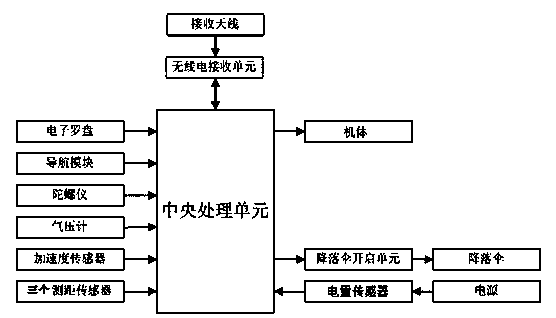
- An aerial radio monitoring intelligent robot is designed. By connecting the navigation module directly to the central processing unit, it uses the direction finding results to plan its trajectory independently, and combines the ranging sensor, barometer, gyroscope and acceleration sensor to achieve autonomous obstacle avoidance and stability. flight, and is equipped with a parachute and power detection system to ensure safe and efficient monitoring mission execution.


Aerial intelligent robot used for radio monitoring
PatentInactiveCN104316901A
Innovation
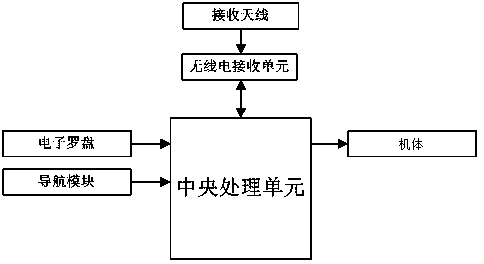
- An aerial intelligent robot for radio monitoring is designed. It integrates a central processing unit, receiving antenna, electronic compass, radio monitoring receiving unit and navigation module. It uses direction finding results to plan its trajectory independently, and combines ranging sensors, barometers and gyroscopes. The instrument and acceleration sensor are used for flight control and obstacle avoidance, and automatic return to home and parachute opening are achieved.
Aviation Regulations Impact on Operating Costs
Aviation regulations constitute a fundamental cost driver that differentiates operational expenses between fixed-wing drones and manned aircraft. Regulatory frameworks established by aviation authorities such as the FAA, EASA, and ICAO impose distinct compliance requirements that directly translate into financial obligations. Manned aircraft operators face substantially higher regulatory costs due to stringent certification processes, mandatory insurance coverage, crew licensing requirements, and continuous airworthiness maintenance programs. These regulatory mandates necessitate significant capital allocation for documentation, inspections, and compliance personnel.
Fixed-wing drones benefit from comparatively streamlined regulatory pathways, particularly for operations under specific weight thresholds and operational categories. Many jurisdictions have established simplified certification procedures for unmanned systems, reducing entry barriers and ongoing compliance costs. However, the regulatory landscape for drones remains dynamic and increasingly complex as operational capabilities expand. Remote pilot certification, though less expensive than traditional pilot licensing, still represents a mandatory cost component. Additionally, emerging regulations regarding beyond visual line of sight operations, urban air mobility, and integration into controlled airspace are introducing new compliance requirements that may narrow the cost advantage drones currently enjoy.
Insurance premiums represent another regulation-driven cost differential. Manned aircraft require comprehensive liability coverage with substantially higher premiums due to passenger safety considerations and potential third-party damages. Drone operations typically incur lower insurance costs, though premiums are rising as operational complexity increases and regulatory authorities mandate higher coverage levels for commercial operations. The evolving regulatory environment surrounding drone operations in populated areas and critical infrastructure zones is expected to drive insurance costs upward, potentially diminishing current cost advantages.
Airspace access fees and operational permits further differentiate cost structures. Manned aircraft operations often involve navigation charges, landing fees, and slot allocations at controlled airports, creating recurring operational expenses. Drone operations may avoid some traditional aviation fees but face emerging regulatory costs including registration fees, operational authorizations, and potential airspace usage charges as dedicated drone corridors and traffic management systems develop. The regulatory trajectory suggests convergence toward more comprehensive oversight frameworks that will progressively increase compliance costs for unmanned systems while maintaining the fundamental cost differential favoring drones.
Fixed-wing drones benefit from comparatively streamlined regulatory pathways, particularly for operations under specific weight thresholds and operational categories. Many jurisdictions have established simplified certification procedures for unmanned systems, reducing entry barriers and ongoing compliance costs. However, the regulatory landscape for drones remains dynamic and increasingly complex as operational capabilities expand. Remote pilot certification, though less expensive than traditional pilot licensing, still represents a mandatory cost component. Additionally, emerging regulations regarding beyond visual line of sight operations, urban air mobility, and integration into controlled airspace are introducing new compliance requirements that may narrow the cost advantage drones currently enjoy.
Insurance premiums represent another regulation-driven cost differential. Manned aircraft require comprehensive liability coverage with substantially higher premiums due to passenger safety considerations and potential third-party damages. Drone operations typically incur lower insurance costs, though premiums are rising as operational complexity increases and regulatory authorities mandate higher coverage levels for commercial operations. The evolving regulatory environment surrounding drone operations in populated areas and critical infrastructure zones is expected to drive insurance costs upward, potentially diminishing current cost advantages.
Airspace access fees and operational permits further differentiate cost structures. Manned aircraft operations often involve navigation charges, landing fees, and slot allocations at controlled airports, creating recurring operational expenses. Drone operations may avoid some traditional aviation fees but face emerging regulatory costs including registration fees, operational authorizations, and potential airspace usage charges as dedicated drone corridors and traffic management systems develop. The regulatory trajectory suggests convergence toward more comprehensive oversight frameworks that will progressively increase compliance costs for unmanned systems while maintaining the fundamental cost differential favoring drones.
Environmental Sustainability Cost Implications
Environmental sustainability has emerged as a critical cost factor in aviation operations, fundamentally reshaping the economic calculus between fixed-wing drones and traditional aircraft. The financial implications extend beyond immediate operational expenses to encompass regulatory compliance costs, carbon pricing mechanisms, and long-term environmental liability considerations. As governments worldwide implement stricter emissions regulations and carbon taxation schemes, operators must account for these evolving cost structures when evaluating platform choices.
Fixed-wing drones demonstrate substantial advantages in environmental cost metrics due to their significantly lower fuel consumption and reduced carbon footprint per operational hour. Electric-powered drones eliminate direct emissions entirely, avoiding carbon taxes and emissions trading system costs that increasingly burden conventional aircraft operators. Even fuel-powered drones consume dramatically less aviation fuel, translating to lower exposure to volatile fuel prices and carbon offset requirements. This efficiency gap becomes particularly pronounced in short-range missions where traditional aircraft operate far below optimal efficiency thresholds.
The regulatory landscape introduces additional cost differentials through emissions reporting requirements, environmental impact assessments, and compliance documentation. Traditional aircraft face mounting administrative costs associated with emissions monitoring systems, mandatory reporting to environmental agencies, and participation in carbon trading schemes. These compliance burdens generate ongoing operational overhead that disproportionately affects conventional aviation operations compared to smaller drone platforms often exempted from stringent reporting requirements.
Corporate sustainability commitments and stakeholder pressure create indirect but measurable cost implications. Organizations increasingly face reputational risks and potential market access restrictions based on environmental performance metrics. Drone adoption can significantly improve corporate carbon accounting, potentially unlocking green financing opportunities, preferential regulatory treatment, and enhanced market positioning. Conversely, continued reliance on traditional aircraft may incur premium costs for carbon offsetting programs required to meet corporate net-zero commitments or satisfy environmentally conscious clients and investors.
Future cost trajectories suggest widening economic advantages for environmentally sustainable platforms as carbon pricing mechanisms mature and environmental regulations tighten globally. Investment in drone technology today positions operators favorably against anticipated regulatory cost escalations while building operational resilience against environmental policy shifts.
Fixed-wing drones demonstrate substantial advantages in environmental cost metrics due to their significantly lower fuel consumption and reduced carbon footprint per operational hour. Electric-powered drones eliminate direct emissions entirely, avoiding carbon taxes and emissions trading system costs that increasingly burden conventional aircraft operators. Even fuel-powered drones consume dramatically less aviation fuel, translating to lower exposure to volatile fuel prices and carbon offset requirements. This efficiency gap becomes particularly pronounced in short-range missions where traditional aircraft operate far below optimal efficiency thresholds.
The regulatory landscape introduces additional cost differentials through emissions reporting requirements, environmental impact assessments, and compliance documentation. Traditional aircraft face mounting administrative costs associated with emissions monitoring systems, mandatory reporting to environmental agencies, and participation in carbon trading schemes. These compliance burdens generate ongoing operational overhead that disproportionately affects conventional aviation operations compared to smaller drone platforms often exempted from stringent reporting requirements.
Corporate sustainability commitments and stakeholder pressure create indirect but measurable cost implications. Organizations increasingly face reputational risks and potential market access restrictions based on environmental performance metrics. Drone adoption can significantly improve corporate carbon accounting, potentially unlocking green financing opportunities, preferential regulatory treatment, and enhanced market positioning. Conversely, continued reliance on traditional aircraft may incur premium costs for carbon offsetting programs required to meet corporate net-zero commitments or satisfy environmentally conscious clients and investors.
Future cost trajectories suggest widening economic advantages for environmentally sustainable platforms as carbon pricing mechanisms mature and environmental regulations tighten globally. Investment in drone technology today positions operators favorably against anticipated regulatory cost escalations while building operational resilience against environmental policy shifts.
Unlock deeper insights with PatSnap Eureka Quick Research — get a full tech report to explore trends and direct your research. Try now!
Generate Your Research Report Instantly with AI Agent
Supercharge your innovation with PatSnap Eureka AI Agent Platform!