
Optimize Biodegradable Materials for Temporary Bone Scaffolds
OCT 9, 20269 MIN READ
Generate Your Research Report Instantly with AI Agent
Patsnap Eureka helps you evaluate technical feasibility & market potential.
Biodegradable Bone Scaffold Technology Background and Objectives
Bone tissue engineering has emerged as a transformative approach to address the limitations of traditional bone grafting procedures, which often face challenges such as donor site morbidity, limited availability, and potential immune rejection. The development of biodegradable bone scaffolds represents a paradigm shift in orthopedic and maxillofacial reconstruction, offering temporary structural support that gradually degrades as natural bone regenerates. This technology has evolved significantly since the early 1990s, when initial polymer-based scaffolds demonstrated proof-of-concept for guided bone regeneration.
The fundamental principle underlying biodegradable bone scaffolds involves creating three-dimensional porous structures that mimic the natural extracellular matrix of bone tissue. These scaffolds must fulfill multiple critical functions: providing immediate mechanical support, facilitating cell attachment and proliferation, promoting vascularization, and degrading at a rate synchronized with new bone formation. Early generations of scaffolds primarily utilized synthetic polymers such as polylactic acid and polyglycolic acid, which offered controllable degradation rates but often lacked optimal bioactivity and mechanical properties comparable to native bone.
Contemporary research has expanded the material palette to include bioceramics, natural polymers, and composite systems that combine the advantages of multiple material classes. Calcium phosphate ceramics, particularly hydroxyapatite and tricalcium phosphate, have gained prominence due to their chemical similarity to natural bone mineral and inherent osteoconductivity. However, their brittleness and slow degradation rates present ongoing challenges that require material optimization.
The primary objective of current research efforts centers on developing next-generation biodegradable materials that achieve an optimal balance between mechanical strength, degradation kinetics, biocompatibility, and osteoinductive properties. Specific technical goals include enhancing compressive strength to match cortical bone values, fine-tuning degradation rates to align with bone regeneration timelines typically spanning three to twelve months, improving interconnected porosity to facilitate nutrient transport and cell infiltration, and incorporating bioactive factors that actively stimulate osteogenesis rather than merely providing passive structural support.
Advanced manufacturing techniques such as three-dimensional printing and electrospinning have opened new possibilities for creating scaffolds with precisely controlled architectures and hierarchical structures that better replicate the complex organization of natural bone tissue. The integration of these fabrication methods with optimized biodegradable materials represents a critical frontier in achieving clinically superior bone regeneration outcomes.
The fundamental principle underlying biodegradable bone scaffolds involves creating three-dimensional porous structures that mimic the natural extracellular matrix of bone tissue. These scaffolds must fulfill multiple critical functions: providing immediate mechanical support, facilitating cell attachment and proliferation, promoting vascularization, and degrading at a rate synchronized with new bone formation. Early generations of scaffolds primarily utilized synthetic polymers such as polylactic acid and polyglycolic acid, which offered controllable degradation rates but often lacked optimal bioactivity and mechanical properties comparable to native bone.
Contemporary research has expanded the material palette to include bioceramics, natural polymers, and composite systems that combine the advantages of multiple material classes. Calcium phosphate ceramics, particularly hydroxyapatite and tricalcium phosphate, have gained prominence due to their chemical similarity to natural bone mineral and inherent osteoconductivity. However, their brittleness and slow degradation rates present ongoing challenges that require material optimization.
The primary objective of current research efforts centers on developing next-generation biodegradable materials that achieve an optimal balance between mechanical strength, degradation kinetics, biocompatibility, and osteoinductive properties. Specific technical goals include enhancing compressive strength to match cortical bone values, fine-tuning degradation rates to align with bone regeneration timelines typically spanning three to twelve months, improving interconnected porosity to facilitate nutrient transport and cell infiltration, and incorporating bioactive factors that actively stimulate osteogenesis rather than merely providing passive structural support.
Advanced manufacturing techniques such as three-dimensional printing and electrospinning have opened new possibilities for creating scaffolds with precisely controlled architectures and hierarchical structures that better replicate the complex organization of natural bone tissue. The integration of these fabrication methods with optimized biodegradable materials represents a critical frontier in achieving clinically superior bone regeneration outcomes.
Market Demand for Temporary Bone Regeneration Solutions
The global market for temporary bone regeneration solutions is experiencing robust expansion driven by multiple converging factors. Aging populations in developed economies are generating increased demand for orthopedic interventions, as age-related bone disorders and fractures become more prevalent. Simultaneously, rising incidences of sports injuries, traffic accidents, and combat-related trauma are creating sustained need for advanced bone repair technologies across diverse patient demographics.
Current clinical practices reveal significant limitations with existing solutions. Traditional autografts and allografts present challenges including donor site morbidity, limited availability, and risk of disease transmission. Permanent metallic implants, while mechanically robust, necessitate secondary removal surgeries and can cause stress shielding effects that impede natural bone remodeling. These shortcomings have catalyzed demand for biodegradable temporary scaffolds that provide initial structural support while gradually transferring load to regenerating bone tissue.
The orthopedic biomaterials sector is witnessing accelerated adoption of biodegradable scaffolds in craniomaxillofacial reconstruction, spinal fusion procedures, and load-bearing long bone repairs. Surgeons increasingly recognize the clinical advantages of materials that eliminate revision surgeries while promoting physiological bone regeneration. This shift is particularly pronounced in pediatric applications, where growing bones benefit from scaffolds that degrade as natural tissue matures.
Healthcare systems are demonstrating willingness to invest in advanced regenerative solutions despite higher initial costs, recognizing long-term economic benefits. Reduced hospitalization periods, elimination of implant removal procedures, and improved patient outcomes contribute to favorable cost-benefit analyses. Regulatory pathways for biodegradable medical devices have matured, facilitating market entry for innovative materials that demonstrate biocompatibility and controlled degradation profiles.
Emerging markets in Asia-Pacific and Latin America represent substantial growth opportunities as healthcare infrastructure modernizes and access to advanced orthopedic care expands. Increasing medical tourism and establishment of specialized orthopedic centers in these regions are creating new demand channels for sophisticated bone regeneration technologies. The convergence of clinical need, economic viability, and technological readiness positions optimized biodegradable bone scaffolds as a critical solution addressing unmet medical requirements across global healthcare markets.
Current clinical practices reveal significant limitations with existing solutions. Traditional autografts and allografts present challenges including donor site morbidity, limited availability, and risk of disease transmission. Permanent metallic implants, while mechanically robust, necessitate secondary removal surgeries and can cause stress shielding effects that impede natural bone remodeling. These shortcomings have catalyzed demand for biodegradable temporary scaffolds that provide initial structural support while gradually transferring load to regenerating bone tissue.
The orthopedic biomaterials sector is witnessing accelerated adoption of biodegradable scaffolds in craniomaxillofacial reconstruction, spinal fusion procedures, and load-bearing long bone repairs. Surgeons increasingly recognize the clinical advantages of materials that eliminate revision surgeries while promoting physiological bone regeneration. This shift is particularly pronounced in pediatric applications, where growing bones benefit from scaffolds that degrade as natural tissue matures.
Healthcare systems are demonstrating willingness to invest in advanced regenerative solutions despite higher initial costs, recognizing long-term economic benefits. Reduced hospitalization periods, elimination of implant removal procedures, and improved patient outcomes contribute to favorable cost-benefit analyses. Regulatory pathways for biodegradable medical devices have matured, facilitating market entry for innovative materials that demonstrate biocompatibility and controlled degradation profiles.
Emerging markets in Asia-Pacific and Latin America represent substantial growth opportunities as healthcare infrastructure modernizes and access to advanced orthopedic care expands. Increasing medical tourism and establishment of specialized orthopedic centers in these regions are creating new demand channels for sophisticated bone regeneration technologies. The convergence of clinical need, economic viability, and technological readiness positions optimized biodegradable bone scaffolds as a critical solution addressing unmet medical requirements across global healthcare markets.
Current Status and Challenges in Biodegradable Scaffold Materials
Biodegradable materials for temporary bone scaffolds have witnessed substantial progress over the past two decades, yet significant challenges persist in achieving optimal clinical performance. Current scaffold materials primarily include synthetic polymers such as polylactic acid (PLA), polyglycolic acid (PGA), and polycaprolactone (PCL), alongside natural polymers like collagen, chitosan, and alginate. Ceramic-based materials, particularly hydroxyapatite and tricalcium phosphate, have also gained prominence due to their osteoconductive properties. However, each material category presents distinct limitations that constrain widespread clinical adoption.
The fundamental challenge lies in balancing mechanical strength with degradation kinetics. Most biodegradable polymers exhibit insufficient mechanical properties to withstand physiological loads during the critical healing period, particularly in load-bearing applications. PLA and PGA demonstrate adequate initial strength but degrade too rapidly, often before complete bone regeneration occurs. Conversely, PCL offers superior mechanical durability but degrades excessively slowly, potentially interfering with natural bone remodeling processes. This temporal mismatch between scaffold degradation and tissue regeneration remains a critical bottleneck.
Biocompatibility concerns further complicate material selection. Acidic degradation byproducts from polyester-based scaffolds can trigger inflammatory responses and create unfavorable microenvironments for osteogenesis. Natural polymers generally exhibit superior biocompatibility but suffer from batch-to-batch variability and inadequate mechanical properties. Additionally, controlling porosity architecture to facilitate cell infiltration, nutrient transport, and vascularization while maintaining structural integrity presents ongoing technical difficulties.
Manufacturing scalability and reproducibility pose additional obstacles. Advanced fabrication techniques like 3D bioprinting and electrospinning enable precise architectural control but face challenges in clinical translation due to cost constraints and regulatory complexities. Sterilization processes often compromise material properties, while storage stability issues affect shelf-life and commercial viability. Furthermore, achieving patient-specific customization while maintaining cost-effectiveness remains an unresolved challenge in the field.
The integration of bioactive factors and the development of composite materials represent current research frontiers, yet standardized evaluation protocols and long-term clinical data remain insufficient. These multifaceted challenges underscore the need for innovative material design strategies that holistically address mechanical, biological, and manufacturing requirements.
The fundamental challenge lies in balancing mechanical strength with degradation kinetics. Most biodegradable polymers exhibit insufficient mechanical properties to withstand physiological loads during the critical healing period, particularly in load-bearing applications. PLA and PGA demonstrate adequate initial strength but degrade too rapidly, often before complete bone regeneration occurs. Conversely, PCL offers superior mechanical durability but degrades excessively slowly, potentially interfering with natural bone remodeling processes. This temporal mismatch between scaffold degradation and tissue regeneration remains a critical bottleneck.
Biocompatibility concerns further complicate material selection. Acidic degradation byproducts from polyester-based scaffolds can trigger inflammatory responses and create unfavorable microenvironments for osteogenesis. Natural polymers generally exhibit superior biocompatibility but suffer from batch-to-batch variability and inadequate mechanical properties. Additionally, controlling porosity architecture to facilitate cell infiltration, nutrient transport, and vascularization while maintaining structural integrity presents ongoing technical difficulties.
Manufacturing scalability and reproducibility pose additional obstacles. Advanced fabrication techniques like 3D bioprinting and electrospinning enable precise architectural control but face challenges in clinical translation due to cost constraints and regulatory complexities. Sterilization processes often compromise material properties, while storage stability issues affect shelf-life and commercial viability. Furthermore, achieving patient-specific customization while maintaining cost-effectiveness remains an unresolved challenge in the field.
The integration of bioactive factors and the development of composite materials represent current research frontiers, yet standardized evaluation protocols and long-term clinical data remain insufficient. These multifaceted challenges underscore the need for innovative material design strategies that holistically address mechanical, biological, and manufacturing requirements.
Current Material Solutions for Temporary Bone Scaffolds
01 Advanced Manufacturing Methods and Structural Design for Bone Scaffolds
Techniques such as electrospinning, 3D printing, and microporous processing are used to fabricate biodegradable scaffolds with controlled macro- and micro-structures. These manufacturing approaches enhance porous connectivity, structural integrity, and mimic natural bone architecture to support cell infiltration and bone tissue engineering.- Advanced Manufacturing and Structural Fabrication Techniques: Scaffolds are engineered using specialized manufacturing methods such as electrospinning, 3D printing, and controlled pore generation. These techniques create optimized porous structures, micro/macro-architectures, or nanofiber networks that enhance cellular adhesion, migration, and nutrient transport for effective tissue regeneration.
- Composite and Hybrid Biomaterials Formulation: To achieve high mechanical strength, toughness, and optimal degradation profiles, scaffolds utilize complex composite formulations. These include biopolymer/calcium phosphate hybrids, bioactive glasses, metallic alloys like zinc or magnesium, and natural bioceramics that mimic natural bone properties without brittle failure.
- Controlled Drug and Growth Factor Delivery Systems: Scaffold designs integrate functionalized matrix systems capable of sustained therapeutic release. These systems deliver targeted cancer therapeutics, anti-infection agents, or essential osteogenic growth factors like VEGF, prolonging bioactive action and increasing local bioavailability during bone repair.
- Stimulus-Responsive and Functionalized Smart Scaffolds: Innovative scaffold platforms incorporate smart responsive technologies, such as photothermal release mechanisms, piezoelectric nanofiber properties, and magnetic field stimulation. These features actively stimulate neural and vascular pathways, speed up ossification, and enhance functional tissue recovery.
- Cell-Loaded and Biomimetic Tissue Engineering Strategies: Scaffolds are tailored to function as biomimetic constructs loaded with stem cells or pre-seeded biological elements. These constructs solve issues of immune rejection and poor cell adhesion, effectively mimicking native extracellular matrix conditions to promote rapid bone tissue regeneration.
02 Biodegradable Composite and Bioceramic Material Formulations
Biocompatible composite materials, including biopolymer-coated nanocomposites, porous zinc, and calcium phosphate bioceramics derived from natural sources, are developed for bone regeneration. These compositions provide high toughness, optimal mechanical strength, and functional biodegradability tailored for repairing load-bearing bone defects.Expand Specific Solutions03 Scaffold-Based Targeted Drug Delivery and Growth Factor Release Systems
Bone tissue engineering scaffolds are designed to incorporate therapeutic agents, biological growth factors like VEGF, or localized cancer therapies. These functionalized scaffolds provide sustained, controlled drug release profiles that improve local bioavailability, reduce infection, promote angiogenesis, and enhance bone defect healing.Expand Specific Solutions04 Stimulus-Responsive and Smart Physical Functionality in Scaffolds
Incorporating smart physical properties such as piezoelectric nanofibers, photothermal-controlled release mechanisms, and magnetic nanoparticles with functionalized surfaces allows scaffolds to actively stimulate bone regeneration. These physical cues enhance osteogenesis, facilitate neuralization, and accelerate tissue repair under external stimuli.Expand Specific Solutions05 Surface Modification and Degradation Control of Metallic Scaffolds
Comprehensive surface modification techniques are applied to metallic biodegradable materials, such as porous magnesium alloys, to optimize their performance in vivo. These processing methods effectively reduce and control the material degradation rate, improve interfacial bonding, and prevent tissue necrosis while maintaining structural support.Expand Specific Solutions
Key Players in Biodegradable Orthopedic Implant Industry
The biodegradable bone scaffold market is experiencing rapid growth, transitioning from early commercialization to mainstream adoption as healthcare systems increasingly prioritize regenerative medicine solutions. Market expansion is driven by aging populations and rising orthopedic procedures globally. Technology maturity varies significantly across players: established medical device companies like Coloplast A/S and DePuy Synthes Products demonstrate advanced commercial capabilities, while specialized innovators such as Osteopore International and Tissue Regeneration Systems are pioneering next-generation 3D-printed bioresorbable scaffolds. Academic institutions including Sichuan University, Huazhong University of Science & Technology, and the University of California Regents are advancing fundamental materials science and tissue engineering research. Chinese research institutes like Shanghai Institute of Ceramics and Shenzhen Advanced Technology Research Institute are accelerating materials innovation, while emerging companies such as Hainan Susheng Biotechnology and Degradable Solutions AG are translating research into clinical applications, indicating a maturing yet highly competitive landscape.
Sichuan University
Technical Solution: Sichuan University has developed innovative biodegradable composite scaffolds combining magnesium-based alloys with polymer coatings for enhanced performance. Their research focuses on magnesium-zinc-calcium alloy systems that provide initial mechanical support with compressive strengths exceeding 100MPa while degrading controllably through corrosion mechanisms. The scaffolds incorporate bioactive ceramic phases including β-tricalcium phosphate and bioactive glass to promote osteogenesis. Advanced surface modification techniques including micro-arc oxidation create hierarchical micro/nano-topographies that enhance cell attachment and proliferation. The degradation rate is modulated through alloy composition and coating thickness, typically ranging from 3-12 months. Their technology addresses the challenge of maintaining mechanical integrity during early healing phases while ensuring complete resorption.
Strengths: Superior initial mechanical strength suitable for load-bearing applications, promotes bone regeneration through magnesium ion release, controllable degradation. Weaknesses: Potential hydrogen gas evolution during degradation, complex manufacturing processes, limited long-term clinical data.
Osteopore International Pte Ltd.
Technical Solution: Osteopore specializes in 3D-printed polycaprolactone (PCL) biodegradable scaffolds with proprietary additive manufacturing technology. Their scaffolds feature precisely controlled interconnected porous structures with porosity levels exceeding 80% and customizable pore geometries. The degradation profile is engineered for 18-24 months, synchronized with natural bone remodeling cycles. Osteopore's technology enables patient-specific scaffold design based on CT/MRI imaging data, ensuring anatomical fit. The scaffolds demonstrate elastic modulus values between 50-150MPa and incorporate surface treatments to enhance cell adhesion and osteogenic differentiation. Their products have achieved regulatory approvals in multiple markets including CE marking and FDA clearance for craniomaxillofacial applications.
Strengths: Patient-specific customization capability, precise architectural control through 3D printing, proven clinical efficacy, regulatory approvals. Weaknesses: PCL's slow degradation may not suit all applications, limited mechanical strength for load-bearing long bones, higher manufacturing costs.
Core Innovations in Biodegradable Polymer and Ceramic Composites
Biodegradable biocompatible implant
PatentInactiveEP1575636B1
Innovation
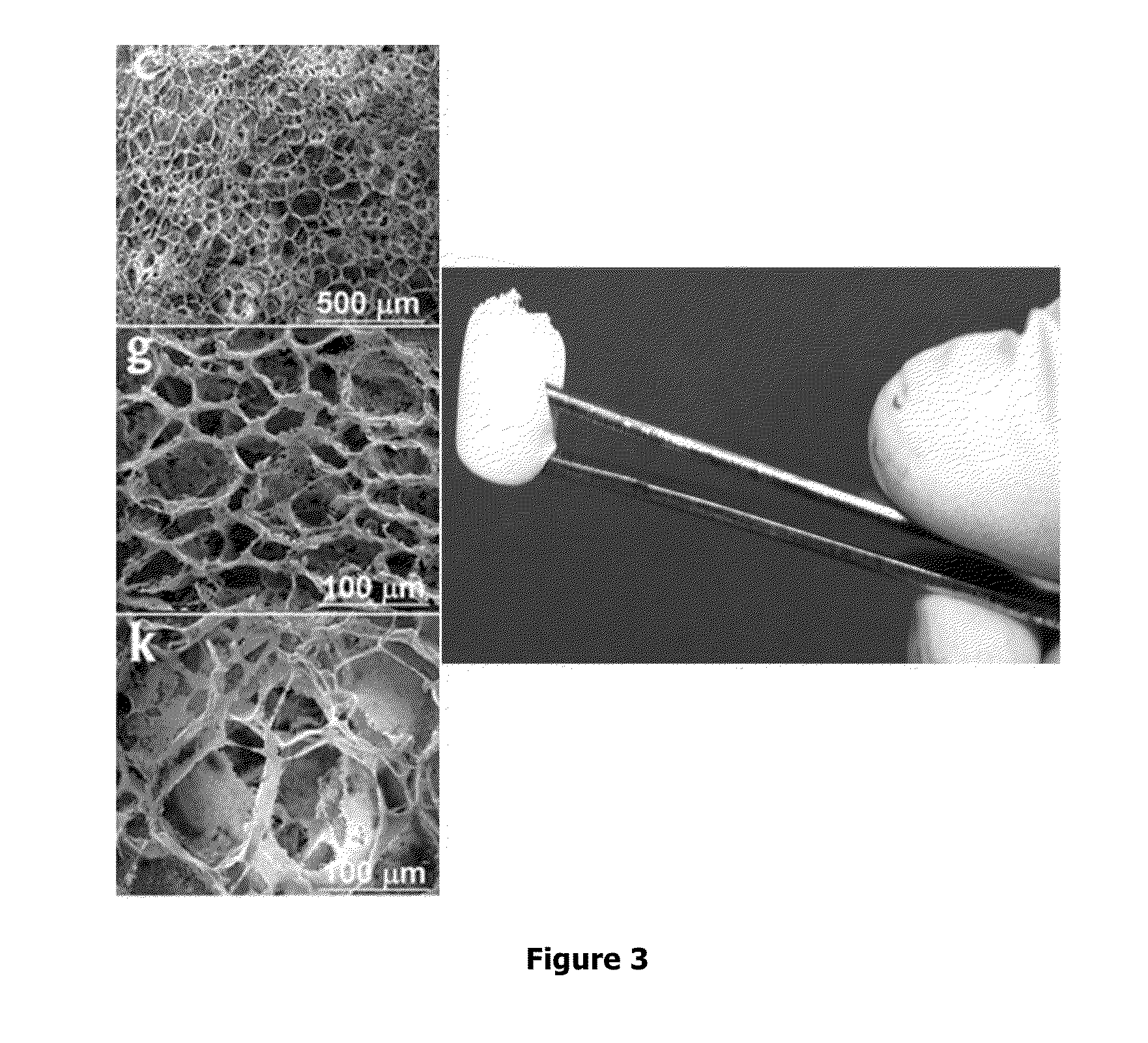
- A biocompatible and optionally biodegradable implant with controllable open interconnected macro porosity and a composite matrix of inorganic particles bound by a solid or porous organic polymer matrix, featuring a membrane that forms a single piece with the scaffold to prevent soft tissue and epithelial cell ingrowth, made from synthetic materials like chitin, chitosan, and biopolymers, allowing easy shaping and reducing the need for surgical membrane placement and removal.


Biodegradable bone fillers, membranes and scaffolds containing composite particles
PatentInactiveUS20140294913A1
Innovation
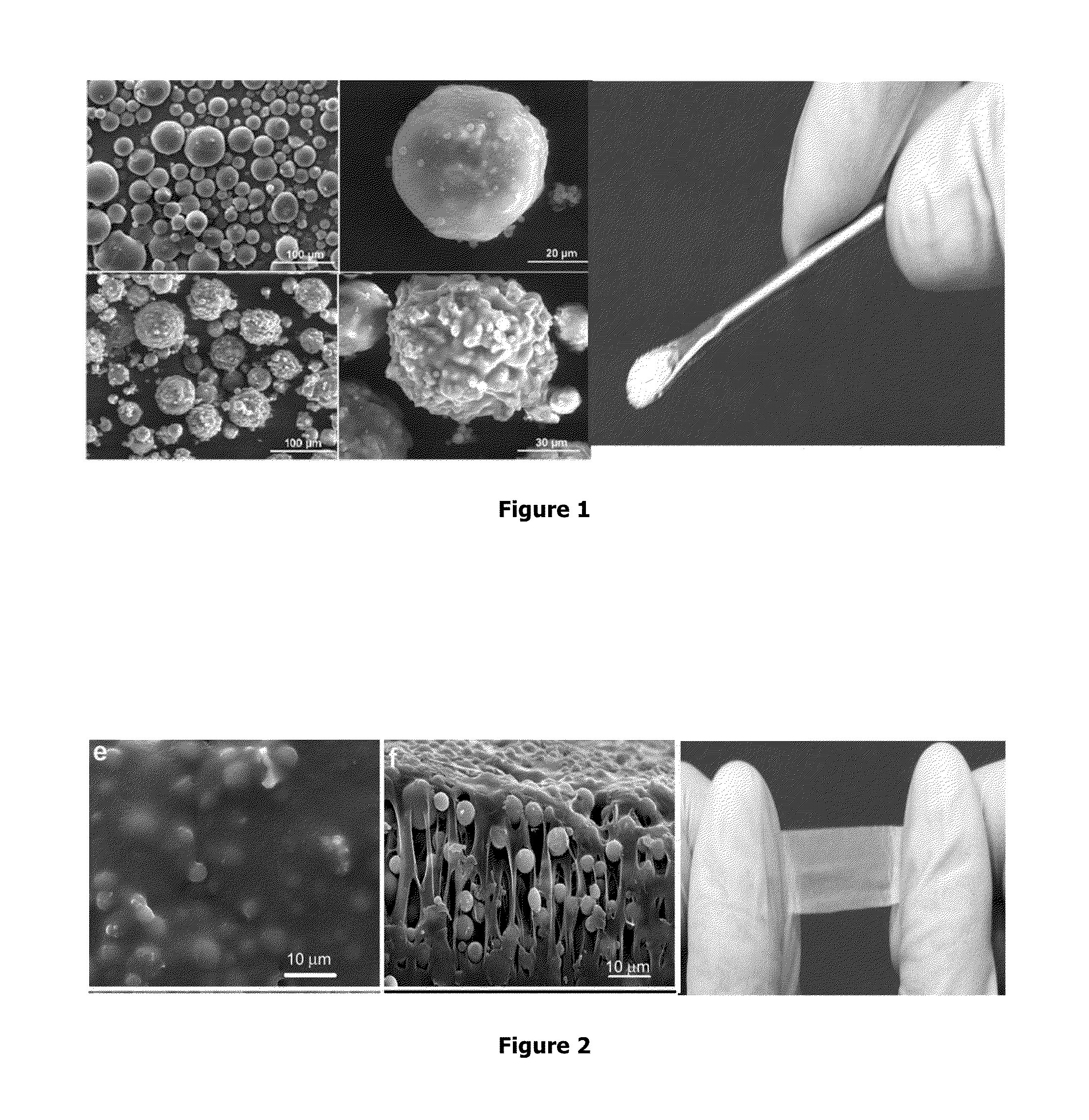
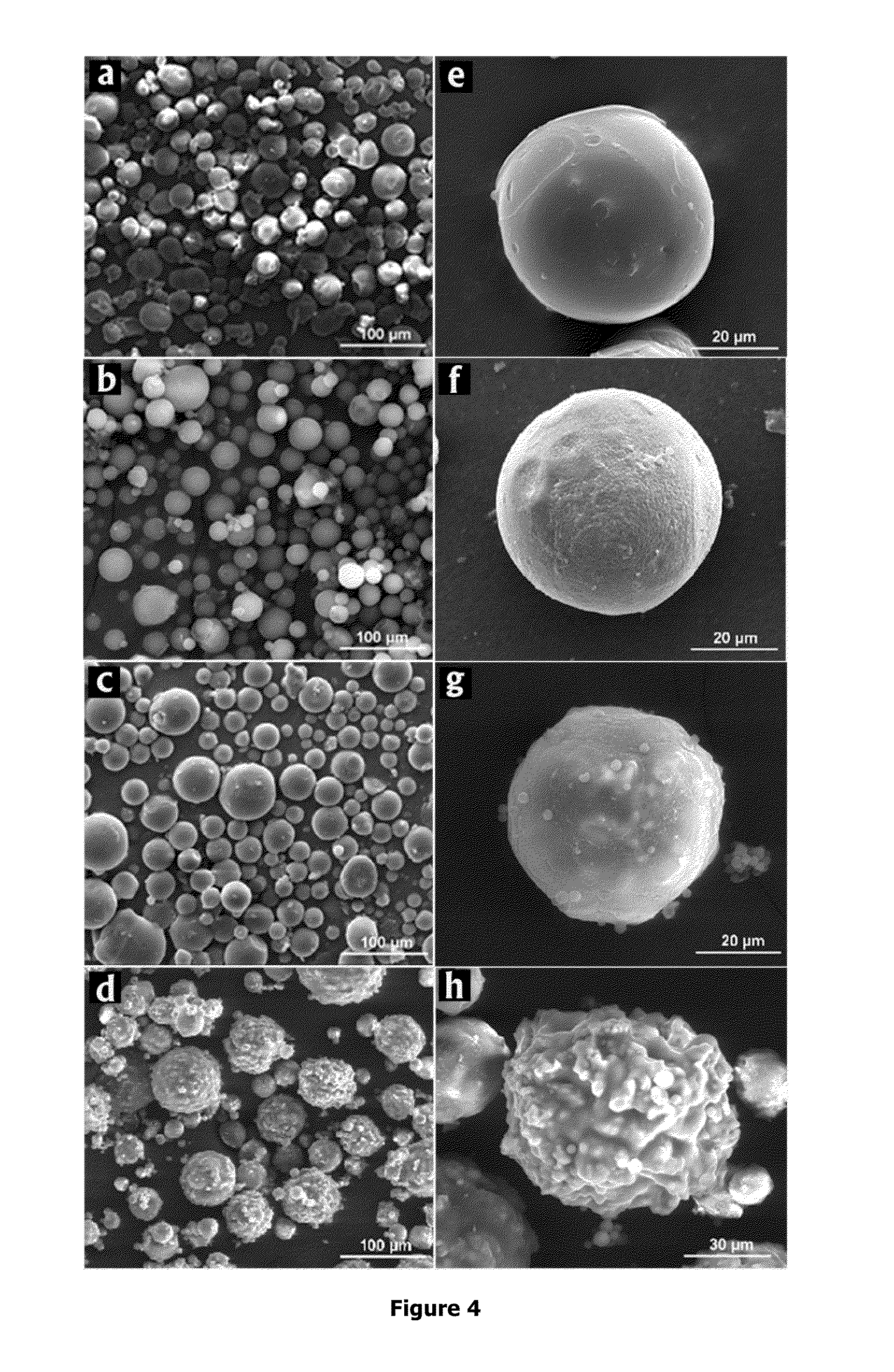
- Development of composite particles composed of biodegradable polymers like PCL and bioactive β-TCP/Gelatin, which are processed into various forms (particles, films, scaffolds) to provide osteoconductive support and controlled release of antibacterial or bioactive agents, enhancing bioactivity and mechanical properties without the need for porogens.

Regulatory Framework for Biodegradable Medical Implants
The regulatory landscape for biodegradable medical implants, particularly temporary bone scaffolds, represents a complex and evolving framework that significantly influences product development timelines and market entry strategies. In the United States, the Food and Drug Administration (FDA) classifies biodegradable bone scaffolds primarily as Class II or Class III medical devices, depending on their intended use and risk profile. The 510(k) premarket notification pathway is available for devices demonstrating substantial equivalence to predicate devices, while novel materials or applications typically require the more rigorous Premarket Approval (PMA) process, which demands extensive clinical data demonstrating safety and efficacy.
The European Union operates under the Medical Device Regulation (MDR 2017/745), which replaced the previous Medical Device Directive in 2021, establishing more stringent requirements for clinical evaluation and post-market surveillance. Biodegradable implants must undergo conformity assessment procedures conducted by Notified Bodies, with the classification ranging from Class IIb to Class III based on invasiveness and duration of contact with the body. The MDR emphasizes comprehensive technical documentation, including detailed characterization of degradation products and their biological impact.
In Asia, regulatory frameworks vary considerably across jurisdictions. China's National Medical Products Administration (NMPA) has implemented a classification system similar to international standards, requiring clinical trials conducted within China for most biodegradable implants. Japan's Pharmaceuticals and Medical Devices Agency (PMDA) offers the Sakigake designation for innovative medical devices, potentially accelerating approval timelines for breakthrough biodegradable scaffold technologies.
Critical regulatory considerations specific to biodegradable bone scaffolds include comprehensive biocompatibility testing according to ISO 10993 standards, detailed degradation kinetics documentation, and evidence of mechanical property maintenance throughout the healing period. Regulatory bodies increasingly require long-term follow-up data to monitor complete material resorption and assess potential chronic inflammatory responses. Harmonization efforts through the International Medical Device Regulators Forum (IMDRF) aim to streamline global regulatory requirements, though significant regional variations persist, necessitating tailored regulatory strategies for different markets.
The European Union operates under the Medical Device Regulation (MDR 2017/745), which replaced the previous Medical Device Directive in 2021, establishing more stringent requirements for clinical evaluation and post-market surveillance. Biodegradable implants must undergo conformity assessment procedures conducted by Notified Bodies, with the classification ranging from Class IIb to Class III based on invasiveness and duration of contact with the body. The MDR emphasizes comprehensive technical documentation, including detailed characterization of degradation products and their biological impact.
In Asia, regulatory frameworks vary considerably across jurisdictions. China's National Medical Products Administration (NMPA) has implemented a classification system similar to international standards, requiring clinical trials conducted within China for most biodegradable implants. Japan's Pharmaceuticals and Medical Devices Agency (PMDA) offers the Sakigake designation for innovative medical devices, potentially accelerating approval timelines for breakthrough biodegradable scaffold technologies.
Critical regulatory considerations specific to biodegradable bone scaffolds include comprehensive biocompatibility testing according to ISO 10993 standards, detailed degradation kinetics documentation, and evidence of mechanical property maintenance throughout the healing period. Regulatory bodies increasingly require long-term follow-up data to monitor complete material resorption and assess potential chronic inflammatory responses. Harmonization efforts through the International Medical Device Regulators Forum (IMDRF) aim to streamline global regulatory requirements, though significant regional variations persist, necessitating tailored regulatory strategies for different markets.
Biocompatibility and Safety Assessment Standards
The establishment of comprehensive biocompatibility and safety assessment standards represents a critical foundation for advancing biodegradable bone scaffold technologies toward clinical implementation. Current regulatory frameworks primarily reference ISO 10993 series standards, which provide systematic guidance for biological evaluation of medical devices. These standards encompass cytotoxicity testing, sensitization assessment, irritation evaluation, systemic toxicity analysis, and implantation studies. For temporary bone scaffolds, particular emphasis must be placed on degradation product toxicity, as the breakdown of polymeric materials generates byproducts that interact with surrounding tissues throughout the resorption process.
The complexity of biodegradable scaffold assessment necessitates multi-tiered evaluation protocols that extend beyond conventional biocompatibility testing. Initial in vitro assessments examine cellular responses including osteoblast adhesion, proliferation, and differentiation on scaffold surfaces. Subsequent in vivo studies in animal models evaluate tissue integration, inflammatory responses, and bone regeneration capacity over extended periods. Critical parameters include the absence of chronic inflammation, minimal fibrous encapsulation, and progressive replacement of scaffold material with native bone tissue.
Regulatory agencies worldwide have developed specific guidelines addressing biodegradable implants, with the FDA's guidance on absorbable materials and the European Medical Device Regulation providing detailed requirements. These frameworks mandate comprehensive characterization of degradation kinetics, mechanical property evolution, and biological responses throughout the scaffold lifecycle. Particular attention focuses on the correlation between material degradation rates and new bone formation rates, ensuring structural support remains adequate during the healing process.
Emerging assessment paradigms incorporate advanced methodologies such as high-resolution imaging techniques, biomechanical testing protocols, and molecular biomarker analysis to provide deeper insights into scaffold-tissue interactions. Standardization efforts continue to evolve, addressing challenges specific to patient-specific scaffolds, combination products incorporating growth factors, and next-generation materials with programmable degradation profiles. International harmonization initiatives aim to streamline approval pathways while maintaining rigorous safety standards, facilitating global market access for innovative bone scaffold technologies.
The complexity of biodegradable scaffold assessment necessitates multi-tiered evaluation protocols that extend beyond conventional biocompatibility testing. Initial in vitro assessments examine cellular responses including osteoblast adhesion, proliferation, and differentiation on scaffold surfaces. Subsequent in vivo studies in animal models evaluate tissue integration, inflammatory responses, and bone regeneration capacity over extended periods. Critical parameters include the absence of chronic inflammation, minimal fibrous encapsulation, and progressive replacement of scaffold material with native bone tissue.
Regulatory agencies worldwide have developed specific guidelines addressing biodegradable implants, with the FDA's guidance on absorbable materials and the European Medical Device Regulation providing detailed requirements. These frameworks mandate comprehensive characterization of degradation kinetics, mechanical property evolution, and biological responses throughout the scaffold lifecycle. Particular attention focuses on the correlation between material degradation rates and new bone formation rates, ensuring structural support remains adequate during the healing process.
Emerging assessment paradigms incorporate advanced methodologies such as high-resolution imaging techniques, biomechanical testing protocols, and molecular biomarker analysis to provide deeper insights into scaffold-tissue interactions. Standardization efforts continue to evolve, addressing challenges specific to patient-specific scaffolds, combination products incorporating growth factors, and next-generation materials with programmable degradation profiles. International harmonization initiatives aim to streamline approval pathways while maintaining rigorous safety standards, facilitating global market access for innovative bone scaffold technologies.
Unlock deeper insights with Patsnap Eureka Quick Research — get a full tech report to explore trends and direct your research. Try now!
Generate Your Research Report Instantly with AI Agent
Supercharge your innovation with Patsnap Eureka AI Agent Platform!