

Optimize Simulation-Driven Design for Manufacturing Processes
MAR 6, 20269 MIN READ
Generate Your Research Report Instantly with AI Agent
PatSnap Eureka helps you evaluate technical feasibility & market potential.
Simulation-Driven Manufacturing Design Background and Objectives
Simulation-driven design has emerged as a transformative paradigm in modern manufacturing, fundamentally altering how products are conceived, developed, and brought to market. This approach leverages advanced computational modeling and virtual prototyping to predict and optimize manufacturing outcomes before physical production begins. The evolution from traditional trial-and-error methodologies to sophisticated digital twins represents a significant leap in manufacturing efficiency and precision.
The historical trajectory of simulation-driven manufacturing design traces back to the early adoption of Computer-Aided Design (CAD) systems in the 1960s, progressing through finite element analysis in the 1970s, and culminating in today's integrated multi-physics simulation platforms. This evolution has been accelerated by exponential increases in computational power, advanced algorithms, and the proliferation of Industry 4.0 technologies including IoT sensors, machine learning, and cloud computing infrastructure.
Contemporary manufacturing faces unprecedented challenges including shortened product lifecycles, increased customization demands, sustainability requirements, and global supply chain complexities. Traditional design approaches often result in costly iterations, extended time-to-market, and suboptimal resource utilization. The integration of simulation technologies addresses these challenges by enabling virtual experimentation, predictive analytics, and data-driven decision making throughout the manufacturing value chain.
The primary objective of optimizing simulation-driven design for manufacturing processes centers on achieving seamless integration between virtual modeling and physical production systems. This encompasses developing robust predictive models that accurately represent real-world manufacturing conditions, establishing automated feedback loops between simulation results and process parameters, and creating adaptive systems capable of real-time optimization based on production data.
Key technical objectives include enhancing simulation accuracy through improved material models and process physics representation, reducing computational overhead to enable real-time decision support, and developing standardized frameworks for cross-platform simulation integration. Additionally, the optimization aims to establish comprehensive digital manufacturing ecosystems that support collaborative design, enable predictive maintenance, and facilitate continuous process improvement through machine learning algorithms and artificial intelligence integration.
The historical trajectory of simulation-driven manufacturing design traces back to the early adoption of Computer-Aided Design (CAD) systems in the 1960s, progressing through finite element analysis in the 1970s, and culminating in today's integrated multi-physics simulation platforms. This evolution has been accelerated by exponential increases in computational power, advanced algorithms, and the proliferation of Industry 4.0 technologies including IoT sensors, machine learning, and cloud computing infrastructure.
Contemporary manufacturing faces unprecedented challenges including shortened product lifecycles, increased customization demands, sustainability requirements, and global supply chain complexities. Traditional design approaches often result in costly iterations, extended time-to-market, and suboptimal resource utilization. The integration of simulation technologies addresses these challenges by enabling virtual experimentation, predictive analytics, and data-driven decision making throughout the manufacturing value chain.
The primary objective of optimizing simulation-driven design for manufacturing processes centers on achieving seamless integration between virtual modeling and physical production systems. This encompasses developing robust predictive models that accurately represent real-world manufacturing conditions, establishing automated feedback loops between simulation results and process parameters, and creating adaptive systems capable of real-time optimization based on production data.
Key technical objectives include enhancing simulation accuracy through improved material models and process physics representation, reducing computational overhead to enable real-time decision support, and developing standardized frameworks for cross-platform simulation integration. Additionally, the optimization aims to establish comprehensive digital manufacturing ecosystems that support collaborative design, enable predictive maintenance, and facilitate continuous process improvement through machine learning algorithms and artificial intelligence integration.
Market Demand for Optimized Manufacturing Simulation Solutions
The global manufacturing industry is experiencing unprecedented pressure to enhance operational efficiency, reduce production costs, and accelerate time-to-market while maintaining superior product quality. Traditional manufacturing approaches, heavily reliant on physical prototyping and trial-and-error methodologies, are increasingly inadequate for meeting these demanding requirements. This paradigm shift has created substantial market demand for advanced simulation-driven design solutions that can optimize manufacturing processes before physical implementation.
Manufacturing enterprises across automotive, aerospace, electronics, and consumer goods sectors are actively seeking comprehensive simulation platforms that integrate design optimization with manufacturing process modeling. The demand stems from the critical need to minimize material waste, reduce energy consumption, and eliminate costly production iterations. Companies require solutions that can accurately predict manufacturing outcomes, identify potential bottlenecks, and optimize process parameters in virtual environments.
The market appetite for these solutions is particularly strong among original equipment manufacturers facing complex supply chain challenges and sustainability mandates. Organizations are demanding simulation tools that can seamlessly integrate with existing computer-aided design systems while providing real-time optimization capabilities for diverse manufacturing processes including injection molding, additive manufacturing, machining, and assembly operations.
Small and medium-sized enterprises represent an emerging market segment with growing demand for accessible, cost-effective simulation solutions. These companies seek user-friendly platforms that do not require extensive specialized expertise but can deliver significant process improvements and competitive advantages. The democratization of simulation technology has become a key market driver.
Industry adoption is accelerated by regulatory pressures for environmental compliance and quality assurance. Manufacturing organizations require simulation solutions that can demonstrate process optimization results, validate regulatory compliance, and support continuous improvement initiatives. The market demand extends beyond traditional performance metrics to encompass sustainability indicators, carbon footprint reduction, and circular economy principles.
The convergence of artificial intelligence, machine learning, and high-performance computing has intensified market expectations for intelligent simulation platforms. Manufacturers demand solutions that can automatically optimize multiple process variables simultaneously, learn from historical production data, and provide predictive insights for future manufacturing scenarios. This technological evolution has created substantial market opportunities for advanced simulation-driven design solutions.
Manufacturing enterprises across automotive, aerospace, electronics, and consumer goods sectors are actively seeking comprehensive simulation platforms that integrate design optimization with manufacturing process modeling. The demand stems from the critical need to minimize material waste, reduce energy consumption, and eliminate costly production iterations. Companies require solutions that can accurately predict manufacturing outcomes, identify potential bottlenecks, and optimize process parameters in virtual environments.
The market appetite for these solutions is particularly strong among original equipment manufacturers facing complex supply chain challenges and sustainability mandates. Organizations are demanding simulation tools that can seamlessly integrate with existing computer-aided design systems while providing real-time optimization capabilities for diverse manufacturing processes including injection molding, additive manufacturing, machining, and assembly operations.
Small and medium-sized enterprises represent an emerging market segment with growing demand for accessible, cost-effective simulation solutions. These companies seek user-friendly platforms that do not require extensive specialized expertise but can deliver significant process improvements and competitive advantages. The democratization of simulation technology has become a key market driver.
Industry adoption is accelerated by regulatory pressures for environmental compliance and quality assurance. Manufacturing organizations require simulation solutions that can demonstrate process optimization results, validate regulatory compliance, and support continuous improvement initiatives. The market demand extends beyond traditional performance metrics to encompass sustainability indicators, carbon footprint reduction, and circular economy principles.
The convergence of artificial intelligence, machine learning, and high-performance computing has intensified market expectations for intelligent simulation platforms. Manufacturers demand solutions that can automatically optimize multiple process variables simultaneously, learn from historical production data, and provide predictive insights for future manufacturing scenarios. This technological evolution has created substantial market opportunities for advanced simulation-driven design solutions.
Current State and Challenges in Simulation-Driven Manufacturing
Simulation-driven manufacturing has emerged as a critical enabler for modern industrial production, yet its implementation faces significant technological and operational barriers. Current simulation technologies struggle with computational complexity when modeling multi-physics phenomena simultaneously, particularly in processes involving fluid dynamics, thermal management, and material deformation. The integration of real-time data streams with simulation models remains fragmented, creating delays between actual manufacturing conditions and virtual representations.
Manufacturing enterprises worldwide are experiencing a growing disconnect between simulation accuracy and production reality. Traditional finite element analysis and computational fluid dynamics tools often require extensive computational resources and specialized expertise, limiting their accessibility to smaller manufacturers. The lack of standardized data formats across different simulation platforms creates interoperability challenges, forcing companies to maintain multiple software ecosystems that rarely communicate effectively.
Validation and verification of simulation results against actual manufacturing outcomes present ongoing difficulties. Many organizations report confidence gaps in simulation predictions, particularly for complex processes like additive manufacturing, precision machining, and composite material processing. The time required for model calibration and parameter tuning often exceeds acceptable project timelines, reducing the practical value of simulation-driven approaches.
Real-time optimization capabilities remain underdeveloped in most commercial simulation platforms. Current systems typically operate in batch mode, preventing dynamic adjustment of manufacturing parameters based on evolving conditions. This limitation is particularly problematic for high-volume production environments where process variations can significantly impact quality and efficiency metrics.
The shortage of skilled personnel capable of bridging simulation technology with manufacturing expertise represents a critical human resource challenge. Many engineers lack the interdisciplinary knowledge required to effectively translate simulation insights into actionable manufacturing decisions. Additionally, the rapid evolution of simulation algorithms and hardware acceleration technologies creates continuous learning demands that strain organizational training resources.
Data quality and sensor integration issues further complicate simulation-driven manufacturing implementation. Inconsistent measurement protocols, sensor drift, and incomplete data coverage limit the accuracy of digital twins and predictive models. The challenge intensifies when attempting to correlate simulation predictions with quality control measurements across different production batches and environmental conditions.
Manufacturing enterprises worldwide are experiencing a growing disconnect between simulation accuracy and production reality. Traditional finite element analysis and computational fluid dynamics tools often require extensive computational resources and specialized expertise, limiting their accessibility to smaller manufacturers. The lack of standardized data formats across different simulation platforms creates interoperability challenges, forcing companies to maintain multiple software ecosystems that rarely communicate effectively.
Validation and verification of simulation results against actual manufacturing outcomes present ongoing difficulties. Many organizations report confidence gaps in simulation predictions, particularly for complex processes like additive manufacturing, precision machining, and composite material processing. The time required for model calibration and parameter tuning often exceeds acceptable project timelines, reducing the practical value of simulation-driven approaches.
Real-time optimization capabilities remain underdeveloped in most commercial simulation platforms. Current systems typically operate in batch mode, preventing dynamic adjustment of manufacturing parameters based on evolving conditions. This limitation is particularly problematic for high-volume production environments where process variations can significantly impact quality and efficiency metrics.
The shortage of skilled personnel capable of bridging simulation technology with manufacturing expertise represents a critical human resource challenge. Many engineers lack the interdisciplinary knowledge required to effectively translate simulation insights into actionable manufacturing decisions. Additionally, the rapid evolution of simulation algorithms and hardware acceleration technologies creates continuous learning demands that strain organizational training resources.
Data quality and sensor integration issues further complicate simulation-driven manufacturing implementation. Inconsistent measurement protocols, sensor drift, and incomplete data coverage limit the accuracy of digital twins and predictive models. The challenge intensifies when attempting to correlate simulation predictions with quality control measurements across different production batches and environmental conditions.
Existing Manufacturing Process Simulation Solutions
01 Computer-aided design and simulation integration for manufacturing optimization
Integration of computer-aided design (CAD) systems with simulation tools enables manufacturers to optimize production processes before physical implementation. These systems allow for virtual testing of manufacturing parameters, process flow analysis, and identification of potential bottlenecks. The simulation-driven approach helps reduce development time, minimize costs, and improve product quality by enabling iterative design refinement in a virtual environment.- Computer-aided design and simulation integration for manufacturing optimization: Integration of computer-aided design (CAD) systems with simulation tools enables manufacturers to optimize production processes before physical implementation. These systems allow for virtual testing of manufacturing parameters, process flow analysis, and identification of potential bottlenecks. The simulation-driven approach helps reduce development time, minimize costs, and improve product quality by enabling iterative design refinement in a virtual environment.
- Digital twin technology for real-time process monitoring and control: Digital twin implementations create virtual replicas of physical manufacturing processes that enable real-time monitoring, analysis, and optimization. These systems synchronize with actual production equipment to provide predictive insights, facilitate process adjustments, and support decision-making. The technology allows manufacturers to simulate various scenarios, predict outcomes, and implement corrective actions before issues affect production quality or efficiency.
- Finite element analysis and computational modeling for manufacturing process design: Advanced computational methods including finite element analysis are employed to simulate material behavior, stress distribution, and deformation during manufacturing processes. These analytical tools enable engineers to predict product performance, optimize tooling design, and validate manufacturing feasibility. The simulation capabilities support complex process planning including forming, machining, and assembly operations while reducing the need for physical prototyping.
- Additive manufacturing process simulation and optimization: Specialized simulation tools for additive manufacturing processes enable prediction of build quality, thermal behavior, and structural integrity. These systems model layer-by-layer material deposition, heat transfer, residual stress development, and part distortion. The simulation-driven approach helps optimize build parameters, support structure design, and material selection to achieve desired mechanical properties and dimensional accuracy in additively manufactured components.
- Multi-physics simulation for complex manufacturing systems: Comprehensive multi-physics simulation platforms integrate various physical phenomena including fluid dynamics, heat transfer, structural mechanics, and electromagnetic effects relevant to manufacturing processes. These integrated simulation environments enable holistic analysis of complex manufacturing operations, supporting optimization of process parameters across multiple domains. The approach facilitates understanding of coupled physical interactions and their impact on product quality and process efficiency.
02 Digital twin technology for real-time process monitoring and control
Digital twin implementations create virtual replicas of physical manufacturing processes that enable real-time monitoring, analysis, and optimization. These systems synchronize with actual production equipment to provide predictive insights, facilitate process adjustments, and support decision-making. The technology allows manufacturers to simulate various scenarios, predict outcomes, and implement corrective actions before issues affect production quality or efficiency.Expand Specific Solutions03 Finite element analysis and computational modeling for manufacturing process design
Advanced computational methods including finite element analysis are employed to simulate material behavior, stress distribution, and deformation during manufacturing processes. These analytical tools enable engineers to predict product performance, optimize tooling design, and validate manufacturing feasibility. The simulation capabilities support complex process planning including forming, machining, and assembly operations while reducing the need for physical prototyping.Expand Specific Solutions04 Additive manufacturing process simulation and optimization
Specialized simulation tools for additive manufacturing processes enable prediction of build quality, thermal behavior, and structural integrity. These systems model layer-by-layer material deposition, heat transfer, residual stress development, and potential defect formation. The simulation-driven approach allows optimization of build parameters, support structure design, and post-processing requirements to achieve desired part characteristics and minimize production failures.Expand Specific Solutions05 Multi-physics simulation for complex manufacturing systems
Comprehensive simulation platforms integrate multiple physical phenomena including thermal, mechanical, fluid dynamics, and electromagnetic effects to model complex manufacturing processes. These multi-physics approaches enable accurate prediction of process interactions, material transformations, and system behavior under various operating conditions. The integrated simulation environment supports holistic process design, troubleshooting, and continuous improvement initiatives across diverse manufacturing applications.Expand Specific Solutions
Key Players in Manufacturing Simulation Software Industry
The simulation-driven design optimization for manufacturing processes represents a rapidly maturing market experiencing significant growth across multiple industrial sectors. The competitive landscape is dominated by established technology giants including Siemens AG, ABB Ltd., and Rockwell Automation, who leverage decades of automation expertise to deliver comprehensive digital manufacturing solutions. Semiconductor equipment leaders like Applied Materials, Lam Research, and Tokyo Electron drive advanced process simulation capabilities, while automotive and aerospace manufacturers such as Volkswagen AG, Rolls-Royce, and MTU Aero Engines integrate these technologies into complex production workflows. The technology maturity varies significantly, with companies like Autodesk and Siemens Industry Software offering sophisticated simulation platforms, while emerging players like Nanotronics Imaging focus on AI-enhanced manufacturing analytics, indicating a market transitioning from traditional automation toward intelligent, predictive manufacturing systems.
Siemens AG
Technical Solution: Siemens provides comprehensive digital twin solutions through their Xcelerator portfolio, integrating NX CAD, Simcenter simulation, and Teamcenter PLM for end-to-end simulation-driven manufacturing optimization. Their approach combines multi-physics simulation with real-time manufacturing data to create closed-loop optimization systems. The platform enables virtual commissioning, process parameter optimization, and predictive maintenance through advanced simulation models that mirror actual production environments. Their solutions support industries from automotive to aerospace, providing scalable simulation frameworks that reduce physical prototyping costs by up to 30% while accelerating time-to-market.
Strengths: Market-leading integrated digital twin platform, extensive industry expertise, strong PLM integration. Weaknesses: High implementation costs, complex system integration requirements, steep learning curve for operators.
Applied Materials, Inc.
Technical Solution: Applied Materials leverages advanced process simulation and machine learning algorithms to optimize semiconductor manufacturing processes through their SEMVision platform and process control systems. Their simulation-driven approach integrates real-time sensor data with predictive models to optimize parameters like temperature, pressure, and chemical flow rates in real-time. The company's solutions include virtual metrology, advanced process control (APC), and fault detection systems that use simulation models to predict optimal process conditions. Their approach has demonstrated yield improvements of 5-15% in semiconductor fabrication while reducing process variation and defect rates through continuous simulation-based optimization.
Strengths: Deep semiconductor process expertise, advanced sensor integration, proven yield improvement results. Weaknesses: Limited to semiconductor industry applications, requires significant domain knowledge, high capital investment requirements.
Core Innovations in Simulation-Driven Design Optimization
Manufacturing process analysis and optimization system
PatentInactiveUS7672745B1
Innovation
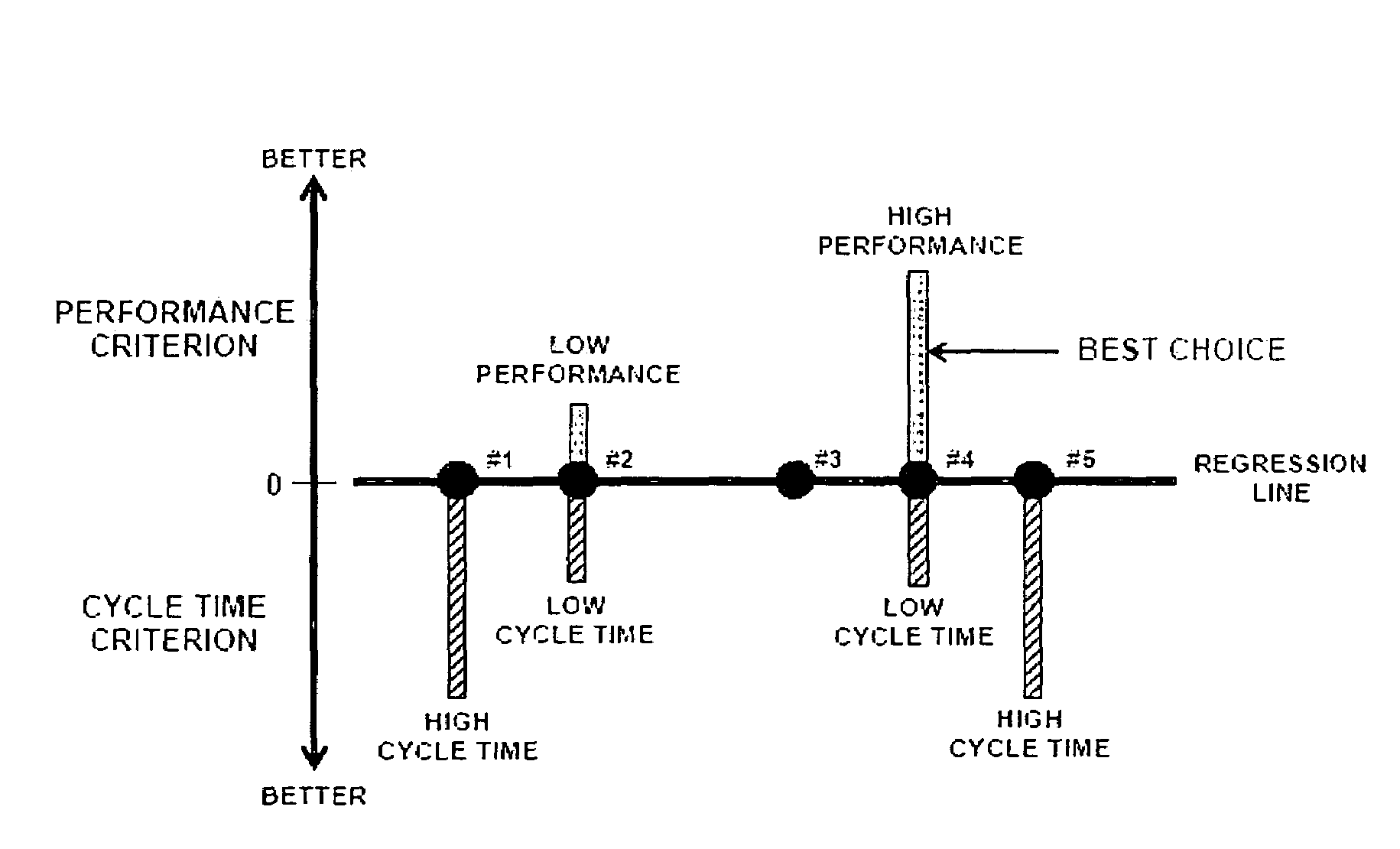
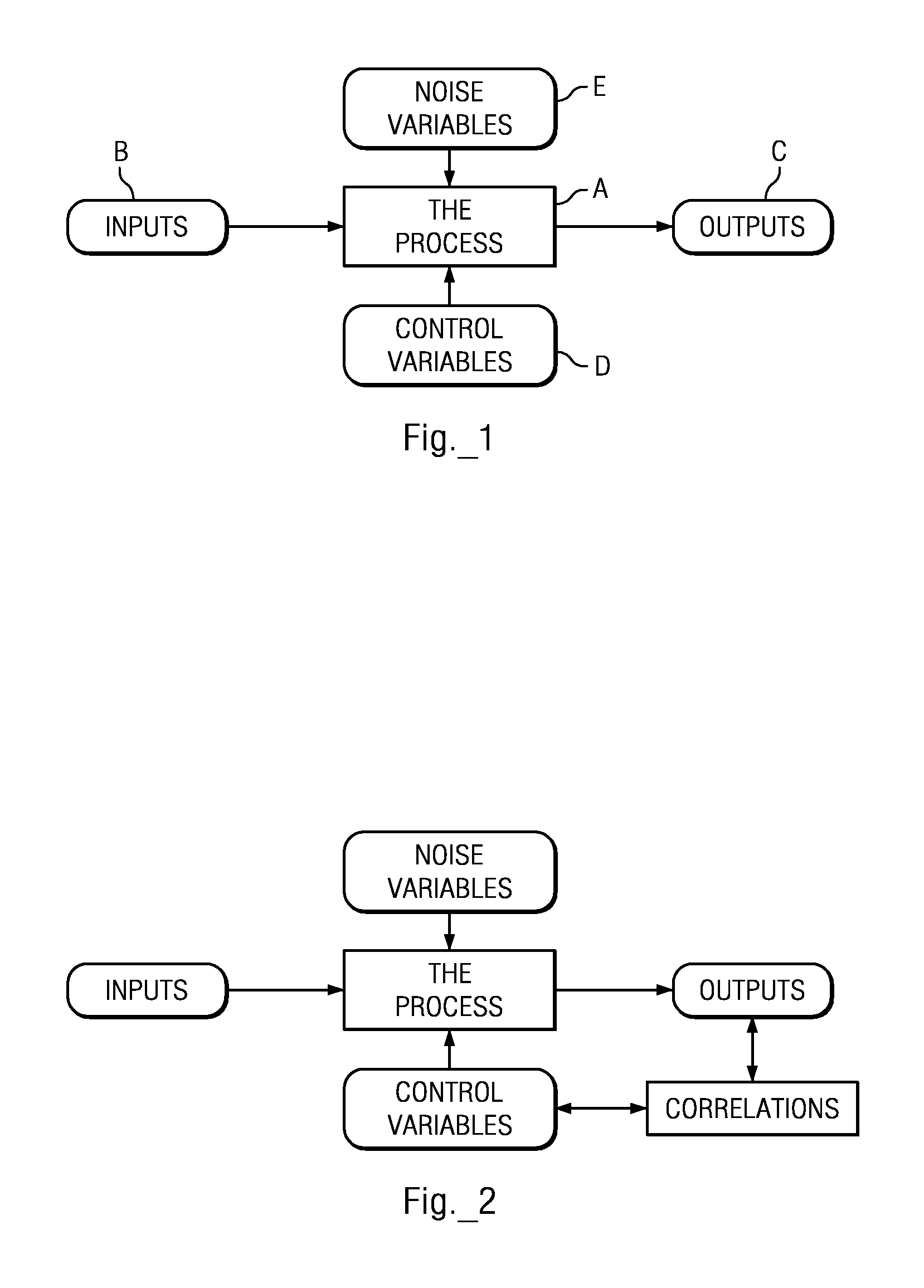
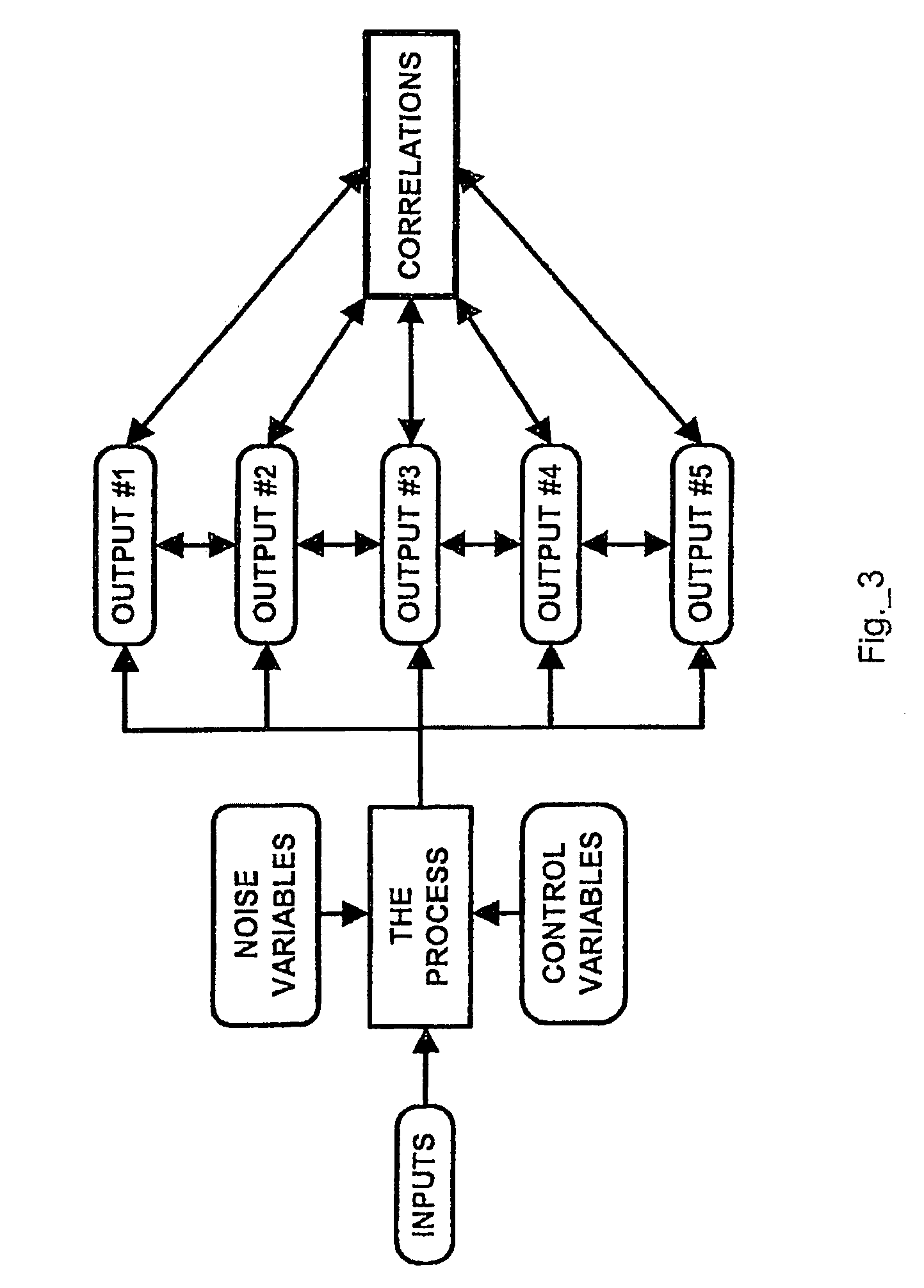
- A computer software application implementing decision-making and logic structures that utilize analytical and graphical techniques to analyze the relationships between article characteristics, predict process outcomes, and optimize manufacturing processes by identifying key control settings and reducing the number of measurements required, thereby facilitating the production of parts at design targets within specification limits.

Method for optimizing a manufacturing process
PatentPendingUS20250164980A1
Innovation
- A method that arranges a finite element method (FEM) simulation model, a microstructure model, and a material model in a closed loop for iterative simulations, determining thermomechanical parameters and predicting material properties based on process parameters and previous predicted material properties, thereby accounting for time-dependent microstructure history.


Digital Twin Implementation in Manufacturing Environments
Digital twin technology represents a paradigm shift in manufacturing environments, creating virtual replicas of physical systems that enable real-time monitoring, analysis, and optimization. This technology establishes bidirectional data flows between physical manufacturing assets and their digital counterparts, facilitating unprecedented levels of process visibility and control.
The implementation of digital twins in manufacturing environments requires sophisticated integration of Internet of Things sensors, edge computing devices, and cloud-based analytics platforms. These systems continuously collect operational data from production equipment, environmental conditions, and product quality metrics. The collected data feeds into high-fidelity virtual models that mirror the behavior and performance characteristics of their physical counterparts.
Manufacturing digital twins operate across multiple hierarchical levels, from individual machine components to entire production lines and factory ecosystems. Component-level twins monitor equipment health and predict maintenance requirements, while system-level implementations optimize workflow coordination and resource allocation. Enterprise-level digital twins provide strategic insights for capacity planning and supply chain optimization.
The technological foundation relies on advanced modeling techniques including finite element analysis, computational fluid dynamics, and machine learning algorithms. These methods enable accurate representation of complex manufacturing phenomena such as material deformation, thermal dynamics, and multi-physics interactions. Real-time synchronization mechanisms ensure that virtual models remain aligned with actual production conditions.
Implementation challenges include data standardization across heterogeneous manufacturing systems, latency management for time-critical operations, and cybersecurity considerations for connected industrial environments. Successful deployments require robust data governance frameworks and interoperability standards that facilitate seamless information exchange between operational technology and information technology systems.
The scalability of digital twin implementations depends on modular architectures that support incremental deployment and system expansion. Cloud-native platforms provide the computational resources necessary for complex simulations while edge computing ensures low-latency responses for critical control functions. This hybrid approach balances performance requirements with cost considerations in industrial environments.
The implementation of digital twins in manufacturing environments requires sophisticated integration of Internet of Things sensors, edge computing devices, and cloud-based analytics platforms. These systems continuously collect operational data from production equipment, environmental conditions, and product quality metrics. The collected data feeds into high-fidelity virtual models that mirror the behavior and performance characteristics of their physical counterparts.
Manufacturing digital twins operate across multiple hierarchical levels, from individual machine components to entire production lines and factory ecosystems. Component-level twins monitor equipment health and predict maintenance requirements, while system-level implementations optimize workflow coordination and resource allocation. Enterprise-level digital twins provide strategic insights for capacity planning and supply chain optimization.
The technological foundation relies on advanced modeling techniques including finite element analysis, computational fluid dynamics, and machine learning algorithms. These methods enable accurate representation of complex manufacturing phenomena such as material deformation, thermal dynamics, and multi-physics interactions. Real-time synchronization mechanisms ensure that virtual models remain aligned with actual production conditions.
Implementation challenges include data standardization across heterogeneous manufacturing systems, latency management for time-critical operations, and cybersecurity considerations for connected industrial environments. Successful deployments require robust data governance frameworks and interoperability standards that facilitate seamless information exchange between operational technology and information technology systems.
The scalability of digital twin implementations depends on modular architectures that support incremental deployment and system expansion. Cloud-native platforms provide the computational resources necessary for complex simulations while edge computing ensures low-latency responses for critical control functions. This hybrid approach balances performance requirements with cost considerations in industrial environments.
AI-Enhanced Simulation for Manufacturing Process Optimization
Artificial intelligence has emerged as a transformative force in manufacturing simulation, fundamentally reshaping how process optimization is approached and executed. The integration of AI technologies with traditional simulation methodologies represents a paradigm shift from reactive to predictive manufacturing strategies, enabling unprecedented levels of precision and efficiency in process design and optimization.
Machine learning algorithms, particularly deep learning networks and reinforcement learning systems, have demonstrated remarkable capabilities in processing vast amounts of manufacturing data to identify complex patterns and correlations that traditional analytical methods often miss. These AI-driven approaches can simultaneously analyze multiple process variables, material properties, environmental conditions, and equipment parameters to generate comprehensive optimization strategies.
Neural networks excel at capturing non-linear relationships between manufacturing parameters, enabling more accurate predictions of process outcomes. Convolutional neural networks have proven particularly effective in analyzing visual data from manufacturing processes, while recurrent neural networks demonstrate superior performance in time-series analysis of production sequences and quality control metrics.
Reinforcement learning algorithms offer dynamic optimization capabilities by continuously learning from process feedback and adjusting parameters in real-time. This approach enables adaptive manufacturing systems that can respond to changing conditions, material variations, and equipment degradation without human intervention, significantly reducing downtime and improving overall equipment effectiveness.
Digital twin technology, enhanced by AI capabilities, creates sophisticated virtual replicas of manufacturing processes that can predict performance, identify potential failures, and optimize parameters before physical implementation. These AI-powered digital twins incorporate real-time sensor data, historical performance records, and predictive analytics to provide comprehensive process insights.
Advanced optimization algorithms, including genetic algorithms and particle swarm optimization enhanced with machine learning capabilities, can explore vast solution spaces more efficiently than traditional methods. These hybrid approaches combine the exploratory power of evolutionary algorithms with the pattern recognition capabilities of AI to identify optimal manufacturing parameters across multiple objectives simultaneously.
The convergence of AI and simulation technologies enables predictive maintenance strategies, quality prediction systems, and autonomous process control mechanisms that significantly enhance manufacturing efficiency, reduce waste, and improve product quality while minimizing operational costs and environmental impact.
Machine learning algorithms, particularly deep learning networks and reinforcement learning systems, have demonstrated remarkable capabilities in processing vast amounts of manufacturing data to identify complex patterns and correlations that traditional analytical methods often miss. These AI-driven approaches can simultaneously analyze multiple process variables, material properties, environmental conditions, and equipment parameters to generate comprehensive optimization strategies.
Neural networks excel at capturing non-linear relationships between manufacturing parameters, enabling more accurate predictions of process outcomes. Convolutional neural networks have proven particularly effective in analyzing visual data from manufacturing processes, while recurrent neural networks demonstrate superior performance in time-series analysis of production sequences and quality control metrics.
Reinforcement learning algorithms offer dynamic optimization capabilities by continuously learning from process feedback and adjusting parameters in real-time. This approach enables adaptive manufacturing systems that can respond to changing conditions, material variations, and equipment degradation without human intervention, significantly reducing downtime and improving overall equipment effectiveness.
Digital twin technology, enhanced by AI capabilities, creates sophisticated virtual replicas of manufacturing processes that can predict performance, identify potential failures, and optimize parameters before physical implementation. These AI-powered digital twins incorporate real-time sensor data, historical performance records, and predictive analytics to provide comprehensive process insights.
Advanced optimization algorithms, including genetic algorithms and particle swarm optimization enhanced with machine learning capabilities, can explore vast solution spaces more efficiently than traditional methods. These hybrid approaches combine the exploratory power of evolutionary algorithms with the pattern recognition capabilities of AI to identify optimal manufacturing parameters across multiple objectives simultaneously.
The convergence of AI and simulation technologies enables predictive maintenance strategies, quality prediction systems, and autonomous process control mechanisms that significantly enhance manufacturing efficiency, reduce waste, and improve product quality while minimizing operational costs and environmental impact.
Unlock deeper insights with PatSnap Eureka Quick Research — get a full tech report to explore trends and direct your research. Try now!
Generate Your Research Report Instantly with AI Agent
Supercharge your innovation with PatSnap Eureka AI Agent Platform!