Optimize Tactile Sensing for Automated Quality Control
APR 11, 20269 MIN READ
Generate Your Research Report Instantly with AI Agent
PatSnap Eureka helps you evaluate technical feasibility & market potential.
Tactile Sensing Background and Quality Control Goals
Tactile sensing technology has emerged as a critical component in modern manufacturing and quality assurance systems, representing a significant evolution from traditional visual and auditory inspection methods. This technology enables machines to perceive and interpret physical properties through touch, mimicking human tactile capabilities but with enhanced precision and consistency. The development of tactile sensing systems has been driven by the increasing demand for automated quality control processes that can detect subtle defects, material inconsistencies, and dimensional variations that may be imperceptible to other sensing modalities.
The historical progression of tactile sensing began with simple pressure-sensitive devices in the 1970s and has evolved into sophisticated multi-modal sensing systems incorporating force, texture, temperature, and vibration detection capabilities. Early implementations focused primarily on robotic applications, but the technology has expanded significantly to encompass quality control applications across diverse industries including automotive, electronics, textiles, and medical device manufacturing.
Current technological objectives center on achieving human-level or superior tactile discrimination while maintaining the speed and reliability required for industrial automation. Key development goals include enhancing sensor sensitivity to detect micro-scale surface irregularities, improving spatial resolution for precise defect localization, and developing robust algorithms capable of real-time tactile data interpretation. Advanced tactile sensing systems now integrate multiple sensing principles, including piezoresistive, capacitive, and optical technologies, to create comprehensive tactile feedback mechanisms.
The primary quality control objectives driving tactile sensing optimization include achieving consistent product quality standards, reducing human error in inspection processes, and enabling 100% inspection capabilities in high-volume manufacturing environments. These systems aim to detect surface roughness variations, material hardness inconsistencies, dimensional deviations, and assembly defects that traditional automated inspection methods might miss. The technology seeks to bridge the gap between human tactile expertise and automated precision, ultimately enabling manufacturers to maintain stringent quality standards while improving production efficiency and reducing inspection costs.
The historical progression of tactile sensing began with simple pressure-sensitive devices in the 1970s and has evolved into sophisticated multi-modal sensing systems incorporating force, texture, temperature, and vibration detection capabilities. Early implementations focused primarily on robotic applications, but the technology has expanded significantly to encompass quality control applications across diverse industries including automotive, electronics, textiles, and medical device manufacturing.
Current technological objectives center on achieving human-level or superior tactile discrimination while maintaining the speed and reliability required for industrial automation. Key development goals include enhancing sensor sensitivity to detect micro-scale surface irregularities, improving spatial resolution for precise defect localization, and developing robust algorithms capable of real-time tactile data interpretation. Advanced tactile sensing systems now integrate multiple sensing principles, including piezoresistive, capacitive, and optical technologies, to create comprehensive tactile feedback mechanisms.
The primary quality control objectives driving tactile sensing optimization include achieving consistent product quality standards, reducing human error in inspection processes, and enabling 100% inspection capabilities in high-volume manufacturing environments. These systems aim to detect surface roughness variations, material hardness inconsistencies, dimensional deviations, and assembly defects that traditional automated inspection methods might miss. The technology seeks to bridge the gap between human tactile expertise and automated precision, ultimately enabling manufacturers to maintain stringent quality standards while improving production efficiency and reducing inspection costs.
Market Demand for Automated Tactile Quality Control
The global manufacturing industry is experiencing unprecedented pressure to enhance product quality while reducing inspection costs and cycle times. Traditional manual quality control processes, which rely heavily on human tactile assessment, are increasingly inadequate for meeting the demands of modern production environments. Industries ranging from automotive and aerospace to consumer electronics and medical devices require consistent, reliable, and scalable quality assurance solutions that can operate continuously without fatigue or subjective variation.
Manufacturing sectors are particularly driving demand for automated tactile quality control systems due to their need to detect surface defects, material inconsistencies, and assembly irregularities that visual inspection alone cannot identify. The automotive industry requires precise detection of surface roughness variations, paint quality assessment, and component fit verification. Electronics manufacturers need systems capable of identifying micro-level defects in circuit boards, connector assemblies, and housing materials that could affect product performance and longevity.
The pharmaceutical and medical device industries represent rapidly growing market segments for tactile sensing solutions. These sectors demand extremely high precision in detecting surface contamination, material hardness variations, and packaging integrity issues that could compromise product safety and regulatory compliance. Food processing industries similarly require automated systems capable of assessing texture, firmness, and surface quality of products while maintaining strict hygiene standards.
Current market dynamics indicate strong growth potential driven by labor shortages in skilled quality control positions and increasing regulatory requirements across multiple industries. Companies are actively seeking solutions that can provide consistent, documented, and traceable quality assessments while reducing dependency on human inspectors. The integration of tactile sensing with existing automated production lines presents significant opportunities for comprehensive quality management systems.
Emerging applications in additive manufacturing and advanced materials processing are creating new market segments requiring specialized tactile sensing capabilities. These industries need systems that can adapt to novel materials and complex geometries while maintaining high accuracy and reliability standards. The convergence of tactile sensing with artificial intelligence and machine learning technologies is expanding market opportunities by enabling predictive quality control and adaptive inspection protocols.
Manufacturing sectors are particularly driving demand for automated tactile quality control systems due to their need to detect surface defects, material inconsistencies, and assembly irregularities that visual inspection alone cannot identify. The automotive industry requires precise detection of surface roughness variations, paint quality assessment, and component fit verification. Electronics manufacturers need systems capable of identifying micro-level defects in circuit boards, connector assemblies, and housing materials that could affect product performance and longevity.
The pharmaceutical and medical device industries represent rapidly growing market segments for tactile sensing solutions. These sectors demand extremely high precision in detecting surface contamination, material hardness variations, and packaging integrity issues that could compromise product safety and regulatory compliance. Food processing industries similarly require automated systems capable of assessing texture, firmness, and surface quality of products while maintaining strict hygiene standards.
Current market dynamics indicate strong growth potential driven by labor shortages in skilled quality control positions and increasing regulatory requirements across multiple industries. Companies are actively seeking solutions that can provide consistent, documented, and traceable quality assessments while reducing dependency on human inspectors. The integration of tactile sensing with existing automated production lines presents significant opportunities for comprehensive quality management systems.
Emerging applications in additive manufacturing and advanced materials processing are creating new market segments requiring specialized tactile sensing capabilities. These industries need systems that can adapt to novel materials and complex geometries while maintaining high accuracy and reliability standards. The convergence of tactile sensing with artificial intelligence and machine learning technologies is expanding market opportunities by enabling predictive quality control and adaptive inspection protocols.
Current State and Challenges of Tactile Sensing Technology
Tactile sensing technology has experienced significant advancement over the past decade, evolving from basic pressure-sensitive systems to sophisticated multi-modal sensing platforms. Current implementations primarily utilize piezoresistive, capacitive, and piezoelectric sensing mechanisms, each offering distinct advantages for specific quality control applications. Piezoresistive sensors dominate industrial applications due to their robust performance and cost-effectiveness, while capacitive sensors provide superior sensitivity for detecting minute surface variations.
The global tactile sensing market for industrial automation has reached approximately $2.8 billion, with automated quality control representing nearly 35% of this segment. Leading manufacturers have successfully deployed tactile sensing systems in automotive component inspection, electronics assembly verification, and pharmaceutical packaging validation. These systems typically achieve detection accuracies of 95-98% for surface defects and dimensional variations within specified tolerances.
However, several critical challenges continue to impede widespread adoption and optimization. Sensor durability remains a primary concern, as repeated contact with diverse materials and environmental conditions leads to degradation in sensing accuracy over time. Current tactile sensors typically maintain optimal performance for 50,000-100,000 contact cycles before requiring recalibration or replacement, significantly limiting their cost-effectiveness in high-volume production environments.
Signal processing complexity presents another substantial obstacle. Raw tactile data often contains significant noise and requires sophisticated filtering algorithms to extract meaningful quality indicators. Real-time processing demands frequently exceed the computational capabilities of standard industrial control systems, necessitating specialized hardware that increases implementation costs by 40-60%.
Cross-contamination and hygiene requirements in food, pharmaceutical, and medical device manufacturing create additional constraints. Existing tactile sensors struggle to maintain sterility while preserving sensing accuracy, often requiring frequent cleaning protocols that interrupt production workflows. Material compatibility issues further complicate deployment, as many sensing materials are incompatible with aggressive cleaning agents or high-temperature sterilization processes.
Calibration and standardization challenges persist across different production environments. Tactile sensing systems require extensive calibration for each specific application, and maintaining consistent performance across multiple production lines or facilities remains problematic. The lack of industry-wide standards for tactile sensing in quality control applications creates interoperability issues and increases deployment complexity.
Temperature sensitivity and environmental stability continue to limit deployment in harsh industrial environments. Most current tactile sensors experience significant performance degradation when operating outside narrow temperature ranges, typically 15-35°C, restricting their application in foundries, chemical processing, or outdoor manufacturing facilities.
The global tactile sensing market for industrial automation has reached approximately $2.8 billion, with automated quality control representing nearly 35% of this segment. Leading manufacturers have successfully deployed tactile sensing systems in automotive component inspection, electronics assembly verification, and pharmaceutical packaging validation. These systems typically achieve detection accuracies of 95-98% for surface defects and dimensional variations within specified tolerances.
However, several critical challenges continue to impede widespread adoption and optimization. Sensor durability remains a primary concern, as repeated contact with diverse materials and environmental conditions leads to degradation in sensing accuracy over time. Current tactile sensors typically maintain optimal performance for 50,000-100,000 contact cycles before requiring recalibration or replacement, significantly limiting their cost-effectiveness in high-volume production environments.
Signal processing complexity presents another substantial obstacle. Raw tactile data often contains significant noise and requires sophisticated filtering algorithms to extract meaningful quality indicators. Real-time processing demands frequently exceed the computational capabilities of standard industrial control systems, necessitating specialized hardware that increases implementation costs by 40-60%.
Cross-contamination and hygiene requirements in food, pharmaceutical, and medical device manufacturing create additional constraints. Existing tactile sensors struggle to maintain sterility while preserving sensing accuracy, often requiring frequent cleaning protocols that interrupt production workflows. Material compatibility issues further complicate deployment, as many sensing materials are incompatible with aggressive cleaning agents or high-temperature sterilization processes.
Calibration and standardization challenges persist across different production environments. Tactile sensing systems require extensive calibration for each specific application, and maintaining consistent performance across multiple production lines or facilities remains problematic. The lack of industry-wide standards for tactile sensing in quality control applications creates interoperability issues and increases deployment complexity.
Temperature sensitivity and environmental stability continue to limit deployment in harsh industrial environments. Most current tactile sensors experience significant performance degradation when operating outside narrow temperature ranges, typically 15-35°C, restricting their application in foundries, chemical processing, or outdoor manufacturing facilities.
Current Tactile Sensing Solutions for Quality Control
01 Machine learning and AI-based tactile sensing optimization
Advanced algorithms including neural networks and machine learning models can be employed to process and optimize tactile sensor data. These methods enable improved pattern recognition, feature extraction, and adaptive calibration of tactile sensing systems. By training models on tactile data, the system can learn to distinguish between different textures, pressures, and contact conditions, leading to enhanced sensitivity and accuracy in tactile perception.- Machine learning and AI-based tactile sensing optimization: Advanced algorithms including neural networks and machine learning models can be employed to process and optimize tactile sensor data. These methods enable improved pattern recognition, feature extraction, and adaptive calibration of tactile sensing systems. By training models on tactile data, the system can learn to distinguish between different touch patterns, pressures, and textures with enhanced accuracy and reduced noise interference.
- Signal processing and filtering techniques for tactile data: Various signal processing methods can be applied to enhance the quality of tactile sensor outputs. These include noise reduction algorithms, adaptive filtering, frequency domain analysis, and signal amplification techniques. By implementing sophisticated processing pipelines, raw tactile data can be refined to provide more accurate and reliable touch information, improving the overall performance of tactile sensing systems.
- Sensor array configuration and spatial resolution enhancement: Optimization of tactile sensing can be achieved through strategic arrangement and design of sensor arrays. This includes increasing sensor density, implementing multi-layer sensing structures, and utilizing advanced electrode configurations. Enhanced spatial resolution allows for more precise localization of touch events and better discrimination of multiple simultaneous touch points, leading to improved tactile perception capabilities.
- Material selection and structural design for tactile sensors: The choice of sensing materials and structural architecture significantly impacts tactile sensing performance. This includes the use of piezoelectric materials, capacitive sensing layers, piezoresistive elements, and flexible substrates. Optimization involves selecting materials with appropriate sensitivity, durability, and response characteristics, as well as designing structures that maximize contact area and force transmission while maintaining flexibility and comfort.
- Calibration and compensation methods for tactile sensors: Systematic calibration procedures and compensation algorithms are essential for maintaining accurate tactile sensing over time and across varying environmental conditions. These methods address issues such as temperature drift, hysteresis, creep, and sensor aging. Implementation of real-time calibration routines and adaptive compensation techniques ensures consistent performance and extends the operational lifetime of tactile sensing systems.
02 Sensor array configuration and spatial resolution enhancement
Optimization of tactile sensing can be achieved through strategic arrangement and design of sensor arrays. This includes increasing the density of sensing elements, optimizing electrode patterns, and implementing multi-layer sensor structures. Enhanced spatial resolution allows for more precise localization of contact points and better discrimination of tactile features. The configuration may involve various geometries and distributions to maximize coverage while maintaining sensitivity.Expand Specific Solutions03 Signal processing and noise reduction techniques
Various signal processing methods can be applied to improve the quality of tactile sensor outputs. These include filtering algorithms, baseline correction, drift compensation, and noise cancellation techniques. By implementing advanced signal conditioning circuits and digital processing algorithms, the signal-to-noise ratio can be significantly improved. This optimization ensures more reliable detection of tactile events and reduces false positives in sensing applications.Expand Specific Solutions04 Material selection and structural design for sensitivity improvement
The choice of sensing materials and structural design plays a crucial role in tactile sensing optimization. This includes the use of piezoelectric materials, piezoresistive elements, capacitive structures, and flexible substrates. Optimization involves selecting materials with appropriate mechanical properties, electrical characteristics, and durability. The structural design may incorporate microstructures, compliant layers, or specific geometries that enhance the mechanical-to-electrical transduction efficiency.Expand Specific Solutions05 Calibration and adaptive compensation methods
Systematic calibration procedures and adaptive compensation algorithms are essential for maintaining optimal tactile sensing performance. These methods address issues such as sensor drift, temperature effects, hysteresis, and aging. Calibration may involve multi-point reference measurements, real-time adjustment of sensitivity parameters, and self-diagnostic routines. Adaptive algorithms can continuously monitor sensor performance and automatically adjust operating parameters to maintain accuracy over time and varying environmental conditions.Expand Specific Solutions
Key Players in Tactile Sensing and Automation Industry
The tactile sensing for automated quality control market represents an emerging yet rapidly evolving sector within industrial automation, currently in its growth phase with significant expansion potential driven by increasing demand for precision manufacturing and Industry 4.0 adoption. The market demonstrates substantial scale opportunities across automotive, electronics, and manufacturing industries, with established players like Toyota Motor Corp. and Toyota Central R&D Labs driving automotive applications, while technology leaders such as AAC Technologies, BOE Technology Group, and Harmonic Drive Systems advance sensor miniaturization and integration capabilities. Academic institutions including University of Tokyo, Tsinghua University, and Fraunhofer-Gesellschaft contribute foundational research, indicating strong innovation pipeline. Technology maturity varies significantly, with basic tactile sensors reaching commercial readiness while advanced AI-integrated systems from companies like Sanctuary Cognitive Systems remain in development phases, suggesting a fragmented but promising competitive landscape.
AAC Technologies Pte Ltd.
Technical Solution: AAC Technologies has developed advanced tactile sensing solutions for automated quality control applications, focusing on multi-modal sensor integration that combines force, vibration, and texture detection capabilities. Their technology utilizes piezoelectric and capacitive sensing elements to achieve high-resolution tactile feedback with response times under 1ms. The system incorporates machine learning algorithms for real-time defect detection and surface quality assessment, enabling automated inspection of electronic components, automotive parts, and consumer goods. Their tactile sensors can detect surface irregularities as small as 0.1μm and force variations down to 0.01N, making them suitable for precision manufacturing quality control processes.
Strengths: High precision detection capabilities, fast response times, proven track record in consumer electronics manufacturing. Weaknesses: Limited scalability for large industrial applications, higher cost compared to traditional inspection methods.
Harmonic Drive Systems, Inc.
Technical Solution: Harmonic Drive Systems has developed tactile sensing solutions integrated with their precision motion control systems for automated quality control applications. Their approach combines high-precision strain wave gearing with embedded force and torque sensors to provide tactile feedback during automated assembly and inspection processes. The system features sub-micron positioning accuracy with integrated tactile sensing capabilities that can detect contact forces ranging from 0.001N to 1000N. Their technology enables real-time quality assessment during manufacturing processes, particularly in robotics applications where precise force control and tactile feedback are critical for component assembly and surface inspection tasks.
Strengths: Excellent integration with precision motion systems, proven reliability in industrial applications, wide force sensing range. Weaknesses: Limited to applications requiring motion control integration, higher complexity for standalone tactile sensing needs.
Core Innovations in Advanced Tactile Sensing Patents
Tactile sensing method and system
PatentInactiveUS6990435B2
Innovation
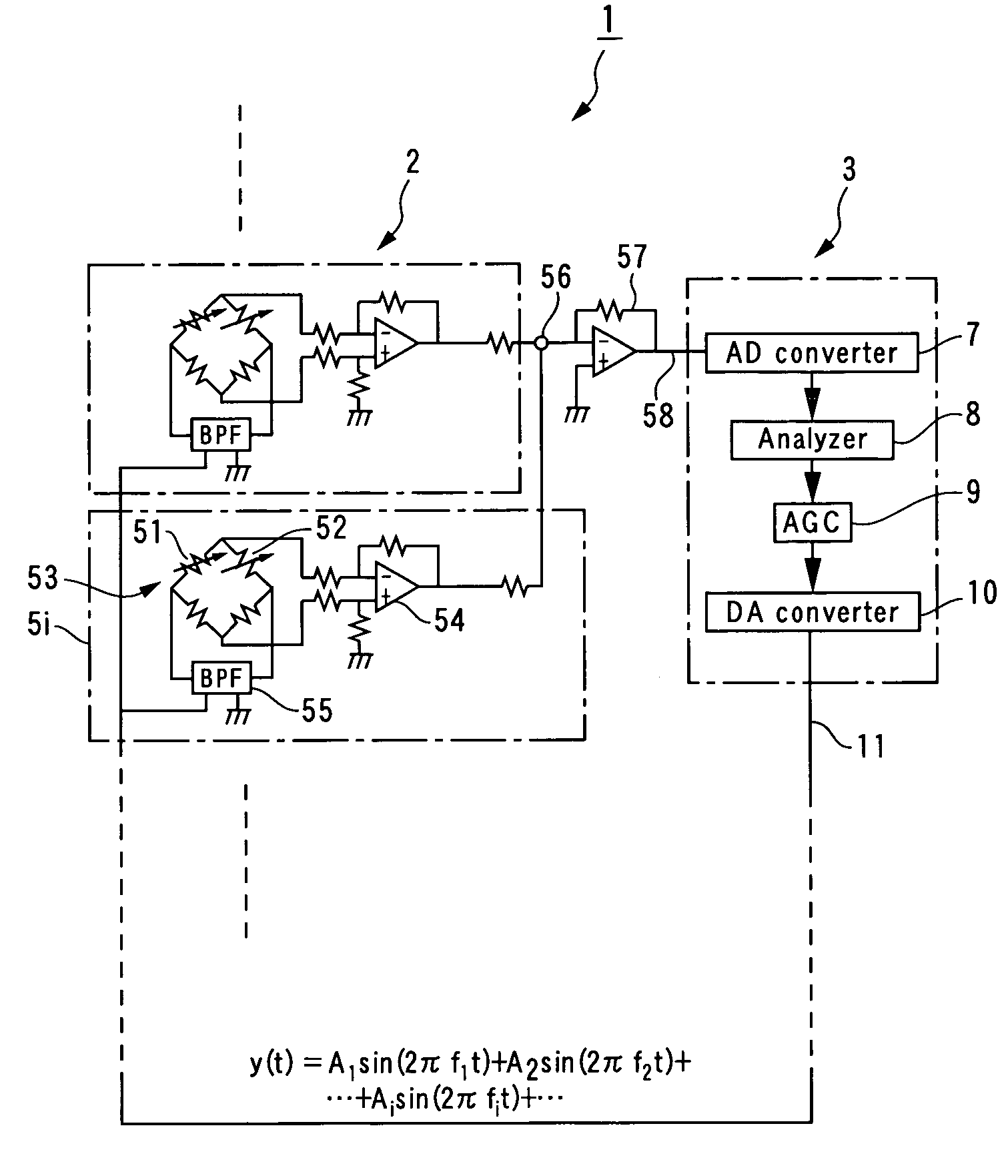
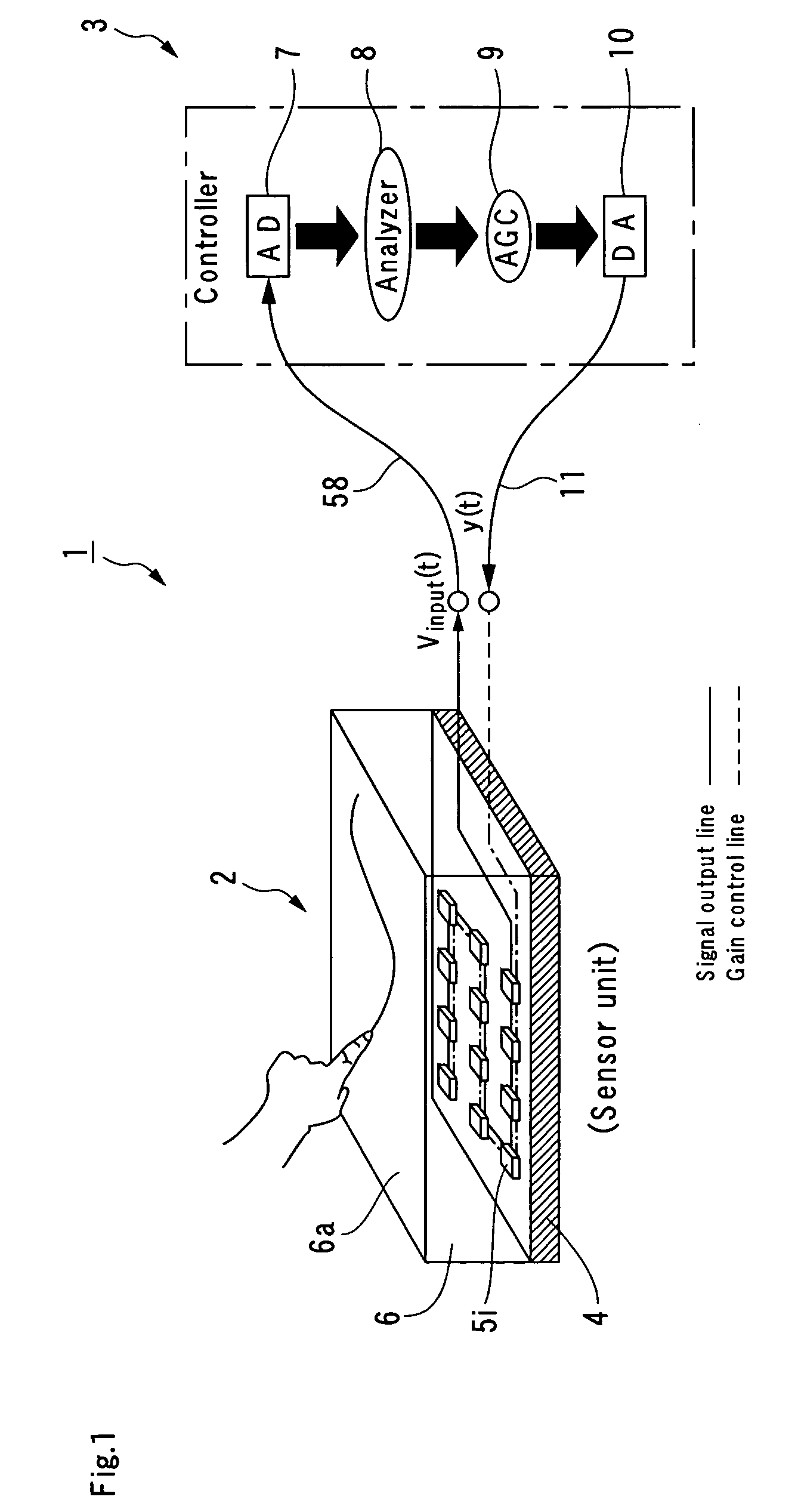
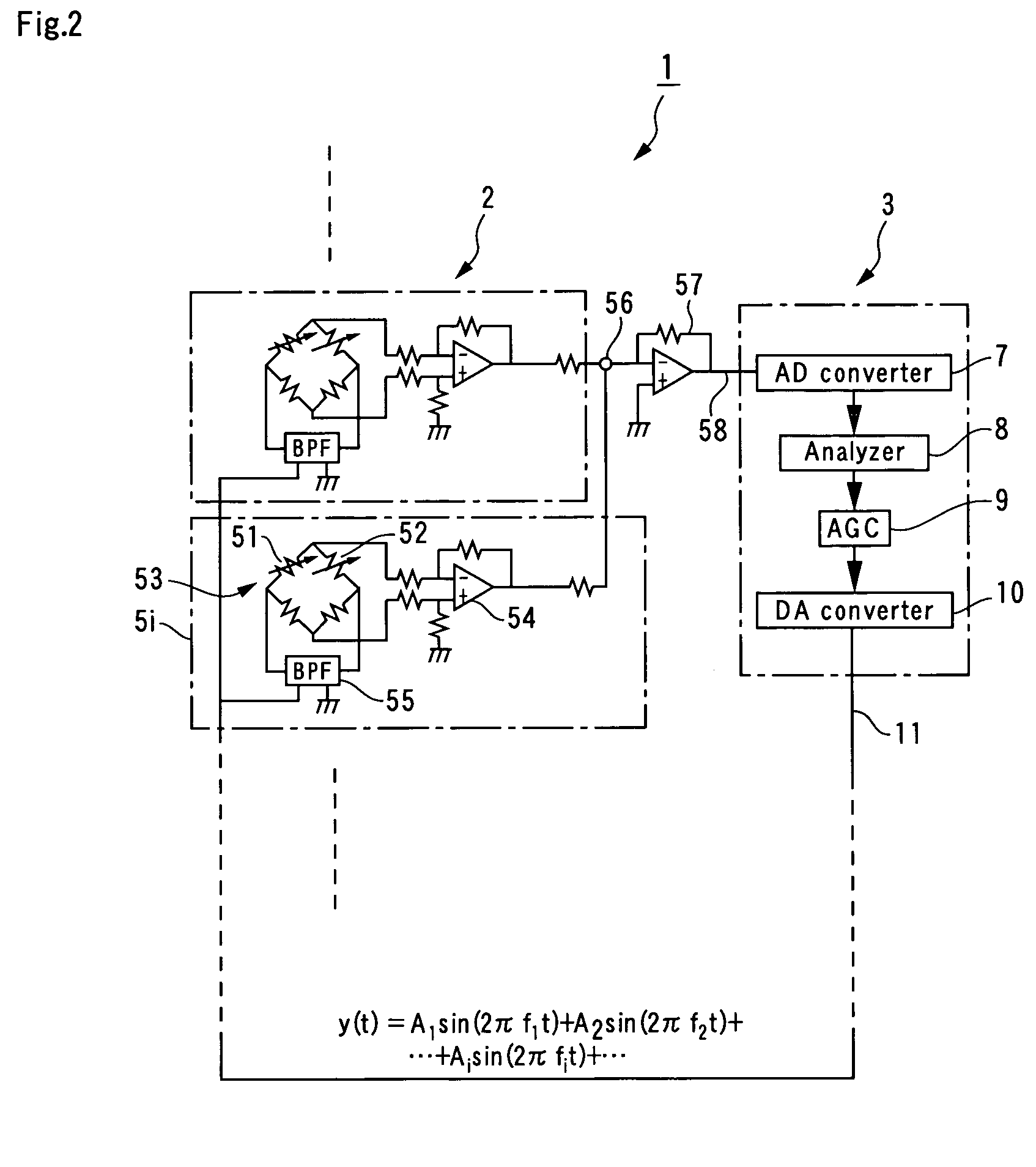
- A method and system that use bridge circuits with composite sine wave signals and automatic gain control to adjust the gain of each strain gauge individually, reducing wire count and maintaining signal strength within a fixed range, allowing for real-time measurement and prevention of saturation.

Tactile sense evaluation system, tactile sense evaluation method and program
PatentActiveJP2020197481A
Innovation
- A tactile evaluation system that combines image data acquisition, vibration information acquisition, and analysis using a tactile Mel filter bank to evaluate tactile sensations by dividing the evaluation into eccentricity and vibration confidence intervals, incorporating machine learning for estimation.


Industry Standards for Automated Quality Control
The standardization of automated quality control systems incorporating tactile sensing technologies has become increasingly critical as manufacturing industries pursue higher precision and reliability. Current industry standards primarily focus on establishing consistent measurement protocols, calibration procedures, and performance benchmarks that ensure tactile sensing systems deliver reproducible results across different manufacturing environments.
ISO 9001:2015 quality management standards provide the foundational framework for implementing tactile sensing in automated quality control, emphasizing process consistency and continuous improvement. Additionally, ISO 14253 series standards specifically address coordinate measuring systems and geometric product specifications, which directly apply to tactile sensing applications in dimensional quality control.
The International Electrotechnical Commission has developed IEC 61508 functional safety standards that govern the reliability requirements for automated systems, including tactile sensing equipment used in critical quality control applications. These standards mandate specific safety integrity levels and failure rate thresholds that tactile sensing systems must meet to ensure consistent performance in automated manufacturing environments.
ASTM International has established several relevant standards, including ASTM E2309 for determining measurement uncertainty in dimensional measurements, which directly impacts tactile sensing calibration protocols. The standard defines acceptable tolerance ranges and measurement repeatability requirements that tactile sensing systems must achieve to comply with industry quality benchmarks.
Emerging standards development focuses on establishing unified protocols for multi-modal sensing integration, where tactile sensors work alongside vision and acoustic systems. The IEEE 1451 series standards for smart transducers provide frameworks for sensor network communication and data standardization, enabling seamless integration of tactile sensing data into broader quality control systems.
Industry-specific standards vary significantly across sectors, with automotive industry following IATF 16949 requirements for advanced product quality planning, while aerospace applications adhere to AS9100 standards that demand higher precision and traceability levels. These sector-specific requirements influence tactile sensing system design and implementation protocols, necessitating customized approaches to meet varying quality control demands.
ISO 9001:2015 quality management standards provide the foundational framework for implementing tactile sensing in automated quality control, emphasizing process consistency and continuous improvement. Additionally, ISO 14253 series standards specifically address coordinate measuring systems and geometric product specifications, which directly apply to tactile sensing applications in dimensional quality control.
The International Electrotechnical Commission has developed IEC 61508 functional safety standards that govern the reliability requirements for automated systems, including tactile sensing equipment used in critical quality control applications. These standards mandate specific safety integrity levels and failure rate thresholds that tactile sensing systems must meet to ensure consistent performance in automated manufacturing environments.
ASTM International has established several relevant standards, including ASTM E2309 for determining measurement uncertainty in dimensional measurements, which directly impacts tactile sensing calibration protocols. The standard defines acceptable tolerance ranges and measurement repeatability requirements that tactile sensing systems must achieve to comply with industry quality benchmarks.
Emerging standards development focuses on establishing unified protocols for multi-modal sensing integration, where tactile sensors work alongside vision and acoustic systems. The IEEE 1451 series standards for smart transducers provide frameworks for sensor network communication and data standardization, enabling seamless integration of tactile sensing data into broader quality control systems.
Industry-specific standards vary significantly across sectors, with automotive industry following IATF 16949 requirements for advanced product quality planning, while aerospace applications adhere to AS9100 standards that demand higher precision and traceability levels. These sector-specific requirements influence tactile sensing system design and implementation protocols, necessitating customized approaches to meet varying quality control demands.
Integration Challenges in Manufacturing Environments
The integration of tactile sensing systems into existing manufacturing environments presents multifaceted challenges that extend beyond technical specifications. Manufacturing facilities typically operate with legacy equipment and established workflows, creating compatibility barriers that require careful navigation. The heterogeneous nature of industrial automation systems, with varying communication protocols, data formats, and control architectures, complicates the seamless incorporation of advanced tactile sensing technologies.
Physical integration constraints pose significant hurdles in manufacturing environments. Space limitations on production lines often restrict sensor placement options, while harsh operating conditions including temperature fluctuations, vibrations, electromagnetic interference, and exposure to chemicals can compromise sensor performance. The need to maintain production uptime creates additional pressure, as integration activities must be carefully scheduled to minimize disruptions to ongoing operations.
Data integration represents another critical challenge area. Tactile sensors generate substantial volumes of high-frequency data that must be processed, analyzed, and integrated with existing manufacturing execution systems and quality management platforms. The real-time nature of quality control decisions requires low-latency data processing capabilities, which may necessitate edge computing infrastructure upgrades or cloud connectivity enhancements.
Calibration and maintenance protocols must be established to ensure consistent sensor performance across different production environments and product variations. The dynamic nature of manufacturing processes, with frequent changeovers between product lines and varying material properties, demands adaptive calibration systems that can maintain accuracy without extensive manual intervention.
Human factors considerations also influence integration success. Operators and maintenance personnel require training on new tactile sensing systems, while existing quality control procedures may need modification to accommodate automated tactile feedback. The transition from traditional inspection methods to tactile sensing-based quality control often encounters resistance from experienced personnel accustomed to established practices.
Regulatory compliance adds another layer of complexity, particularly in industries with stringent quality standards such as automotive, aerospace, or medical device manufacturing. Integration strategies must ensure that tactile sensing systems meet relevant industry standards and maintain traceability requirements while enhancing rather than compromising existing quality assurance protocols.
Physical integration constraints pose significant hurdles in manufacturing environments. Space limitations on production lines often restrict sensor placement options, while harsh operating conditions including temperature fluctuations, vibrations, electromagnetic interference, and exposure to chemicals can compromise sensor performance. The need to maintain production uptime creates additional pressure, as integration activities must be carefully scheduled to minimize disruptions to ongoing operations.
Data integration represents another critical challenge area. Tactile sensors generate substantial volumes of high-frequency data that must be processed, analyzed, and integrated with existing manufacturing execution systems and quality management platforms. The real-time nature of quality control decisions requires low-latency data processing capabilities, which may necessitate edge computing infrastructure upgrades or cloud connectivity enhancements.
Calibration and maintenance protocols must be established to ensure consistent sensor performance across different production environments and product variations. The dynamic nature of manufacturing processes, with frequent changeovers between product lines and varying material properties, demands adaptive calibration systems that can maintain accuracy without extensive manual intervention.
Human factors considerations also influence integration success. Operators and maintenance personnel require training on new tactile sensing systems, while existing quality control procedures may need modification to accommodate automated tactile feedback. The transition from traditional inspection methods to tactile sensing-based quality control often encounters resistance from experienced personnel accustomed to established practices.
Regulatory compliance adds another layer of complexity, particularly in industries with stringent quality standards such as automotive, aerospace, or medical device manufacturing. Integration strategies must ensure that tactile sensing systems meet relevant industry standards and maintain traceability requirements while enhancing rather than compromising existing quality assurance protocols.
Unlock deeper insights with PatSnap Eureka Quick Research — get a full tech report to explore trends and direct your research. Try now!
Generate Your Research Report Instantly with AI Agent
Supercharge your innovation with PatSnap Eureka AI Agent Platform!