Optimizing Battery Life in Wireless Controller Systems
MAR 5, 20269 MIN READ
Generate Your Research Report Instantly with AI Agent
Patsnap Eureka helps you evaluate technical feasibility & market potential.
Wireless Controller Battery Optimization Background and Goals
Wireless controller systems have evolved significantly since their inception in the 1980s, transforming from simple infrared-based devices to sophisticated radio frequency systems supporting complex gaming experiences. The progression from wired to wireless controllers marked a pivotal shift in user interaction paradigms, enabling greater freedom of movement and enhanced gaming immersion. However, this technological advancement introduced the fundamental challenge of power management, as wireless controllers must balance performance capabilities with energy consumption constraints.
The historical development of wireless controllers reveals a consistent pattern of increasing functionality coupled with growing power demands. Early wireless controllers featured basic input mechanisms and simple communication protocols, consuming minimal power but offering limited capabilities. Modern wireless controllers integrate advanced features including haptic feedback, motion sensors, audio processing, LED lighting systems, and high-frequency communication protocols, significantly amplifying power consumption requirements.
Battery life optimization has emerged as a critical technical challenge directly impacting user experience and product competitiveness. Contemporary wireless controllers face the complex task of supporting multiple simultaneous functions while maintaining acceptable operational duration. The integration of features such as adaptive triggers, spatial audio processing, and real-time telemetry transmission creates substantial power draw, often resulting in operational periods of 6-12 hours under typical usage conditions.
The primary technical objectives for wireless controller battery optimization encompass multiple dimensions of system performance. Energy efficiency maximization represents the foundational goal, requiring optimization of both hardware components and software algorithms to minimize unnecessary power consumption. Communication protocol efficiency stands as another crucial objective, involving the development of intelligent transmission strategies that maintain reliable connectivity while reducing radio frequency power requirements.
Advanced power management strategies constitute essential technical targets, including dynamic frequency scaling, selective component activation, and predictive power allocation based on usage patterns. The implementation of intelligent sleep modes and rapid wake-up capabilities enables significant power savings during inactive periods without compromising user experience responsiveness.
Long-term sustainability objectives focus on extending overall battery lifespan through optimized charging algorithms and thermal management systems. These goals include minimizing battery degradation through controlled charging cycles and temperature regulation, ultimately reducing environmental impact and enhancing product longevity.
The convergence of these technical objectives aims to achieve wireless controllers capable of delivering 20-30 hours of continuous operation while maintaining full functionality, representing a significant advancement over current industry standards and establishing new benchmarks for portable gaming device performance.
The historical development of wireless controllers reveals a consistent pattern of increasing functionality coupled with growing power demands. Early wireless controllers featured basic input mechanisms and simple communication protocols, consuming minimal power but offering limited capabilities. Modern wireless controllers integrate advanced features including haptic feedback, motion sensors, audio processing, LED lighting systems, and high-frequency communication protocols, significantly amplifying power consumption requirements.
Battery life optimization has emerged as a critical technical challenge directly impacting user experience and product competitiveness. Contemporary wireless controllers face the complex task of supporting multiple simultaneous functions while maintaining acceptable operational duration. The integration of features such as adaptive triggers, spatial audio processing, and real-time telemetry transmission creates substantial power draw, often resulting in operational periods of 6-12 hours under typical usage conditions.
The primary technical objectives for wireless controller battery optimization encompass multiple dimensions of system performance. Energy efficiency maximization represents the foundational goal, requiring optimization of both hardware components and software algorithms to minimize unnecessary power consumption. Communication protocol efficiency stands as another crucial objective, involving the development of intelligent transmission strategies that maintain reliable connectivity while reducing radio frequency power requirements.
Advanced power management strategies constitute essential technical targets, including dynamic frequency scaling, selective component activation, and predictive power allocation based on usage patterns. The implementation of intelligent sleep modes and rapid wake-up capabilities enables significant power savings during inactive periods without compromising user experience responsiveness.
Long-term sustainability objectives focus on extending overall battery lifespan through optimized charging algorithms and thermal management systems. These goals include minimizing battery degradation through controlled charging cycles and temperature regulation, ultimately reducing environmental impact and enhancing product longevity.
The convergence of these technical objectives aims to achieve wireless controllers capable of delivering 20-30 hours of continuous operation while maintaining full functionality, representing a significant advancement over current industry standards and establishing new benchmarks for portable gaming device performance.
Market Demand for Extended Battery Life in Gaming Controllers
The gaming industry has experienced unprecedented growth over the past decade, with wireless gaming controllers becoming the dominant interface for console and PC gaming. This expansion has created substantial market demand for controllers with extended battery life, as gamers increasingly prioritize uninterrupted gaming experiences. The shift from wired to wireless peripherals has fundamentally altered consumer expectations, making battery performance a critical purchasing factor.
Consumer surveys consistently reveal that battery life ranks among the top three concerns when selecting wireless gaming controllers. Frequent charging interruptions disrupt gaming sessions, particularly during competitive multiplayer matches or extended single-player campaigns. This frustration has driven consumers to seek controllers that can sustain performance for extended periods, typically expecting minimum operational durations of 20-30 hours for standard gaming and 40+ hours for basic functionality.
The competitive gaming sector represents a particularly lucrative market segment demanding superior battery optimization. Professional esports players and enthusiasts require controllers that maintain consistent performance throughout tournaments and practice sessions. Battery degradation during critical moments can result in input lag, connection drops, or complete device failure, making reliability paramount in this high-stakes environment.
Mobile gaming's explosive growth has further amplified demand for efficient wireless controller solutions. As smartphones and tablets become primary gaming platforms, dedicated wireless controllers for mobile devices must balance compact form factors with extended battery life. This market segment values portability without sacrificing operational longevity, creating unique optimization challenges.
The premium gaming controller market has responded by positioning extended battery life as a key differentiator. Manufacturers increasingly market battery performance as a primary selling point, with some models featuring modular battery systems, rapid charging capabilities, and power management modes. This trend indicates strong consumer willingness to pay premium prices for superior battery optimization.
Enterprise and educational markets also contribute significant demand, particularly for controllers used in training simulations, educational gaming, and corporate team-building activities. These applications often require multiple controllers operating simultaneously for extended periods, making battery reliability essential for operational efficiency and cost management.
Consumer surveys consistently reveal that battery life ranks among the top three concerns when selecting wireless gaming controllers. Frequent charging interruptions disrupt gaming sessions, particularly during competitive multiplayer matches or extended single-player campaigns. This frustration has driven consumers to seek controllers that can sustain performance for extended periods, typically expecting minimum operational durations of 20-30 hours for standard gaming and 40+ hours for basic functionality.
The competitive gaming sector represents a particularly lucrative market segment demanding superior battery optimization. Professional esports players and enthusiasts require controllers that maintain consistent performance throughout tournaments and practice sessions. Battery degradation during critical moments can result in input lag, connection drops, or complete device failure, making reliability paramount in this high-stakes environment.
Mobile gaming's explosive growth has further amplified demand for efficient wireless controller solutions. As smartphones and tablets become primary gaming platforms, dedicated wireless controllers for mobile devices must balance compact form factors with extended battery life. This market segment values portability without sacrificing operational longevity, creating unique optimization challenges.
The premium gaming controller market has responded by positioning extended battery life as a key differentiator. Manufacturers increasingly market battery performance as a primary selling point, with some models featuring modular battery systems, rapid charging capabilities, and power management modes. This trend indicates strong consumer willingness to pay premium prices for superior battery optimization.
Enterprise and educational markets also contribute significant demand, particularly for controllers used in training simulations, educational gaming, and corporate team-building activities. These applications often require multiple controllers operating simultaneously for extended periods, making battery reliability essential for operational efficiency and cost management.
Current Battery Performance Challenges in Wireless Controllers
Wireless gaming controllers face significant battery performance challenges that directly impact user experience and device functionality. The most prevalent issue is rapid battery depletion during intensive gaming sessions, where power consumption can drain batteries within 8-12 hours of continuous use. This limitation stems from multiple power-hungry components operating simultaneously, including wireless communication modules, haptic feedback systems, LED indicators, and motion sensors.
Communication protocols represent a major power consumption bottleneck in current wireless controllers. Bluetooth connectivity, while offering reliable connection stability, requires constant power to maintain active links with gaming consoles or devices. The frequent data transmission for real-time input responsiveness creates continuous energy drain, particularly during fast-paced gaming scenarios where input frequency peaks significantly.
Haptic feedback systems and force feedback mechanisms consume substantial power resources, especially during games with intensive vibration effects. These mechanical actuators require high current draws to generate tactile sensations, leading to accelerated battery degradation. Similarly, RGB lighting systems and status indicators, while enhancing user experience, contribute to overall power consumption through continuous LED operation.
Motion sensing technologies, including gyroscopes and accelerometers, add another layer of power demand. These sensors must remain active to detect controller orientation and movement, creating persistent background power consumption even during periods of reduced gaming activity. The challenge intensifies with advanced controllers featuring multiple sensor arrays for enhanced motion detection capabilities.
Battery chemistry limitations further compound these challenges. Most wireless controllers rely on lithium-ion or alkaline batteries, which experience capacity degradation over time and temperature variations. Cold environments can reduce battery efficiency by up to 20%, while heat generated during extended gaming sessions accelerates chemical degradation processes.
Power management inefficiencies in current controller designs often lack sophisticated energy optimization algorithms. Many devices operate components at full power regardless of actual usage requirements, missing opportunities for dynamic power scaling based on gaming intensity or user behavior patterns. This results in unnecessary energy waste during low-activity periods or menu navigation.
The absence of standardized power consumption metrics across different controller manufacturers makes it difficult for consumers to make informed decisions about battery life expectations. This lack of transparency also hinders the development of industry-wide optimization standards and best practices for power management in wireless gaming peripherals.
Communication protocols represent a major power consumption bottleneck in current wireless controllers. Bluetooth connectivity, while offering reliable connection stability, requires constant power to maintain active links with gaming consoles or devices. The frequent data transmission for real-time input responsiveness creates continuous energy drain, particularly during fast-paced gaming scenarios where input frequency peaks significantly.
Haptic feedback systems and force feedback mechanisms consume substantial power resources, especially during games with intensive vibration effects. These mechanical actuators require high current draws to generate tactile sensations, leading to accelerated battery degradation. Similarly, RGB lighting systems and status indicators, while enhancing user experience, contribute to overall power consumption through continuous LED operation.
Motion sensing technologies, including gyroscopes and accelerometers, add another layer of power demand. These sensors must remain active to detect controller orientation and movement, creating persistent background power consumption even during periods of reduced gaming activity. The challenge intensifies with advanced controllers featuring multiple sensor arrays for enhanced motion detection capabilities.
Battery chemistry limitations further compound these challenges. Most wireless controllers rely on lithium-ion or alkaline batteries, which experience capacity degradation over time and temperature variations. Cold environments can reduce battery efficiency by up to 20%, while heat generated during extended gaming sessions accelerates chemical degradation processes.
Power management inefficiencies in current controller designs often lack sophisticated energy optimization algorithms. Many devices operate components at full power regardless of actual usage requirements, missing opportunities for dynamic power scaling based on gaming intensity or user behavior patterns. This results in unnecessary energy waste during low-activity periods or menu navigation.
The absence of standardized power consumption metrics across different controller manufacturers makes it difficult for consumers to make informed decisions about battery life expectations. This lack of transparency also hinders the development of industry-wide optimization standards and best practices for power management in wireless gaming peripherals.
Existing Power Optimization Solutions for Wireless Controllers
01 Battery management systems for life extension
Advanced battery management systems (BMS) can monitor and control various parameters such as voltage, current, temperature, and state of charge to optimize battery performance and extend operational life. These systems employ sophisticated algorithms to prevent overcharging, deep discharge, and thermal stress, which are primary factors in battery degradation. The management systems can also implement adaptive charging strategies and load balancing to maximize the lifespan of battery cells.- Battery management systems for life extension: Advanced battery management systems (BMS) can monitor and control various parameters such as voltage, current, temperature, and state of charge to optimize battery performance and extend operational life. These systems employ algorithms to prevent overcharging, deep discharge, and thermal stress, which are major factors in battery degradation. Smart charging protocols and cell balancing techniques are implemented to ensure uniform aging across battery cells and maximize the overall lifespan of the battery pack.
- Advanced electrode materials and compositions: The development of novel electrode materials with improved stability and conductivity can significantly enhance battery cycle life. These materials may include modified cathode and anode compositions, protective coatings, and additives that reduce degradation mechanisms such as electrolyte decomposition and structural changes during charge-discharge cycles. Surface treatments and nanostructured materials can also improve the interface between electrodes and electrolytes, leading to better long-term performance.
- Electrolyte formulation and additives: Optimized electrolyte compositions with specific additives can form stable solid electrolyte interphase layers and prevent unwanted side reactions that degrade battery performance over time. These formulations may include ionic liquids, polymer electrolytes, or enhanced liquid electrolytes with functional additives that improve thermal stability, ionic conductivity, and compatibility with electrode materials. The proper selection of solvents, salts, and additives is crucial for extending battery operational life.
- Thermal management and cooling systems: Effective thermal management is essential for maintaining optimal operating temperatures and preventing accelerated degradation due to heat exposure. Cooling systems may incorporate passive or active cooling methods, including heat sinks, liquid cooling circuits, phase change materials, and ventilation designs. Maintaining batteries within their ideal temperature range reduces stress on components and chemical reactions that lead to capacity fade and shortened lifespan.
- State of health monitoring and predictive algorithms: Implementation of diagnostic techniques and predictive algorithms enables real-time assessment of battery health and remaining useful life. These methods analyze parameters such as impedance, capacity fade, internal resistance, and voltage behavior to detect early signs of degradation. Machine learning and data analytics can predict failure modes and optimize usage patterns to extend battery life. Continuous monitoring allows for proactive maintenance and replacement strategies.
02 Advanced electrode materials and compositions
The development of novel electrode materials and optimized compositions can significantly improve battery cycle life and capacity retention. These materials may include modified cathode and anode structures, protective coatings, and additives that reduce degradation mechanisms. Enhanced electrode formulations can minimize structural changes during charge-discharge cycles, reduce side reactions, and improve ionic conductivity, all contributing to extended battery life.Expand Specific Solutions03 Thermal management and cooling systems
Effective thermal management is crucial for maintaining optimal battery operating temperatures and preventing accelerated degradation. Cooling systems and thermal regulation technologies help dissipate heat generated during charging and discharging cycles. Proper temperature control prevents thermal runaway, reduces electrolyte decomposition, and maintains consistent performance across varying environmental conditions, thereby extending overall battery life.Expand Specific Solutions04 State of health monitoring and predictive algorithms
Implementation of state of health monitoring systems with predictive algorithms enables real-time assessment of battery condition and remaining useful life. These technologies analyze historical usage patterns, degradation trends, and performance metrics to forecast battery behavior and optimize operational parameters. Predictive maintenance capabilities allow for proactive interventions before critical failures occur, maximizing the effective service life of battery systems.Expand Specific Solutions05 Charging protocols and cycle optimization
Optimized charging protocols and cycle management strategies can substantially reduce battery stress and extend operational lifetime. These approaches include multi-stage charging algorithms, pulse charging techniques, and adaptive charging rates based on battery condition and temperature. Proper charging management minimizes lithium plating, electrolyte degradation, and mechanical stress on electrode materials, resulting in improved cycle life and capacity retention over extended periods.Expand Specific Solutions
Key Players in Wireless Controller and Battery Technology Industry
The wireless controller battery optimization market represents a rapidly evolving competitive landscape driven by the proliferation of IoT devices and mobile gaming. The industry is in a growth phase with expanding market opportunities across consumer electronics, automotive, and industrial applications. Market leaders like Qualcomm and Samsung Electronics demonstrate mature power management technologies, while companies such as LG Energy Solution and Microsoft Technology Licensing drive advanced battery solutions and wireless protocols. The technology maturity varies significantly across players - established semiconductor giants like NXP Semiconductors and Qorvo possess sophisticated low-power RF solutions, whereas emerging companies like Butlr Technologies focus on specialized wireless sensing applications. Traditional electronics manufacturers including Siemens, Hitachi, and Sharp contribute established hardware expertise, while telecommunications leaders like T-Mobile and Ericsson provide connectivity infrastructure. The competitive dynamics reflect a convergence of battery technology, wireless communication protocols, and intelligent power management systems, with innovation concentrated among both established technology conglomerates and specialized component manufacturers targeting energy-efficient wireless controller implementations.
QUALCOMM, Inc.
Technical Solution: Qualcomm implements advanced power management through their Snapdragon processors featuring adaptive voltage scaling and dynamic frequency adjustment. Their Quick Charge technology enables rapid battery charging while maintaining thermal efficiency. The company utilizes machine learning algorithms to predict usage patterns and optimize power distribution across wireless controller components. Their Adreno GPU architecture includes fine-grained power gating capabilities, allowing individual processing units to be powered down when not in use. Additionally, Qualcomm's integrated connectivity solutions combine Wi-Fi, Bluetooth, and cellular radios with shared power management, reducing overall system power consumption by up to 30% compared to discrete solutions.
Strengths: Industry-leading power efficiency in mobile processors, comprehensive power management ecosystem. Weaknesses: Higher cost compared to generic solutions, dependency on proprietary technologies.
LG Energy Solution Ltd.
Technical Solution: LG Energy Solution focuses on advanced lithium-ion battery cell technology specifically designed for wireless applications. Their NCM (Nickel Cobalt Manganese) cathode chemistry provides high energy density while maintaining stable discharge characteristics for controller systems. The company has developed smart battery management systems (BMS) that monitor individual cell voltages, temperatures, and current flows in real-time. Their battery cells feature low self-discharge rates of less than 3% per month and support over 1000 charge cycles while retaining 80% capacity. LG's wireless charging compatible batteries include integrated coils and power management circuits that optimize charging efficiency and reduce heat generation during wireless power transfer.
Strengths: High energy density battery cells, proven reliability in consumer electronics, advanced BMS technology. Weaknesses: Limited focus on controller-specific applications, higher manufacturing costs.
Core Innovations in Low-Power Wireless Communication Protocols
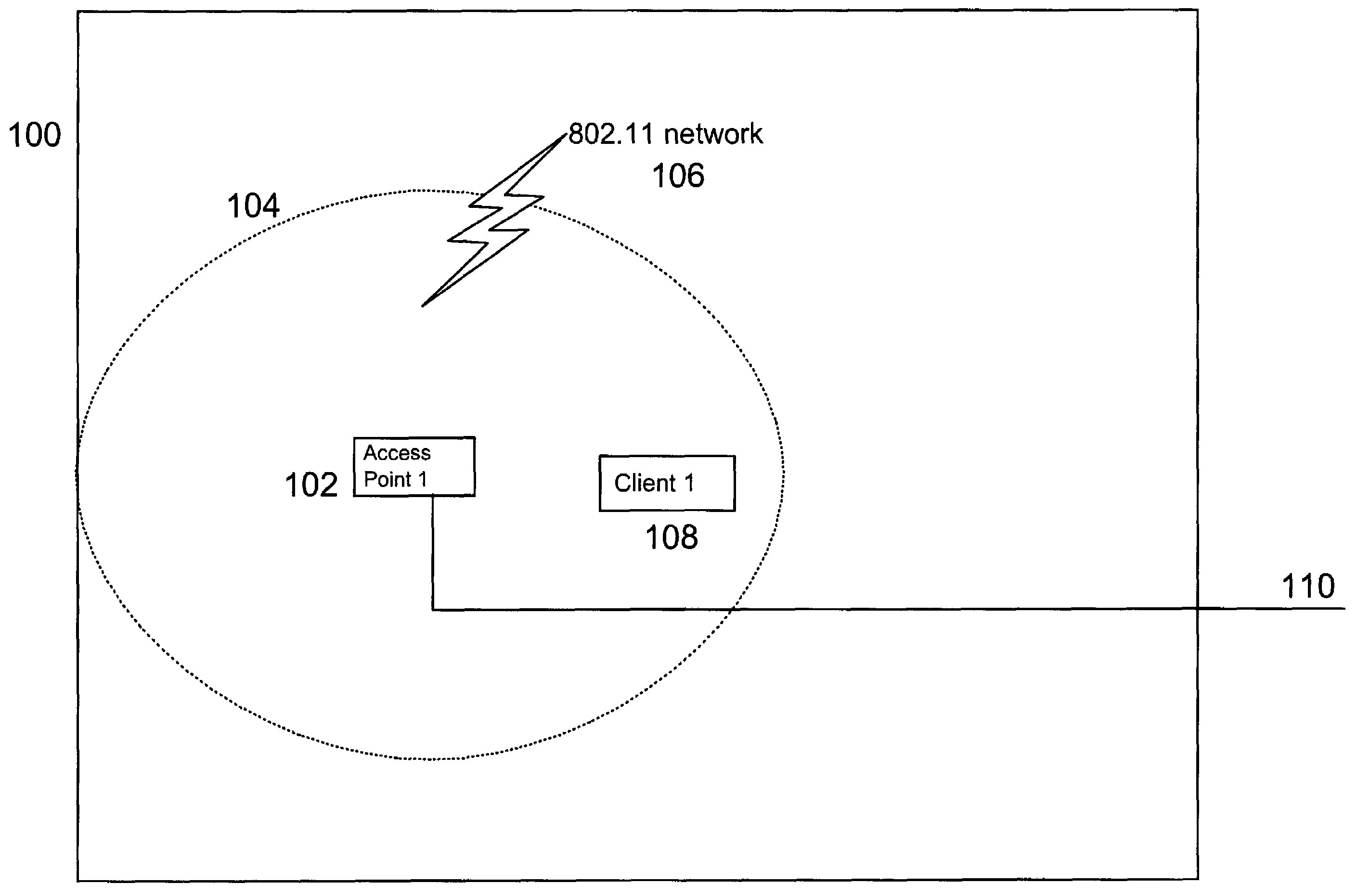
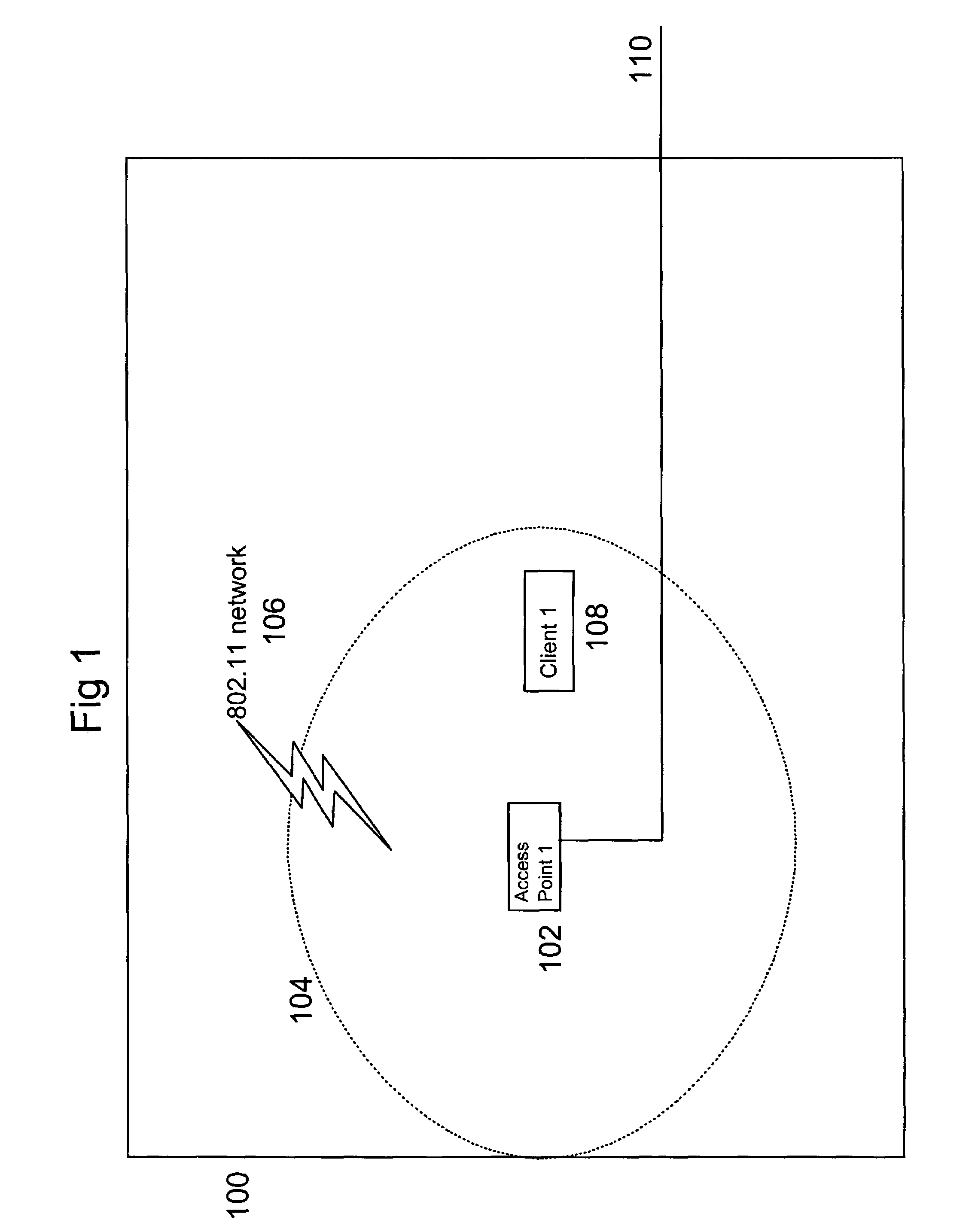
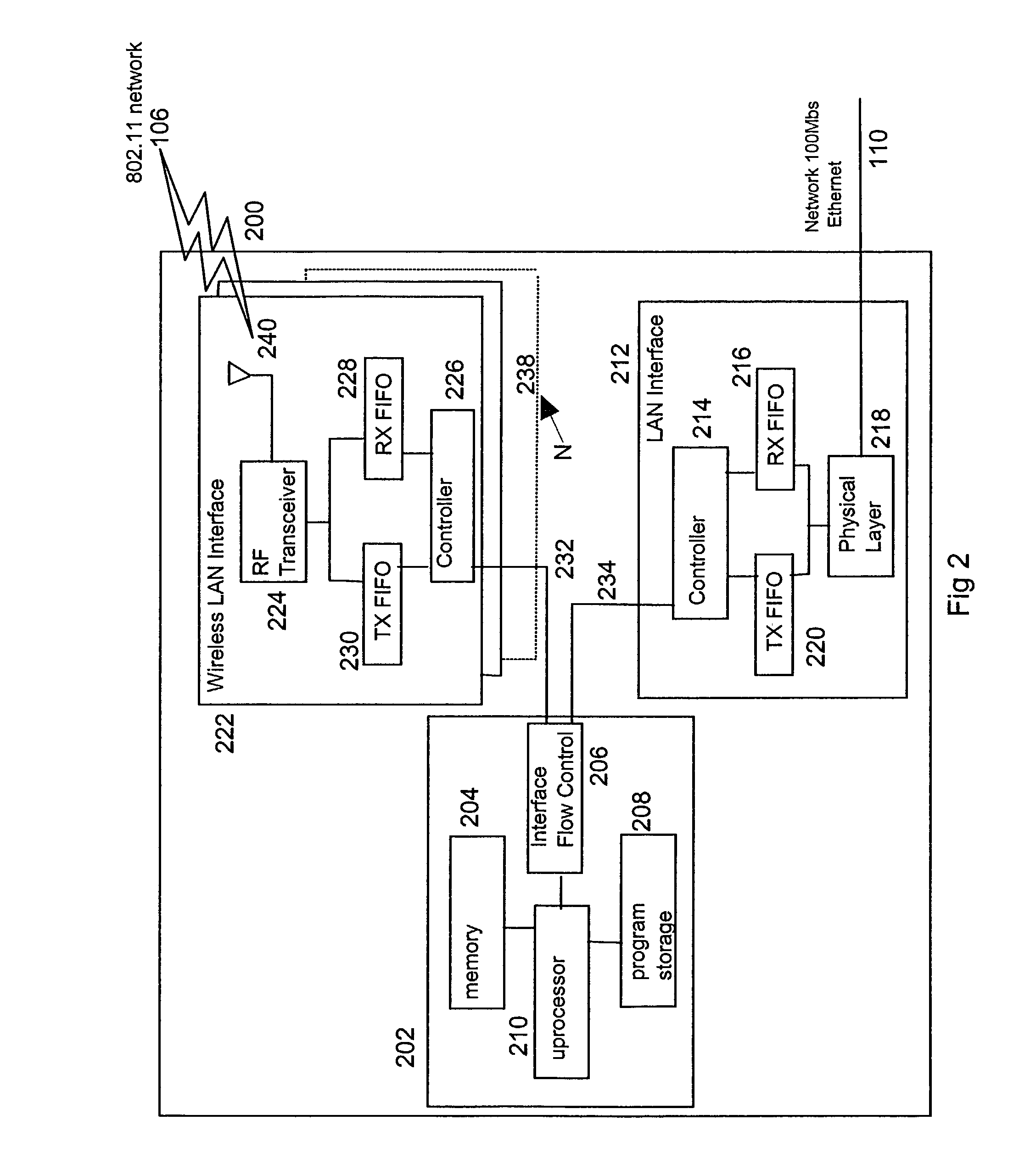
Apparatus, method and program to optimize battery life in a wireless device
PatentInactiveUS7003331B2
Innovation
- Implementing a dynamic adjustment of symbol rate and bits per symbol based on the power source, using three power rails (battery, DC, and Auxiliary) with a power type detector to manage power consumption without compromising throughput, by requesting lower symbol rates with higher bits per symbol when battery power is low and higher symbol rates with lower bits per symbol when power is sufficient.

Solenoid controls, systems, and methods of use for obtaining optimum battery life
PatentInactiveUS8619404B2
Innovation
- A controller with a control algorithm that divides the solenoid's operating time into zones, using peak-and-hold methods to optimize power delivery, monitoring battery voltage, and adjusting power consumption to minimize battery discharge, thereby extending battery life.


Environmental Regulations for Electronic Device Power Consumption
The regulatory landscape for electronic device power consumption has evolved significantly in response to growing environmental concerns and energy efficiency imperatives. Wireless controller systems, as ubiquitous consumer electronics, fall under increasingly stringent environmental regulations that directly impact battery optimization strategies and design considerations.
The European Union's Ecodesign Directive 2009/125/EC establishes comprehensive framework requirements for energy-related products, including wireless gaming peripherals. This directive mandates specific standby power consumption limits, typically restricting devices to consume no more than 0.5 watts in standby mode. For wireless controllers, this regulation necessitates sophisticated power management algorithms and hardware designs that can achieve ultra-low power states while maintaining connectivity readiness.
The Energy Star program, administered by the U.S. Environmental Protection Agency, provides voluntary certification standards that have become de facto industry requirements. Version 8.0 specifications for computer peripherals establish strict operational and sleep mode power consumption thresholds. Wireless controllers seeking Energy Star certification must demonstrate power consumption below 2.5 watts during active use and less than 1 watt during idle periods, driving manufacturers toward advanced battery optimization techniques.
California's Title 20 Appliance Efficiency Regulations represent some of the most stringent state-level requirements in North America. These regulations specifically address battery-powered devices, mandating automatic power-down features and establishing maximum allowable power consumption during various operational states. Compliance requires implementation of intelligent power management systems that can dynamically adjust performance based on usage patterns.
The Restriction of Hazardous Substances (RoHS) Directive 2011/65/EU, while primarily focused on material composition, indirectly influences battery optimization by restricting certain materials used in power management circuits. This regulation drives innovation toward alternative materials and circuit designs that may impact overall power efficiency and battery life optimization strategies.
China's National Standard GB 21520 for computer and peripheral energy efficiency establishes mandatory requirements for electronic devices sold in the Chinese market. These standards include specific provisions for wireless input devices, requiring automatic sleep functionality and defining maximum power consumption limits across different operational modes, compelling manufacturers to prioritize battery life optimization in their design processes.
The European Union's Ecodesign Directive 2009/125/EC establishes comprehensive framework requirements for energy-related products, including wireless gaming peripherals. This directive mandates specific standby power consumption limits, typically restricting devices to consume no more than 0.5 watts in standby mode. For wireless controllers, this regulation necessitates sophisticated power management algorithms and hardware designs that can achieve ultra-low power states while maintaining connectivity readiness.
The Energy Star program, administered by the U.S. Environmental Protection Agency, provides voluntary certification standards that have become de facto industry requirements. Version 8.0 specifications for computer peripherals establish strict operational and sleep mode power consumption thresholds. Wireless controllers seeking Energy Star certification must demonstrate power consumption below 2.5 watts during active use and less than 1 watt during idle periods, driving manufacturers toward advanced battery optimization techniques.
California's Title 20 Appliance Efficiency Regulations represent some of the most stringent state-level requirements in North America. These regulations specifically address battery-powered devices, mandating automatic power-down features and establishing maximum allowable power consumption during various operational states. Compliance requires implementation of intelligent power management systems that can dynamically adjust performance based on usage patterns.
The Restriction of Hazardous Substances (RoHS) Directive 2011/65/EU, while primarily focused on material composition, indirectly influences battery optimization by restricting certain materials used in power management circuits. This regulation drives innovation toward alternative materials and circuit designs that may impact overall power efficiency and battery life optimization strategies.
China's National Standard GB 21520 for computer and peripheral energy efficiency establishes mandatory requirements for electronic devices sold in the Chinese market. These standards include specific provisions for wireless input devices, requiring automatic sleep functionality and defining maximum power consumption limits across different operational modes, compelling manufacturers to prioritize battery life optimization in their design processes.
User Experience Impact of Battery Performance in Gaming Systems
Battery performance fundamentally shapes the gaming experience across multiple dimensions, creating a complex relationship between hardware limitations and user satisfaction. When wireless controllers experience declining battery life, players encounter increasingly frequent interruptions that disrupt gameplay flow and immersion. These interruptions manifest as sudden disconnections during critical gaming moments, forced pauses for charging, or the inconvenience of switching to backup controllers mid-session.
The psychological impact of battery anxiety significantly affects gaming behavior patterns. Players often develop adaptive strategies such as constantly monitoring battery indicators, preemptively charging controllers even when unnecessary, or avoiding lengthy gaming sessions due to power concerns. This behavioral modification represents a fundamental shift from natural, immersive gameplay to a more cautious, interrupted experience that prioritizes power management over entertainment value.
Performance degradation becomes particularly pronounced as battery levels decrease. Many wireless controller systems implement power-saving measures that reduce polling rates, limit haptic feedback intensity, or disable certain features when battery levels drop below specific thresholds. These automatic adjustments create inconsistent control responsiveness, affecting precision in competitive gaming scenarios and reducing the tactile richness that enhances player engagement.
The temporal aspect of battery performance creates distinct usage patterns that vary significantly across gaming genres and session lengths. Casual mobile gaming sessions may tolerate shorter battery life, while extended console gaming or competitive esports require sustained, reliable power delivery. Professional gamers and enthusiasts often report that battery concerns force them to maintain wired connections during critical matches, negating the primary advantage of wireless technology.
Economic implications extend beyond initial hardware costs, as users frequently invest in multiple controllers, charging stations, or battery replacement services to maintain optimal gaming experiences. This additional expenditure reflects the direct correlation between battery performance and perceived system value, where inadequate power management can diminish overall product satisfaction regardless of other technical capabilities.
The emergence of cloud gaming and mobile gaming platforms has intensified battery performance requirements, as these systems demand sustained wireless connectivity alongside traditional input processing. Users increasingly expect seamless transitions between gaming platforms without battery-related interruptions, establishing new benchmarks for acceptable power management in modern gaming ecosystems.
The psychological impact of battery anxiety significantly affects gaming behavior patterns. Players often develop adaptive strategies such as constantly monitoring battery indicators, preemptively charging controllers even when unnecessary, or avoiding lengthy gaming sessions due to power concerns. This behavioral modification represents a fundamental shift from natural, immersive gameplay to a more cautious, interrupted experience that prioritizes power management over entertainment value.
Performance degradation becomes particularly pronounced as battery levels decrease. Many wireless controller systems implement power-saving measures that reduce polling rates, limit haptic feedback intensity, or disable certain features when battery levels drop below specific thresholds. These automatic adjustments create inconsistent control responsiveness, affecting precision in competitive gaming scenarios and reducing the tactile richness that enhances player engagement.
The temporal aspect of battery performance creates distinct usage patterns that vary significantly across gaming genres and session lengths. Casual mobile gaming sessions may tolerate shorter battery life, while extended console gaming or competitive esports require sustained, reliable power delivery. Professional gamers and enthusiasts often report that battery concerns force them to maintain wired connections during critical matches, negating the primary advantage of wireless technology.
Economic implications extend beyond initial hardware costs, as users frequently invest in multiple controllers, charging stations, or battery replacement services to maintain optimal gaming experiences. This additional expenditure reflects the direct correlation between battery performance and perceived system value, where inadequate power management can diminish overall product satisfaction regardless of other technical capabilities.
The emergence of cloud gaming and mobile gaming platforms has intensified battery performance requirements, as these systems demand sustained wireless connectivity alongside traditional input processing. Users increasingly expect seamless transitions between gaming platforms without battery-related interruptions, establishing new benchmarks for acceptable power management in modern gaming ecosystems.
Unlock deeper insights with Patsnap Eureka Quick Research — get a full tech report to explore trends and direct your research. Try now!
Generate Your Research Report Instantly with AI Agent
Supercharge your innovation with Patsnap Eureka AI Agent Platform!