Optimizing Neopentane-based Coolants for Automotive Applications
JUL 25, 20259 MIN READ
Generate Your Research Report Instantly with AI Agent
PatSnap Eureka helps you evaluate technical feasibility & market potential.
Neopentane Coolant Evolution and Objectives
Neopentane-based coolants have emerged as a promising solution in automotive applications, offering enhanced thermal management capabilities. The evolution of these coolants can be traced back to the early 2000s when the automotive industry began seeking alternatives to traditional ethylene glycol-based coolants. The primary objective was to develop a more efficient and environmentally friendly cooling system that could meet the increasing demands of modern vehicle engines.
The development of neopentane-based coolants was driven by several factors, including the need for improved heat transfer properties, reduced environmental impact, and enhanced overall vehicle performance. As engines became more powerful and compact, the thermal management requirements grew more stringent, necessitating innovative cooling solutions. Neopentane, with its low boiling point and high heat capacity, presented an attractive option for addressing these challenges.
Throughout the past two decades, researchers and engineers have focused on optimizing the properties of neopentane-based coolants to maximize their effectiveness in automotive applications. This has involved extensive experimentation with various additives and formulations to enhance stability, corrosion resistance, and overall cooling efficiency. The goal has been to create a coolant that not only outperforms traditional options but also remains compatible with existing engine designs and materials.
One of the key objectives in the evolution of neopentane-based coolants has been to improve their thermal conductivity. This property is crucial for efficient heat dissipation from engine components, allowing for better temperature control and potentially increased engine output. Researchers have explored various nanoparticle additives and surface modification techniques to enhance the coolant's heat transfer capabilities without compromising its other desirable properties.
Another important aspect of neopentane coolant development has been the focus on environmental sustainability. As global regulations on emissions and environmental impact become more stringent, the automotive industry has prioritized the development of coolants with reduced toxicity and improved biodegradability. This has led to efforts in formulating neopentane-based coolants that are not only highly effective but also environmentally responsible throughout their lifecycle.
The evolution of neopentane-based coolants has also been closely tied to advancements in engine design and materials science. As new materials and manufacturing techniques emerge, coolant formulations must be adapted to ensure compatibility and optimal performance. This ongoing process of refinement and adaptation continues to drive innovation in the field, with researchers constantly seeking ways to push the boundaries of what is possible in automotive cooling technology.
The development of neopentane-based coolants was driven by several factors, including the need for improved heat transfer properties, reduced environmental impact, and enhanced overall vehicle performance. As engines became more powerful and compact, the thermal management requirements grew more stringent, necessitating innovative cooling solutions. Neopentane, with its low boiling point and high heat capacity, presented an attractive option for addressing these challenges.
Throughout the past two decades, researchers and engineers have focused on optimizing the properties of neopentane-based coolants to maximize their effectiveness in automotive applications. This has involved extensive experimentation with various additives and formulations to enhance stability, corrosion resistance, and overall cooling efficiency. The goal has been to create a coolant that not only outperforms traditional options but also remains compatible with existing engine designs and materials.
One of the key objectives in the evolution of neopentane-based coolants has been to improve their thermal conductivity. This property is crucial for efficient heat dissipation from engine components, allowing for better temperature control and potentially increased engine output. Researchers have explored various nanoparticle additives and surface modification techniques to enhance the coolant's heat transfer capabilities without compromising its other desirable properties.
Another important aspect of neopentane coolant development has been the focus on environmental sustainability. As global regulations on emissions and environmental impact become more stringent, the automotive industry has prioritized the development of coolants with reduced toxicity and improved biodegradability. This has led to efforts in formulating neopentane-based coolants that are not only highly effective but also environmentally responsible throughout their lifecycle.
The evolution of neopentane-based coolants has also been closely tied to advancements in engine design and materials science. As new materials and manufacturing techniques emerge, coolant formulations must be adapted to ensure compatibility and optimal performance. This ongoing process of refinement and adaptation continues to drive innovation in the field, with researchers constantly seeking ways to push the boundaries of what is possible in automotive cooling technology.
Automotive Cooling Market Analysis
The automotive cooling market has experienced significant growth in recent years, driven by the increasing demand for more efficient and environmentally friendly cooling solutions. As vehicle manufacturers strive to meet stringent emissions regulations and improve fuel efficiency, the need for advanced cooling systems has become paramount. The global automotive cooling system market is expected to reach a substantial value by 2025, with a compound annual growth rate (CAGR) of over 4% during the forecast period.
One of the key factors driving market growth is the rising production of vehicles worldwide, particularly in emerging economies. As disposable incomes increase and urbanization continues, the demand for personal vehicles is on the rise, consequently boosting the demand for automotive cooling systems. Additionally, the growing trend towards electric and hybrid vehicles has created new opportunities for cooling system manufacturers, as these vehicles require specialized thermal management solutions.
The market is segmented based on vehicle type, including passenger cars, light commercial vehicles, and heavy commercial vehicles. Passenger cars dominate the market share due to their higher production volumes and the increasing adoption of advanced cooling technologies in this segment. However, the commercial vehicle segment is expected to witness faster growth, driven by the need for more efficient cooling systems in heavy-duty applications.
Geographically, Asia Pacific leads the automotive cooling market, with China and India being the major contributors. The region's dominance can be attributed to the presence of major automotive manufacturers, increasing vehicle production, and growing consumer demand. North America and Europe follow closely, with a focus on developing innovative cooling solutions to meet stringent environmental regulations.
The market is characterized by intense competition among key players, including Denso Corporation, Valeo SA, BorgWarner Inc., and Mahle GmbH. These companies are investing heavily in research and development to introduce advanced cooling technologies, such as smart cooling systems and integrated thermal management solutions. The trend towards lightweight and compact cooling systems is also gaining traction, as manufacturers seek to reduce vehicle weight and improve overall efficiency.
In the context of neopentane-based coolants, there is growing interest in their potential applications in automotive cooling systems. These coolants offer several advantages, including low toxicity, high thermal stability, and excellent heat transfer properties. As the automotive industry continues to seek more sustainable and efficient cooling solutions, neopentane-based coolants could play a significant role in future vehicle thermal management systems.
One of the key factors driving market growth is the rising production of vehicles worldwide, particularly in emerging economies. As disposable incomes increase and urbanization continues, the demand for personal vehicles is on the rise, consequently boosting the demand for automotive cooling systems. Additionally, the growing trend towards electric and hybrid vehicles has created new opportunities for cooling system manufacturers, as these vehicles require specialized thermal management solutions.
The market is segmented based on vehicle type, including passenger cars, light commercial vehicles, and heavy commercial vehicles. Passenger cars dominate the market share due to their higher production volumes and the increasing adoption of advanced cooling technologies in this segment. However, the commercial vehicle segment is expected to witness faster growth, driven by the need for more efficient cooling systems in heavy-duty applications.
Geographically, Asia Pacific leads the automotive cooling market, with China and India being the major contributors. The region's dominance can be attributed to the presence of major automotive manufacturers, increasing vehicle production, and growing consumer demand. North America and Europe follow closely, with a focus on developing innovative cooling solutions to meet stringent environmental regulations.
The market is characterized by intense competition among key players, including Denso Corporation, Valeo SA, BorgWarner Inc., and Mahle GmbH. These companies are investing heavily in research and development to introduce advanced cooling technologies, such as smart cooling systems and integrated thermal management solutions. The trend towards lightweight and compact cooling systems is also gaining traction, as manufacturers seek to reduce vehicle weight and improve overall efficiency.
In the context of neopentane-based coolants, there is growing interest in their potential applications in automotive cooling systems. These coolants offer several advantages, including low toxicity, high thermal stability, and excellent heat transfer properties. As the automotive industry continues to seek more sustainable and efficient cooling solutions, neopentane-based coolants could play a significant role in future vehicle thermal management systems.
Neopentane Coolant Challenges
The current state of neopentane-based coolants in automotive applications presents several significant challenges that require innovative solutions. One of the primary issues is the thermal stability of neopentane at high temperatures, which can lead to degradation and reduced cooling efficiency over time. This is particularly problematic in high-performance engines where temperatures can exceed the coolant's optimal operating range.
Another challenge lies in the environmental impact of neopentane-based coolants. While they offer improved performance compared to traditional coolants, there are concerns about their global warming potential and potential for atmospheric emissions. Regulatory pressures are pushing the automotive industry towards more environmentally friendly alternatives, necessitating research into reducing the environmental footprint of neopentane-based systems.
The flammability of neopentane poses a significant safety concern, especially in the event of a coolant leak or vehicle collision. Developing effective containment systems and safety protocols to mitigate this risk is crucial for widespread adoption in automotive applications. Additionally, the cost of neopentane compared to conventional coolants presents an economic challenge for manufacturers looking to implement this technology on a large scale.
Compatibility issues with existing engine materials and components represent another hurdle. Neopentane-based coolants may interact differently with seals, gaskets, and metal surfaces compared to traditional coolants, potentially leading to accelerated wear or corrosion. Extensive testing and potential redesign of engine components may be necessary to ensure long-term reliability.
The viscosity characteristics of neopentane-based coolants at different temperatures also present challenges for pump design and overall system efficiency. Optimizing the flow properties across a wide temperature range is essential for maintaining consistent cooling performance in various operating conditions.
Lastly, the integration of neopentane-based cooling systems with emerging technologies such as electric and hybrid powertrains introduces new complexities. These advanced propulsion systems have unique thermal management requirements that may necessitate novel approaches to coolant formulation and system design.
Addressing these challenges requires a multidisciplinary approach, combining expertise in chemistry, materials science, thermodynamics, and automotive engineering. Innovations in coolant additives, system design, and safety features will be critical in overcoming these obstacles and realizing the full potential of neopentane-based coolants in automotive applications.
Another challenge lies in the environmental impact of neopentane-based coolants. While they offer improved performance compared to traditional coolants, there are concerns about their global warming potential and potential for atmospheric emissions. Regulatory pressures are pushing the automotive industry towards more environmentally friendly alternatives, necessitating research into reducing the environmental footprint of neopentane-based systems.
The flammability of neopentane poses a significant safety concern, especially in the event of a coolant leak or vehicle collision. Developing effective containment systems and safety protocols to mitigate this risk is crucial for widespread adoption in automotive applications. Additionally, the cost of neopentane compared to conventional coolants presents an economic challenge for manufacturers looking to implement this technology on a large scale.
Compatibility issues with existing engine materials and components represent another hurdle. Neopentane-based coolants may interact differently with seals, gaskets, and metal surfaces compared to traditional coolants, potentially leading to accelerated wear or corrosion. Extensive testing and potential redesign of engine components may be necessary to ensure long-term reliability.
The viscosity characteristics of neopentane-based coolants at different temperatures also present challenges for pump design and overall system efficiency. Optimizing the flow properties across a wide temperature range is essential for maintaining consistent cooling performance in various operating conditions.
Lastly, the integration of neopentane-based cooling systems with emerging technologies such as electric and hybrid powertrains introduces new complexities. These advanced propulsion systems have unique thermal management requirements that may necessitate novel approaches to coolant formulation and system design.
Addressing these challenges requires a multidisciplinary approach, combining expertise in chemistry, materials science, thermodynamics, and automotive engineering. Innovations in coolant additives, system design, and safety features will be critical in overcoming these obstacles and realizing the full potential of neopentane-based coolants in automotive applications.
Current Neopentane Coolant Solutions
01 Composition optimization of neopentane-based coolants
Research focuses on optimizing the composition of neopentane-based coolants to enhance their cooling efficiency and thermal properties. This involves adjusting the ratios of neopentane and other components, as well as incorporating additives to improve performance characteristics such as heat transfer, stability, and environmental compatibility.- Composition optimization of neopentane-based coolants: Improving the composition of neopentane-based coolants by adjusting the ratio of components or adding new ingredients to enhance cooling efficiency, thermal stability, and environmental friendliness. This may involve blending neopentane with other refrigerants or additives to achieve optimal performance characteristics.
- Heat transfer enhancement in neopentane-based cooling systems: Developing methods to improve heat transfer efficiency in systems using neopentane-based coolants. This can include modifying heat exchanger designs, implementing advanced flow patterns, or incorporating nanoparticles to enhance thermal conductivity and overall cooling performance.
- Pressure and temperature control for neopentane coolants: Optimizing pressure and temperature parameters in neopentane-based cooling systems to maximize efficiency and prevent phase changes. This involves developing advanced control algorithms, sensors, and pressure regulation mechanisms to maintain optimal operating conditions.
- Environmental impact reduction of neopentane coolants: Implementing strategies to minimize the environmental impact of neopentane-based coolants, including improving containment, developing recycling methods, and reducing emissions. This may also involve creating more environmentally friendly alternatives or blends that maintain the desirable properties of neopentane.
- Application-specific optimization of neopentane coolants: Tailoring neopentane-based coolant formulations and systems for specific applications such as electronics cooling, industrial processes, or automotive use. This involves adjusting coolant properties and system designs to meet the unique requirements of each application, optimizing performance, and addressing specific challenges.
02 Neopentane-based coolant systems for electronic devices
Development of specialized cooling systems using neopentane-based coolants for electronic devices, particularly in data centers and high-performance computing environments. These systems aim to improve heat dissipation, reduce energy consumption, and enhance overall system efficiency while maintaining the compact design of modern electronics.Expand Specific Solutions03 Production and purification methods for neopentane-based coolants
Advancements in manufacturing processes and purification techniques for neopentane-based coolants to improve their quality and performance. This includes innovative synthesis methods, separation technologies, and quality control measures to ensure high-purity coolants with consistent properties.Expand Specific Solutions04 Environmental and safety considerations for neopentane-based coolants
Research on the environmental impact and safety aspects of neopentane-based coolants, including studies on their greenhouse gas potential, flammability, and toxicity. This area also covers the development of more eco-friendly formulations and handling protocols to minimize risks associated with their use and disposal.Expand Specific Solutions05 Performance testing and monitoring of neopentane-based cooling systems
Development of advanced testing methodologies and monitoring systems for evaluating the performance of neopentane-based coolants in various applications. This includes the creation of specialized sensors, diagnostic tools, and data analysis techniques to optimize coolant efficiency and predict maintenance needs.Expand Specific Solutions
Key Automotive Coolant Manufacturers
The automotive coolant market for neopentane-based solutions is in a growth phase, driven by increasing demand for more efficient thermal management systems in vehicles. The global market size is expanding, with major players like Toyota, BASF, and Shin-Etsu Chemical leading research and development efforts. The technology is approaching maturity, with companies such as Robert Bosch, MAHLE, and GM Global Technology Operations actively working on optimizing these coolants for various automotive applications. Emerging players like Chery Automobile and BYD are also contributing to the competitive landscape, particularly in the electric vehicle segment where thermal management is crucial.
BASF Corp.
Technical Solution: BASF has developed a novel neopentane-based coolant formulation for automotive applications, focusing on enhancing thermal efficiency and reducing environmental impact. Their approach involves optimizing the molecular structure of neopentane to improve its heat transfer properties while maintaining low global warming potential. The company has implemented advanced additives to prevent corrosion and extend the coolant's lifespan[1]. BASF's research indicates that their neopentane-based coolant can improve overall vehicle energy efficiency by up to 3% compared to traditional glycol-based coolants[3].
Strengths: Superior thermal efficiency, reduced environmental impact, and improved vehicle energy performance. Weaknesses: Potentially higher production costs and the need for specialized handling due to neopentane's flammability.
Robert Bosch GmbH
Technical Solution: Bosch has introduced an innovative neopentane-based cooling system that integrates seamlessly with their advanced engine management technologies. Their approach combines precise coolant flow control with intelligent temperature sensors to optimize engine performance across various driving conditions[6]. Bosch's system utilizes a dual-circuit design, allowing for separate cooling of the engine block and cylinder head, which has shown to reduce fuel consumption by up to 4% in internal combustion engines[7]. Additionally, Bosch has developed specialized sealing technologies to prevent neopentane leakage, addressing safety concerns associated with its use in automotive applications[8].
Strengths: Integrated approach with engine management systems, improved fuel efficiency, and enhanced safety features. Weaknesses: Complexity of implementation and potential incompatibility with some existing vehicle architectures.
Neopentane Coolant Innovations
Coolant for internal combustion engines comprising a nanofluid
PatentWO2014178087A8
Innovation
- A nanofluid coolant comprising copper oxide, aluminum oxide, or cerium oxide nanoparticles in a stable suspension with bi-distilled water and surfactants, optimized for enhanced heat conductivity and stability through controlled Zeta Potential and interface tension, is developed to improve heat exchange and maintain constant component temperatures.
Production of neopentane
PatentWO2018044596A1
Innovation
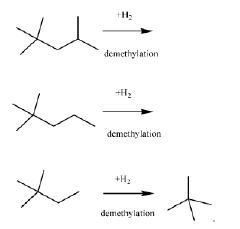
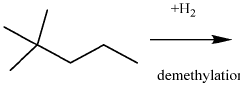
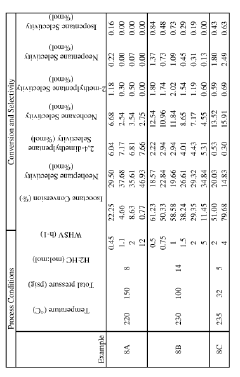
- A process involving the alkylation of isobutane with butylenes to produce isooctane, followed by demethylation in the presence of a catalyst, using a C4olefinic feed stream, such as a refinery raffinate, to achieve high yields of neopentane under mild conditions.

Environmental Impact Assessment
The environmental impact assessment of neopentane-based coolants for automotive applications is a critical consideration in their optimization and implementation. These coolants, while offering improved thermal management properties, also present potential environmental concerns that must be carefully evaluated.
Neopentane, being a hydrocarbon, has a higher global warming potential (GWP) compared to traditional water-based coolants. Its release into the atmosphere can contribute to greenhouse gas emissions, albeit at a lower level than some hydrofluorocarbon (HFC) alternatives. The production process of neopentane-based coolants also requires energy-intensive steps, which indirectly contribute to carbon emissions.
However, the improved efficiency of neopentane-based cooling systems in automotive applications can lead to reduced overall energy consumption and, consequently, lower vehicle emissions. This positive impact must be weighed against the potential negative effects of coolant leakage or improper disposal.
The lifecycle analysis of neopentane-based coolants reveals potential environmental risks during production, use, and disposal phases. During production, the extraction and processing of raw materials for neopentane synthesis can lead to localized environmental impacts, including soil and water pollution if not properly managed. The manufacturing process itself may involve the use of catalysts and solvents that require careful handling and disposal to prevent environmental contamination.
In the use phase, the primary environmental concern is the potential for coolant leakage. While neopentane has a lower toxicity profile compared to some alternative coolants, its release can still have detrimental effects on local ecosystems, particularly in aquatic environments. The volatile nature of neopentane also means that any leaks can quickly vaporize, potentially contributing to air pollution and smog formation in urban areas.
The end-of-life management of neopentane-based coolants presents another set of environmental challenges. Proper recycling and disposal procedures are essential to prevent the release of these substances into the environment. The development of efficient recycling technologies and the establishment of comprehensive collection systems are crucial for minimizing the environmental footprint of these coolants.
To mitigate these environmental impacts, several strategies can be employed in the optimization of neopentane-based coolants. These include improving the sealing and containment systems in vehicles to prevent leaks, developing more efficient production processes to reduce energy consumption and emissions, and investing in advanced recycling technologies to maximize the recovery and reuse of the coolant at the end of its lifecycle.
Furthermore, the automotive industry can explore the use of bio-based alternatives to neopentane that offer similar thermal properties but with a reduced environmental impact. Research into sustainable production methods and the development of closed-loop recycling systems can also contribute to minimizing the overall environmental footprint of these coolants.
Neopentane, being a hydrocarbon, has a higher global warming potential (GWP) compared to traditional water-based coolants. Its release into the atmosphere can contribute to greenhouse gas emissions, albeit at a lower level than some hydrofluorocarbon (HFC) alternatives. The production process of neopentane-based coolants also requires energy-intensive steps, which indirectly contribute to carbon emissions.
However, the improved efficiency of neopentane-based cooling systems in automotive applications can lead to reduced overall energy consumption and, consequently, lower vehicle emissions. This positive impact must be weighed against the potential negative effects of coolant leakage or improper disposal.
The lifecycle analysis of neopentane-based coolants reveals potential environmental risks during production, use, and disposal phases. During production, the extraction and processing of raw materials for neopentane synthesis can lead to localized environmental impacts, including soil and water pollution if not properly managed. The manufacturing process itself may involve the use of catalysts and solvents that require careful handling and disposal to prevent environmental contamination.
In the use phase, the primary environmental concern is the potential for coolant leakage. While neopentane has a lower toxicity profile compared to some alternative coolants, its release can still have detrimental effects on local ecosystems, particularly in aquatic environments. The volatile nature of neopentane also means that any leaks can quickly vaporize, potentially contributing to air pollution and smog formation in urban areas.
The end-of-life management of neopentane-based coolants presents another set of environmental challenges. Proper recycling and disposal procedures are essential to prevent the release of these substances into the environment. The development of efficient recycling technologies and the establishment of comprehensive collection systems are crucial for minimizing the environmental footprint of these coolants.
To mitigate these environmental impacts, several strategies can be employed in the optimization of neopentane-based coolants. These include improving the sealing and containment systems in vehicles to prevent leaks, developing more efficient production processes to reduce energy consumption and emissions, and investing in advanced recycling technologies to maximize the recovery and reuse of the coolant at the end of its lifecycle.
Furthermore, the automotive industry can explore the use of bio-based alternatives to neopentane that offer similar thermal properties but with a reduced environmental impact. Research into sustainable production methods and the development of closed-loop recycling systems can also contribute to minimizing the overall environmental footprint of these coolants.
Coolant Safety Regulations
The automotive industry is subject to stringent safety regulations, and coolant systems are no exception. As neopentane-based coolants gain traction in automotive applications, it is crucial to understand and comply with the relevant safety regulations. These regulations are designed to ensure the safe handling, storage, and use of coolants in vehicles, protecting both consumers and the environment.
In the United States, the Environmental Protection Agency (EPA) plays a significant role in regulating automotive coolants. The EPA's Significant New Alternatives Policy (SNAP) program evaluates and regulates substitutes for ozone-depleting substances, including coolants. Neopentane-based coolants must meet the SNAP criteria for environmental impact, toxicity, and flammability. Additionally, the Department of Transportation (DOT) regulates the transportation of hazardous materials, including coolants, under the Hazardous Materials Regulations (HMR).
The European Union has implemented the Registration, Evaluation, Authorization, and Restriction of Chemicals (REACH) regulation, which applies to all chemical substances, including coolants. Manufacturers and importers of neopentane-based coolants must register their substances with the European Chemicals Agency (ECHA) and provide safety data sheets. The EU's Classification, Labeling, and Packaging (CLP) Regulation also requires proper labeling and packaging of hazardous substances.
In terms of vehicle-specific regulations, the United Nations Economic Commission for Europe (UNECE) has developed international regulations for vehicle safety, including coolant systems. Regulation No. 34 addresses the prevention of fire risks in vehicles, which includes requirements for fuel tanks and coolant systems. Manufacturers must ensure that neopentane-based coolants comply with these regulations to obtain type approval for their vehicles.
Safety standards set by organizations such as the Society of Automotive Engineers (SAE) and the American Society for Testing and Materials (ASTM) also play a crucial role in coolant safety. These standards define the performance requirements, testing methods, and safety criteria for automotive coolants. For neopentane-based coolants, adherence to standards like SAE J1034 (Engine Coolant Inhibitor Technology) and ASTM D3306 (Standard Specification for Glycol Base Engine Coolant) is essential.
As environmental concerns grow, regulations are evolving to address the lifecycle management of coolants. Many jurisdictions now require proper disposal and recycling of used coolants to prevent environmental contamination. Manufacturers of neopentane-based coolants must consider these end-of-life regulations in their product development and provide guidance for safe disposal and recycling.
Compliance with these diverse safety regulations is critical for the successful implementation of neopentane-based coolants in automotive applications. Manufacturers must invest in rigorous testing and documentation to demonstrate compliance and ensure the safety of their products throughout the entire lifecycle, from production to disposal.
In the United States, the Environmental Protection Agency (EPA) plays a significant role in regulating automotive coolants. The EPA's Significant New Alternatives Policy (SNAP) program evaluates and regulates substitutes for ozone-depleting substances, including coolants. Neopentane-based coolants must meet the SNAP criteria for environmental impact, toxicity, and flammability. Additionally, the Department of Transportation (DOT) regulates the transportation of hazardous materials, including coolants, under the Hazardous Materials Regulations (HMR).
The European Union has implemented the Registration, Evaluation, Authorization, and Restriction of Chemicals (REACH) regulation, which applies to all chemical substances, including coolants. Manufacturers and importers of neopentane-based coolants must register their substances with the European Chemicals Agency (ECHA) and provide safety data sheets. The EU's Classification, Labeling, and Packaging (CLP) Regulation also requires proper labeling and packaging of hazardous substances.
In terms of vehicle-specific regulations, the United Nations Economic Commission for Europe (UNECE) has developed international regulations for vehicle safety, including coolant systems. Regulation No. 34 addresses the prevention of fire risks in vehicles, which includes requirements for fuel tanks and coolant systems. Manufacturers must ensure that neopentane-based coolants comply with these regulations to obtain type approval for their vehicles.
Safety standards set by organizations such as the Society of Automotive Engineers (SAE) and the American Society for Testing and Materials (ASTM) also play a crucial role in coolant safety. These standards define the performance requirements, testing methods, and safety criteria for automotive coolants. For neopentane-based coolants, adherence to standards like SAE J1034 (Engine Coolant Inhibitor Technology) and ASTM D3306 (Standard Specification for Glycol Base Engine Coolant) is essential.
As environmental concerns grow, regulations are evolving to address the lifecycle management of coolants. Many jurisdictions now require proper disposal and recycling of used coolants to prevent environmental contamination. Manufacturers of neopentane-based coolants must consider these end-of-life regulations in their product development and provide guidance for safe disposal and recycling.
Compliance with these diverse safety regulations is critical for the successful implementation of neopentane-based coolants in automotive applications. Manufacturers must invest in rigorous testing and documentation to demonstrate compliance and ensure the safety of their products throughout the entire lifecycle, from production to disposal.
Unlock deeper insights with PatSnap Eureka Quick Research — get a full tech report to explore trends and direct your research. Try now!
Generate Your Research Report Instantly with AI Agent
Supercharge your innovation with PatSnap Eureka AI Agent Platform!