

Optimizing Network Performance through Simulation-Driven Design
MAR 6, 20269 MIN READ
Generate Your Research Report Instantly with AI Agent
PatSnap Eureka helps you evaluate technical feasibility & market potential.
Network Simulation Technology Background and Objectives
Network simulation technology has emerged as a cornerstone of modern network design and optimization, tracing its origins to the early days of computer networking in the 1960s and 1970s. Initially developed to model simple packet-switched networks, simulation tools have evolved dramatically alongside the exponential growth of network complexity and scale. The transition from basic mathematical models to sophisticated discrete-event simulators reflects the industry's recognition that traditional analytical approaches alone cannot adequately capture the intricate behaviors of contemporary network systems.
The evolution of network simulation has been driven by several key technological milestones. The development of ARPANET sparked initial interest in network modeling, while the subsequent emergence of the Internet, mobile communications, and cloud computing has continuously expanded the scope and sophistication of simulation requirements. Modern network environments encompass diverse technologies including 5G wireless networks, software-defined networking, edge computing, and Internet of Things deployments, each presenting unique simulation challenges and opportunities.
Contemporary network simulation technology addresses multiple layers of network behavior, from physical layer propagation models to application-layer traffic patterns. Advanced simulators now incorporate machine learning algorithms, real-time data feeds, and hybrid simulation approaches that combine discrete-event modeling with continuous system dynamics. This multi-faceted approach enables comprehensive analysis of network performance under various operational scenarios and stress conditions.
The primary objective of simulation-driven network design is to enable proactive optimization rather than reactive troubleshooting. By creating accurate digital twins of network infrastructure, engineers can evaluate design alternatives, predict performance bottlenecks, and validate optimization strategies before implementation. This approach significantly reduces deployment risks, minimizes operational disruptions, and accelerates time-to-market for new network services and technologies.
Current technological objectives focus on achieving higher fidelity simulations that can accurately model emerging network paradigms such as network slicing, intent-based networking, and autonomous network operations. The integration of artificial intelligence and machine learning into simulation frameworks represents a critical advancement, enabling adaptive modeling techniques that can automatically adjust simulation parameters based on observed network behaviors and performance metrics.
The evolution of network simulation has been driven by several key technological milestones. The development of ARPANET sparked initial interest in network modeling, while the subsequent emergence of the Internet, mobile communications, and cloud computing has continuously expanded the scope and sophistication of simulation requirements. Modern network environments encompass diverse technologies including 5G wireless networks, software-defined networking, edge computing, and Internet of Things deployments, each presenting unique simulation challenges and opportunities.
Contemporary network simulation technology addresses multiple layers of network behavior, from physical layer propagation models to application-layer traffic patterns. Advanced simulators now incorporate machine learning algorithms, real-time data feeds, and hybrid simulation approaches that combine discrete-event modeling with continuous system dynamics. This multi-faceted approach enables comprehensive analysis of network performance under various operational scenarios and stress conditions.
The primary objective of simulation-driven network design is to enable proactive optimization rather than reactive troubleshooting. By creating accurate digital twins of network infrastructure, engineers can evaluate design alternatives, predict performance bottlenecks, and validate optimization strategies before implementation. This approach significantly reduces deployment risks, minimizes operational disruptions, and accelerates time-to-market for new network services and technologies.
Current technological objectives focus on achieving higher fidelity simulations that can accurately model emerging network paradigms such as network slicing, intent-based networking, and autonomous network operations. The integration of artificial intelligence and machine learning into simulation frameworks represents a critical advancement, enabling adaptive modeling techniques that can automatically adjust simulation parameters based on observed network behaviors and performance metrics.
Market Demand for Network Performance Optimization Solutions
The global network infrastructure market continues to experience unprecedented growth driven by digital transformation initiatives across industries. Organizations are increasingly recognizing that network performance directly impacts business operations, customer experience, and competitive advantage. This recognition has created substantial demand for sophisticated network optimization solutions that can address complex performance challenges in modern distributed environments.
Enterprise networks face mounting pressure from bandwidth-intensive applications, cloud migration strategies, and remote workforce requirements. Traditional network management approaches often prove inadequate for handling dynamic traffic patterns and emerging technologies such as IoT deployments, edge computing, and real-time analytics platforms. These limitations have generated significant market pull for advanced optimization solutions that can proactively identify and resolve performance bottlenecks.
The telecommunications sector represents a particularly strong demand driver, as service providers seek to optimize network capacity utilization while maintaining quality of service commitments. Network operators require tools that can simulate various traffic scenarios and predict performance outcomes before implementing infrastructure changes. This need becomes more critical as networks evolve toward software-defined architectures and network function virtualization.
Cloud service providers constitute another major demand segment, requiring optimization solutions that can handle massive scale and complexity. These organizations need simulation-driven approaches to optimize resource allocation, minimize latency, and ensure consistent performance across geographically distributed data centers. The growing adoption of multi-cloud strategies further amplifies the need for comprehensive network performance optimization.
Financial services, healthcare, and manufacturing industries demonstrate strong demand for network optimization solutions due to their stringent performance and reliability requirements. These sectors increasingly rely on real-time data processing and cannot tolerate network-related performance degradation. Regulatory compliance requirements in these industries also drive demand for solutions that can demonstrate network performance predictability and optimization effectiveness.
The market demand extends beyond traditional enterprise segments to include emerging areas such as smart cities, autonomous vehicles, and industrial automation. These applications require ultra-low latency and high reliability, creating demand for sophisticated simulation-driven optimization approaches that can model complex network behaviors and predict performance under various operational conditions.
Enterprise networks face mounting pressure from bandwidth-intensive applications, cloud migration strategies, and remote workforce requirements. Traditional network management approaches often prove inadequate for handling dynamic traffic patterns and emerging technologies such as IoT deployments, edge computing, and real-time analytics platforms. These limitations have generated significant market pull for advanced optimization solutions that can proactively identify and resolve performance bottlenecks.
The telecommunications sector represents a particularly strong demand driver, as service providers seek to optimize network capacity utilization while maintaining quality of service commitments. Network operators require tools that can simulate various traffic scenarios and predict performance outcomes before implementing infrastructure changes. This need becomes more critical as networks evolve toward software-defined architectures and network function virtualization.
Cloud service providers constitute another major demand segment, requiring optimization solutions that can handle massive scale and complexity. These organizations need simulation-driven approaches to optimize resource allocation, minimize latency, and ensure consistent performance across geographically distributed data centers. The growing adoption of multi-cloud strategies further amplifies the need for comprehensive network performance optimization.
Financial services, healthcare, and manufacturing industries demonstrate strong demand for network optimization solutions due to their stringent performance and reliability requirements. These sectors increasingly rely on real-time data processing and cannot tolerate network-related performance degradation. Regulatory compliance requirements in these industries also drive demand for solutions that can demonstrate network performance predictability and optimization effectiveness.
The market demand extends beyond traditional enterprise segments to include emerging areas such as smart cities, autonomous vehicles, and industrial automation. These applications require ultra-low latency and high reliability, creating demand for sophisticated simulation-driven optimization approaches that can model complex network behaviors and predict performance under various operational conditions.
Current State and Challenges in Simulation-Driven Network Design
Simulation-driven network design has emerged as a critical methodology for optimizing network performance across diverse technological landscapes. Currently, the field leverages sophisticated modeling tools and frameworks to predict network behavior before physical implementation. Leading simulation platforms such as NS-3, OMNeT++, and OPNET provide comprehensive environments for modeling complex network topologies, protocols, and traffic patterns. These tools enable researchers and engineers to evaluate performance metrics including latency, throughput, packet loss, and resource utilization under various operational scenarios.
The integration of machine learning algorithms with traditional simulation approaches represents a significant advancement in current methodologies. Reinforcement learning techniques are increasingly employed to optimize routing decisions, resource allocation, and traffic management strategies. Additionally, digital twin technologies are gaining traction, creating real-time virtual replicas of physical networks that enable continuous performance monitoring and predictive analysis.
Despite technological progress, several fundamental challenges persist in simulation-driven network design. Scalability remains a primary concern, as simulating large-scale networks with millions of nodes and complex interdependencies requires substantial computational resources and often results in prohibitive execution times. The accuracy gap between simulated environments and real-world network conditions continues to pose significant obstacles, particularly when accounting for unpredictable factors such as hardware failures, environmental interference, and dynamic user behavior patterns.
Model validation and calibration present ongoing difficulties, as ensuring simulation fidelity requires extensive real-world data collection and continuous parameter adjustment. The complexity of modern heterogeneous networks, incorporating 5G, IoT devices, edge computing, and cloud services, creates modeling challenges that existing simulation frameworks struggle to address comprehensively. Furthermore, the rapid evolution of network protocols and emerging technologies often outpaces simulation tool development, creating gaps in modeling capabilities.
Computational efficiency constraints limit the depth and breadth of simulation studies, forcing researchers to make trade-offs between model accuracy and execution speed. The lack of standardized benchmarks and evaluation metrics across different simulation platforms hampers comparative analysis and reproducibility of research results, impeding collaborative advancement in the field.
The integration of machine learning algorithms with traditional simulation approaches represents a significant advancement in current methodologies. Reinforcement learning techniques are increasingly employed to optimize routing decisions, resource allocation, and traffic management strategies. Additionally, digital twin technologies are gaining traction, creating real-time virtual replicas of physical networks that enable continuous performance monitoring and predictive analysis.
Despite technological progress, several fundamental challenges persist in simulation-driven network design. Scalability remains a primary concern, as simulating large-scale networks with millions of nodes and complex interdependencies requires substantial computational resources and often results in prohibitive execution times. The accuracy gap between simulated environments and real-world network conditions continues to pose significant obstacles, particularly when accounting for unpredictable factors such as hardware failures, environmental interference, and dynamic user behavior patterns.
Model validation and calibration present ongoing difficulties, as ensuring simulation fidelity requires extensive real-world data collection and continuous parameter adjustment. The complexity of modern heterogeneous networks, incorporating 5G, IoT devices, edge computing, and cloud services, creates modeling challenges that existing simulation frameworks struggle to address comprehensively. Furthermore, the rapid evolution of network protocols and emerging technologies often outpaces simulation tool development, creating gaps in modeling capabilities.
Computational efficiency constraints limit the depth and breadth of simulation studies, forcing researchers to make trade-offs between model accuracy and execution speed. The lack of standardized benchmarks and evaluation metrics across different simulation platforms hampers comparative analysis and reproducibility of research results, impeding collaborative advancement in the field.
Current Simulation-Based Network Design Solutions
01 Network performance monitoring and measurement techniques
Methods and systems for monitoring and measuring network performance parameters such as latency, throughput, packet loss, and bandwidth utilization. These techniques involve collecting performance data from network devices and analyzing metrics to assess network health and identify bottlenecks. Performance monitoring can be implemented through active probing, passive observation, or hybrid approaches to provide real-time visibility into network operations.- Network performance monitoring and measurement techniques: Methods and systems for monitoring and measuring network performance parameters such as latency, throughput, packet loss, and bandwidth utilization. These techniques involve collecting performance data from network devices and analyzing metrics to assess network health and identify bottlenecks. Performance monitoring can be implemented through active probing, passive observation, or hybrid approaches to provide real-time visibility into network operations.
- Network performance optimization and quality of service management: Technologies for optimizing network performance through traffic management, resource allocation, and quality of service mechanisms. These solutions prioritize critical traffic, manage bandwidth allocation, and implement policies to ensure optimal performance for different applications and users. Optimization techniques include load balancing, traffic shaping, and dynamic resource adjustment based on network conditions.
- Network performance testing and benchmarking systems: Systems and methods for testing network performance under various conditions and workloads. These solutions simulate different network scenarios, generate test traffic, and measure performance metrics to evaluate network capacity and reliability. Testing frameworks can assess performance across different protocols, applications, and network configurations to validate system capabilities.
- Network performance prediction and analytics: Advanced analytics and machine learning approaches for predicting network performance trends and identifying potential issues before they impact users. These methods analyze historical performance data, traffic patterns, and network behavior to forecast future performance and enable proactive management. Predictive models help optimize resource planning and prevent performance degradation.
- Wireless and mobile network performance enhancement: Specialized techniques for improving performance in wireless and mobile network environments. These solutions address unique challenges such as signal interference, mobility management, handover optimization, and radio resource allocation. Enhancement methods include adaptive modulation, power control, antenna optimization, and protocol improvements to maximize throughput and minimize latency in wireless communications.
02 Network performance optimization and quality of service management
Technologies for optimizing network performance through intelligent traffic management, resource allocation, and quality of service mechanisms. These solutions prioritize critical applications, manage bandwidth distribution, and implement traffic shaping policies to ensure optimal performance for different service classes. Optimization techniques include dynamic routing adjustments, load balancing, and congestion control algorithms.Expand Specific Solutions03 Network performance testing and benchmarking systems
Systems and methods for testing network performance under various conditions and workloads. These solutions simulate different network scenarios, generate test traffic, and measure performance metrics to evaluate network capacity and reliability. Testing frameworks can assess performance across different protocols, applications, and network configurations to identify potential issues before deployment.Expand Specific Solutions04 Network performance prediction and analytics
Advanced analytics and machine learning approaches for predicting network performance trends and identifying potential degradation before it impacts users. These systems analyze historical performance data, traffic patterns, and network topology to forecast future performance and recommend proactive measures. Predictive models help network operators anticipate capacity needs and optimize resource planning.Expand Specific Solutions05 Wireless and mobile network performance enhancement
Specialized techniques for improving performance in wireless and mobile network environments where signal quality, interference, and mobility present unique challenges. These solutions address handover optimization, radio resource management, and adaptive transmission strategies to maintain consistent performance across varying conditions. Enhancement methods include beamforming, carrier aggregation, and intelligent spectrum utilization.Expand Specific Solutions
Key Players in Network Simulation and Optimization Industry
The network performance optimization through simulation-driven design field represents a mature technology sector experiencing steady growth, with the global network simulation market valued at approximately $1.2 billion and projected to reach $2.8 billion by 2028. The industry is in its expansion phase, driven by increasing demand for 5G networks, IoT deployments, and digital transformation initiatives. Technology maturity varies significantly across market segments, with established telecommunications giants like Deutsche Telekom AG, Verizon Patent & Licensing, and British Telecommunications Plc leading in traditional network optimization, while specialized firms such as Riverbed Technology LLC and Keysight Technologies demonstrate advanced simulation capabilities. Industrial automation leaders including Siemens AG and Robert Bosch GmbH are integrating simulation-driven approaches into manufacturing networks, while technology innovators like Microsoft Technology Licensing LLC and DeepMind Technologies are advancing AI-powered network optimization. Academic institutions such as Tsinghua University and Rensselaer Polytechnic Institute contribute cutting-edge research, particularly in machine learning applications for network performance prediction and optimization algorithms.
Riverbed Technology LLC
Technical Solution: Riverbed specializes in network performance monitoring and optimization through advanced simulation and modeling technologies. Their SteelHead platform utilizes WAN optimization algorithms that simulate network conditions to predict and enhance data flow efficiency. The company employs deep packet inspection and application-aware optimization techniques, combined with predictive analytics to model network behavior under various load conditions. Their simulation-driven approach includes real-time network topology discovery, bandwidth utilization forecasting, and latency prediction models that enable proactive network optimization decisions.
Strengths: Industry-leading WAN optimization expertise with proven simulation algorithms. Weaknesses: Limited focus on emerging network technologies like 5G and edge computing scenarios.
Microsoft Technology Licensing LLC
Technical Solution: Microsoft leverages cloud-based simulation platforms and AI-driven network optimization through Azure networking services and research initiatives. Their approach combines large-scale distributed simulation capabilities with machine learning models to optimize network performance across hybrid cloud environments. The platform utilizes digital twin technology to create virtual representations of network infrastructure, enabling predictive analysis and performance optimization. Microsoft's simulation framework incorporates real-time telemetry data and advanced analytics to continuously refine network performance models and provide automated optimization recommendations.
Strengths: Massive cloud infrastructure and AI capabilities enabling large-scale network simulation and optimization. Weaknesses: Solutions primarily optimized for Microsoft ecosystem and cloud-centric environments.
Core Technologies in Network Performance Simulation
Systems and methods for modeling and optimizing a telecommunications network
PatentActiveUS11909625B2
Innovation
- A method is introduced that generates an initial network model, applies transformations to combine similar nodes and edges, and creates a shortest path network model, allowing for the simulation of failure scenarios with reduced computational time by altering edge characteristics based on routing schemes, thereby reducing the number of routing decisions and improving computational efficiency.


Method and system for interactive modeling of high-level network performance with low-level link design
PatentInactiveUS20050240386A1
Innovation
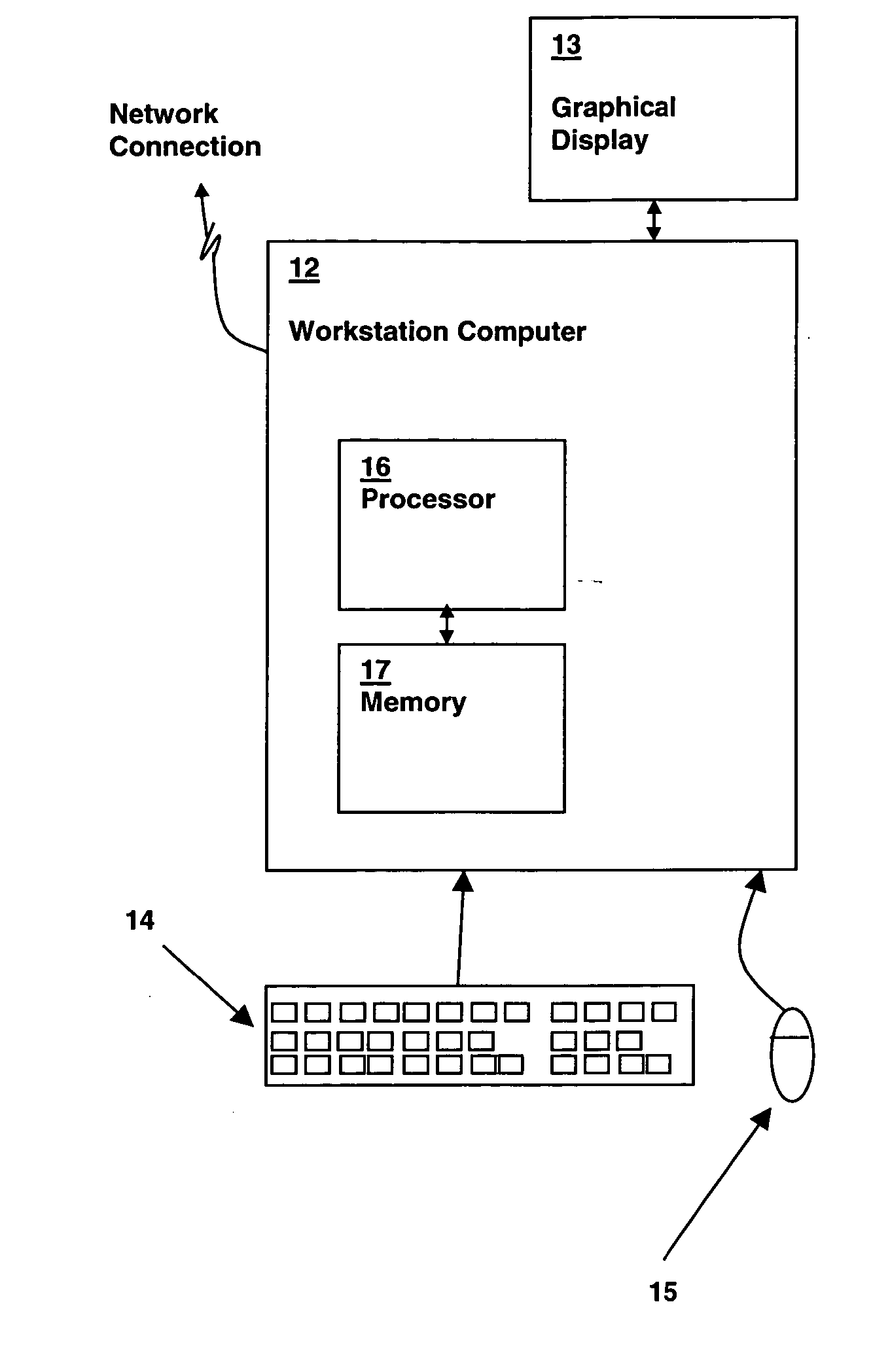
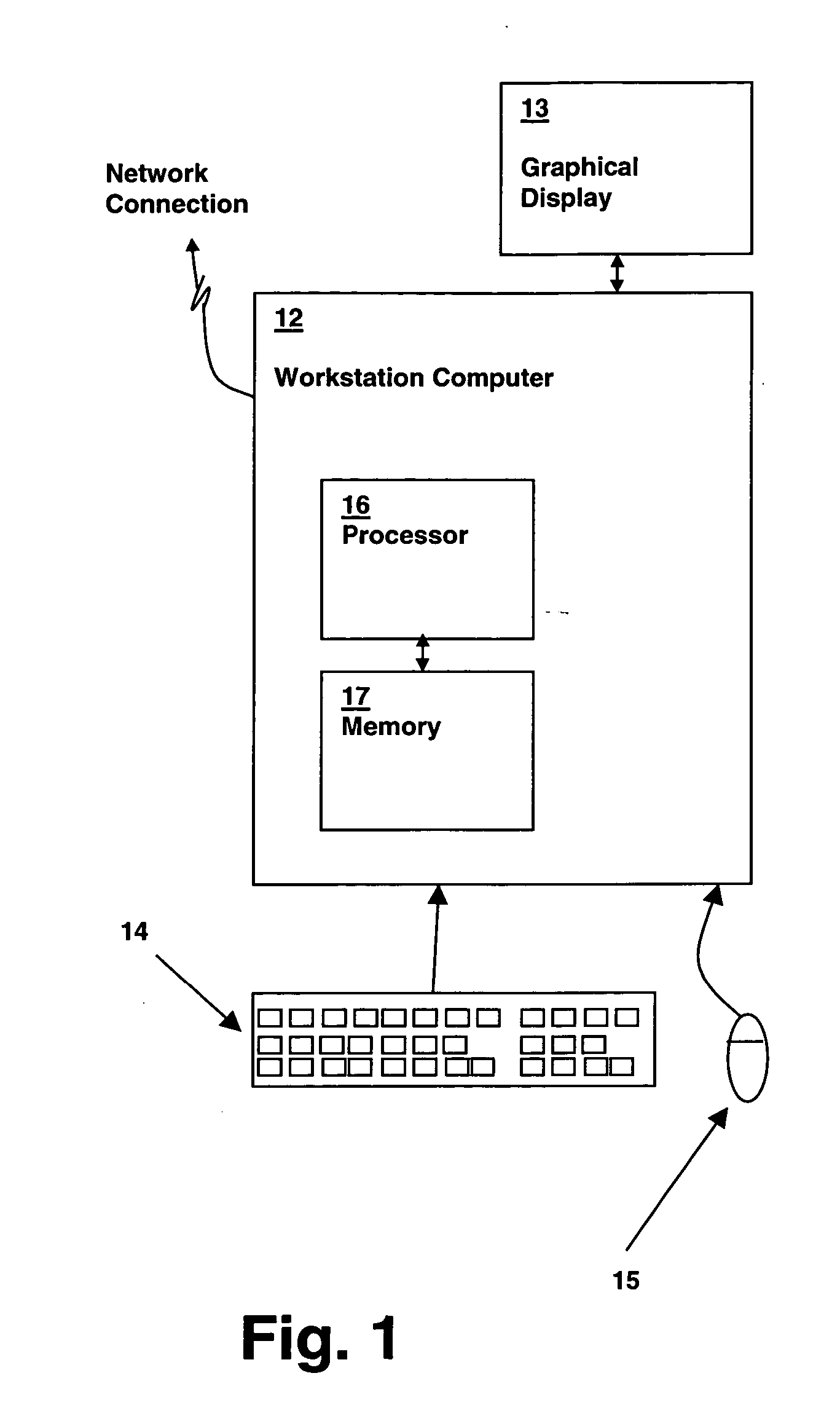
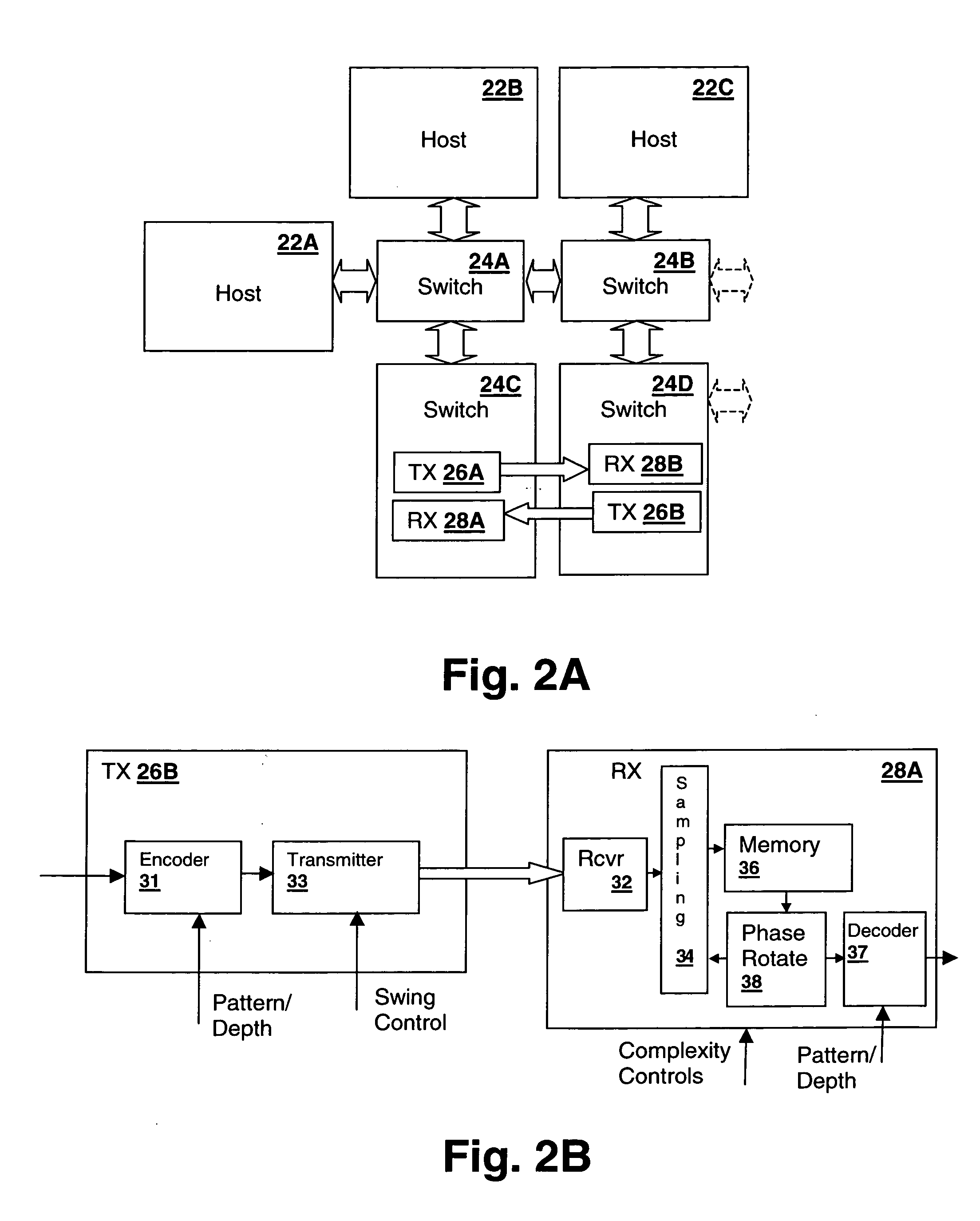
- A computer-based method that simultaneously models high-level network and low-level link performance, allowing for iterative optimization of link design without human intervention, by synthesizing links based on determined requirements and recalculating network performance to balance power consumption and bandwidth.

Digital Twin Applications in Network Infrastructure
Digital twin technology represents a transformative approach to network infrastructure management, creating virtual replicas of physical network components and systems that enable real-time monitoring, analysis, and optimization. In the context of network performance optimization, digital twins serve as sophisticated simulation platforms that mirror the behavior, characteristics, and operational dynamics of actual network infrastructure elements including routers, switches, cables, data centers, and entire network topologies.
The implementation of digital twins in network infrastructure leverages advanced modeling techniques to create comprehensive virtual representations that continuously synchronize with their physical counterparts through IoT sensors, network monitoring tools, and data collection systems. These digital replicas capture critical parameters such as bandwidth utilization, latency patterns, packet loss rates, temperature variations, power consumption, and equipment health metrics, providing network administrators with unprecedented visibility into system performance.
Digital twin applications extend beyond simple monitoring to enable predictive analytics and proactive network management. By analyzing historical data patterns and current operational states, these virtual models can forecast potential network bottlenecks, equipment failures, and performance degradation before they impact service delivery. This predictive capability allows organizations to implement preventive maintenance schedules, optimize resource allocation, and enhance overall network reliability.
The integration of machine learning algorithms within digital twin frameworks further enhances their analytical capabilities, enabling automated pattern recognition, anomaly detection, and intelligent decision-making processes. These systems can automatically adjust network configurations, reroute traffic during congestion periods, and recommend infrastructure upgrades based on projected demand patterns and performance requirements.
Furthermore, digital twins facilitate comprehensive scenario testing and what-if analysis without disrupting live network operations. Network engineers can simulate various configuration changes, traffic load scenarios, and failure conditions within the digital environment to evaluate potential impacts and optimize strategies before implementation. This capability significantly reduces the risks associated with network modifications and enables more informed decision-making processes.
The scalability of digital twin solutions makes them particularly valuable for complex, distributed network infrastructures spanning multiple geographic locations, supporting everything from local area networks to global enterprise systems and telecommunications networks.
The implementation of digital twins in network infrastructure leverages advanced modeling techniques to create comprehensive virtual representations that continuously synchronize with their physical counterparts through IoT sensors, network monitoring tools, and data collection systems. These digital replicas capture critical parameters such as bandwidth utilization, latency patterns, packet loss rates, temperature variations, power consumption, and equipment health metrics, providing network administrators with unprecedented visibility into system performance.
Digital twin applications extend beyond simple monitoring to enable predictive analytics and proactive network management. By analyzing historical data patterns and current operational states, these virtual models can forecast potential network bottlenecks, equipment failures, and performance degradation before they impact service delivery. This predictive capability allows organizations to implement preventive maintenance schedules, optimize resource allocation, and enhance overall network reliability.
The integration of machine learning algorithms within digital twin frameworks further enhances their analytical capabilities, enabling automated pattern recognition, anomaly detection, and intelligent decision-making processes. These systems can automatically adjust network configurations, reroute traffic during congestion periods, and recommend infrastructure upgrades based on projected demand patterns and performance requirements.
Furthermore, digital twins facilitate comprehensive scenario testing and what-if analysis without disrupting live network operations. Network engineers can simulate various configuration changes, traffic load scenarios, and failure conditions within the digital environment to evaluate potential impacts and optimize strategies before implementation. This capability significantly reduces the risks associated with network modifications and enables more informed decision-making processes.
The scalability of digital twin solutions makes them particularly valuable for complex, distributed network infrastructures spanning multiple geographic locations, supporting everything from local area networks to global enterprise systems and telecommunications networks.
AI-Enhanced Network Simulation Methodologies
The integration of artificial intelligence into network simulation methodologies represents a paradigm shift in how network performance optimization is approached. Traditional simulation techniques, while effective, often struggle with the complexity and scale of modern network infrastructures. AI-enhanced methodologies leverage machine learning algorithms to create more accurate, adaptive, and efficient simulation environments that can better predict real-world network behavior.
Machine learning-driven simulation models utilize deep neural networks to learn from historical network data, enabling them to capture complex patterns and dependencies that conventional mathematical models might miss. These AI models can automatically adjust simulation parameters based on observed network conditions, creating dynamic simulation environments that evolve with changing network characteristics. Reinforcement learning algorithms particularly excel in this domain by continuously optimizing simulation accuracy through iterative feedback loops.
Predictive analytics integration allows simulation systems to forecast network performance under various scenarios with unprecedented accuracy. By analyzing vast datasets of network traffic patterns, topology changes, and performance metrics, AI algorithms can generate probabilistic models that account for uncertainty and variability in network behavior. This capability enables proactive network optimization strategies rather than reactive approaches.
Automated parameter tuning represents another significant advancement in AI-enhanced simulation methodologies. Traditional simulations require extensive manual calibration of parameters, which is time-consuming and often suboptimal. AI systems can automatically optimize these parameters using genetic algorithms, particle swarm optimization, or gradient-based methods, ensuring that simulation models remain accurate and relevant as network conditions change.
Intelligent scenario generation capabilities enable simulation systems to automatically create diverse testing scenarios based on learned patterns from real network data. This approach ensures comprehensive coverage of potential network conditions while reducing the manual effort required to design test cases. AI algorithms can identify critical edge cases and stress conditions that might not be apparent through traditional scenario planning methods.
The convergence of AI and network simulation also enables real-time adaptive simulations that can adjust their behavior based on live network data streams. This capability bridges the gap between simulation and reality, creating digital twins of network infrastructures that continuously synchronize with their physical counterparts to maintain accuracy and relevance.
Machine learning-driven simulation models utilize deep neural networks to learn from historical network data, enabling them to capture complex patterns and dependencies that conventional mathematical models might miss. These AI models can automatically adjust simulation parameters based on observed network conditions, creating dynamic simulation environments that evolve with changing network characteristics. Reinforcement learning algorithms particularly excel in this domain by continuously optimizing simulation accuracy through iterative feedback loops.
Predictive analytics integration allows simulation systems to forecast network performance under various scenarios with unprecedented accuracy. By analyzing vast datasets of network traffic patterns, topology changes, and performance metrics, AI algorithms can generate probabilistic models that account for uncertainty and variability in network behavior. This capability enables proactive network optimization strategies rather than reactive approaches.
Automated parameter tuning represents another significant advancement in AI-enhanced simulation methodologies. Traditional simulations require extensive manual calibration of parameters, which is time-consuming and often suboptimal. AI systems can automatically optimize these parameters using genetic algorithms, particle swarm optimization, or gradient-based methods, ensuring that simulation models remain accurate and relevant as network conditions change.
Intelligent scenario generation capabilities enable simulation systems to automatically create diverse testing scenarios based on learned patterns from real network data. This approach ensures comprehensive coverage of potential network conditions while reducing the manual effort required to design test cases. AI algorithms can identify critical edge cases and stress conditions that might not be apparent through traditional scenario planning methods.
The convergence of AI and network simulation also enables real-time adaptive simulations that can adjust their behavior based on live network data streams. This capability bridges the gap between simulation and reality, creating digital twins of network infrastructures that continuously synchronize with their physical counterparts to maintain accuracy and relevance.
Unlock deeper insights with PatSnap Eureka Quick Research — get a full tech report to explore trends and direct your research. Try now!
Generate Your Research Report Instantly with AI Agent
Supercharge your innovation with PatSnap Eureka AI Agent Platform!