Oxidation Prevention for Copper Wiring
FEB 26, 20269 MIN READ
Generate Your Research Report Instantly with AI Agent
Patsnap Eureka helps you evaluate technical feasibility & market potential.
Copper Oxidation Prevention Background and Objectives
Copper has emerged as the predominant interconnect material in modern semiconductor devices due to its superior electrical conductivity and electromigration resistance compared to aluminum. Since its introduction by IBM in 1997 and subsequent adoption across the industry, copper wiring has enabled the continued scaling of integrated circuits according to Moore's Law. However, copper's susceptibility to oxidation presents significant challenges for device reliability and performance, particularly as feature sizes continue to shrink and operating temperatures increase.
The oxidation of copper wiring occurs through multiple mechanisms, with the primary concern being the formation of copper oxide layers that increase electrical resistance and degrade signal integrity. At elevated temperatures and in the presence of moisture or oxygen, copper readily forms cuprous oxide (Cu2O) and cupric oxide (CuO), which can lead to interconnect failure. This oxidation process is accelerated in advanced technology nodes where thinner copper lines have higher surface-to-volume ratios, making them more vulnerable to oxidative degradation.
The evolution of copper oxidation prevention has progressed through several distinct phases. Initially, the focus was on developing effective barrier layers and seed layers for copper electroplating. The introduction of tantalum and tantalum nitride barriers provided initial protection but proved insufficient for long-term reliability. Subsequently, the development of self-assembled monolayers (SAMs) and advanced capping layers emerged as critical solutions for preventing copper surface oxidation while maintaining electrical performance.
Current technological objectives center on developing comprehensive oxidation prevention strategies that address multiple failure mechanisms simultaneously. Primary goals include extending the operational lifetime of copper interconnects under harsh environmental conditions, maintaining low electrical resistance throughout device operation, and ensuring compatibility with advanced packaging technologies. These objectives must be achieved while meeting stringent requirements for thermal stability, mechanical reliability, and cost-effectiveness in high-volume manufacturing.
The strategic importance of copper oxidation prevention has intensified with the emergence of new applications such as automotive electronics, 5G communications, and artificial intelligence processors, which demand higher reliability standards and extended operational lifespans. Advanced packaging technologies, including through-silicon vias and fan-out wafer-level packaging, have introduced additional oxidation challenges that require innovative prevention approaches tailored to three-dimensional interconnect structures and heterogeneous integration scenarios.
The oxidation of copper wiring occurs through multiple mechanisms, with the primary concern being the formation of copper oxide layers that increase electrical resistance and degrade signal integrity. At elevated temperatures and in the presence of moisture or oxygen, copper readily forms cuprous oxide (Cu2O) and cupric oxide (CuO), which can lead to interconnect failure. This oxidation process is accelerated in advanced technology nodes where thinner copper lines have higher surface-to-volume ratios, making them more vulnerable to oxidative degradation.
The evolution of copper oxidation prevention has progressed through several distinct phases. Initially, the focus was on developing effective barrier layers and seed layers for copper electroplating. The introduction of tantalum and tantalum nitride barriers provided initial protection but proved insufficient for long-term reliability. Subsequently, the development of self-assembled monolayers (SAMs) and advanced capping layers emerged as critical solutions for preventing copper surface oxidation while maintaining electrical performance.
Current technological objectives center on developing comprehensive oxidation prevention strategies that address multiple failure mechanisms simultaneously. Primary goals include extending the operational lifetime of copper interconnects under harsh environmental conditions, maintaining low electrical resistance throughout device operation, and ensuring compatibility with advanced packaging technologies. These objectives must be achieved while meeting stringent requirements for thermal stability, mechanical reliability, and cost-effectiveness in high-volume manufacturing.
The strategic importance of copper oxidation prevention has intensified with the emergence of new applications such as automotive electronics, 5G communications, and artificial intelligence processors, which demand higher reliability standards and extended operational lifespans. Advanced packaging technologies, including through-silicon vias and fan-out wafer-level packaging, have introduced additional oxidation challenges that require innovative prevention approaches tailored to three-dimensional interconnect structures and heterogeneous integration scenarios.
Market Demand for Reliable Copper Wiring Solutions
The global electronics industry faces mounting pressure to ensure long-term reliability of copper wiring systems across diverse applications. As electronic devices become increasingly miniaturized and operate under more demanding conditions, the susceptibility of copper conductors to oxidation has emerged as a critical reliability concern. This challenge spans multiple market segments, from consumer electronics and automotive systems to industrial equipment and telecommunications infrastructure.
Consumer electronics manufacturers are experiencing heightened demand for oxidation-resistant copper wiring solutions as product lifecycles extend and performance expectations increase. Smartphones, tablets, and wearable devices require copper interconnects that maintain electrical integrity throughout years of operation while withstanding environmental stresses including humidity, temperature fluctuations, and chemical exposure. The proliferation of Internet of Things devices has further amplified this need, as these products often operate in uncontrolled environments where traditional copper protection methods prove inadequate.
The automotive sector represents a particularly demanding market for reliable copper wiring solutions. Modern vehicles contain extensive copper wiring harnesses that must function reliably for decades under harsh conditions including extreme temperatures, vibration, moisture, and chemical exposure from road salts and automotive fluids. The transition toward electric vehicles has intensified these requirements, as higher current densities and thermal cycling place additional stress on copper conductors, making oxidation prevention even more critical for safety and performance.
Industrial applications drive substantial demand for advanced copper protection technologies due to the high costs associated with equipment downtime and maintenance. Manufacturing facilities, power generation systems, and process control equipment rely on copper wiring that must maintain consistent performance in challenging environments characterized by chemical vapors, high humidity, and temperature extremes. The economic impact of copper oxidation-related failures in these applications creates strong market incentives for improved protection solutions.
Telecommunications infrastructure presents unique market demands for copper oxidation prevention, particularly in outdoor installations and underground cable systems. Network reliability requirements continue to escalate as digital communications become increasingly critical to economic activity. Service providers seek copper protection technologies that can extend equipment lifespans and reduce maintenance costs while ensuring consistent signal quality over extended periods.
The aerospace and defense sectors generate specialized demand for ultra-reliable copper wiring solutions capable of withstanding extreme environmental conditions while meeting stringent safety and performance standards. These applications often require copper protection technologies that maintain effectiveness across wide temperature ranges and resist degradation from radiation exposure and chemical contaminants.
Market demand is increasingly focused on cost-effective solutions that can be integrated into existing manufacturing processes without significant equipment modifications or production delays. This requirement drives interest in surface treatment technologies, protective coatings, and alloy modifications that enhance oxidation resistance while maintaining compatibility with standard fabrication techniques and assembly processes.
Consumer electronics manufacturers are experiencing heightened demand for oxidation-resistant copper wiring solutions as product lifecycles extend and performance expectations increase. Smartphones, tablets, and wearable devices require copper interconnects that maintain electrical integrity throughout years of operation while withstanding environmental stresses including humidity, temperature fluctuations, and chemical exposure. The proliferation of Internet of Things devices has further amplified this need, as these products often operate in uncontrolled environments where traditional copper protection methods prove inadequate.
The automotive sector represents a particularly demanding market for reliable copper wiring solutions. Modern vehicles contain extensive copper wiring harnesses that must function reliably for decades under harsh conditions including extreme temperatures, vibration, moisture, and chemical exposure from road salts and automotive fluids. The transition toward electric vehicles has intensified these requirements, as higher current densities and thermal cycling place additional stress on copper conductors, making oxidation prevention even more critical for safety and performance.
Industrial applications drive substantial demand for advanced copper protection technologies due to the high costs associated with equipment downtime and maintenance. Manufacturing facilities, power generation systems, and process control equipment rely on copper wiring that must maintain consistent performance in challenging environments characterized by chemical vapors, high humidity, and temperature extremes. The economic impact of copper oxidation-related failures in these applications creates strong market incentives for improved protection solutions.
Telecommunications infrastructure presents unique market demands for copper oxidation prevention, particularly in outdoor installations and underground cable systems. Network reliability requirements continue to escalate as digital communications become increasingly critical to economic activity. Service providers seek copper protection technologies that can extend equipment lifespans and reduce maintenance costs while ensuring consistent signal quality over extended periods.
The aerospace and defense sectors generate specialized demand for ultra-reliable copper wiring solutions capable of withstanding extreme environmental conditions while meeting stringent safety and performance standards. These applications often require copper protection technologies that maintain effectiveness across wide temperature ranges and resist degradation from radiation exposure and chemical contaminants.
Market demand is increasingly focused on cost-effective solutions that can be integrated into existing manufacturing processes without significant equipment modifications or production delays. This requirement drives interest in surface treatment technologies, protective coatings, and alloy modifications that enhance oxidation resistance while maintaining compatibility with standard fabrication techniques and assembly processes.
Current Copper Oxidation Issues and Technical Barriers
Copper wiring faces significant oxidation challenges that fundamentally compromise its electrical performance and reliability in modern electronic systems. The primary oxidation mechanism involves the formation of copper oxide layers (Cu2O and CuO) when copper surfaces are exposed to oxygen and moisture at elevated temperatures. This oxidation process creates resistive barriers that increase contact resistance, reduce current-carrying capacity, and ultimately lead to device failure.
The formation of copper oxide occurs through multiple pathways, with atmospheric oxidation being the most prevalent issue. At temperatures above 60°C, copper readily reacts with oxygen to form cuprous oxide (Cu2O), which further oxidizes to cupric oxide (CuO) under continued exposure. This dual-layer oxide formation creates a non-conductive barrier that significantly impacts signal integrity and power transmission efficiency.
Moisture-accelerated corrosion represents another critical challenge, particularly in humid environments where water vapor catalyzes the oxidation process. The presence of chloride ions and other contaminants further accelerates corrosion rates, leading to pitting corrosion and localized degradation that can cause catastrophic failures in critical applications.
Thermal cycling effects compound oxidation issues by creating mechanical stress that cracks protective oxide layers, exposing fresh copper surfaces to further oxidation. This cyclical process accelerates degradation rates and reduces the predictable lifespan of copper interconnects in electronic devices.
Current technical barriers include the difficulty in maintaining uniform protective coatings across complex three-dimensional copper structures, particularly in advanced semiconductor packaging where feature sizes continue to shrink. Traditional barrier materials often suffer from adhesion problems, thermal expansion mismatches, and processing compatibility issues with existing manufacturing workflows.
The challenge of achieving cost-effective oxidation prevention at scale remains significant, as many advanced protective technologies require expensive materials or complex processing steps that are incompatible with high-volume manufacturing requirements. Additionally, the need for solutions that maintain electrical performance while providing long-term protection creates competing design requirements that are difficult to optimize simultaneously.
The formation of copper oxide occurs through multiple pathways, with atmospheric oxidation being the most prevalent issue. At temperatures above 60°C, copper readily reacts with oxygen to form cuprous oxide (Cu2O), which further oxidizes to cupric oxide (CuO) under continued exposure. This dual-layer oxide formation creates a non-conductive barrier that significantly impacts signal integrity and power transmission efficiency.
Moisture-accelerated corrosion represents another critical challenge, particularly in humid environments where water vapor catalyzes the oxidation process. The presence of chloride ions and other contaminants further accelerates corrosion rates, leading to pitting corrosion and localized degradation that can cause catastrophic failures in critical applications.
Thermal cycling effects compound oxidation issues by creating mechanical stress that cracks protective oxide layers, exposing fresh copper surfaces to further oxidation. This cyclical process accelerates degradation rates and reduces the predictable lifespan of copper interconnects in electronic devices.
Current technical barriers include the difficulty in maintaining uniform protective coatings across complex three-dimensional copper structures, particularly in advanced semiconductor packaging where feature sizes continue to shrink. Traditional barrier materials often suffer from adhesion problems, thermal expansion mismatches, and processing compatibility issues with existing manufacturing workflows.
The challenge of achieving cost-effective oxidation prevention at scale remains significant, as many advanced protective technologies require expensive materials or complex processing steps that are incompatible with high-volume manufacturing requirements. Additionally, the need for solutions that maintain electrical performance while providing long-term protection creates competing design requirements that are difficult to optimize simultaneously.
Existing Copper Oxidation Prevention Methods
01 Protective coating methods for copper wiring
Various protective coating techniques can be applied to copper wiring to prevent oxidation. These methods include applying organic or inorganic barrier layers that isolate the copper surface from oxygen and moisture in the environment. The coatings can be formed through chemical vapor deposition, physical vapor deposition, or solution-based processes. These protective layers effectively reduce the oxidation rate and maintain the electrical conductivity of copper wiring over extended periods.- Protective coating methods for copper wiring: Various protective coating techniques can be applied to copper wiring to prevent oxidation. These methods include applying organic or inorganic barrier layers that isolate the copper surface from oxygen and moisture in the environment. The coatings can be formed through chemical vapor deposition, physical vapor deposition, or solution-based processes. These protective layers effectively reduce the oxidation rate and maintain the electrical conductivity of copper wiring over extended periods.
- Surface treatment and passivation techniques: Surface treatment methods involve chemical or electrochemical processes to form a passivation layer on copper surfaces. These treatments modify the surface chemistry of copper to create a stable oxide or compound layer that resists further oxidation. The passivation layer acts as a barrier while maintaining good adhesion to the copper substrate. Such techniques are particularly effective in semiconductor manufacturing and printed circuit board applications.
- Alloying and doping strategies: Incorporating specific alloying elements or dopants into copper wiring can significantly enhance oxidation resistance. These additives modify the microstructure and surface properties of copper, creating a more stable material that is less susceptible to oxidation. The alloying approach maintains the electrical properties of copper while improving its environmental stability. This method is widely used in advanced interconnect technologies.
- Encapsulation and sealing methods: Encapsulation techniques involve completely sealing copper wiring within protective materials or structures to prevent exposure to oxidizing environments. These methods include polymer encapsulation, glass sealing, or ceramic packaging that provide hermetic protection. The encapsulation approach is particularly effective for high-reliability applications where long-term stability is critical. Multiple layers of different materials may be used to achieve optimal protection.
- Atmospheric control and environmental management: Controlling the surrounding atmosphere during manufacturing and operation can prevent copper oxidation. This includes using inert gas environments, vacuum conditions, or controlled humidity levels to minimize oxygen exposure. Environmental management strategies also involve the use of oxygen scavengers or corrosion inhibitors in the ambient atmosphere. These methods are particularly important during storage, transportation, and processing of copper wiring components.
02 Surface treatment and passivation techniques
Surface treatment methods involve chemical or electrochemical processes to form a passivation layer on copper surfaces. These treatments modify the surface chemistry of copper to create a stable oxide or compound layer that resists further oxidation. The passivation layer acts as a barrier while maintaining good adhesion to the copper substrate. Such techniques are particularly effective in semiconductor manufacturing and printed circuit board applications.Expand Specific Solutions03 Alloying and doping strategies
Incorporating specific alloying elements or dopants into copper wiring can significantly enhance oxidation resistance. These additives modify the microstructure and surface properties of copper, creating a more stable material that is less susceptible to oxidation. The alloying approach maintains the electrical properties of copper while improving its environmental stability. This method is widely used in advanced interconnect technologies.Expand Specific Solutions04 Encapsulation and sealing methods
Encapsulation techniques involve completely sealing copper wiring within protective materials or structures to prevent exposure to oxidizing environments. These methods include polymer encapsulation, glass sealing, or ceramic packaging that provide hermetic protection. The encapsulation approach is particularly effective for long-term reliability in harsh environments. Multiple layers of different materials can be combined to achieve optimal protection.Expand Specific Solutions05 Cleaning and oxide removal processes
Various cleaning and oxide removal techniques are employed to eliminate existing oxidation and prepare copper surfaces for further processing or protection. These processes include chemical etching, plasma treatment, and mechanical cleaning methods that restore the metallic copper surface. The removal of oxide layers is critical before applying protective coatings or performing bonding operations. Advanced cleaning methods ensure minimal damage to the underlying copper structure while effectively removing oxidation products.Expand Specific Solutions
Major Players in Copper Wire and Protection Industry
The oxidation prevention for copper wiring market represents a mature yet evolving industry driven by increasing miniaturization demands in electronics and automotive sectors. The market demonstrates substantial scale, particularly in Asia-Pacific regions where major players like Sumitomo Electric Industries, Mitsubishi Materials, and Samsung Electronics dominate through extensive R&D capabilities. Technology maturity varies significantly across applications, with companies like Heraeus and Toshiba leading advanced coating solutions, while traditional players such as Hitachi and Renesas focus on semiconductor integration approaches. The competitive landscape shows consolidation around established Japanese and Korean manufacturers, though emerging Chinese companies like Yingtan Zhongxin are gaining ground in cost-sensitive segments. Innovation centers on nano-scale barrier technologies and alternative metallization schemes, with market growth sustained by 5G infrastructure and electric vehicle adoption requiring enhanced copper wire reliability and performance standards.
Heraeus Precious Metals GmbH & Co. KG
Technical Solution: Heraeus has developed sophisticated precious metal-based solutions for copper oxidation prevention, utilizing palladium, gold, and silver-based protective coatings and alloy systems. Their technology portfolio includes electroless plating processes that deposit ultra-thin noble metal layers providing exceptional oxidation resistance and electrical stability. The company offers specialized bonding wire solutions with precious metal cladding that prevents copper core oxidation while maintaining superior electrical performance. Heraeus has pioneered nanoparticle-based coating technologies that create self-healing protective layers and advanced sputtering targets for physical vapor deposition applications in semiconductor manufacturing, ensuring long-term reliability in demanding environmental conditions.
Strengths: Expertise in precious metals processing, high-performance solutions for critical applications, excellent corrosion resistance properties. Weaknesses: High material costs due to precious metal content, limited cost-effectiveness for high-volume applications.
Toshiba Corp.
Technical Solution: Toshiba has developed comprehensive copper oxidation prevention solutions focusing on surface treatment technologies and protective coating systems. Their approach utilizes benzotriazole (BTA) based inhibitors combined with organic protective films that form stable complexes with copper surfaces, preventing atmospheric oxidation. The company has pioneered plasma-enhanced chemical vapor deposition (PECVD) techniques for applying ultra-thin barrier layers that maintain copper conductivity while providing excellent oxidation resistance. Toshiba's solutions include temperature-resistant formulations suitable for high-temperature applications and environmentally stable coatings that perform effectively under various atmospheric conditions including humidity and salt spray environments.
Strengths: Extensive experience in electronic materials, strong patent portfolio, proven industrial applications. Weaknesses: Limited market presence in some regions, facing competition from specialized chemical companies.
Key Innovations in Anti-Oxidation Coating Technologies
Liquid for protecting copper wiring surface and method for manufacturing semiconductor circuit element
PatentActiveUS20110212617A1
Innovation
- An aqueous solution containing 3-phenyl-2-propyn-1-ol is used as a copper wiring surface protective liquid to prevent corrosion, oxidation, and contamination, ensuring a clean surface by adsorbing on the copper wiring material and being easily removable before the formation of diffusion preventing films.
Method of manufacturing semiconductor device, and semiconductor device
PatentActiveUS20100044864A1
Innovation
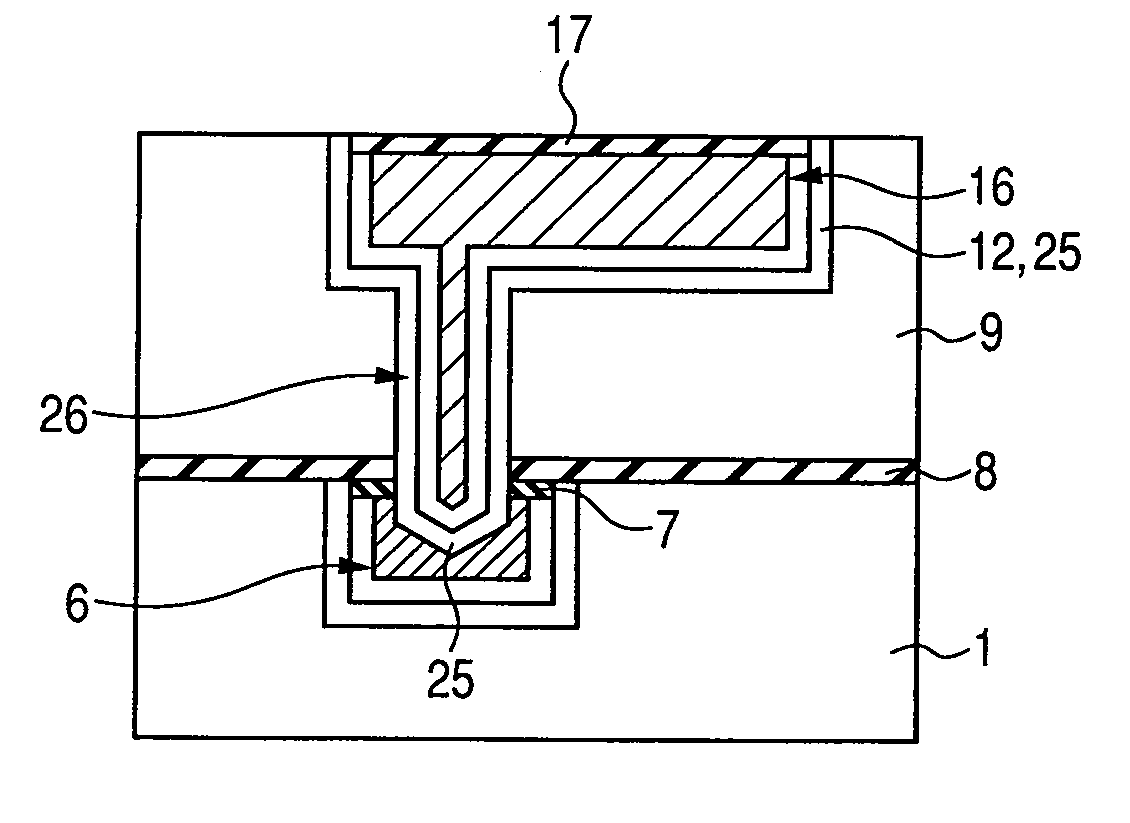
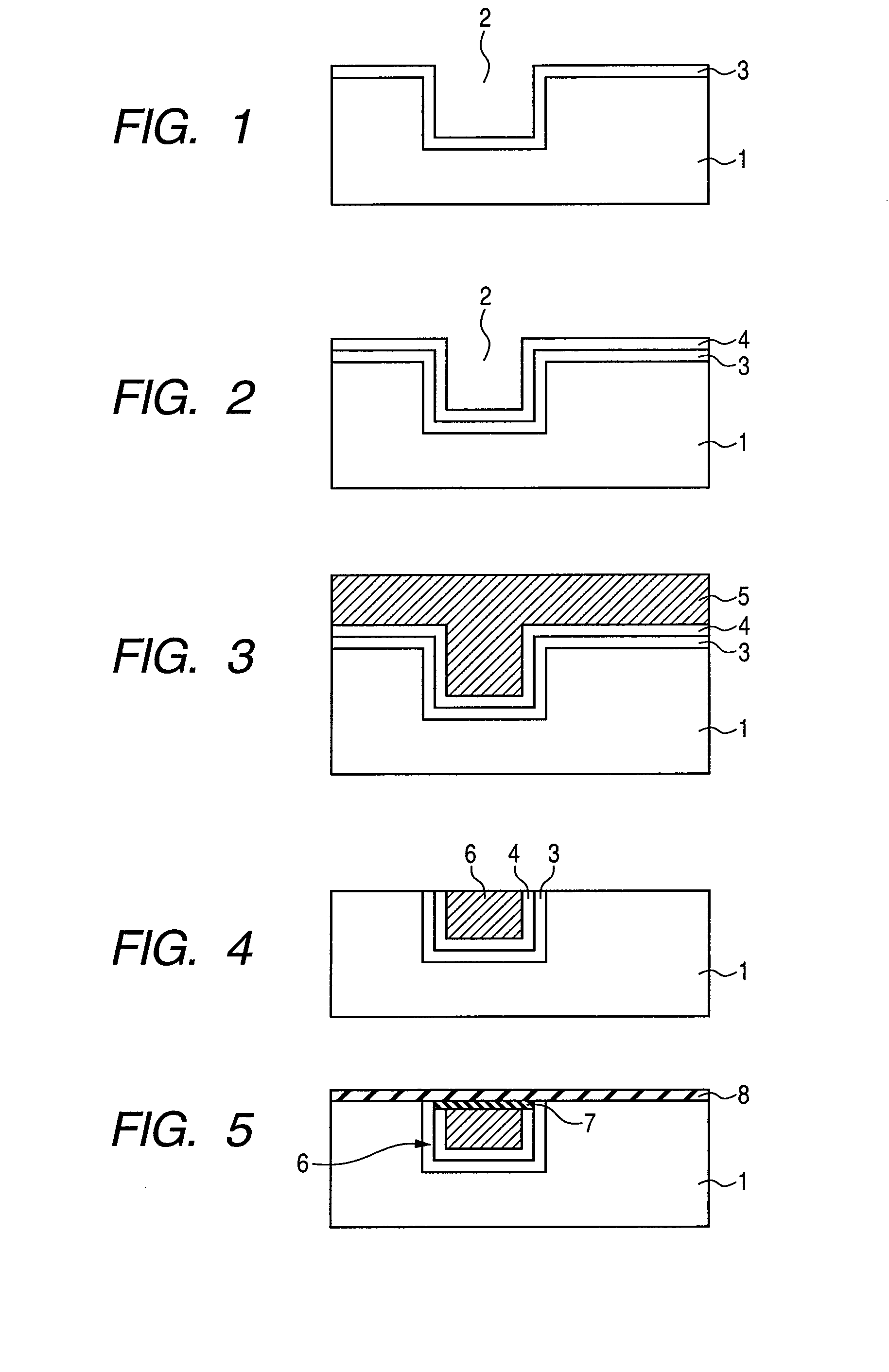
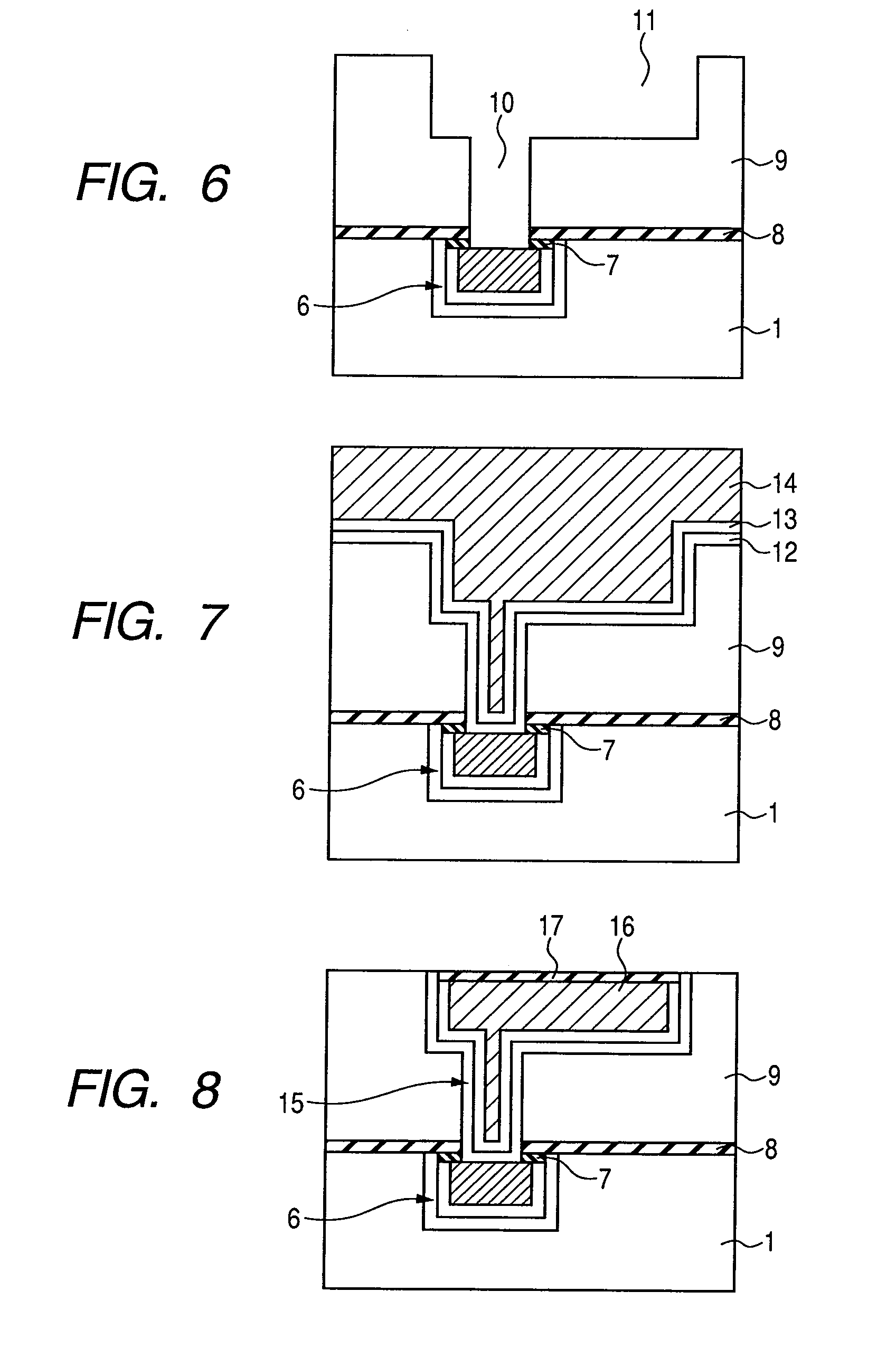
- A method involving the formation of a copper alloy layer with a first metal element on a semiconductor substrate, followed by a heat treatment in an inert atmosphere to create a copper alloy metal layer, and a subsequent oxygen-rich atmosphere to form an oxide layer on the wiring surface, which enhances the suppression of copper and hole diffusion.

Environmental Standards for Copper Wire Manufacturing
The environmental standards governing copper wire manufacturing have evolved significantly in response to growing concerns about industrial pollution and worker safety. These regulations encompass air quality management, water discharge controls, and hazardous material handling protocols. The primary focus areas include emission limits for volatile organic compounds, particulate matter control, and the management of chemical byproducts generated during wire production processes.
International standards such as ISO 14001 and regional regulations like the European Union's RoHS directive establish comprehensive frameworks for environmental compliance. These standards mandate specific limits on heavy metal content, restrict the use of certain chemical additives, and require detailed documentation of manufacturing processes. The standards also address energy consumption efficiency and waste minimization strategies throughout the production lifecycle.
Air quality regulations specifically target emissions from copper wire manufacturing facilities, including sulfur dioxide, nitrogen oxides, and particulate matter. Manufacturing plants must implement advanced filtration systems and continuous monitoring equipment to ensure compliance with ambient air quality standards. The regulations also specify maximum allowable concentrations of copper particles and other metallic compounds in workplace environments.
Water discharge standards focus on preventing contamination of local water sources through strict limits on heavy metal concentrations, pH levels, and chemical oxygen demand in effluent streams. Treatment systems must effectively remove copper ions, processing chemicals, and suspended solids before discharge. Regular monitoring and reporting requirements ensure ongoing compliance with local and national water quality standards.
Waste management protocols address the handling, storage, and disposal of manufacturing byproducts, including copper shavings, chemical residues, and packaging materials. The standards promote recycling initiatives and require proper classification of hazardous waste streams. Additionally, soil contamination prevention measures mandate secondary containment systems and regular environmental monitoring around manufacturing facilities to protect groundwater resources.
International standards such as ISO 14001 and regional regulations like the European Union's RoHS directive establish comprehensive frameworks for environmental compliance. These standards mandate specific limits on heavy metal content, restrict the use of certain chemical additives, and require detailed documentation of manufacturing processes. The standards also address energy consumption efficiency and waste minimization strategies throughout the production lifecycle.
Air quality regulations specifically target emissions from copper wire manufacturing facilities, including sulfur dioxide, nitrogen oxides, and particulate matter. Manufacturing plants must implement advanced filtration systems and continuous monitoring equipment to ensure compliance with ambient air quality standards. The regulations also specify maximum allowable concentrations of copper particles and other metallic compounds in workplace environments.
Water discharge standards focus on preventing contamination of local water sources through strict limits on heavy metal concentrations, pH levels, and chemical oxygen demand in effluent streams. Treatment systems must effectively remove copper ions, processing chemicals, and suspended solids before discharge. Regular monitoring and reporting requirements ensure ongoing compliance with local and national water quality standards.
Waste management protocols address the handling, storage, and disposal of manufacturing byproducts, including copper shavings, chemical residues, and packaging materials. The standards promote recycling initiatives and require proper classification of hazardous waste streams. Additionally, soil contamination prevention measures mandate secondary containment systems and regular environmental monitoring around manufacturing facilities to protect groundwater resources.
Cost-Benefit Analysis of Oxidation Prevention Solutions
The economic evaluation of oxidation prevention solutions for copper wiring requires a comprehensive assessment of implementation costs versus long-term benefits across different application scenarios. Initial investment costs vary significantly depending on the chosen protection method, ranging from relatively inexpensive organic coatings to more sophisticated barrier layer technologies and advanced surface treatments.
Organic protective coatings represent the most cost-effective entry-level solution, with material costs typically ranging from $0.02 to $0.08 per linear foot of copper wiring. However, these solutions often require periodic reapplication, adding recurring maintenance expenses of approximately 15-25% of initial costs every 3-5 years. The labor costs for application can account for 40-60% of total implementation expenses in retrofit scenarios.
Barrier layer technologies, including atomic layer deposition and physical vapor deposition methods, involve higher upfront capital investments of $50,000 to $200,000 for equipment setup. Despite substantial initial costs, these solutions demonstrate superior long-term value propositions through extended service life and reduced maintenance requirements. The cost per unit decreases significantly with volume production, making them economically viable for large-scale manufacturing operations.
The benefit analysis reveals substantial cost savings through prevented failures and extended equipment lifespan. Copper wire oxidation-related failures can result in replacement costs ranging from $500 to $5,000 per incident in residential applications, and up to $50,000 in industrial settings when considering downtime and system restoration expenses. Prevention solutions typically reduce failure rates by 70-95%, translating to significant operational savings.
Return on investment calculations indicate that most oxidation prevention solutions achieve payback periods between 18 months to 4 years, depending on application criticality and environmental exposure conditions. High-reliability applications in aerospace and medical devices demonstrate the shortest payback periods due to extremely high failure costs. The total cost of ownership analysis consistently favors proactive oxidation prevention over reactive maintenance strategies, with lifetime savings ratios typically ranging from 3:1 to 8:1 across different industrial sectors.
Organic protective coatings represent the most cost-effective entry-level solution, with material costs typically ranging from $0.02 to $0.08 per linear foot of copper wiring. However, these solutions often require periodic reapplication, adding recurring maintenance expenses of approximately 15-25% of initial costs every 3-5 years. The labor costs for application can account for 40-60% of total implementation expenses in retrofit scenarios.
Barrier layer technologies, including atomic layer deposition and physical vapor deposition methods, involve higher upfront capital investments of $50,000 to $200,000 for equipment setup. Despite substantial initial costs, these solutions demonstrate superior long-term value propositions through extended service life and reduced maintenance requirements. The cost per unit decreases significantly with volume production, making them economically viable for large-scale manufacturing operations.
The benefit analysis reveals substantial cost savings through prevented failures and extended equipment lifespan. Copper wire oxidation-related failures can result in replacement costs ranging from $500 to $5,000 per incident in residential applications, and up to $50,000 in industrial settings when considering downtime and system restoration expenses. Prevention solutions typically reduce failure rates by 70-95%, translating to significant operational savings.
Return on investment calculations indicate that most oxidation prevention solutions achieve payback periods between 18 months to 4 years, depending on application criticality and environmental exposure conditions. High-reliability applications in aerospace and medical devices demonstrate the shortest payback periods due to extremely high failure costs. The total cost of ownership analysis consistently favors proactive oxidation prevention over reactive maintenance strategies, with lifetime savings ratios typically ranging from 3:1 to 8:1 across different industrial sectors.
Unlock deeper insights with Patsnap Eureka Quick Research — get a full tech report to explore trends and direct your research. Try now!
Generate Your Research Report Instantly with AI Agent
Supercharge your innovation with Patsnap Eureka AI Agent Platform!