

PCM Reliability vs Material Compatibility
MAR 27, 20269 MIN READ
Generate Your Research Report Instantly with AI Agent
Patsnap Eureka helps you evaluate technical feasibility & market potential.
PCM Reliability and Material Compatibility Background and Objectives
Phase Change Materials (PCMs) have emerged as critical components in thermal energy storage systems, thermal management applications, and building energy efficiency solutions over the past several decades. The evolution of PCM technology began with simple paraffin-based materials in the 1970s and has progressed to sophisticated engineered composites and encapsulated systems. This technological advancement has been driven by increasing demands for energy efficiency, renewable energy integration, and thermal regulation in electronics, automotive, aerospace, and construction industries.
The fundamental challenge in PCM implementation lies in balancing thermal performance with long-term material stability. While PCMs offer exceptional energy storage density through latent heat absorption and release during phase transitions, their practical deployment is significantly constrained by material compatibility issues. These compatibility challenges manifest as chemical degradation, container corrosion, thermal cycling fatigue, and performance degradation over extended operational periods.
Current market drivers emphasize the critical need for PCM systems that maintain consistent performance over thousands of thermal cycles while remaining compatible with various containment materials, heat exchangers, and system components. The automotive industry's shift toward electric vehicles has intensified focus on battery thermal management, where PCM reliability directly impacts safety and performance. Similarly, the growing adoption of renewable energy systems requires PCM storage solutions that demonstrate predictable behavior over 20-25 year operational lifespans.
The primary technical objective centers on developing comprehensive understanding of PCM-material interactions to enable predictive reliability modeling. This involves establishing correlations between material selection, operating conditions, and long-term performance degradation patterns. Secondary objectives include identifying optimal material pairings that minimize compatibility issues while maximizing thermal performance, developing accelerated testing protocols for reliability assessment, and creating design guidelines for PCM system integration.
Achieving these objectives requires interdisciplinary approaches combining materials science, thermodynamics, and chemical compatibility analysis. The ultimate goal is establishing industry standards for PCM reliability prediction and material selection frameworks that enable confident deployment of PCM technology across diverse applications while ensuring predictable long-term performance and system safety.
The fundamental challenge in PCM implementation lies in balancing thermal performance with long-term material stability. While PCMs offer exceptional energy storage density through latent heat absorption and release during phase transitions, their practical deployment is significantly constrained by material compatibility issues. These compatibility challenges manifest as chemical degradation, container corrosion, thermal cycling fatigue, and performance degradation over extended operational periods.
Current market drivers emphasize the critical need for PCM systems that maintain consistent performance over thousands of thermal cycles while remaining compatible with various containment materials, heat exchangers, and system components. The automotive industry's shift toward electric vehicles has intensified focus on battery thermal management, where PCM reliability directly impacts safety and performance. Similarly, the growing adoption of renewable energy systems requires PCM storage solutions that demonstrate predictable behavior over 20-25 year operational lifespans.
The primary technical objective centers on developing comprehensive understanding of PCM-material interactions to enable predictive reliability modeling. This involves establishing correlations between material selection, operating conditions, and long-term performance degradation patterns. Secondary objectives include identifying optimal material pairings that minimize compatibility issues while maximizing thermal performance, developing accelerated testing protocols for reliability assessment, and creating design guidelines for PCM system integration.
Achieving these objectives requires interdisciplinary approaches combining materials science, thermodynamics, and chemical compatibility analysis. The ultimate goal is establishing industry standards for PCM reliability prediction and material selection frameworks that enable confident deployment of PCM technology across diverse applications while ensuring predictable long-term performance and system safety.
Market Demand Analysis for Advanced PCM Applications
The global phase change materials market is experiencing unprecedented growth driven by escalating energy efficiency requirements and thermal management challenges across multiple industries. Advanced PCM applications are witnessing particularly strong demand in data centers, where increasing computational densities generate substantial heat loads requiring sophisticated thermal regulation solutions. The automotive sector represents another critical growth driver, with electric vehicle battery thermal management systems demanding reliable PCM solutions that maintain optimal operating temperatures while ensuring long-term material stability.
Building and construction industries are increasingly adopting advanced PCM technologies for passive thermal regulation in smart buildings and energy-efficient structures. The integration of PCMs in building envelopes, HVAC systems, and thermal energy storage applications is becoming standard practice in sustainable construction projects. This trend is accelerated by stringent building energy codes and growing emphasis on carbon footprint reduction in commercial and residential developments.
Electronics cooling applications constitute a rapidly expanding market segment, particularly in high-performance computing, telecommunications infrastructure, and consumer electronics. The miniaturization of electronic components coupled with increased power densities creates substantial thermal management challenges that traditional cooling methods cannot adequately address. Advanced PCM solutions offer compact, passive cooling capabilities essential for maintaining device reliability and performance.
Industrial process applications represent significant market potential, especially in manufacturing environments requiring precise temperature control. Chemical processing, pharmaceutical production, and food processing industries are increasingly recognizing the value of PCM-based thermal management systems for maintaining product quality and process efficiency. These applications often demand specialized PCM formulations with enhanced reliability characteristics and compatibility with existing industrial materials.
The renewable energy sector drives substantial demand for advanced PCM applications in thermal energy storage systems. Solar thermal installations, concentrated solar power plants, and grid-scale energy storage projects require PCM solutions capable of withstanding thousands of thermal cycles while maintaining consistent performance. This application area emphasizes the critical importance of material compatibility and long-term reliability in PCM selection and system design.
Aerospace and defense applications, though representing smaller market volumes, demand the highest performance standards for PCM reliability and material compatibility. These sectors require PCM solutions capable of operating under extreme conditions while maintaining structural integrity and thermal performance over extended operational periods.
Building and construction industries are increasingly adopting advanced PCM technologies for passive thermal regulation in smart buildings and energy-efficient structures. The integration of PCMs in building envelopes, HVAC systems, and thermal energy storage applications is becoming standard practice in sustainable construction projects. This trend is accelerated by stringent building energy codes and growing emphasis on carbon footprint reduction in commercial and residential developments.
Electronics cooling applications constitute a rapidly expanding market segment, particularly in high-performance computing, telecommunications infrastructure, and consumer electronics. The miniaturization of electronic components coupled with increased power densities creates substantial thermal management challenges that traditional cooling methods cannot adequately address. Advanced PCM solutions offer compact, passive cooling capabilities essential for maintaining device reliability and performance.
Industrial process applications represent significant market potential, especially in manufacturing environments requiring precise temperature control. Chemical processing, pharmaceutical production, and food processing industries are increasingly recognizing the value of PCM-based thermal management systems for maintaining product quality and process efficiency. These applications often demand specialized PCM formulations with enhanced reliability characteristics and compatibility with existing industrial materials.
The renewable energy sector drives substantial demand for advanced PCM applications in thermal energy storage systems. Solar thermal installations, concentrated solar power plants, and grid-scale energy storage projects require PCM solutions capable of withstanding thousands of thermal cycles while maintaining consistent performance. This application area emphasizes the critical importance of material compatibility and long-term reliability in PCM selection and system design.
Aerospace and defense applications, though representing smaller market volumes, demand the highest performance standards for PCM reliability and material compatibility. These sectors require PCM solutions capable of operating under extreme conditions while maintaining structural integrity and thermal performance over extended operational periods.
Current PCM Reliability Challenges and Material Constraints
Phase Change Materials (PCMs) face significant reliability challenges that directly correlate with material compatibility issues across various thermal management applications. The primary reliability concerns stem from thermal cycling degradation, where repeated melting and solidification processes can lead to material property deterioration over time. This degradation manifests as reduced latent heat capacity, altered phase transition temperatures, and compromised thermal conductivity, ultimately limiting the operational lifespan of PCM-based systems.
Encapsulation material compatibility represents a critical constraint in PCM reliability. Organic PCMs, particularly paraffins and fatty acids, exhibit chemical reactivity with certain container materials, leading to corrosion, leakage, and contamination issues. Metal containers may experience galvanic corrosion when in contact with salt hydrate PCMs, while polymer encapsulation materials can suffer from thermal expansion mismatches and permeability problems that allow PCM migration.
Thermal stability constraints pose another significant challenge, as many PCMs undergo chemical decomposition at elevated temperatures. Organic compounds may experience oxidation, polymerization, or thermal cracking, while inorganic salt hydrates can suffer from incongruent melting and crystallization issues. These phenomena result in permanent changes to material composition and thermal properties, severely impacting long-term reliability.
Supercooling and phase separation issues further complicate PCM reliability, particularly in salt hydrate systems. Supercooling prevents proper crystallization, reducing energy storage efficiency, while phase separation leads to non-uniform thermal behavior and potential system failure. These problems are exacerbated by incompatible nucleating agents or stabilizing additives that may interact unfavorably with the base PCM material.
Material purity and contamination sensitivity represent additional reliability constraints. Even trace amounts of incompatible substances can significantly alter phase transition characteristics, introduce unwanted chemical reactions, or create nucleation sites that affect crystallization behavior. This sensitivity necessitates stringent material selection and processing requirements that increase system complexity and cost.
The integration of PCMs with heat transfer enhancement materials, such as metal foams, graphite matrices, or nanoparticle additives, introduces compatibility challenges related to thermal expansion differences, chemical interactions, and long-term structural integrity. These composite systems must maintain stable interfaces and consistent thermal performance throughout numerous thermal cycles while avoiding material degradation or separation.
Encapsulation material compatibility represents a critical constraint in PCM reliability. Organic PCMs, particularly paraffins and fatty acids, exhibit chemical reactivity with certain container materials, leading to corrosion, leakage, and contamination issues. Metal containers may experience galvanic corrosion when in contact with salt hydrate PCMs, while polymer encapsulation materials can suffer from thermal expansion mismatches and permeability problems that allow PCM migration.
Thermal stability constraints pose another significant challenge, as many PCMs undergo chemical decomposition at elevated temperatures. Organic compounds may experience oxidation, polymerization, or thermal cracking, while inorganic salt hydrates can suffer from incongruent melting and crystallization issues. These phenomena result in permanent changes to material composition and thermal properties, severely impacting long-term reliability.
Supercooling and phase separation issues further complicate PCM reliability, particularly in salt hydrate systems. Supercooling prevents proper crystallization, reducing energy storage efficiency, while phase separation leads to non-uniform thermal behavior and potential system failure. These problems are exacerbated by incompatible nucleating agents or stabilizing additives that may interact unfavorably with the base PCM material.
Material purity and contamination sensitivity represent additional reliability constraints. Even trace amounts of incompatible substances can significantly alter phase transition characteristics, introduce unwanted chemical reactions, or create nucleation sites that affect crystallization behavior. This sensitivity necessitates stringent material selection and processing requirements that increase system complexity and cost.
The integration of PCMs with heat transfer enhancement materials, such as metal foams, graphite matrices, or nanoparticle additives, introduces compatibility challenges related to thermal expansion differences, chemical interactions, and long-term structural integrity. These composite systems must maintain stable interfaces and consistent thermal performance throughout numerous thermal cycles while avoiding material degradation or separation.
Existing PCM Reliability Enhancement and Compatibility Approaches
01 PCM material composition and encapsulation techniques
Phase change materials require specific composition formulations and encapsulation methods to ensure long-term stability and reliability. The encapsulation protects the PCM core material from environmental factors and prevents leakage during phase transitions. Various encapsulation techniques including microencapsulation, macroencapsulation, and polymer matrix encapsulation are employed to enhance the structural integrity and thermal cycling performance of PCM materials.- PCM material composition and encapsulation techniques: Phase change materials require specific composition formulations and encapsulation methods to ensure long-term stability and reliability. Encapsulation techniques protect the PCM core material from environmental degradation, prevent leakage, and maintain thermal properties over repeated phase change cycles. Various encapsulation methods including microencapsulation, macroencapsulation, and polymer matrix encapsulation are employed to enhance the structural integrity and durability of PCM systems.
- Thermal cycling stability and degradation prevention: The reliability of PCM systems depends heavily on their ability to withstand repeated thermal cycling without significant degradation in performance. Testing methods and material modifications are developed to ensure PCMs maintain their phase change characteristics, latent heat capacity, and thermal conductivity over thousands of cycles. Stabilizers and additives are incorporated to prevent phase separation, supercooling, and chemical decomposition during long-term operation.
- Containment and leakage prevention systems: Reliable PCM applications require robust containment systems to prevent material leakage during phase transitions and volume changes. Design considerations include container material compatibility, expansion accommodation, and sealing technologies. Various structural configurations and barrier materials are employed to ensure leak-proof operation throughout the service life of PCM-based thermal management systems.
- Testing and quality control methods for PCM reliability: Comprehensive testing protocols and quality control measures are essential for evaluating PCM reliability. These include accelerated aging tests, thermal performance characterization, mechanical stress testing, and long-term stability assessments. Standardized testing methods help predict service life, identify potential failure modes, and ensure consistent performance across different operating conditions and environmental exposures.
- Enhanced PCM formulations with improved durability: Advanced PCM formulations incorporate various additives, nucleating agents, and composite materials to enhance reliability and extend operational lifetime. These improvements address issues such as phase segregation, corrosion of container materials, thermal conductivity enhancement, and maintenance of consistent melting and freezing characteristics. Composite PCMs and hybrid systems combine multiple materials to achieve superior reliability compared to conventional single-component PCMs.
02 Thermal cycling stability and durability testing
Ensuring PCM reliability requires extensive thermal cycling tests to evaluate material performance over repeated melting and freezing cycles. Testing protocols assess the consistency of phase change temperatures, latent heat capacity retention, and physical stability after numerous cycles. Long-term durability testing identifies potential degradation mechanisms such as phase separation, supercooling, and changes in thermal properties that could affect reliability in practical applications.Expand Specific Solutions03 Prevention of leakage and containment systems
Reliable PCM systems incorporate advanced containment designs to prevent material leakage during phase transitions and volume changes. Containment solutions include sealed containers, absorption matrices, and composite structures that accommodate thermal expansion while maintaining material integrity. These systems ensure that PCM remains confined within designated boundaries throughout operational temperature ranges, preventing contamination and maintaining system efficiency.Expand Specific Solutions04 Chemical stability and compatibility with container materials
PCM reliability depends on chemical stability and compatibility between the phase change material and its container or surrounding materials. Corrosion resistance, chemical inertness, and material compatibility must be evaluated to prevent degradation reactions that could compromise performance. Selection of appropriate container materials and protective coatings ensures long-term chemical stability and prevents unwanted interactions that could reduce the lifespan of PCM systems.Expand Specific Solutions05 Performance monitoring and quality control methods
Maintaining PCM reliability requires systematic monitoring and quality control procedures throughout manufacturing and operational phases. Testing methods include differential scanning calorimetry, thermal conductivity measurements, and visual inspection protocols to verify material properties and detect anomalies. Quality assurance procedures ensure consistent performance characteristics and identify potential failure modes before deployment in critical applications.Expand Specific Solutions
Key Players in PCM and Thermal Management Industry
The PCM reliability versus material compatibility challenge represents a rapidly evolving sector within the advanced materials industry, currently in its growth phase with significant market expansion driven by automotive, electronics, and telecommunications applications. The market demonstrates substantial scale potential, particularly in Asia-Pacific regions where companies like Shanghai PRET Composites, Kingfa Sci. & Tech., and Guangdong Polygruimer are establishing strong footholds. Technology maturity varies considerably across the competitive landscape, with established global players such as DuPont de Nemours, SABIC Global Technologies, and Dow Global Technologies leading in fundamental polymer science and advanced material formulations. Meanwhile, specialized regional manufacturers including Shanghai KUMHO-SUNNY Plastics, Guangdong Sinoplast, and Qingdao Gon Technology are rapidly advancing their technical capabilities in modified plastics and engineering composites, creating a dynamic competitive environment where innovation in material compatibility solutions drives market differentiation and technological advancement.
Dow Global Technologies LLC
Technical Solution: Dow has developed advanced PCM solutions focusing on material compatibility through their specialized polymer chemistry expertise. Their approach involves creating thermally conductive yet electrically insulating materials that maintain structural integrity across temperature cycles. The company utilizes proprietary additive packages and polymer matrix modifications to enhance compatibility with various substrate materials including metals, ceramics, and other polymers. Their PCM formulations incorporate phase change materials with optimized melting points and thermal conductivity while ensuring long-term chemical stability and minimal material degradation over repeated thermal cycles.
Strengths: Extensive polymer chemistry expertise and proven track record in material compatibility solutions. Weaknesses: Higher cost compared to standard materials and potential supply chain dependencies.
SABIC Global Technologies BV
Technical Solution: SABIC has developed specialized thermoplastic compounds designed to enhance PCM reliability and material compatibility in thermal management applications. Their technology platform combines high-performance polymers with thermally conductive fillers and phase change materials to create integrated solutions. The company focuses on optimizing the polymer matrix to prevent PCM leakage while maintaining thermal performance over extended operating periods. Their approach includes advanced compounding techniques and surface treatments to ensure compatibility with various electronic components and housing materials commonly used in thermal management systems.
Strengths: Integrated polymer processing capabilities and established supply chain for consistent material quality. Weaknesses: Limited customization options for specialized applications and potential thermal expansion mismatch issues.
Core Innovations in PCM-Container Material Interface Technologies
Phase change material, phase change memory cell and preparation method therefor
PatentPendingUS20220328761A1
Innovation
- A phase change material composed of tantalum, antimony, and tellurium with a chemical formula TaxSbyTez, where x, y, and z represent atomic ratios, offering high phase change speed, thermal stability, and data retention capability, with adjustable crystallization temperatures and resistivity, and a small grain size for improved device performance.


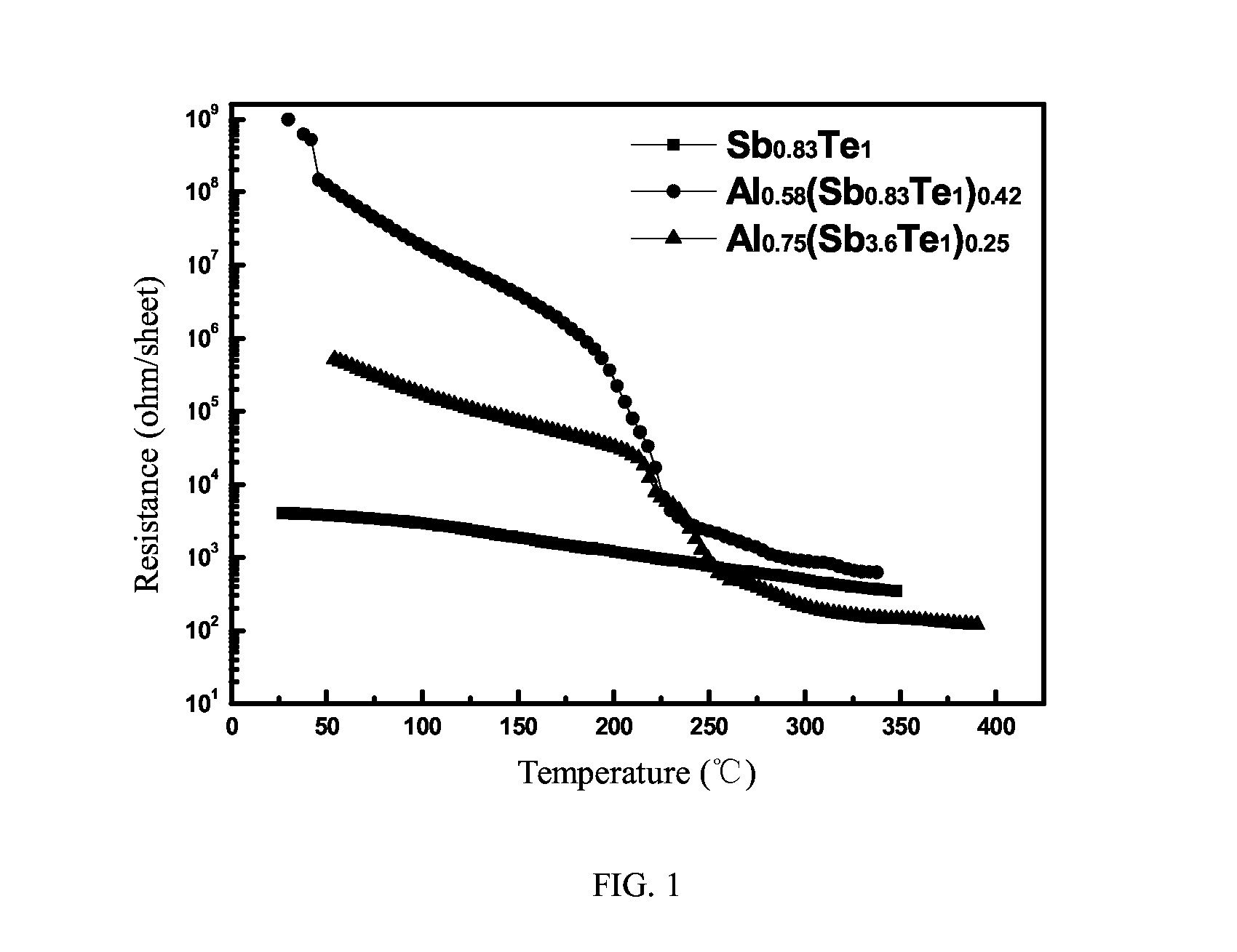
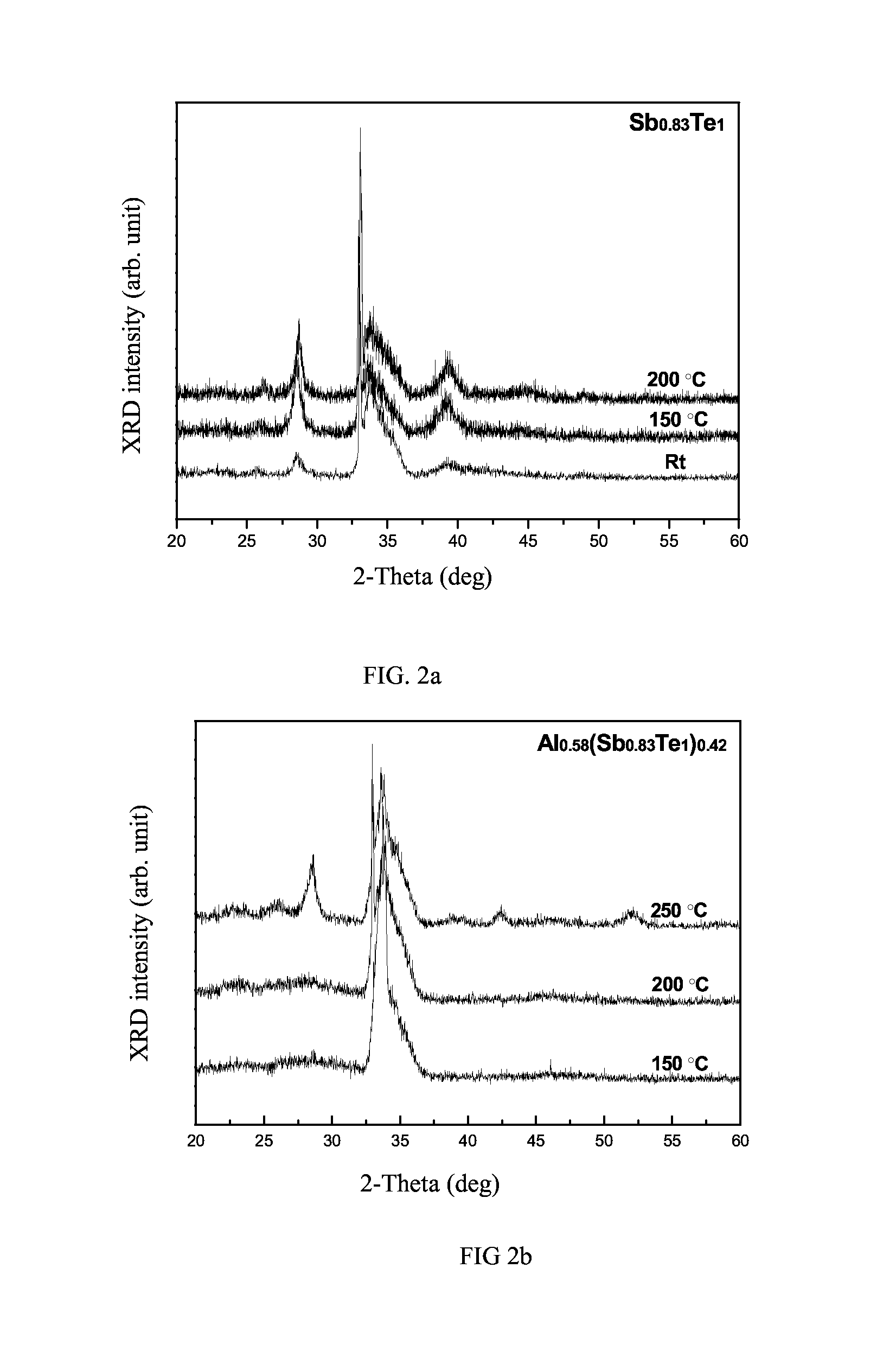
Al-Sb-Te phase change material used for phase change memory and fabrication method thereof
PatentActiveUS8920684B2
Innovation
- A phase change material composed of a mixture of aluminum (Al), antimony (Sb), and tellurium (Te) with a general formula Alx(SbyTe1-x), which exhibits high crystallization speed, thermal stability, and low power consumption, and is fabricated using methods like physical vapor deposition, enabling reversible resistivity changes for data storage.
Environmental and Safety Regulations for PCM Applications
The regulatory landscape for Phase Change Materials (PCM) applications has evolved significantly as these materials gain broader adoption across thermal management systems. Current environmental regulations primarily focus on the lifecycle impact assessment of PCM materials, particularly concerning their manufacturing processes, operational emissions, and end-of-life disposal requirements. The European Union's REACH regulation mandates comprehensive chemical safety assessments for PCM formulations, while similar frameworks in North America and Asia-Pacific regions establish baseline requirements for material registration and hazard communication.
Safety regulations governing PCM applications center on fire safety standards, particularly NFPA 855 and UL 9540A for energy storage applications, which define specific testing protocols for thermal runaway scenarios and containment requirements. These standards address critical safety concerns including flammability characteristics, toxic gas emissions during thermal decomposition, and structural integrity under extreme temperature conditions. The International Electrotechnical Commission (IEC) has developed complementary standards focusing on electrical safety aspects when PCMs are integrated with electronic thermal management systems.
Emerging regulatory trends indicate stricter requirements for bio-based and sustainable PCM formulations, driven by circular economy initiatives and carbon neutrality commitments. The proposed EU Taxonomy for Sustainable Activities specifically addresses thermal energy storage technologies, establishing performance criteria that directly impact PCM material selection and system design parameters. These evolving standards emphasize reduced environmental footprint throughout the product lifecycle while maintaining operational safety and reliability.
Compliance challenges arise from the intersection of multiple regulatory domains, including chemical safety, building codes, electrical standards, and environmental protection requirements. Manufacturers must navigate varying regional interpretations of safety thresholds, particularly regarding volatile organic compound emissions and long-term material stability under operational stress conditions. The regulatory framework continues to adapt as PCM technology matures, requiring ongoing monitoring of standard updates and proactive engagement with regulatory bodies to ensure continued market access and operational compliance.
Safety regulations governing PCM applications center on fire safety standards, particularly NFPA 855 and UL 9540A for energy storage applications, which define specific testing protocols for thermal runaway scenarios and containment requirements. These standards address critical safety concerns including flammability characteristics, toxic gas emissions during thermal decomposition, and structural integrity under extreme temperature conditions. The International Electrotechnical Commission (IEC) has developed complementary standards focusing on electrical safety aspects when PCMs are integrated with electronic thermal management systems.
Emerging regulatory trends indicate stricter requirements for bio-based and sustainable PCM formulations, driven by circular economy initiatives and carbon neutrality commitments. The proposed EU Taxonomy for Sustainable Activities specifically addresses thermal energy storage technologies, establishing performance criteria that directly impact PCM material selection and system design parameters. These evolving standards emphasize reduced environmental footprint throughout the product lifecycle while maintaining operational safety and reliability.
Compliance challenges arise from the intersection of multiple regulatory domains, including chemical safety, building codes, electrical standards, and environmental protection requirements. Manufacturers must navigate varying regional interpretations of safety thresholds, particularly regarding volatile organic compound emissions and long-term material stability under operational stress conditions. The regulatory framework continues to adapt as PCM technology matures, requiring ongoing monitoring of standard updates and proactive engagement with regulatory bodies to ensure continued market access and operational compliance.
Lifecycle Assessment and Sustainability of PCM Systems
The lifecycle assessment of PCM systems reveals significant environmental implications that extend far beyond their operational phase. From cradle-to-grave analysis, these systems demonstrate varying sustainability profiles depending on material selection, manufacturing processes, and end-of-life management strategies. The environmental footprint encompasses raw material extraction, processing, transportation, installation, operation, and disposal phases, each contributing distinct impacts to the overall sustainability equation.
Manufacturing phase assessments indicate that organic PCMs generally exhibit lower embodied energy compared to inorganic alternatives, primarily due to less energy-intensive production processes. However, salt hydrates and metallic PCMs often require more complex purification and synthesis procedures, resulting in higher carbon footprints during production. The geographic distribution of raw materials also influences transportation-related emissions, with locally sourced materials offering substantial advantages in lifecycle carbon accounting.
Operational sustainability benefits emerge through reduced energy consumption in thermal management applications. PCM systems typically demonstrate 15-30% energy savings compared to conventional heating and cooling systems over their operational lifetime. This energy reduction translates to significant carbon dioxide equivalent reductions, particularly in grid-tied applications where fossil fuel-based electricity predominates. The thermal cycling efficiency and longevity directly correlate with long-term sustainability performance.
End-of-life considerations present both challenges and opportunities for PCM system sustainability. Organic PCMs often demonstrate better biodegradability characteristics, while inorganic materials may offer superior recyclability potential. Encapsulation materials significantly influence disposal pathways, with polymer-based containers presenting recycling complexities compared to metallic enclosures. Advanced separation techniques are being developed to recover valuable PCM materials from decommissioned systems.
Circular economy principles are increasingly integrated into PCM system design, emphasizing material recovery, reprocessing, and reuse strategies. Life cycle impact assessments consistently show that extending operational lifespans through improved material compatibility directly enhances overall sustainability metrics, making reliability optimization a critical factor in environmental performance optimization.
Manufacturing phase assessments indicate that organic PCMs generally exhibit lower embodied energy compared to inorganic alternatives, primarily due to less energy-intensive production processes. However, salt hydrates and metallic PCMs often require more complex purification and synthesis procedures, resulting in higher carbon footprints during production. The geographic distribution of raw materials also influences transportation-related emissions, with locally sourced materials offering substantial advantages in lifecycle carbon accounting.
Operational sustainability benefits emerge through reduced energy consumption in thermal management applications. PCM systems typically demonstrate 15-30% energy savings compared to conventional heating and cooling systems over their operational lifetime. This energy reduction translates to significant carbon dioxide equivalent reductions, particularly in grid-tied applications where fossil fuel-based electricity predominates. The thermal cycling efficiency and longevity directly correlate with long-term sustainability performance.
End-of-life considerations present both challenges and opportunities for PCM system sustainability. Organic PCMs often demonstrate better biodegradability characteristics, while inorganic materials may offer superior recyclability potential. Encapsulation materials significantly influence disposal pathways, with polymer-based containers presenting recycling complexities compared to metallic enclosures. Advanced separation techniques are being developed to recover valuable PCM materials from decommissioned systems.
Circular economy principles are increasingly integrated into PCM system design, emphasizing material recovery, reprocessing, and reuse strategies. Life cycle impact assessments consistently show that extending operational lifespans through improved material compatibility directly enhances overall sustainability metrics, making reliability optimization a critical factor in environmental performance optimization.
Unlock deeper insights with Patsnap Eureka Quick Research — get a full tech report to explore trends and direct your research. Try now!
Generate Your Research Report Instantly with AI Agent
Supercharge your innovation with Patsnap Eureka AI Agent Platform!