

PCM Reliability vs Thermal Performance
MAR 27, 20269 MIN READ
Generate Your Research Report Instantly with AI Agent
Patsnap Eureka helps you evaluate technical feasibility & market potential.
PCM Thermal Management Background and Research Objectives
Phase Change Materials (PCMs) have emerged as a critical technology in thermal management systems, offering unique capabilities to store and release thermal energy during phase transitions. The fundamental principle underlying PCM thermal management lies in the material's ability to absorb substantial amounts of latent heat during melting and release it during solidification, maintaining relatively constant temperatures during these transitions. This characteristic makes PCMs particularly valuable in applications requiring temperature stabilization and thermal buffering.
The evolution of PCM technology spans several decades, beginning with simple paraffin-based materials in the 1970s and progressing to sophisticated engineered compounds including salt hydrates, fatty acids, and advanced organic-inorganic composites. Early applications focused primarily on building thermal regulation and solar energy storage, but the scope has dramatically expanded to encompass electronics cooling, battery thermal management, and aerospace applications.
Contemporary thermal management challenges have intensified due to increasing power densities in electronic devices, stringent temperature control requirements in energy storage systems, and growing demands for energy efficiency across industries. Traditional cooling methods often prove inadequate for managing transient thermal loads or maintaining optimal operating temperatures in compact systems, creating substantial market demand for innovative PCM solutions.
The reliability versus thermal performance paradigm represents a fundamental challenge in PCM technology development. While enhanced thermal performance typically requires optimized material properties such as high thermal conductivity, appropriate melting points, and large latent heat capacity, these optimizations often compromise long-term reliability factors including thermal cycling stability, chemical compatibility, and structural integrity.
Current research objectives center on developing PCM formulations that achieve optimal balance between thermal effectiveness and operational longevity. Key focus areas include understanding degradation mechanisms during repeated thermal cycling, investigating encapsulation technologies that preserve material properties while enabling efficient heat transfer, and establishing predictive models for PCM performance degradation over extended operational periods.
The primary technical objectives encompass developing standardized reliability testing protocols, creating advanced PCM composites with enhanced thermal conductivity without sacrificing phase change characteristics, and establishing comprehensive understanding of failure modes including supercooling, phase separation, and container corrosion. Additionally, research aims to develop intelligent PCM systems incorporating real-time monitoring capabilities and adaptive thermal management strategies.
These objectives align with broader industry needs for sustainable, cost-effective thermal management solutions that can operate reliably across diverse environmental conditions while maintaining consistent performance throughout their operational lifecycle.
The evolution of PCM technology spans several decades, beginning with simple paraffin-based materials in the 1970s and progressing to sophisticated engineered compounds including salt hydrates, fatty acids, and advanced organic-inorganic composites. Early applications focused primarily on building thermal regulation and solar energy storage, but the scope has dramatically expanded to encompass electronics cooling, battery thermal management, and aerospace applications.
Contemporary thermal management challenges have intensified due to increasing power densities in electronic devices, stringent temperature control requirements in energy storage systems, and growing demands for energy efficiency across industries. Traditional cooling methods often prove inadequate for managing transient thermal loads or maintaining optimal operating temperatures in compact systems, creating substantial market demand for innovative PCM solutions.
The reliability versus thermal performance paradigm represents a fundamental challenge in PCM technology development. While enhanced thermal performance typically requires optimized material properties such as high thermal conductivity, appropriate melting points, and large latent heat capacity, these optimizations often compromise long-term reliability factors including thermal cycling stability, chemical compatibility, and structural integrity.
Current research objectives center on developing PCM formulations that achieve optimal balance between thermal effectiveness and operational longevity. Key focus areas include understanding degradation mechanisms during repeated thermal cycling, investigating encapsulation technologies that preserve material properties while enabling efficient heat transfer, and establishing predictive models for PCM performance degradation over extended operational periods.
The primary technical objectives encompass developing standardized reliability testing protocols, creating advanced PCM composites with enhanced thermal conductivity without sacrificing phase change characteristics, and establishing comprehensive understanding of failure modes including supercooling, phase separation, and container corrosion. Additionally, research aims to develop intelligent PCM systems incorporating real-time monitoring capabilities and adaptive thermal management strategies.
These objectives align with broader industry needs for sustainable, cost-effective thermal management solutions that can operate reliably across diverse environmental conditions while maintaining consistent performance throughout their operational lifecycle.
Market Demand for High-Performance PCM Solutions
The global phase change materials market is experiencing unprecedented growth driven by escalating demands for advanced thermal management solutions across multiple industries. Electronics manufacturers face mounting pressure to develop more compact and powerful devices, creating an urgent need for PCM solutions that can effectively dissipate heat while maintaining long-term operational stability. The semiconductor industry particularly requires PCM materials that can withstand thousands of thermal cycles without degradation, as device reliability directly impacts consumer satisfaction and brand reputation.
Data center operators represent another significant market segment demanding high-performance PCM solutions. As computational loads increase and energy efficiency regulations tighten, facility managers seek thermal management materials that can provide consistent performance over extended periods. The reliability versus thermal performance trade-off becomes critical in these applications, where system downtime costs can reach substantial financial losses per minute.
The automotive sector is driving substantial demand for PCM solutions in electric vehicle battery thermal management systems. Vehicle manufacturers require materials that can maintain thermal regulation capabilities throughout the vehicle's operational lifetime, typically spanning hundreds of thousands of thermal cycles. The challenge lies in developing PCM formulations that retain their phase change properties while delivering optimal heat transfer rates under varying environmental conditions.
Building and construction industries are increasingly adopting PCM-integrated materials for passive thermal regulation in smart buildings. This market segment prioritizes long-term reliability over peak thermal performance, as building envelope materials must maintain functionality for decades. The demand centers on PCM solutions that can provide consistent thermal regulation while resisting material degradation from repeated phase transitions.
Renewable energy storage applications present emerging opportunities for high-performance PCM solutions. Solar thermal systems and grid-scale energy storage installations require materials that can endure daily thermal cycling while maintaining heat transfer efficiency. Market demand focuses on PCM formulations that can balance thermal conductivity enhancement with structural stability over extended operational periods.
The aerospace and defense sectors demand PCM solutions with exceptional reliability standards, where thermal management failure can have catastrophic consequences. These applications require materials that can perform consistently across extreme temperature ranges while maintaining structural integrity under mechanical stress and vibration conditions.
Data center operators represent another significant market segment demanding high-performance PCM solutions. As computational loads increase and energy efficiency regulations tighten, facility managers seek thermal management materials that can provide consistent performance over extended periods. The reliability versus thermal performance trade-off becomes critical in these applications, where system downtime costs can reach substantial financial losses per minute.
The automotive sector is driving substantial demand for PCM solutions in electric vehicle battery thermal management systems. Vehicle manufacturers require materials that can maintain thermal regulation capabilities throughout the vehicle's operational lifetime, typically spanning hundreds of thousands of thermal cycles. The challenge lies in developing PCM formulations that retain their phase change properties while delivering optimal heat transfer rates under varying environmental conditions.
Building and construction industries are increasingly adopting PCM-integrated materials for passive thermal regulation in smart buildings. This market segment prioritizes long-term reliability over peak thermal performance, as building envelope materials must maintain functionality for decades. The demand centers on PCM solutions that can provide consistent thermal regulation while resisting material degradation from repeated phase transitions.
Renewable energy storage applications present emerging opportunities for high-performance PCM solutions. Solar thermal systems and grid-scale energy storage installations require materials that can endure daily thermal cycling while maintaining heat transfer efficiency. Market demand focuses on PCM formulations that can balance thermal conductivity enhancement with structural stability over extended operational periods.
The aerospace and defense sectors demand PCM solutions with exceptional reliability standards, where thermal management failure can have catastrophic consequences. These applications require materials that can perform consistently across extreme temperature ranges while maintaining structural integrity under mechanical stress and vibration conditions.
Current PCM Reliability and Performance Challenges
Phase Change Materials face significant reliability challenges that directly impact their thermal performance capabilities in practical applications. The primary concern centers around thermal cycling degradation, where repeated melting and solidification processes cause structural changes within the PCM matrix. These cycles can lead to phase separation, crystallization pattern alterations, and the formation of undesirable polymorphs that compromise both thermal storage capacity and heat transfer efficiency.
Supercooling phenomena represent another critical reliability issue, particularly affecting organic PCMs. This occurs when the material fails to crystallize at its designated phase transition temperature, remaining in liquid state below the melting point. Supercooling can result in unpredictable thermal behavior, reduced energy storage efficiency, and inconsistent performance across operational cycles, making system design and control challenging.
Containment and compatibility problems pose substantial barriers to PCM implementation. Many PCMs exhibit corrosive properties or chemical incompatibility with common container materials, leading to leakage, contamination, and system failure. Salt hydrate PCMs are particularly susceptible to incongruent melting, where different components melt at varying temperatures, causing phase separation and permanent performance degradation.
Thermal conductivity limitations create a fundamental trade-off between energy storage density and heat transfer rates. Most PCMs possess inherently low thermal conductivity, typically ranging from 0.1 to 0.7 W/mK, which significantly impedes heat transfer during charging and discharging processes. This limitation necessitates complex heat exchanger designs or thermal enhancement techniques that increase system complexity and cost.
Volume expansion during phase transitions presents mechanical stress challenges for containment systems. PCMs can experience volume changes of 10-15% during melting, creating pressure buildup that may compromise structural integrity and lead to system failure. This expansion also affects heat exchanger design and requires accommodation strategies that may reduce overall system efficiency.
Long-term stability concerns encompass chemical degradation, oxidation, and property drift over extended operational periods. These factors collectively impact the economic viability and practical deployment of PCM-based thermal management systems across various applications.
Supercooling phenomena represent another critical reliability issue, particularly affecting organic PCMs. This occurs when the material fails to crystallize at its designated phase transition temperature, remaining in liquid state below the melting point. Supercooling can result in unpredictable thermal behavior, reduced energy storage efficiency, and inconsistent performance across operational cycles, making system design and control challenging.
Containment and compatibility problems pose substantial barriers to PCM implementation. Many PCMs exhibit corrosive properties or chemical incompatibility with common container materials, leading to leakage, contamination, and system failure. Salt hydrate PCMs are particularly susceptible to incongruent melting, where different components melt at varying temperatures, causing phase separation and permanent performance degradation.
Thermal conductivity limitations create a fundamental trade-off between energy storage density and heat transfer rates. Most PCMs possess inherently low thermal conductivity, typically ranging from 0.1 to 0.7 W/mK, which significantly impedes heat transfer during charging and discharging processes. This limitation necessitates complex heat exchanger designs or thermal enhancement techniques that increase system complexity and cost.
Volume expansion during phase transitions presents mechanical stress challenges for containment systems. PCMs can experience volume changes of 10-15% during melting, creating pressure buildup that may compromise structural integrity and lead to system failure. This expansion also affects heat exchanger design and requires accommodation strategies that may reduce overall system efficiency.
Long-term stability concerns encompass chemical degradation, oxidation, and property drift over extended operational periods. These factors collectively impact the economic viability and practical deployment of PCM-based thermal management systems across various applications.
Existing PCM Reliability Enhancement Solutions
01 Phase Change Material Composition and Encapsulation
Phase change materials can be encapsulated or formulated with specific compositions to enhance their reliability and prevent leakage during phase transitions. Encapsulation techniques using polymer shells, microencapsulation, or nanoencapsulation help maintain the structural integrity of PCMs during repeated thermal cycling. The composition may include additives or stabilizers to improve the long-term stability and prevent degradation of the phase change material over multiple heating and cooling cycles.- Phase Change Material Composition and Encapsulation: Phase change materials can be encapsulated or formulated with specific compositions to enhance their reliability and prevent leakage during phase transitions. Encapsulation techniques using polymer shells, microencapsulation, or nanoencapsulation help maintain the structural integrity of PCM during repeated thermal cycling. The composition may include additives or stabilizers to improve the long-term stability and prevent degradation of the phase change material over multiple heating and cooling cycles.
- Thermal Conductivity Enhancement Methods: Various methods can be employed to improve the thermal conductivity of phase change materials, which directly impacts their thermal performance. This includes incorporating thermally conductive fillers such as metal particles, carbon-based materials, or ceramic additives into the PCM matrix. Enhanced thermal conductivity allows for faster heat transfer rates, improved charging and discharging cycles, and more efficient thermal energy storage and release.
- Thermal Cycling Stability and Durability Testing: Reliability assessment of phase change materials involves extensive thermal cycling tests to evaluate their performance degradation over time. Testing protocols examine the stability of thermal properties, phase transition temperatures, and latent heat capacity after repeated heating and cooling cycles. Methods for improving cycling stability include chemical modification of PCM, use of nucleating agents, and optimization of container materials to prevent supercooling and phase separation.
- Heat Transfer Optimization in PCM Systems: Optimization of heat transfer mechanisms in PCM-based thermal management systems involves design considerations for container geometry, fin structures, and heat exchanger configurations. Enhanced surface area through extended surfaces, optimized flow channels, and strategic placement of PCM within thermal systems can significantly improve the rate of heat absorption and release. Computational modeling and experimental validation are used to optimize these parameters for specific applications.
- Temperature Control and Phase Transition Management: Precise control of phase transition temperatures and management of the melting and solidification processes are critical for PCM reliability and performance. This includes techniques for adjusting the phase change temperature range through material selection or blending of multiple PCMs, controlling the rate of phase transition, and preventing thermal runaway. Advanced control systems and monitoring methods ensure consistent performance across varying operating conditions and environmental temperatures.
02 Thermal Conductivity Enhancement Methods
Various methods can be employed to improve the thermal conductivity of phase change materials, which directly impacts their thermal performance. This includes incorporating thermally conductive fillers such as metal particles, carbon-based materials, or ceramic additives into the PCM matrix. Enhanced thermal conductivity allows for faster heat transfer rates, improved charging and discharging cycles, and more efficient thermal energy storage and release.Expand Specific Solutions03 Thermal Cycling Stability and Durability Testing
Reliability assessment of phase change materials involves extensive thermal cycling tests to evaluate their performance degradation over time. Testing protocols examine the stability of thermal properties, phase transition temperatures, and latent heat capacity after repeated heating and cooling cycles. Durability testing also assesses potential issues such as supercooling, phase separation, or chemical decomposition that may affect long-term reliability in practical applications.Expand Specific Solutions04 Heat Transfer Optimization in PCM Systems
Optimization of heat transfer mechanisms in PCM-based systems involves designing appropriate heat exchanger configurations, fin structures, or porous matrices to maximize thermal performance. The geometry and arrangement of heat transfer surfaces can significantly influence the charging and discharging rates of the phase change material. System-level optimization considers factors such as contact resistance, thermal bridging, and flow patterns to achieve efficient thermal management.Expand Specific Solutions05 Temperature Control and Phase Transition Management
Precise control of phase transition temperatures and management of the melting and solidification processes are critical for PCM reliability and performance. This includes techniques to minimize supercooling effects, control nucleation processes, and ensure consistent phase change behavior. Temperature monitoring and control systems can be integrated to maintain optimal operating conditions and prevent thermal runaway or incomplete phase transitions that could compromise system reliability.Expand Specific Solutions
Key Players in PCM Industry and Research
The PCM reliability versus thermal performance research field represents a rapidly evolving market driven by increasing demand for efficient thermal management solutions across electronics, automotive, and energy storage sectors. The industry is in a growth phase with significant market expansion potential, particularly in semiconductor applications and renewable energy systems. Technology maturity varies considerably among key players, with established semiconductor manufacturers like Intel Corp., Taiwan Semiconductor Manufacturing Co., and GlobalFoundries leading in advanced thermal management integration, while specialized materials companies such as PureTemp.com and TDK Corp. focus on innovative PCM formulations. Academic institutions including King Fahd University of Petroleum & Minerals and Central South University contribute fundamental research, bridging the gap between theoretical understanding and commercial applications. The competitive landscape shows a convergence of traditional electronics companies, chemical manufacturers like DuPont and Air Liquide, and emerging thermal management specialists, indicating strong cross-industry collaboration and technological advancement potential.
Taiwan Semiconductor Manufacturing Co., Ltd.
Technical Solution: TSMC has developed comprehensive PCM fabrication processes that optimize both thermal performance and reliability through advanced semiconductor manufacturing techniques. Their approach focuses on precise control of chalcogenide layer deposition and thermal annealing processes to achieve consistent phase change characteristics. TSMC's PCM solutions incorporate innovative heat dissipation structures and optimized cell geometries to minimize thermal crosstalk between adjacent memory cells. The company has developed specialized testing methodologies to evaluate PCM reliability under various thermal cycling conditions and has implemented statistical process control measures to ensure consistent thermal performance across wafer lots. Their research includes development of novel electrode materials and interface engineering to improve thermal stability and reduce programming energy requirements.
Strengths: World-class semiconductor fabrication capabilities and proven track record in advanced memory technologies. Weaknesses: Limited direct market presence in memory products, primarily serving as foundry partner.
Futurewei Technologies, Inc.
Technical Solution: Futurewei has conducted extensive research on PCM reliability optimization through advanced materials engineering and thermal modeling approaches. Their work focuses on developing novel chalcogenide compositions that exhibit improved thermal stability and reduced drift characteristics over extended operating periods. The company has developed sophisticated thermal simulation models to predict PCM behavior under various thermal stress conditions and has implemented design optimization techniques to minimize hot spots in memory arrays. Futurewei's PCM research includes development of adaptive programming schemes that adjust based on thermal history and ambient conditions to maintain consistent performance and reliability. Their approach incorporates advanced packaging solutions and thermal interface materials to enhance heat dissipation while maintaining compact form factors for mobile and embedded applications.
Strengths: Advanced research capabilities in materials science and thermal modeling expertise. Weaknesses: Limited manufacturing partnerships and market access challenges affecting commercialization efforts.
Core Innovations in PCM Reliability-Performance Balance
Odd/even invert coding for phase change memory with thermal crosstalk
PatentActiveUS20170220266A1
Innovation
- The odd/even invert coding algorithm addresses these issues by using a cost model that captures write asymmetries and thermal crosstalk effects, allowing for intelligent data encoding and decoding to minimize write activities and extend PCM lifetime, requiring only two bits for storage overhead.


Phase change memory device with improved performance that minimizes cell degradation
PatentInactiveUS20090097336A1
Innovation
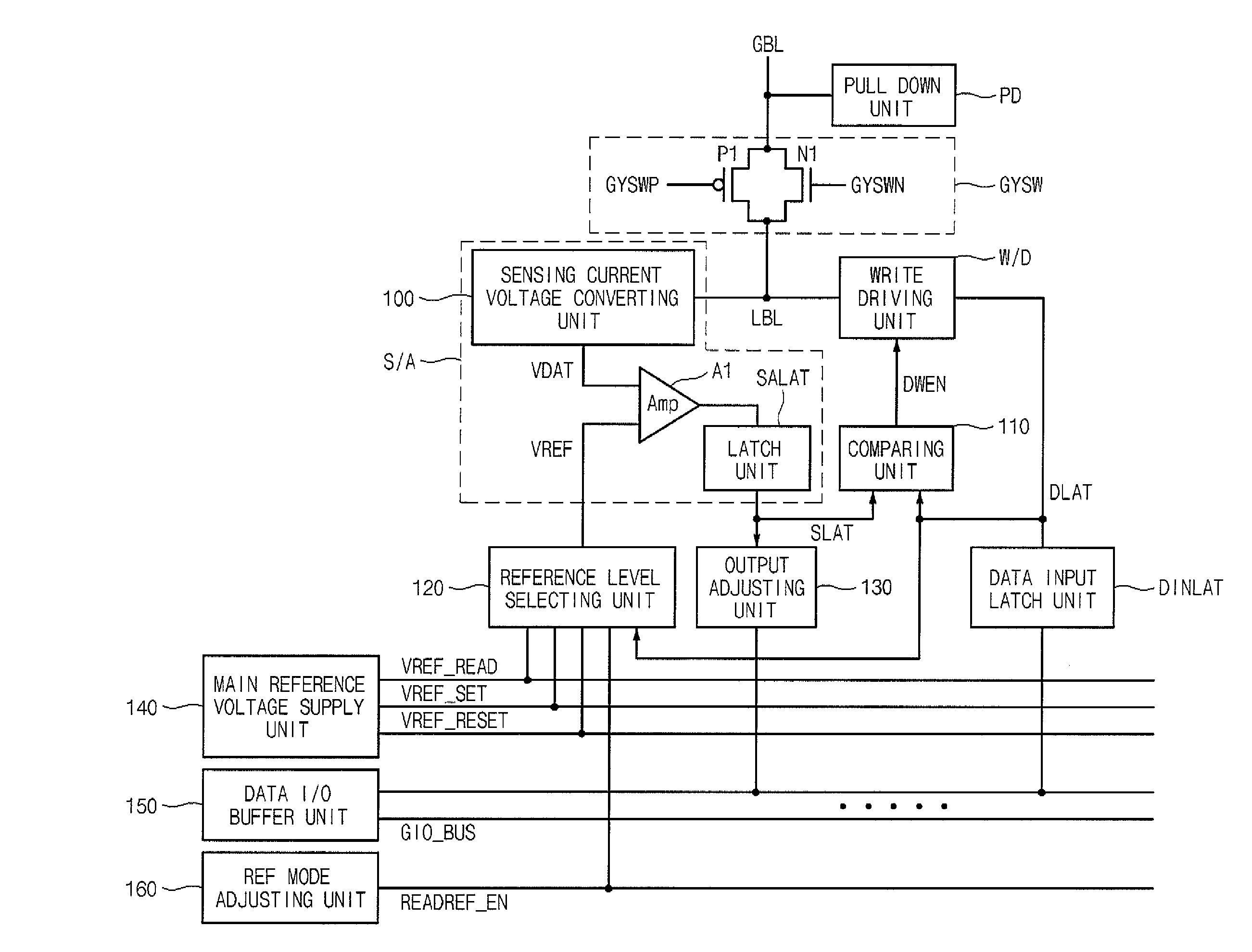
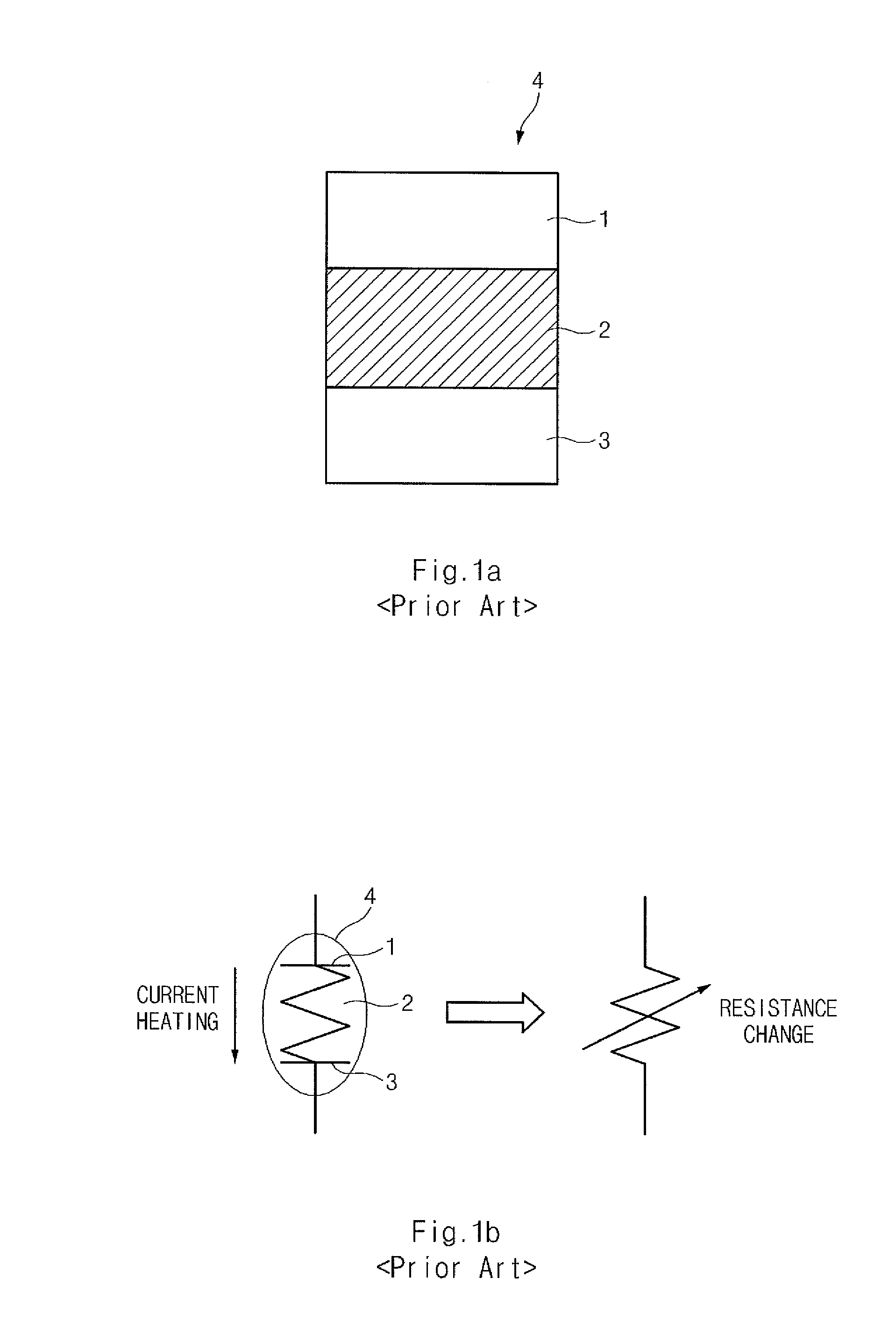
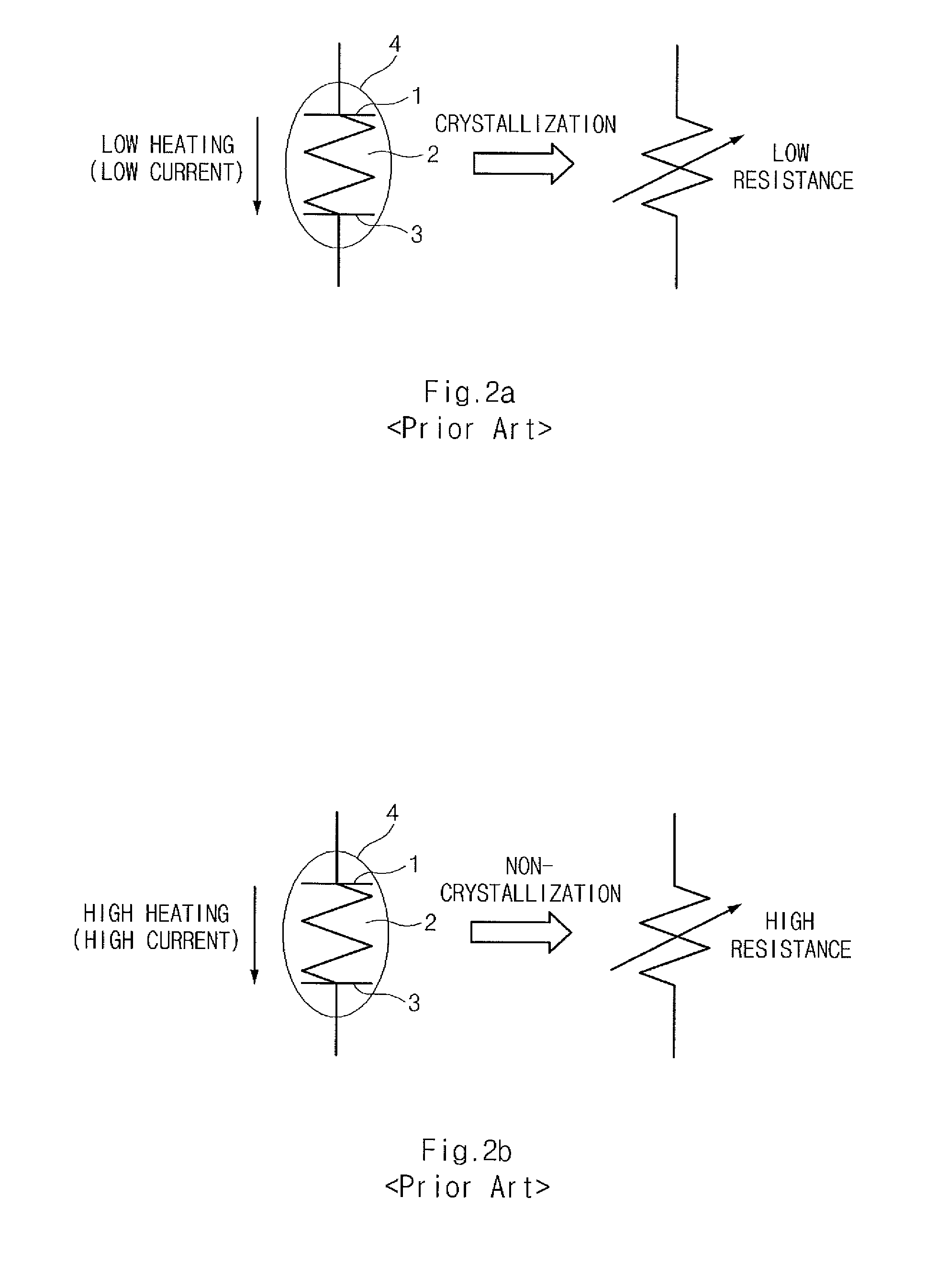
- A phase change memory device with a phase change resistor that sets different reference voltage levels in read and write verifying modes, utilizing a cell array, sense amplifiers, write driving units, and a reference level selecting unit to enhance data stability and sensing performance.

Safety Standards for PCM Applications
Safety standards for PCM applications have evolved significantly as phase change materials transition from laboratory research to commercial deployment across diverse industries. The establishment of comprehensive safety frameworks has become critical due to the unique thermal behavior and chemical properties of PCMs, which present distinct challenges compared to conventional thermal management materials.
International standardization bodies have developed specific guidelines addressing PCM safety concerns. The International Electrotechnical Commission (IEC) has established protocols for PCM integration in electronic systems, while ASTM International provides testing methodologies for material compatibility and long-term stability assessment. These standards emphasize containment integrity, thermal cycling durability, and chemical compatibility with surrounding materials.
Fire safety regulations constitute a primary concern in PCM applications, particularly for building integration and automotive systems. Standards such as UL 94 for flammability testing and NFPA guidelines for building materials have been adapted to address PCM-specific risks. The encapsulation materials and PCM formulations must demonstrate adequate fire resistance while maintaining thermal performance characteristics throughout operational lifecycles.
Toxicity and environmental safety standards have gained prominence as PCM deployment scales increase. Regulatory frameworks require comprehensive assessment of potential leakage scenarios, vapor emissions, and end-of-life disposal considerations. The European REACH regulation and similar international frameworks mandate detailed safety data sheets and risk assessments for PCM products entering commercial markets.
Electrical safety standards address the unique challenges posed by PCM integration in electronic applications. Standards focus on dielectric properties, thermal expansion effects on electrical connections, and potential corrosion risks. The IPC standards for electronic assemblies have incorporated specific requirements for PCM-enhanced thermal management systems.
Automotive industry safety standards present additional complexity due to crash safety requirements and extreme operating conditions. ISO 26262 functional safety standards have been extended to address PCM system failures and their potential impact on vehicle safety systems. These standards require rigorous testing protocols for mechanical integrity under impact conditions and thermal runaway prevention mechanisms.
International standardization bodies have developed specific guidelines addressing PCM safety concerns. The International Electrotechnical Commission (IEC) has established protocols for PCM integration in electronic systems, while ASTM International provides testing methodologies for material compatibility and long-term stability assessment. These standards emphasize containment integrity, thermal cycling durability, and chemical compatibility with surrounding materials.
Fire safety regulations constitute a primary concern in PCM applications, particularly for building integration and automotive systems. Standards such as UL 94 for flammability testing and NFPA guidelines for building materials have been adapted to address PCM-specific risks. The encapsulation materials and PCM formulations must demonstrate adequate fire resistance while maintaining thermal performance characteristics throughout operational lifecycles.
Toxicity and environmental safety standards have gained prominence as PCM deployment scales increase. Regulatory frameworks require comprehensive assessment of potential leakage scenarios, vapor emissions, and end-of-life disposal considerations. The European REACH regulation and similar international frameworks mandate detailed safety data sheets and risk assessments for PCM products entering commercial markets.
Electrical safety standards address the unique challenges posed by PCM integration in electronic applications. Standards focus on dielectric properties, thermal expansion effects on electrical connections, and potential corrosion risks. The IPC standards for electronic assemblies have incorporated specific requirements for PCM-enhanced thermal management systems.
Automotive industry safety standards present additional complexity due to crash safety requirements and extreme operating conditions. ISO 26262 functional safety standards have been extended to address PCM system failures and their potential impact on vehicle safety systems. These standards require rigorous testing protocols for mechanical integrity under impact conditions and thermal runaway prevention mechanisms.
Lifecycle Assessment of PCM Systems
The lifecycle assessment of PCM systems represents a comprehensive evaluation framework that examines the environmental, economic, and performance implications of phase change materials throughout their operational lifespan. This assessment methodology provides critical insights into the long-term viability and sustainability of PCM implementations across various thermal management applications.
Environmental impact evaluation constitutes a fundamental component of PCM lifecycle assessment, encompassing material extraction, manufacturing processes, transportation, installation, and end-of-life disposal considerations. The carbon footprint analysis reveals that while PCM systems may require energy-intensive manufacturing processes, their operational phase typically demonstrates significant environmental benefits through reduced energy consumption for heating and cooling applications. The assessment must account for the environmental costs associated with encapsulation materials, which often include polymers or metallic containers that may have varying degrees of recyclability.
Economic lifecycle analysis examines the total cost of ownership, including initial capital investment, operational maintenance expenses, and replacement costs over the system's operational lifetime. PCM systems typically exhibit higher upfront costs compared to conventional thermal management solutions, but the economic assessment must consider long-term energy savings, reduced HVAC system sizing requirements, and potential revenue streams from peak load shifting capabilities. The payback period analysis varies significantly depending on application context, energy pricing structures, and local climate conditions.
Performance degradation assessment represents a critical aspect of lifecycle evaluation, focusing on how thermal cycling, chemical stability, and physical containment affect PCM effectiveness over time. Repeated phase transitions can lead to material property changes, including thermal conductivity reduction, latent heat capacity degradation, and potential phase separation in composite PCM formulations. The assessment framework must establish performance thresholds and monitoring protocols to determine when system replacement or refurbishment becomes necessary.
Maintenance and operational considerations within the lifecycle assessment address the practical aspects of PCM system management, including inspection requirements, leak detection protocols, and performance monitoring systems. The assessment evaluates the frequency and cost of maintenance interventions, considering factors such as encapsulation integrity, thermal interface degradation, and system integration complexity. These operational aspects significantly influence the overall lifecycle value proposition and system reliability expectations.
Environmental impact evaluation constitutes a fundamental component of PCM lifecycle assessment, encompassing material extraction, manufacturing processes, transportation, installation, and end-of-life disposal considerations. The carbon footprint analysis reveals that while PCM systems may require energy-intensive manufacturing processes, their operational phase typically demonstrates significant environmental benefits through reduced energy consumption for heating and cooling applications. The assessment must account for the environmental costs associated with encapsulation materials, which often include polymers or metallic containers that may have varying degrees of recyclability.
Economic lifecycle analysis examines the total cost of ownership, including initial capital investment, operational maintenance expenses, and replacement costs over the system's operational lifetime. PCM systems typically exhibit higher upfront costs compared to conventional thermal management solutions, but the economic assessment must consider long-term energy savings, reduced HVAC system sizing requirements, and potential revenue streams from peak load shifting capabilities. The payback period analysis varies significantly depending on application context, energy pricing structures, and local climate conditions.
Performance degradation assessment represents a critical aspect of lifecycle evaluation, focusing on how thermal cycling, chemical stability, and physical containment affect PCM effectiveness over time. Repeated phase transitions can lead to material property changes, including thermal conductivity reduction, latent heat capacity degradation, and potential phase separation in composite PCM formulations. The assessment framework must establish performance thresholds and monitoring protocols to determine when system replacement or refurbishment becomes necessary.
Maintenance and operational considerations within the lifecycle assessment address the practical aspects of PCM system management, including inspection requirements, leak detection protocols, and performance monitoring systems. The assessment evaluates the frequency and cost of maintenance interventions, considering factors such as encapsulation integrity, thermal interface degradation, and system integration complexity. These operational aspects significantly influence the overall lifecycle value proposition and system reliability expectations.
Unlock deeper insights with Patsnap Eureka Quick Research — get a full tech report to explore trends and direct your research. Try now!
Generate Your Research Report Instantly with AI Agent
Supercharge your innovation with Patsnap Eureka AI Agent Platform!