Predicting Outcomes with Simulation-Driven Design Models
MAR 6, 20269 MIN READ
Generate Your Research Report Instantly with AI Agent
PatSnap Eureka helps you evaluate technical feasibility & market potential.
Simulation-Driven Design Background and Objectives
Simulation-driven design represents a paradigmatic shift in engineering and product development methodologies, fundamentally transforming how organizations approach complex design challenges. This computational approach leverages advanced mathematical modeling and virtual prototyping to predict system behaviors, optimize performance parameters, and validate design concepts before physical implementation. The evolution from traditional trial-and-error methodologies to sophisticated predictive modeling has been accelerated by exponential growth in computational power, refined algorithmic approaches, and increasingly sophisticated software platforms.
The historical trajectory of simulation-driven design traces back to early finite element analysis applications in aerospace and automotive industries during the 1960s and 1970s. However, the contemporary landscape encompasses multiphysics simulations, machine learning integration, and real-time predictive analytics that enable unprecedented design optimization capabilities. Modern simulation frameworks incorporate fluid dynamics, structural mechanics, thermal analysis, electromagnetic phenomena, and complex system interactions within unified computational environments.
Current technological evolution demonstrates a clear progression toward integrated digital twins and predictive design ecosystems. Advanced simulation platforms now incorporate artificial intelligence algorithms, enabling automated design space exploration, parameter optimization, and outcome prediction with remarkable accuracy. The integration of cloud computing infrastructure has democratized access to high-performance computational resources, allowing smaller organizations to leverage sophisticated simulation capabilities previously reserved for large enterprises.
The primary objective of contemporary simulation-driven design initiatives centers on achieving predictive accuracy that enables confident decision-making throughout product development cycles. Organizations seek to minimize physical prototyping costs, reduce time-to-market intervals, and optimize product performance through comprehensive virtual validation processes. Advanced predictive modeling aims to capture complex interdependencies between design parameters, manufacturing constraints, and operational performance requirements.
Strategic objectives encompass the development of robust predictive frameworks capable of handling uncertainty quantification, sensitivity analysis, and multi-objective optimization scenarios. The ultimate goal involves creating seamless integration between simulation tools, design workflows, and manufacturing processes, enabling real-time design optimization based on predictive insights. This technological convergence promises to revolutionize product development methodologies across industries, from aerospace and automotive to consumer electronics and biomedical devices.
The historical trajectory of simulation-driven design traces back to early finite element analysis applications in aerospace and automotive industries during the 1960s and 1970s. However, the contemporary landscape encompasses multiphysics simulations, machine learning integration, and real-time predictive analytics that enable unprecedented design optimization capabilities. Modern simulation frameworks incorporate fluid dynamics, structural mechanics, thermal analysis, electromagnetic phenomena, and complex system interactions within unified computational environments.
Current technological evolution demonstrates a clear progression toward integrated digital twins and predictive design ecosystems. Advanced simulation platforms now incorporate artificial intelligence algorithms, enabling automated design space exploration, parameter optimization, and outcome prediction with remarkable accuracy. The integration of cloud computing infrastructure has democratized access to high-performance computational resources, allowing smaller organizations to leverage sophisticated simulation capabilities previously reserved for large enterprises.
The primary objective of contemporary simulation-driven design initiatives centers on achieving predictive accuracy that enables confident decision-making throughout product development cycles. Organizations seek to minimize physical prototyping costs, reduce time-to-market intervals, and optimize product performance through comprehensive virtual validation processes. Advanced predictive modeling aims to capture complex interdependencies between design parameters, manufacturing constraints, and operational performance requirements.
Strategic objectives encompass the development of robust predictive frameworks capable of handling uncertainty quantification, sensitivity analysis, and multi-objective optimization scenarios. The ultimate goal involves creating seamless integration between simulation tools, design workflows, and manufacturing processes, enabling real-time design optimization based on predictive insights. This technological convergence promises to revolutionize product development methodologies across industries, from aerospace and automotive to consumer electronics and biomedical devices.
Market Demand for Predictive Design Solutions
The global market for predictive design solutions powered by simulation-driven models is experiencing unprecedented growth across multiple industries. Manufacturing sectors, particularly automotive and aerospace, are driving substantial demand as companies seek to reduce physical prototyping costs and accelerate time-to-market. These industries face increasing pressure to optimize complex systems while maintaining safety standards and regulatory compliance.
Healthcare and pharmaceutical industries represent another significant demand driver, where simulation-driven design models enable drug discovery acceleration and medical device optimization. The ability to predict treatment outcomes and device performance before clinical trials offers substantial cost savings and risk mitigation. Biotechnology companies increasingly rely on these predictive capabilities to streamline research and development processes.
The construction and infrastructure sectors are embracing predictive design solutions to address urbanization challenges and sustainability requirements. Smart city initiatives worldwide create demand for simulation models that can predict traffic patterns, energy consumption, and structural performance under various environmental conditions. Climate change concerns further amplify the need for predictive modeling in infrastructure planning.
Energy sector transformation, particularly renewable energy adoption, generates substantial market demand for predictive design solutions. Wind farm optimization, solar panel placement, and grid stability modeling require sophisticated simulation capabilities to maximize efficiency and reliability. Traditional energy companies also utilize these tools for exploration and production optimization.
Consumer electronics and technology companies increasingly depend on simulation-driven design to manage product complexity and miniaturization challenges. The Internet of Things expansion creates demand for predictive models that can optimize device performance, battery life, and connectivity across diverse operating environments.
Financial services and insurance industries recognize the value of predictive design solutions for risk assessment and product development. These sectors require sophisticated modeling capabilities to predict market behaviors, assess portfolio risks, and design innovative financial products that meet evolving customer needs.
The market demand is further amplified by digital transformation initiatives across industries, where organizations seek competitive advantages through data-driven decision making and predictive capabilities that enable proactive rather than reactive strategies.
Healthcare and pharmaceutical industries represent another significant demand driver, where simulation-driven design models enable drug discovery acceleration and medical device optimization. The ability to predict treatment outcomes and device performance before clinical trials offers substantial cost savings and risk mitigation. Biotechnology companies increasingly rely on these predictive capabilities to streamline research and development processes.
The construction and infrastructure sectors are embracing predictive design solutions to address urbanization challenges and sustainability requirements. Smart city initiatives worldwide create demand for simulation models that can predict traffic patterns, energy consumption, and structural performance under various environmental conditions. Climate change concerns further amplify the need for predictive modeling in infrastructure planning.
Energy sector transformation, particularly renewable energy adoption, generates substantial market demand for predictive design solutions. Wind farm optimization, solar panel placement, and grid stability modeling require sophisticated simulation capabilities to maximize efficiency and reliability. Traditional energy companies also utilize these tools for exploration and production optimization.
Consumer electronics and technology companies increasingly depend on simulation-driven design to manage product complexity and miniaturization challenges. The Internet of Things expansion creates demand for predictive models that can optimize device performance, battery life, and connectivity across diverse operating environments.
Financial services and insurance industries recognize the value of predictive design solutions for risk assessment and product development. These sectors require sophisticated modeling capabilities to predict market behaviors, assess portfolio risks, and design innovative financial products that meet evolving customer needs.
The market demand is further amplified by digital transformation initiatives across industries, where organizations seek competitive advantages through data-driven decision making and predictive capabilities that enable proactive rather than reactive strategies.
Current State of Simulation-Based Prediction Technologies
Simulation-based prediction technologies have reached a mature stage across multiple engineering domains, with computational fluid dynamics (CFD), finite element analysis (FEA), and multiphysics simulations forming the backbone of modern predictive modeling. These technologies leverage advanced numerical methods to solve complex differential equations, enabling engineers to predict system behavior under various operating conditions with increasing accuracy.
Current simulation platforms integrate sophisticated algorithms including Monte Carlo methods, machine learning-enhanced solvers, and adaptive mesh refinement techniques. Leading software solutions such as ANSYS Fluent, COMSOL Multiphysics, and Siemens NX Nastran have incorporated artificial intelligence modules that automatically optimize simulation parameters and reduce computational overhead while maintaining prediction accuracy.
The integration of high-performance computing (HPC) infrastructure has significantly expanded the scope of simulation-driven predictions. Cloud-based simulation platforms now enable real-time analysis of complex systems, with parallel processing capabilities handling millions of degrees of freedom simultaneously. Graphics processing unit (GPU) acceleration has reduced simulation times from weeks to hours for previously computationally prohibitive problems.
Machine learning integration represents a paradigm shift in simulation-based prediction methodologies. Surrogate modeling techniques, including neural networks and Gaussian process regression, create fast-running approximations of high-fidelity simulations. These hybrid approaches enable rapid design space exploration and uncertainty quantification, essential for robust design optimization processes.
Digital twin technologies have emerged as a comprehensive framework combining real-time sensor data with simulation models to create continuously updated predictive systems. These implementations demonstrate remarkable success in aerospace, automotive, and manufacturing sectors, where predictive maintenance and performance optimization rely heavily on accurate outcome forecasting.
Despite technological advances, current simulation-based prediction systems face significant challenges in handling multi-scale phenomena and extreme operating conditions. Validation and verification processes remain computationally expensive, particularly for systems with limited experimental data. The accuracy of predictions heavily depends on material property databases and boundary condition specifications, which often introduce uncertainties that propagate through the simulation chain.
Interoperability between different simulation tools continues to pose integration challenges, particularly in complex systems requiring coupled physics simulations. Data management and version control for large-scale simulation campaigns require specialized infrastructure and expertise that many organizations struggle to implement effectively.
Current simulation platforms integrate sophisticated algorithms including Monte Carlo methods, machine learning-enhanced solvers, and adaptive mesh refinement techniques. Leading software solutions such as ANSYS Fluent, COMSOL Multiphysics, and Siemens NX Nastran have incorporated artificial intelligence modules that automatically optimize simulation parameters and reduce computational overhead while maintaining prediction accuracy.
The integration of high-performance computing (HPC) infrastructure has significantly expanded the scope of simulation-driven predictions. Cloud-based simulation platforms now enable real-time analysis of complex systems, with parallel processing capabilities handling millions of degrees of freedom simultaneously. Graphics processing unit (GPU) acceleration has reduced simulation times from weeks to hours for previously computationally prohibitive problems.
Machine learning integration represents a paradigm shift in simulation-based prediction methodologies. Surrogate modeling techniques, including neural networks and Gaussian process regression, create fast-running approximations of high-fidelity simulations. These hybrid approaches enable rapid design space exploration and uncertainty quantification, essential for robust design optimization processes.
Digital twin technologies have emerged as a comprehensive framework combining real-time sensor data with simulation models to create continuously updated predictive systems. These implementations demonstrate remarkable success in aerospace, automotive, and manufacturing sectors, where predictive maintenance and performance optimization rely heavily on accurate outcome forecasting.
Despite technological advances, current simulation-based prediction systems face significant challenges in handling multi-scale phenomena and extreme operating conditions. Validation and verification processes remain computationally expensive, particularly for systems with limited experimental data. The accuracy of predictions heavily depends on material property databases and boundary condition specifications, which often introduce uncertainties that propagate through the simulation chain.
Interoperability between different simulation tools continues to pose integration challenges, particularly in complex systems requiring coupled physics simulations. Data management and version control for large-scale simulation campaigns require specialized infrastructure and expertise that many organizations struggle to implement effectively.
Existing Predictive Modeling Solutions
01 Machine learning and AI-based prediction models for design optimization
Advanced machine learning algorithms and artificial intelligence techniques are employed to enhance prediction accuracy in simulation-driven design models. These methods utilize neural networks, deep learning, and statistical modeling to analyze complex design parameters and predict outcomes with improved precision. The models can be trained on historical data and continuously refined to reduce prediction errors and optimize design decisions across various engineering domains.- Machine learning and AI-based prediction models for design optimization: Advanced machine learning algorithms and artificial intelligence techniques are employed to enhance prediction accuracy in simulation-driven design models. These methods utilize neural networks, deep learning, and statistical modeling to analyze complex design parameters and predict outcomes with improved precision. The models can be trained on historical data and continuously refined to reduce prediction errors and optimize design decisions across various engineering domains.
- Multi-physics simulation integration for enhanced accuracy: Integration of multiple physics-based simulation models enables more comprehensive and accurate predictions in design processes. By combining thermal, structural, fluid dynamics, and electromagnetic simulations, the prediction models can capture complex interactions between different physical phenomena. This holistic approach reduces discrepancies between simulated and actual performance, leading to more reliable design outcomes and reduced need for physical prototyping.
- Validation and calibration techniques using experimental data: Systematic validation and calibration methodologies are implemented to improve the accuracy of simulation-driven design models. These techniques involve comparing simulation results with experimental measurements and adjusting model parameters accordingly. Statistical methods and uncertainty quantification approaches are used to identify and minimize sources of error, ensuring that the predictive models align closely with real-world behavior and performance metrics.
- Adaptive mesh refinement and computational optimization: Advanced computational techniques such as adaptive mesh refinement and optimized numerical algorithms enhance the accuracy of simulation predictions while managing computational resources efficiently. These methods automatically adjust the resolution of simulation grids in critical areas where higher precision is needed, reducing numerical errors without excessive computational cost. The optimization of solver algorithms and parallel processing capabilities further improves both accuracy and speed of design predictions.
- Real-time feedback and iterative model refinement systems: Implementation of real-time feedback mechanisms and iterative refinement processes enables continuous improvement of prediction accuracy in simulation-driven design. These systems incorporate sensor data, performance monitoring, and automated model updating to adapt predictions based on actual operational conditions. The iterative approach allows for progressive enhancement of model fidelity through successive design cycles, reducing the gap between predicted and observed performance over time.
02 Multi-physics simulation integration for comprehensive prediction
Integration of multiple physics-based simulation models enables more accurate predictions by considering various interacting physical phenomena simultaneously. This approach combines thermal, structural, fluid dynamics, and electromagnetic simulations to create comprehensive digital twins that better represent real-world behavior. The coupled simulation framework improves prediction accuracy by capturing interdependencies that single-physics models might miss.Expand Specific Solutions03 Validation and calibration methods using experimental data
Systematic validation and calibration techniques are applied to improve the accuracy of simulation-driven design models by comparing predictions with experimental measurements. These methods involve parameter estimation, uncertainty quantification, and iterative refinement processes that align simulation results with physical test data. Statistical analysis and error metrics are used to assess and enhance model fidelity throughout the design process.Expand Specific Solutions04 Adaptive mesh refinement and computational optimization
Advanced computational techniques including adaptive mesh refinement and optimized numerical algorithms enhance prediction accuracy while managing computational resources efficiently. These methods dynamically adjust simulation resolution in critical regions and employ sophisticated solvers to reduce numerical errors. The optimization of computational parameters ensures that simulations achieve high accuracy without excessive processing time or resource consumption.Expand Specific Solutions05 Real-time prediction and feedback systems for iterative design
Real-time prediction capabilities and feedback mechanisms enable rapid iteration and refinement of design models during the development process. These systems provide immediate assessment of design modifications and allow engineers to quickly evaluate multiple scenarios. The integration of real-time analytics with simulation models facilitates faster convergence to optimal designs while maintaining high prediction accuracy throughout the iterative design cycle.Expand Specific Solutions
Key Players in Simulation Software and Design Industry
The simulation-driven design models market is experiencing rapid growth as industries increasingly adopt digital twin technologies and predictive analytics to optimize product development cycles. The competitive landscape spans multiple sectors including automotive, aerospace, infrastructure, and manufacturing, with market leaders demonstrating varying levels of technological maturity. Established technology giants like Siemens AG, IBM, and SAP SE leverage their comprehensive software ecosystems and AI capabilities to deliver integrated simulation platforms. Engineering-focused companies such as Bentley Systems, Autodesk, and Cadence Design Systems offer specialized domain expertise with mature simulation tools. Automotive sector players including AVL List GmbH and China Automotive Technology & Research Center focus on industry-specific applications. The market shows strong consolidation potential as companies like General Electric, Hitachi, and Mitsubishi Heavy Industries integrate simulation capabilities into broader industrial IoT strategies, while emerging players like Coreform LLC and Archer Aviation drive innovation in specialized applications.
Siemens AG
Technical Solution: Siemens offers comprehensive simulation-driven design solutions through its Simcenter portfolio, integrating multiphysics simulation, test data correlation, and predictive analytics. Their approach combines computational fluid dynamics (CFD), finite element analysis (FEA), and system simulation to predict product performance across various domains including automotive, aerospace, and energy sectors. The platform enables engineers to create digital twins that accurately predict real-world behavior through advanced modeling techniques, machine learning algorithms, and physics-based simulations. Siemens' solution supports early-stage design optimization, reducing physical prototyping costs by up to 30% while improving prediction accuracy through continuous model validation and refinement processes.
Strengths: Market-leading multiphysics simulation capabilities with strong industry validation and comprehensive digital twin integration. Weaknesses: High implementation costs and complexity requiring specialized expertise for optimal utilization.
International Business Machines Corp.
Technical Solution: IBM leverages artificial intelligence and quantum computing technologies to enhance simulation-driven design models through Watson AI and hybrid cloud platforms. Their approach integrates machine learning algorithms with traditional simulation methods to improve prediction accuracy and reduce computational time. IBM's solution utilizes advanced data analytics, neural networks, and optimization algorithms to process complex design parameters and predict outcomes across multiple scenarios. The platform supports real-time decision making through automated model training, pattern recognition, and predictive maintenance capabilities, enabling organizations to optimize design processes and reduce time-to-market by leveraging cognitive computing and advanced analytics frameworks.
Strengths: Advanced AI capabilities and quantum computing integration providing superior computational power and pattern recognition. Weaknesses: Limited domain-specific simulation expertise compared to specialized engineering software providers.
Core Innovations in Simulation-Driven Prediction
Method for automatically decomposing dynamic system models into submodels
PatentInactiveUS7194726B2
Innovation
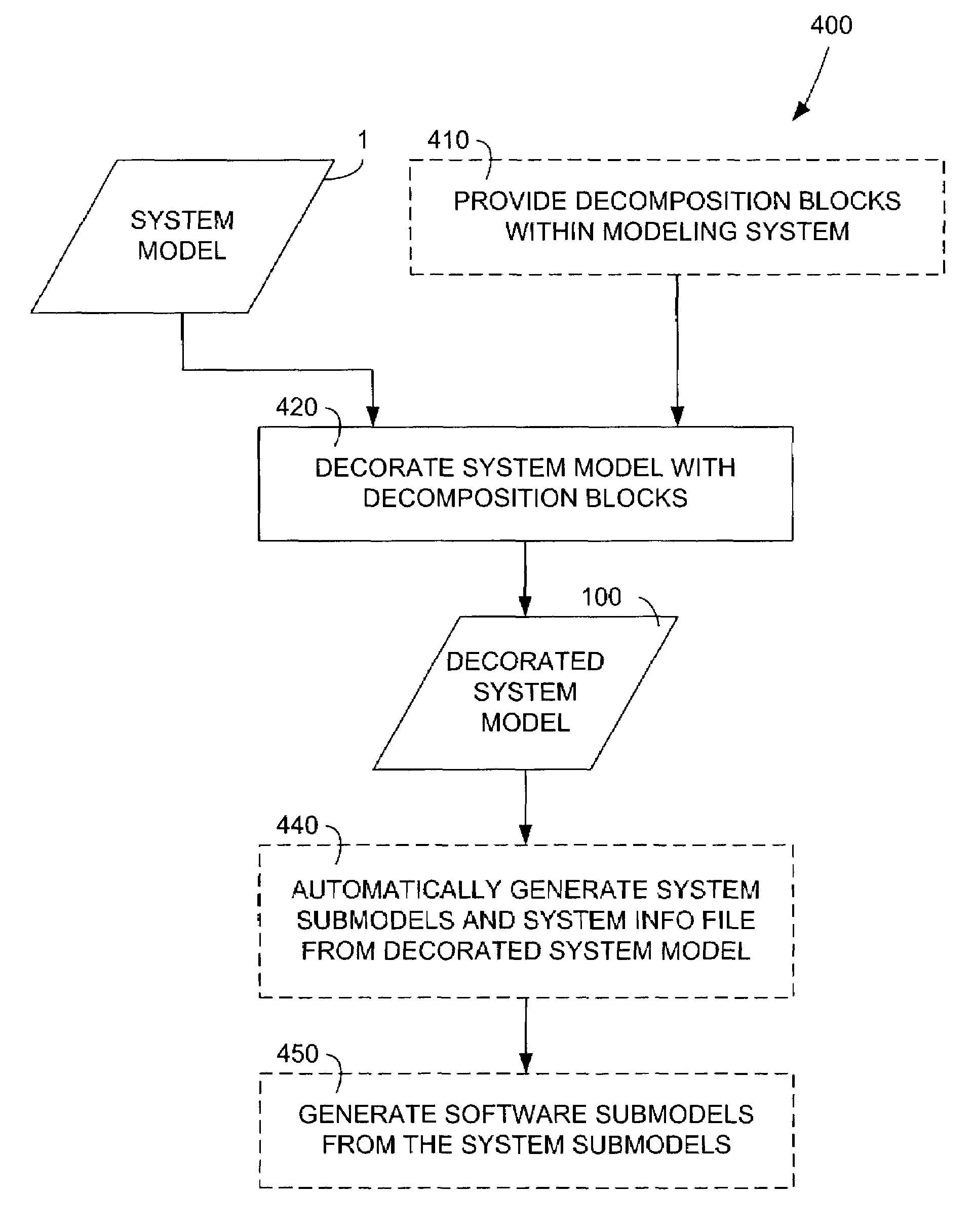
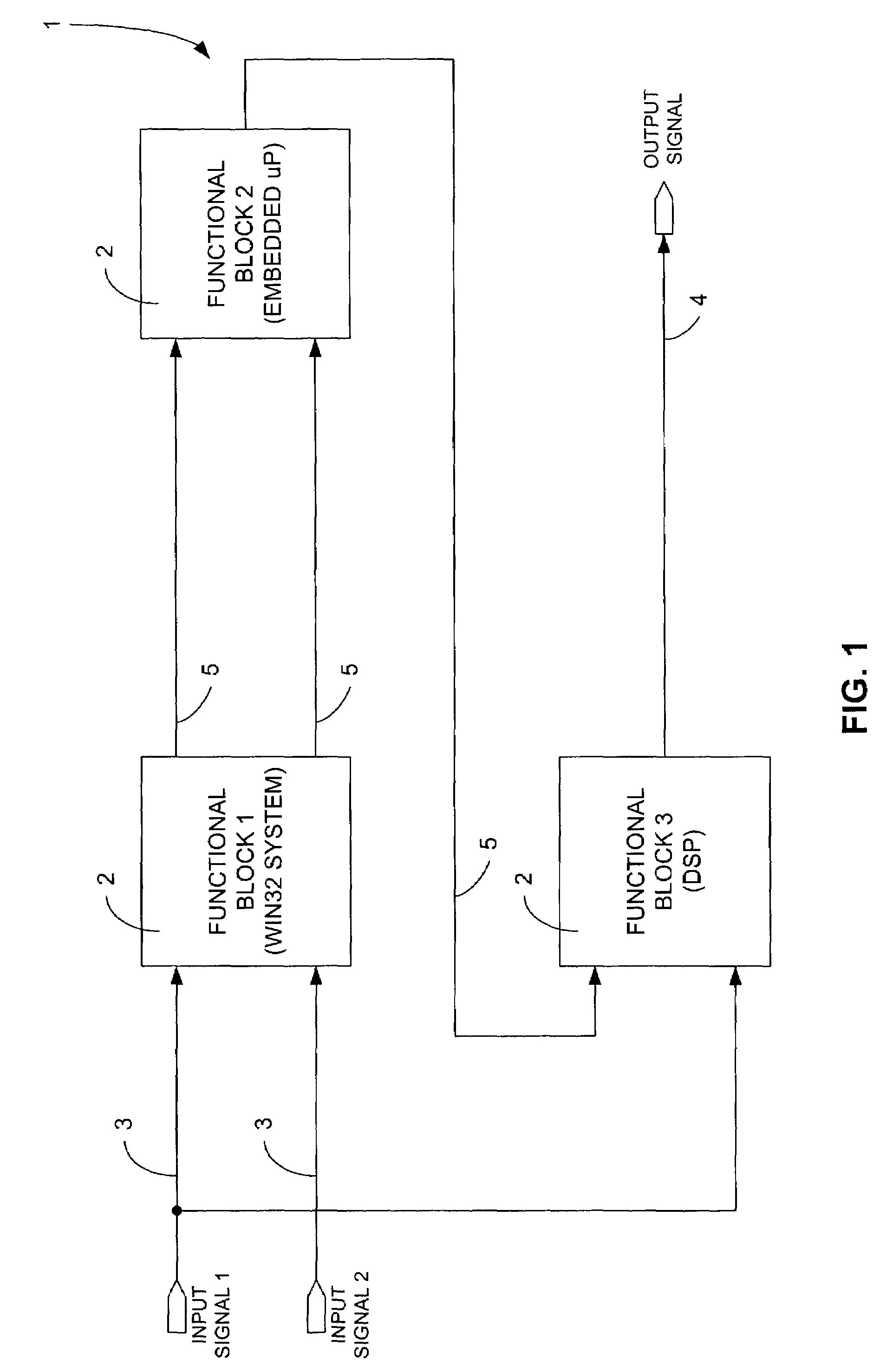
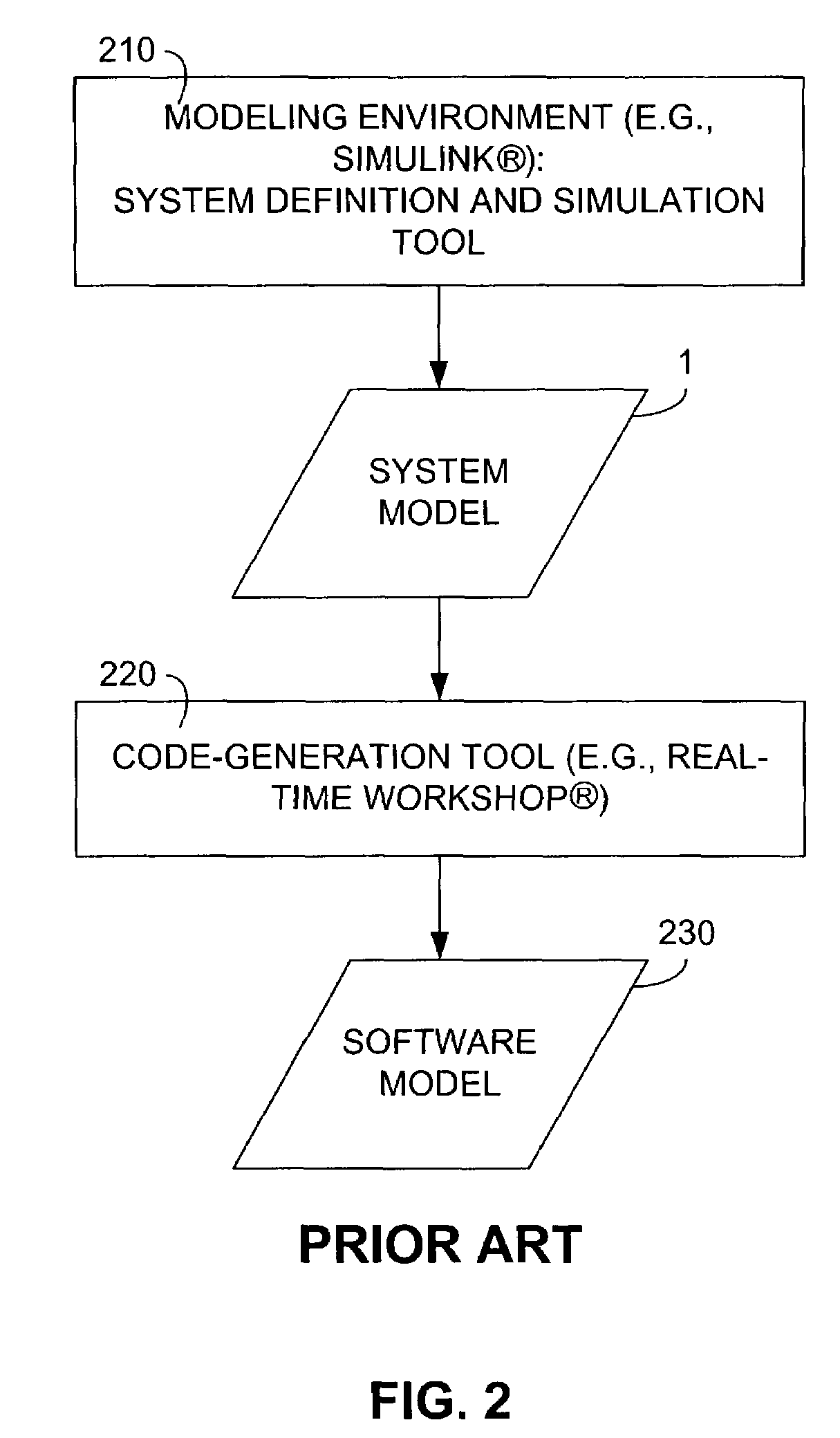
- A method for automatically decomposing a system model into submodels, using decomposition functional blocks and code generation to maintain consistent timing parameters and block priorities, facilitating communication between submodels, and enabling simultaneous simulation across diverse target platforms.

Generation and utilization of self-improving data-driven models with selective simulation of 3D object design
PatentWO2020055659A1
Innovation
- A two-stage screening process using machine learning-based classifiers and surrogate models to predict simulation success and bypass costly simulations, allowing for selective simulation and reducing processing time and failures.


Computational Resource Requirements and Constraints
Simulation-driven design models for outcome prediction impose substantial computational demands that vary significantly based on model complexity, simulation scope, and required accuracy levels. High-fidelity simulations incorporating detailed physics-based modeling, multi-scale phenomena, and real-time constraints typically require substantial processing power, often necessitating high-performance computing clusters or specialized hardware accelerators such as GPUs and TPUs.
Memory requirements constitute another critical constraint, particularly for large-scale simulations involving complex geometries, extensive datasets, or time-dependent analyses. Models processing massive datasets or conducting Monte Carlo simulations may require hundreds of gigabytes to terabytes of RAM, while real-time applications demand efficient memory management to maintain acceptable response times.
Storage infrastructure presents ongoing challenges as simulation-driven models generate enormous volumes of data throughout the design iteration process. Intermediate results, parameter sweeps, and historical simulation data can accumulate rapidly, requiring robust data management strategies and scalable storage solutions. Organizations must balance storage costs against data retention requirements for model validation and regulatory compliance.
Network bandwidth becomes particularly crucial in distributed computing environments where simulation workloads are distributed across multiple nodes or cloud resources. Data transfer bottlenecks can significantly impact overall simulation performance, especially when dealing with frequent data exchanges between coupled simulation modules or when accessing remote datasets.
Cloud computing platforms offer scalable alternatives to traditional on-premises infrastructure, providing elastic resource allocation that can adapt to varying computational demands. However, cloud-based solutions introduce additional considerations including data security, network latency, and cost optimization strategies for long-running simulations.
Resource optimization strategies are essential for managing these constraints effectively. Techniques such as adaptive mesh refinement, parallel processing algorithms, and surrogate modeling can significantly reduce computational requirements while maintaining acceptable accuracy levels. Load balancing and resource scheduling algorithms help maximize hardware utilization efficiency across distributed computing environments.
Memory requirements constitute another critical constraint, particularly for large-scale simulations involving complex geometries, extensive datasets, or time-dependent analyses. Models processing massive datasets or conducting Monte Carlo simulations may require hundreds of gigabytes to terabytes of RAM, while real-time applications demand efficient memory management to maintain acceptable response times.
Storage infrastructure presents ongoing challenges as simulation-driven models generate enormous volumes of data throughout the design iteration process. Intermediate results, parameter sweeps, and historical simulation data can accumulate rapidly, requiring robust data management strategies and scalable storage solutions. Organizations must balance storage costs against data retention requirements for model validation and regulatory compliance.
Network bandwidth becomes particularly crucial in distributed computing environments where simulation workloads are distributed across multiple nodes or cloud resources. Data transfer bottlenecks can significantly impact overall simulation performance, especially when dealing with frequent data exchanges between coupled simulation modules or when accessing remote datasets.
Cloud computing platforms offer scalable alternatives to traditional on-premises infrastructure, providing elastic resource allocation that can adapt to varying computational demands. However, cloud-based solutions introduce additional considerations including data security, network latency, and cost optimization strategies for long-running simulations.
Resource optimization strategies are essential for managing these constraints effectively. Techniques such as adaptive mesh refinement, parallel processing algorithms, and surrogate modeling can significantly reduce computational requirements while maintaining acceptable accuracy levels. Load balancing and resource scheduling algorithms help maximize hardware utilization efficiency across distributed computing environments.
Validation and Verification Standards for Predictive Models
The establishment of robust validation and verification standards for predictive models represents a critical foundation for ensuring reliability and accuracy in simulation-driven design processes. Current industry practices demonstrate significant variability in validation approaches, ranging from basic statistical measures to comprehensive multi-stage verification protocols. The absence of universally accepted standards has created challenges in model credibility assessment and cross-platform compatibility.
Statistical validation frameworks form the cornerstone of predictive model assessment, incorporating metrics such as coefficient of determination, root mean square error, and cross-validation techniques. Advanced validation methodologies now integrate uncertainty quantification methods, enabling practitioners to assess confidence intervals and prediction reliability bounds. These statistical approaches must be complemented by domain-specific validation criteria that account for physical constraints and engineering principles inherent in the modeled systems.
Verification standards encompass both numerical accuracy and computational consistency requirements. Model verification protocols typically include mesh independence studies, temporal convergence analysis, and code verification procedures to ensure mathematical correctness. Contemporary standards emphasize the importance of benchmark testing against analytical solutions and experimental data, establishing hierarchical verification levels from unit testing to full-system validation.
Regulatory compliance frameworks are emerging across industries, particularly in aerospace, automotive, and medical device sectors where predictive model accuracy directly impacts safety and performance. These frameworks mandate documentation standards, traceability requirements, and audit procedures for model development and deployment. The integration of quality management systems with model validation processes ensures consistent application of verification standards throughout the product development lifecycle.
Emerging validation paradigms incorporate machine learning techniques for automated model assessment and continuous validation monitoring. Real-time validation systems enable dynamic model updating and performance tracking, addressing the challenge of model degradation over time. These advanced approaches represent the evolution toward adaptive validation standards that can accommodate increasingly complex simulation-driven design environments while maintaining rigorous accuracy requirements.
Statistical validation frameworks form the cornerstone of predictive model assessment, incorporating metrics such as coefficient of determination, root mean square error, and cross-validation techniques. Advanced validation methodologies now integrate uncertainty quantification methods, enabling practitioners to assess confidence intervals and prediction reliability bounds. These statistical approaches must be complemented by domain-specific validation criteria that account for physical constraints and engineering principles inherent in the modeled systems.
Verification standards encompass both numerical accuracy and computational consistency requirements. Model verification protocols typically include mesh independence studies, temporal convergence analysis, and code verification procedures to ensure mathematical correctness. Contemporary standards emphasize the importance of benchmark testing against analytical solutions and experimental data, establishing hierarchical verification levels from unit testing to full-system validation.
Regulatory compliance frameworks are emerging across industries, particularly in aerospace, automotive, and medical device sectors where predictive model accuracy directly impacts safety and performance. These frameworks mandate documentation standards, traceability requirements, and audit procedures for model development and deployment. The integration of quality management systems with model validation processes ensures consistent application of verification standards throughout the product development lifecycle.
Emerging validation paradigms incorporate machine learning techniques for automated model assessment and continuous validation monitoring. Real-time validation systems enable dynamic model updating and performance tracking, addressing the challenge of model degradation over time. These advanced approaches represent the evolution toward adaptive validation standards that can accommodate increasingly complex simulation-driven design environments while maintaining rigorous accuracy requirements.
Unlock deeper insights with PatSnap Eureka Quick Research — get a full tech report to explore trends and direct your research. Try now!
Generate Your Research Report Instantly with AI Agent
Supercharge your innovation with PatSnap Eureka AI Agent Platform!