

Pulse Code Modulation vs Time Division Multiplexing
MAR 6, 20269 MIN READ
Generate Your Research Report Instantly with AI Agent
Patsnap Eureka helps you evaluate technical feasibility & market potential.
PCM vs TDM Technology Background and Objectives
Pulse Code Modulation (PCM) and Time Division Multiplexing (TDM) represent two fundamental technologies that emerged during the mid-20th century telecommunications revolution, fundamentally transforming how analog signals are digitized and transmitted across communication networks. PCM, developed in the 1930s by Alec Reeves at ITT's Paris laboratory, established the foundation for converting continuous analog signals into discrete digital representations through sampling, quantization, and encoding processes. TDM, conceptualized around the same period, provided the framework for efficiently sharing transmission channels among multiple users by allocating specific time slots to each communication stream.
The historical evolution of these technologies reflects the telecommunications industry's transition from analog to digital systems. PCM's development was initially driven by the need to improve signal quality and reduce noise interference in long-distance telephone communications. The technology gained significant momentum during World War II when secure and reliable communication systems became critical military requirements. TDM evolved as a complementary technology, addressing the growing demand for efficient bandwidth utilization as communication networks expanded globally.
The convergence of PCM and TDM technologies created the backbone of modern digital communication systems. While PCM focuses on the analog-to-digital conversion process, TDM addresses the multiplexing challenge of combining multiple PCM streams into a single transmission medium. This synergistic relationship enabled the development of standardized digital hierarchies such as T1/E1 systems, which became the foundation for telecommunications infrastructure worldwide.
Current technological objectives center on optimizing the integration of PCM and TDM for emerging applications including 5G networks, Internet of Things (IoT) communications, and high-speed data transmission systems. The primary goals include enhancing sampling efficiency, reducing latency in time slot allocation, improving spectral efficiency, and developing adaptive algorithms that can dynamically adjust to varying signal characteristics and network conditions.
Modern research initiatives focus on addressing the limitations of traditional PCM and TDM implementations, particularly in scenarios requiring ultra-low latency, high-precision signal reproduction, and efficient resource allocation. These objectives drive innovation in areas such as delta-sigma modulation techniques, statistical multiplexing methods, and hybrid approaches that combine the strengths of both technologies while mitigating their individual constraints.
The historical evolution of these technologies reflects the telecommunications industry's transition from analog to digital systems. PCM's development was initially driven by the need to improve signal quality and reduce noise interference in long-distance telephone communications. The technology gained significant momentum during World War II when secure and reliable communication systems became critical military requirements. TDM evolved as a complementary technology, addressing the growing demand for efficient bandwidth utilization as communication networks expanded globally.
The convergence of PCM and TDM technologies created the backbone of modern digital communication systems. While PCM focuses on the analog-to-digital conversion process, TDM addresses the multiplexing challenge of combining multiple PCM streams into a single transmission medium. This synergistic relationship enabled the development of standardized digital hierarchies such as T1/E1 systems, which became the foundation for telecommunications infrastructure worldwide.
Current technological objectives center on optimizing the integration of PCM and TDM for emerging applications including 5G networks, Internet of Things (IoT) communications, and high-speed data transmission systems. The primary goals include enhancing sampling efficiency, reducing latency in time slot allocation, improving spectral efficiency, and developing adaptive algorithms that can dynamically adjust to varying signal characteristics and network conditions.
Modern research initiatives focus on addressing the limitations of traditional PCM and TDM implementations, particularly in scenarios requiring ultra-low latency, high-precision signal reproduction, and efficient resource allocation. These objectives drive innovation in areas such as delta-sigma modulation techniques, statistical multiplexing methods, and hybrid approaches that combine the strengths of both technologies while mitigating their individual constraints.
Market Demand for Digital Communication Solutions
The global digital communication market has experienced unprecedented growth driven by the fundamental need for efficient data transmission and multiplexing technologies. Pulse Code Modulation and Time Division Multiplexing represent cornerstone technologies that enable modern telecommunications infrastructure, creating substantial market opportunities across multiple sectors.
Enterprise communications represent the largest demand segment for digital communication solutions incorporating PCM and TDM technologies. Organizations require reliable voice and data transmission systems for internal communications, customer service operations, and remote collaboration platforms. The shift toward hybrid work environments has intensified demand for robust digital communication infrastructure capable of handling simultaneous voice and data streams with minimal latency.
Telecommunications service providers constitute another critical market segment driving demand for PCM and TDM solutions. Network operators require efficient multiplexing technologies to maximize bandwidth utilization across their infrastructure investments. The ongoing deployment of fiber-optic networks and the maintenance of legacy systems create sustained demand for equipment and solutions that leverage both PCM encoding and TDM multiplexing capabilities.
The broadcasting and media industry represents a specialized but significant market for digital communication technologies. Radio stations, television networks, and streaming services rely on PCM for high-quality audio encoding, while TDM enables efficient distribution of multiple channels through shared transmission media. The transition from analog to digital broadcasting standards has created substantial replacement demand in this sector.
Industrial automation and control systems generate increasing demand for reliable digital communication solutions. Manufacturing facilities, power plants, and transportation systems require real-time data transmission capabilities that can handle multiple sensor inputs and control signals simultaneously. TDM technology provides the deterministic timing characteristics essential for industrial applications, while PCM ensures accurate analog-to-digital conversion for sensor data.
The healthcare sector has emerged as a growing market for digital communication technologies, particularly for medical imaging, patient monitoring systems, and telemedicine applications. These applications require high-fidelity signal processing and reliable data transmission, creating demand for advanced PCM and TDM implementations that can meet stringent regulatory requirements while maintaining signal integrity across complex network infrastructures.
Enterprise communications represent the largest demand segment for digital communication solutions incorporating PCM and TDM technologies. Organizations require reliable voice and data transmission systems for internal communications, customer service operations, and remote collaboration platforms. The shift toward hybrid work environments has intensified demand for robust digital communication infrastructure capable of handling simultaneous voice and data streams with minimal latency.
Telecommunications service providers constitute another critical market segment driving demand for PCM and TDM solutions. Network operators require efficient multiplexing technologies to maximize bandwidth utilization across their infrastructure investments. The ongoing deployment of fiber-optic networks and the maintenance of legacy systems create sustained demand for equipment and solutions that leverage both PCM encoding and TDM multiplexing capabilities.
The broadcasting and media industry represents a specialized but significant market for digital communication technologies. Radio stations, television networks, and streaming services rely on PCM for high-quality audio encoding, while TDM enables efficient distribution of multiple channels through shared transmission media. The transition from analog to digital broadcasting standards has created substantial replacement demand in this sector.
Industrial automation and control systems generate increasing demand for reliable digital communication solutions. Manufacturing facilities, power plants, and transportation systems require real-time data transmission capabilities that can handle multiple sensor inputs and control signals simultaneously. TDM technology provides the deterministic timing characteristics essential for industrial applications, while PCM ensures accurate analog-to-digital conversion for sensor data.
The healthcare sector has emerged as a growing market for digital communication technologies, particularly for medical imaging, patient monitoring systems, and telemedicine applications. These applications require high-fidelity signal processing and reliable data transmission, creating demand for advanced PCM and TDM implementations that can meet stringent regulatory requirements while maintaining signal integrity across complex network infrastructures.
Current State and Challenges in Digital Signal Processing
Digital signal processing has reached a mature state with both Pulse Code Modulation and Time Division Multiplexing serving as fundamental technologies in modern communication systems. PCM technology has evolved significantly since its inception, with current implementations supporting sampling rates up to several gigahertz and resolution capabilities extending to 32-bit quantization levels. Contemporary PCM systems demonstrate exceptional fidelity in audio applications, achieving signal-to-noise ratios exceeding 120 dB in professional equipment.
TDM technology has similarly advanced, with current fiber optic systems supporting multiplexing of thousands of individual channels through sophisticated synchronization mechanisms. Modern TDM implementations in telecommunications infrastructure can handle data rates exceeding 100 Gbps while maintaining precise timing accuracy within nanosecond tolerances. The integration of advanced error correction algorithms has substantially improved reliability in high-speed TDM applications.
Despite these technological achievements, several critical challenges persist in digital signal processing applications. Latency remains a significant constraint, particularly in real-time applications where PCM encoding and TDM switching introduce cumulative delays that can impact system performance. The processing overhead associated with high-resolution PCM conversion creates bottlenecks in resource-constrained environments, limiting deployment in embedded systems and mobile devices.
Power consumption presents another substantial challenge, especially as data rates continue to increase. Current PCM analog-to-digital converters operating at high sampling frequencies require substantial power budgets, while TDM switching equipment demands significant energy for maintaining synchronization across multiple channels. This power requirement becomes particularly problematic in battery-powered applications and large-scale data centers.
Synchronization complexity in TDM systems represents a growing technical hurdle as channel counts increase. Maintaining precise timing across hundreds or thousands of multiplexed channels requires sophisticated clock distribution networks and compensation mechanisms for temperature variations and component aging. The geographical distribution of modern communication networks exacerbates these synchronization challenges, particularly in transcontinental fiber optic systems.
Scalability limitations emerge as both technologies approach fundamental physical constraints. PCM systems face bandwidth limitations imposed by the Nyquist criterion, while TDM implementations encounter switching speed limitations in electronic components. These constraints become increasingly apparent as demand for higher data rates and channel densities continues to grow across telecommunications and data processing applications.
TDM technology has similarly advanced, with current fiber optic systems supporting multiplexing of thousands of individual channels through sophisticated synchronization mechanisms. Modern TDM implementations in telecommunications infrastructure can handle data rates exceeding 100 Gbps while maintaining precise timing accuracy within nanosecond tolerances. The integration of advanced error correction algorithms has substantially improved reliability in high-speed TDM applications.
Despite these technological achievements, several critical challenges persist in digital signal processing applications. Latency remains a significant constraint, particularly in real-time applications where PCM encoding and TDM switching introduce cumulative delays that can impact system performance. The processing overhead associated with high-resolution PCM conversion creates bottlenecks in resource-constrained environments, limiting deployment in embedded systems and mobile devices.
Power consumption presents another substantial challenge, especially as data rates continue to increase. Current PCM analog-to-digital converters operating at high sampling frequencies require substantial power budgets, while TDM switching equipment demands significant energy for maintaining synchronization across multiple channels. This power requirement becomes particularly problematic in battery-powered applications and large-scale data centers.
Synchronization complexity in TDM systems represents a growing technical hurdle as channel counts increase. Maintaining precise timing across hundreds or thousands of multiplexed channels requires sophisticated clock distribution networks and compensation mechanisms for temperature variations and component aging. The geographical distribution of modern communication networks exacerbates these synchronization challenges, particularly in transcontinental fiber optic systems.
Scalability limitations emerge as both technologies approach fundamental physical constraints. PCM systems face bandwidth limitations imposed by the Nyquist criterion, while TDM implementations encounter switching speed limitations in electronic components. These constraints become increasingly apparent as demand for higher data rates and channel densities continues to grow across telecommunications and data processing applications.
Existing PCM and TDM Implementation Solutions
01 Basic PCM-TDM system architecture and signal processing
Fundamental systems that combine pulse code modulation with time division multiplexing for transmitting multiple analog signals over a single channel. These systems involve sampling analog signals at regular intervals, converting them to digital codes, and interleaving the coded samples from multiple channels in time slots. The basic architecture includes analog-to-digital converters, multiplexers, and demultiplexers to enable efficient bandwidth utilization and simultaneous transmission of multiple communication channels.- Basic PCM-TDM system architecture and signal processing: Fundamental systems that combine pulse code modulation with time division multiplexing for transmitting multiple analog signals over a single channel. These systems involve sampling analog signals at regular intervals, converting them to digital codes, and interleaving the coded samples from multiple channels in time slots. The basic architecture includes analog-to-digital converters, multiplexers, and demultiplexers to enable efficient bandwidth utilization and simultaneous transmission of multiple communication channels.
- Synchronization and timing control in PCM-TDM systems: Methods and circuits for maintaining precise synchronization between transmitter and receiver in time division multiplexed pulse code modulation systems. These techniques ensure proper alignment of time slots and accurate recovery of individual channels at the receiving end. Synchronization mechanisms include frame synchronization patterns, clock recovery circuits, and timing signal generation to prevent data loss and maintain signal integrity across the transmission medium.
- Compression and encoding techniques for PCM-TDM: Advanced encoding and compression methods applied to pulse code modulation systems to reduce bandwidth requirements and improve transmission efficiency. These techniques include adaptive quantization, differential encoding, and various compression algorithms that reduce the number of bits required to represent each sample while maintaining acceptable signal quality. The methods enable more channels to be multiplexed within the same bandwidth or reduce transmission costs.
- Digital signal processing and filtering in PCM-TDM systems: Digital processing techniques applied to pulse code modulated and time division multiplexed signals for noise reduction, signal enhancement, and channel separation. These methods involve digital filters, interpolation algorithms, and signal reconstruction techniques that improve the quality of transmitted signals. The processing may occur at various stages including pre-processing before transmission, in-line processing during transmission, or post-processing at the receiver to optimize signal quality and reduce interference.
- Hybrid and integrated PCM-TDM communication systems: Integrated communication systems that combine pulse code modulation and time division multiplexing with other transmission technologies and protocols. These hybrid systems may incorporate wireless transmission, optical fiber communication, or integration with modern digital networks. The systems provide flexible solutions for various applications including telecommunications, data transmission, and multimedia communications, often featuring backward compatibility with legacy systems while supporting modern high-speed data requirements.
02 Synchronization and timing control in PCM-TDM systems
Methods and circuits for maintaining precise synchronization between transmitter and receiver in time division multiplexed pulse code modulation systems. These techniques ensure accurate frame alignment, bit timing recovery, and channel separation by using synchronization patterns, clock recovery circuits, and phase-locked loops. Proper timing control is essential for correctly demultiplexing the interleaved data streams and preventing channel crosstalk or data loss.Expand Specific Solutions03 Compression and bandwidth optimization techniques
Advanced methods for reducing the data rate and bandwidth requirements in PCM-TDM systems through various compression algorithms and efficient coding schemes. These techniques include adaptive quantization, differential encoding, and variable bit rate allocation to optimize transmission efficiency while maintaining acceptable signal quality. Such methods enable more channels to be multiplexed within limited bandwidth resources.Expand Specific Solutions04 Error detection and correction mechanisms
Systems incorporating error detection and correction capabilities to ensure reliable data transmission in PCM-TDM environments. These mechanisms include parity checking, cyclic redundancy checks, forward error correction codes, and retransmission protocols to detect and correct transmission errors caused by noise, interference, or channel impairments. Such features are critical for maintaining signal integrity in digital communication systems.Expand Specific Solutions05 Hybrid and modern PCM-TDM applications
Contemporary implementations that integrate PCM-TDM technology with modern communication standards and applications, including digital telephony, data networks, and multimedia transmission systems. These systems may combine traditional time division multiplexing with packet switching, internet protocols, or wireless technologies to support diverse communication services. Modern applications also address compatibility with legacy systems while incorporating advanced features for enhanced performance.Expand Specific Solutions
Key Players in Telecom and Digital Communication Industry
The competitive landscape for Pulse Code Modulation versus Time Division Multiplexing technologies reflects a mature telecommunications sector with established market dynamics. The industry has evolved from early development phases to widespread commercial deployment, with significant market penetration across global communications infrastructure. Major technology leaders including Qualcomm, Huawei, Intel, ZTE, and Ericsson demonstrate advanced technical maturity through their comprehensive product portfolios spanning wireless communications, network infrastructure, and semiconductor solutions. These companies have successfully integrated both PCM and TDM technologies into commercial systems, indicating high technological readiness levels. The presence of specialized firms like Sony, Philips, and Rohde & Schwarz alongside emerging players such as QuantumCTek and various Chinese technology companies suggests a competitive environment with both established incumbents and innovative challengers driving continued advancement in digital signal processing and multiplexing solutions.
QUALCOMM, Inc.
Technical Solution: Qualcomm implements advanced PCM encoding techniques in their Snapdragon processors for high-quality audio processing, supporting up to 32-bit/384kHz PCM formats. Their TDM solutions enable efficient multiplexing of multiple audio channels in mobile and IoT applications, with integrated digital signal processors optimizing both PCM conversion and TDM scheduling. The company's proprietary algorithms reduce latency in PCM-TDM conversion pipelines by up to 40% compared to standard implementations, making them suitable for real-time communication systems.
Strengths: Industry-leading mobile processor integration, low-power consumption, extensive patent portfolio. Weaknesses: Higher licensing costs, primarily focused on mobile applications rather than industrial systems.
Huawei Technologies Co., Ltd.
Technical Solution: Huawei develops comprehensive PCM and TDM solutions for telecommunications infrastructure, featuring adaptive PCM encoding that dynamically adjusts bit rates based on network conditions. Their TDM systems support up to 2048 channels with microsecond-level synchronization accuracy. The company's CloudEngine switches incorporate hardware-accelerated PCM-TDM conversion modules, enabling seamless integration between legacy TDM networks and modern packet-switched systems. Their solutions achieve 99.99% uptime reliability in carrier-grade deployments.
Strengths: Robust telecommunications infrastructure expertise, high reliability, cost-effective solutions. Weaknesses: Limited market access due to geopolitical restrictions, primarily focused on telecom rather than consumer applications.
Core Patents in PCM and TDM Technologies
Pulse code modulation multiplex system
PatentInactiveUS3668291A
Innovation
- Implementing a counter-type pulse code modulation encoder with separate logic elements in each channel and a single precision staircase waveform generator common to all channels, allowing simultaneous sampling and encoding, which relaxes sample and hold gate tolerances and extends the sample holding interval significantly.
Time division multiplexing method and system
PatentInactiveUS20110141918A1
Innovation
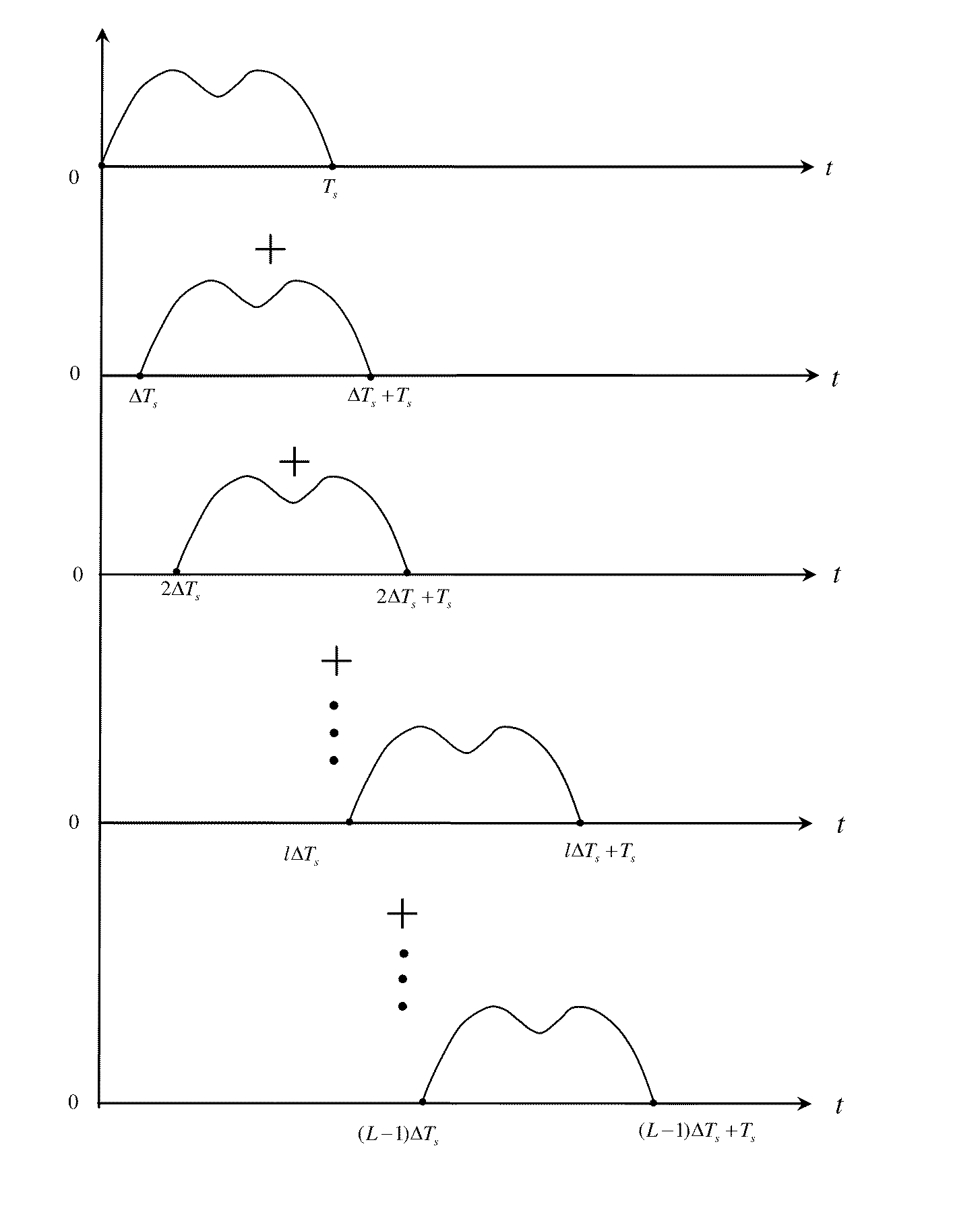
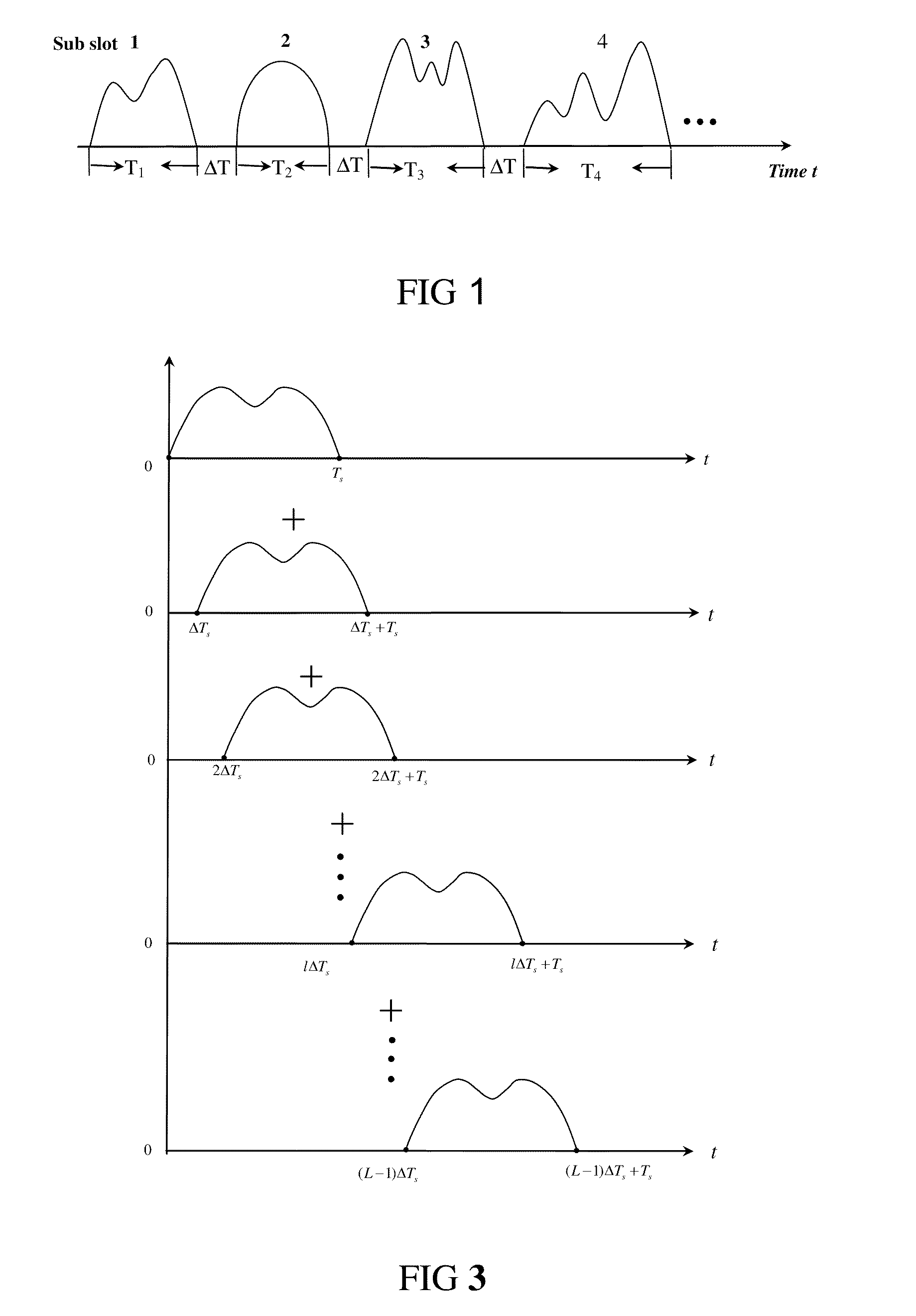
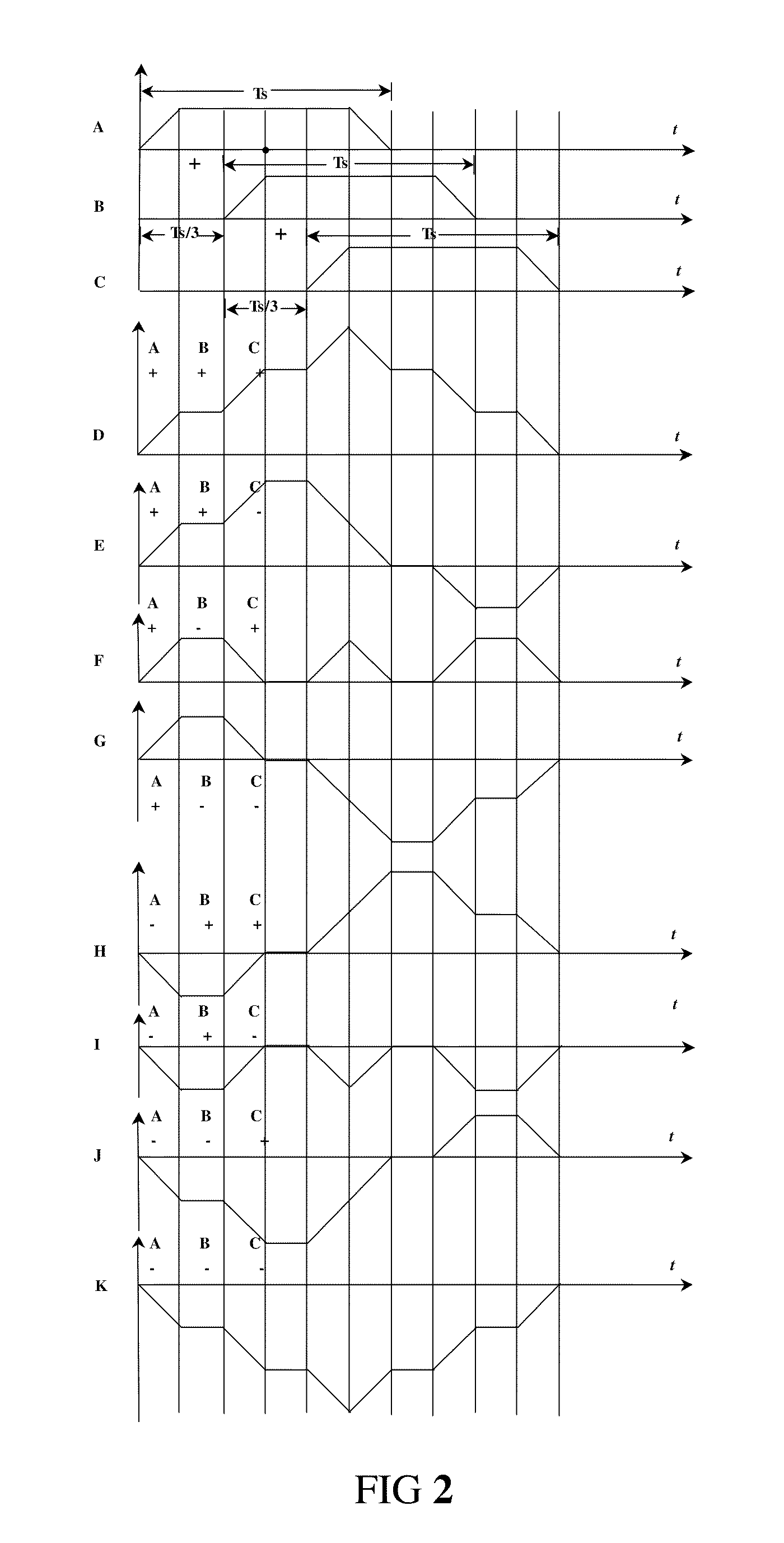
- The implementation of Overlapped Time Division Multiplexing (OvDM) where symbols overlap in the time domain, utilizing a coding constraint relation to enhance spectral efficiency by increasing the length of the encoding constraint, thereby reducing linearity requirements and eliminating the need for complex adaptive channel equalization, allowing for higher spectral efficiency and improved transmission reliability.

Spectrum Allocation and Regulatory Framework
The regulatory landscape governing spectrum allocation for PCM and TDM technologies operates within a complex framework of international, national, and regional authorities. The International Telecommunication Union (ITU) serves as the primary global coordinator, establishing fundamental principles for spectrum management and interference mitigation across different communication systems. National regulatory bodies, such as the Federal Communications Commission (FCC) in the United States and Ofcom in the United Kingdom, implement these guidelines while addressing specific domestic requirements and market conditions.
Spectrum allocation for PCM-based systems primarily focuses on bandwidth efficiency and signal quality preservation. Regulatory frameworks typically designate specific frequency bands for digital voice communications, with particular attention to maintaining adequate signal-to-noise ratios essential for PCM's analog-to-digital conversion processes. These allocations often include provisions for guard bands to prevent interference between adjacent channels, reflecting PCM's sensitivity to signal degradation during the quantization process.
TDM systems benefit from regulatory frameworks that emphasize temporal coordination and synchronization standards. Spectrum regulations for TDM applications typically incorporate strict timing requirements and protocols to ensure seamless channel switching and data integrity. Regulatory bodies often mandate specific synchronization standards, such as those defined in ITU-T recommendations, to maintain network-wide compatibility and prevent timing conflicts that could compromise TDM's multiplexing efficiency.
The convergence of PCM and TDM technologies in modern telecommunications has prompted regulatory evolution toward more flexible spectrum management approaches. Dynamic spectrum allocation policies are increasingly being adopted to accommodate the varying bandwidth requirements of different PCM encoding rates and TDM channel configurations. These adaptive frameworks allow for more efficient spectrum utilization while maintaining the quality standards necessary for both technologies.
Compliance requirements for PCM and TDM implementations include mandatory testing protocols, emission standards, and interoperability certifications. Regulatory frameworks typically specify maximum power levels, spurious emission limits, and adjacent channel interference thresholds that equipment manufacturers must meet. These standards ensure that PCM and TDM systems can coexist within shared spectrum environments without degrading overall network performance or violating international interference agreements.
Spectrum allocation for PCM-based systems primarily focuses on bandwidth efficiency and signal quality preservation. Regulatory frameworks typically designate specific frequency bands for digital voice communications, with particular attention to maintaining adequate signal-to-noise ratios essential for PCM's analog-to-digital conversion processes. These allocations often include provisions for guard bands to prevent interference between adjacent channels, reflecting PCM's sensitivity to signal degradation during the quantization process.
TDM systems benefit from regulatory frameworks that emphasize temporal coordination and synchronization standards. Spectrum regulations for TDM applications typically incorporate strict timing requirements and protocols to ensure seamless channel switching and data integrity. Regulatory bodies often mandate specific synchronization standards, such as those defined in ITU-T recommendations, to maintain network-wide compatibility and prevent timing conflicts that could compromise TDM's multiplexing efficiency.
The convergence of PCM and TDM technologies in modern telecommunications has prompted regulatory evolution toward more flexible spectrum management approaches. Dynamic spectrum allocation policies are increasingly being adopted to accommodate the varying bandwidth requirements of different PCM encoding rates and TDM channel configurations. These adaptive frameworks allow for more efficient spectrum utilization while maintaining the quality standards necessary for both technologies.
Compliance requirements for PCM and TDM implementations include mandatory testing protocols, emission standards, and interoperability certifications. Regulatory frameworks typically specify maximum power levels, spurious emission limits, and adjacent channel interference thresholds that equipment manufacturers must meet. These standards ensure that PCM and TDM systems can coexist within shared spectrum environments without degrading overall network performance or violating international interference agreements.
Performance Optimization Strategies for PCM-TDM Systems
Performance optimization in PCM-TDM systems requires a multifaceted approach that addresses both the pulse code modulation encoding efficiency and time division multiplexing resource allocation. The fundamental strategy involves optimizing the sampling rate and quantization levels to achieve the optimal balance between signal fidelity and bandwidth utilization. Advanced adaptive quantization techniques can dynamically adjust bit allocation based on signal characteristics, reducing unnecessary overhead while maintaining quality standards.
Buffer management represents a critical optimization area where intelligent queuing algorithms can significantly enhance system throughput. Implementing priority-based scheduling mechanisms allows high-priority channels to receive preferential treatment during peak traffic periods. Dynamic buffer allocation strategies can redistribute memory resources based on real-time channel utilization patterns, preventing bottlenecks and reducing latency variations across different time slots.
Synchronization optimization plays a pivotal role in maximizing PCM-TDM system efficiency. Advanced clock recovery algorithms and jitter compensation techniques ensure precise timing alignment, minimizing frame synchronization overhead. Implementing adaptive frame structures that can dynamically adjust slot allocations based on traffic demands enables more efficient bandwidth utilization compared to static time slot assignments.
Error correction and detection mechanisms must be carefully balanced to provide adequate protection without excessive overhead. Forward error correction codes can be selectively applied based on channel quality assessments, with more robust encoding reserved for channels experiencing higher error rates. Hybrid automatic repeat request protocols can provide additional reliability for critical data streams while maintaining overall system efficiency.
Power optimization strategies become increasingly important in modern PCM-TDM implementations. Dynamic voltage scaling techniques can adjust processing power based on current system load, while sleep mode implementations for unused time slots can significantly reduce overall power consumption. Advanced signal processing algorithms can minimize computational complexity without compromising performance, enabling more efficient hardware utilization and extending operational lifetime in battery-powered applications.
Buffer management represents a critical optimization area where intelligent queuing algorithms can significantly enhance system throughput. Implementing priority-based scheduling mechanisms allows high-priority channels to receive preferential treatment during peak traffic periods. Dynamic buffer allocation strategies can redistribute memory resources based on real-time channel utilization patterns, preventing bottlenecks and reducing latency variations across different time slots.
Synchronization optimization plays a pivotal role in maximizing PCM-TDM system efficiency. Advanced clock recovery algorithms and jitter compensation techniques ensure precise timing alignment, minimizing frame synchronization overhead. Implementing adaptive frame structures that can dynamically adjust slot allocations based on traffic demands enables more efficient bandwidth utilization compared to static time slot assignments.
Error correction and detection mechanisms must be carefully balanced to provide adequate protection without excessive overhead. Forward error correction codes can be selectively applied based on channel quality assessments, with more robust encoding reserved for channels experiencing higher error rates. Hybrid automatic repeat request protocols can provide additional reliability for critical data streams while maintaining overall system efficiency.
Power optimization strategies become increasingly important in modern PCM-TDM implementations. Dynamic voltage scaling techniques can adjust processing power based on current system load, while sleep mode implementations for unused time slots can significantly reduce overall power consumption. Advanced signal processing algorithms can minimize computational complexity without compromising performance, enabling more efficient hardware utilization and extending operational lifetime in battery-powered applications.
Unlock deeper insights with Patsnap Eureka Quick Research — get a full tech report to explore trends and direct your research. Try now!
Generate Your Research Report Instantly with AI Agent
Supercharge your innovation with Patsnap Eureka AI Agent Platform!