

Pulsed Electromagnetic Field Studies on Athletic Performance
MAR 7, 20269 MIN READ
Generate Your Research Report Instantly with AI Agent
PatSnap Eureka helps you evaluate technical feasibility & market potential.
PEMF Athletic Performance Background and Objectives
Pulsed Electromagnetic Field (PEMF) therapy represents a non-invasive therapeutic modality that has garnered significant attention in sports medicine and athletic performance enhancement over the past three decades. The technology utilizes time-varying electromagnetic fields to stimulate cellular processes, potentially influencing tissue repair, inflammation reduction, and metabolic optimization. The evolution of PEMF applications in athletics traces back to early medical applications in bone healing during the 1970s, gradually expanding into soft tissue recovery and performance optimization protocols.
The historical development of PEMF technology in athletic contexts emerged from observations of enhanced healing rates in orthopedic applications. Early research focused primarily on fracture healing and bone density improvement, establishing foundational understanding of electromagnetic field interactions with biological tissues. As technology advanced, researchers began investigating broader applications including muscle recovery, circulation enhancement, and neurological function optimization relevant to athletic performance.
Current technological trends indicate a shift toward personalized PEMF protocols, incorporating real-time biometric monitoring and adaptive field parameters. Modern systems feature sophisticated control mechanisms allowing precise frequency modulation, intensity adjustment, and treatment duration optimization. The integration of wearable technology and mobile applications has enabled continuous monitoring and data collection, facilitating evidence-based protocol refinement.
The primary technical objectives encompass multiple performance-related parameters. Enhanced recovery acceleration remains a central focus, targeting reduced inflammation markers, improved cellular ATP production, and optimized protein synthesis rates. Circulation improvement objectives include increased microvascular blood flow, enhanced oxygen delivery, and improved metabolic waste removal. Neurological optimization targets include enhanced neuromuscular coordination, reduced fatigue perception, and improved sleep quality metrics.
Performance enhancement objectives extend beyond recovery to include strength gains, endurance improvements, and injury prevention. Research aims to establish optimal field parameters for different athletic disciplines, considering factors such as training intensity, competition schedules, and individual physiological responses. The development of sport-specific protocols represents a key evolutionary direction, acknowledging the diverse physiological demands across different athletic activities.
Emerging objectives include the investigation of PEMF effects on cognitive performance aspects relevant to athletic success, such as reaction time, decision-making speed, and stress response modulation. Additionally, research focuses on understanding long-term adaptation mechanisms and potential synergistic effects when combined with other recovery modalities, positioning PEMF as an integral component of comprehensive athletic performance optimization strategies.
The historical development of PEMF technology in athletic contexts emerged from observations of enhanced healing rates in orthopedic applications. Early research focused primarily on fracture healing and bone density improvement, establishing foundational understanding of electromagnetic field interactions with biological tissues. As technology advanced, researchers began investigating broader applications including muscle recovery, circulation enhancement, and neurological function optimization relevant to athletic performance.
Current technological trends indicate a shift toward personalized PEMF protocols, incorporating real-time biometric monitoring and adaptive field parameters. Modern systems feature sophisticated control mechanisms allowing precise frequency modulation, intensity adjustment, and treatment duration optimization. The integration of wearable technology and mobile applications has enabled continuous monitoring and data collection, facilitating evidence-based protocol refinement.
The primary technical objectives encompass multiple performance-related parameters. Enhanced recovery acceleration remains a central focus, targeting reduced inflammation markers, improved cellular ATP production, and optimized protein synthesis rates. Circulation improvement objectives include increased microvascular blood flow, enhanced oxygen delivery, and improved metabolic waste removal. Neurological optimization targets include enhanced neuromuscular coordination, reduced fatigue perception, and improved sleep quality metrics.
Performance enhancement objectives extend beyond recovery to include strength gains, endurance improvements, and injury prevention. Research aims to establish optimal field parameters for different athletic disciplines, considering factors such as training intensity, competition schedules, and individual physiological responses. The development of sport-specific protocols represents a key evolutionary direction, acknowledging the diverse physiological demands across different athletic activities.
Emerging objectives include the investigation of PEMF effects on cognitive performance aspects relevant to athletic success, such as reaction time, decision-making speed, and stress response modulation. Additionally, research focuses on understanding long-term adaptation mechanisms and potential synergistic effects when combined with other recovery modalities, positioning PEMF as an integral component of comprehensive athletic performance optimization strategies.
Market Demand for PEMF Athletic Enhancement Solutions
The global market for PEMF athletic enhancement solutions is experiencing significant growth driven by increasing awareness of non-invasive recovery methods and performance optimization technologies. Professional sports organizations, collegiate athletic programs, and individual athletes are actively seeking evidence-based solutions that can provide competitive advantages while maintaining compliance with anti-doping regulations.
Professional sports teams represent the highest-value market segment, with organizations investing substantially in cutting-edge recovery and performance technologies. Major league franchises across football, basketball, soccer, and other sports are incorporating PEMF devices into their training facilities and recovery protocols. The demand is particularly strong among sports with high injury rates and intensive training schedules, where accelerated recovery can translate directly into competitive performance and reduced medical costs.
The consumer athletic market demonstrates robust growth potential, fueled by the expanding fitness culture and increased participation in endurance sports, recreational athletics, and fitness training. Amateur athletes, weekend warriors, and fitness enthusiasts are increasingly willing to invest in professional-grade recovery technologies previously available only to elite athletes. This democratization of sports technology is creating substantial market opportunities for portable and user-friendly PEMF devices.
Healthcare integration represents another significant demand driver, with sports medicine clinics, physical therapy centers, and rehabilitation facilities incorporating PEMF technology into their treatment protocols. The growing body of research supporting PEMF applications for muscle recovery, inflammation reduction, and tissue healing is expanding acceptance among healthcare professionals and creating new market channels.
Geographic demand patterns show strong growth in North America and Europe, driven by established sports industries and higher disposable incomes. Emerging markets in Asia-Pacific are demonstrating accelerating adoption rates, particularly in countries with growing sports participation and increasing health consciousness. The market is also benefiting from technological advances that have reduced device costs while improving effectiveness and portability.
Regulatory acceptance and safety profiles continue to strengthen market confidence, with PEMF devices gaining recognition as safe, non-invasive therapeutic tools. This regulatory clarity is facilitating broader adoption across various athletic and healthcare applications, supporting sustained market expansion.
Professional sports teams represent the highest-value market segment, with organizations investing substantially in cutting-edge recovery and performance technologies. Major league franchises across football, basketball, soccer, and other sports are incorporating PEMF devices into their training facilities and recovery protocols. The demand is particularly strong among sports with high injury rates and intensive training schedules, where accelerated recovery can translate directly into competitive performance and reduced medical costs.
The consumer athletic market demonstrates robust growth potential, fueled by the expanding fitness culture and increased participation in endurance sports, recreational athletics, and fitness training. Amateur athletes, weekend warriors, and fitness enthusiasts are increasingly willing to invest in professional-grade recovery technologies previously available only to elite athletes. This democratization of sports technology is creating substantial market opportunities for portable and user-friendly PEMF devices.
Healthcare integration represents another significant demand driver, with sports medicine clinics, physical therapy centers, and rehabilitation facilities incorporating PEMF technology into their treatment protocols. The growing body of research supporting PEMF applications for muscle recovery, inflammation reduction, and tissue healing is expanding acceptance among healthcare professionals and creating new market channels.
Geographic demand patterns show strong growth in North America and Europe, driven by established sports industries and higher disposable incomes. Emerging markets in Asia-Pacific are demonstrating accelerating adoption rates, particularly in countries with growing sports participation and increasing health consciousness. The market is also benefiting from technological advances that have reduced device costs while improving effectiveness and portability.
Regulatory acceptance and safety profiles continue to strengthen market confidence, with PEMF devices gaining recognition as safe, non-invasive therapeutic tools. This regulatory clarity is facilitating broader adoption across various athletic and healthcare applications, supporting sustained market expansion.
Current PEMF Research Status and Athletic Application Challenges
The current research landscape for Pulsed Electromagnetic Field (PEMF) applications in athletic performance presents a complex picture of emerging opportunities coupled with significant methodological and practical challenges. While PEMF technology has demonstrated promising results in clinical rehabilitation settings, its translation to athletic performance enhancement remains in early developmental stages with substantial research gaps.
Contemporary PEMF research in sports applications primarily focuses on three core areas: recovery acceleration, injury prevention, and performance optimization. Studies investigating recovery enhancement show the most robust evidence base, with research demonstrating PEMF's ability to reduce inflammation markers, accelerate tissue repair, and minimize delayed onset muscle soreness. However, the majority of these studies involve small sample sizes and lack standardized protocols, limiting the generalizability of findings across different athletic populations.
The field faces significant challenges in establishing standardized treatment parameters, as current research exhibits wide variations in frequency ranges, intensity levels, exposure duration, and application methods. This heterogeneity makes it difficult to establish evidence-based protocols for specific athletic applications. Additionally, the lack of consensus on optimal dosing strategies creates uncertainty for practitioners seeking to implement PEMF interventions.
Methodological limitations represent another major challenge in current PEMF athletic research. Many studies suffer from inadequate control groups, insufficient blinding procedures, and limited long-term follow-up assessments. The placebo effect remains particularly problematic, as creating effective sham PEMF devices for double-blind studies presents technical difficulties that compromise research validity.
Regulatory considerations further complicate the research landscape, as PEMF devices for athletic enhancement occupy a gray area between medical devices and performance aids. This regulatory uncertainty affects research funding, device development, and clinical implementation pathways. The absence of standardized safety protocols specifically designed for healthy athletic populations also presents challenges for researchers and practitioners.
Despite these obstacles, emerging research directions show promise for addressing current limitations. Advanced neurophysiological monitoring techniques are beginning to provide insights into PEMF's mechanisms of action in athletic contexts, while machine learning approaches offer potential solutions for optimizing treatment parameters based on individual athlete characteristics and performance metrics.
Contemporary PEMF research in sports applications primarily focuses on three core areas: recovery acceleration, injury prevention, and performance optimization. Studies investigating recovery enhancement show the most robust evidence base, with research demonstrating PEMF's ability to reduce inflammation markers, accelerate tissue repair, and minimize delayed onset muscle soreness. However, the majority of these studies involve small sample sizes and lack standardized protocols, limiting the generalizability of findings across different athletic populations.
The field faces significant challenges in establishing standardized treatment parameters, as current research exhibits wide variations in frequency ranges, intensity levels, exposure duration, and application methods. This heterogeneity makes it difficult to establish evidence-based protocols for specific athletic applications. Additionally, the lack of consensus on optimal dosing strategies creates uncertainty for practitioners seeking to implement PEMF interventions.
Methodological limitations represent another major challenge in current PEMF athletic research. Many studies suffer from inadequate control groups, insufficient blinding procedures, and limited long-term follow-up assessments. The placebo effect remains particularly problematic, as creating effective sham PEMF devices for double-blind studies presents technical difficulties that compromise research validity.
Regulatory considerations further complicate the research landscape, as PEMF devices for athletic enhancement occupy a gray area between medical devices and performance aids. This regulatory uncertainty affects research funding, device development, and clinical implementation pathways. The absence of standardized safety protocols specifically designed for healthy athletic populations also presents challenges for researchers and practitioners.
Despite these obstacles, emerging research directions show promise for addressing current limitations. Advanced neurophysiological monitoring techniques are beginning to provide insights into PEMF's mechanisms of action in athletic contexts, while machine learning approaches offer potential solutions for optimizing treatment parameters based on individual athlete characteristics and performance metrics.
Existing PEMF Protocols for Athletic Enhancement
01 PEMF devices for muscle stimulation and recovery
Pulsed electromagnetic field devices can be designed to target muscle tissue for stimulation and recovery purposes in athletic contexts. These devices generate specific electromagnetic pulses that penetrate tissue to promote cellular activity, reduce inflammation, and accelerate recovery after physical exertion. The technology can be integrated into wearable formats or stationary equipment for convenient application during training or rest periods.- PEMF devices for muscle stimulation and recovery: Pulsed electromagnetic field devices can be designed to target muscle tissue for stimulation and recovery purposes in athletic applications. These devices generate specific electromagnetic pulses that penetrate tissue to promote cellular activity, reduce inflammation, and accelerate recovery after physical exertion. The technology can be integrated into wearable formats or stationary equipment for convenient use by athletes during training or recovery periods.
- Wearable PEMF systems for athletic training: Wearable electromagnetic field generation systems can be incorporated into athletic gear, garments, or accessories to provide continuous or on-demand electromagnetic therapy during physical activity. These portable systems allow athletes to receive electromagnetic field treatment while training or competing, with designs that ensure comfort, flexibility, and non-interference with movement. The wearable format enables real-time application of electromagnetic pulses to specific body regions.
- PEMF therapy for injury prevention and healing: Electromagnetic field therapy can be applied to prevent sports-related injuries and accelerate healing of damaged tissue in athletes. The technology works by stimulating cellular repair mechanisms, improving blood circulation, and reducing recovery time from strains, sprains, and other athletic injuries. Treatment protocols can be customized based on injury type, severity, and the specific needs of different athletic activities.
- Performance monitoring integrated with PEMF treatment: Systems combining electromagnetic field therapy with performance monitoring capabilities enable data-driven optimization of athletic training. These integrated systems can track physiological parameters, activity levels, and recovery metrics while delivering electromagnetic pulses, allowing for personalized treatment protocols. The collected data helps optimize pulse parameters, treatment duration, and timing to maximize athletic performance benefits.
- PEMF applications for endurance and strength enhancement: Electromagnetic field technology can be utilized to enhance athletic endurance and strength through targeted stimulation of muscle fibers and metabolic processes. The application of specific pulse frequencies and intensities can improve oxygen utilization, energy production at the cellular level, and neuromuscular function. These effects contribute to improved athletic performance metrics including power output, stamina, and overall physical capacity.
02 Frequency and intensity optimization for performance enhancement
The effectiveness of electromagnetic field therapy for athletic performance depends on optimizing pulse frequency, intensity, and duration parameters. Different frequency ranges and field strengths can be selected to achieve specific physiological responses such as improved circulation, enhanced cellular metabolism, or accelerated tissue repair. Systems may include programmable controllers that allow customization of treatment protocols based on individual athlete needs and specific performance goals.Expand Specific Solutions03 Wearable PEMF systems for continuous athletic training support
Wearable electromagnetic field devices can be integrated into athletic apparel, bands, or accessories to provide continuous or on-demand therapy during training sessions. These portable systems are designed to be lightweight and non-intrusive while delivering therapeutic electromagnetic pulses to specific body regions. The wearable format enables athletes to receive treatment without interrupting their training routines or daily activities.Expand Specific Solutions04 PEMF therapy for injury prevention and tissue strengthening
Electromagnetic field technology can be applied prophylactically to strengthen tissues and reduce injury risk in athletes. Regular exposure to controlled electromagnetic pulses may enhance bone density, improve connective tissue integrity, and optimize neuromuscular function. These preventive applications aim to condition the body to better withstand the physical demands of athletic activities and reduce the likelihood of common sports injuries.Expand Specific Solutions05 Monitoring and feedback systems for PEMF athletic applications
Advanced electromagnetic field therapy systems incorporate sensors and monitoring capabilities to track physiological responses and treatment effectiveness. These systems may measure parameters such as tissue temperature, blood flow, muscle activity, or bioelectrical signals to provide real-time feedback and adjust treatment protocols accordingly. Integration with mobile applications or cloud-based platforms enables data tracking over time to optimize training and recovery strategies for individual athletes.Expand Specific Solutions
Key Players in PEMF Athletic Performance Industry
The pulsed electromagnetic field (PEMF) studies on athletic performance represent an emerging sector within the sports technology and medical device industries, currently in the early-to-mid development stage with significant growth potential. The market demonstrates moderate size with expanding applications across performance enhancement and recovery optimization. Technology maturity varies considerably among key players: established medical device companies like Medtronic and Siemens Healthineers bring advanced electromagnetic technologies from therapeutic applications, while sports giants NIKE and Adidas integrate PEMF research into performance optimization platforms. Academic institutions including Chongqing University, Shanghai University, and Swiss Federal Institute of Technology contribute foundational research, while specialized companies like Wave Neuroscience and Kardium develop targeted neuromodulation and pulsed field systems. The competitive landscape shows convergence between medical technology expertise and athletic performance applications, indicating promising commercialization prospects.
Medtronic AF Luxembourg SARL
Technical Solution: Medtronic has developed advanced pulsed electromagnetic field (PEMF) therapy systems that utilize precisely controlled electromagnetic pulses to enhance cellular metabolism and tissue regeneration. Their technology incorporates sophisticated pulse modulation algorithms that can deliver targeted frequencies ranging from 1-100 Hz with magnetic field intensities up to 50 Gauss. The system features real-time biofeedback monitoring to optimize treatment parameters based on individual physiological responses. Their PEMF devices are designed with multi-coil configurations to ensure uniform field distribution across treatment areas, particularly beneficial for athletic recovery applications where consistent stimulation of muscle groups is crucial for performance enhancement.
Strengths: Established medical device expertise, FDA-approved technologies, comprehensive clinical validation. Weaknesses: High cost, primarily medical focus rather than sports-specific applications.
NIKE, Inc.
Technical Solution: Nike has integrated PEMF technology into their athlete performance optimization programs through wearable devices that deliver low-intensity electromagnetic pulses during training and recovery phases. Their approach focuses on enhancing muscle oxygenation and reducing lactate accumulation through targeted electromagnetic stimulation at frequencies between 7.83-50 Hz. The technology is embedded in specialized training garments and recovery suits that athletes wear during rest periods. Nike's PEMF systems are designed to be lightweight and portable, allowing for continuous use during various training activities. Their research indicates improvements in VO2 max, reduced muscle fatigue, and accelerated recovery times when PEMF therapy is combined with traditional training methods.
Strengths: Strong athlete partnerships, extensive sports science research, consumer-focused design. Weaknesses: Limited clinical validation compared to medical devices, newer entrant in PEMF technology.
Core PEMF Research Findings in Athletic Performance
A pulsed electromagnetic field apparatus and method for generating frequencies
PatentWO2024127242A1
Innovation
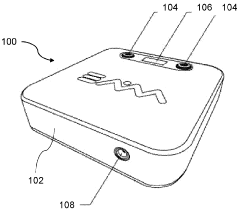
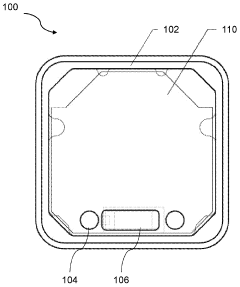
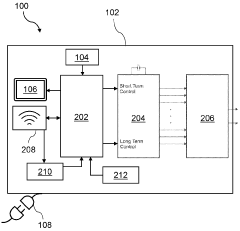
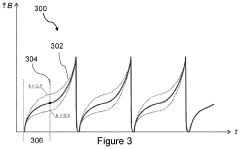
- A PEMF apparatus with a pulse generator and electromagnetic field generation means that uses modified sawtooth waveforms with pre-stress and relaxation periods, and quasi-sine signals with pulse width modulation, along with a feedback circuit for frequency stability and precision, and a bifilar antenna for scalar wave generation.
High-power pulsed electromagnetic field applicator system
PatentPendingUS20250319320A1
Innovation
- The system generates a low-power control signal in a base housing, which is received by applicators to locally produce high-power PEMF signals, reducing leakage by integrating a generator and electromagnetic energy shield within the applicators.


Regulatory Framework for PEMF Athletic Devices
The regulatory landscape for PEMF athletic devices presents a complex framework that varies significantly across different jurisdictions. In the United States, the Food and Drug Administration (FDA) classifies PEMF devices based on their intended use and risk profile. Devices marketed for general wellness or athletic performance enhancement typically fall under Class I or Class II medical device categories, requiring varying levels of premarket notification and clinical evidence.
The FDA's 510(k) pathway serves as the primary regulatory route for most PEMF athletic devices, requiring manufacturers to demonstrate substantial equivalence to predicate devices already on the market. This process demands comprehensive documentation including device description, intended use statements, performance testing data, and biocompatibility assessments. The regulatory burden intensifies when devices make specific therapeutic claims related to injury recovery or performance enhancement.
European Union regulations under the Medical Device Regulation (MDR) impose stringent requirements for PEMF devices entering the European market. The CE marking process requires conformity assessment procedures, clinical evaluation reports, and post-market surveillance systems. Notified bodies play crucial roles in evaluating high-risk devices, particularly those claiming therapeutic benefits for athletes.
International harmonization efforts through organizations like the International Electrotechnical Commission (IEC) have established safety standards for electromagnetic field exposure limits. IEC 60601 series standards specifically address medical electrical equipment, providing guidelines for electromagnetic compatibility and safety requirements that PEMF athletic devices must meet.
Regulatory challenges emerge from the dual nature of these devices, which often straddle the line between medical devices and consumer wellness products. Marketing claims significantly influence regulatory classification, with performance enhancement assertions potentially triggering more stringent oversight compared to general wellness positioning.
The evolving regulatory environment reflects growing recognition of PEMF technology's potential in athletic applications while maintaining safety standards. Manufacturers must navigate complex approval pathways, conduct appropriate clinical studies, and maintain compliance with post-market surveillance requirements to ensure successful market entry and sustained commercial viability.
The FDA's 510(k) pathway serves as the primary regulatory route for most PEMF athletic devices, requiring manufacturers to demonstrate substantial equivalence to predicate devices already on the market. This process demands comprehensive documentation including device description, intended use statements, performance testing data, and biocompatibility assessments. The regulatory burden intensifies when devices make specific therapeutic claims related to injury recovery or performance enhancement.
European Union regulations under the Medical Device Regulation (MDR) impose stringent requirements for PEMF devices entering the European market. The CE marking process requires conformity assessment procedures, clinical evaluation reports, and post-market surveillance systems. Notified bodies play crucial roles in evaluating high-risk devices, particularly those claiming therapeutic benefits for athletes.
International harmonization efforts through organizations like the International Electrotechnical Commission (IEC) have established safety standards for electromagnetic field exposure limits. IEC 60601 series standards specifically address medical electrical equipment, providing guidelines for electromagnetic compatibility and safety requirements that PEMF athletic devices must meet.
Regulatory challenges emerge from the dual nature of these devices, which often straddle the line between medical devices and consumer wellness products. Marketing claims significantly influence regulatory classification, with performance enhancement assertions potentially triggering more stringent oversight compared to general wellness positioning.
The evolving regulatory environment reflects growing recognition of PEMF technology's potential in athletic applications while maintaining safety standards. Manufacturers must navigate complex approval pathways, conduct appropriate clinical studies, and maintain compliance with post-market surveillance requirements to ensure successful market entry and sustained commercial viability.
Safety Protocols for PEMF Athletic Applications
The implementation of PEMF technology in athletic applications necessitates comprehensive safety protocols to ensure athlete wellbeing while maximizing therapeutic benefits. Current regulatory frameworks primarily draw from medical device standards, with the FDA classifying most PEMF devices as Class II medical devices requiring 510(k) clearance for therapeutic claims.
Electromagnetic field exposure limits follow established guidelines from international organizations such as the International Commission on Non-Ionizing Calls Protection (ICNIRP) and the Institute of Electrical and Electronics Engineers (IEEE). For athletic applications, specific absorption rate (SAR) values must remain below 2.0 W/kg for localized exposure, with whole-body exposure limited to 0.08 W/kg averaged over the entire body mass.
Pre-treatment screening protocols require comprehensive medical history evaluation, including assessment of implanted medical devices, pregnancy status, and existing cardiovascular conditions. Athletes with pacemakers, insulin pumps, or other active implantable devices face absolute contraindications due to potential electromagnetic interference. Relative contraindications include acute infections, malignancies, and severe cardiovascular disorders.
Treatment parameter standardization involves establishing frequency ranges between 1-100 Hz for most athletic recovery applications, with magnetic field intensities typically maintained below 5 millitesla (mT) for surface applications. Session duration protocols generally limit exposure to 15-30 minutes per treatment area, with minimum 4-hour intervals between repeated applications to the same anatomical region.
Monitoring procedures during PEMF sessions include continuous assessment of skin temperature, subjective comfort levels, and any adverse reactions. Temperature increases exceeding 2°C above baseline warrant immediate session termination. Real-time monitoring systems should incorporate automatic shut-off mechanisms when predetermined safety thresholds are exceeded.
Post-treatment evaluation protocols require systematic documentation of any delayed reactions within 24-48 hours following exposure. Common mild effects include temporary skin warming, slight tingling sensations, or transient muscle relaxation, all considered within normal response parameters.
Equipment maintenance and calibration standards mandate monthly verification of magnetic field output accuracy, with annual comprehensive safety inspections by qualified biomedical technicians. Proper training certification for operators ensures consistent application of safety protocols and emergency response procedures across all athletic training facilities utilizing PEMF technology.
Electromagnetic field exposure limits follow established guidelines from international organizations such as the International Commission on Non-Ionizing Calls Protection (ICNIRP) and the Institute of Electrical and Electronics Engineers (IEEE). For athletic applications, specific absorption rate (SAR) values must remain below 2.0 W/kg for localized exposure, with whole-body exposure limited to 0.08 W/kg averaged over the entire body mass.
Pre-treatment screening protocols require comprehensive medical history evaluation, including assessment of implanted medical devices, pregnancy status, and existing cardiovascular conditions. Athletes with pacemakers, insulin pumps, or other active implantable devices face absolute contraindications due to potential electromagnetic interference. Relative contraindications include acute infections, malignancies, and severe cardiovascular disorders.
Treatment parameter standardization involves establishing frequency ranges between 1-100 Hz for most athletic recovery applications, with magnetic field intensities typically maintained below 5 millitesla (mT) for surface applications. Session duration protocols generally limit exposure to 15-30 minutes per treatment area, with minimum 4-hour intervals between repeated applications to the same anatomical region.
Monitoring procedures during PEMF sessions include continuous assessment of skin temperature, subjective comfort levels, and any adverse reactions. Temperature increases exceeding 2°C above baseline warrant immediate session termination. Real-time monitoring systems should incorporate automatic shut-off mechanisms when predetermined safety thresholds are exceeded.
Post-treatment evaluation protocols require systematic documentation of any delayed reactions within 24-48 hours following exposure. Common mild effects include temporary skin warming, slight tingling sensations, or transient muscle relaxation, all considered within normal response parameters.
Equipment maintenance and calibration standards mandate monthly verification of magnetic field output accuracy, with annual comprehensive safety inspections by qualified biomedical technicians. Proper training certification for operators ensures consistent application of safety protocols and emergency response procedures across all athletic training facilities utilizing PEMF technology.
Unlock deeper insights with PatSnap Eureka Quick Research — get a full tech report to explore trends and direct your research. Try now!
Generate Your Research Report Instantly with AI Agent
Supercharge your innovation with PatSnap Eureka AI Agent Platform!