Reciprocating Compressor Oil Feed Reduction Techniques
MAR 20, 20269 MIN READ
Generate Your Research Report Instantly with AI Agent
Patsnap Eureka helps you evaluate technical feasibility & market potential.
Reciprocating Compressor Oil Feed Background and Objectives
Reciprocating compressors have served as fundamental workhorses in industrial applications for over a century, playing critical roles in refrigeration, gas processing, petrochemical operations, and manufacturing processes. These positive displacement machines operate through the cyclical motion of pistons within cylinders, compressing gases through mechanical action. However, the inherent design requirements for lubrication to ensure proper sealing, reduce friction, and prevent wear have introduced persistent challenges related to oil carryover into compressed gas streams.
The evolution of reciprocating compressor technology has consistently grappled with the fundamental tension between adequate lubrication and oil contamination control. Early compressor designs relied heavily on splash lubrication systems, which inevitably resulted in significant oil entrainment in the compressed gas. As industrial processes became more sophisticated and purity requirements more stringent, the need for effective oil separation and reduction techniques became increasingly apparent.
Modern industrial applications demand exceptionally clean compressed gas streams, particularly in sectors such as food and beverage processing, pharmaceutical manufacturing, electronics production, and natural gas processing. Contamination from compressor lubricating oil can compromise product quality, damage downstream equipment, reduce process efficiency, and create environmental compliance issues. The semiconductor industry, for instance, requires oil-free compressed air with contamination levels measured in parts per billion.
The primary objective of oil feed reduction techniques centers on minimizing lubricating oil carryover while maintaining optimal compressor performance, reliability, and service life. This involves developing and implementing technologies that can effectively separate oil from compressed gas streams, reduce oil consumption, and prevent oil migration into process systems. Advanced separation methods, improved sealing technologies, and alternative lubrication strategies represent key focus areas for achieving these objectives.
Contemporary research and development efforts aim to achieve oil carryover levels below 3 ppm by weight in standard applications, with ultra-high purity applications targeting sub-ppm contamination levels. These stringent requirements drive innovation in filtration technologies, compressor design modifications, and integrated oil management systems that can deliver consistent performance across varying operating conditions while minimizing maintenance requirements and operational costs.
The evolution of reciprocating compressor technology has consistently grappled with the fundamental tension between adequate lubrication and oil contamination control. Early compressor designs relied heavily on splash lubrication systems, which inevitably resulted in significant oil entrainment in the compressed gas. As industrial processes became more sophisticated and purity requirements more stringent, the need for effective oil separation and reduction techniques became increasingly apparent.
Modern industrial applications demand exceptionally clean compressed gas streams, particularly in sectors such as food and beverage processing, pharmaceutical manufacturing, electronics production, and natural gas processing. Contamination from compressor lubricating oil can compromise product quality, damage downstream equipment, reduce process efficiency, and create environmental compliance issues. The semiconductor industry, for instance, requires oil-free compressed air with contamination levels measured in parts per billion.
The primary objective of oil feed reduction techniques centers on minimizing lubricating oil carryover while maintaining optimal compressor performance, reliability, and service life. This involves developing and implementing technologies that can effectively separate oil from compressed gas streams, reduce oil consumption, and prevent oil migration into process systems. Advanced separation methods, improved sealing technologies, and alternative lubrication strategies represent key focus areas for achieving these objectives.
Contemporary research and development efforts aim to achieve oil carryover levels below 3 ppm by weight in standard applications, with ultra-high purity applications targeting sub-ppm contamination levels. These stringent requirements drive innovation in filtration technologies, compressor design modifications, and integrated oil management systems that can deliver consistent performance across varying operating conditions while minimizing maintenance requirements and operational costs.
Market Demand for Oil-Free Compressor Solutions
The global market for oil-free compressor solutions has experienced substantial growth driven by increasingly stringent environmental regulations and heightened awareness of contamination risks in critical applications. Industries such as pharmaceuticals, food and beverage processing, electronics manufacturing, and healthcare have emerged as primary demand drivers, where even trace amounts of oil contamination can compromise product quality or pose safety hazards.
Pharmaceutical and biotechnology sectors represent particularly lucrative market segments, as these industries require compressed air that meets strict purity standards for direct product contact applications. The production of sterile drugs, vaccines, and medical devices necessitates completely oil-free compressed air systems to prevent contamination that could render products unsafe for human consumption or use.
Food and beverage manufacturers have similarly intensified their adoption of oil-free compression technologies, responding to consumer demands for cleaner production processes and regulatory requirements for food safety. Applications including pneumatic conveying, packaging, and direct food contact processes have created sustained demand for reliable oil-free solutions that eliminate the risk of oil carryover into consumable products.
The electronics and semiconductor industries have contributed significantly to market expansion, as manufacturing processes for microchips, circuit boards, and precision components require ultra-clean compressed air. Oil contamination in these applications can cause defects, reduce yields, and compromise the reliability of electronic devices, making oil-free compression systems essential rather than optional.
Environmental sustainability initiatives across various industries have further accelerated market demand, as companies seek to reduce their environmental footprint and comply with emissions regulations. Oil-free compressor systems eliminate the need for oil disposal, reduce maintenance requirements, and minimize the risk of environmental contamination from oil leaks or spills.
The market has also benefited from technological advancements that have improved the reliability and efficiency of oil-free compression systems while reducing their total cost of ownership. Enhanced bearing technologies, improved cooling systems, and advanced materials have addressed historical limitations of oil-free compressors, making them more competitive with traditional oil-lubricated systems.
Emerging markets in Asia-Pacific and Latin America have shown particularly strong growth potential, driven by rapid industrialization, expanding manufacturing sectors, and increasing adoption of international quality standards. These regions present significant opportunities for oil-free compressor manufacturers as local industries upgrade their equipment to meet global market requirements.
Pharmaceutical and biotechnology sectors represent particularly lucrative market segments, as these industries require compressed air that meets strict purity standards for direct product contact applications. The production of sterile drugs, vaccines, and medical devices necessitates completely oil-free compressed air systems to prevent contamination that could render products unsafe for human consumption or use.
Food and beverage manufacturers have similarly intensified their adoption of oil-free compression technologies, responding to consumer demands for cleaner production processes and regulatory requirements for food safety. Applications including pneumatic conveying, packaging, and direct food contact processes have created sustained demand for reliable oil-free solutions that eliminate the risk of oil carryover into consumable products.
The electronics and semiconductor industries have contributed significantly to market expansion, as manufacturing processes for microchips, circuit boards, and precision components require ultra-clean compressed air. Oil contamination in these applications can cause defects, reduce yields, and compromise the reliability of electronic devices, making oil-free compression systems essential rather than optional.
Environmental sustainability initiatives across various industries have further accelerated market demand, as companies seek to reduce their environmental footprint and comply with emissions regulations. Oil-free compressor systems eliminate the need for oil disposal, reduce maintenance requirements, and minimize the risk of environmental contamination from oil leaks or spills.
The market has also benefited from technological advancements that have improved the reliability and efficiency of oil-free compression systems while reducing their total cost of ownership. Enhanced bearing technologies, improved cooling systems, and advanced materials have addressed historical limitations of oil-free compressors, making them more competitive with traditional oil-lubricated systems.
Emerging markets in Asia-Pacific and Latin America have shown particularly strong growth potential, driven by rapid industrialization, expanding manufacturing sectors, and increasing adoption of international quality standards. These regions present significant opportunities for oil-free compressor manufacturers as local industries upgrade their equipment to meet global market requirements.
Current Oil Feed Issues and Technical Challenges
Reciprocating compressors face significant oil feed challenges that directly impact operational efficiency and maintenance costs. Excessive oil consumption remains a persistent issue across various industrial applications, with consumption rates often exceeding manufacturer specifications by 20-40%. This overconsumption leads to increased operational expenses, environmental concerns, and frequent maintenance interventions that disrupt production schedules.
Oil carryover represents one of the most critical technical challenges in reciprocating compressor systems. When lubricating oil migrates from the crankcase into the compression chambers, it contaminates the compressed gas stream and reduces system efficiency. This phenomenon occurs due to inadequate oil separation mechanisms, improper piston ring sealing, and excessive crankcase pressure fluctuations during operation.
Lubrication system imbalances create cascading effects throughout the compressor assembly. Insufficient oil delivery to critical components such as crossheads, connecting rod bearings, and cylinder walls results in accelerated wear and potential catastrophic failures. Conversely, excessive oil feed leads to carbon deposit formation, valve fouling, and reduced heat transfer efficiency in downstream equipment.
Piston ring and cylinder liner wear patterns significantly influence oil consumption characteristics. As these components deteriorate, the sealing effectiveness diminishes, allowing increased oil migration into compression chambers. Traditional ring designs often struggle to maintain optimal sealing under varying pressure differentials and temperature conditions, particularly in high-pressure applications exceeding 3000 psi.
Temperature management presents another substantial challenge in oil feed optimization. Elevated operating temperatures reduce oil viscosity, compromising its sealing and lubricating properties. Inadequate cooling systems exacerbate this issue, leading to thermal degradation of lubricants and formation of harmful deposits that further impair system performance.
Current monitoring and control systems lack the precision required for real-time oil feed optimization. Most existing installations rely on basic pressure and temperature measurements, providing insufficient data for proactive oil management. This limitation prevents operators from implementing predictive maintenance strategies and optimizing oil consumption based on actual operating conditions rather than conservative manufacturer recommendations.
Oil carryover represents one of the most critical technical challenges in reciprocating compressor systems. When lubricating oil migrates from the crankcase into the compression chambers, it contaminates the compressed gas stream and reduces system efficiency. This phenomenon occurs due to inadequate oil separation mechanisms, improper piston ring sealing, and excessive crankcase pressure fluctuations during operation.
Lubrication system imbalances create cascading effects throughout the compressor assembly. Insufficient oil delivery to critical components such as crossheads, connecting rod bearings, and cylinder walls results in accelerated wear and potential catastrophic failures. Conversely, excessive oil feed leads to carbon deposit formation, valve fouling, and reduced heat transfer efficiency in downstream equipment.
Piston ring and cylinder liner wear patterns significantly influence oil consumption characteristics. As these components deteriorate, the sealing effectiveness diminishes, allowing increased oil migration into compression chambers. Traditional ring designs often struggle to maintain optimal sealing under varying pressure differentials and temperature conditions, particularly in high-pressure applications exceeding 3000 psi.
Temperature management presents another substantial challenge in oil feed optimization. Elevated operating temperatures reduce oil viscosity, compromising its sealing and lubricating properties. Inadequate cooling systems exacerbate this issue, leading to thermal degradation of lubricants and formation of harmful deposits that further impair system performance.
Current monitoring and control systems lack the precision required for real-time oil feed optimization. Most existing installations rely on basic pressure and temperature measurements, providing insufficient data for proactive oil management. This limitation prevents operators from implementing predictive maintenance strategies and optimizing oil consumption based on actual operating conditions rather than conservative manufacturer recommendations.
Existing Oil Feed Reduction Solutions
01 Forced lubrication systems for reciprocating compressors
Forced lubrication systems utilize pumps to deliver oil under pressure to critical components of reciprocating compressors. These systems ensure consistent oil supply to bearings, cylinders, and piston rings regardless of compressor speed or load conditions. The oil is typically circulated through dedicated channels and passages, providing reliable lubrication and cooling to moving parts. Pressure regulators and flow control devices maintain optimal oil delivery rates.- Forced lubrication systems for reciprocating compressors: Forced lubrication systems utilize pumps to deliver oil under pressure to critical components of reciprocating compressors. These systems ensure consistent oil supply to bearings, cylinders, and piston rings regardless of compressor speed or load conditions. The oil is typically circulated through dedicated channels and passages, providing reliable lubrication and cooling to moving parts. Pressure regulators and flow control devices maintain optimal oil delivery rates.
- Splash lubrication mechanisms: Splash lubrication systems rely on rotating components such as crankshafts or connecting rods to distribute oil throughout the compressor. As these parts move through an oil reservoir, they create splashing and misting effects that coat surrounding surfaces with lubricant. This method is commonly used in smaller compressors and provides simple, cost-effective lubrication without requiring external pumps or complex delivery systems.
- Oil injection and atomization systems: Oil injection systems introduce lubricant directly into the compression chamber or cylinder through specialized nozzles or injectors. The oil may be atomized to create fine droplets that provide enhanced coverage and cooling effects. These systems can be precisely controlled to deliver optimal amounts of lubricant based on operating conditions, improving efficiency and reducing oil consumption while maintaining adequate protection of compression surfaces.
- Oil separation and recovery systems: Oil separation systems are designed to remove lubricant from compressed gas streams before discharge. These systems typically employ centrifugal separators, coalescers, or filter elements to capture oil droplets and return them to the lubrication circuit. Effective oil recovery reduces lubricant consumption, prevents contamination of downstream equipment, and improves the overall efficiency of the compression system.
- Variable oil feed control mechanisms: Variable oil feed systems adjust lubricant delivery rates based on compressor operating parameters such as speed, load, temperature, and pressure. These adaptive systems use sensors and control valves to optimize oil supply, ensuring adequate lubrication during high-demand periods while minimizing excess oil consumption during lighter operation. This approach enhances component longevity, reduces maintenance requirements, and improves energy efficiency.
02 Splash lubrication mechanisms
Splash lubrication systems rely on rotating components such as crankshafts or connecting rods to distribute oil throughout the compressor. As these parts move through an oil reservoir, they create splashing and misting effects that coat surrounding surfaces with lubricant. This method is commonly used in smaller compressors and provides simple, cost-effective lubrication without requiring external pumps or complex delivery systems.Expand Specific Solutions03 Oil injection and atomization systems
Oil injection systems introduce lubricant directly into the compression chamber or cylinder through specialized nozzles or injectors. The oil may be atomized to create fine droplets that provide enhanced coverage and cooling effects. These systems allow precise control of oil quantity and timing, improving lubrication efficiency while minimizing oil consumption and carryover into the discharge gas stream.Expand Specific Solutions04 Oil separation and recovery systems
Oil separation systems remove lubricant from compressed gas before discharge, allowing the oil to be recovered and recirculated back to the compressor. These systems typically employ coalescers, centrifugal separators, or filter elements to capture oil droplets and mist. Effective oil separation reduces lubricant consumption, prevents contamination of downstream equipment, and improves overall system efficiency by enabling oil reuse.Expand Specific Solutions05 Oil feed control and monitoring devices
Control and monitoring devices regulate oil flow rates, pressure, and temperature to optimize lubrication performance. These systems may include flow meters, pressure sensors, temperature gauges, and automated control valves that adjust oil delivery based on operating conditions. Advanced systems incorporate electronic controls and feedback mechanisms to maintain optimal lubrication while preventing over-lubrication or oil starvation conditions.Expand Specific Solutions
Major Players in Oil-Free Compressor Technology
The reciprocating compressor oil feed reduction technology market represents a mature industrial segment driven by energy efficiency demands and environmental regulations. The industry has evolved from traditional lubrication systems to advanced oil-free and minimal-oil technologies, with market growth fueled by HVAC, refrigeration, and automotive applications. Major players demonstrate varying technological maturity levels: established manufacturers like Daikin Industries, Samsung Electronics, and Panasonic Holdings lead with comprehensive R&D capabilities and integrated solutions, while specialized firms such as Officine Mario Dorin and Sanden Corp focus on niche applications. Asian conglomerates including Hitachi Ltd., LG Electronics, and Toyota Industries leverage extensive manufacturing expertise, whereas emerging players like Plateau Compression Technology and regional specialists contribute innovative approaches. The competitive landscape reflects a consolidating market where technological differentiation centers on efficiency optimization, reliability enhancement, and sustainable operation methodologies.
Hitachi Ltd.
Technical Solution: Hitachi has developed sophisticated oil feed reduction systems for reciprocating compressors that combine advanced materials science with intelligent control systems. Their technology features variable speed drive systems that optimize compressor operation to minimize oil consumption while maintaining performance. The company implements multi-stage oil separation processes with efficiency rates exceeding 99%, coupled with oil recovery and recycling systems. Hitachi's approach includes the development of low-friction bearing materials and surface coatings that require minimal lubrication, along with predictive maintenance algorithms that optimize oil feed schedules based on wear patterns and operating history, resulting in significant reduction in oil consumption without compromising reliability.
Strengths: Comprehensive industrial automation expertise and proven track record in heavy machinery applications. Weaknesses: Complex system integration requirements and higher maintenance complexity due to advanced control systems.
Samsung Electronics Co., Ltd.
Technical Solution: Samsung has implemented advanced oil feed reduction techniques in their reciprocating compressor systems through the development of digital inverter technology and smart lubrication management. Their approach utilizes IoT-enabled sensors and machine learning algorithms to predict optimal oil feed rates based on operating patterns and environmental conditions. The system incorporates high-efficiency oil separators with centrifugal separation technology and automated oil level control systems. Samsung's solution also includes the use of nano-enhanced lubricants that provide superior lubrication properties at lower volumes, combined with precision injection systems that deliver oil only to critical bearing surfaces, reducing overall consumption while maintaining compressor longevity and performance.
Strengths: Advanced digital control systems and strong R&D capabilities in electronics integration. Weaknesses: Primarily focused on consumer appliances rather than heavy industrial applications, potentially limiting scalability.
Core Patents in Oil-Free Compressor Design
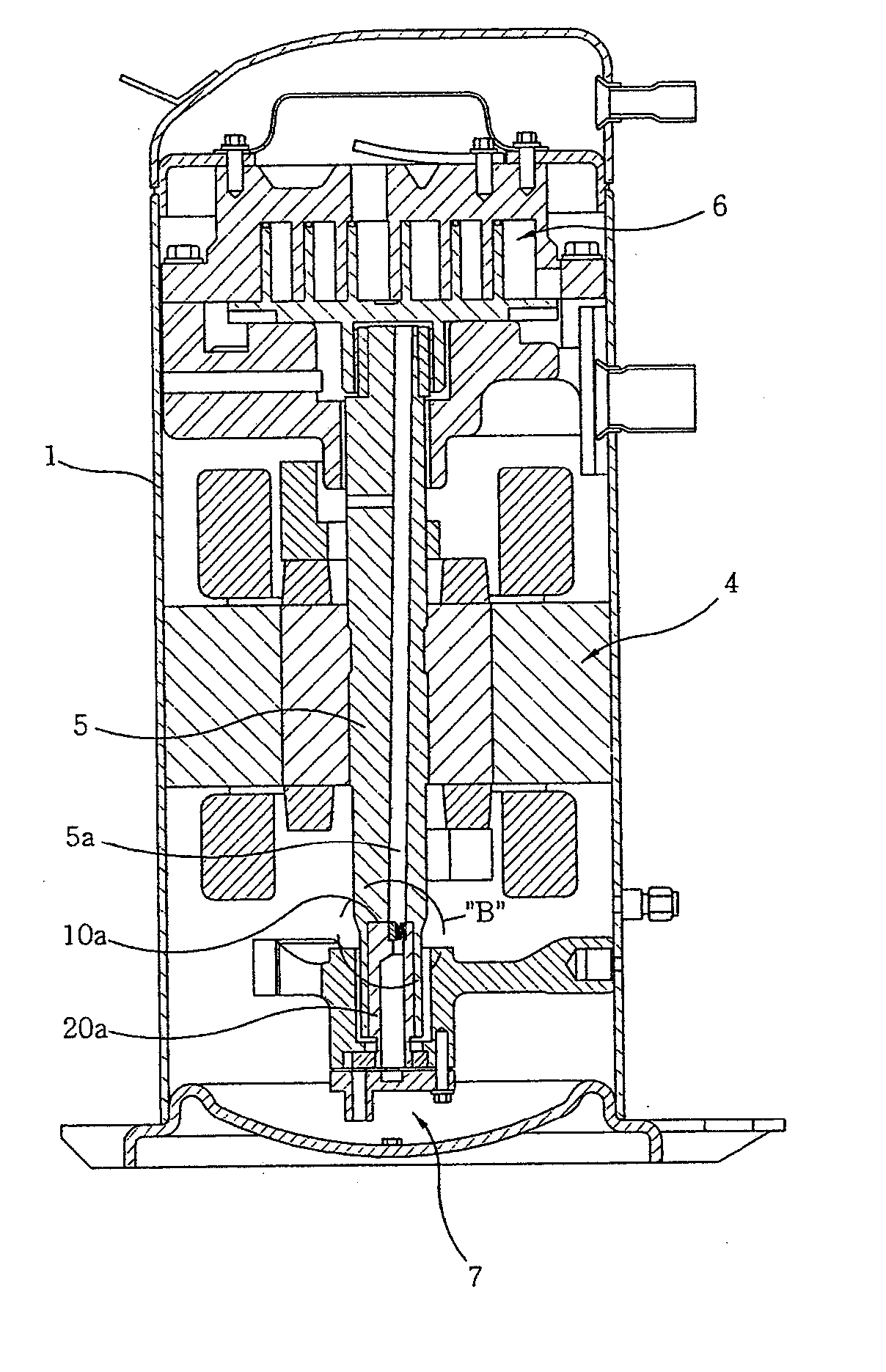
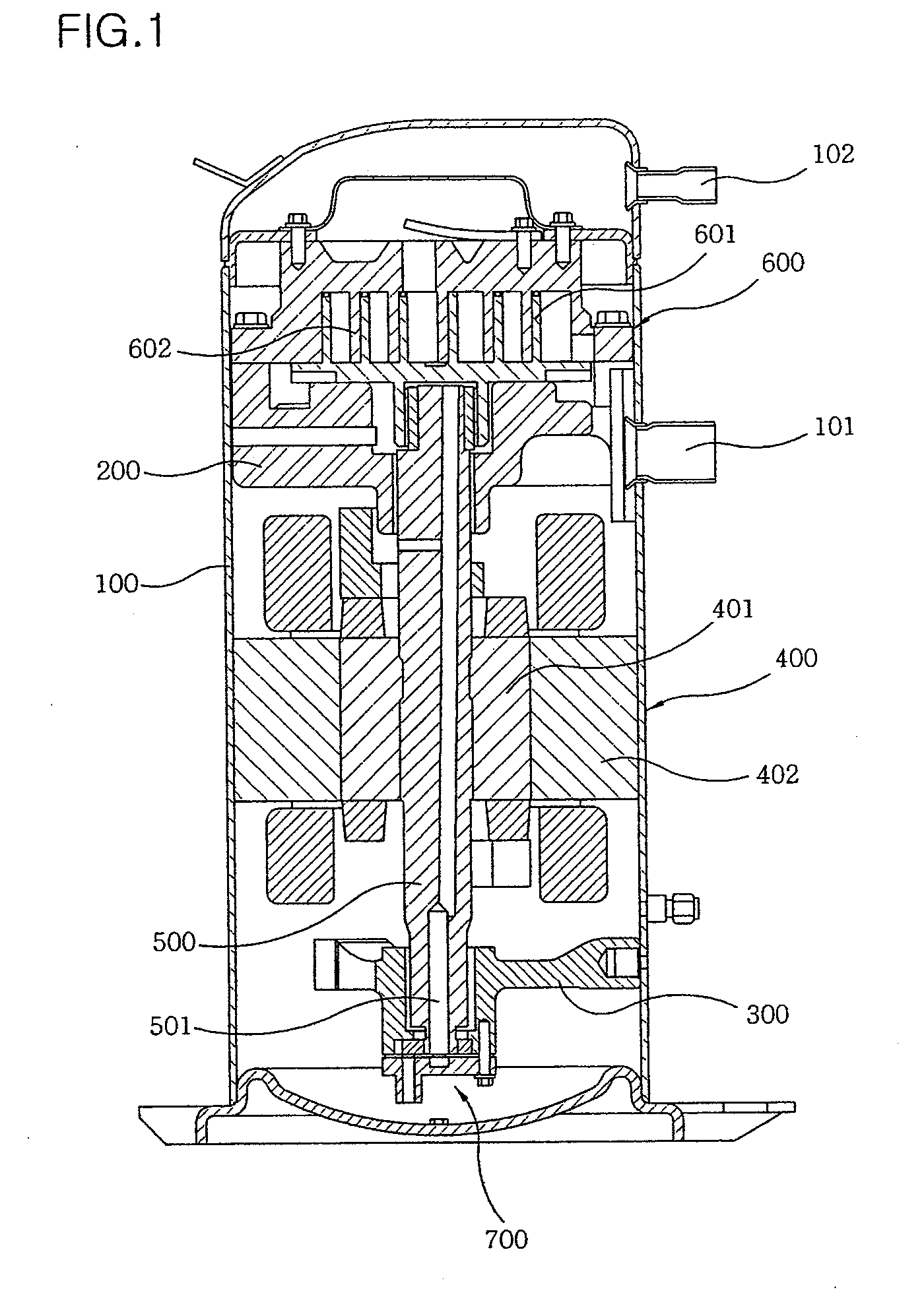
Apparatus for controlling quantity of feeding oil of inverter compressor
PatentInactiveUS20060222549A1
Innovation
- An oil feed controller is introduced, utilizing a rotation shaft with an oil passage and an oil feed pump, along with a bypass mechanism that opens at high speeds to redirect excess oil, and a weight stopper and elastic pressing part to manage oil flow, ensuring optimal oil distribution to the compression part.


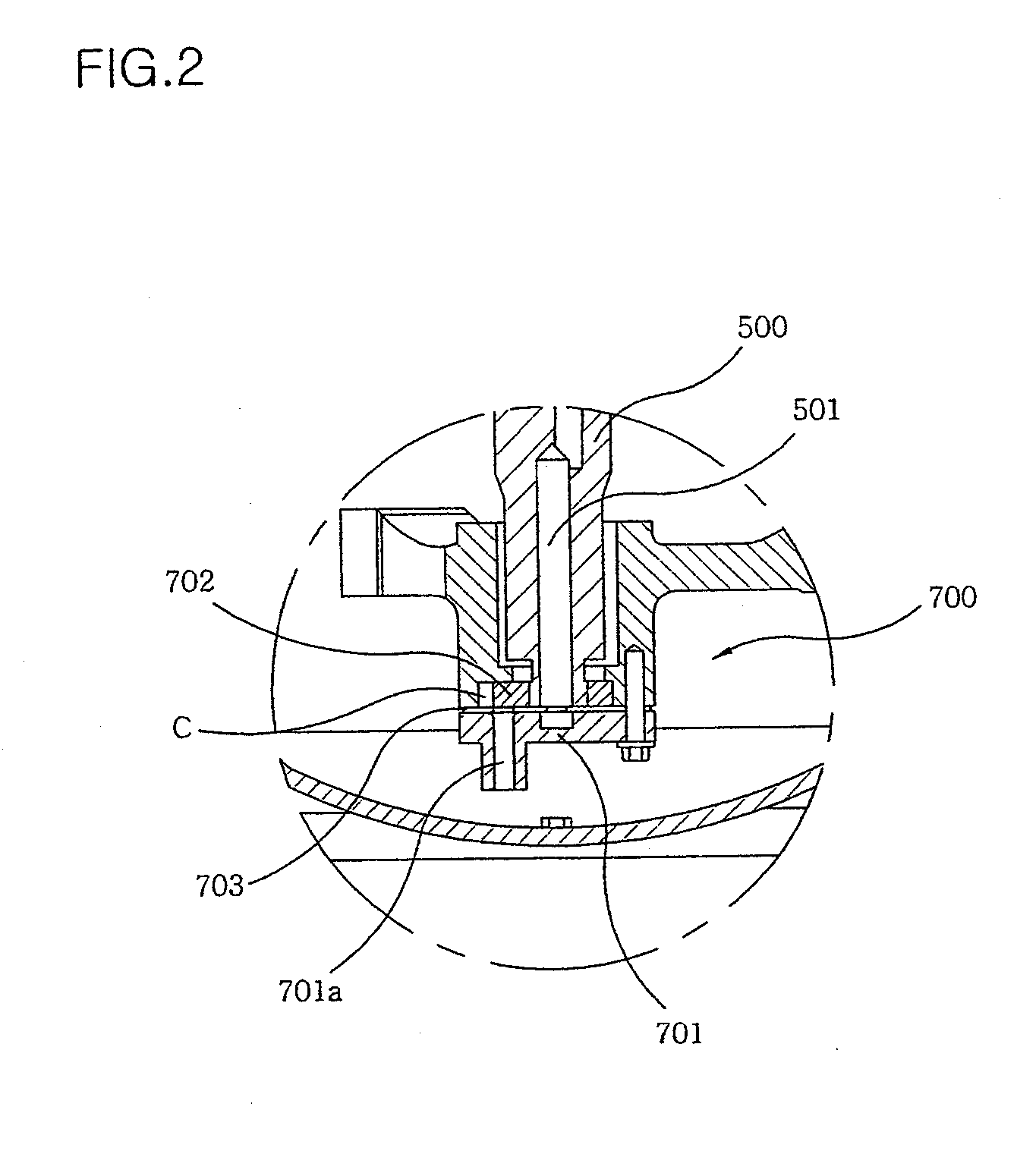
Apparatus for controlling quantity of feeding oil of inverter compressor
PatentInactiveUS20070227821A1
Innovation
- An oil feed controller is introduced, utilizing a bypass mechanism and centrifugal force to regulate oil flow, ensuring the right amount of oil is fed to the compression part by opening or closing the bypass based on rotation speed, preventing oversupply and maintaining optimal oil levels.

Environmental Regulations for Compressor Emissions
The regulatory landscape governing compressor emissions has evolved significantly over the past two decades, driven by mounting concerns over air quality and climate change impacts. Environmental agencies worldwide have implemented increasingly stringent standards targeting volatile organic compounds (VOCs), methane emissions, and other pollutants released during compressor operations. These regulations directly influence oil feed reduction techniques in reciprocating compressors, as excessive oil consumption contributes to both direct emissions and secondary pollutant formation.
In the United States, the Environmental Protection Agency's New Source Performance Standards (NSPS) and National Emission Standards for Hazardous Air Pollutants (NESHAP) establish specific emission limits for reciprocating compressors in oil and gas operations. The 2016 methane regulations under NSPS OOOO require operators to implement leak detection and repair programs, with particular attention to compressor seal systems where oil carryover often occurs. Similarly, the European Union's Industrial Emissions Directive sets emission limit values that indirectly promote oil feed optimization technologies.
Regional regulations vary considerably in their approach to compressor emissions control. California's South Coast Air Quality Management District maintains some of the world's most restrictive VOC emission standards, requiring advanced oil separation technologies and frequent monitoring protocols. Canadian provincial regulations, particularly in Alberta and British Columbia, emphasize methane reduction strategies that inherently benefit from reduced oil consumption in compressor systems.
Compliance mechanisms typically involve continuous emission monitoring systems (CEMS) or periodic testing protocols that measure total hydrocarbon emissions. These requirements create direct economic incentives for implementing oil feed reduction techniques, as lower oil consumption correlates with reduced emission levels and associated compliance costs. Non-compliance penalties can reach millions of dollars annually, making investment in advanced oil management systems economically justified.
Emerging regulatory trends indicate further tightening of emission standards, with particular focus on fugitive emissions from compressor components. The anticipated implementation of more comprehensive methane regulations globally will likely accelerate adoption of sophisticated oil feed control technologies, positioning these systems as essential compliance tools rather than optional efficiency improvements.
In the United States, the Environmental Protection Agency's New Source Performance Standards (NSPS) and National Emission Standards for Hazardous Air Pollutants (NESHAP) establish specific emission limits for reciprocating compressors in oil and gas operations. The 2016 methane regulations under NSPS OOOO require operators to implement leak detection and repair programs, with particular attention to compressor seal systems where oil carryover often occurs. Similarly, the European Union's Industrial Emissions Directive sets emission limit values that indirectly promote oil feed optimization technologies.
Regional regulations vary considerably in their approach to compressor emissions control. California's South Coast Air Quality Management District maintains some of the world's most restrictive VOC emission standards, requiring advanced oil separation technologies and frequent monitoring protocols. Canadian provincial regulations, particularly in Alberta and British Columbia, emphasize methane reduction strategies that inherently benefit from reduced oil consumption in compressor systems.
Compliance mechanisms typically involve continuous emission monitoring systems (CEMS) or periodic testing protocols that measure total hydrocarbon emissions. These requirements create direct economic incentives for implementing oil feed reduction techniques, as lower oil consumption correlates with reduced emission levels and associated compliance costs. Non-compliance penalties can reach millions of dollars annually, making investment in advanced oil management systems economically justified.
Emerging regulatory trends indicate further tightening of emission standards, with particular focus on fugitive emissions from compressor components. The anticipated implementation of more comprehensive methane regulations globally will likely accelerate adoption of sophisticated oil feed control technologies, positioning these systems as essential compliance tools rather than optional efficiency improvements.
Energy Efficiency Standards for Industrial Compressors
Energy efficiency standards for industrial compressors have become increasingly stringent worldwide, directly impacting the development and implementation of reciprocating compressor oil feed reduction techniques. These regulatory frameworks establish minimum performance requirements that compressors must meet, creating a compelling business case for advanced lubrication optimization technologies.
The International Organization for Standardization (ISO) has developed comprehensive standards such as ISO 1217 and ISO 5389, which define testing procedures and efficiency classifications for industrial compressors. These standards emphasize the importance of minimizing energy losses, including those associated with excessive oil circulation and viscous drag within compression chambers. Similarly, the European Union's Energy Efficiency Directive and the United States Department of Energy's efficiency regulations mandate specific performance thresholds that encourage manufacturers to adopt oil feed reduction strategies.
Current efficiency standards typically require reciprocating compressors to achieve specific energy ratios, measured in kilowatts per unit of compressed air delivered. Oil feed reduction techniques directly contribute to meeting these requirements by minimizing parasitic losses caused by oil churning, reducing friction between moving components, and optimizing heat transfer characteristics. Advanced oil management systems can improve overall compressor efficiency by 8-15%, making them essential for compliance with modern standards.
Regional variations in efficiency standards create different market drivers for oil feed reduction technologies. European markets emphasize lifecycle energy consumption and carbon footprint reduction, while North American standards focus on peak efficiency measurements. Asian markets, particularly China and Japan, are rapidly adopting stringent efficiency requirements that align with global best practices, creating significant opportunities for innovative oil management solutions.
The integration of smart monitoring systems and variable oil feed mechanisms has become crucial for maintaining compliance with dynamic efficiency standards. These systems enable real-time optimization of lubrication delivery based on operating conditions, ensuring optimal performance across varying load profiles while meeting regulatory requirements. As standards continue to evolve toward more comprehensive efficiency metrics, oil feed reduction techniques will play an increasingly vital role in compressor design and operation strategies.
The International Organization for Standardization (ISO) has developed comprehensive standards such as ISO 1217 and ISO 5389, which define testing procedures and efficiency classifications for industrial compressors. These standards emphasize the importance of minimizing energy losses, including those associated with excessive oil circulation and viscous drag within compression chambers. Similarly, the European Union's Energy Efficiency Directive and the United States Department of Energy's efficiency regulations mandate specific performance thresholds that encourage manufacturers to adopt oil feed reduction strategies.
Current efficiency standards typically require reciprocating compressors to achieve specific energy ratios, measured in kilowatts per unit of compressed air delivered. Oil feed reduction techniques directly contribute to meeting these requirements by minimizing parasitic losses caused by oil churning, reducing friction between moving components, and optimizing heat transfer characteristics. Advanced oil management systems can improve overall compressor efficiency by 8-15%, making them essential for compliance with modern standards.
Regional variations in efficiency standards create different market drivers for oil feed reduction technologies. European markets emphasize lifecycle energy consumption and carbon footprint reduction, while North American standards focus on peak efficiency measurements. Asian markets, particularly China and Japan, are rapidly adopting stringent efficiency requirements that align with global best practices, creating significant opportunities for innovative oil management solutions.
The integration of smart monitoring systems and variable oil feed mechanisms has become crucial for maintaining compliance with dynamic efficiency standards. These systems enable real-time optimization of lubrication delivery based on operating conditions, ensuring optimal performance across varying load profiles while meeting regulatory requirements. As standards continue to evolve toward more comprehensive efficiency metrics, oil feed reduction techniques will play an increasingly vital role in compressor design and operation strategies.
Unlock deeper insights with Patsnap Eureka Quick Research — get a full tech report to explore trends and direct your research. Try now!
Generate Your Research Report Instantly with AI Agent
Supercharge your innovation with Patsnap Eureka AI Agent Platform!