

Remote Terminal Unit Deployment Roadmap in Smart Grids
MAR 16, 20269 MIN READ
Generate Your Research Report Instantly with AI Agent
PatSnap Eureka helps you evaluate technical feasibility & market potential.
Smart Grid RTU Background and Deployment Objectives
Remote Terminal Units have emerged as critical infrastructure components in the evolution of modern electrical power systems. These intelligent devices serve as the primary interface between field equipment and central control systems, enabling real-time monitoring, data acquisition, and automated control functions across distributed grid networks. The historical development of RTUs traces back to early supervisory control and data acquisition systems in the 1960s, where basic telemetry functions were implemented using analog communication methods.
The transformation toward smart grid architectures has fundamentally redefined RTU capabilities and deployment requirements. Traditional power grids operated with limited bidirectional communication and centralized generation models, whereas smart grids demand sophisticated edge computing capabilities, advanced cybersecurity features, and seamless integration with renewable energy sources. This paradigm shift has driven RTU technology evolution from simple data collection devices to intelligent edge computing platforms capable of autonomous decision-making and predictive analytics.
Contemporary RTU deployment strategies focus on achieving comprehensive grid visibility and control granularity. The integration of Internet of Things technologies, artificial intelligence algorithms, and advanced communication protocols has expanded RTU functionality beyond conventional SCADA operations. Modern RTUs incorporate multi-protocol communication capabilities, supporting standards such as IEC 61850, DNP3, and Modbus, while providing enhanced interoperability with diverse grid components including smart meters, distributed energy resources, and energy storage systems.
The primary deployment objectives center on enhancing grid reliability, operational efficiency, and resilience against both physical and cyber threats. RTUs enable utilities to implement advanced grid management strategies including demand response programs, voltage optimization, fault location isolation and service restoration, and dynamic load balancing. These capabilities are essential for accommodating increasing penetration of intermittent renewable energy sources and supporting bidirectional power flows characteristic of modern distribution networks.
Strategic RTU deployment also addresses regulatory compliance requirements and environmental sustainability goals. Utilities leverage RTU networks to implement real-time emissions monitoring, optimize energy dispatch algorithms, and support carbon reduction initiatives through improved operational visibility and control precision.
The transformation toward smart grid architectures has fundamentally redefined RTU capabilities and deployment requirements. Traditional power grids operated with limited bidirectional communication and centralized generation models, whereas smart grids demand sophisticated edge computing capabilities, advanced cybersecurity features, and seamless integration with renewable energy sources. This paradigm shift has driven RTU technology evolution from simple data collection devices to intelligent edge computing platforms capable of autonomous decision-making and predictive analytics.
Contemporary RTU deployment strategies focus on achieving comprehensive grid visibility and control granularity. The integration of Internet of Things technologies, artificial intelligence algorithms, and advanced communication protocols has expanded RTU functionality beyond conventional SCADA operations. Modern RTUs incorporate multi-protocol communication capabilities, supporting standards such as IEC 61850, DNP3, and Modbus, while providing enhanced interoperability with diverse grid components including smart meters, distributed energy resources, and energy storage systems.
The primary deployment objectives center on enhancing grid reliability, operational efficiency, and resilience against both physical and cyber threats. RTUs enable utilities to implement advanced grid management strategies including demand response programs, voltage optimization, fault location isolation and service restoration, and dynamic load balancing. These capabilities are essential for accommodating increasing penetration of intermittent renewable energy sources and supporting bidirectional power flows characteristic of modern distribution networks.
Strategic RTU deployment also addresses regulatory compliance requirements and environmental sustainability goals. Utilities leverage RTU networks to implement real-time emissions monitoring, optimize energy dispatch algorithms, and support carbon reduction initiatives through improved operational visibility and control precision.
Market Demand for RTU-Enabled Smart Grid Solutions
The global smart grid market is experiencing unprecedented growth driven by increasing energy demands, aging infrastructure, and the urgent need for grid modernization. Utilities worldwide are recognizing the critical importance of real-time monitoring and control capabilities to enhance operational efficiency and reliability. This transformation has positioned Remote Terminal Units as essential components in the smart grid ecosystem, creating substantial market opportunities across multiple sectors.
Government initiatives and regulatory frameworks are significantly accelerating RTU adoption in smart grid deployments. Many countries have established national smart grid programs with substantial funding allocations, mandating utilities to upgrade their infrastructure with advanced monitoring and control systems. These regulatory drivers are complemented by environmental policies promoting renewable energy integration, which requires sophisticated grid management capabilities that RTUs provide.
The industrial and commercial sectors represent major demand drivers for RTU-enabled smart grid solutions. Manufacturing facilities, data centers, and large commercial complexes require enhanced power quality monitoring and automated demand response capabilities. These applications demand RTUs with advanced communication protocols and real-time data processing capabilities to optimize energy consumption and reduce operational costs.
Renewable energy integration presents another significant market opportunity for RTU deployment. As solar and wind installations proliferate, grid operators require sophisticated monitoring and control systems to manage the inherent variability of renewable sources. RTUs equipped with advanced forecasting algorithms and rapid response capabilities are becoming indispensable for maintaining grid stability while maximizing renewable energy utilization.
Distribution system automation represents the fastest-growing segment for RTU applications. Utilities are investing heavily in distribution grid modernization to improve outage management, reduce restoration times, and enhance overall system reliability. This trend is driving demand for compact, cost-effective RTUs capable of operating in harsh environmental conditions while providing comprehensive monitoring and control functions.
The emergence of microgrids and distributed energy resources is creating new market segments for specialized RTU solutions. These applications require RTUs with enhanced cybersecurity features, edge computing capabilities, and seamless integration with energy management systems. The growing emphasis on grid resilience and energy independence is further amplifying demand in this sector.
Market demand is also being shaped by the increasing focus on predictive maintenance and asset management. Utilities are seeking RTU solutions that provide comprehensive asset health monitoring capabilities, enabling proactive maintenance strategies that reduce operational costs and extend equipment lifecycles.
Government initiatives and regulatory frameworks are significantly accelerating RTU adoption in smart grid deployments. Many countries have established national smart grid programs with substantial funding allocations, mandating utilities to upgrade their infrastructure with advanced monitoring and control systems. These regulatory drivers are complemented by environmental policies promoting renewable energy integration, which requires sophisticated grid management capabilities that RTUs provide.
The industrial and commercial sectors represent major demand drivers for RTU-enabled smart grid solutions. Manufacturing facilities, data centers, and large commercial complexes require enhanced power quality monitoring and automated demand response capabilities. These applications demand RTUs with advanced communication protocols and real-time data processing capabilities to optimize energy consumption and reduce operational costs.
Renewable energy integration presents another significant market opportunity for RTU deployment. As solar and wind installations proliferate, grid operators require sophisticated monitoring and control systems to manage the inherent variability of renewable sources. RTUs equipped with advanced forecasting algorithms and rapid response capabilities are becoming indispensable for maintaining grid stability while maximizing renewable energy utilization.
Distribution system automation represents the fastest-growing segment for RTU applications. Utilities are investing heavily in distribution grid modernization to improve outage management, reduce restoration times, and enhance overall system reliability. This trend is driving demand for compact, cost-effective RTUs capable of operating in harsh environmental conditions while providing comprehensive monitoring and control functions.
The emergence of microgrids and distributed energy resources is creating new market segments for specialized RTU solutions. These applications require RTUs with enhanced cybersecurity features, edge computing capabilities, and seamless integration with energy management systems. The growing emphasis on grid resilience and energy independence is further amplifying demand in this sector.
Market demand is also being shaped by the increasing focus on predictive maintenance and asset management. Utilities are seeking RTU solutions that provide comprehensive asset health monitoring capabilities, enabling proactive maintenance strategies that reduce operational costs and extend equipment lifecycles.
Current RTU Technology Status and Grid Integration Challenges
Remote Terminal Units have evolved significantly from their initial deployment as basic data acquisition devices to sophisticated edge computing platforms capable of real-time grid management. Current RTU technology predominantly utilizes ARM-based processors with enhanced processing capabilities, supporting multiple communication protocols including IEC 61850, DNP3, and Modbus. These units now feature advanced cybersecurity frameworks, incorporating encryption algorithms and secure authentication mechanisms to protect critical grid infrastructure from cyber threats.
Modern RTUs demonstrate remarkable interoperability with existing Supervisory Control and Data Acquisition systems while supporting emerging Internet of Things integration. The technology has matured to handle complex data analytics at the edge, enabling predictive maintenance and autonomous grid responses. Current implementations support sampling rates up to 10kHz for power quality monitoring and can manage thousands of data points simultaneously.
Despite technological advances, several critical challenges persist in RTU deployment within smart grid environments. Legacy infrastructure compatibility remains a primary concern, as many existing substations operate on outdated communication protocols that require costly gateway solutions or complete system overhauls. The heterogeneous nature of grid equipment from different manufacturers creates integration complexities, often resulting in proprietary solutions that limit scalability and increase maintenance costs.
Cybersecurity vulnerabilities present another significant challenge, particularly as RTUs become more connected and feature-rich. The expansion of attack surfaces through increased connectivity protocols creates potential entry points for malicious actors. Many deployed RTUs lack adequate security updates mechanisms, leaving critical infrastructure exposed to evolving cyber threats.
Communication reliability issues continue to plague RTU deployments, especially in remote locations where cellular or satellite connectivity may be intermittent. Latency requirements for real-time grid operations demand sub-second response times, which can be challenging to maintain across diverse communication networks. Additionally, the massive data volumes generated by modern RTUs strain existing communication infrastructure, requiring significant bandwidth upgrades.
Power supply constraints in remote installations limit RTU functionality, particularly for units requiring continuous operation during grid disturbances. Environmental factors such as electromagnetic interference, extreme temperatures, and harsh weather conditions affect RTU reliability and lifespan, necessitating robust hardening solutions that increase deployment costs.
Modern RTUs demonstrate remarkable interoperability with existing Supervisory Control and Data Acquisition systems while supporting emerging Internet of Things integration. The technology has matured to handle complex data analytics at the edge, enabling predictive maintenance and autonomous grid responses. Current implementations support sampling rates up to 10kHz for power quality monitoring and can manage thousands of data points simultaneously.
Despite technological advances, several critical challenges persist in RTU deployment within smart grid environments. Legacy infrastructure compatibility remains a primary concern, as many existing substations operate on outdated communication protocols that require costly gateway solutions or complete system overhauls. The heterogeneous nature of grid equipment from different manufacturers creates integration complexities, often resulting in proprietary solutions that limit scalability and increase maintenance costs.
Cybersecurity vulnerabilities present another significant challenge, particularly as RTUs become more connected and feature-rich. The expansion of attack surfaces through increased connectivity protocols creates potential entry points for malicious actors. Many deployed RTUs lack adequate security updates mechanisms, leaving critical infrastructure exposed to evolving cyber threats.
Communication reliability issues continue to plague RTU deployments, especially in remote locations where cellular or satellite connectivity may be intermittent. Latency requirements for real-time grid operations demand sub-second response times, which can be challenging to maintain across diverse communication networks. Additionally, the massive data volumes generated by modern RTUs strain existing communication infrastructure, requiring significant bandwidth upgrades.
Power supply constraints in remote installations limit RTU functionality, particularly for units requiring continuous operation during grid disturbances. Environmental factors such as electromagnetic interference, extreme temperatures, and harsh weather conditions affect RTU reliability and lifespan, necessitating robust hardening solutions that increase deployment costs.
Existing RTU Deployment Strategies in Smart Grids
01 Remote Terminal Unit architecture and hardware configuration
Remote Terminal Units (RTUs) are designed with specific hardware architectures to enable remote monitoring and control operations. These units typically include processors, memory modules, input/output interfaces, and communication ports. The hardware configuration is optimized for industrial environments, featuring ruggedized components that can withstand harsh conditions such as extreme temperatures, humidity, and electromagnetic interference. The architecture supports modular design allowing for scalability and customization based on specific application requirements.- Remote Terminal Unit architecture and hardware configuration: Remote Terminal Units (RTUs) are designed with specific hardware architectures to enable remote monitoring and control operations. These units typically include processors, memory modules, input/output interfaces, and communication ports. The hardware configuration is optimized for industrial environments, featuring ruggedized components that can withstand harsh conditions such as extreme temperatures, humidity, and electromagnetic interference. The architecture supports modular design allowing for scalability and customization based on specific application requirements.
- Communication protocols and network connectivity for RTUs: RTUs implement various communication protocols to enable data transmission between field devices and central control systems. These protocols include both wired and wireless communication standards, supporting multiple network topologies. The communication capabilities allow RTUs to transmit real-time data, receive control commands, and maintain reliable connections even in challenging network conditions. Advanced RTUs support multiple protocol conversions and can interface with legacy systems while maintaining compatibility with modern communication standards.
- Data acquisition and processing in RTU systems: RTUs are equipped with sophisticated data acquisition capabilities to collect information from various sensors and field devices. The systems process analog and digital signals, perform data validation, and execute local control logic. Data processing includes signal conditioning, filtering, and conversion to appropriate formats for transmission. The units can store historical data locally and implement edge computing functions to reduce bandwidth requirements and enable autonomous operation during communication failures.
- Power management and energy efficiency in RTUs: RTUs incorporate advanced power management systems to ensure continuous operation in remote locations where power supply may be limited or unreliable. These systems support multiple power input sources including solar panels, batteries, and grid power with automatic switching capabilities. Energy-efficient designs minimize power consumption during normal operation and include sleep modes for non-critical periods. Power conditioning circuits protect sensitive electronics from voltage fluctuations and power surges.
- Security and reliability features for RTU operations: Modern RTUs implement comprehensive security measures to protect against unauthorized access and cyber threats. Security features include encryption for data transmission, authentication mechanisms, and secure boot processes. Reliability is enhanced through redundant systems, watchdog timers, and self-diagnostic capabilities that detect and report system failures. The units are designed with fail-safe mechanisms to maintain critical operations during component failures and support remote firmware updates for maintenance and security patches.
02 Communication protocols and data transmission methods
RTUs implement various communication protocols to facilitate data exchange between field devices and central control systems. These protocols enable reliable and secure transmission of monitoring data and control commands over different communication media including wired and wireless networks. The systems support multiple protocol standards to ensure interoperability with diverse equipment and legacy systems. Advanced error detection and correction mechanisms are incorporated to maintain data integrity during transmission across potentially unreliable communication channels.Expand Specific Solutions03 Power management and energy efficiency
Remote Terminal Units incorporate sophisticated power management systems to ensure continuous operation in remote locations where power supply may be limited or unreliable. These systems include features such as low-power operating modes, battery backup capabilities, and support for alternative energy sources. Power consumption optimization techniques are employed to extend operational lifetime and reduce maintenance requirements. The units can automatically switch between different power sources and manage energy distribution to critical components during power fluctuations.Expand Specific Solutions04 Data acquisition and signal processing
RTUs are equipped with advanced data acquisition capabilities to collect information from various sensors and field instruments. The systems perform real-time signal processing, including analog-to-digital conversion, filtering, and conditioning of input signals. Multiple input channels support simultaneous monitoring of different parameters with high accuracy and resolution. The processed data can be stored locally, transmitted to central systems, or used for local control decisions based on predefined logic and algorithms.Expand Specific Solutions05 Security and authentication mechanisms
Modern RTUs implement comprehensive security features to protect against unauthorized access and cyber threats. These include encryption of communication channels, user authentication protocols, and access control mechanisms. The security architecture addresses both physical and network-based threats, ensuring the integrity and confidentiality of transmitted data. Regular security updates and compliance with industry standards are supported to maintain protection against evolving security vulnerabilities in industrial control systems.Expand Specific Solutions
Major RTU Vendors and Smart Grid Solution Providers
The Remote Terminal Unit (RTU) deployment in smart grids represents a rapidly evolving market in the growth phase, driven by global grid modernization initiatives. The market demonstrates substantial scale with major utilities like State Grid Corp. of China leading infrastructure investments across vast service territories. Technology maturity varies significantly among key players: established industrial giants like Siemens AG and Honeywell International bring decades of automation expertise, while technology leaders such as Huawei Technologies and IBM contribute advanced IoT and cloud integration capabilities. Chinese state-owned enterprises including China National Petroleum Corp. and various State Grid subsidiaries drive large-scale domestic deployments, while companies like Samsung Electronics and Alibaba Group expand RTU connectivity through semiconductor and cloud platforms. The competitive landscape shows convergence between traditional electrical equipment manufacturers and modern technology providers, indicating the sector's transition toward digitally-enabled smart grid solutions.
State Grid Corp. of China
Technical Solution: State Grid has developed a comprehensive RTU deployment strategy focusing on standardized communication protocols and hierarchical network architecture. Their approach emphasizes the integration of IEC 61850 and DNP3 protocols for seamless data exchange between field devices and control centers. The deployment roadmap includes phased implementation starting with critical substations, followed by distribution automation and renewable energy integration points. They utilize advanced RTU units with enhanced cybersecurity features, including encrypted communication channels and multi-layer authentication mechanisms. The roadmap incorporates edge computing capabilities within RTUs to enable real-time decision making and reduce latency in grid operations.
Strengths: Extensive grid infrastructure experience and large-scale deployment capabilities. Weaknesses: Limited international market presence and slower adoption of emerging technologies.
Huawei Technologies Co., Ltd.
Technical Solution: Huawei's RTU deployment roadmap leverages their FusionSolar and SmartGrid solutions, incorporating 5G connectivity and AI-driven analytics. Their strategy focuses on modular RTU designs that support both traditional SCADA functions and advanced grid applications like demand response and distributed energy resource management. The roadmap emphasizes cloud-native architectures with edge-to-cloud data processing capabilities, enabling predictive maintenance and autonomous grid operations. Huawei integrates their RTUs with IoT platforms and machine learning algorithms for enhanced grid visibility and control. Their deployment approach includes standardized hardware platforms with software-defined functionalities, allowing for flexible configuration and remote updates across diverse grid environments.
Strengths: Advanced 5G and IoT integration capabilities with strong R&D investment. Weaknesses: Geopolitical restrictions limiting market access in certain regions.
Core RTU Technologies for Advanced Grid Management
Multi communicaiton protocols based remote terminal unit
PatentActiveIN201631033427A
Innovation
- A centralized, non-cellular RTU design utilizing a single microprocessor and data acquisition modules with a PC-based configuration tool, employing Discrete Fourier Transform (DFT) for data processing and standardized substation protocols like IEC60870-5-101 and IEC60870-5-104, integrated with a Single Board Computer (SBC) for real-time data exchange and processing, ensuring accurate and reliable data transmission.


Distributed Intelligent Remote Terminal Units
PatentInactiveUS20090326731A1
Innovation
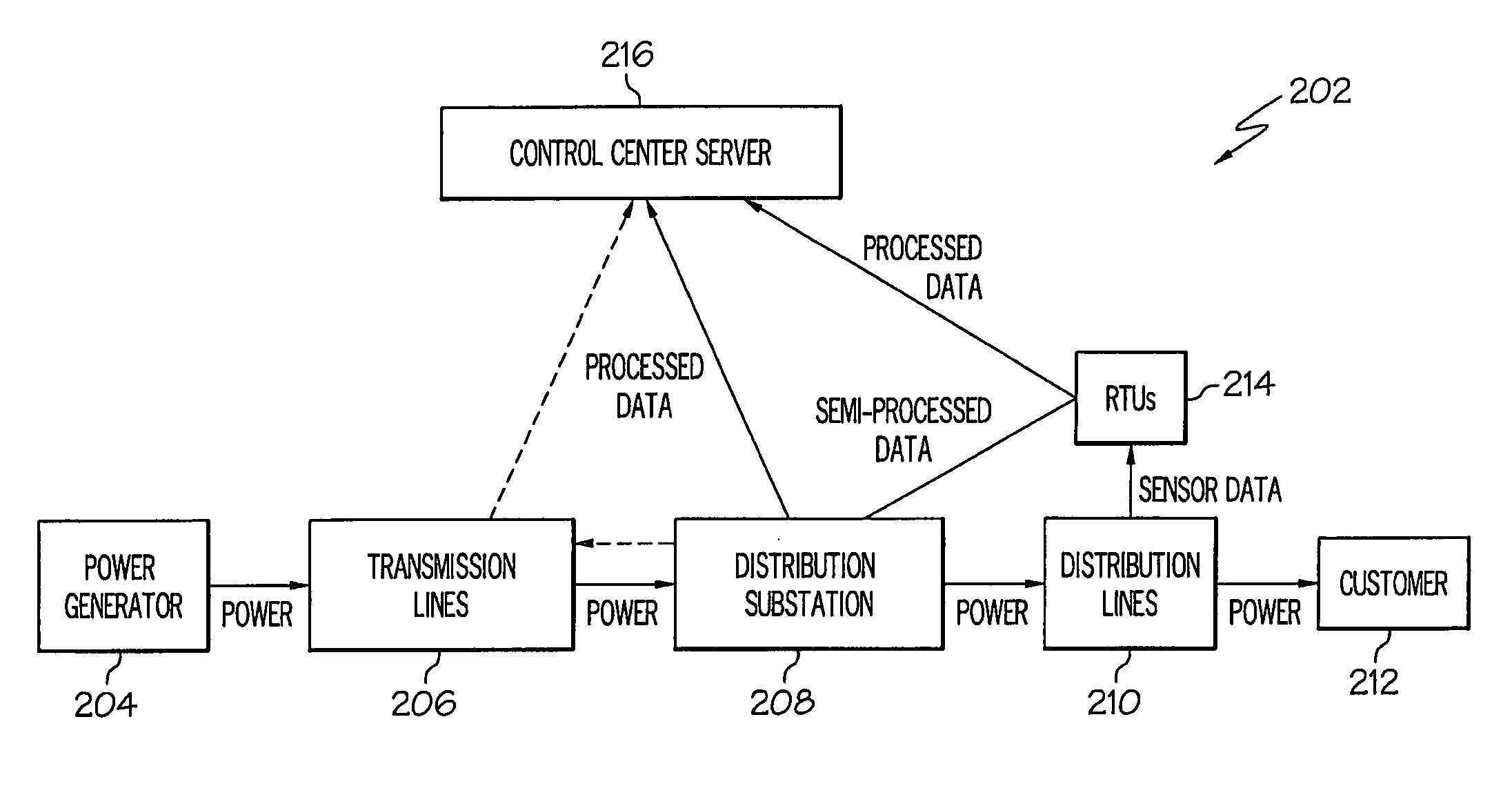
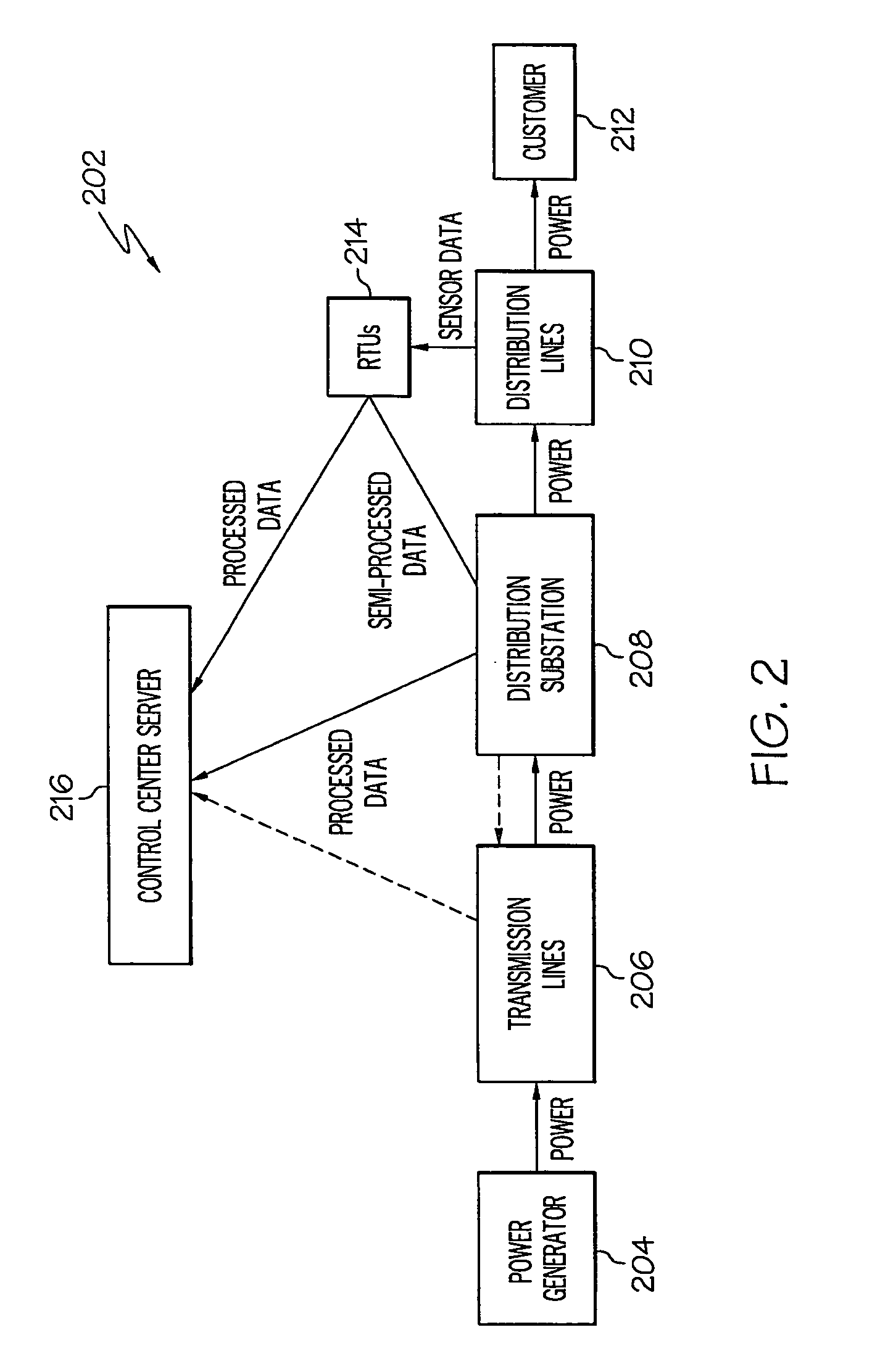
- The deployment of autonomous intelligent RTUs that perform advanced analytics on power distribution lines, enabling real-time analysis and processing of power data, and transmitting it directly to control centers with minimal latency, allowing for accurate and rapid reporting.

Grid Modernization Policy and RTU Standards
Grid modernization policies worldwide have established comprehensive frameworks that directly influence Remote Terminal Unit deployment strategies in smart grid infrastructures. The European Union's Clean Energy Package and the United States' Grid Modernization Initiative have set ambitious targets for grid digitalization, mandating utilities to implement advanced monitoring and control systems by 2030. These policies emphasize interoperability, cybersecurity, and real-time data acquisition capabilities as fundamental requirements for modern grid operations.
The IEEE C37.1 standard serves as the cornerstone for RTU specifications, defining communication protocols, data formats, and performance requirements essential for smart grid integration. This standard establishes minimum response times of less than 4 milliseconds for critical control functions and mandates support for multiple communication protocols including DNP3, IEC 61850, and Modbus. Additionally, the IEC 61970 Common Information Model provides the semantic framework for data exchange between RTUs and grid management systems.
Cybersecurity standards have become increasingly stringent following recent grid security incidents. The NERC CIP standards in North America and the European Network Code on Electricity Emergency and Restoration require RTUs to implement multi-layered security architectures. These include encrypted communication channels, certificate-based authentication, and intrusion detection capabilities. Compliance with these standards has driven RTU manufacturers to integrate advanced security processors and hardware security modules.
Environmental and reliability standards significantly impact RTU deployment roadmaps. The IEC 61850-3 standard specifies operating temperature ranges from -40°C to +85°C and electromagnetic compatibility requirements for substation environments. These specifications influence deployment timelines, particularly in extreme climate regions where specialized RTU variants must be developed and tested.
Emerging policy trends focus on grid resilience and climate adaptation. Recent regulatory updates require RTUs to support predictive maintenance algorithms and machine learning capabilities for fault detection. The integration of renewable energy sources has prompted new standards for dynamic grid reconfiguration, necessitating RTUs with enhanced processing capabilities and adaptive control algorithms.
The IEEE C37.1 standard serves as the cornerstone for RTU specifications, defining communication protocols, data formats, and performance requirements essential for smart grid integration. This standard establishes minimum response times of less than 4 milliseconds for critical control functions and mandates support for multiple communication protocols including DNP3, IEC 61850, and Modbus. Additionally, the IEC 61970 Common Information Model provides the semantic framework for data exchange between RTUs and grid management systems.
Cybersecurity standards have become increasingly stringent following recent grid security incidents. The NERC CIP standards in North America and the European Network Code on Electricity Emergency and Restoration require RTUs to implement multi-layered security architectures. These include encrypted communication channels, certificate-based authentication, and intrusion detection capabilities. Compliance with these standards has driven RTU manufacturers to integrate advanced security processors and hardware security modules.
Environmental and reliability standards significantly impact RTU deployment roadmaps. The IEC 61850-3 standard specifies operating temperature ranges from -40°C to +85°C and electromagnetic compatibility requirements for substation environments. These specifications influence deployment timelines, particularly in extreme climate regions where specialized RTU variants must be developed and tested.
Emerging policy trends focus on grid resilience and climate adaptation. Recent regulatory updates require RTUs to support predictive maintenance algorithms and machine learning capabilities for fault detection. The integration of renewable energy sources has prompted new standards for dynamic grid reconfiguration, necessitating RTUs with enhanced processing capabilities and adaptive control algorithms.
Cybersecurity Framework for RTU Network Infrastructure
The cybersecurity framework for RTU network infrastructure represents a critical foundation for protecting smart grid operations against evolving cyber threats. As RTUs serve as the primary interface between operational technology and information technology domains, they constitute high-value targets for malicious actors seeking to disrupt power system operations. The framework must address the unique challenges posed by RTU deployments, including their distributed nature, legacy protocol dependencies, and real-time operational requirements.
A comprehensive cybersecurity architecture for RTU networks begins with network segmentation and zone-based security models. This approach establishes multiple security perimeters around critical RTU clusters, implementing defense-in-depth strategies that isolate operational networks from corporate IT systems. Industrial demilitarized zones serve as secure communication bridges, enabling necessary data exchange while maintaining strict access controls and monitoring capabilities.
Authentication and access control mechanisms form the cornerstone of RTU network security. Multi-factor authentication protocols ensure that only authorized personnel can access RTU systems, while role-based access controls limit operational privileges based on job functions. Certificate-based authentication provides cryptographic assurance for device-to-device communications, establishing trusted relationships within the RTU network ecosystem.
Encryption protocols protect data integrity and confidentiality across RTU communication channels. Advanced encryption standards secure both data-at-rest on RTU devices and data-in-transit across communication networks. Key management systems ensure proper cryptographic key lifecycle management, including generation, distribution, rotation, and revocation processes tailored to industrial operational requirements.
Continuous monitoring and threat detection capabilities provide real-time visibility into RTU network activities. Security information and event management systems aggregate logs from distributed RTU deployments, enabling correlation analysis and anomaly detection. Intrusion detection systems specifically designed for industrial protocols monitor communication patterns and identify potential security incidents without disrupting critical operational processes.
Incident response procedures establish structured approaches for addressing cybersecurity events affecting RTU infrastructure. These frameworks define escalation paths, containment strategies, and recovery procedures that maintain operational continuity while addressing security threats. Regular security assessments and penetration testing validate the effectiveness of implemented security controls and identify potential vulnerabilities requiring remediation.
A comprehensive cybersecurity architecture for RTU networks begins with network segmentation and zone-based security models. This approach establishes multiple security perimeters around critical RTU clusters, implementing defense-in-depth strategies that isolate operational networks from corporate IT systems. Industrial demilitarized zones serve as secure communication bridges, enabling necessary data exchange while maintaining strict access controls and monitoring capabilities.
Authentication and access control mechanisms form the cornerstone of RTU network security. Multi-factor authentication protocols ensure that only authorized personnel can access RTU systems, while role-based access controls limit operational privileges based on job functions. Certificate-based authentication provides cryptographic assurance for device-to-device communications, establishing trusted relationships within the RTU network ecosystem.
Encryption protocols protect data integrity and confidentiality across RTU communication channels. Advanced encryption standards secure both data-at-rest on RTU devices and data-in-transit across communication networks. Key management systems ensure proper cryptographic key lifecycle management, including generation, distribution, rotation, and revocation processes tailored to industrial operational requirements.
Continuous monitoring and threat detection capabilities provide real-time visibility into RTU network activities. Security information and event management systems aggregate logs from distributed RTU deployments, enabling correlation analysis and anomaly detection. Intrusion detection systems specifically designed for industrial protocols monitor communication patterns and identify potential security incidents without disrupting critical operational processes.
Incident response procedures establish structured approaches for addressing cybersecurity events affecting RTU infrastructure. These frameworks define escalation paths, containment strategies, and recovery procedures that maintain operational continuity while addressing security threats. Regular security assessments and penetration testing validate the effectiveness of implemented security controls and identify potential vulnerabilities requiring remediation.
Unlock deeper insights with PatSnap Eureka Quick Research — get a full tech report to explore trends and direct your research. Try now!
Generate Your Research Report Instantly with AI Agent
Supercharge your innovation with PatSnap Eureka AI Agent Platform!