

Remote Terminal Unit Load Balancing: Strategies & Solutions
MAR 16, 20269 MIN READ
Generate Your Research Report Instantly with AI Agent
PatSnap Eureka helps you evaluate technical feasibility & market potential.
RTU Load Balancing Background and Technical Objectives
Remote Terminal Units have evolved significantly since their introduction in the 1960s as basic data acquisition devices for SCADA systems. Initially designed for simple point-to-point communication with master stations, RTUs have transformed into sophisticated edge computing devices capable of handling complex control logic, data processing, and multi-protocol communications. This evolution has been driven by the increasing complexity of industrial automation systems, the proliferation of IoT devices, and the growing demand for real-time data processing at the network edge.
The traditional RTU architecture faced significant limitations when dealing with varying computational loads and communication demands. Early systems operated on fixed processing schedules with limited ability to adapt to changing operational conditions. As industrial processes became more complex and data-intensive, these static approaches proved inadequate, leading to performance bottlenecks, delayed responses, and suboptimal resource utilization.
Modern RTU deployments encounter unprecedented challenges in load distribution due to several converging factors. The integration of advanced sensors, real-time analytics, and edge computing capabilities has dramatically increased the computational burden on individual units. Simultaneously, the shift toward distributed control architectures and the adoption of Industry 4.0 principles have created scenarios where RTUs must handle variable workloads while maintaining strict performance requirements.
The primary technical objective of RTU load balancing is to achieve optimal resource utilization across distributed RTU networks while maintaining system reliability and response time requirements. This involves developing intelligent algorithms that can dynamically redistribute computational tasks, communication loads, and data processing responsibilities based on real-time system conditions and predefined performance criteria.
Secondary objectives include enhancing system scalability to accommodate growing industrial networks, improving fault tolerance through redundant load distribution mechanisms, and reducing operational costs by maximizing the efficiency of existing RTU infrastructure. Additionally, modern load balancing solutions must support seamless integration with cloud-based systems and enable predictive maintenance capabilities through intelligent workload monitoring and analysis.
The ultimate goal is to create adaptive RTU networks that can automatically optimize performance while reducing manual intervention requirements and ensuring consistent service quality across diverse industrial applications.
The traditional RTU architecture faced significant limitations when dealing with varying computational loads and communication demands. Early systems operated on fixed processing schedules with limited ability to adapt to changing operational conditions. As industrial processes became more complex and data-intensive, these static approaches proved inadequate, leading to performance bottlenecks, delayed responses, and suboptimal resource utilization.
Modern RTU deployments encounter unprecedented challenges in load distribution due to several converging factors. The integration of advanced sensors, real-time analytics, and edge computing capabilities has dramatically increased the computational burden on individual units. Simultaneously, the shift toward distributed control architectures and the adoption of Industry 4.0 principles have created scenarios where RTUs must handle variable workloads while maintaining strict performance requirements.
The primary technical objective of RTU load balancing is to achieve optimal resource utilization across distributed RTU networks while maintaining system reliability and response time requirements. This involves developing intelligent algorithms that can dynamically redistribute computational tasks, communication loads, and data processing responsibilities based on real-time system conditions and predefined performance criteria.
Secondary objectives include enhancing system scalability to accommodate growing industrial networks, improving fault tolerance through redundant load distribution mechanisms, and reducing operational costs by maximizing the efficiency of existing RTU infrastructure. Additionally, modern load balancing solutions must support seamless integration with cloud-based systems and enable predictive maintenance capabilities through intelligent workload monitoring and analysis.
The ultimate goal is to create adaptive RTU networks that can automatically optimize performance while reducing manual intervention requirements and ensuring consistent service quality across diverse industrial applications.
Market Demand for RTU Load Distribution Solutions
The global market for Remote Terminal Unit (RTU) load distribution solutions is experiencing significant growth driven by the increasing complexity of industrial automation systems and the expanding deployment of distributed control architectures. Traditional single-point RTU configurations are proving inadequate for modern industrial environments that demand higher reliability, scalability, and real-time performance across geographically dispersed operations.
Industrial sectors including oil and gas, water treatment, power generation, and manufacturing are driving primary demand for advanced RTU load balancing capabilities. These industries require continuous monitoring and control of critical infrastructure where system downtime can result in substantial operational losses and safety risks. The shift toward Industry 4.0 and smart manufacturing initiatives has further amplified the need for robust RTU architectures capable of handling increased data volumes and processing demands.
The telecommunications and utilities sectors represent particularly strong growth segments for RTU load distribution technologies. Network operators require sophisticated load balancing mechanisms to manage traffic across multiple RTU nodes while maintaining service quality and minimizing latency. Electric utilities are implementing distributed RTU architectures to support smart grid initiatives and renewable energy integration, creating substantial demand for intelligent load distribution solutions.
Emerging market drivers include the proliferation of Internet of Things (IoT) devices in industrial settings, which generates unprecedented data loads requiring efficient distribution across RTU networks. Edge computing adoption is creating new requirements for localized RTU processing capabilities with seamless load sharing mechanisms. Additionally, regulatory compliance requirements in critical infrastructure sectors are pushing organizations toward more resilient RTU architectures with built-in redundancy and load distribution features.
Geographic demand patterns show strong growth in developing regions where industrial infrastructure expansion is accelerating. Asia-Pacific markets demonstrate particularly robust demand due to rapid industrialization and smart city development projects. North American and European markets focus more on upgrading existing RTU infrastructure with advanced load balancing capabilities to improve operational efficiency and meet evolving regulatory standards.
The market is also responding to increasing cybersecurity concerns, with demand growing for RTU load balancing solutions that incorporate security features such as encrypted communications and distributed authentication mechanisms. This trend reflects the critical importance of protecting industrial control systems from cyber threats while maintaining operational performance through effective load distribution strategies.
Industrial sectors including oil and gas, water treatment, power generation, and manufacturing are driving primary demand for advanced RTU load balancing capabilities. These industries require continuous monitoring and control of critical infrastructure where system downtime can result in substantial operational losses and safety risks. The shift toward Industry 4.0 and smart manufacturing initiatives has further amplified the need for robust RTU architectures capable of handling increased data volumes and processing demands.
The telecommunications and utilities sectors represent particularly strong growth segments for RTU load distribution technologies. Network operators require sophisticated load balancing mechanisms to manage traffic across multiple RTU nodes while maintaining service quality and minimizing latency. Electric utilities are implementing distributed RTU architectures to support smart grid initiatives and renewable energy integration, creating substantial demand for intelligent load distribution solutions.
Emerging market drivers include the proliferation of Internet of Things (IoT) devices in industrial settings, which generates unprecedented data loads requiring efficient distribution across RTU networks. Edge computing adoption is creating new requirements for localized RTU processing capabilities with seamless load sharing mechanisms. Additionally, regulatory compliance requirements in critical infrastructure sectors are pushing organizations toward more resilient RTU architectures with built-in redundancy and load distribution features.
Geographic demand patterns show strong growth in developing regions where industrial infrastructure expansion is accelerating. Asia-Pacific markets demonstrate particularly robust demand due to rapid industrialization and smart city development projects. North American and European markets focus more on upgrading existing RTU infrastructure with advanced load balancing capabilities to improve operational efficiency and meet evolving regulatory standards.
The market is also responding to increasing cybersecurity concerns, with demand growing for RTU load balancing solutions that incorporate security features such as encrypted communications and distributed authentication mechanisms. This trend reflects the critical importance of protecting industrial control systems from cyber threats while maintaining operational performance through effective load distribution strategies.
Current RTU Load Balancing Challenges and Constraints
Remote Terminal Unit load balancing faces significant technical constraints rooted in the fundamental architecture of industrial control systems. Traditional RTU deployments operate within rigid hierarchical structures where each unit maintains dedicated communication channels with specific SCADA systems. This architecture creates inherent bottlenecks when attempting to redistribute computational or communication loads across multiple units, as the point-to-point communication paradigm lacks the flexibility required for dynamic load redistribution.
Communication bandwidth limitations represent another critical constraint affecting RTU load balancing implementations. Most RTU networks rely on legacy communication protocols such as DNP3, Modbus, or IEC 61850, which were designed for deterministic, low-latency data transmission rather than adaptive load management. These protocols typically operate over constrained bandwidth channels, including serial connections, radio links, or low-speed Ethernet networks, making it challenging to implement real-time load balancing algorithms that require frequent status updates and coordination messages between distributed RTU nodes.
Processing capability disparities across RTU installations create additional complexity for load balancing strategies. Field-deployed RTUs often exhibit heterogeneous hardware configurations, with varying computational power, memory capacity, and I/O processing capabilities. This heterogeneity stems from incremental system upgrades, different deployment phases, and varying operational requirements across geographical locations. Consequently, implementing uniform load balancing algorithms becomes problematic when RTU units possess fundamentally different performance characteristics and operational constraints.
Real-time operational requirements impose strict timing constraints that limit load balancing flexibility. Critical infrastructure applications demand deterministic response times, typically measured in milliseconds, for safety-critical operations such as protective relay coordination and emergency shutdown procedures. These timing requirements conflict with the inherent delays introduced by load balancing mechanisms, including task migration overhead, inter-RTU communication latency, and decision-making algorithms that evaluate optimal load distribution strategies.
Geographic distribution and environmental factors further complicate RTU load balancing implementations. RTUs deployed across vast geographical areas face varying environmental conditions, communication reliability issues, and maintenance accessibility challenges. Network partitioning events, caused by communication link failures or extreme weather conditions, can isolate RTU clusters and disrupt coordinated load balancing operations, potentially compromising system reliability and operational continuity in critical infrastructure applications.
Communication bandwidth limitations represent another critical constraint affecting RTU load balancing implementations. Most RTU networks rely on legacy communication protocols such as DNP3, Modbus, or IEC 61850, which were designed for deterministic, low-latency data transmission rather than adaptive load management. These protocols typically operate over constrained bandwidth channels, including serial connections, radio links, or low-speed Ethernet networks, making it challenging to implement real-time load balancing algorithms that require frequent status updates and coordination messages between distributed RTU nodes.
Processing capability disparities across RTU installations create additional complexity for load balancing strategies. Field-deployed RTUs often exhibit heterogeneous hardware configurations, with varying computational power, memory capacity, and I/O processing capabilities. This heterogeneity stems from incremental system upgrades, different deployment phases, and varying operational requirements across geographical locations. Consequently, implementing uniform load balancing algorithms becomes problematic when RTU units possess fundamentally different performance characteristics and operational constraints.
Real-time operational requirements impose strict timing constraints that limit load balancing flexibility. Critical infrastructure applications demand deterministic response times, typically measured in milliseconds, for safety-critical operations such as protective relay coordination and emergency shutdown procedures. These timing requirements conflict with the inherent delays introduced by load balancing mechanisms, including task migration overhead, inter-RTU communication latency, and decision-making algorithms that evaluate optimal load distribution strategies.
Geographic distribution and environmental factors further complicate RTU load balancing implementations. RTUs deployed across vast geographical areas face varying environmental conditions, communication reliability issues, and maintenance accessibility challenges. Network partitioning events, caused by communication link failures or extreme weather conditions, can isolate RTU clusters and disrupt coordinated load balancing operations, potentially compromising system reliability and operational continuity in critical infrastructure applications.
Existing RTU Load Distribution Solutions
01 Dynamic load distribution across multiple RTUs
Systems and methods for dynamically distributing workload across multiple remote terminal units to optimize resource utilization and prevent overload conditions. This approach involves monitoring the processing capacity and current load of each RTU in real-time, and intelligently routing tasks or data processing requests to units with available capacity. Load balancing algorithms consider factors such as processing power, memory usage, communication bandwidth, and response time to ensure efficient distribution of computational tasks across the RTU network.- Dynamic load distribution across multiple RTUs: Systems and methods for dynamically distributing workload across multiple remote terminal units to optimize resource utilization and prevent overload conditions. This approach involves monitoring the processing capacity and current load of each RTU in real-time, and intelligently routing tasks or data processing requests to units with available capacity. Load balancing algorithms consider factors such as processing power, memory usage, communication bandwidth, and response time to ensure efficient distribution of computational tasks across the RTU network.
- Redundancy and failover mechanisms for RTU systems: Implementation of redundant RTU configurations with automatic failover capabilities to ensure continuous operation and high availability. When a primary RTU fails or becomes overloaded, the system automatically transfers its responsibilities to backup units. This includes maintaining synchronized state information across redundant units, implementing health monitoring protocols, and establishing seamless transition procedures to minimize service disruption during failover events.
- Priority-based task scheduling in RTU networks: Methods for implementing priority-based scheduling systems that allocate RTU resources according to task criticality and time sensitivity. Critical control operations and high-priority data acquisition tasks receive preferential processing, while lower-priority tasks are queued or distributed to less-loaded units. The scheduling system incorporates quality of service parameters, deadline requirements, and operational importance to optimize overall system performance while ensuring critical functions are never compromised.
- Distributed processing architecture for RTU systems: Architecture designs that distribute processing tasks across multiple RTUs in a coordinated manner, enabling parallel processing and improved scalability. This involves partitioning control logic, data processing functions, and communication handling across multiple units based on geographical location, functional domain, or computational requirements. The distributed approach reduces bottlenecks, improves response times, and allows the system to scale horizontally by adding additional RTUs as needed.
- Adaptive load balancing based on network conditions: Intelligent load balancing systems that adapt to changing network conditions, communication latency, and bandwidth availability. These systems continuously monitor network performance metrics and adjust load distribution strategies accordingly. When network congestion or communication delays are detected, the system redistributes tasks to RTUs with better connectivity or temporarily buffers non-critical operations. This adaptive approach ensures optimal performance even under varying network conditions and helps maintain system responsiveness.
02 Redundancy and failover mechanisms for RTU systems
Implementation of redundant RTU configurations with automatic failover capabilities to ensure continuous operation and high availability. When a primary RTU fails or becomes overloaded, the system automatically transfers its responsibilities to backup units. This includes maintaining synchronized state information across redundant units, implementing health monitoring protocols, and establishing seamless transition procedures that minimize service interruption during failover events.Expand Specific Solutions03 Priority-based task scheduling and queue management
Methods for managing RTU workloads through priority-based task scheduling and intelligent queue management systems. Critical operations are assigned higher priority levels to ensure timely execution, while lower-priority tasks are queued and processed during periods of reduced load. The system implements algorithms that prevent starvation of low-priority tasks while maintaining responsiveness for time-critical operations, optimizing overall system throughput and response times.Expand Specific Solutions04 Communication bandwidth optimization and traffic management
Techniques for optimizing communication bandwidth utilization and managing data traffic between RTUs and central control systems. This includes implementing data compression algorithms, establishing efficient communication protocols, and scheduling data transmissions to avoid network congestion. The system monitors communication channel utilization and adjusts transmission rates and data packet sizes to maintain optimal throughput while preventing communication bottlenecks that could lead to load imbalances.Expand Specific Solutions05 Distributed processing and edge computing in RTU networks
Architecture for implementing distributed processing capabilities across RTU networks, enabling edge computing to reduce central system load. Processing tasks are distributed to RTUs closest to data sources, reducing latency and communication overhead. This approach involves partitioning computational workloads, implementing local decision-making capabilities at RTU level, and coordinating distributed processing activities to achieve balanced load distribution while maintaining system coherence and data consistency.Expand Specific Solutions
Key Players in RTU and Load Balancing Industry
The Remote Terminal Unit (RTU) load balancing market represents a mature industrial automation sector experiencing steady growth driven by increasing infrastructure digitization and IoT adoption. The industry is in an expansion phase with established players dominating through comprehensive technology portfolios and emerging companies introducing specialized solutions. Market size continues growing as utilities and industrial operators modernize legacy systems for improved reliability and efficiency. Technology maturity varies significantly across the competitive landscape, with industry giants like Hitachi, IBM, Microsoft, and Intel offering highly mature, enterprise-grade solutions leveraging decades of experience in industrial computing and networking. Mid-tier players such as Radware, Fujitsu, and NEC provide specialized load balancing technologies with proven deployment records. Emerging companies like UCloud and G-Cloud Technology represent newer cloud-native approaches, while telecommunications leaders including Ericsson, Samsung Electronics, and NTT Docomo contribute mobile and network infrastructure expertise to RTU connectivity solutions.
International Business Machines Corp.
Technical Solution: IBM offers enterprise-grade RTU load balancing through their hybrid cloud infrastructure and AI-powered network management solutions. Their approach utilizes machine learning algorithms to predict RTU traffic patterns and automatically adjust load distribution strategies. The system incorporates IBM's Watson IoT platform to provide intelligent routing decisions based on historical data analysis and real-time performance metrics. Their solution supports both on-premises and cloud-based RTU management, enabling seamless scalability and redundancy. The platform includes advanced security features, compliance monitoring, and integration capabilities with existing SCADA systems, making it suitable for large-scale industrial deployments.
Strengths: AI-powered predictive analytics and comprehensive enterprise integration capabilities. Weaknesses: Complex implementation process and high licensing costs for smaller deployments.
Radware Ltd.
Technical Solution: Radware provides comprehensive load balancing solutions specifically designed for Remote Terminal Units (RTUs) in industrial environments. Their technology employs intelligent traffic distribution algorithms that can handle multiple RTU connections simultaneously, ensuring optimal resource utilization across distributed terminal networks. The solution includes real-time monitoring capabilities, automatic failover mechanisms, and adaptive load distribution based on RTU performance metrics. Their platform supports various industrial protocols and can manage thousands of RTU connections with sub-millisecond response times, making it suitable for critical infrastructure applications such as power grids and water treatment facilities.
Strengths: Specialized in load balancing with proven industrial-grade reliability and protocol support. Weaknesses: Higher cost compared to generic solutions and requires specialized expertise for deployment.
Core Algorithms for RTU Load Balancing
Load balancing method and device
PatentActiveCN104780210A
Innovation
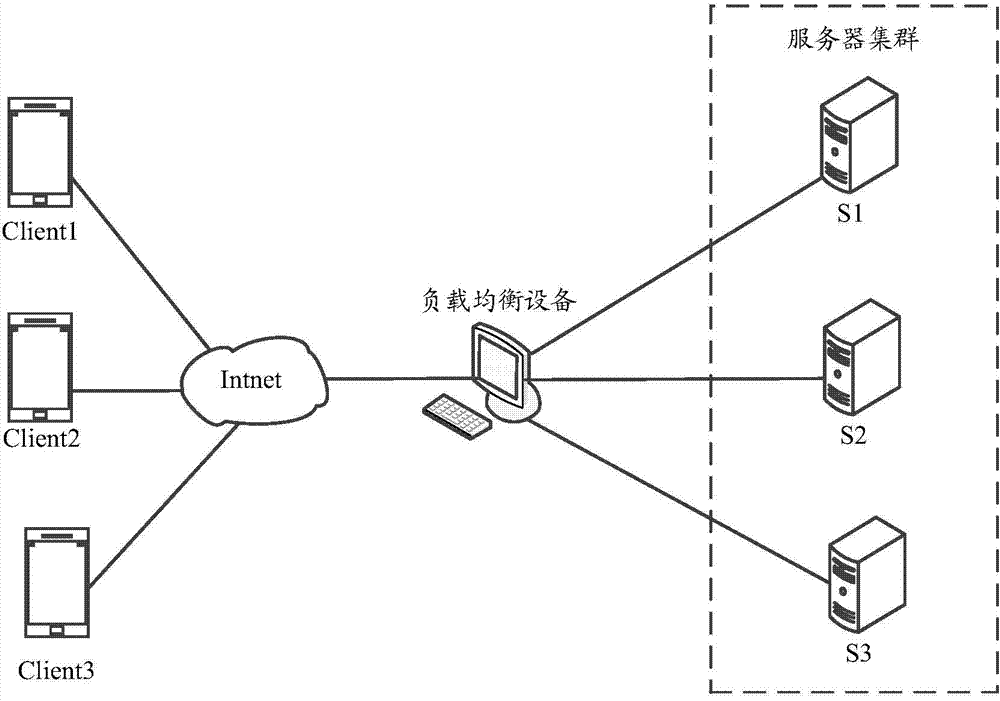
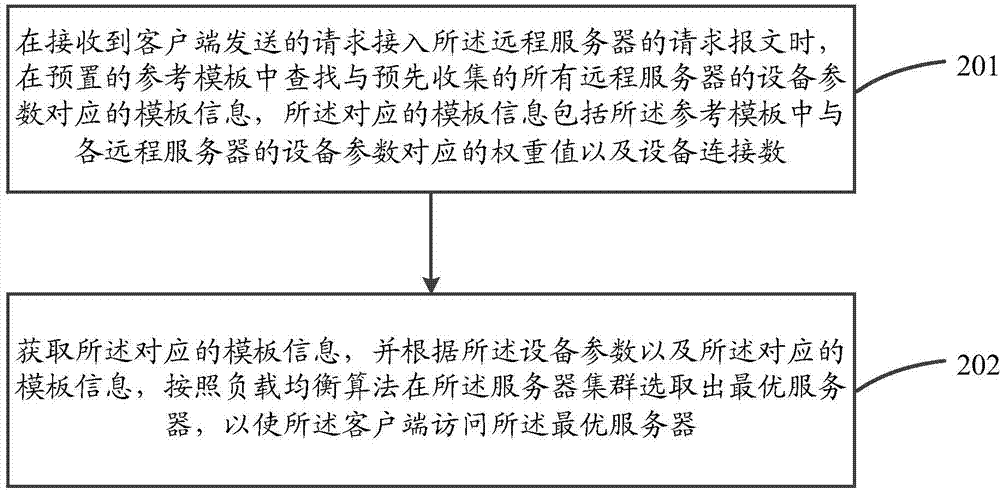
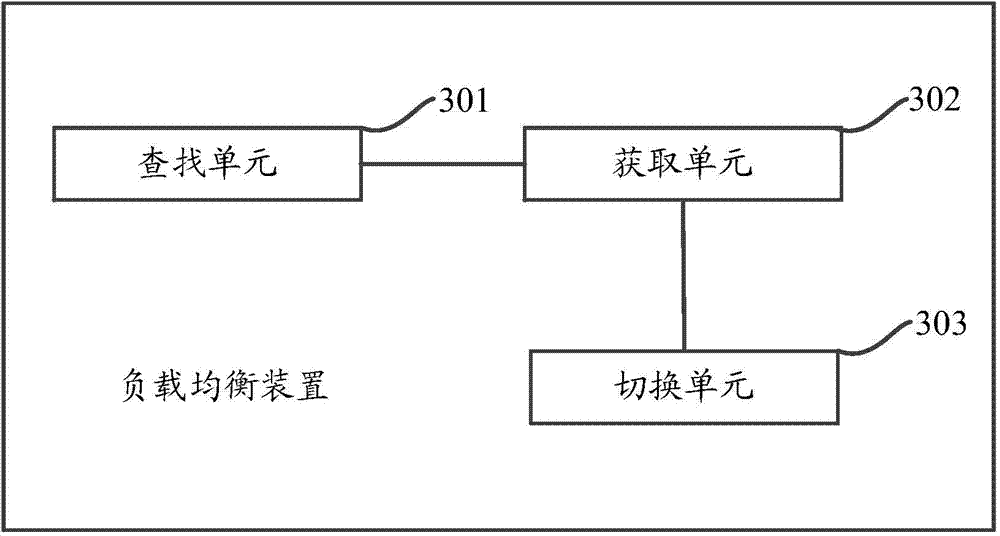
- By presetting the reference template in the load balancing device, we collect and find the device parameters of the remote server, including weight values and number of connections, and use the load balancing algorithm to select the optimal server to ensure that clients access servers with higher performance and dynamically allocate access. ask.

Service-based load-balancing management of processes on remote hosts
PatentActiveUS20180375793A1
Innovation
- A session manager is used to manage the selection of a remote host for a session by determining which host can accommodate additional processes based on resource calculations provided by each remote host, allowing for dynamic allocation and management of resources.


Industrial Communication Standards for RTU Systems
Industrial communication standards form the backbone of effective RTU system implementation, providing the essential protocols and frameworks that enable seamless data exchange between remote terminal units and central control systems. These standards ensure interoperability, reliability, and scalability across diverse industrial environments while supporting load balancing requirements.
The DNP3 (Distributed Network Protocol) stands as one of the most widely adopted standards in RTU communications, particularly in electric utility and water management sectors. DNP3's hierarchical architecture supports multiple communication paths and redundancy mechanisms, making it inherently suitable for load-balanced RTU deployments. The protocol's ability to handle unsolicited responses and event-driven communications reduces network congestion and enables efficient distribution of communication loads across multiple channels.
Modbus protocol, despite its simplicity, remains prevalent in industrial RTU applications due to its lightweight nature and broad device compatibility. Modbus TCP/IP variant facilitates network-based RTU communications, allowing for strategic load distribution through multiple master-slave configurations. The protocol's deterministic behavior and minimal overhead make it ideal for time-critical applications where communication load balancing is essential for maintaining system responsiveness.
IEC 61850 has emerged as a comprehensive standard specifically designed for power system automation, offering advanced features for RTU integration in smart grid environments. This standard supports sophisticated communication models including GOOSE (Generic Object Oriented Substation Event) messaging and Manufacturing Message Specification (MMS), enabling efficient load distribution through its service-oriented architecture. The standard's logical node concept facilitates flexible RTU deployment strategies that inherently support load balancing requirements.
OPC UA (Open Platform Communications Unified Architecture) represents the next generation of industrial communication standards, providing secure, reliable, and platform-independent data exchange capabilities. Its publish-subscribe mechanism and redundancy features make it particularly suitable for distributed RTU architectures requiring dynamic load balancing. The standard's built-in security features and scalable architecture support complex RTU networks where communication loads must be intelligently distributed across multiple pathways.
These communication standards collectively provide the foundation for implementing effective load balancing strategies in RTU systems, each offering unique advantages depending on specific application requirements and network architectures.
The DNP3 (Distributed Network Protocol) stands as one of the most widely adopted standards in RTU communications, particularly in electric utility and water management sectors. DNP3's hierarchical architecture supports multiple communication paths and redundancy mechanisms, making it inherently suitable for load-balanced RTU deployments. The protocol's ability to handle unsolicited responses and event-driven communications reduces network congestion and enables efficient distribution of communication loads across multiple channels.
Modbus protocol, despite its simplicity, remains prevalent in industrial RTU applications due to its lightweight nature and broad device compatibility. Modbus TCP/IP variant facilitates network-based RTU communications, allowing for strategic load distribution through multiple master-slave configurations. The protocol's deterministic behavior and minimal overhead make it ideal for time-critical applications where communication load balancing is essential for maintaining system responsiveness.
IEC 61850 has emerged as a comprehensive standard specifically designed for power system automation, offering advanced features for RTU integration in smart grid environments. This standard supports sophisticated communication models including GOOSE (Generic Object Oriented Substation Event) messaging and Manufacturing Message Specification (MMS), enabling efficient load distribution through its service-oriented architecture. The standard's logical node concept facilitates flexible RTU deployment strategies that inherently support load balancing requirements.
OPC UA (Open Platform Communications Unified Architecture) represents the next generation of industrial communication standards, providing secure, reliable, and platform-independent data exchange capabilities. Its publish-subscribe mechanism and redundancy features make it particularly suitable for distributed RTU architectures requiring dynamic load balancing. The standard's built-in security features and scalable architecture support complex RTU networks where communication loads must be intelligently distributed across multiple pathways.
These communication standards collectively provide the foundation for implementing effective load balancing strategies in RTU systems, each offering unique advantages depending on specific application requirements and network architectures.
Cybersecurity Considerations in RTU Load Balancing
The integration of cybersecurity measures into RTU load balancing systems presents unique challenges that require comprehensive security frameworks. Traditional load balancing architectures often prioritize performance optimization over security considerations, creating potential vulnerabilities in critical infrastructure environments. The distributed nature of RTU networks amplifies these security concerns, as multiple communication pathways and connection points increase the attack surface area.
Authentication and authorization mechanisms form the cornerstone of secure RTU load balancing implementations. Multi-factor authentication protocols must be embedded within load balancing algorithms to ensure that only verified devices participate in the network distribution process. Certificate-based authentication systems provide robust identity verification, while role-based access controls limit RTU operational permissions based on predefined security policies. These authentication layers must operate seamlessly with load balancing decisions to prevent performance degradation.
Encryption protocols play a critical role in protecting data integrity during load distribution processes. End-to-end encryption ensures that communication between RTUs and load balancing controllers remains secure, even when traffic is redirected through alternative pathways. Advanced encryption standards must be implemented without significantly impacting the real-time response requirements typical of industrial control systems.
Network segmentation strategies enhance security by isolating RTU clusters and implementing controlled communication channels between load balancing zones. Virtual private networks and software-defined perimeters create secure tunnels for inter-RTU communication, while intrusion detection systems monitor traffic patterns for anomalous behavior that might indicate security breaches or system compromises.
Resilience against cyber attacks requires implementing redundant security measures and failover mechanisms. Load balancing systems must maintain operational continuity even when individual RTUs are compromised or taken offline due to security incidents. Distributed denial-of-service protection and rate limiting mechanisms prevent malicious traffic from overwhelming RTU networks and disrupting load distribution algorithms.
Regular security auditing and vulnerability assessments ensure that RTU load balancing systems remain protected against evolving cyber threats. Continuous monitoring of system logs and network traffic patterns enables early detection of potential security incidents, allowing for rapid response and mitigation strategies.
Authentication and authorization mechanisms form the cornerstone of secure RTU load balancing implementations. Multi-factor authentication protocols must be embedded within load balancing algorithms to ensure that only verified devices participate in the network distribution process. Certificate-based authentication systems provide robust identity verification, while role-based access controls limit RTU operational permissions based on predefined security policies. These authentication layers must operate seamlessly with load balancing decisions to prevent performance degradation.
Encryption protocols play a critical role in protecting data integrity during load distribution processes. End-to-end encryption ensures that communication between RTUs and load balancing controllers remains secure, even when traffic is redirected through alternative pathways. Advanced encryption standards must be implemented without significantly impacting the real-time response requirements typical of industrial control systems.
Network segmentation strategies enhance security by isolating RTU clusters and implementing controlled communication channels between load balancing zones. Virtual private networks and software-defined perimeters create secure tunnels for inter-RTU communication, while intrusion detection systems monitor traffic patterns for anomalous behavior that might indicate security breaches or system compromises.
Resilience against cyber attacks requires implementing redundant security measures and failover mechanisms. Load balancing systems must maintain operational continuity even when individual RTUs are compromised or taken offline due to security incidents. Distributed denial-of-service protection and rate limiting mechanisms prevent malicious traffic from overwhelming RTU networks and disrupting load distribution algorithms.
Regular security auditing and vulnerability assessments ensure that RTU load balancing systems remain protected against evolving cyber threats. Continuous monitoring of system logs and network traffic patterns enables early detection of potential security incidents, allowing for rapid response and mitigation strategies.
Unlock deeper insights with PatSnap Eureka Quick Research — get a full tech report to explore trends and direct your research. Try now!
Generate Your Research Report Instantly with AI Agent
Supercharge your innovation with PatSnap Eureka AI Agent Platform!