

Remote Terminal Unit Scalability Planning for Futureproofing
MAR 16, 20269 MIN READ
Generate Your Research Report Instantly with AI Agent
PatSnap Eureka helps you evaluate technical feasibility & market potential.
RTU Scalability Background and Objectives
Remote Terminal Units have evolved from simple data collection devices into sophisticated edge computing platforms that serve as critical interfaces between field instrumentation and central control systems. Originally designed for basic telemetry functions in the 1970s, RTUs have undergone significant transformation driven by the convergence of industrial automation, IoT technologies, and digital transformation initiatives across multiple sectors.
The historical development of RTU technology reflects the broader evolution of industrial control systems. Early RTUs were primarily focused on data acquisition and transmission over limited communication channels. However, the advent of smart grid technologies, Industry 4.0 principles, and the increasing complexity of distributed infrastructure has fundamentally altered the role and requirements of modern RTUs.
Contemporary RTU deployments face unprecedented scalability challenges as organizations expand their operational footprints and integrate more sophisticated monitoring and control capabilities. The proliferation of renewable energy sources, smart city initiatives, and industrial IoT applications has created scenarios where traditional RTU architectures struggle to accommodate exponential growth in data points, communication protocols, and processing requirements.
The primary objective of RTU scalability planning centers on developing architectural frameworks that can seamlessly accommodate future expansion without requiring complete system overhauls. This involves creating modular designs that support horizontal scaling through additional hardware units and vertical scaling through enhanced processing capabilities within existing platforms.
Future-proofing strategies must address the integration of emerging technologies such as edge analytics, machine learning algorithms, and advanced cybersecurity protocols. The objective extends beyond mere capacity expansion to encompass adaptability to evolving communication standards, regulatory requirements, and operational paradigms that may emerge over the typical 15-20 year lifecycle of industrial control systems.
A critical objective involves establishing standardized interfaces and protocols that enable interoperability across diverse vendor ecosystems while maintaining the flexibility to incorporate next-generation technologies. This includes developing migration pathways that preserve existing investments while enabling gradual modernization of legacy systems.
The scalability planning framework must also consider the economic implications of different growth scenarios, balancing initial capital expenditure with long-term operational efficiency and maintenance costs to ensure sustainable expansion strategies.
The historical development of RTU technology reflects the broader evolution of industrial control systems. Early RTUs were primarily focused on data acquisition and transmission over limited communication channels. However, the advent of smart grid technologies, Industry 4.0 principles, and the increasing complexity of distributed infrastructure has fundamentally altered the role and requirements of modern RTUs.
Contemporary RTU deployments face unprecedented scalability challenges as organizations expand their operational footprints and integrate more sophisticated monitoring and control capabilities. The proliferation of renewable energy sources, smart city initiatives, and industrial IoT applications has created scenarios where traditional RTU architectures struggle to accommodate exponential growth in data points, communication protocols, and processing requirements.
The primary objective of RTU scalability planning centers on developing architectural frameworks that can seamlessly accommodate future expansion without requiring complete system overhauls. This involves creating modular designs that support horizontal scaling through additional hardware units and vertical scaling through enhanced processing capabilities within existing platforms.
Future-proofing strategies must address the integration of emerging technologies such as edge analytics, machine learning algorithms, and advanced cybersecurity protocols. The objective extends beyond mere capacity expansion to encompass adaptability to evolving communication standards, regulatory requirements, and operational paradigms that may emerge over the typical 15-20 year lifecycle of industrial control systems.
A critical objective involves establishing standardized interfaces and protocols that enable interoperability across diverse vendor ecosystems while maintaining the flexibility to incorporate next-generation technologies. This includes developing migration pathways that preserve existing investments while enabling gradual modernization of legacy systems.
The scalability planning framework must also consider the economic implications of different growth scenarios, balancing initial capital expenditure with long-term operational efficiency and maintenance costs to ensure sustainable expansion strategies.
Market Demand for Scalable RTU Solutions
The global industrial automation sector is experiencing unprecedented growth, driving substantial demand for scalable Remote Terminal Unit solutions across multiple industries. Power utilities represent the largest market segment, where aging grid infrastructure and the integration of renewable energy sources necessitate RTU systems capable of expanding from hundreds to thousands of monitoring points without architectural overhaul.
Oil and gas operations demonstrate particularly acute scalability requirements, as exploration activities extend into remote locations with varying operational scales. Pipeline monitoring systems must accommodate dynamic expansion scenarios, from initial small-scale deployments to comprehensive networks spanning thousands of kilometers. The ability to scale RTU infrastructure cost-effectively directly impacts project viability and operational efficiency.
Water and wastewater management sectors exhibit growing demand for scalable RTU solutions driven by urbanization and regulatory compliance requirements. Municipal systems require RTU architectures that can seamlessly integrate additional treatment facilities, pumping stations, and monitoring points as service areas expand. The modular scalability of RTU systems has become a critical procurement criterion for water utilities planning long-term infrastructure investments.
Manufacturing industries increasingly seek RTU solutions that support Industry 4.0 initiatives while maintaining compatibility with legacy systems. Production facilities require RTU architectures capable of scaling across multiple plant locations and accommodating diverse equipment types. The demand centers on solutions that provide consistent performance regardless of deployment scale, from single-facility implementations to enterprise-wide networks.
Transportation infrastructure projects, including smart highways and railway systems, generate significant demand for scalable RTU solutions. These applications require systems that can grow incrementally with infrastructure development while maintaining real-time performance standards. The market particularly values RTU solutions offering predictable scaling costs and simplified expansion procedures.
Emerging markets in developing regions present substantial growth opportunities for scalable RTU solutions. These markets often require phased deployment approaches due to budget constraints and evolving infrastructure needs. RTU vendors addressing these markets must provide solutions that deliver immediate value at small scales while preserving expansion capabilities for future growth phases.
The convergence of IoT technologies and traditional SCADA systems is reshaping market expectations for RTU scalability. End users increasingly demand solutions that can accommodate both traditional industrial protocols and modern IoT device integration, creating new requirements for flexible, future-ready RTU architectures that can adapt to evolving technological landscapes.
Oil and gas operations demonstrate particularly acute scalability requirements, as exploration activities extend into remote locations with varying operational scales. Pipeline monitoring systems must accommodate dynamic expansion scenarios, from initial small-scale deployments to comprehensive networks spanning thousands of kilometers. The ability to scale RTU infrastructure cost-effectively directly impacts project viability and operational efficiency.
Water and wastewater management sectors exhibit growing demand for scalable RTU solutions driven by urbanization and regulatory compliance requirements. Municipal systems require RTU architectures that can seamlessly integrate additional treatment facilities, pumping stations, and monitoring points as service areas expand. The modular scalability of RTU systems has become a critical procurement criterion for water utilities planning long-term infrastructure investments.
Manufacturing industries increasingly seek RTU solutions that support Industry 4.0 initiatives while maintaining compatibility with legacy systems. Production facilities require RTU architectures capable of scaling across multiple plant locations and accommodating diverse equipment types. The demand centers on solutions that provide consistent performance regardless of deployment scale, from single-facility implementations to enterprise-wide networks.
Transportation infrastructure projects, including smart highways and railway systems, generate significant demand for scalable RTU solutions. These applications require systems that can grow incrementally with infrastructure development while maintaining real-time performance standards. The market particularly values RTU solutions offering predictable scaling costs and simplified expansion procedures.
Emerging markets in developing regions present substantial growth opportunities for scalable RTU solutions. These markets often require phased deployment approaches due to budget constraints and evolving infrastructure needs. RTU vendors addressing these markets must provide solutions that deliver immediate value at small scales while preserving expansion capabilities for future growth phases.
The convergence of IoT technologies and traditional SCADA systems is reshaping market expectations for RTU scalability. End users increasingly demand solutions that can accommodate both traditional industrial protocols and modern IoT device integration, creating new requirements for flexible, future-ready RTU architectures that can adapt to evolving technological landscapes.
Current RTU Scalability Challenges and Constraints
Remote Terminal Units face significant scalability constraints that stem from both hardware limitations and architectural design decisions made during initial deployment phases. Legacy RTU systems typically operate with fixed I/O configurations, predetermined communication protocols, and static memory allocations that cannot easily accommodate expanding operational requirements. These fundamental constraints create bottlenecks when utilities attempt to integrate additional sensors, actuators, or advanced monitoring capabilities into existing infrastructure.
Processing power limitations represent a critical scalability barrier in current RTU implementations. Most deployed units utilize embedded processors designed for specific operational loads, lacking the computational headroom necessary for future enhancements. When additional data processing requirements emerge, such as edge analytics or real-time optimization algorithms, existing RTUs often cannot support these functions without complete hardware replacement.
Communication bandwidth constraints further compound scalability challenges. Traditional RTU networks rely on serial communication protocols like Modbus or DNP3, which impose strict limitations on data throughput and device addressing schemes. As industrial facilities expand their monitoring scope and increase data collection frequency, these communication bottlenecks prevent effective scaling of the overall system architecture.
Memory and storage limitations create additional barriers to RTU scalability. Current units typically feature minimal onboard storage, designed primarily for basic operational data buffering rather than extensive historical data retention or complex application hosting. This constraint becomes particularly problematic when implementing predictive maintenance algorithms or advanced diagnostic capabilities that require substantial data storage and processing resources.
Integration complexity poses another significant challenge when attempting to scale RTU deployments. Existing systems often lack standardized interfaces or modular architectures, making it difficult to incorporate new technologies or expand functionality without extensive system redesign. The absence of containerized applications or virtualization capabilities limits the ability to deploy new software solutions efficiently.
Power consumption and thermal management constraints also impact scalability planning. Adding processing capabilities or communication modules to existing RTUs can exceed original power budgets and thermal design specifications, potentially compromising system reliability or requiring costly infrastructure modifications to support enhanced operational requirements.
Processing power limitations represent a critical scalability barrier in current RTU implementations. Most deployed units utilize embedded processors designed for specific operational loads, lacking the computational headroom necessary for future enhancements. When additional data processing requirements emerge, such as edge analytics or real-time optimization algorithms, existing RTUs often cannot support these functions without complete hardware replacement.
Communication bandwidth constraints further compound scalability challenges. Traditional RTU networks rely on serial communication protocols like Modbus or DNP3, which impose strict limitations on data throughput and device addressing schemes. As industrial facilities expand their monitoring scope and increase data collection frequency, these communication bottlenecks prevent effective scaling of the overall system architecture.
Memory and storage limitations create additional barriers to RTU scalability. Current units typically feature minimal onboard storage, designed primarily for basic operational data buffering rather than extensive historical data retention or complex application hosting. This constraint becomes particularly problematic when implementing predictive maintenance algorithms or advanced diagnostic capabilities that require substantial data storage and processing resources.
Integration complexity poses another significant challenge when attempting to scale RTU deployments. Existing systems often lack standardized interfaces or modular architectures, making it difficult to incorporate new technologies or expand functionality without extensive system redesign. The absence of containerized applications or virtualization capabilities limits the ability to deploy new software solutions efficiently.
Power consumption and thermal management constraints also impact scalability planning. Adding processing capabilities or communication modules to existing RTUs can exceed original power budgets and thermal design specifications, potentially compromising system reliability or requiring costly infrastructure modifications to support enhanced operational requirements.
Existing RTU Scalability Solutions
01 Modular architecture for RTU expansion
Remote Terminal Units can be designed with modular architectures that allow for flexible expansion and scalability. This approach enables the addition of input/output modules, communication interfaces, and processing units as system requirements grow. The modular design facilitates easy upgrades and maintenance while supporting various configurations to accommodate different application scales without requiring complete system replacement.- Modular architecture for RTU expansion: Remote Terminal Units can be designed with modular architectures that allow for flexible expansion and scalability. This approach enables the addition of input/output modules, communication interfaces, and processing units as system requirements grow. The modular design facilitates easy upgrades and maintenance without requiring complete system replacement, supporting both horizontal and vertical scaling of RTU capabilities.
- Distributed RTU network topology: Scalability can be achieved through distributed network topologies where multiple RTUs are interconnected to form a larger monitoring and control system. This architecture allows for geographic distribution of terminal units while maintaining centralized or hierarchical control structures. The distributed approach enables incremental system growth by adding new RTUs to existing networks without disrupting operational units.
- Dynamic resource allocation and load balancing: Advanced RTU systems implement dynamic resource allocation mechanisms that optimize processing power, memory, and communication bandwidth across multiple units. Load balancing techniques distribute data processing and communication tasks among available RTUs to prevent bottlenecks and ensure system performance as the number of connected devices increases. This approach maximizes utilization of existing hardware resources while supporting system expansion.
- Hierarchical communication protocols: Scalable RTU systems employ hierarchical communication protocols that support multi-level architectures with master-slave or peer-to-peer configurations. These protocols enable efficient data aggregation, filtering, and routing across large-scale deployments with numerous terminal units. The hierarchical structure reduces communication overhead and allows for segmented network management, facilitating system growth without compromising performance.
- Virtualization and cloud-based RTU management: Modern scalability solutions incorporate virtualization technologies and cloud-based management platforms for RTU systems. Virtual RTU instances can be deployed and scaled dynamically based on demand, while cloud platforms provide centralized configuration, monitoring, and data storage capabilities. This approach enables rapid deployment of new terminal units and supports elastic scaling to accommodate varying workloads and system requirements.
02 Distributed processing and multi-RTU coordination
Scalability can be achieved through distributed processing architectures where multiple RTUs work in coordination. This approach allows systems to scale horizontally by adding more units rather than upgrading individual components. The distributed architecture enables load balancing, redundancy, and improved system reliability while supporting larger geographical coverage and increased data processing capacity across multiple remote locations.Expand Specific Solutions03 Communication protocol flexibility and network scalability
RTU scalability is enhanced through support for multiple communication protocols and network topologies. This includes the ability to handle various data transmission methods, support for different network architectures, and adaptive communication strategies. The flexibility in communication allows RTUs to integrate with existing infrastructure while supporting expansion to accommodate increasing numbers of connected devices and data points.Expand Specific Solutions04 Dynamic resource allocation and configuration management
Advanced RTU systems implement dynamic resource allocation mechanisms that automatically adjust processing power, memory, and communication bandwidth based on current demands. This includes software-based configuration management that allows remote updates and parameter adjustments without physical intervention. The dynamic allocation ensures optimal performance across varying load conditions and supports seamless scaling as system requirements evolve.Expand Specific Solutions05 Hierarchical control structures for large-scale deployments
Scalability in RTU systems can be achieved through hierarchical control architectures that organize units into multiple levels of supervision and control. This structure allows for efficient management of large numbers of remote terminals by implementing master-slave relationships, regional controllers, and centralized monitoring systems. The hierarchical approach reduces communication overhead, improves response times, and enables effective management of geographically distributed installations.Expand Specific Solutions
Key Players in RTU and SCADA Industry
The Remote Terminal Unit (RTU) scalability planning market is experiencing significant growth driven by increasing industrial automation and IoT integration demands. The industry is in a mature expansion phase, with established infrastructure players like Siemens AG, Schneider Electric Systems USA, and Honeywell International Technologies leading traditional SCADA implementations. Technology giants including Intel Corp., NVIDIA Corp., and Microsoft Technology Licensing LLC are advancing edge computing capabilities essential for next-generation RTU architectures. Chinese telecommunications leaders Huawei Technologies, ZTE Corp., and China Telecom Corp. are driving 5G-enabled RTU connectivity solutions. The market demonstrates high technical maturity in hardware components, with companies like OMRON Corp. and NEC Corp. providing robust industrial automation platforms, while emerging players focus on cloud-native scalability and AI-enhanced predictive maintenance capabilities for future-ready RTU deployments.
Huawei Technologies Co., Ltd.
Technical Solution: Huawei's RTU scalability solution utilizes their eRTU series with 5G-enabled connectivity and edge computing capabilities. The platform supports massive IoT deployments with up to 1 million concurrent connections per base station. Their FusionPlant industrial IoT platform provides centralized management for distributed RTU networks, enabling rapid scaling through software-defined networking. The solution incorporates AI-powered predictive analytics and digital twin technology for optimized resource allocation. Huawei's approach includes containerized applications and microservices architecture, allowing flexible deployment and scaling of RTU functions across hybrid cloud environments with sub-10ms latency for critical control applications.
Strengths: Advanced 5G connectivity, AI-powered analytics, cost-effective scaling solutions. Weaknesses: Geopolitical restrictions in certain markets, concerns about data security and privacy.
Siemens AG
Technical Solution: Siemens provides comprehensive RTU scalability solutions through their SICAM RTU family, featuring modular architecture that supports horizontal scaling from basic monitoring to complex SCADA systems. Their RTUs incorporate advanced communication protocols including IEC 61850, DNP3, and IEC 60870-5-104 for seamless integration with existing infrastructure. The platform offers cloud-ready capabilities with edge computing functionality, enabling distributed processing and reducing bandwidth requirements. Siemens' solution includes predictive maintenance algorithms and AI-driven analytics for proactive system optimization, supporting up to 10,000 data points per RTU with millisecond response times for critical applications.
Strengths: Proven industrial automation expertise, comprehensive protocol support, robust modular design. Weaknesses: Higher initial investment costs, complex configuration requirements for advanced features.
Core Innovations in Modular RTU Design
Method and system for centrally exchanging terminal information over a meshed network
PatentInactiveUS7730208B2
Innovation
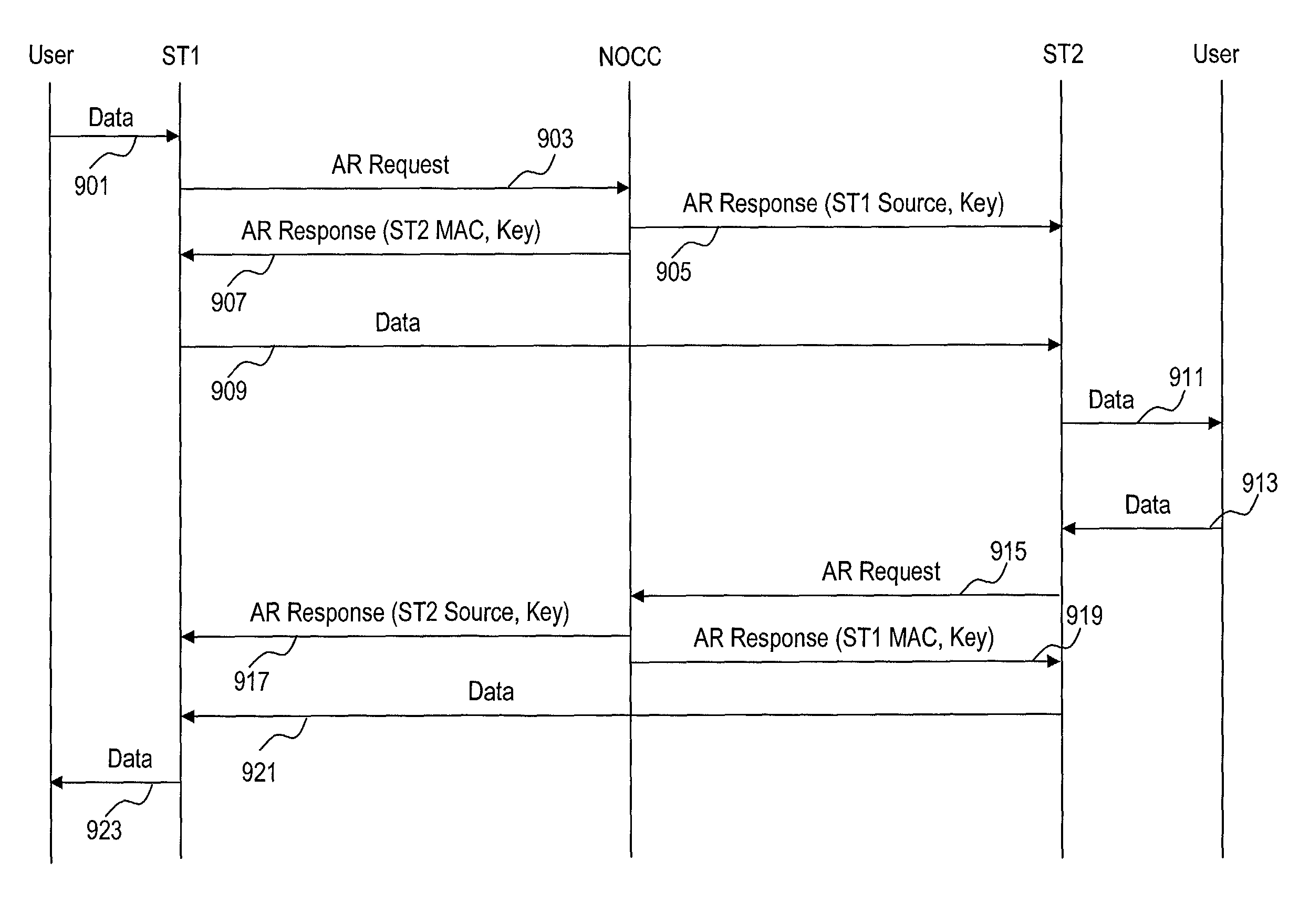
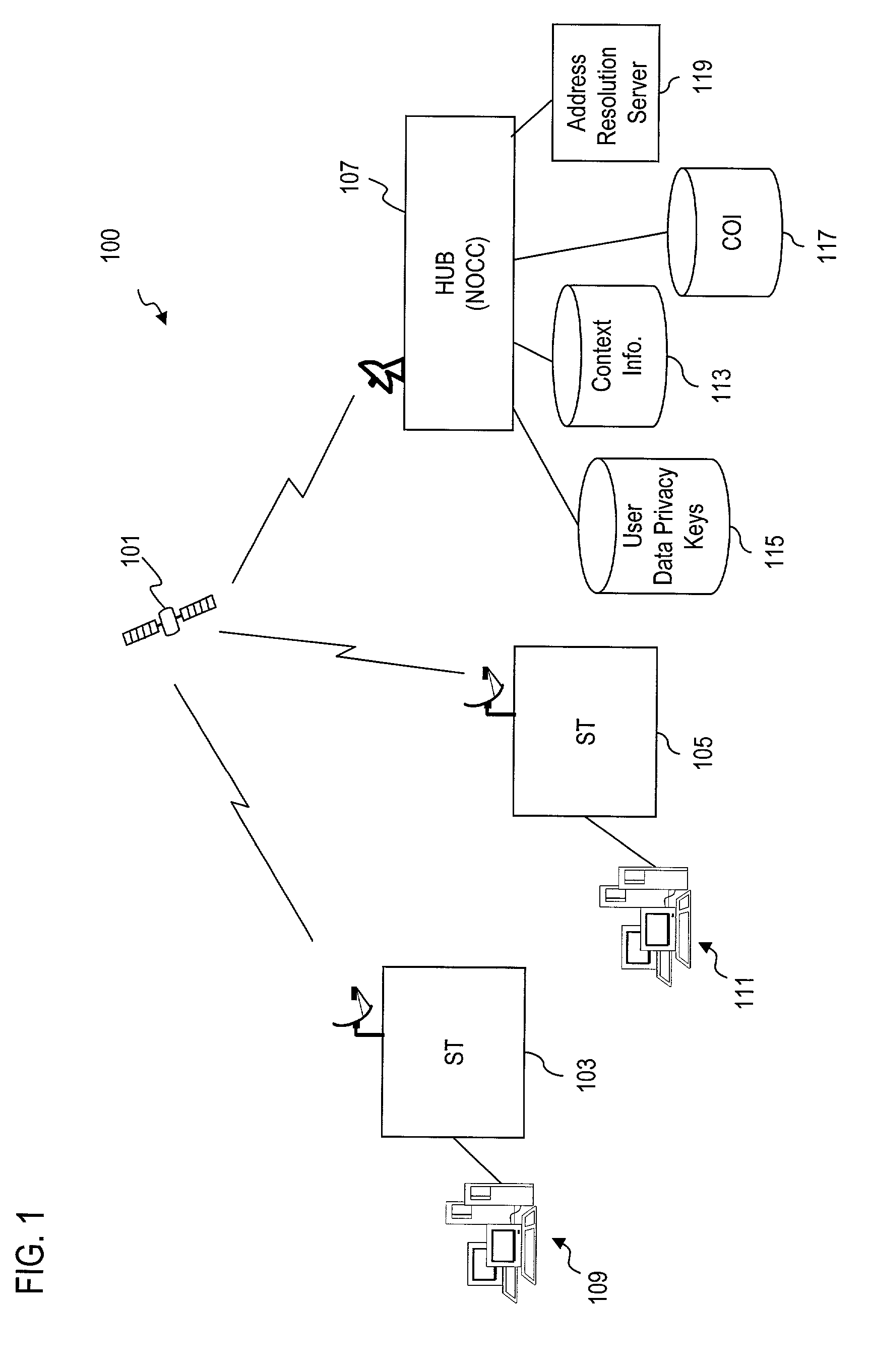
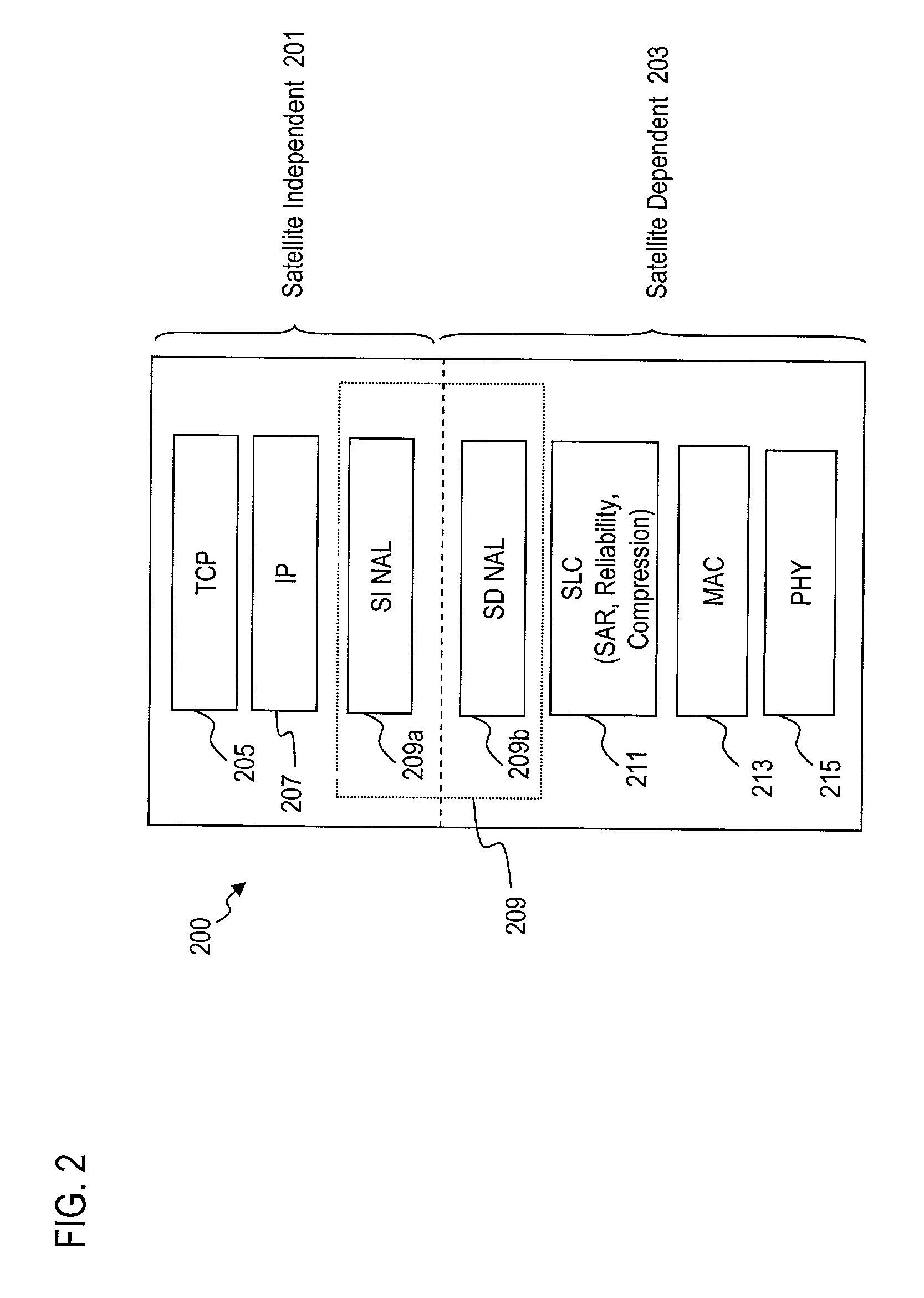
- A context negotiation procedure is implemented in a meshed network, allowing terminals to learn and exchange capabilities such as encryption schemes, compression methods, and Quality-of-Service parameters, enabling peer-to-peer communication and minimizing obsolescence, while a hub assists in address resolution and security functions.

Arrangements for managing processing components using a graphical user interface
PatentInactiveUS20090077478A1
Innovation
- A graphical user interface (GUI) is introduced that automatically determines connection data by communicating with nodes, displays this data, and allows users to configure scalable systems through selectable buttons, detecting improper connections and providing remedies, thereby simplifying the configuration and management of multi-node systems.


Industrial IoT Standards for RTU Integration
The integration of Remote Terminal Units with Industrial IoT ecosystems requires adherence to established communication protocols and interoperability standards. Key frameworks include IEC 61850 for power system automation, Modbus TCP/IP for industrial device communication, and DNP3 for utility-grade data transmission. These standards ensure seamless data exchange between RTUs and supervisory control systems while maintaining backward compatibility with legacy infrastructure.
OPC UA has emerged as a critical standard for RTU integration, providing secure, reliable, and platform-independent communication. Its publish-subscribe model enables efficient data distribution across distributed RTU networks, supporting real-time monitoring and control requirements. The standard's built-in security features, including encryption and authentication mechanisms, address cybersecurity concerns inherent in industrial IoT deployments.
MQTT protocol adoption has accelerated RTU integration with cloud-based IoT platforms, offering lightweight messaging capabilities suitable for bandwidth-constrained environments. The protocol's quality of service levels ensure reliable data delivery even under network disruptions, while its hierarchical topic structure facilitates organized data management across multiple RTU installations.
Emerging standards such as IEEE 2030.5 for smart energy applications and IEC 62541 for industrial automation are shaping future RTU integration approaches. These standards emphasize edge computing capabilities, enabling RTUs to perform local data processing and decision-making while maintaining connectivity to centralized management systems.
Standardization challenges include protocol convergence, where multiple communication standards must coexist within single RTU deployments. Interoperability testing frameworks and certification programs are becoming essential for ensuring seamless integration across diverse vendor ecosystems. The development of unified data models and semantic interoperability standards will further streamline RTU integration processes, reducing implementation complexity and accelerating deployment timelines in industrial IoT environments.
OPC UA has emerged as a critical standard for RTU integration, providing secure, reliable, and platform-independent communication. Its publish-subscribe model enables efficient data distribution across distributed RTU networks, supporting real-time monitoring and control requirements. The standard's built-in security features, including encryption and authentication mechanisms, address cybersecurity concerns inherent in industrial IoT deployments.
MQTT protocol adoption has accelerated RTU integration with cloud-based IoT platforms, offering lightweight messaging capabilities suitable for bandwidth-constrained environments. The protocol's quality of service levels ensure reliable data delivery even under network disruptions, while its hierarchical topic structure facilitates organized data management across multiple RTU installations.
Emerging standards such as IEEE 2030.5 for smart energy applications and IEC 62541 for industrial automation are shaping future RTU integration approaches. These standards emphasize edge computing capabilities, enabling RTUs to perform local data processing and decision-making while maintaining connectivity to centralized management systems.
Standardization challenges include protocol convergence, where multiple communication standards must coexist within single RTU deployments. Interoperability testing frameworks and certification programs are becoming essential for ensuring seamless integration across diverse vendor ecosystems. The development of unified data models and semantic interoperability standards will further streamline RTU integration processes, reducing implementation complexity and accelerating deployment timelines in industrial IoT environments.
Cybersecurity Framework for Scalable RTU
The cybersecurity framework for scalable Remote Terminal Units represents a critical architectural consideration in modern industrial control systems. As RTU deployments expand across distributed infrastructure networks, the attack surface increases exponentially, necessitating a comprehensive security approach that can adapt to varying scales of operation. Traditional security models designed for centralized systems prove inadequate when applied to distributed RTU architectures, where each unit potentially serves as both a data collection point and a potential entry vector for malicious actors.
Scalable RTU cybersecurity frameworks must incorporate multi-layered defense mechanisms that operate effectively regardless of deployment size. The framework architecture typically encompasses device-level security hardening, secure communication protocols, centralized security management, and automated threat detection capabilities. Device authentication becomes particularly complex in large-scale deployments, requiring robust public key infrastructure that can manage thousands of certificates while maintaining operational efficiency.
Network segmentation strategies form the backbone of scalable RTU security, implementing micro-segmentation techniques that isolate individual units or groups of units based on operational requirements and risk profiles. This approach ensures that a security breach in one segment cannot easily propagate across the entire network infrastructure. Advanced frameworks incorporate software-defined perimeters that dynamically adjust security boundaries based on real-time threat intelligence and operational conditions.
The integration of artificial intelligence and machine learning algorithms enables scalable RTU frameworks to detect anomalous behavior patterns across distributed deployments. These systems can identify subtle deviations from normal operational parameters that might indicate cyber intrusions or system compromises. Behavioral analytics become increasingly important as the scale of RTU deployments grows, providing automated threat detection capabilities that would be impossible to achieve through manual monitoring approaches.
Regulatory compliance considerations significantly influence framework design, particularly in critical infrastructure sectors where RTU deployments must adhere to standards such as NERC CIP, IEC 62443, and NIST cybersecurity frameworks. Scalable security architectures must demonstrate compliance across all deployment scales while maintaining operational flexibility and performance requirements essential for industrial control applications.
Scalable RTU cybersecurity frameworks must incorporate multi-layered defense mechanisms that operate effectively regardless of deployment size. The framework architecture typically encompasses device-level security hardening, secure communication protocols, centralized security management, and automated threat detection capabilities. Device authentication becomes particularly complex in large-scale deployments, requiring robust public key infrastructure that can manage thousands of certificates while maintaining operational efficiency.
Network segmentation strategies form the backbone of scalable RTU security, implementing micro-segmentation techniques that isolate individual units or groups of units based on operational requirements and risk profiles. This approach ensures that a security breach in one segment cannot easily propagate across the entire network infrastructure. Advanced frameworks incorporate software-defined perimeters that dynamically adjust security boundaries based on real-time threat intelligence and operational conditions.
The integration of artificial intelligence and machine learning algorithms enables scalable RTU frameworks to detect anomalous behavior patterns across distributed deployments. These systems can identify subtle deviations from normal operational parameters that might indicate cyber intrusions or system compromises. Behavioral analytics become increasingly important as the scale of RTU deployments grows, providing automated threat detection capabilities that would be impossible to achieve through manual monitoring approaches.
Regulatory compliance considerations significantly influence framework design, particularly in critical infrastructure sectors where RTU deployments must adhere to standards such as NERC CIP, IEC 62443, and NIST cybersecurity frameworks. Scalable security architectures must demonstrate compliance across all deployment scales while maintaining operational flexibility and performance requirements essential for industrial control applications.
Unlock deeper insights with PatSnap Eureka Quick Research — get a full tech report to explore trends and direct your research. Try now!
Generate Your Research Report Instantly with AI Agent
Supercharge your innovation with PatSnap Eureka AI Agent Platform!