

Catalyst Efficiency and Hydrogen Solid Storage Mechanisms
OCT 27, 20259 MIN READ
Generate Your Research Report Instantly with AI Agent
PatSnap Eureka helps you evaluate technical feasibility & market potential.
Catalyst Efficiency and Hydrogen Storage Background
Hydrogen energy has emerged as a promising alternative to fossil fuels due to its high energy density and clean combustion characteristics. The journey of hydrogen as an energy carrier began in the early 19th century, but significant technological advancements have only materialized in recent decades. The evolution of hydrogen storage technologies has progressed from conventional high-pressure gas cylinders to more sophisticated solid-state storage systems, which offer enhanced safety and volumetric efficiency.
Catalysts play a pivotal role in hydrogen storage mechanisms, particularly in solid-state systems. These catalysts facilitate the adsorption and desorption processes, reducing activation energy barriers and improving kinetics. The historical development of catalysts for hydrogen storage applications has seen a transition from simple metal catalysts to complex multi-component systems incorporating nanomaterials and novel structures.
The technical objectives in this field are multifaceted. Primary goals include increasing hydrogen storage capacity to meet the US Department of Energy's target of 6.5 wt% for vehicular applications, enhancing the reversibility of hydrogen storage reactions, and improving the kinetics of hydrogen uptake and release at near-ambient conditions. Additionally, researchers aim to develop catalysts that maintain long-term stability over multiple hydrogenation-dehydrogenation cycles.
Current technological trends indicate a shift towards hybrid storage solutions that combine different mechanisms to overcome individual limitations. There is growing interest in metal-organic frameworks (MOFs), covalent organic frameworks (COFs), and other porous materials that offer tunable properties for hydrogen storage. Simultaneously, research on complex hydrides and chemical hydrogen carriers is gaining momentum due to their high theoretical storage capacities.
The integration of computational methods with experimental approaches has accelerated catalyst design and optimization. Density functional theory (DFT) calculations, molecular dynamics simulations, and machine learning algorithms are increasingly employed to predict catalyst performance and guide experimental work. This computational-experimental synergy represents a significant trend in the field, enabling more efficient discovery of effective catalysts.
Looking forward, the trajectory of hydrogen storage technology is expected to focus on developing materials that can operate under milder conditions while maintaining high storage capacities. The convergence of nanotechnology, surface science, and catalysis will likely yield breakthrough materials that address current limitations. The ultimate goal remains the creation of a hydrogen storage system that meets all technical requirements for commercial viability across various applications, from portable electronics to grid-scale energy storage.
Catalysts play a pivotal role in hydrogen storage mechanisms, particularly in solid-state systems. These catalysts facilitate the adsorption and desorption processes, reducing activation energy barriers and improving kinetics. The historical development of catalysts for hydrogen storage applications has seen a transition from simple metal catalysts to complex multi-component systems incorporating nanomaterials and novel structures.
The technical objectives in this field are multifaceted. Primary goals include increasing hydrogen storage capacity to meet the US Department of Energy's target of 6.5 wt% for vehicular applications, enhancing the reversibility of hydrogen storage reactions, and improving the kinetics of hydrogen uptake and release at near-ambient conditions. Additionally, researchers aim to develop catalysts that maintain long-term stability over multiple hydrogenation-dehydrogenation cycles.
Current technological trends indicate a shift towards hybrid storage solutions that combine different mechanisms to overcome individual limitations. There is growing interest in metal-organic frameworks (MOFs), covalent organic frameworks (COFs), and other porous materials that offer tunable properties for hydrogen storage. Simultaneously, research on complex hydrides and chemical hydrogen carriers is gaining momentum due to their high theoretical storage capacities.
The integration of computational methods with experimental approaches has accelerated catalyst design and optimization. Density functional theory (DFT) calculations, molecular dynamics simulations, and machine learning algorithms are increasingly employed to predict catalyst performance and guide experimental work. This computational-experimental synergy represents a significant trend in the field, enabling more efficient discovery of effective catalysts.
Looking forward, the trajectory of hydrogen storage technology is expected to focus on developing materials that can operate under milder conditions while maintaining high storage capacities. The convergence of nanotechnology, surface science, and catalysis will likely yield breakthrough materials that address current limitations. The ultimate goal remains the creation of a hydrogen storage system that meets all technical requirements for commercial viability across various applications, from portable electronics to grid-scale energy storage.
Market Analysis for Hydrogen Storage Technologies
The global hydrogen storage market is experiencing significant growth, driven primarily by the increasing adoption of hydrogen as a clean energy carrier. As of 2023, the market was valued at approximately $15.4 billion, with projections indicating a compound annual growth rate (CAGR) of 11.3% through 2030. This growth trajectory is underpinned by the global push toward decarbonization and the establishment of hydrogen economies in major industrialized nations.
Solid-state hydrogen storage technologies, particularly those utilizing advanced catalysts, represent a rapidly expanding segment within this market. While compressed and liquid hydrogen storage currently dominate commercial applications with market shares of 65% and 22% respectively, solid-state storage solutions are gaining traction due to their superior safety profiles and potentially higher volumetric energy densities.
The demand for efficient catalyst-based hydrogen storage systems is particularly pronounced in the transportation sector, which accounts for nearly 40% of the market demand. Automotive manufacturers, especially those developing fuel cell electric vehicles (FCEVs), are actively seeking storage solutions that offer improved gravimetric and volumetric capacities while maintaining fast kinetics for hydrogen absorption and desorption.
Regional analysis reveals that Asia-Pacific currently leads the hydrogen storage market with a 38% share, followed by Europe (32%) and North America (24%). Japan, South Korea, and China are making substantial investments in hydrogen infrastructure and storage technologies, while the European Union's Hydrogen Strategy aims to install at least 6 GW of renewable hydrogen electrolyzers by 2024 and 40 GW by 2030, creating significant demand for advanced storage solutions.
The market for catalyst-enhanced metal hydride storage systems specifically has shown remarkable growth, expanding at 14.2% annually as research breakthroughs improve their commercial viability. End-user industries including automotive, power generation, and industrial applications are increasingly adopting these technologies as performance metrics improve and costs decline.
Key market drivers include stringent emission regulations, government incentives for clean energy technologies, and the growing recognition of hydrogen's role in energy security. However, market barriers persist, including high costs associated with catalyst materials (particularly those utilizing platinum group metals), technical challenges in achieving DOE targets for storage capacity, and competition from battery electric vehicles in the transportation sector.
Solid-state hydrogen storage technologies, particularly those utilizing advanced catalysts, represent a rapidly expanding segment within this market. While compressed and liquid hydrogen storage currently dominate commercial applications with market shares of 65% and 22% respectively, solid-state storage solutions are gaining traction due to their superior safety profiles and potentially higher volumetric energy densities.
The demand for efficient catalyst-based hydrogen storage systems is particularly pronounced in the transportation sector, which accounts for nearly 40% of the market demand. Automotive manufacturers, especially those developing fuel cell electric vehicles (FCEVs), are actively seeking storage solutions that offer improved gravimetric and volumetric capacities while maintaining fast kinetics for hydrogen absorption and desorption.
Regional analysis reveals that Asia-Pacific currently leads the hydrogen storage market with a 38% share, followed by Europe (32%) and North America (24%). Japan, South Korea, and China are making substantial investments in hydrogen infrastructure and storage technologies, while the European Union's Hydrogen Strategy aims to install at least 6 GW of renewable hydrogen electrolyzers by 2024 and 40 GW by 2030, creating significant demand for advanced storage solutions.
The market for catalyst-enhanced metal hydride storage systems specifically has shown remarkable growth, expanding at 14.2% annually as research breakthroughs improve their commercial viability. End-user industries including automotive, power generation, and industrial applications are increasingly adopting these technologies as performance metrics improve and costs decline.
Key market drivers include stringent emission regulations, government incentives for clean energy technologies, and the growing recognition of hydrogen's role in energy security. However, market barriers persist, including high costs associated with catalyst materials (particularly those utilizing platinum group metals), technical challenges in achieving DOE targets for storage capacity, and competition from battery electric vehicles in the transportation sector.
Current Challenges in Catalyst and Solid Storage Systems
Despite significant advancements in hydrogen storage technologies, several critical challenges persist in catalyst efficiency and solid storage systems. Current catalysts for hydrogen release and uptake in solid storage materials suffer from insufficient activity at ambient temperatures, requiring elevated temperatures (typically above 100°C) to achieve practical hydrogen flow rates. This temperature requirement significantly reduces system efficiency and complicates thermal management in applications such as fuel cell vehicles.
Material degradation presents another substantial hurdle, as many promising storage materials experience structural breakdown after multiple hydrogen absorption-desorption cycles. This degradation manifests as reduced storage capacity and slower kinetics, ultimately shortening the operational lifespan of storage systems. The underlying mechanisms of this degradation remain incompletely understood, hampering the development of mitigation strategies.
Catalyst poisoning by impurities in hydrogen gas streams represents a persistent challenge, particularly for systems intended for long-term operation. Common contaminants such as carbon monoxide, sulfur compounds, and moisture can irreversibly bind to active catalyst sites, progressively diminishing performance. Current purification technologies add complexity, weight, and cost to storage systems.
The interface between catalysts and storage materials presents unique challenges at the nanoscale. Optimizing this interface is crucial for efficient hydrogen transfer, yet controlling the morphology and stability of these interfaces during cycling remains problematic. Advanced characterization techniques have revealed that catalyst migration and agglomeration frequently occur during operation, reducing active surface area.
Weight efficiency continues to be a fundamental limitation, with current systems struggling to meet the US Department of Energy target of 6.5 wt% hydrogen storage capacity for practical vehicular applications. The catalysts themselves, often containing precious metals, contribute significantly to system weight while adding substantial cost. Efforts to develop non-precious metal catalysts have thus far yielded materials with inferior performance metrics.
Heat management during hydrogen absorption (exothermic) and desorption (endothermic) processes presents engineering challenges that have not been adequately resolved. The thermal conductivity of most solid storage materials is insufficient for rapid heat transfer, creating temperature gradients that further reduce system efficiency and response times.
Finally, scalability remains problematic, with many promising laboratory-scale materials and catalysts proving difficult to manufacture at commercial scales while maintaining performance characteristics. This manufacturing gap has slowed the transition from research breakthroughs to commercially viable hydrogen storage solutions.
Material degradation presents another substantial hurdle, as many promising storage materials experience structural breakdown after multiple hydrogen absorption-desorption cycles. This degradation manifests as reduced storage capacity and slower kinetics, ultimately shortening the operational lifespan of storage systems. The underlying mechanisms of this degradation remain incompletely understood, hampering the development of mitigation strategies.
Catalyst poisoning by impurities in hydrogen gas streams represents a persistent challenge, particularly for systems intended for long-term operation. Common contaminants such as carbon monoxide, sulfur compounds, and moisture can irreversibly bind to active catalyst sites, progressively diminishing performance. Current purification technologies add complexity, weight, and cost to storage systems.
The interface between catalysts and storage materials presents unique challenges at the nanoscale. Optimizing this interface is crucial for efficient hydrogen transfer, yet controlling the morphology and stability of these interfaces during cycling remains problematic. Advanced characterization techniques have revealed that catalyst migration and agglomeration frequently occur during operation, reducing active surface area.
Weight efficiency continues to be a fundamental limitation, with current systems struggling to meet the US Department of Energy target of 6.5 wt% hydrogen storage capacity for practical vehicular applications. The catalysts themselves, often containing precious metals, contribute significantly to system weight while adding substantial cost. Efforts to develop non-precious metal catalysts have thus far yielded materials with inferior performance metrics.
Heat management during hydrogen absorption (exothermic) and desorption (endothermic) processes presents engineering challenges that have not been adequately resolved. The thermal conductivity of most solid storage materials is insufficient for rapid heat transfer, creating temperature gradients that further reduce system efficiency and response times.
Finally, scalability remains problematic, with many promising laboratory-scale materials and catalysts proving difficult to manufacture at commercial scales while maintaining performance characteristics. This manufacturing gap has slowed the transition from research breakthroughs to commercially viable hydrogen storage solutions.
State-of-the-Art Catalyst and Storage Solutions
01 Metal-organic frameworks for hydrogen storage
Metal-organic frameworks (MOFs) are promising materials for hydrogen storage due to their high surface area and tunable pore structure. These crystalline porous materials consist of metal ions coordinated to organic ligands, creating a framework with exceptional hydrogen adsorption capacity. The efficiency of hydrogen storage in MOFs can be enhanced by incorporating specific catalysts that facilitate hydrogen uptake and release under mild conditions, making them suitable for practical applications in hydrogen storage systems.- Metal-organic frameworks for hydrogen storage: Metal-organic frameworks (MOFs) are promising materials for hydrogen storage due to their high surface area and tunable pore structures. These crystalline materials consist of metal ions coordinated to organic ligands, creating a porous structure that can adsorb hydrogen molecules. The efficiency of hydrogen storage in MOFs can be enhanced by incorporating specific catalysts that facilitate hydrogen uptake and release under mild conditions, making them suitable for practical applications in hydrogen storage systems.
- Nanostructured catalysts for hydrogen storage: Nanostructured catalysts significantly improve the efficiency of hydrogen storage systems by enhancing the kinetics of hydrogen absorption and desorption processes. These catalysts, often based on transition metals or their alloys, provide active sites for hydrogen dissociation and recombination. The nano-scale dimensions of these catalysts increase the surface area available for reactions, reduce diffusion distances, and lower the activation energy required for hydrogen storage reactions, thereby improving overall system efficiency and performance under practical operating conditions.
- Composite materials for enhanced hydrogen storage: Composite materials combining different hydrogen storage mechanisms offer improved efficiency compared to single-component systems. These composites typically integrate hydride-forming materials with catalysts and carbon-based structures to enhance both gravimetric and volumetric hydrogen storage capacity. The synergistic effects between components can lower dehydrogenation temperatures, improve cycling stability, and accelerate kinetics. Advanced manufacturing techniques ensure optimal dispersion of catalysts throughout the storage material, creating efficient pathways for hydrogen diffusion and reaction.
- Temperature and pressure management systems: Efficient hydrogen storage systems incorporate sophisticated temperature and pressure management technologies to optimize performance. These systems utilize advanced heat exchangers, thermal management materials, and pressure regulation devices to maintain optimal conditions for hydrogen absorption and desorption. Catalysts specifically designed to operate effectively within targeted temperature and pressure ranges further enhance system efficiency. Integrated sensors and control systems enable real-time adjustments to maintain ideal operating conditions, maximizing hydrogen storage capacity while minimizing energy requirements for hydrogen release.
- Novel catalyst compositions for low-temperature operation: Innovative catalyst compositions enable hydrogen storage systems to operate efficiently at lower temperatures, addressing a key challenge in practical applications. These catalysts typically incorporate rare earth elements, transition metals, or their alloys in specific ratios to lower the activation energy for hydrogen absorption and desorption. Some formulations include dopants or promoters that enhance catalytic activity and stability over multiple cycles. Advanced preparation methods ensure optimal dispersion and particle size distribution, maximizing the catalyst's effectiveness in facilitating hydrogen storage reactions under mild conditions.
02 Transition metal catalysts for hydrogen storage materials
Transition metals and their compounds serve as effective catalysts in solid hydrogen storage systems. These catalysts can significantly improve the kinetics of hydrogen absorption and desorption processes in metal hydrides and other storage materials. By reducing activation energy barriers, transition metal catalysts enable hydrogen storage materials to operate at lower temperatures and pressures, thereby enhancing overall system efficiency. The catalytic activity can be further optimized through various preparation methods, including nanostructuring and alloying.Expand Specific Solutions03 Nanostructured materials for enhanced hydrogen storage
Nanostructured materials offer significant advantages for hydrogen storage due to their high surface-to-volume ratio and shortened diffusion paths. These materials, including nanoparticles, nanowires, and nanocomposites, can store hydrogen through various mechanisms such as physisorption and chemisorption. The efficiency of hydrogen storage in nanostructured materials can be substantially improved by incorporating catalysts that facilitate hydrogen dissociation and recombination. The controlled synthesis of these nanomaterials with optimized morphology and composition is crucial for achieving high hydrogen storage capacity and fast kinetics.Expand Specific Solutions04 Complex hydrides with catalytic dopants
Complex hydrides, such as alanates, borohydrides, and amides, represent a promising class of materials for solid-state hydrogen storage due to their high gravimetric hydrogen capacity. The addition of catalytic dopants to these complex hydrides can significantly enhance their hydrogen sorption properties by improving reaction kinetics and reducing operating temperatures. Various dopants, including transition metals, metal oxides, and halides, have been investigated to optimize the performance of complex hydride systems. The synergistic effect between the hydride material and the catalyst is crucial for achieving efficient hydrogen storage and release.Expand Specific Solutions05 Integrated catalyst and hydrogen storage system designs
Innovative system designs that integrate catalysts with hydrogen storage materials can significantly enhance overall efficiency. These integrated systems often feature optimized heat management, improved mass transfer, and strategic catalyst placement to maximize hydrogen uptake and release rates. Advanced reactor designs, including fixed-bed, fluidized-bed, and membrane reactors, can further improve the performance of catalyst-enhanced hydrogen storage systems. Additionally, the development of multifunctional materials that combine storage capacity with catalytic activity represents a promising approach for next-generation hydrogen storage technologies.Expand Specific Solutions
Leading Research Institutions and Industrial Players
The hydrogen storage technology landscape is currently in a growth phase, with the market expected to expand significantly due to increasing clean energy demands. Research on catalyst efficiency and hydrogen solid storage mechanisms represents a critical area where academic institutions and industrial players are actively competing. Leading companies like Air Products & Chemicals, General Electric, and Form Energy are advancing commercial applications, while research institutions such as DICP-CAS, CSIR, and KIST are driving fundamental breakthroughs. The technology shows varying maturity levels across different storage approaches, with metal hydrides (researched by Zhejiang University and GKSS Forshungszentrum) showing promise alongside newer porous silicon methods (Green Fortress Engineering). Collaboration between academic institutions and industry partners is accelerating development toward practical, large-scale hydrogen storage solutions.
Dalian Institute of Chemical Physics of CAS
Technical Solution: Dalian Institute of Chemical Physics (DICP) has developed advanced metal-organic frameworks (MOFs) for hydrogen storage with exceptional gravimetric capacity exceeding 7.0 wt% at moderate pressures. Their proprietary catalyst systems enhance hydrogen adsorption/desorption kinetics while operating at lower temperatures (80-120°C) compared to conventional systems. DICP has pioneered nano-structured metal hydrides with improved cycling stability, achieving over 1000 cycles with less than 10% capacity degradation. Their integrated storage systems combine chemical and physical storage mechanisms, utilizing spillover effects to maximize volumetric density. Recent breakthroughs include core-shell structured catalysts that reduce activation energy by approximately 30% and novel doping strategies with transition metals that significantly improve reversibility of hydrogen storage materials.
Strengths: World-leading expertise in MOF synthesis and characterization; strong integration of theoretical modeling with experimental validation; extensive industrial partnerships for technology transfer. Weaknesses: Some materials still require higher than ambient temperatures for efficient hydrogen release; cost of specialized catalysts may limit commercial applications; scaling production while maintaining nanoscale precision remains challenging.
Air Products & Chemicals, Inc.
Technical Solution: Air Products has developed an innovative hydrogen storage technology based on catalytically enhanced chemical hydrogen carriers. Their system utilizes liquid organic hydrogen carriers (LOHCs) combined with proprietary heterogeneous catalysts that significantly improve hydrogen loading/unloading kinetics. The catalyst system features bimetallic nanoparticles with precisely controlled size distribution (2-5 nm) supported on high-surface-area materials, achieving dehydrogenation rates 3-4 times faster than conventional catalysts at temperatures below 200°C. Air Products' integrated approach addresses the entire hydrogen value chain, from production to storage and delivery, with their solid storage technology achieving volumetric densities exceeding 40 g H₂/L. Their catalyst formulations demonstrate exceptional stability, maintaining over 90% activity after 1000+ cycles in industrial testing environments. The company has also pioneered regeneration protocols for catalyst systems, extending operational lifetimes and reducing total system costs by approximately 25% compared to previous generation technologies.
Strengths: Comprehensive end-to-end hydrogen solutions from production through storage; extensive commercial-scale implementation experience; strong intellectual property portfolio covering catalyst compositions and system designs. Weaknesses: Higher initial capital costs compared to compressed gas storage; some carrier materials have environmental concerns; energy efficiency of the complete cycle needs further improvement.
Key Patents and Scientific Breakthroughs
Solid-state hydrogen storage media and catalytic hydrogen recharging thereof
PatentActiveUS20080274873A1
Innovation
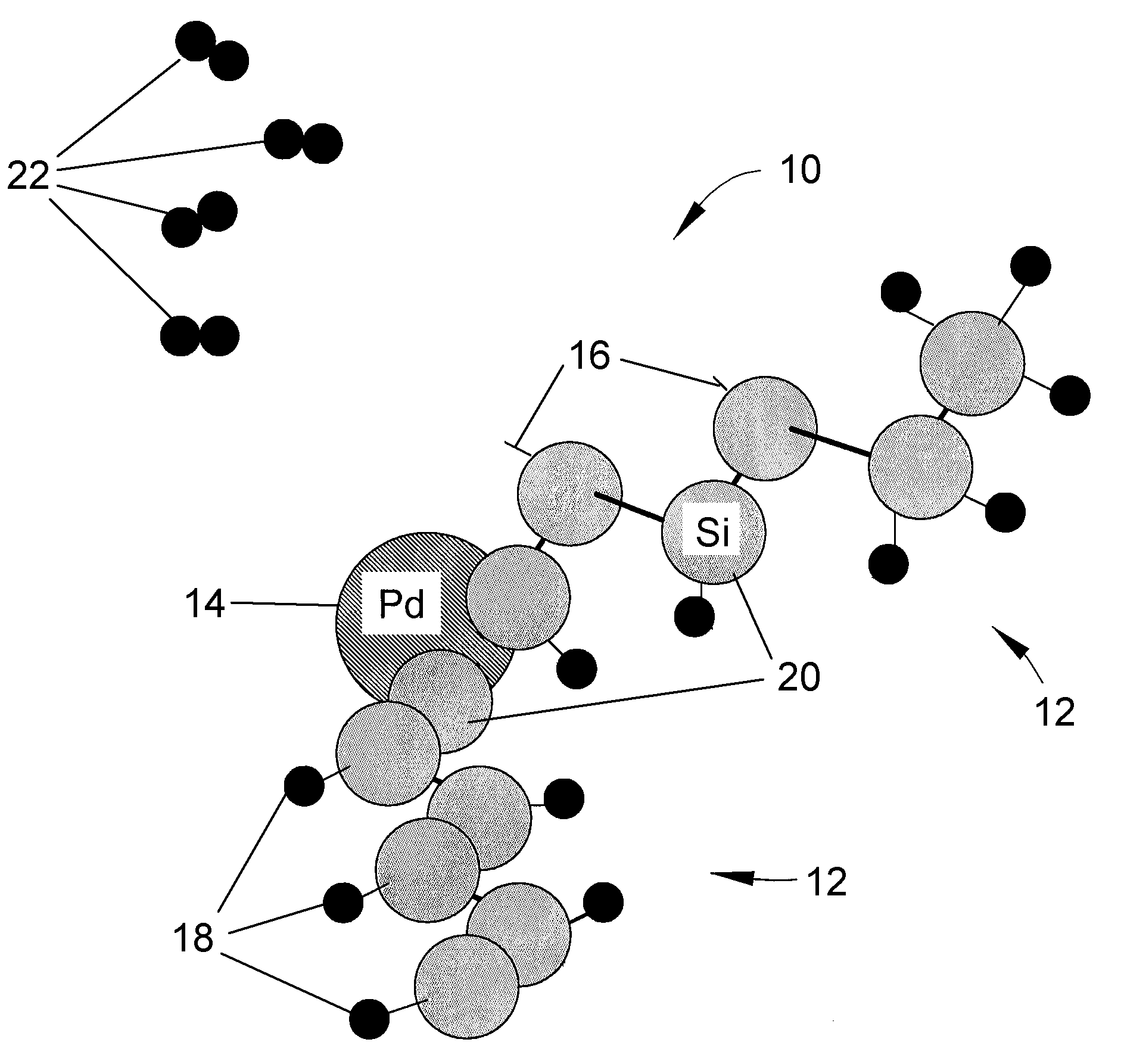
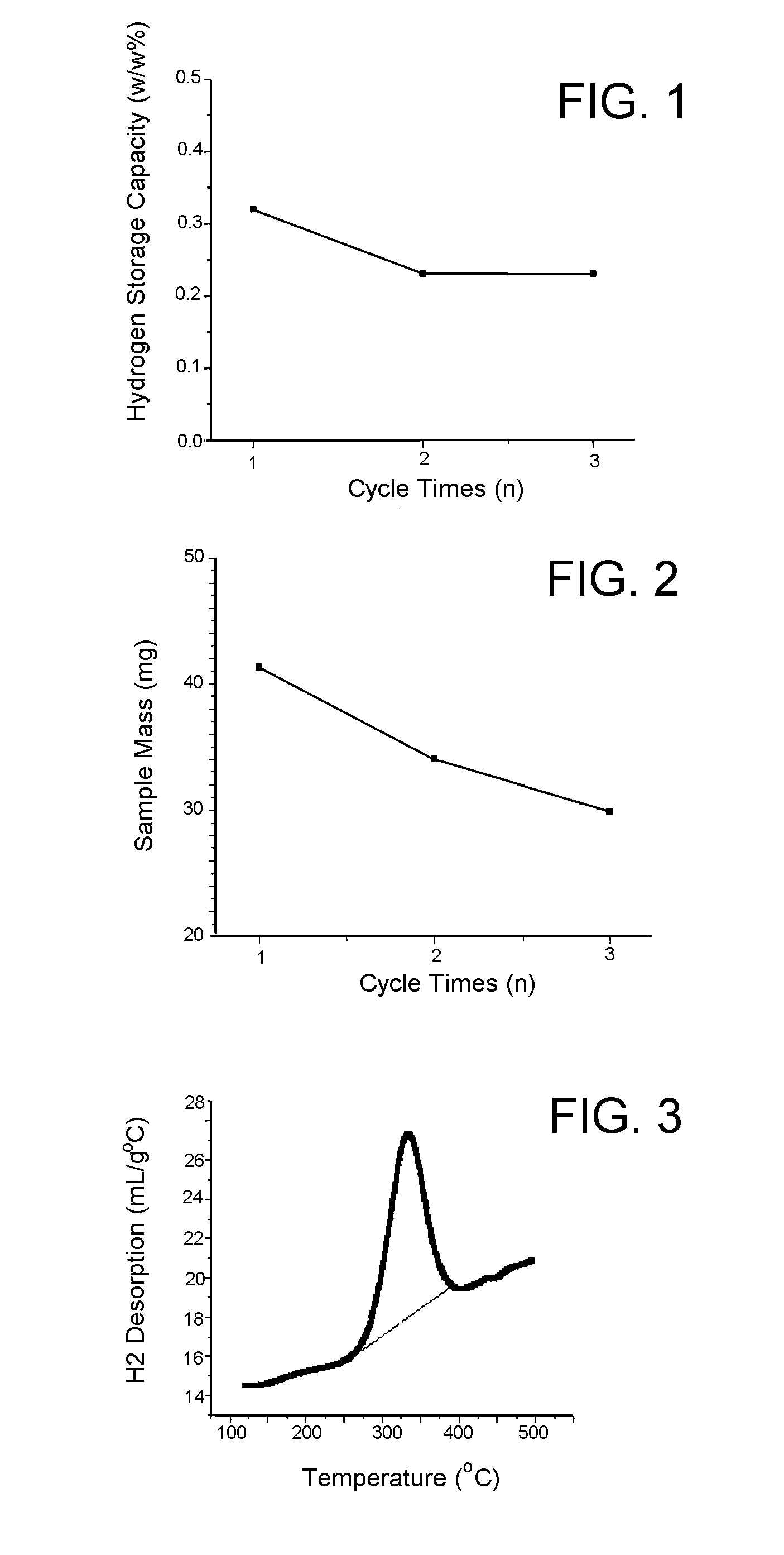
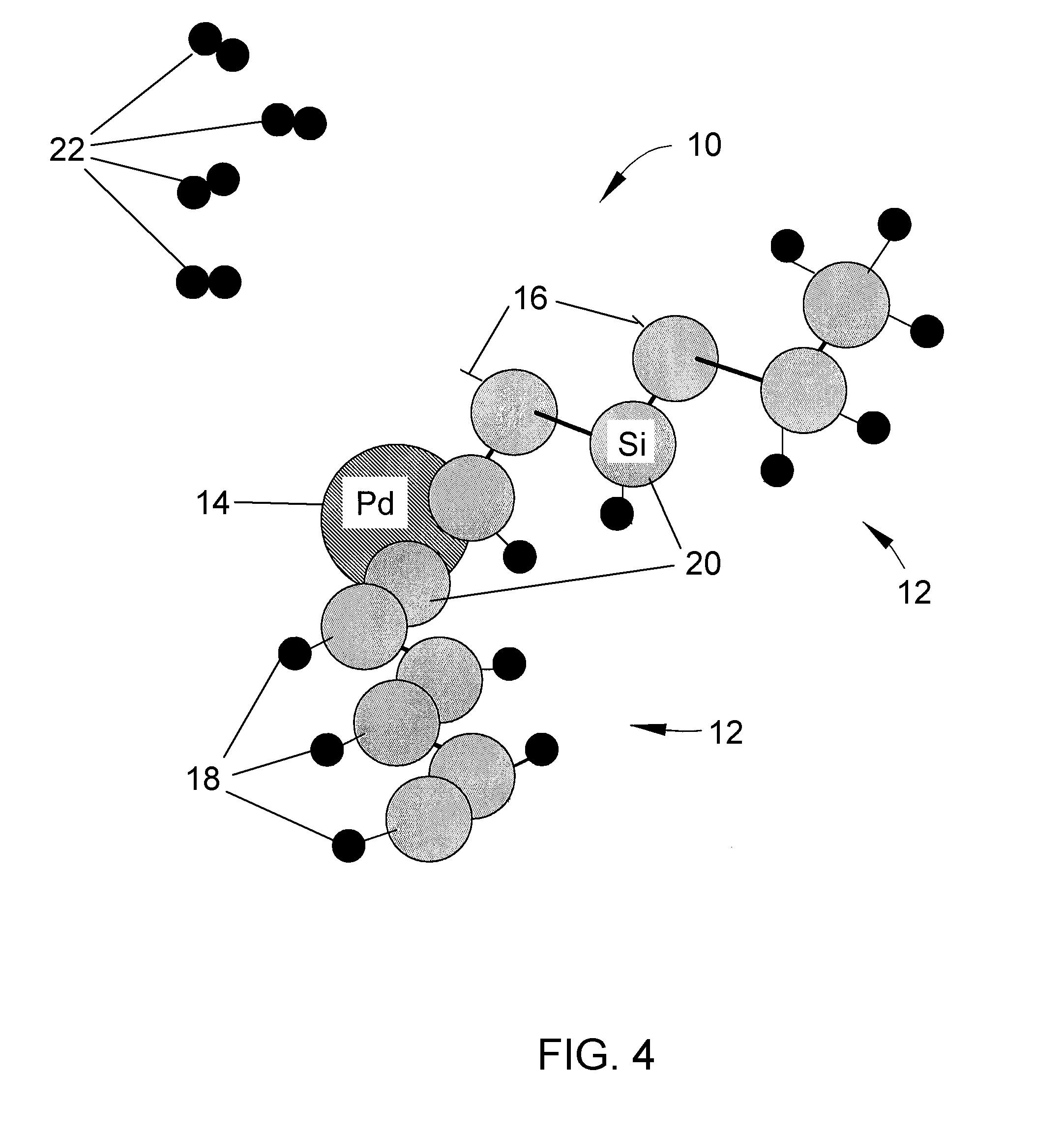
- A process involving a catalyst to inhibit silicon dangling bond reforming after dehydrogenation, allowing for near-full recharge of hydrogen in a porous matrix material by selectively removing weakly bonded hydrogen atoms and introducing a second element to preserve bond sites, thereby enhancing the rechargeability and efficiency of solid-state hydrogen storage systems.
Supported catalyst for hydrogenation/dehydrogenation reaction, method for production of the catalyst, and hydrogen storage/supply method using the catalyst
PatentWO2008136264A1
Innovation
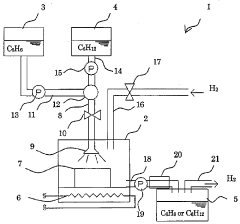
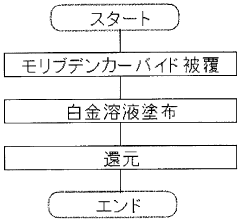
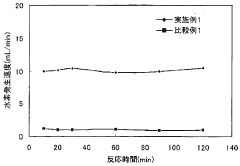
- A supported catalyst system using platinum and molybdenum carbide or tungsten carbide on a porous support, such as activated carbon or alumina, enhances the reaction rate and stability of hydrogenation and dehydrogenation reactions, allowing for efficient and long-term hydrogen storage and supply.
Environmental Impact and Sustainability Assessment
The environmental impact of hydrogen storage technologies represents a critical dimension in evaluating their overall sustainability. Catalyst-based hydrogen storage systems offer significant environmental advantages compared to conventional fossil fuel technologies, primarily through the reduction of greenhouse gas emissions during operation. When hydrogen is used as an energy carrier, the only byproduct is water, eliminating direct carbon emissions that contribute to climate change.
However, a comprehensive life cycle assessment reveals more complex environmental considerations. The production of catalysts often involves rare earth elements and precious metals, whose extraction and processing can result in substantial environmental degradation, including habitat destruction, water pollution, and high energy consumption. For instance, platinum group metals commonly used in hydrogen catalysis require energy-intensive mining operations that generate approximately 40 tons of CO2 per kilogram of refined metal.
Solid-state hydrogen storage materials present their own environmental challenges. While they offer improved safety compared to compressed or liquid hydrogen, the manufacturing of complex metal hydrides and metal-organic frameworks requires specialized processes that may involve toxic precursors and solvents. The environmental footprint of these materials must be evaluated across their entire lifecycle, from raw material acquisition through disposal or recycling.
Energy efficiency represents another crucial sustainability metric. Current catalyst systems for hydrogen storage and release typically require temperature ranges of 80-150°C for optimal performance, necessitating additional energy inputs that reduce overall system efficiency. Research indicates that advanced catalysts could potentially lower these operating temperatures by 20-30%, significantly improving energy balance and reducing associated environmental impacts.
Water consumption presents a sustainability concern, particularly for hydrogen production via electrolysis. Although solid storage mechanisms themselves are not water-intensive, the upstream hydrogen generation process can require 9-10 liters of purified water per kilogram of hydrogen produced. Innovations in catalyst design that improve electrolysis efficiency could substantially reduce this water footprint.
Recyclability of catalyst and storage materials remains an underdeveloped aspect of hydrogen technology sustainability. Current end-of-life recovery rates for precious metal catalysts range from 60-95%, depending on the specific application and recovery technology employed. Developing closed-loop systems for these materials represents a significant opportunity to improve the overall environmental profile of hydrogen storage technologies.
However, a comprehensive life cycle assessment reveals more complex environmental considerations. The production of catalysts often involves rare earth elements and precious metals, whose extraction and processing can result in substantial environmental degradation, including habitat destruction, water pollution, and high energy consumption. For instance, platinum group metals commonly used in hydrogen catalysis require energy-intensive mining operations that generate approximately 40 tons of CO2 per kilogram of refined metal.
Solid-state hydrogen storage materials present their own environmental challenges. While they offer improved safety compared to compressed or liquid hydrogen, the manufacturing of complex metal hydrides and metal-organic frameworks requires specialized processes that may involve toxic precursors and solvents. The environmental footprint of these materials must be evaluated across their entire lifecycle, from raw material acquisition through disposal or recycling.
Energy efficiency represents another crucial sustainability metric. Current catalyst systems for hydrogen storage and release typically require temperature ranges of 80-150°C for optimal performance, necessitating additional energy inputs that reduce overall system efficiency. Research indicates that advanced catalysts could potentially lower these operating temperatures by 20-30%, significantly improving energy balance and reducing associated environmental impacts.
Water consumption presents a sustainability concern, particularly for hydrogen production via electrolysis. Although solid storage mechanisms themselves are not water-intensive, the upstream hydrogen generation process can require 9-10 liters of purified water per kilogram of hydrogen produced. Innovations in catalyst design that improve electrolysis efficiency could substantially reduce this water footprint.
Recyclability of catalyst and storage materials remains an underdeveloped aspect of hydrogen technology sustainability. Current end-of-life recovery rates for precious metal catalysts range from 60-95%, depending on the specific application and recovery technology employed. Developing closed-loop systems for these materials represents a significant opportunity to improve the overall environmental profile of hydrogen storage technologies.
Economic Viability and Commercialization Pathways
The economic viability of hydrogen solid storage technologies is heavily dependent on catalyst efficiency improvements. Current cost analyses indicate that metal hydride storage systems range from $15-20/kWh for large-scale applications, significantly higher than the US Department of Energy's target of $8/kWh by 2025. This cost differential represents a substantial barrier to widespread commercialization, particularly in consumer markets where price sensitivity is high.
Material costs constitute approximately 60-70% of total system expenses, with catalysts representing a significant portion of this figure. Recent advancements in non-precious metal catalysts have demonstrated potential cost reductions of 30-45% compared to traditional platinum-group metals, while maintaining 80-90% of the catalytic efficiency. These developments suggest a promising pathway toward economic feasibility within the next 3-5 years.
Manufacturing scalability presents another critical economic consideration. Current production methods for advanced catalyst materials and hydrogen storage media remain largely laboratory-focused, with limited industrial-scale implementation. The transition to mass production requires significant capital investment in specialized equipment and process optimization, estimated at $50-100 million for a production facility capable of supporting 10,000 units annually.
Several commercialization pathways have emerged as particularly promising. The stationary power storage sector offers immediate opportunities, as these applications can tolerate higher initial costs and larger system footprints. Early adoption in this sector could drive economies of scale that subsequently benefit more cost-sensitive applications. Industry projections suggest a potential market size of $2.3 billion by 2030 for stationary hydrogen storage systems.
Transportation applications represent a secondary commercialization pathway, with heavy-duty vehicles and fleet operations showing the most near-term potential. These applications benefit from centralized refueling infrastructure and predictable usage patterns, mitigating some of the distribution challenges associated with hydrogen technologies. Strategic partnerships between catalyst developers, storage system manufacturers, and vehicle OEMs have accelerated technology transfer in this sector.
Government incentives and regulatory frameworks significantly impact economic viability. Carbon pricing mechanisms, renewable energy mandates, and direct subsidies for hydrogen technologies have created favorable market conditions in several regions, particularly the European Union, Japan, and California. These policy supports are estimated to improve project economics by 15-25%, potentially bridging the gap to commercial viability for early market applications.
Material costs constitute approximately 60-70% of total system expenses, with catalysts representing a significant portion of this figure. Recent advancements in non-precious metal catalysts have demonstrated potential cost reductions of 30-45% compared to traditional platinum-group metals, while maintaining 80-90% of the catalytic efficiency. These developments suggest a promising pathway toward economic feasibility within the next 3-5 years.
Manufacturing scalability presents another critical economic consideration. Current production methods for advanced catalyst materials and hydrogen storage media remain largely laboratory-focused, with limited industrial-scale implementation. The transition to mass production requires significant capital investment in specialized equipment and process optimization, estimated at $50-100 million for a production facility capable of supporting 10,000 units annually.
Several commercialization pathways have emerged as particularly promising. The stationary power storage sector offers immediate opportunities, as these applications can tolerate higher initial costs and larger system footprints. Early adoption in this sector could drive economies of scale that subsequently benefit more cost-sensitive applications. Industry projections suggest a potential market size of $2.3 billion by 2030 for stationary hydrogen storage systems.
Transportation applications represent a secondary commercialization pathway, with heavy-duty vehicles and fleet operations showing the most near-term potential. These applications benefit from centralized refueling infrastructure and predictable usage patterns, mitigating some of the distribution challenges associated with hydrogen technologies. Strategic partnerships between catalyst developers, storage system manufacturers, and vehicle OEMs have accelerated technology transfer in this sector.
Government incentives and regulatory frameworks significantly impact economic viability. Carbon pricing mechanisms, renewable energy mandates, and direct subsidies for hydrogen technologies have created favorable market conditions in several regions, particularly the European Union, Japan, and California. These policy supports are estimated to improve project economics by 15-25%, potentially bridging the gap to commercial viability for early market applications.
Unlock deeper insights with PatSnap Eureka Quick Research — get a full tech report to explore trends and direct your research. Try now!
Generate Your Research Report Instantly with AI Agent
Supercharge your innovation with PatSnap Eureka AI Agent Platform!