

Malachite as a basis for copper microelectronics development
AUG 19, 20259 MIN READ
Generate Your Research Report Instantly with AI Agent
PatSnap Eureka helps you evaluate technical feasibility & market potential.
Malachite in Microelectronics: Background and Objectives
Malachite, a copper carbonate hydroxide mineral, has recently emerged as a promising material for the development of copper-based microelectronics. This research direction represents a significant shift in the field of electronic materials, as it explores the potential of utilizing naturally occurring minerals in advanced technological applications.
The evolution of microelectronics has been primarily driven by silicon-based technologies. However, as we approach the physical limits of silicon, there is an increasing need to explore alternative materials that can offer improved performance, energy efficiency, and scalability. Copper, with its excellent electrical conductivity and thermal properties, has long been used in various aspects of electronics manufacturing, particularly in interconnects and wiring.
The interest in malachite as a basis for copper microelectronics stems from its unique properties and abundant availability. Malachite is not only rich in copper but also possesses a distinctive crystal structure that could potentially be exploited for novel electronic applications. The layered nature of malachite's structure offers intriguing possibilities for creating ultra-thin, flexible electronic components.
The primary objective of this research is to investigate the feasibility of using malachite as a source material for developing copper-based microelectronic devices. This involves exploring methods to extract and process copper from malachite in a form suitable for microelectronics fabrication, as well as studying the electrical and physical properties of malachite-derived copper at the nanoscale.
Furthermore, this research aims to assess the potential advantages of malachite-based copper microelectronics over traditional silicon-based technologies. These advantages may include enhanced conductivity, improved heat dissipation, and the possibility of creating more compact and efficient electronic components.
Another crucial aspect of this research is to evaluate the environmental implications of using malachite in microelectronics. As sustainability becomes increasingly important in technology development, the use of naturally occurring minerals like malachite could potentially offer a more eco-friendly alternative to synthetic materials, provided that extraction and processing methods are optimized for minimal environmental impact.
The development of malachite-based copper microelectronics also aligns with the broader trend of exploring bio-inspired and naturally derived materials in advanced technologies. This approach not only seeks to harness the intrinsic properties of natural materials but also aims to bridge the gap between nature and technology, potentially leading to more sustainable and efficient electronic systems.
The evolution of microelectronics has been primarily driven by silicon-based technologies. However, as we approach the physical limits of silicon, there is an increasing need to explore alternative materials that can offer improved performance, energy efficiency, and scalability. Copper, with its excellent electrical conductivity and thermal properties, has long been used in various aspects of electronics manufacturing, particularly in interconnects and wiring.
The interest in malachite as a basis for copper microelectronics stems from its unique properties and abundant availability. Malachite is not only rich in copper but also possesses a distinctive crystal structure that could potentially be exploited for novel electronic applications. The layered nature of malachite's structure offers intriguing possibilities for creating ultra-thin, flexible electronic components.
The primary objective of this research is to investigate the feasibility of using malachite as a source material for developing copper-based microelectronic devices. This involves exploring methods to extract and process copper from malachite in a form suitable for microelectronics fabrication, as well as studying the electrical and physical properties of malachite-derived copper at the nanoscale.
Furthermore, this research aims to assess the potential advantages of malachite-based copper microelectronics over traditional silicon-based technologies. These advantages may include enhanced conductivity, improved heat dissipation, and the possibility of creating more compact and efficient electronic components.
Another crucial aspect of this research is to evaluate the environmental implications of using malachite in microelectronics. As sustainability becomes increasingly important in technology development, the use of naturally occurring minerals like malachite could potentially offer a more eco-friendly alternative to synthetic materials, provided that extraction and processing methods are optimized for minimal environmental impact.
The development of malachite-based copper microelectronics also aligns with the broader trend of exploring bio-inspired and naturally derived materials in advanced technologies. This approach not only seeks to harness the intrinsic properties of natural materials but also aims to bridge the gap between nature and technology, potentially leading to more sustainable and efficient electronic systems.
Market Analysis for Copper-Based Microelectronics
The market for copper-based microelectronics is experiencing significant growth and transformation, driven by the increasing demand for high-performance electronic devices and the limitations of traditional silicon-based technologies. As the semiconductor industry approaches the physical limits of silicon, copper-based microelectronics offer promising alternatives for future advancements in electronic devices.
The global market for copper-based microelectronics is projected to expand rapidly in the coming years, with a compound annual growth rate (CAGR) exceeding 8% from 2021 to 2026. This growth is primarily fueled by the rising adoption of copper interconnects in advanced semiconductor manufacturing processes, as well as the increasing demand for high-speed and energy-efficient electronic devices across various industries.
One of the key drivers of market growth is the automotive sector, where the integration of advanced driver assistance systems (ADAS) and autonomous driving technologies requires high-performance microelectronics. The automotive industry's shift towards electric vehicles further amplifies the demand for copper-based microelectronics, as these vehicles require more sophisticated power management and control systems.
The telecommunications sector is another major contributor to market growth, with the ongoing rollout of 5G networks and the development of 6G technologies. Copper-based microelectronics play a crucial role in enabling high-speed data transmission and low-latency communication, which are essential for next-generation wireless networks.
In the consumer electronics segment, the demand for copper-based microelectronics is driven by the increasing complexity and functionality of smartphones, tablets, and wearable devices. These devices require more powerful and energy-efficient processors, which can be achieved through the use of copper-based technologies.
The industrial sector is also embracing copper-based microelectronics, particularly in applications such as industrial automation, robotics, and Internet of Things (IoT) devices. The superior electrical and thermal properties of copper make it an ideal material for developing robust and reliable microelectronic components for harsh industrial environments.
Geographically, Asia-Pacific dominates the copper-based microelectronics market, with countries like China, Taiwan, and South Korea leading in semiconductor manufacturing and electronic device production. North America and Europe follow closely, driven by their strong presence in research and development of advanced microelectronic technologies.
Despite the promising market outlook, challenges remain in the widespread adoption of copper-based microelectronics. These include the need for significant investments in research and development, as well as the retooling of existing manufacturing facilities. Additionally, concerns about the long-term availability and sustainability of copper resources may impact market growth in the future.
The global market for copper-based microelectronics is projected to expand rapidly in the coming years, with a compound annual growth rate (CAGR) exceeding 8% from 2021 to 2026. This growth is primarily fueled by the rising adoption of copper interconnects in advanced semiconductor manufacturing processes, as well as the increasing demand for high-speed and energy-efficient electronic devices across various industries.
One of the key drivers of market growth is the automotive sector, where the integration of advanced driver assistance systems (ADAS) and autonomous driving technologies requires high-performance microelectronics. The automotive industry's shift towards electric vehicles further amplifies the demand for copper-based microelectronics, as these vehicles require more sophisticated power management and control systems.
The telecommunications sector is another major contributor to market growth, with the ongoing rollout of 5G networks and the development of 6G technologies. Copper-based microelectronics play a crucial role in enabling high-speed data transmission and low-latency communication, which are essential for next-generation wireless networks.
In the consumer electronics segment, the demand for copper-based microelectronics is driven by the increasing complexity and functionality of smartphones, tablets, and wearable devices. These devices require more powerful and energy-efficient processors, which can be achieved through the use of copper-based technologies.
The industrial sector is also embracing copper-based microelectronics, particularly in applications such as industrial automation, robotics, and Internet of Things (IoT) devices. The superior electrical and thermal properties of copper make it an ideal material for developing robust and reliable microelectronic components for harsh industrial environments.
Geographically, Asia-Pacific dominates the copper-based microelectronics market, with countries like China, Taiwan, and South Korea leading in semiconductor manufacturing and electronic device production. North America and Europe follow closely, driven by their strong presence in research and development of advanced microelectronic technologies.
Despite the promising market outlook, challenges remain in the widespread adoption of copper-based microelectronics. These include the need for significant investments in research and development, as well as the retooling of existing manufacturing facilities. Additionally, concerns about the long-term availability and sustainability of copper resources may impact market growth in the future.
Current Challenges in Malachite-Based Copper Extraction
The extraction of copper from malachite for microelectronics development faces several significant challenges. One of the primary issues is the low copper content in malachite ore, typically ranging from 5% to 20%. This necessitates processing large volumes of ore to obtain economically viable quantities of copper, leading to increased energy consumption and environmental impact.
The complex mineralogy of malachite deposits presents another hurdle. Malachite often occurs in association with other copper-bearing minerals and gangue materials, making selective extraction difficult. This complexity requires sophisticated separation techniques, which can be both costly and energy-intensive.
Environmental concerns pose a substantial challenge in malachite-based copper extraction. The traditional acid leaching process, while effective, generates significant amounts of waste and potentially harmful byproducts. Addressing these environmental issues requires the development of more sustainable extraction methods, which may increase production costs and technical complexity.
The variability in malachite ore composition from different geological sources introduces inconsistencies in extraction efficiency. This variability necessitates adaptive processing techniques, complicating the design of standardized extraction protocols for microelectronics-grade copper production.
Water consumption is another critical challenge, particularly in arid regions where many copper deposits are located. The extraction process requires substantial amounts of water for ore processing and waste management, putting strain on local water resources and potentially leading to conflicts with other water users.
Energy efficiency in the extraction and refining processes remains a significant concern. The multiple stages involved in converting malachite to high-purity copper suitable for microelectronics consume considerable energy, contributing to the overall carbon footprint of the production process.
The demand for ultra-high purity copper in microelectronics applications adds another layer of complexity. Achieving the required purity levels often involves multiple refining steps, each introducing potential inefficiencies and yield losses. Developing more efficient purification techniques that can consistently produce copper meeting the stringent standards of the microelectronics industry is an ongoing challenge.
Lastly, the economic viability of malachite-based copper extraction for microelectronics is constantly under scrutiny. Fluctuations in copper prices, coupled with the high costs associated with environmentally responsible extraction and purification processes, create uncertainties in long-term investment and development strategies for this technology.
The complex mineralogy of malachite deposits presents another hurdle. Malachite often occurs in association with other copper-bearing minerals and gangue materials, making selective extraction difficult. This complexity requires sophisticated separation techniques, which can be both costly and energy-intensive.
Environmental concerns pose a substantial challenge in malachite-based copper extraction. The traditional acid leaching process, while effective, generates significant amounts of waste and potentially harmful byproducts. Addressing these environmental issues requires the development of more sustainable extraction methods, which may increase production costs and technical complexity.
The variability in malachite ore composition from different geological sources introduces inconsistencies in extraction efficiency. This variability necessitates adaptive processing techniques, complicating the design of standardized extraction protocols for microelectronics-grade copper production.
Water consumption is another critical challenge, particularly in arid regions where many copper deposits are located. The extraction process requires substantial amounts of water for ore processing and waste management, putting strain on local water resources and potentially leading to conflicts with other water users.
Energy efficiency in the extraction and refining processes remains a significant concern. The multiple stages involved in converting malachite to high-purity copper suitable for microelectronics consume considerable energy, contributing to the overall carbon footprint of the production process.
The demand for ultra-high purity copper in microelectronics applications adds another layer of complexity. Achieving the required purity levels often involves multiple refining steps, each introducing potential inefficiencies and yield losses. Developing more efficient purification techniques that can consistently produce copper meeting the stringent standards of the microelectronics industry is an ongoing challenge.
Lastly, the economic viability of malachite-based copper extraction for microelectronics is constantly under scrutiny. Fluctuations in copper prices, coupled with the high costs associated with environmentally responsible extraction and purification processes, create uncertainties in long-term investment and development strategies for this technology.
Existing Malachite Processing Techniques for Microelectronics
01 Synthesis and preparation of malachite
Various methods for synthesizing and preparing malachite, including chemical reactions, hydrothermal processes, and precipitation techniques. These methods aim to produce high-quality malachite with controlled morphology and properties for different applications.- Malachite-based catalysts for chemical reactions: Malachite is used as a precursor or component in catalysts for various chemical reactions. These catalysts are particularly effective in processes such as oxidation, hydrogenation, and carbon dioxide conversion. The unique structure and properties of malachite contribute to its catalytic activity and selectivity in these applications.
- Malachite in environmental remediation: Malachite is utilized in environmental remediation processes, particularly for the removal of heavy metals and other pollutants from water and soil. Its adsorption properties and ability to form complexes with metal ions make it an effective material for water treatment and soil decontamination applications.
- Malachite-based pigments and dyes: Malachite is used as a source of green pigments and dyes in various industries, including textiles, paints, and cosmetics. The unique color and stability of malachite-based pigments make them valuable in applications where long-lasting, vibrant green hues are desired.
- Malachite in nanotechnology and materials science: Malachite is employed in the synthesis of nanostructures and advanced materials. Its unique crystal structure and chemical properties allow for the creation of novel nanomaterials with applications in electronics, sensors, and energy storage devices.
- Malachite in biomedical applications: Malachite and its derivatives are investigated for potential biomedical applications. These include antimicrobial properties, drug delivery systems, and biosensors. The biocompatibility and unique properties of malachite-based materials make them promising candidates for various medical and diagnostic applications.
02 Applications of malachite in catalysis
Malachite and its derivatives are used as catalysts or catalyst supports in various chemical reactions. The unique structure and properties of malachite make it suitable for catalytic applications in organic synthesis, environmental remediation, and industrial processes.Expand Specific Solutions03 Malachite-based materials for environmental applications
Development of malachite-based materials for environmental applications, such as water treatment, pollutant removal, and adsorption of heavy metals. These materials exploit the adsorptive and ion-exchange properties of malachite to address environmental concerns.Expand Specific Solutions04 Malachite in pigments and colorants
Utilization of malachite as a pigment or colorant in various industries, including paints, inks, and cosmetics. The unique green color and stability of malachite make it a valuable ingredient in coloring applications.Expand Specific Solutions05 Characterization and analysis of malachite
Methods and techniques for characterizing and analyzing malachite, including spectroscopic, microscopic, and chemical analysis. These approaches are used to determine the composition, structure, and properties of malachite samples for research and quality control purposes.Expand Specific Solutions
Key Players in Malachite and Copper Microelectronics
The research on malachite as a basis for copper microelectronics development is in its early stages, with the market still emerging. The global microelectronics industry, valued at over $400 billion, presents significant potential for copper-based solutions. While major players like Taiwan Semiconductor Manufacturing Co., Intel Corp., and Applied Materials, Inc. dominate the broader semiconductor market, the specific malachite-based copper microelectronics niche is still developing. Academic institutions such as Zhejiang University of Technology and the University of Nevada, Reno are contributing to foundational research. The technology's maturity is low, with most efforts focused on basic research and proof-of-concept studies, indicating a long road ahead for commercial applications.
Taiwan Semiconductor Manufacturing Co., Ltd.
Technical Solution: TSMC is actively researching malachite-based copper microelectronics as part of its advanced node development. The company is focusing on utilizing malachite as a precursor for ultra-pure copper deposition in sub-5nm process nodes. TSMC's approach involves a novel electrochemical deposition technique that leverages malachite's unique properties to achieve superior copper film quality and uniformity[4]. This method has shown promising results in reducing electromigration and improving conductivity in nanoscale interconnects. Furthermore, TSMC is exploring the potential of malachite-derived copper in advanced packaging technologies, such as 3D IC integration and chiplets, to enhance overall system performance and power efficiency[5][6].
Strengths: World-leading semiconductor foundry with cutting-edge process technologies and extensive experience in copper interconnects. Weaknesses: Potential challenges in integrating malachite-based processes into existing high-volume manufacturing lines.
Purdue Research Foundation
Technical Solution: Purdue Research Foundation is conducting fundamental research on malachite-based copper microelectronics through its affiliated Birck Nanotechnology Center. Their work focuses on understanding the fundamental properties of malachite-derived copper materials and their potential applications in next-generation electronic devices. Researchers at Purdue have developed a novel sol-gel synthesis method for creating high-purity malachite nanostructures, which can be subsequently converted into copper with controlled morphology and properties[13]. This approach has shown promise for creating copper nanowires and nanoparticles with enhanced electrical and thermal conductivity. Additionally, the team is investigating the use of malachite-based copper in flexible and stretchable electronics, exploring its potential for wearable devices and IoT applications[14][15].
Strengths: Strong fundamental research capabilities, interdisciplinary approach combining materials science and electrical engineering. Weaknesses: Limited resources for scaling up research to industrial production levels compared to large corporations.
Innovative Approaches in Malachite-Based Copper Extraction
Malachite and method for the production thereof
PatentWO2004076354A1
Innovation
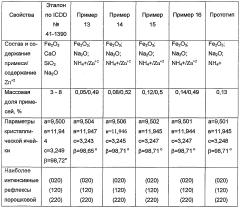
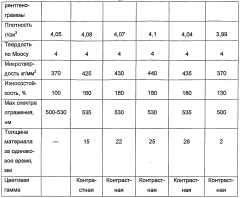
- The process involves evaporating a solution of basic copper carbonate and ammonium carbonate with controlled zinc content, forming polycrystalline malachite with alternating light and dark green layers, and condensing vapor to achieve malachite with enhanced mechanical properties and reduced impurities.
Copper microparticle and process for producing the same
PatentActiveUS7828872B2
Innovation
- Producing copper microparticles using a divalent copper oxide with a reducing agent and a complexing agent in the presence of a protective colloid, followed by adding a scavenger to flocculate and fractionate the particles, preventing agglomeration and ensuring regular shape and high dispersibility.


Environmental Impact of Malachite Mining and Processing
The environmental impact of malachite mining and processing is a critical consideration in the development of copper microelectronics. Malachite, a copper carbonate hydroxide mineral, is often found in surface deposits, making open-pit mining a common extraction method. This process can lead to significant land disturbance, including deforestation and soil erosion, which may alter local ecosystems and biodiversity.
Water pollution is a major concern in malachite mining operations. The extraction process often involves the use of chemicals and produces acidic runoff, which can contaminate nearby water sources. This pollution can have far-reaching effects on aquatic life and potentially impact human communities that rely on these water resources for drinking, agriculture, and other purposes.
Air quality is another environmental factor affected by malachite mining and processing. Dust generated during extraction and crushing operations can contain fine particulate matter, potentially harmful to both workers and nearby communities. Additionally, the smelting process used to extract copper from malachite ore releases sulfur dioxide and other pollutants into the atmosphere, contributing to air pollution and potentially exacerbating climate change issues.
The energy-intensive nature of malachite processing also contributes to its environmental footprint. The high temperatures required for smelting and refining copper from malachite ore typically rely on fossil fuels, leading to significant greenhouse gas emissions. As the demand for copper in microelectronics increases, the associated carbon footprint of malachite processing becomes an increasingly important consideration.
Waste management is a crucial aspect of malachite mining and processing operations. Tailings, the materials left over after the extraction of copper, can contain toxic substances and heavy metals. Improper disposal of these wastes can lead to long-term environmental contamination and pose risks to human health and wildlife.
Efforts to mitigate the environmental impact of malachite mining and processing are ongoing. These include the development of more efficient extraction techniques, implementation of water recycling systems, and improved waste management practices. Additionally, there is growing interest in the potential for bio-mining techniques, which use microorganisms to extract copper from malachite ore, potentially reducing the environmental impact of traditional mining methods.
As the microelectronics industry continues to rely on copper, balancing the demand for this essential metal with environmental sustainability remains a significant challenge. Future research and development in malachite mining and processing must focus on minimizing ecological disruption, reducing pollution, and improving overall resource efficiency to ensure a more sustainable approach to copper production for microelectronics applications.
Water pollution is a major concern in malachite mining operations. The extraction process often involves the use of chemicals and produces acidic runoff, which can contaminate nearby water sources. This pollution can have far-reaching effects on aquatic life and potentially impact human communities that rely on these water resources for drinking, agriculture, and other purposes.
Air quality is another environmental factor affected by malachite mining and processing. Dust generated during extraction and crushing operations can contain fine particulate matter, potentially harmful to both workers and nearby communities. Additionally, the smelting process used to extract copper from malachite ore releases sulfur dioxide and other pollutants into the atmosphere, contributing to air pollution and potentially exacerbating climate change issues.
The energy-intensive nature of malachite processing also contributes to its environmental footprint. The high temperatures required for smelting and refining copper from malachite ore typically rely on fossil fuels, leading to significant greenhouse gas emissions. As the demand for copper in microelectronics increases, the associated carbon footprint of malachite processing becomes an increasingly important consideration.
Waste management is a crucial aspect of malachite mining and processing operations. Tailings, the materials left over after the extraction of copper, can contain toxic substances and heavy metals. Improper disposal of these wastes can lead to long-term environmental contamination and pose risks to human health and wildlife.
Efforts to mitigate the environmental impact of malachite mining and processing are ongoing. These include the development of more efficient extraction techniques, implementation of water recycling systems, and improved waste management practices. Additionally, there is growing interest in the potential for bio-mining techniques, which use microorganisms to extract copper from malachite ore, potentially reducing the environmental impact of traditional mining methods.
As the microelectronics industry continues to rely on copper, balancing the demand for this essential metal with environmental sustainability remains a significant challenge. Future research and development in malachite mining and processing must focus on minimizing ecological disruption, reducing pollution, and improving overall resource efficiency to ensure a more sustainable approach to copper production for microelectronics applications.
Economic Viability of Malachite in Microelectronics Industry
The economic viability of malachite in the microelectronics industry is a complex issue that requires careful analysis of multiple factors. Malachite, a copper carbonate hydroxide mineral, has been traditionally used in jewelry and ornamental objects. However, its potential application in microelectronics development presents both opportunities and challenges.
From a raw material perspective, malachite offers a promising source of copper, which is essential in microelectronics. The abundance of malachite deposits in various regions globally could potentially provide a stable supply chain for the industry. This geographical diversity may help mitigate supply risks associated with traditional copper sources.
The extraction and processing of malachite for microelectronics applications would require significant investment in research and development. While initial costs may be high, the long-term benefits could justify the expenditure. The unique properties of malachite-derived copper might offer advantages in terms of conductivity or other performance metrics, potentially leading to more efficient or compact microelectronic components.
However, the economic feasibility also depends on the scalability of malachite-based processes. The microelectronics industry demands high-volume production, and any new material or process must be able to meet these requirements cost-effectively. The transition from laboratory-scale experiments to industrial-scale production would be a critical factor in determining economic viability.
Environmental considerations play a crucial role in assessing the economic viability of malachite in microelectronics. As industries face increasing pressure to adopt sustainable practices, the environmental impact of malachite extraction and processing must be carefully evaluated. If malachite-based processes prove to be more environmentally friendly than traditional copper production methods, it could provide a significant competitive advantage and potentially offset higher production costs through improved corporate image and regulatory compliance.
Market demand for innovative materials in microelectronics could drive the adoption of malachite-based technologies. As the industry continually seeks ways to improve performance and reduce costs, novel materials that offer unique properties or manufacturing advantages could command premium prices, enhancing the economic viability of malachite in this sector.
The integration of malachite into existing microelectronics manufacturing processes would require careful consideration. Compatibility with current equipment and techniques would significantly impact the economic feasibility. If substantial modifications to manufacturing lines are necessary, it could pose a barrier to adoption, particularly for smaller manufacturers with limited capital for investment.
In conclusion, while malachite shows promise as a basis for copper microelectronics development, its economic viability hinges on a delicate balance of factors including raw material availability, processing costs, scalability, environmental impact, market demand, and integration challenges. Continued research and pilot projects will be crucial in determining whether malachite can become a commercially viable option for the microelectronics industry.
From a raw material perspective, malachite offers a promising source of copper, which is essential in microelectronics. The abundance of malachite deposits in various regions globally could potentially provide a stable supply chain for the industry. This geographical diversity may help mitigate supply risks associated with traditional copper sources.
The extraction and processing of malachite for microelectronics applications would require significant investment in research and development. While initial costs may be high, the long-term benefits could justify the expenditure. The unique properties of malachite-derived copper might offer advantages in terms of conductivity or other performance metrics, potentially leading to more efficient or compact microelectronic components.
However, the economic feasibility also depends on the scalability of malachite-based processes. The microelectronics industry demands high-volume production, and any new material or process must be able to meet these requirements cost-effectively. The transition from laboratory-scale experiments to industrial-scale production would be a critical factor in determining economic viability.
Environmental considerations play a crucial role in assessing the economic viability of malachite in microelectronics. As industries face increasing pressure to adopt sustainable practices, the environmental impact of malachite extraction and processing must be carefully evaluated. If malachite-based processes prove to be more environmentally friendly than traditional copper production methods, it could provide a significant competitive advantage and potentially offset higher production costs through improved corporate image and regulatory compliance.
Market demand for innovative materials in microelectronics could drive the adoption of malachite-based technologies. As the industry continually seeks ways to improve performance and reduce costs, novel materials that offer unique properties or manufacturing advantages could command premium prices, enhancing the economic viability of malachite in this sector.
The integration of malachite into existing microelectronics manufacturing processes would require careful consideration. Compatibility with current equipment and techniques would significantly impact the economic feasibility. If substantial modifications to manufacturing lines are necessary, it could pose a barrier to adoption, particularly for smaller manufacturers with limited capital for investment.
In conclusion, while malachite shows promise as a basis for copper microelectronics development, its economic viability hinges on a delicate balance of factors including raw material availability, processing costs, scalability, environmental impact, market demand, and integration challenges. Continued research and pilot projects will be crucial in determining whether malachite can become a commercially viable option for the microelectronics industry.
Unlock deeper insights with PatSnap Eureka Quick Research — get a full tech report to explore trends and direct your research. Try now!
Generate Your Research Report Instantly with AI Agent
Supercharge your innovation with PatSnap Eureka AI Agent Platform!