Studying malachite-based hydrogels for biotechnological applications
AUG 19, 20259 MIN READ
Generate Your Research Report Instantly with AI Agent
PatSnap Eureka helps you evaluate technical feasibility & market potential.
Malachite Hydrogels: Background and Objectives
Malachite-based hydrogels represent an emerging field of research at the intersection of materials science and biotechnology. These innovative materials combine the unique properties of malachite, a copper carbonate hydroxide mineral, with the versatile characteristics of hydrogels. The development of malachite hydrogels has been driven by the growing demand for advanced biomaterials with enhanced functionalities in various biotechnological applications.
The history of hydrogels dates back to the mid-20th century, with significant advancements in recent decades. However, the incorporation of malachite into hydrogel systems is a relatively new concept, gaining traction in the past few years. This novel approach aims to leverage the antimicrobial, catalytic, and adsorptive properties of malachite to create multifunctional hydrogel composites.
The primary objective of studying malachite-based hydrogels for biotechnological applications is to develop materials that can address current limitations in biomedical, environmental, and industrial sectors. These hydrogels have the potential to revolutionize areas such as drug delivery, tissue engineering, wound healing, water purification, and biosensing.
One of the key drivers behind this research is the increasing need for sustainable and biocompatible materials in healthcare and environmental applications. Malachite, being a naturally occurring mineral, offers an eco-friendly alternative to synthetic additives commonly used in hydrogel formulations. Its integration into hydrogels aims to enhance their mechanical strength, antimicrobial efficacy, and bioactivity.
The technological evolution in this field has been marked by advancements in synthesis methods, characterization techniques, and application-specific optimizations. Researchers have explored various approaches to incorporate malachite into hydrogel matrices, including in-situ mineralization, nanoparticle dispersion, and surface functionalization.
As the field progresses, there is a growing focus on understanding the fundamental interactions between malachite and hydrogel polymers at the molecular level. This knowledge is crucial for tailoring the properties of malachite hydrogels to specific biotechnological applications. Additionally, efforts are being made to improve the scalability and cost-effectiveness of production processes to facilitate the transition from laboratory research to commercial applications.
The development of malachite-based hydrogels aligns with broader trends in materials science, such as the design of smart materials, stimuli-responsive systems, and nanocomposites. By combining the unique attributes of malachite with the adaptable nature of hydrogels, researchers aim to create a new generation of materials that can respond dynamically to environmental cues and perform multiple functions simultaneously.
The history of hydrogels dates back to the mid-20th century, with significant advancements in recent decades. However, the incorporation of malachite into hydrogel systems is a relatively new concept, gaining traction in the past few years. This novel approach aims to leverage the antimicrobial, catalytic, and adsorptive properties of malachite to create multifunctional hydrogel composites.
The primary objective of studying malachite-based hydrogels for biotechnological applications is to develop materials that can address current limitations in biomedical, environmental, and industrial sectors. These hydrogels have the potential to revolutionize areas such as drug delivery, tissue engineering, wound healing, water purification, and biosensing.
One of the key drivers behind this research is the increasing need for sustainable and biocompatible materials in healthcare and environmental applications. Malachite, being a naturally occurring mineral, offers an eco-friendly alternative to synthetic additives commonly used in hydrogel formulations. Its integration into hydrogels aims to enhance their mechanical strength, antimicrobial efficacy, and bioactivity.
The technological evolution in this field has been marked by advancements in synthesis methods, characterization techniques, and application-specific optimizations. Researchers have explored various approaches to incorporate malachite into hydrogel matrices, including in-situ mineralization, nanoparticle dispersion, and surface functionalization.
As the field progresses, there is a growing focus on understanding the fundamental interactions between malachite and hydrogel polymers at the molecular level. This knowledge is crucial for tailoring the properties of malachite hydrogels to specific biotechnological applications. Additionally, efforts are being made to improve the scalability and cost-effectiveness of production processes to facilitate the transition from laboratory research to commercial applications.
The development of malachite-based hydrogels aligns with broader trends in materials science, such as the design of smart materials, stimuli-responsive systems, and nanocomposites. By combining the unique attributes of malachite with the adaptable nature of hydrogels, researchers aim to create a new generation of materials that can respond dynamically to environmental cues and perform multiple functions simultaneously.
Biotechnological Market Demand Analysis
The biotechnology market has shown a growing demand for innovative materials that can address various challenges in fields such as drug delivery, tissue engineering, and environmental remediation. Malachite-based hydrogels have emerged as a promising candidate for these applications, attracting significant attention from both researchers and industry players.
The global hydrogel market, which encompasses malachite-based hydrogels, is experiencing robust growth. This expansion is driven by the increasing need for advanced biomaterials in healthcare, agriculture, and environmental sectors. The versatility of hydrogels, combined with the unique properties of malachite, positions these materials at the forefront of biotechnological innovation.
In the healthcare sector, there is a pressing demand for drug delivery systems that can provide controlled and targeted release of therapeutic agents. Malachite-based hydrogels offer potential solutions to this challenge, as they can be engineered to respond to specific stimuli such as pH, temperature, or enzymatic activity. This capability makes them particularly attractive for applications in cancer treatment, wound healing, and tissue regeneration.
The tissue engineering field also presents significant market opportunities for malachite-based hydrogels. As the global population ages and the incidence of chronic diseases rises, there is an increasing need for biocompatible scaffolds that can support cell growth and tissue regeneration. The antimicrobial properties of malachite, combined with the structural support provided by hydrogels, make these materials promising candidates for developing advanced tissue engineering constructs.
Environmental biotechnology is another area where malachite-based hydrogels show considerable potential. With growing concerns about water pollution and the need for efficient remediation technologies, these materials could find applications in water treatment and contaminant removal. Their ability to adsorb heavy metals and organic pollutants makes them attractive for developing advanced filtration systems and environmental sensors.
The agricultural sector also presents opportunities for malachite-based hydrogels. As climate change impacts crop yields and water availability, there is a rising demand for smart materials that can enhance soil water retention and nutrient delivery. These hydrogels could be used to develop improved fertilizers and soil amendments, contributing to more sustainable and efficient agricultural practices.
Market analysts project that the global smart hydrogel market, which includes malachite-based formulations, will continue to grow at a significant rate in the coming years. This growth is expected to be driven by advancements in material science, increasing research and development activities, and the expanding applications of these materials across various industries.
The global hydrogel market, which encompasses malachite-based hydrogels, is experiencing robust growth. This expansion is driven by the increasing need for advanced biomaterials in healthcare, agriculture, and environmental sectors. The versatility of hydrogels, combined with the unique properties of malachite, positions these materials at the forefront of biotechnological innovation.
In the healthcare sector, there is a pressing demand for drug delivery systems that can provide controlled and targeted release of therapeutic agents. Malachite-based hydrogels offer potential solutions to this challenge, as they can be engineered to respond to specific stimuli such as pH, temperature, or enzymatic activity. This capability makes them particularly attractive for applications in cancer treatment, wound healing, and tissue regeneration.
The tissue engineering field also presents significant market opportunities for malachite-based hydrogels. As the global population ages and the incidence of chronic diseases rises, there is an increasing need for biocompatible scaffolds that can support cell growth and tissue regeneration. The antimicrobial properties of malachite, combined with the structural support provided by hydrogels, make these materials promising candidates for developing advanced tissue engineering constructs.
Environmental biotechnology is another area where malachite-based hydrogels show considerable potential. With growing concerns about water pollution and the need for efficient remediation technologies, these materials could find applications in water treatment and contaminant removal. Their ability to adsorb heavy metals and organic pollutants makes them attractive for developing advanced filtration systems and environmental sensors.
The agricultural sector also presents opportunities for malachite-based hydrogels. As climate change impacts crop yields and water availability, there is a rising demand for smart materials that can enhance soil water retention and nutrient delivery. These hydrogels could be used to develop improved fertilizers and soil amendments, contributing to more sustainable and efficient agricultural practices.
Market analysts project that the global smart hydrogel market, which includes malachite-based formulations, will continue to grow at a significant rate in the coming years. This growth is expected to be driven by advancements in material science, increasing research and development activities, and the expanding applications of these materials across various industries.
Current State of Malachite-based Hydrogels
Malachite-based hydrogels represent an emerging field in biotechnology, combining the unique properties of malachite with the versatile nature of hydrogels. The current state of these materials is characterized by significant advancements in synthesis methods and an expanding range of potential applications.
Recent research has focused on optimizing the incorporation of malachite nanoparticles into hydrogel matrices. Scientists have successfully developed techniques to ensure uniform distribution and stability of malachite within the hydrogel structure. This has led to improved mechanical properties and enhanced functionality of the resulting composites.
One of the key areas of progress is the development of malachite-based hydrogels with antimicrobial properties. The inherent antibacterial nature of malachite, combined with the biocompatibility of hydrogels, has shown promising results in wound healing applications. These materials exhibit sustained release of copper ions, which effectively inhibit bacterial growth while promoting tissue regeneration.
Environmental remediation is another field where malachite-based hydrogels have gained traction. Their high adsorption capacity for heavy metals and organic pollutants makes them excellent candidates for water purification systems. Researchers have demonstrated the ability of these hydrogels to remove contaminants such as lead, cadmium, and organic dyes from aqueous solutions with high efficiency.
In the realm of biosensing, malachite-based hydrogels have shown potential for developing sensitive and selective detection platforms. The unique optical and electrical properties of malachite, when integrated into hydrogel matrices, enable the creation of responsive sensors for various analytes, including glucose, hydrogen peroxide, and certain proteins.
Despite these advancements, challenges remain in scaling up production and ensuring long-term stability of malachite-based hydrogels. Current research efforts are focused on addressing these issues through the exploration of novel crosslinking methods and the incorporation of stabilizing agents.
The biocompatibility and biodegradability of these materials are also under intensive investigation. While initial studies have shown promising results, more comprehensive in vivo studies are needed to fully assess their safety and efficacy for biomedical applications.
As the field progresses, there is a growing interest in developing stimuli-responsive malachite-based hydrogels. These smart materials could potentially respond to changes in pH, temperature, or light, opening up new possibilities in drug delivery and tissue engineering applications.
Recent research has focused on optimizing the incorporation of malachite nanoparticles into hydrogel matrices. Scientists have successfully developed techniques to ensure uniform distribution and stability of malachite within the hydrogel structure. This has led to improved mechanical properties and enhanced functionality of the resulting composites.
One of the key areas of progress is the development of malachite-based hydrogels with antimicrobial properties. The inherent antibacterial nature of malachite, combined with the biocompatibility of hydrogels, has shown promising results in wound healing applications. These materials exhibit sustained release of copper ions, which effectively inhibit bacterial growth while promoting tissue regeneration.
Environmental remediation is another field where malachite-based hydrogels have gained traction. Their high adsorption capacity for heavy metals and organic pollutants makes them excellent candidates for water purification systems. Researchers have demonstrated the ability of these hydrogels to remove contaminants such as lead, cadmium, and organic dyes from aqueous solutions with high efficiency.
In the realm of biosensing, malachite-based hydrogels have shown potential for developing sensitive and selective detection platforms. The unique optical and electrical properties of malachite, when integrated into hydrogel matrices, enable the creation of responsive sensors for various analytes, including glucose, hydrogen peroxide, and certain proteins.
Despite these advancements, challenges remain in scaling up production and ensuring long-term stability of malachite-based hydrogels. Current research efforts are focused on addressing these issues through the exploration of novel crosslinking methods and the incorporation of stabilizing agents.
The biocompatibility and biodegradability of these materials are also under intensive investigation. While initial studies have shown promising results, more comprehensive in vivo studies are needed to fully assess their safety and efficacy for biomedical applications.
As the field progresses, there is a growing interest in developing stimuli-responsive malachite-based hydrogels. These smart materials could potentially respond to changes in pH, temperature, or light, opening up new possibilities in drug delivery and tissue engineering applications.
Existing Malachite Hydrogel Solutions
01 Synthesis and composition of malachite-based hydrogels
Malachite-based hydrogels are synthesized using various methods, including chemical crosslinking and physical gelation. These hydrogels typically incorporate malachite nanoparticles or malachite green dye into a polymer matrix, resulting in a three-dimensional network structure with unique properties.- Synthesis of malachite-based hydrogels: Malachite-based hydrogels can be synthesized using various methods, including chemical crosslinking and physical gelation. These hydrogels often incorporate malachite nanoparticles or malachite green dye into a polymer matrix, resulting in a three-dimensional network structure with unique properties.
- Applications in environmental remediation: Malachite-based hydrogels show promise in environmental remediation applications, particularly for the removal of heavy metals and organic pollutants from water. The high adsorption capacity and selectivity of these hydrogels make them effective in water treatment and purification processes.
- Biomedical applications of malachite-based hydrogels: These hydrogels have potential applications in the biomedical field, including drug delivery systems, wound healing, and tissue engineering. The antimicrobial properties of malachite, combined with the biocompatibility of hydrogels, make them suitable for various medical uses.
- Malachite-based hydrogels for sensing and detection: Malachite-based hydrogels can be used in sensing and detection applications, particularly for the detection of specific ions or molecules. The color-changing properties of malachite green, combined with the responsive nature of hydrogels, allow for the development of visual or electrochemical sensors.
- Mechanical and thermal properties of malachite-based hydrogels: The incorporation of malachite nanoparticles or malachite green into hydrogels can significantly enhance their mechanical strength and thermal stability. These improved properties expand the potential applications of malachite-based hydrogels in various fields, including as structural materials or in high-temperature environments.
02 Applications in environmental remediation
Malachite-based hydrogels show promising applications in environmental remediation, particularly for the removal of heavy metals and organic pollutants from water. The high adsorption capacity and selectivity of these hydrogels make them effective in water treatment and purification processes.Expand Specific Solutions03 Biomedical applications of malachite-based hydrogels
These hydrogels have potential applications in the biomedical field, including drug delivery systems, tissue engineering, and wound healing. The biocompatibility and controlled release properties of malachite-based hydrogels make them suitable for various medical applications.Expand Specific Solutions04 Stimuli-responsive properties
Malachite-based hydrogels can be designed to exhibit stimuli-responsive behavior, such as pH-sensitivity, temperature-sensitivity, or light-responsiveness. These smart hydrogels can change their properties in response to external stimuli, making them useful for various applications in sensors and actuators.Expand Specific Solutions05 Mechanical and thermal properties enhancement
The incorporation of malachite nanoparticles or malachite green dye into hydrogels can significantly improve their mechanical strength, thermal stability, and overall performance. This enhancement in properties expands the potential applications of these hydrogels in various fields.Expand Specific Solutions
Key Players in Hydrogel Research
The study of malachite-based hydrogels for biotechnological applications is in an early developmental stage, with significant potential for growth. The market size is currently modest but expected to expand as research progresses. Technologically, it's still in the exploratory phase, with various institutions leading the charge. Key players include the National Research Council of Canada, Northwestern University, and the École Polytechnique Fédérale de Lausanne, each contributing to advancing the field. The involvement of diverse organizations, from academic institutions to research centers, indicates a collaborative approach to developing this technology, suggesting a promising but not yet fully mature landscape.
École Polytechnique Fédérale de Lausanne
Technical Solution: EPFL has developed innovative malachite-based hydrogels for biotechnological applications. Their approach involves incorporating malachite nanoparticles into a hydrogel matrix, creating a composite material with enhanced properties. The malachite nanoparticles provide antimicrobial activity and improved mechanical strength to the hydrogel[1]. EPFL's research has shown that these hydrogels exhibit excellent biocompatibility and can be used for various applications, including wound healing and drug delivery systems[2]. The team has also explored the use of these hydrogels as scaffolds for tissue engineering, demonstrating their potential to support cell growth and differentiation[3].
Strengths: Enhanced antimicrobial properties, improved mechanical strength, and versatility in biotechnological applications. Weaknesses: Potential challenges in scaling up production and ensuring long-term stability of the malachite nanoparticles within the hydrogel matrix.
Northwestern University
Technical Solution: Northwestern University has made significant strides in developing malachite-based hydrogels for biotechnological applications. Their research focuses on creating smart hydrogels that respond to environmental stimuli, such as pH or temperature changes[1]. By incorporating malachite nanoparticles into stimuli-responsive hydrogels, they have achieved materials with tunable properties suitable for controlled drug release and tissue engineering[2]. The team has also explored the use of these hydrogels for environmental applications, such as heavy metal removal from water, leveraging the adsorption properties of malachite[3]. Their innovative approach combines the unique properties of malachite with advanced hydrogel design to create multifunctional materials for diverse biotechnological applications.
Strengths: Stimuli-responsive properties, versatility in applications ranging from drug delivery to environmental remediation. Weaknesses: Complexity in manufacturing process and potential cost implications for large-scale production.
Core Innovations in Malachite Hydrogels
Hydrogels made of hydroxyapatite nanoparticles and sodium alginate for potential biomedical applications.
PatentPendingMX2021014364A
Innovation
- A method is developed to prepare hydrogels by combining sodium alginate with varying concentrations of hydroxyapatite nanoparticles, cross-linked with calcium chloride, enhancing mechanical properties through covalent bonding and maintaining biocompatibility.


Delivery vehicles, bioactive substances and viral vaccines
PatentInactiveUS20060177468A1
Innovation
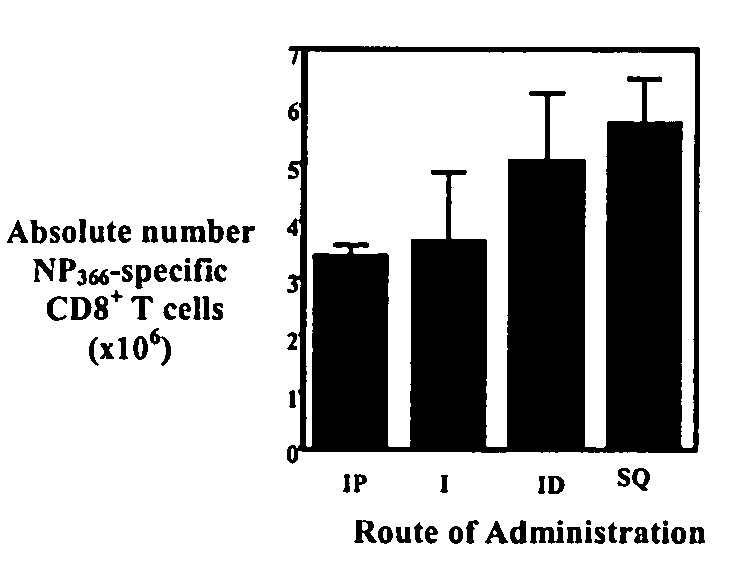
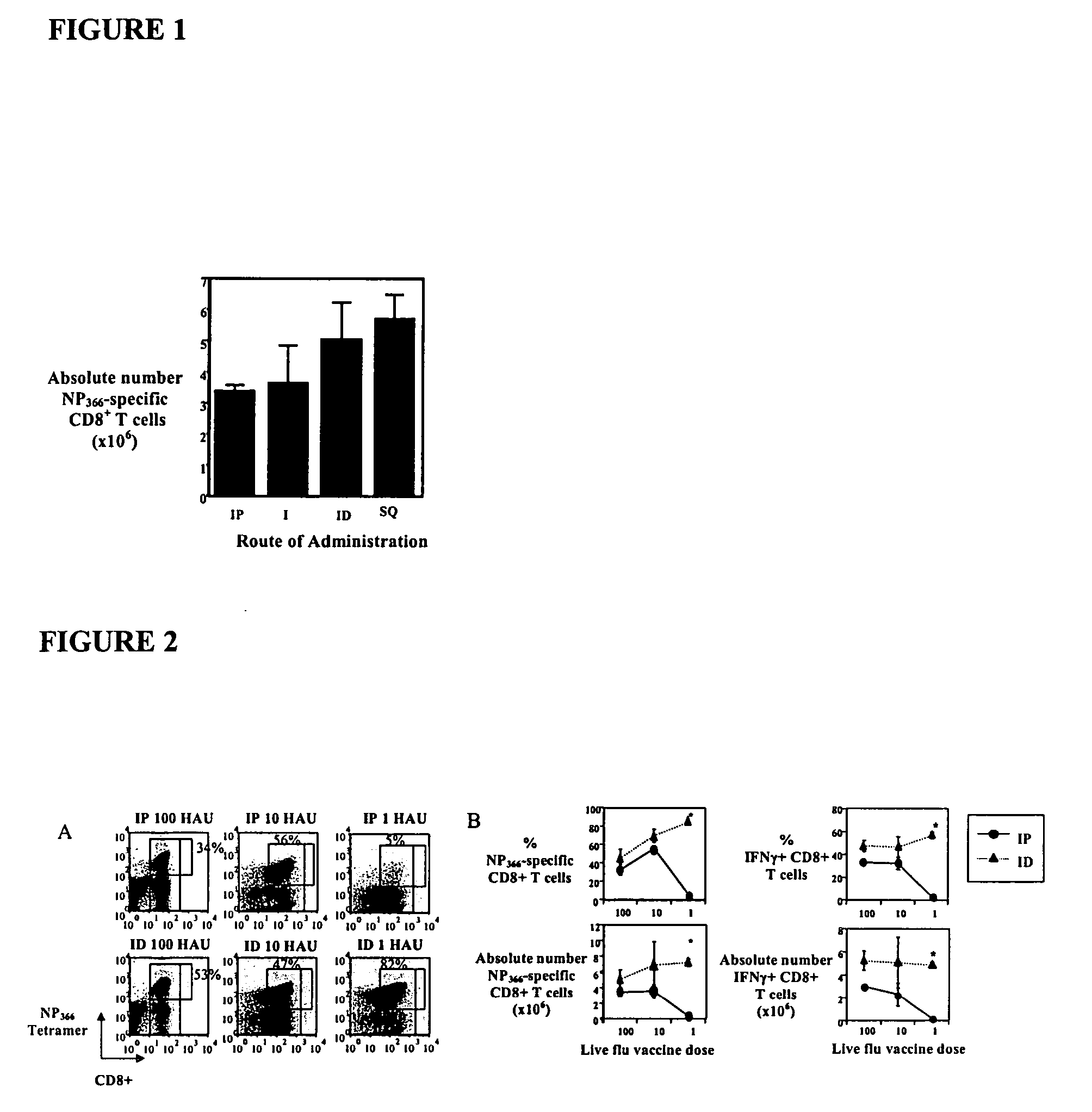
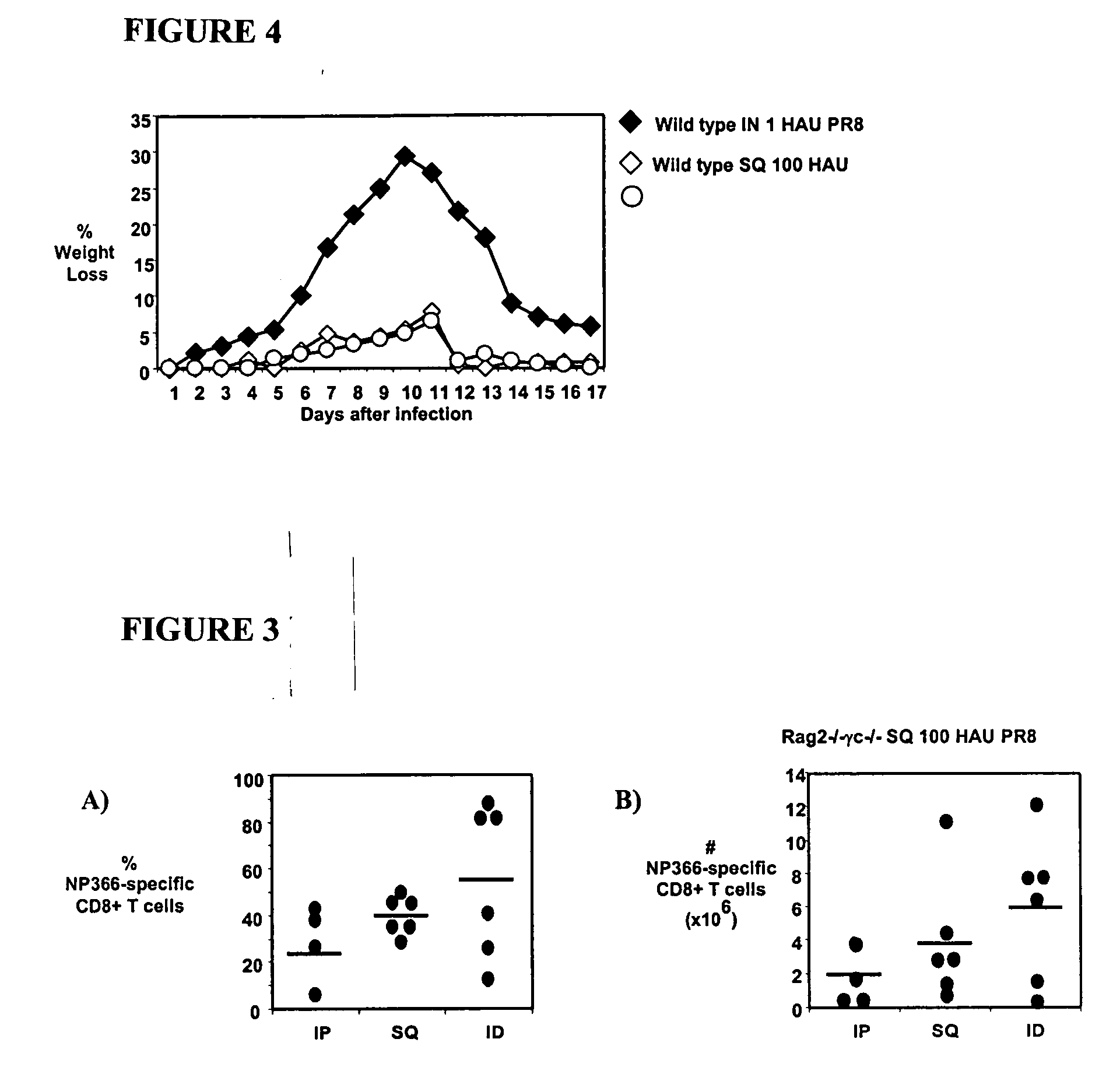
- A vaccine comprising a low dose of live influenza virus administered subcutaneously or intradermally, encapsulated in a biocompatible polymer vehicle to induce a potent CD8+ T cell and antibody response, while minimizing aerosolization risks.

Environmental Impact Assessment
The environmental impact assessment of malachite-based hydrogels for biotechnological applications is a crucial aspect of their development and implementation. These hydrogels, derived from the copper carbonate hydroxide mineral malachite, offer promising potential in various biotechnological fields. However, their widespread use necessitates a thorough evaluation of their environmental implications.
One of the primary environmental considerations is the sourcing of malachite. The mining and extraction processes for this mineral can lead to habitat disruption, soil erosion, and potential water pollution if not managed responsibly. Sustainable mining practices and efficient extraction methods are essential to minimize these impacts.
The synthesis of malachite-based hydrogels involves chemical processes that may generate waste products. It is imperative to assess the nature of these byproducts and develop appropriate disposal or recycling methods to prevent environmental contamination. Additionally, the energy consumption and carbon footprint associated with the production of these hydrogels should be carefully evaluated and optimized.
In biotechnological applications, the biodegradability and biocompatibility of malachite-based hydrogels are significant factors. Their potential to break down naturally without leaving harmful residues in the environment is a key advantage. However, the rate of degradation and the impact of degradation products on ecosystems need to be thoroughly investigated to ensure long-term environmental safety.
The release of copper ions from malachite-based hydrogels is another important consideration. While copper is an essential micronutrient, excessive amounts can be toxic to aquatic life and disrupt ecosystem balance. Studies must be conducted to determine the rate and extent of copper release under various environmental conditions and its potential accumulation in food chains.
The use of these hydrogels in biotechnological applications may also have positive environmental impacts. For instance, their potential in water treatment, bioremediation, and sustainable agriculture could contribute to environmental conservation efforts. However, these benefits must be weighed against any potential risks or unintended consequences.
Life cycle assessment (LCA) of malachite-based hydrogels is crucial to understand their overall environmental footprint. This should encompass all stages from raw material extraction to end-of-life disposal or recycling. Such comprehensive analysis will help identify areas for improvement in the production process and guide the development of more sustainable formulations.
In conclusion, while malachite-based hydrogels show promise for biotechnological applications, their environmental impact must be carefully assessed and managed. Ongoing research and rigorous testing are necessary to ensure that the benefits of these materials outweigh any potential environmental risks, paving the way for their responsible and sustainable use in various biotechnological fields.
One of the primary environmental considerations is the sourcing of malachite. The mining and extraction processes for this mineral can lead to habitat disruption, soil erosion, and potential water pollution if not managed responsibly. Sustainable mining practices and efficient extraction methods are essential to minimize these impacts.
The synthesis of malachite-based hydrogels involves chemical processes that may generate waste products. It is imperative to assess the nature of these byproducts and develop appropriate disposal or recycling methods to prevent environmental contamination. Additionally, the energy consumption and carbon footprint associated with the production of these hydrogels should be carefully evaluated and optimized.
In biotechnological applications, the biodegradability and biocompatibility of malachite-based hydrogels are significant factors. Their potential to break down naturally without leaving harmful residues in the environment is a key advantage. However, the rate of degradation and the impact of degradation products on ecosystems need to be thoroughly investigated to ensure long-term environmental safety.
The release of copper ions from malachite-based hydrogels is another important consideration. While copper is an essential micronutrient, excessive amounts can be toxic to aquatic life and disrupt ecosystem balance. Studies must be conducted to determine the rate and extent of copper release under various environmental conditions and its potential accumulation in food chains.
The use of these hydrogels in biotechnological applications may also have positive environmental impacts. For instance, their potential in water treatment, bioremediation, and sustainable agriculture could contribute to environmental conservation efforts. However, these benefits must be weighed against any potential risks or unintended consequences.
Life cycle assessment (LCA) of malachite-based hydrogels is crucial to understand their overall environmental footprint. This should encompass all stages from raw material extraction to end-of-life disposal or recycling. Such comprehensive analysis will help identify areas for improvement in the production process and guide the development of more sustainable formulations.
In conclusion, while malachite-based hydrogels show promise for biotechnological applications, their environmental impact must be carefully assessed and managed. Ongoing research and rigorous testing are necessary to ensure that the benefits of these materials outweigh any potential environmental risks, paving the way for their responsible and sustainable use in various biotechnological fields.
Scalability and Manufacturing Challenges
The scalability and manufacturing challenges associated with malachite-based hydrogels for biotechnological applications are significant considerations that must be addressed for their successful implementation on a larger scale. One of the primary challenges is the consistent production of hydrogels with uniform properties across batches. The synthesis of malachite-based hydrogels involves complex chemical reactions and precise control of environmental conditions, which can be difficult to maintain in large-scale production settings.
Another critical challenge is the sourcing and quality control of raw materials. Malachite, being a naturally occurring mineral, may exhibit variations in composition and purity depending on its source. Ensuring a steady supply of high-quality malachite with consistent properties is essential for maintaining the reproducibility and performance of the hydrogels in biotechnological applications.
The manufacturing process itself presents several hurdles. Scaling up the production from laboratory-scale to industrial-scale requires significant modifications to equipment and protocols. The mixing and gelation processes, which are crucial for the formation of the hydrogel structure, may behave differently at larger volumes, potentially affecting the final product's properties and functionality.
Furthermore, the incorporation of bioactive components into the hydrogels, such as enzymes or growth factors, adds another layer of complexity to the manufacturing process. These sensitive biomolecules must be integrated into the hydrogel matrix without compromising their activity, which can be challenging in large-scale production environments where conditions may be less controlled than in laboratory settings.
The sterilization of malachite-based hydrogels for biotechnological applications is another critical consideration. Traditional sterilization methods, such as autoclaving or gamma irradiation, may alter the hydrogel's structure or affect the bioactive components. Developing scalable sterilization techniques that preserve the integrity and functionality of the hydrogels is crucial for their successful commercialization.
Cost-effectiveness is also a significant challenge in scaling up production. The expenses associated with raw materials, specialized equipment, and quality control measures can be substantial. Optimizing the manufacturing process to reduce waste, improve yield, and increase efficiency is essential for making malachite-based hydrogels economically viable for widespread biotechnological applications.
Lastly, regulatory compliance and quality assurance present ongoing challenges in the manufacturing of malachite-based hydrogels. Establishing robust quality control protocols, documenting manufacturing processes, and meeting regulatory requirements for biotechnological products are critical steps that require significant time and resource investment.
Another critical challenge is the sourcing and quality control of raw materials. Malachite, being a naturally occurring mineral, may exhibit variations in composition and purity depending on its source. Ensuring a steady supply of high-quality malachite with consistent properties is essential for maintaining the reproducibility and performance of the hydrogels in biotechnological applications.
The manufacturing process itself presents several hurdles. Scaling up the production from laboratory-scale to industrial-scale requires significant modifications to equipment and protocols. The mixing and gelation processes, which are crucial for the formation of the hydrogel structure, may behave differently at larger volumes, potentially affecting the final product's properties and functionality.
Furthermore, the incorporation of bioactive components into the hydrogels, such as enzymes or growth factors, adds another layer of complexity to the manufacturing process. These sensitive biomolecules must be integrated into the hydrogel matrix without compromising their activity, which can be challenging in large-scale production environments where conditions may be less controlled than in laboratory settings.
The sterilization of malachite-based hydrogels for biotechnological applications is another critical consideration. Traditional sterilization methods, such as autoclaving or gamma irradiation, may alter the hydrogel's structure or affect the bioactive components. Developing scalable sterilization techniques that preserve the integrity and functionality of the hydrogels is crucial for their successful commercialization.
Cost-effectiveness is also a significant challenge in scaling up production. The expenses associated with raw materials, specialized equipment, and quality control measures can be substantial. Optimizing the manufacturing process to reduce waste, improve yield, and increase efficiency is essential for making malachite-based hydrogels economically viable for widespread biotechnological applications.
Lastly, regulatory compliance and quality assurance present ongoing challenges in the manufacturing of malachite-based hydrogels. Establishing robust quality control protocols, documenting manufacturing processes, and meeting regulatory requirements for biotechnological products are critical steps that require significant time and resource investment.
Unlock deeper insights with PatSnap Eureka Quick Research — get a full tech report to explore trends and direct your research. Try now!
Generate Your Research Report Instantly with AI Agent
Supercharge your innovation with PatSnap Eureka AI Agent Platform!