Multiphysics Simulation vs Data Consistency
MAR 26, 20269 MIN READ
Generate Your Research Report Instantly with AI Agent
Patsnap Eureka helps you evaluate technical feasibility & market potential.
Multiphysics Simulation Background and Data Consistency Goals
Multiphysics simulation has emerged as a critical computational methodology over the past three decades, evolving from single-physics modeling approaches to comprehensive multi-domain analysis systems. This evolution was driven by the increasing complexity of engineering systems where thermal, mechanical, electromagnetic, and fluid dynamics phenomena interact simultaneously. Early developments in the 1990s focused on coupling existing single-physics solvers, while modern approaches emphasize unified frameworks that inherently handle multiple physical domains.
The historical progression of multiphysics simulation can be traced through several key phases. Initial efforts concentrated on sequential coupling methods, where different physics modules exchanged data at predetermined intervals. This approach, while computationally efficient, often suffered from stability issues and convergence problems. The subsequent development of fully-coupled implicit methods addressed these limitations but introduced new challenges related to computational complexity and memory requirements.
Contemporary multiphysics simulation faces unprecedented demands for accuracy and reliability across diverse applications, from aerospace thermal management to biomedical device modeling. The integration of multiple physical phenomena creates complex interdependencies that traditional validation methods struggle to address comprehensively. This complexity is further amplified by the need to handle disparate temporal and spatial scales, ranging from microsecond electromagnetic transients to long-term thermal diffusion processes.
Data consistency has emerged as a fundamental challenge in multiphysics simulation, encompassing both numerical accuracy and physical validity across coupled domains. The primary goal involves ensuring that information transfer between different physics modules maintains conservation laws and preserves the underlying physical relationships. This requires sophisticated interpolation schemes, consistent boundary condition enforcement, and robust error propagation control mechanisms.
The strategic objectives for advancing multiphysics simulation center on developing unified data management frameworks that can seamlessly handle multi-scale, multi-physics interactions while maintaining computational efficiency. Key targets include achieving real-time simulation capabilities for complex systems, implementing adaptive mesh refinement strategies that respond to multi-physics gradients, and establishing standardized validation protocols for coupled phenomena.
Future technological goals emphasize the integration of artificial intelligence and machine learning techniques to enhance predictive accuracy and reduce computational overhead. The development of physics-informed neural networks and hybrid simulation approaches represents a paradigm shift toward intelligent multiphysics modeling systems that can adapt to varying problem complexities while maintaining data consistency across all coupled domains.
The historical progression of multiphysics simulation can be traced through several key phases. Initial efforts concentrated on sequential coupling methods, where different physics modules exchanged data at predetermined intervals. This approach, while computationally efficient, often suffered from stability issues and convergence problems. The subsequent development of fully-coupled implicit methods addressed these limitations but introduced new challenges related to computational complexity and memory requirements.
Contemporary multiphysics simulation faces unprecedented demands for accuracy and reliability across diverse applications, from aerospace thermal management to biomedical device modeling. The integration of multiple physical phenomena creates complex interdependencies that traditional validation methods struggle to address comprehensively. This complexity is further amplified by the need to handle disparate temporal and spatial scales, ranging from microsecond electromagnetic transients to long-term thermal diffusion processes.
Data consistency has emerged as a fundamental challenge in multiphysics simulation, encompassing both numerical accuracy and physical validity across coupled domains. The primary goal involves ensuring that information transfer between different physics modules maintains conservation laws and preserves the underlying physical relationships. This requires sophisticated interpolation schemes, consistent boundary condition enforcement, and robust error propagation control mechanisms.
The strategic objectives for advancing multiphysics simulation center on developing unified data management frameworks that can seamlessly handle multi-scale, multi-physics interactions while maintaining computational efficiency. Key targets include achieving real-time simulation capabilities for complex systems, implementing adaptive mesh refinement strategies that respond to multi-physics gradients, and establishing standardized validation protocols for coupled phenomena.
Future technological goals emphasize the integration of artificial intelligence and machine learning techniques to enhance predictive accuracy and reduce computational overhead. The development of physics-informed neural networks and hybrid simulation approaches represents a paradigm shift toward intelligent multiphysics modeling systems that can adapt to varying problem complexities while maintaining data consistency across all coupled domains.
Market Demand for Reliable Multiphysics Simulation Solutions
The global multiphysics simulation market is experiencing unprecedented growth driven by increasing complexity in engineering design and the critical need for accurate predictive modeling across industries. Organizations are demanding simulation solutions that can reliably handle coupled physical phenomena while maintaining data integrity throughout the computational process. This demand stems from the recognition that traditional single-physics approaches are insufficient for modern engineering challenges.
Aerospace and automotive industries represent the largest market segments for reliable multiphysics simulation solutions. These sectors require high-fidelity modeling of fluid-structure interactions, thermal-mechanical coupling, and electromagnetic effects simultaneously. The growing emphasis on electric vehicle development has particularly intensified demand for coupled thermal-electrical simulations with guaranteed data consistency across different physics domains.
Energy sector applications, including renewable energy systems and nuclear power, constitute another significant market driver. Wind turbine design requires coupled aerodynamic-structural analysis, while solar panel optimization demands thermal-electrical-mechanical simulations. The complexity of these multi-domain problems necessitates robust data consistency mechanisms to ensure simulation reliability and regulatory compliance.
Manufacturing industries increasingly rely on multiphysics simulations for process optimization and quality control. Additive manufacturing, semiconductor fabrication, and materials processing all require coupled simulations where data inconsistencies can lead to costly production errors. The market demand for solutions that guarantee data integrity across different physical domains continues to expand as manufacturing processes become more sophisticated.
The pharmaceutical and biomedical sectors represent emerging high-growth markets for reliable multiphysics simulation. Drug delivery systems, medical device design, and tissue engineering applications require coupled fluid-thermal-chemical simulations with stringent accuracy requirements. Data consistency becomes critical when simulation results directly impact patient safety and regulatory approval processes.
Market growth is further accelerated by digital transformation initiatives across industries. Companies are integrating multiphysics simulations into digital twins and Industry 4.0 frameworks, where data consistency between virtual and physical systems is paramount. The increasing adoption of cloud-based simulation platforms has also expanded market accessibility while raising expectations for reliable, consistent results across distributed computing environments.
Regulatory compliance requirements in safety-critical industries continue to drive demand for validated multiphysics simulation solutions. Nuclear, aerospace, and medical device industries require simulation tools with proven data consistency mechanisms to meet stringent certification standards. This regulatory landscape creates sustained market demand for reliable simulation technologies that can demonstrate traceability and accuracy across coupled physics domains.
Aerospace and automotive industries represent the largest market segments for reliable multiphysics simulation solutions. These sectors require high-fidelity modeling of fluid-structure interactions, thermal-mechanical coupling, and electromagnetic effects simultaneously. The growing emphasis on electric vehicle development has particularly intensified demand for coupled thermal-electrical simulations with guaranteed data consistency across different physics domains.
Energy sector applications, including renewable energy systems and nuclear power, constitute another significant market driver. Wind turbine design requires coupled aerodynamic-structural analysis, while solar panel optimization demands thermal-electrical-mechanical simulations. The complexity of these multi-domain problems necessitates robust data consistency mechanisms to ensure simulation reliability and regulatory compliance.
Manufacturing industries increasingly rely on multiphysics simulations for process optimization and quality control. Additive manufacturing, semiconductor fabrication, and materials processing all require coupled simulations where data inconsistencies can lead to costly production errors. The market demand for solutions that guarantee data integrity across different physical domains continues to expand as manufacturing processes become more sophisticated.
The pharmaceutical and biomedical sectors represent emerging high-growth markets for reliable multiphysics simulation. Drug delivery systems, medical device design, and tissue engineering applications require coupled fluid-thermal-chemical simulations with stringent accuracy requirements. Data consistency becomes critical when simulation results directly impact patient safety and regulatory approval processes.
Market growth is further accelerated by digital transformation initiatives across industries. Companies are integrating multiphysics simulations into digital twins and Industry 4.0 frameworks, where data consistency between virtual and physical systems is paramount. The increasing adoption of cloud-based simulation platforms has also expanded market accessibility while raising expectations for reliable, consistent results across distributed computing environments.
Regulatory compliance requirements in safety-critical industries continue to drive demand for validated multiphysics simulation solutions. Nuclear, aerospace, and medical device industries require simulation tools with proven data consistency mechanisms to meet stringent certification standards. This regulatory landscape creates sustained market demand for reliable simulation technologies that can demonstrate traceability and accuracy across coupled physics domains.
Current Challenges in Multiphysics Data Consistency
Multiphysics simulations face significant data consistency challenges that stem from the fundamental complexity of coupling multiple physical phenomena across different temporal and spatial scales. The primary challenge lies in maintaining coherent data exchange between disparate physics solvers that operate with different mathematical formulations, discretization schemes, and computational time steps. This temporal and spatial mismatch creates inconsistencies when transferring field variables such as temperature, pressure, and displacement between coupled domains.
Mesh incompatibility represents another critical obstacle in achieving data consistency. Different physics modules often require specialized mesh configurations optimized for their specific governing equations. Heat transfer simulations may utilize fine meshes near thermal boundaries, while structural mechanics solvers might employ coarser meshes in regions of uniform stress distribution. The interpolation and projection of data between these non-conforming meshes introduces numerical errors that accumulate over simulation time, potentially compromising solution accuracy.
Convergence stability issues emerge when iterative coupling algorithms fail to achieve consistent solutions across all physics domains. Weakly coupled approaches may suffer from numerical instabilities when strong interdependencies exist between physical phenomena. The challenge intensifies when dealing with nonlinear material properties or boundary conditions that create feedback loops between different physics modules, leading to oscillatory or divergent behavior in the coupled solution process.
Data synchronization across parallel computing architectures presents additional complexity. Modern multiphysics simulations often distribute different physics solvers across multiple processors or computing nodes. Ensuring consistent data states across these distributed systems while maintaining computational efficiency requires sophisticated communication protocols and synchronization mechanisms that can handle varying computational loads and processing speeds.
Interface boundary condition enforcement remains problematic when physical domains share common boundaries but require different mathematical treatments. The challenge becomes particularly acute in fluid-structure interaction problems where the fluid mesh deforms according to structural displacements, requiring continuous remeshing and data mapping operations that must preserve conservation properties and maintain physical consistency.
Temporal coupling strategies struggle with maintaining data consistency when different physics phenomena operate on vastly different time scales. Explicit coupling schemes may require prohibitively small time steps to maintain stability, while implicit approaches demand complex solution algorithms that can handle the nonlinear coupling terms effectively without introducing artificial damping or spurious oscillations in the coupled response.
Mesh incompatibility represents another critical obstacle in achieving data consistency. Different physics modules often require specialized mesh configurations optimized for their specific governing equations. Heat transfer simulations may utilize fine meshes near thermal boundaries, while structural mechanics solvers might employ coarser meshes in regions of uniform stress distribution. The interpolation and projection of data between these non-conforming meshes introduces numerical errors that accumulate over simulation time, potentially compromising solution accuracy.
Convergence stability issues emerge when iterative coupling algorithms fail to achieve consistent solutions across all physics domains. Weakly coupled approaches may suffer from numerical instabilities when strong interdependencies exist between physical phenomena. The challenge intensifies when dealing with nonlinear material properties or boundary conditions that create feedback loops between different physics modules, leading to oscillatory or divergent behavior in the coupled solution process.
Data synchronization across parallel computing architectures presents additional complexity. Modern multiphysics simulations often distribute different physics solvers across multiple processors or computing nodes. Ensuring consistent data states across these distributed systems while maintaining computational efficiency requires sophisticated communication protocols and synchronization mechanisms that can handle varying computational loads and processing speeds.
Interface boundary condition enforcement remains problematic when physical domains share common boundaries but require different mathematical treatments. The challenge becomes particularly acute in fluid-structure interaction problems where the fluid mesh deforms according to structural displacements, requiring continuous remeshing and data mapping operations that must preserve conservation properties and maintain physical consistency.
Temporal coupling strategies struggle with maintaining data consistency when different physics phenomena operate on vastly different time scales. Explicit coupling schemes may require prohibitively small time steps to maintain stability, while implicit approaches demand complex solution algorithms that can handle the nonlinear coupling terms effectively without introducing artificial damping or spurious oscillations in the coupled response.
Existing Data Consistency Solutions in Multiphysics
01 Multi-domain coupling and data exchange mechanisms
Methods and systems for ensuring data consistency across different physical domains in multiphysics simulations through standardized data exchange interfaces and coupling algorithms. These approaches enable seamless transfer of field variables, boundary conditions, and material properties between different physics solvers while maintaining temporal and spatial consistency. The techniques include interpolation methods, data mapping strategies, and synchronization protocols that preserve conservation laws across domain boundaries.- Data synchronization and consistency verification in multiphysics simulations: Methods and systems for ensuring data consistency across different physics domains in multiphysics simulations through synchronization mechanisms and verification algorithms. These approaches validate that data transferred between different simulation modules maintains integrity and accuracy, preventing inconsistencies that could compromise simulation results. Techniques include checksum validation, timestamp synchronization, and cross-domain data verification protocols.
- Coupling interface management for multiphysics simulation consistency: Technologies for managing coupling interfaces between different physics solvers to maintain data consistency. These solutions address the challenge of transferring physical quantities between domains with different discretization schemes, time steps, and coordinate systems. Implementation includes interpolation methods, conservative transfer schemes, and interface boundary condition management to ensure consistent data exchange.
- Temporal consistency in multi-timescale multiphysics simulations: Approaches for maintaining temporal consistency when coupling physics phenomena operating at different time scales. These methods handle synchronization challenges arising from disparate temporal resolutions, including adaptive time-stepping strategies, subcycling techniques, and temporal interpolation schemes. The solutions ensure that fast and slow physics processes are properly coordinated while maintaining overall simulation accuracy.
- Mesh and geometry consistency across multiphysics domains: Systems for ensuring geometric and mesh consistency when different physics modules use varying spatial discretizations. These technologies handle mesh mapping, geometry alignment, and spatial data transfer between non-conforming grids. Solutions include mesh projection algorithms, common refinement techniques, and geometric transformation methods that preserve physical properties during data transfer between domains.
- Validation and error detection for multiphysics simulation data: Methodologies for validating simulation data consistency and detecting errors in multiphysics computations. These approaches implement consistency checks, error metrics, and validation frameworks that identify discrepancies between coupled physics domains. Techniques include residual monitoring, conservation law verification, physical constraint checking, and automated error detection algorithms to ensure reliable multiphysics simulation results.
02 Temporal synchronization and time-stepping coordination
Techniques for maintaining consistency in time-dependent multiphysics simulations by coordinating time-stepping schemes across different physics modules. These methods address challenges in coupling solvers with different temporal scales and stability requirements, implementing adaptive time-stepping, subcycling strategies, and predictor-corrector schemes to ensure accurate temporal evolution of coupled phenomena while maintaining numerical stability and conservation properties.Expand Specific Solutions03 Mesh consistency and geometric data management
Approaches for handling geometric and mesh data consistency in multiphysics simulations involving different discretization schemes or overlapping domains. These solutions include mesh mapping algorithms, projection operators, and geometric data structures that enable accurate transfer of solution fields between non-conforming meshes while preserving physical quantities and minimizing interpolation errors. The methods support both structured and unstructured grids with varying refinement levels.Expand Specific Solutions04 Validation and verification frameworks for consistency checking
Systems and methods for validating data consistency in multiphysics simulations through automated verification procedures, error estimation techniques, and consistency checking algorithms. These frameworks implement conservation checks, energy balance verification, and comparison with analytical or experimental benchmarks to ensure the reliability of coupled simulation results. The approaches include uncertainty quantification methods and sensitivity analysis tools for assessing the impact of coupling errors.Expand Specific Solutions05 Data structure and storage optimization for coupled simulations
Technologies for efficient storage and management of multiphysics simulation data to maintain consistency across distributed computing environments and parallel processing architectures. These solutions employ optimized data structures, database management systems, and file formats specifically designed for coupled simulations, enabling efficient access, version control, and synchronization of large-scale simulation datasets while ensuring data integrity and traceability throughout the simulation workflow.Expand Specific Solutions
Key Players in Multiphysics Simulation Software Industry
The multiphysics simulation versus data consistency research field represents an emerging technological domain currently in its early-to-mid development stage, with significant growth potential driven by increasing computational complexity demands across industries. The market demonstrates substantial expansion opportunities, particularly in energy, automotive, and aerospace sectors, as evidenced by participation from major industrial players like Siemens Industry Software NV, Dassault Systèmes SE, and Robert Bosch GmbH alongside technology giants Microsoft Technology Licensing LLC and IBM. Technology maturity varies significantly across participants, with established simulation software leaders like Siemens and Dassault providing mature platforms, while research institutions including Huazhong University of Science & Technology, Xi'an Jiaotong University, and Xidian University contribute fundamental algorithmic advances. Energy sector companies such as Schlumberger entities and China Southern Power Grid Research Institute drive practical applications, while emerging players like Zoox and specialized firms like Focal Point Positioning explore novel implementation approaches, creating a diverse competitive landscape spanning from foundational research to commercial deployment.
Siemens Industry Software NV
Technical Solution: Siemens develops comprehensive multiphysics simulation platforms that integrate electromagnetic, thermal, fluid dynamics, and structural analysis capabilities. Their solutions employ advanced coupling algorithms to ensure data consistency across different physics domains through synchronized mesh generation and unified solver architectures. The platform utilizes co-simulation techniques with real-time data exchange protocols to maintain temporal and spatial consistency between coupled physics phenomena, enabling accurate prediction of complex system behaviors in industrial applications.
Strengths: Industry-leading simulation accuracy and robust coupling algorithms. Weaknesses: High computational resource requirements and complex setup procedures.
Services Petroliers Schlumberger SA
Technical Solution: Schlumberger specializes in multiphysics simulation for oil and gas applications, focusing on reservoir modeling that couples fluid flow, geomechanics, and thermal effects. Their technology ensures data consistency through integrated workflows that maintain geological, petrophysical, and dynamic data integrity across multiple simulation scales. The platform employs advanced upscaling techniques and history matching algorithms to preserve data consistency between detailed geological models and reservoir simulation grids, enabling accurate production forecasting and optimization.
Strengths: Deep domain expertise in subsurface modeling and proven field validation. Weaknesses: Limited applicability outside oil and gas industry and proprietary data formats.
Core Innovations in Multiphysics Data Validation
System and method for performing a multiphysics simulation
PatentInactiveEP3067806A1
Innovation
- A system and method that utilize a computing device with a multiple physics data model and service proxy modules to perform multiphysics simulations, allowing for the extraction and translation of relevant data across different services, providing a unified interface and enabling the use of various services without modifying the data model.


System and Method for Achieving Different Levels of Data Consistency
PatentInactiveUS20080256299A1
Innovation
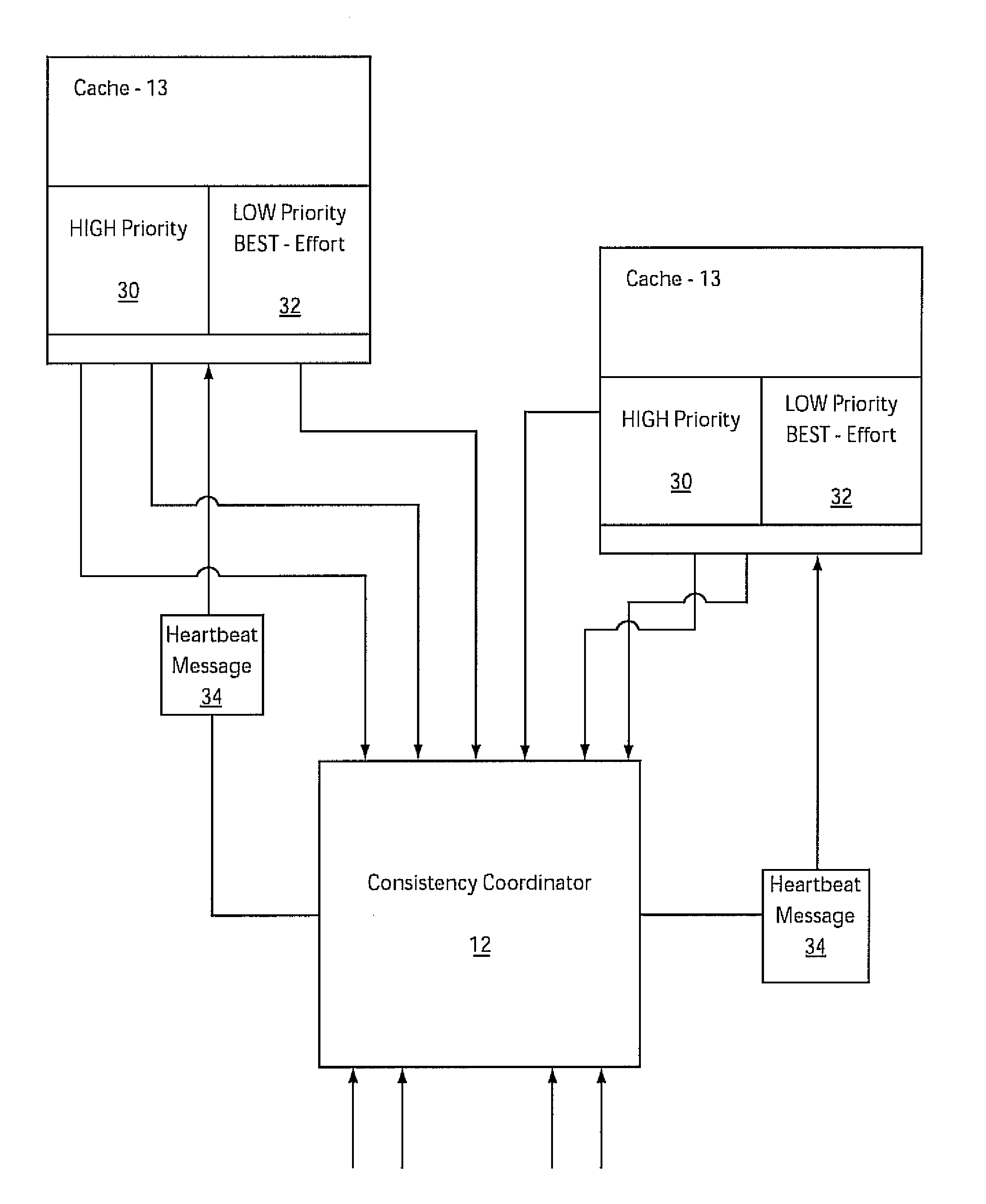
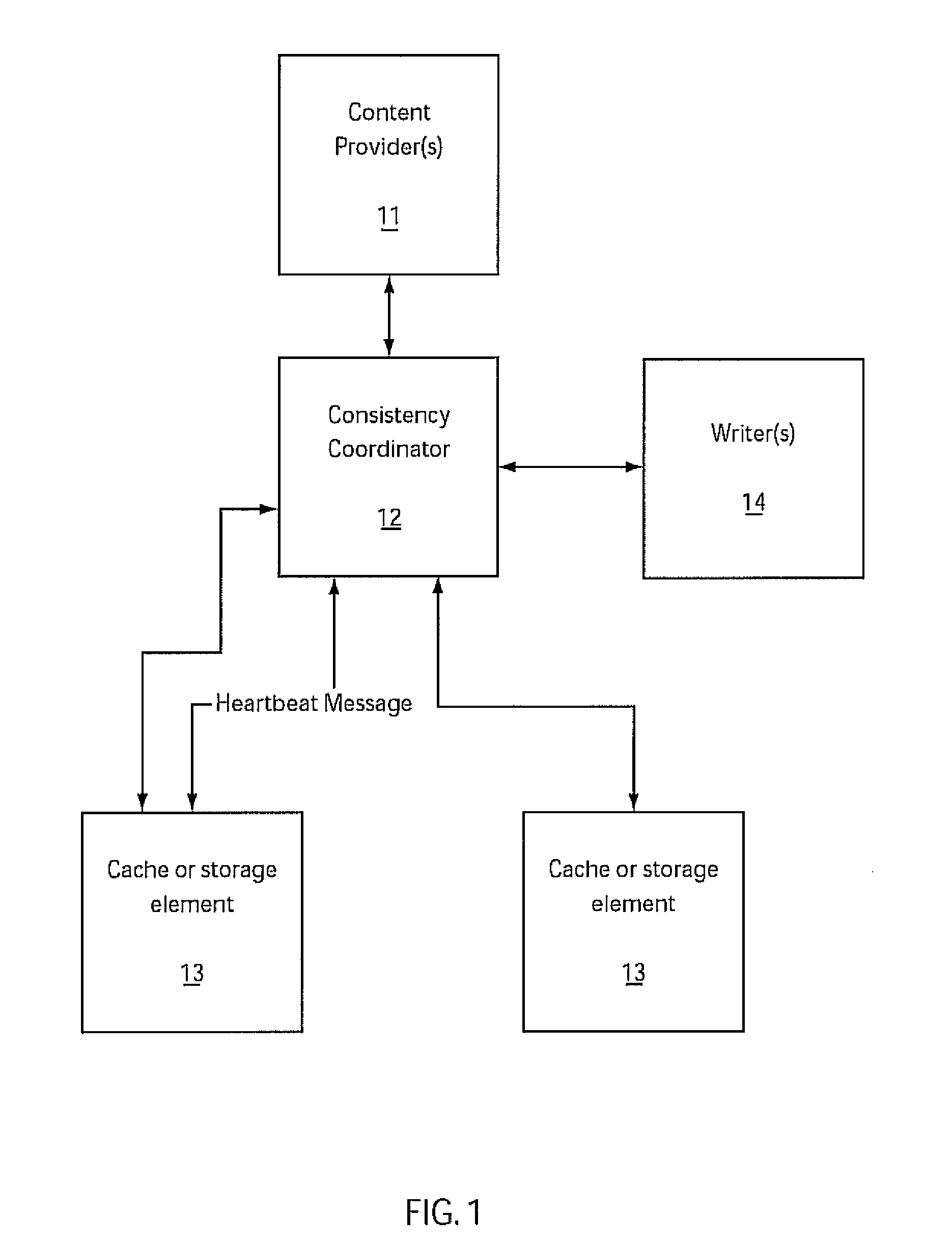
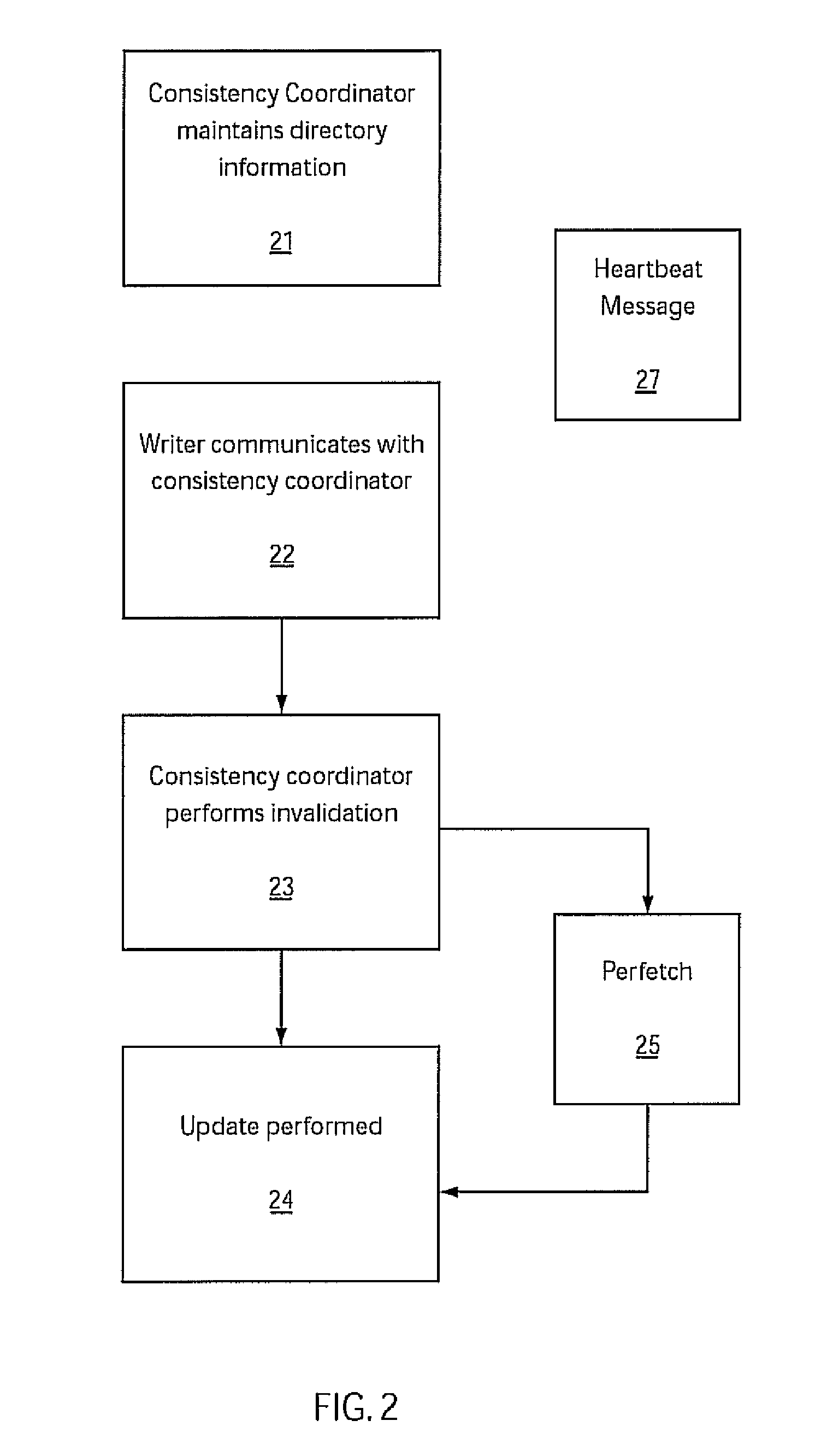
- A system that employs multiple consistency policies, allowing for the selection of different consistency levels for each object based on its specific requirements, using a consistency coordinator to manage updates and ensure data integrity across caches.

Verification and Validation Standards for Multiphysics
Verification and validation (V&V) standards for multiphysics simulations represent a critical framework for ensuring computational accuracy and reliability across coupled physical phenomena. These standards establish systematic methodologies to assess whether simulation models correctly represent the intended physical processes and produce accurate predictions within acceptable uncertainty bounds.
The IEEE Standard 1012 provides foundational guidelines for software verification and validation, which have been adapted for multiphysics applications. This standard emphasizes the distinction between verification, which confirms that mathematical models are solved correctly, and validation, which ensures that models accurately represent real-world physics. For multiphysics systems, these processes become significantly more complex due to the interdependent nature of coupled phenomena.
ASME V&V 10 and V&V 20 standards specifically address computational fluid dynamics and heat transfer applications, offering structured approaches for multiphysics validation. These standards define requirements for solution verification, code verification, and model validation, establishing metrics for quantifying simulation uncertainty and error propagation across coupled domains.
The AIAA Guide for Verification and Validation of Computational Fluid Dynamics Simulations extends these principles to aerospace applications, where multiphysics coupling between aerodynamics, heat transfer, and structural mechanics is prevalent. This guide emphasizes the importance of hierarchical validation approaches, progressing from unit problems to system-level validation cases.
Recent developments in multiphysics V&V standards focus on uncertainty quantification methodologies, recognizing that coupled simulations amplify uncertainties from individual physics domains. The ASME Committee on Verification and Validation in Computational Solid Mechanics has developed protocols for assessing uncertainty propagation in coupled fluid-structure interaction problems.
International standards organizations, including ISO and ASTM, are developing comprehensive frameworks for multiphysics V&V that address emerging challenges in digital twin applications and real-time simulation validation. These evolving standards emphasize automated validation procedures and continuous model updating based on experimental data streams.
The IEEE Standard 1012 provides foundational guidelines for software verification and validation, which have been adapted for multiphysics applications. This standard emphasizes the distinction between verification, which confirms that mathematical models are solved correctly, and validation, which ensures that models accurately represent real-world physics. For multiphysics systems, these processes become significantly more complex due to the interdependent nature of coupled phenomena.
ASME V&V 10 and V&V 20 standards specifically address computational fluid dynamics and heat transfer applications, offering structured approaches for multiphysics validation. These standards define requirements for solution verification, code verification, and model validation, establishing metrics for quantifying simulation uncertainty and error propagation across coupled domains.
The AIAA Guide for Verification and Validation of Computational Fluid Dynamics Simulations extends these principles to aerospace applications, where multiphysics coupling between aerodynamics, heat transfer, and structural mechanics is prevalent. This guide emphasizes the importance of hierarchical validation approaches, progressing from unit problems to system-level validation cases.
Recent developments in multiphysics V&V standards focus on uncertainty quantification methodologies, recognizing that coupled simulations amplify uncertainties from individual physics domains. The ASME Committee on Verification and Validation in Computational Solid Mechanics has developed protocols for assessing uncertainty propagation in coupled fluid-structure interaction problems.
International standards organizations, including ISO and ASTM, are developing comprehensive frameworks for multiphysics V&V that address emerging challenges in digital twin applications and real-time simulation validation. These evolving standards emphasize automated validation procedures and continuous model updating based on experimental data streams.
Computational Resource Optimization Strategies
Computational resource optimization in multiphysics simulation represents a critical challenge where maintaining data consistency while maximizing computational efficiency requires sophisticated strategic approaches. The fundamental tension between accuracy and performance necessitates careful balance through advanced resource allocation methodologies.
Memory management strategies form the cornerstone of effective optimization, particularly when dealing with coupled physics domains that generate massive datasets. Hierarchical memory architectures enable selective data placement, positioning frequently accessed coupling variables in high-speed cache while relegating static boundary conditions to slower storage tiers. Dynamic memory pooling techniques prevent fragmentation during iterative solver operations, ensuring consistent performance throughout extended simulation campaigns.
Parallel processing optimization leverages domain decomposition strategies tailored to multiphysics coupling requirements. Load balancing algorithms must account for varying computational intensities across different physics domains, preventing bottlenecks where fluid dynamics calculations might significantly outpace structural mechanics computations. Asynchronous communication protocols enable overlapping of computation and data exchange, reducing idle processor time during inter-domain synchronization phases.
Adaptive mesh refinement strategies optimize computational overhead by concentrating resources on regions requiring high fidelity while maintaining coarser discretization in less critical areas. These techniques must preserve data consistency across refinement boundaries, implementing conservative interpolation schemes that maintain physical conservation laws during mesh adaptation cycles.
GPU acceleration frameworks specifically designed for multiphysics applications exploit massive parallelism while managing memory bandwidth limitations. Specialized data structures optimize memory coalescing patterns, ensuring efficient utilization of GPU computational units. Hybrid CPU-GPU architectures distribute workloads based on algorithmic characteristics, assigning matrix operations to GPUs while retaining complex branching logic on traditional processors.
Cloud-based resource scaling provides dynamic computational capacity adjustment based on simulation complexity and deadline requirements. Container orchestration platforms enable seamless resource provisioning, automatically scaling computational nodes during peak demand periods while maintaining data locality for coupled simulations requiring frequent inter-process communication.
Memory management strategies form the cornerstone of effective optimization, particularly when dealing with coupled physics domains that generate massive datasets. Hierarchical memory architectures enable selective data placement, positioning frequently accessed coupling variables in high-speed cache while relegating static boundary conditions to slower storage tiers. Dynamic memory pooling techniques prevent fragmentation during iterative solver operations, ensuring consistent performance throughout extended simulation campaigns.
Parallel processing optimization leverages domain decomposition strategies tailored to multiphysics coupling requirements. Load balancing algorithms must account for varying computational intensities across different physics domains, preventing bottlenecks where fluid dynamics calculations might significantly outpace structural mechanics computations. Asynchronous communication protocols enable overlapping of computation and data exchange, reducing idle processor time during inter-domain synchronization phases.
Adaptive mesh refinement strategies optimize computational overhead by concentrating resources on regions requiring high fidelity while maintaining coarser discretization in less critical areas. These techniques must preserve data consistency across refinement boundaries, implementing conservative interpolation schemes that maintain physical conservation laws during mesh adaptation cycles.
GPU acceleration frameworks specifically designed for multiphysics applications exploit massive parallelism while managing memory bandwidth limitations. Specialized data structures optimize memory coalescing patterns, ensuring efficient utilization of GPU computational units. Hybrid CPU-GPU architectures distribute workloads based on algorithmic characteristics, assigning matrix operations to GPUs while retaining complex branching logic on traditional processors.
Cloud-based resource scaling provides dynamic computational capacity adjustment based on simulation complexity and deadline requirements. Container orchestration platforms enable seamless resource provisioning, automatically scaling computational nodes during peak demand periods while maintaining data locality for coupled simulations requiring frequent inter-process communication.
Unlock deeper insights with Patsnap Eureka Quick Research — get a full tech report to explore trends and direct your research. Try now!
Generate Your Research Report Instantly with AI Agent
Supercharge your innovation with Patsnap Eureka AI Agent Platform!