

Simulation-Driven Design's Impact on Supply Chain Efficiency
MAR 6, 20269 MIN READ
Generate Your Research Report Instantly with AI Agent
PatSnap Eureka helps you evaluate technical feasibility & market potential.
Simulation-Driven Design Background and Supply Chain Goals
Simulation-driven design has emerged as a transformative methodology that fundamentally reshapes how organizations approach product development and operational optimization. This approach leverages advanced computational models to predict, analyze, and optimize system behaviors before physical implementation, representing a paradigm shift from traditional trial-and-error methodologies to data-driven decision-making processes.
The evolution of simulation-driven design can be traced back to early computational modeling in the 1960s, initially applied in aerospace and automotive industries. However, the convergence of increased computational power, sophisticated algorithms, and accessible software platforms has democratized its application across diverse sectors. Modern simulation technologies encompass discrete event simulation, agent-based modeling, Monte Carlo methods, and digital twin implementations, each offering unique capabilities for modeling complex systems.
In the context of supply chain management, simulation-driven design addresses the inherent complexity and uncertainty that characterize modern global networks. Supply chains today face unprecedented challenges including demand volatility, geopolitical disruptions, sustainability requirements, and the need for real-time responsiveness. Traditional linear planning approaches prove inadequate when dealing with multi-tier supplier networks, dynamic customer demands, and interconnected risk factors.
The primary objectives of implementing simulation-driven design in supply chain contexts center on achieving operational excellence through enhanced visibility, agility, and optimization. Organizations seek to minimize total cost of ownership while maximizing service levels, requiring sophisticated balancing of inventory investments, transportation costs, and customer satisfaction metrics. Simulation enables comprehensive scenario analysis, allowing decision-makers to evaluate multiple strategic alternatives under various uncertainty conditions.
Key technological goals include developing predictive capabilities that anticipate supply chain disruptions before they occur, optimizing network configurations for resilience and efficiency, and creating adaptive systems that automatically adjust to changing conditions. These objectives align with broader digital transformation initiatives, positioning simulation-driven design as a critical enabler of Industry 4.0 supply chain capabilities.
The strategic imperative extends beyond operational improvements to encompass competitive differentiation through superior supply chain performance, enabling organizations to respond more effectively to market dynamics while maintaining cost competitiveness and sustainability commitments.
The evolution of simulation-driven design can be traced back to early computational modeling in the 1960s, initially applied in aerospace and automotive industries. However, the convergence of increased computational power, sophisticated algorithms, and accessible software platforms has democratized its application across diverse sectors. Modern simulation technologies encompass discrete event simulation, agent-based modeling, Monte Carlo methods, and digital twin implementations, each offering unique capabilities for modeling complex systems.
In the context of supply chain management, simulation-driven design addresses the inherent complexity and uncertainty that characterize modern global networks. Supply chains today face unprecedented challenges including demand volatility, geopolitical disruptions, sustainability requirements, and the need for real-time responsiveness. Traditional linear planning approaches prove inadequate when dealing with multi-tier supplier networks, dynamic customer demands, and interconnected risk factors.
The primary objectives of implementing simulation-driven design in supply chain contexts center on achieving operational excellence through enhanced visibility, agility, and optimization. Organizations seek to minimize total cost of ownership while maximizing service levels, requiring sophisticated balancing of inventory investments, transportation costs, and customer satisfaction metrics. Simulation enables comprehensive scenario analysis, allowing decision-makers to evaluate multiple strategic alternatives under various uncertainty conditions.
Key technological goals include developing predictive capabilities that anticipate supply chain disruptions before they occur, optimizing network configurations for resilience and efficiency, and creating adaptive systems that automatically adjust to changing conditions. These objectives align with broader digital transformation initiatives, positioning simulation-driven design as a critical enabler of Industry 4.0 supply chain capabilities.
The strategic imperative extends beyond operational improvements to encompass competitive differentiation through superior supply chain performance, enabling organizations to respond more effectively to market dynamics while maintaining cost competitiveness and sustainability commitments.
Market Demand for Simulation-Enhanced Supply Chain Solutions
The global supply chain management software market has experienced substantial growth driven by increasing complexity in modern supply chains and the need for enhanced operational visibility. Organizations across industries are recognizing the critical importance of advanced simulation capabilities to navigate disruptions, optimize resource allocation, and improve decision-making processes. This demand has been particularly accelerated by recent global events that exposed vulnerabilities in traditional supply chain models.
Manufacturing sectors, including automotive, electronics, and consumer goods, represent the largest segment of demand for simulation-enhanced supply chain solutions. These industries face complex multi-tier supplier networks, fluctuating demand patterns, and stringent quality requirements that necessitate sophisticated modeling and simulation tools. The automotive industry, in particular, has been a pioneer in adopting simulation-driven approaches to manage just-in-time production systems and coordinate with hundreds of suppliers across global networks.
Retail and e-commerce companies constitute another significant demand driver, especially as omnichannel fulfillment strategies become more prevalent. These organizations require simulation capabilities to optimize inventory positioning, warehouse operations, and last-mile delivery networks. The rapid growth of online shopping and customer expectations for faster delivery times have intensified the need for predictive simulation tools that can model various scenarios and optimize distribution strategies.
Healthcare and pharmaceutical industries have emerged as high-growth segments for simulation-enhanced supply chain solutions. The critical nature of medical supplies and pharmaceuticals, combined with strict regulatory requirements and temperature-sensitive logistics, creates substantial demand for advanced simulation capabilities. The recent pandemic highlighted the importance of resilient healthcare supply chains, driving increased investment in simulation technologies.
The logistics and transportation sector shows strong adoption patterns for simulation-driven solutions, particularly among third-party logistics providers and freight companies. These organizations leverage simulation tools to optimize route planning, capacity utilization, and network design while managing cost pressures and service level requirements.
Geographically, North America and Europe lead in market demand due to mature industrial bases and early technology adoption. However, Asia-Pacific regions, particularly China and India, are experiencing rapid growth in demand as manufacturing capabilities expand and supply chain sophistication increases. The region's complex manufacturing ecosystems and export-oriented economies create substantial opportunities for simulation-enhanced supply chain solutions.
Small and medium enterprises represent an emerging demand segment as cloud-based simulation solutions become more accessible and cost-effective. This democratization of advanced simulation capabilities is expanding the total addressable market beyond traditional large enterprise customers.
Manufacturing sectors, including automotive, electronics, and consumer goods, represent the largest segment of demand for simulation-enhanced supply chain solutions. These industries face complex multi-tier supplier networks, fluctuating demand patterns, and stringent quality requirements that necessitate sophisticated modeling and simulation tools. The automotive industry, in particular, has been a pioneer in adopting simulation-driven approaches to manage just-in-time production systems and coordinate with hundreds of suppliers across global networks.
Retail and e-commerce companies constitute another significant demand driver, especially as omnichannel fulfillment strategies become more prevalent. These organizations require simulation capabilities to optimize inventory positioning, warehouse operations, and last-mile delivery networks. The rapid growth of online shopping and customer expectations for faster delivery times have intensified the need for predictive simulation tools that can model various scenarios and optimize distribution strategies.
Healthcare and pharmaceutical industries have emerged as high-growth segments for simulation-enhanced supply chain solutions. The critical nature of medical supplies and pharmaceuticals, combined with strict regulatory requirements and temperature-sensitive logistics, creates substantial demand for advanced simulation capabilities. The recent pandemic highlighted the importance of resilient healthcare supply chains, driving increased investment in simulation technologies.
The logistics and transportation sector shows strong adoption patterns for simulation-driven solutions, particularly among third-party logistics providers and freight companies. These organizations leverage simulation tools to optimize route planning, capacity utilization, and network design while managing cost pressures and service level requirements.
Geographically, North America and Europe lead in market demand due to mature industrial bases and early technology adoption. However, Asia-Pacific regions, particularly China and India, are experiencing rapid growth in demand as manufacturing capabilities expand and supply chain sophistication increases. The region's complex manufacturing ecosystems and export-oriented economies create substantial opportunities for simulation-enhanced supply chain solutions.
Small and medium enterprises represent an emerging demand segment as cloud-based simulation solutions become more accessible and cost-effective. This democratization of advanced simulation capabilities is expanding the total addressable market beyond traditional large enterprise customers.
Current State of Simulation Technologies in Supply Chain
Supply chain simulation technologies have evolved significantly over the past decade, transforming from basic modeling tools to sophisticated platforms capable of handling complex multi-tier networks. Current simulation frameworks primarily utilize discrete-event simulation, agent-based modeling, and system dynamics approaches to replicate real-world supply chain behaviors. These technologies enable organizations to model intricate relationships between suppliers, manufacturers, distributors, and customers while accounting for various uncertainties and constraints.
The technological landscape is dominated by several mature simulation platforms including AnyLogic, Arena, and SIMIO, which offer comprehensive supply chain modeling capabilities. These platforms integrate advanced algorithms for demand forecasting, inventory optimization, and logistics planning. Additionally, cloud-based simulation solutions have emerged, providing scalable computing resources and collaborative environments for distributed teams to conduct complex supply chain analyses.
Modern simulation technologies incorporate artificial intelligence and machine learning components to enhance predictive accuracy and automate scenario generation. Digital twin implementations have become increasingly prevalent, creating real-time virtual representations of physical supply chain assets and processes. These digital twins leverage IoT sensor data, ERP systems, and external market information to maintain synchronized models that reflect current operational states.
Integration capabilities represent a critical advancement in current simulation technologies. Contemporary platforms seamlessly connect with enterprise systems including SAP, Oracle, and Microsoft Dynamics, enabling automatic data synchronization and reducing manual input requirements. API-driven architectures facilitate integration with specialized logistics software, warehouse management systems, and transportation planning tools.
However, significant technical challenges persist in the current landscape. Model complexity often leads to computational bottlenecks, particularly when simulating large-scale global supply networks with thousands of entities and interactions. Data quality and availability remain persistent issues, as simulation accuracy heavily depends on reliable input parameters and historical performance data.
Visualization and user interface technologies have advanced considerably, with modern platforms offering interactive dashboards, 3D modeling environments, and virtual reality interfaces. These improvements enhance stakeholder engagement and facilitate better decision-making by presenting simulation results in intuitive, accessible formats that non-technical users can readily interpret and act upon.
The technological landscape is dominated by several mature simulation platforms including AnyLogic, Arena, and SIMIO, which offer comprehensive supply chain modeling capabilities. These platforms integrate advanced algorithms for demand forecasting, inventory optimization, and logistics planning. Additionally, cloud-based simulation solutions have emerged, providing scalable computing resources and collaborative environments for distributed teams to conduct complex supply chain analyses.
Modern simulation technologies incorporate artificial intelligence and machine learning components to enhance predictive accuracy and automate scenario generation. Digital twin implementations have become increasingly prevalent, creating real-time virtual representations of physical supply chain assets and processes. These digital twins leverage IoT sensor data, ERP systems, and external market information to maintain synchronized models that reflect current operational states.
Integration capabilities represent a critical advancement in current simulation technologies. Contemporary platforms seamlessly connect with enterprise systems including SAP, Oracle, and Microsoft Dynamics, enabling automatic data synchronization and reducing manual input requirements. API-driven architectures facilitate integration with specialized logistics software, warehouse management systems, and transportation planning tools.
However, significant technical challenges persist in the current landscape. Model complexity often leads to computational bottlenecks, particularly when simulating large-scale global supply networks with thousands of entities and interactions. Data quality and availability remain persistent issues, as simulation accuracy heavily depends on reliable input parameters and historical performance data.
Visualization and user interface technologies have advanced considerably, with modern platforms offering interactive dashboards, 3D modeling environments, and virtual reality interfaces. These improvements enhance stakeholder engagement and facilitate better decision-making by presenting simulation results in intuitive, accessible formats that non-technical users can readily interpret and act upon.
Existing Simulation Solutions for Supply Chain Optimization
01 Digital twin and simulation modeling for supply chain optimization
Digital twin technology creates virtual replicas of physical supply chain systems to simulate and analyze various scenarios. This approach enables real-time monitoring, predictive analysis, and optimization of supply chain operations. Simulation models can test different configurations, identify bottlenecks, and evaluate the impact of changes before implementation in the actual supply chain. These technologies help organizations make data-driven decisions to improve efficiency, reduce costs, and enhance overall supply chain performance.- Digital twin and virtual simulation for supply chain optimization: Digital twin technology creates virtual replicas of physical supply chain systems, enabling real-time monitoring and simulation of various scenarios. This approach allows organizations to test different configurations, predict bottlenecks, and optimize operations before implementing changes in the actual supply chain. Virtual simulation models can incorporate multiple variables including demand fluctuations, transportation routes, and inventory levels to identify optimal strategies for improving efficiency and reducing costs.
- Predictive analytics and machine learning for demand forecasting: Advanced predictive analytics and machine learning algorithms analyze historical data and market trends to forecast demand patterns with greater accuracy. These systems process large volumes of data from multiple sources to identify patterns and correlations that human analysts might miss. By improving demand forecasting accuracy, organizations can optimize inventory levels, reduce waste, and ensure product availability while minimizing storage costs and supply chain disruptions.
- Automated design and configuration systems for supply chain networks: Automated systems utilize algorithms and optimization techniques to design and configure supply chain networks based on multiple constraints and objectives. These systems can evaluate thousands of potential configurations considering factors such as facility locations, transportation modes, supplier relationships, and distribution strategies. The automation reduces design time, minimizes human error, and enables rapid reconfiguration in response to changing business conditions or market dynamics.
- Real-time monitoring and adaptive control systems: Real-time monitoring systems collect and analyze data from various points across the supply chain to provide visibility into operations and enable rapid response to disruptions. These systems integrate sensors, IoT devices, and tracking technologies to monitor inventory levels, shipment status, and production processes. Adaptive control mechanisms automatically adjust operations based on real-time conditions, such as rerouting shipments to avoid delays or adjusting production schedules to meet changing demand patterns.
- Collaborative planning and information sharing platforms: Collaborative platforms enable multiple stakeholders across the supply chain to share information, coordinate activities, and jointly plan operations. These systems facilitate communication between suppliers, manufacturers, distributors, and retailers, ensuring alignment of objectives and reducing information asymmetry. By enabling collaborative decision-making and synchronized planning, these platforms help reduce lead times, minimize inventory redundancies, and improve overall supply chain responsiveness to market changes.
02 AI and machine learning-driven supply chain planning and forecasting
Artificial intelligence and machine learning algorithms are employed to analyze historical data, market trends, and various factors affecting supply chain operations. These technologies enable accurate demand forecasting, inventory optimization, and dynamic planning adjustments. Machine learning models can identify patterns and correlations that traditional methods might miss, leading to more precise predictions and better resource allocation. The integration of AI-driven analytics helps organizations respond quickly to market changes and optimize their supply chain strategies.Expand Specific Solutions03 Integrated simulation platforms for end-to-end supply chain visibility
Comprehensive simulation platforms provide holistic views of supply chain operations from procurement to delivery. These systems integrate data from multiple sources and stakeholders to create unified models that simulate entire supply chain networks. The platforms enable scenario planning, risk assessment, and performance evaluation across different supply chain stages. By providing end-to-end visibility, organizations can identify interdependencies, optimize workflows, and improve coordination among various supply chain partners.Expand Specific Solutions04 Real-time data analytics and IoT integration for supply chain monitoring
Internet of Things devices and sensors collect real-time data throughout the supply chain, including inventory levels, transportation status, and environmental conditions. Advanced analytics platforms process this data to provide actionable insights and enable proactive decision-making. Real-time monitoring capabilities allow organizations to detect anomalies, track shipments, and respond immediately to disruptions. The integration of IoT data with simulation models enhances the accuracy of predictions and enables continuous optimization of supply chain operations.Expand Specific Solutions05 Collaborative simulation tools for multi-stakeholder supply chain coordination
Collaborative platforms enable multiple supply chain partners to participate in joint simulation exercises and planning activities. These tools facilitate information sharing, synchronized decision-making, and coordinated responses to supply chain challenges. Simulation-based collaboration helps align objectives, optimize resource sharing, and improve overall supply chain resilience. By involving various stakeholders in the simulation process, organizations can develop more robust strategies that account for different perspectives and constraints across the supply chain network.Expand Specific Solutions
Key Players in Supply Chain Simulation Technology
The simulation-driven design field for supply chain efficiency represents a rapidly evolving market characterized by significant technological convergence and growing enterprise adoption. The industry is transitioning from early adoption to mainstream implementation, with market expansion driven by digital transformation initiatives across manufacturing and logistics sectors. Technology maturity varies considerably among key players, with established industrial automation leaders like Siemens Industry Software NV and Rockwell Automation Technologies demonstrating advanced simulation capabilities, while automotive giants Mercedes-Benz Group AG and Volkswagen AG leverage these technologies for supply chain optimization. Semiconductor manufacturers including Applied Materials and GLOBALFOUNDRIES utilize sophisticated simulation tools for production efficiency. The competitive landscape also features emerging players like Blue Yonder Group focusing on AI-driven supply chain solutions, alongside traditional technology providers such as Bentley Systems offering infrastructure simulation platforms, creating a diverse ecosystem spanning multiple technological maturity levels.
Rockwell Automation Technologies, Inc.
Technical Solution: Rockwell Automation leverages simulation-driven design through their FactoryTalk suite, which integrates with supply chain management systems to create predictive models for manufacturing operations. Their approach uses digital twins of production lines combined with supply chain analytics to optimize material flow, reduce waste, and improve delivery performance. The system employs machine learning algorithms to continuously refine simulation models based on real-world data, enabling proactive adjustments to supply chain parameters. Their Connected Enterprise framework allows for end-to-end visibility and simulation of supply chain processes, from raw material procurement to final product delivery.
Strengths: Strong industrial automation expertise with proven track record in manufacturing optimization. Weaknesses: Limited scope primarily focused on manufacturing operations rather than comprehensive supply chain coverage.
Siemens Industry Software NV
Technical Solution: Siemens has developed comprehensive simulation-driven design solutions through their PLM (Product Lifecycle Management) platform, integrating digital twin technology with supply chain optimization. Their approach combines virtual prototyping, predictive analytics, and real-time simulation to model entire supply chain networks. The platform enables manufacturers to simulate production scenarios, predict bottlenecks, optimize inventory levels, and reduce lead times by up to 30%. Their digital factory solutions allow companies to test different supply chain configurations virtually before implementation, significantly reducing risks and costs associated with physical changes.
Strengths: Industry-leading PLM platform with extensive simulation capabilities, strong integration across manufacturing processes. Weaknesses: High implementation costs and complexity requiring specialized expertise for deployment.
Core Innovations in Digital Twin Supply Chain Models
Automated recommendations from simulation
PatentInactiveUS20090089227A1
Innovation
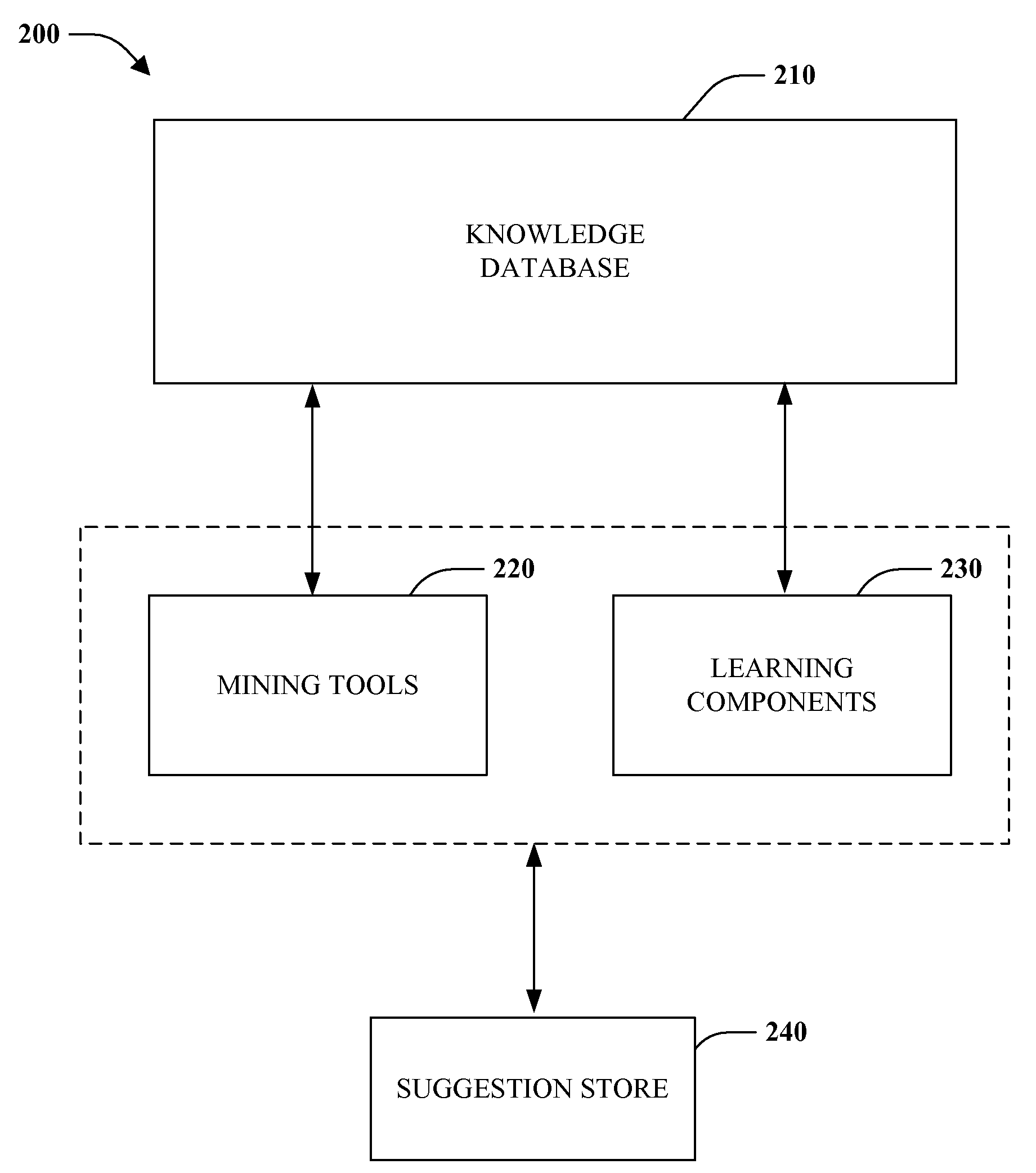
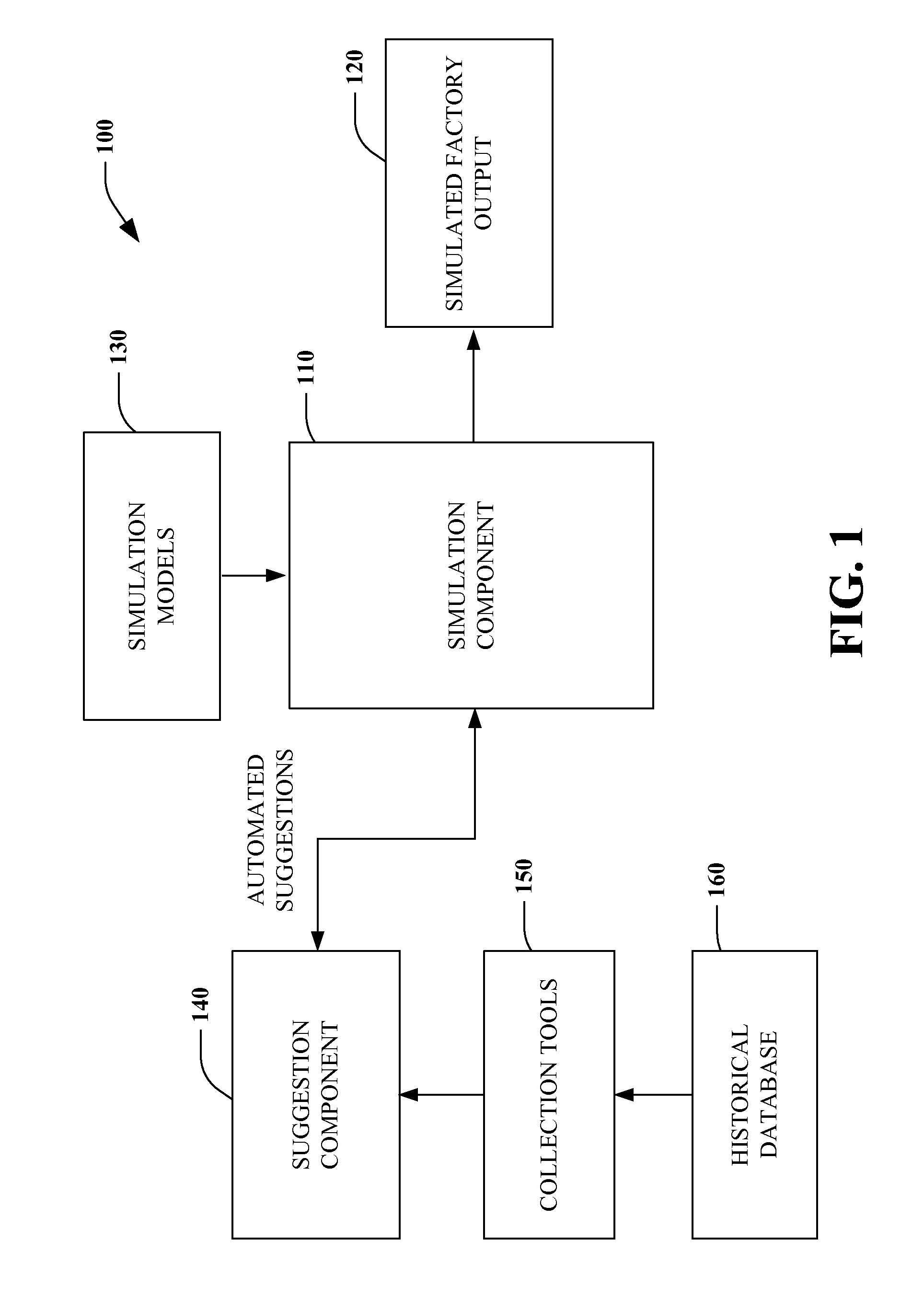
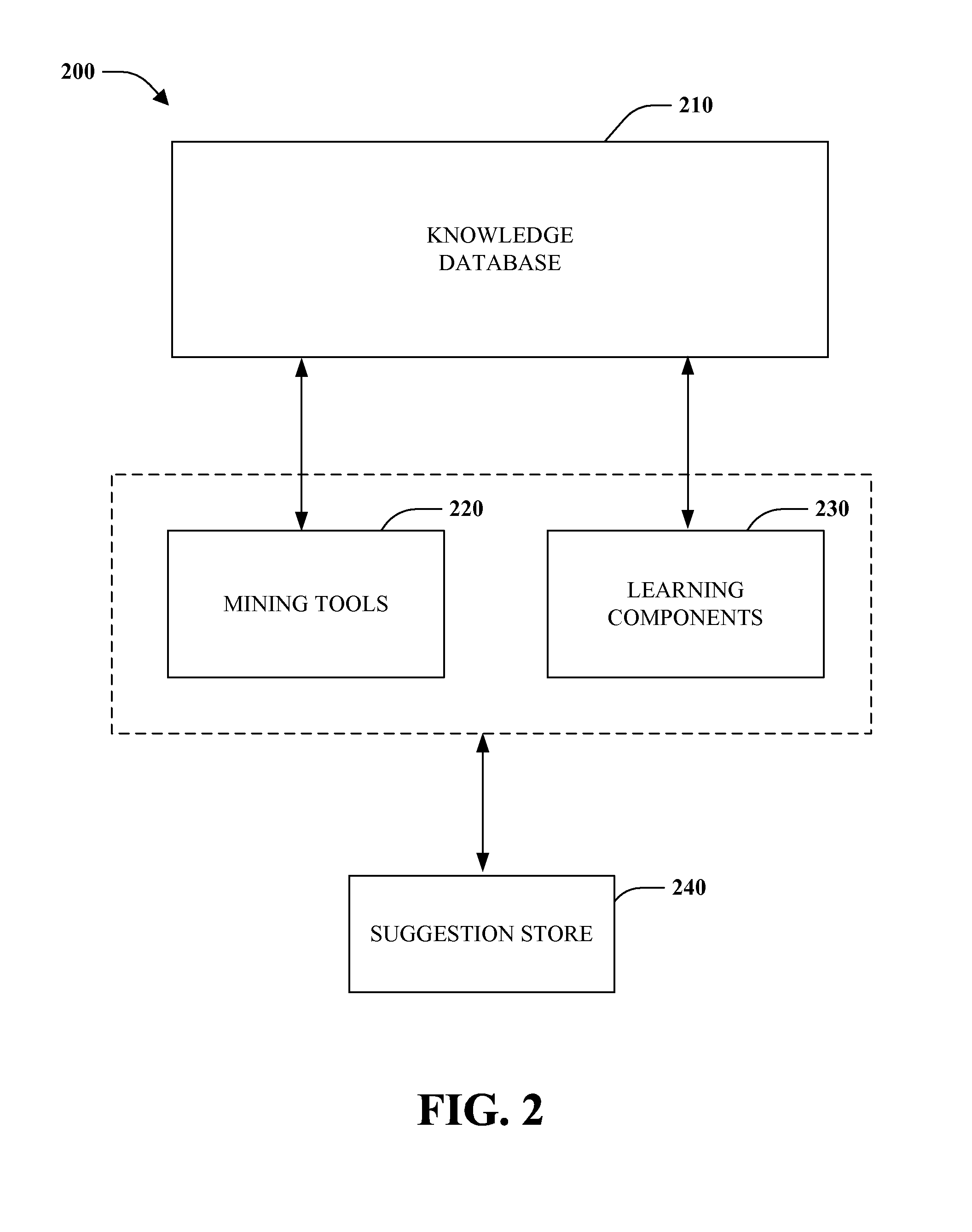
- An enhanced simulation tool that provides automated suggestions and recommendations based on a past experiences database and learning components, offering suggestions for equipment improvements, parametric tuning, and optimization routines to enhance system throughput and efficiency.

Data Privacy and Security in Supply Chain Digitalization
The integration of simulation-driven design methodologies in supply chain optimization has fundamentally transformed how organizations handle sensitive data across their operational networks. As companies increasingly rely on digital twins and predictive modeling to enhance supply chain efficiency, the volume and sensitivity of data being processed, stored, and transmitted have grown exponentially. This digital transformation creates unprecedented challenges in maintaining data privacy and security while enabling the collaborative information sharing necessary for effective simulation-driven optimization.
Modern simulation-driven supply chain systems require access to comprehensive datasets spanning multiple organizational boundaries, including supplier performance metrics, customer demand patterns, inventory levels, and operational parameters. This data aggregation creates significant privacy concerns, particularly when dealing with commercially sensitive information that could provide competitive advantages if compromised. The challenge intensifies when considering cross-border data flows, where different jurisdictions impose varying regulatory requirements for data protection and privacy compliance.
The security landscape becomes increasingly complex as simulation platforms integrate real-time data streams from IoT sensors, RFID systems, and automated tracking technologies throughout the supply chain. These interconnected systems create multiple potential entry points for cyber threats, requiring robust security frameworks that can protect against both external attacks and internal data breaches. The distributed nature of supply chain networks means that security vulnerabilities in any single node can potentially compromise the entire system's integrity.
Regulatory compliance presents another critical dimension, with frameworks such as GDPR, CCPA, and industry-specific regulations imposing strict requirements on how personal and sensitive business data must be handled. Organizations implementing simulation-driven design must navigate these regulatory landscapes while maintaining the data accessibility necessary for effective modeling and optimization. This often requires implementing sophisticated data governance frameworks that can dynamically control access permissions and ensure audit trails for all data interactions.
Emerging technologies such as federated learning, homomorphic encryption, and blockchain-based data sharing protocols offer promising solutions for maintaining privacy while enabling collaborative simulation environments. These approaches allow organizations to participate in shared optimization models without directly exposing their proprietary data, creating new possibilities for industry-wide efficiency improvements while preserving competitive confidentiality.
Modern simulation-driven supply chain systems require access to comprehensive datasets spanning multiple organizational boundaries, including supplier performance metrics, customer demand patterns, inventory levels, and operational parameters. This data aggregation creates significant privacy concerns, particularly when dealing with commercially sensitive information that could provide competitive advantages if compromised. The challenge intensifies when considering cross-border data flows, where different jurisdictions impose varying regulatory requirements for data protection and privacy compliance.
The security landscape becomes increasingly complex as simulation platforms integrate real-time data streams from IoT sensors, RFID systems, and automated tracking technologies throughout the supply chain. These interconnected systems create multiple potential entry points for cyber threats, requiring robust security frameworks that can protect against both external attacks and internal data breaches. The distributed nature of supply chain networks means that security vulnerabilities in any single node can potentially compromise the entire system's integrity.
Regulatory compliance presents another critical dimension, with frameworks such as GDPR, CCPA, and industry-specific regulations imposing strict requirements on how personal and sensitive business data must be handled. Organizations implementing simulation-driven design must navigate these regulatory landscapes while maintaining the data accessibility necessary for effective modeling and optimization. This often requires implementing sophisticated data governance frameworks that can dynamically control access permissions and ensure audit trails for all data interactions.
Emerging technologies such as federated learning, homomorphic encryption, and blockchain-based data sharing protocols offer promising solutions for maintaining privacy while enabling collaborative simulation environments. These approaches allow organizations to participate in shared optimization models without directly exposing their proprietary data, creating new possibilities for industry-wide efficiency improvements while preserving competitive confidentiality.
Sustainability Impact of Simulation-Optimized Supply Chains
The integration of simulation-driven design methodologies in supply chain optimization has emerged as a pivotal catalyst for advancing environmental sustainability across industrial operations. This technological convergence represents a fundamental shift from traditional reactive approaches to proactive, data-informed decision-making frameworks that simultaneously enhance operational efficiency and environmental stewardship.
Simulation-optimized supply chains demonstrate remarkable potential for reducing carbon footprints through intelligent route optimization and transportation mode selection. Advanced modeling algorithms can evaluate thousands of logistics scenarios simultaneously, identifying pathways that minimize fuel consumption while maintaining service quality standards. These systems typically achieve 15-25% reductions in transportation-related emissions by optimizing delivery consolidation, reducing empty vehicle miles, and selecting environmentally efficient transportation corridors.
Resource utilization efficiency represents another critical sustainability dimension enhanced through simulation technologies. Predictive modeling enables organizations to optimize inventory levels, reducing waste from obsolescence while ensuring adequate stock availability. This precision approach minimizes overproduction scenarios and associated resource consumption, contributing to circular economy principles through improved demand forecasting accuracy.
Energy consumption optimization within distribution centers and manufacturing facilities benefits significantly from simulation-driven insights. These systems can model energy usage patterns across different operational scenarios, identifying opportunities for renewable energy integration and peak demand management. Organizations implementing such approaches report 20-30% improvements in energy efficiency metrics.
Waste reduction emerges as a natural consequence of enhanced supply chain visibility and control. Simulation models can predict potential disruption points and quality issues, enabling preventive measures that reduce product waste and packaging inefficiencies. This proactive approach extends product lifecycles and minimizes environmental impact throughout the value chain.
The scalability of sustainability benefits increases exponentially when simulation-optimized approaches are applied across multi-tier supply networks. Collaborative platforms enable suppliers, manufacturers, and distributors to share optimization insights, creating ecosystem-wide sustainability improvements that exceed individual organizational capabilities.
However, the environmental benefits of simulation-driven optimization must be balanced against the computational energy requirements of complex modeling systems. Organizations must carefully evaluate the net environmental impact, ensuring that technological solutions deliver genuine sustainability improvements rather than merely shifting environmental costs to different operational areas.
Simulation-optimized supply chains demonstrate remarkable potential for reducing carbon footprints through intelligent route optimization and transportation mode selection. Advanced modeling algorithms can evaluate thousands of logistics scenarios simultaneously, identifying pathways that minimize fuel consumption while maintaining service quality standards. These systems typically achieve 15-25% reductions in transportation-related emissions by optimizing delivery consolidation, reducing empty vehicle miles, and selecting environmentally efficient transportation corridors.
Resource utilization efficiency represents another critical sustainability dimension enhanced through simulation technologies. Predictive modeling enables organizations to optimize inventory levels, reducing waste from obsolescence while ensuring adequate stock availability. This precision approach minimizes overproduction scenarios and associated resource consumption, contributing to circular economy principles through improved demand forecasting accuracy.
Energy consumption optimization within distribution centers and manufacturing facilities benefits significantly from simulation-driven insights. These systems can model energy usage patterns across different operational scenarios, identifying opportunities for renewable energy integration and peak demand management. Organizations implementing such approaches report 20-30% improvements in energy efficiency metrics.
Waste reduction emerges as a natural consequence of enhanced supply chain visibility and control. Simulation models can predict potential disruption points and quality issues, enabling preventive measures that reduce product waste and packaging inefficiencies. This proactive approach extends product lifecycles and minimizes environmental impact throughout the value chain.
The scalability of sustainability benefits increases exponentially when simulation-optimized approaches are applied across multi-tier supply networks. Collaborative platforms enable suppliers, manufacturers, and distributors to share optimization insights, creating ecosystem-wide sustainability improvements that exceed individual organizational capabilities.
However, the environmental benefits of simulation-driven optimization must be balanced against the computational energy requirements of complex modeling systems. Organizations must carefully evaluate the net environmental impact, ensuring that technological solutions deliver genuine sustainability improvements rather than merely shifting environmental costs to different operational areas.
Unlock deeper insights with PatSnap Eureka Quick Research — get a full tech report to explore trends and direct your research. Try now!
Generate Your Research Report Instantly with AI Agent
Supercharge your innovation with PatSnap Eureka AI Agent Platform!