

Rotary Engine Turbocharging: Effect on Torque
FEB 25, 20269 MIN READ
Generate Your Research Report Instantly with AI Agent
PatSnap Eureka helps you evaluate technical feasibility & market potential.
Rotary Engine Turbocharging Background and Torque Enhancement Goals
The rotary engine, also known as the Wankel engine, represents a unique approach to internal combustion engine design that has captivated engineers since its commercial introduction in the 1960s. Unlike conventional piston engines, the rotary engine employs a triangular rotor that orbits within an epitrochoidal chamber, creating a continuous combustion cycle without the reciprocating motion inherent in traditional designs. This fundamental architectural difference has positioned rotary engines as compelling alternatives for applications requiring compact, lightweight powerplants with exceptional power-to-weight ratios.
The evolution of rotary engine technology has been marked by persistent challenges in achieving optimal torque characteristics across the operational spectrum. Traditional rotary engines exhibit distinctive torque delivery patterns, typically producing peak torque at higher RPM ranges compared to conventional piston engines. This characteristic, while advantageous for high-performance applications, has limited broader market adoption where low-end torque and fuel efficiency are paramount considerations.
Turbocharging technology has emerged as a pivotal solution for addressing the inherent torque limitations of rotary engines. The integration of forced induction systems with rotary architecture presents unique opportunities to enhance volumetric efficiency and expand the effective torque band. Unlike naturally aspirated configurations, turbocharged rotary engines can leverage the continuous exhaust flow characteristics of the Wankel cycle to maintain more consistent boost pressure, potentially delivering improved torque output across a broader RPM range.
The primary technical objectives for rotary engine turbocharging focus on maximizing low-end torque production while maintaining the inherent advantages of rotary design. Key performance targets include achieving torque enhancement of 30-50% over naturally aspirated variants, particularly in the 2000-4000 RPM range where conventional rotary engines traditionally exhibit weaker performance. Additionally, optimizing boost response characteristics to minimize turbo lag represents a critical goal, given the rotary engine's naturally high-revving nature.
Contemporary research initiatives are concentrated on developing turbocharging systems that complement the unique combustion characteristics of rotary engines. These efforts encompass advanced boost control strategies, optimized turbine matching, and innovative intercooling solutions designed to maximize charge density while managing the elevated combustion chamber temperatures typical of rotary operation. The ultimate goal involves creating turbocharged rotary powerplants that deliver superior torque characteristics while preserving the compact packaging and smooth operation that define rotary engine advantages.
The evolution of rotary engine technology has been marked by persistent challenges in achieving optimal torque characteristics across the operational spectrum. Traditional rotary engines exhibit distinctive torque delivery patterns, typically producing peak torque at higher RPM ranges compared to conventional piston engines. This characteristic, while advantageous for high-performance applications, has limited broader market adoption where low-end torque and fuel efficiency are paramount considerations.
Turbocharging technology has emerged as a pivotal solution for addressing the inherent torque limitations of rotary engines. The integration of forced induction systems with rotary architecture presents unique opportunities to enhance volumetric efficiency and expand the effective torque band. Unlike naturally aspirated configurations, turbocharged rotary engines can leverage the continuous exhaust flow characteristics of the Wankel cycle to maintain more consistent boost pressure, potentially delivering improved torque output across a broader RPM range.
The primary technical objectives for rotary engine turbocharging focus on maximizing low-end torque production while maintaining the inherent advantages of rotary design. Key performance targets include achieving torque enhancement of 30-50% over naturally aspirated variants, particularly in the 2000-4000 RPM range where conventional rotary engines traditionally exhibit weaker performance. Additionally, optimizing boost response characteristics to minimize turbo lag represents a critical goal, given the rotary engine's naturally high-revving nature.
Contemporary research initiatives are concentrated on developing turbocharging systems that complement the unique combustion characteristics of rotary engines. These efforts encompass advanced boost control strategies, optimized turbine matching, and innovative intercooling solutions designed to maximize charge density while managing the elevated combustion chamber temperatures typical of rotary operation. The ultimate goal involves creating turbocharged rotary powerplants that deliver superior torque characteristics while preserving the compact packaging and smooth operation that define rotary engine advantages.
Market Demand for High-Performance Rotary Engine Applications
The automotive industry is experiencing a significant shift toward high-performance applications, driven by consumer demand for enhanced driving experiences and superior vehicle dynamics. This trend has created substantial market opportunities for advanced powertrain technologies, particularly in the sports car, racing, and premium vehicle segments. Rotary engines with turbocharging capabilities are positioned to capitalize on this growing demand due to their unique characteristics of high power-to-weight ratios and compact design.
The motorsports sector represents a primary market driver for high-performance rotary engine applications. Racing organizations and professional teams continuously seek powertrains that deliver exceptional torque characteristics while maintaining reliability under extreme operating conditions. Turbocharged rotary engines offer distinct advantages in this environment, providing rapid torque delivery and consistent performance across varying track conditions. The technology's ability to generate substantial torque improvements through forced induction aligns perfectly with competitive racing requirements.
Premium sports car manufacturers are increasingly exploring alternative engine configurations to differentiate their products in a crowded marketplace. The unique sound signature and performance characteristics of turbocharged rotary engines appeal to enthusiasts seeking distinctive driving experiences. Market research indicates growing consumer interest in vehicles that combine traditional performance metrics with innovative engineering solutions, creating opportunities for rotary engine integration in high-end applications.
The aftermarket performance modification sector presents another significant demand source. Automotive enthusiasts and tuning specialists actively pursue engine technologies that offer substantial performance gains through turbocharging modifications. Rotary engines' inherent design characteristics make them particularly suitable for turbocharger integration, enabling dramatic torque enhancements that satisfy performance-oriented consumers.
Industrial and specialized vehicle applications also demonstrate increasing interest in high-performance rotary engine solutions. Applications requiring compact, lightweight powertrains with exceptional torque delivery capabilities, such as unmanned aerial vehicles, generators, and specialized machinery, represent emerging market segments. The technology's scalability and adaptability to various operating requirements position it favorably for diverse industrial applications.
Market demand is further supported by technological advancements in turbocharging systems and engine management technologies. Modern electronic control systems enable precise optimization of turbocharged rotary engines, addressing historical concerns about fuel efficiency and emissions while maximizing torque output. This technological convergence creates favorable conditions for broader market adoption across multiple high-performance application segments.
The motorsports sector represents a primary market driver for high-performance rotary engine applications. Racing organizations and professional teams continuously seek powertrains that deliver exceptional torque characteristics while maintaining reliability under extreme operating conditions. Turbocharged rotary engines offer distinct advantages in this environment, providing rapid torque delivery and consistent performance across varying track conditions. The technology's ability to generate substantial torque improvements through forced induction aligns perfectly with competitive racing requirements.
Premium sports car manufacturers are increasingly exploring alternative engine configurations to differentiate their products in a crowded marketplace. The unique sound signature and performance characteristics of turbocharged rotary engines appeal to enthusiasts seeking distinctive driving experiences. Market research indicates growing consumer interest in vehicles that combine traditional performance metrics with innovative engineering solutions, creating opportunities for rotary engine integration in high-end applications.
The aftermarket performance modification sector presents another significant demand source. Automotive enthusiasts and tuning specialists actively pursue engine technologies that offer substantial performance gains through turbocharging modifications. Rotary engines' inherent design characteristics make them particularly suitable for turbocharger integration, enabling dramatic torque enhancements that satisfy performance-oriented consumers.
Industrial and specialized vehicle applications also demonstrate increasing interest in high-performance rotary engine solutions. Applications requiring compact, lightweight powertrains with exceptional torque delivery capabilities, such as unmanned aerial vehicles, generators, and specialized machinery, represent emerging market segments. The technology's scalability and adaptability to various operating requirements position it favorably for diverse industrial applications.
Market demand is further supported by technological advancements in turbocharging systems and engine management technologies. Modern electronic control systems enable precise optimization of turbocharged rotary engines, addressing historical concerns about fuel efficiency and emissions while maximizing torque output. This technological convergence creates favorable conditions for broader market adoption across multiple high-performance application segments.
Current Challenges in Rotary Engine Turbocharging Systems
Rotary engines face significant thermal management challenges when integrated with turbocharging systems. The inherently high combustion chamber surface-to-volume ratio of rotary engines creates excessive heat buildup, which is further exacerbated by forced induction. This thermal stress leads to apex seal degradation, housing distortion, and reduced engine longevity. Current cooling systems struggle to maintain optimal operating temperatures under boosted conditions, particularly in the rotor housing areas where heat concentration is most severe.
Sealing integrity represents another critical challenge in turbocharged rotary applications. The unique three-point sealing system of rotary engines, comprising apex seals, side seals, and corner seals, experiences increased stress under elevated cylinder pressures generated by turbocharging. Higher boost pressures exacerbate blow-by issues, leading to compression loss and oil consumption problems. The dynamic sealing requirements become more demanding as pressure differentials increase, requiring advanced seal materials and designs that can withstand both thermal and mechanical stresses.
Combustion optimization in turbocharged rotary engines presents complex engineering challenges. The elongated combustion chamber shape and flame propagation characteristics of rotary engines create difficulties in achieving complete fuel burn under boosted conditions. Knock resistance becomes problematic due to the engine's inherently high compression ratios combined with forced induction, limiting boost pressure potential. Additionally, the asymmetric combustion process requires sophisticated fuel injection timing and ignition strategies to maximize torque output while preventing detonation.
Turbocharger matching and integration pose unique difficulties for rotary engine applications. The pulsating exhaust flow characteristics of rotary engines differ significantly from reciprocating engines, requiring specialized turbine housing designs and wastegate control strategies. The relatively small displacement per rotor creates challenges in selecting appropriately sized turbochargers that can provide adequate boost response without compromising efficiency. Packaging constraints further complicate integration, as rotary engines' compact form factor limits available space for turbocharger installation and associated piping.
Lubrication system complexity increases substantially in turbocharged rotary configurations. The oil injection system required for apex seal lubrication must be carefully calibrated to prevent excessive oil consumption while ensuring adequate protection under higher operating pressures and temperatures. Turbocharger bearing lubrication adds additional requirements to the oil system, necessitating improved filtration and cooling capabilities to maintain oil quality under extended high-load operation.
Sealing integrity represents another critical challenge in turbocharged rotary applications. The unique three-point sealing system of rotary engines, comprising apex seals, side seals, and corner seals, experiences increased stress under elevated cylinder pressures generated by turbocharging. Higher boost pressures exacerbate blow-by issues, leading to compression loss and oil consumption problems. The dynamic sealing requirements become more demanding as pressure differentials increase, requiring advanced seal materials and designs that can withstand both thermal and mechanical stresses.
Combustion optimization in turbocharged rotary engines presents complex engineering challenges. The elongated combustion chamber shape and flame propagation characteristics of rotary engines create difficulties in achieving complete fuel burn under boosted conditions. Knock resistance becomes problematic due to the engine's inherently high compression ratios combined with forced induction, limiting boost pressure potential. Additionally, the asymmetric combustion process requires sophisticated fuel injection timing and ignition strategies to maximize torque output while preventing detonation.
Turbocharger matching and integration pose unique difficulties for rotary engine applications. The pulsating exhaust flow characteristics of rotary engines differ significantly from reciprocating engines, requiring specialized turbine housing designs and wastegate control strategies. The relatively small displacement per rotor creates challenges in selecting appropriately sized turbochargers that can provide adequate boost response without compromising efficiency. Packaging constraints further complicate integration, as rotary engines' compact form factor limits available space for turbocharger installation and associated piping.
Lubrication system complexity increases substantially in turbocharged rotary configurations. The oil injection system required for apex seal lubrication must be carefully calibrated to prevent excessive oil consumption while ensuring adequate protection under higher operating pressures and temperatures. Turbocharger bearing lubrication adds additional requirements to the oil system, necessitating improved filtration and cooling capabilities to maintain oil quality under extended high-load operation.
Current Turbocharging Solutions for Rotary Engines
01 Turbocharger integration with rotary engine architecture
Integration of turbocharging systems specifically designed for rotary engine configurations to optimize boost pressure delivery and torque output. The turbocharger placement and connection to the rotary engine's unique exhaust port arrangement enables efficient exhaust gas energy recovery while maintaining compact engine dimensions. Special attention is given to the rotary engine's continuous combustion characteristics and how turbocharger design accommodates the distinct exhaust pulse patterns.- Turbocharger integration with rotary engine architecture: Integration of turbocharging systems specifically designed for rotary engine configurations to optimize boost pressure delivery and torque output. The turbocharger placement and connection to the rotary engine's unique exhaust ports are configured to maximize exhaust gas energy recovery while maintaining compact engine dimensions. Special attention is given to the rotary engine's continuous combustion characteristics and how they interact with turbocharger spooling dynamics.
- Variable geometry turbocharger systems for torque enhancement: Implementation of variable geometry turbochargers or adjustable boost control mechanisms to optimize torque delivery across different engine speed ranges. These systems dynamically adjust turbine geometry or wastegate positioning to provide improved low-end torque while preventing over-boosting at high speeds. The variable systems are particularly beneficial for addressing the rotary engine's characteristic torque curve.
- Twin or sequential turbocharger configurations: Use of multiple turbochargers in twin-turbo or sequential arrangements to broaden the torque band and reduce turbo lag in rotary engines. Sequential systems activate turbochargers progressively based on engine load and speed, while parallel twin-turbo setups distribute exhaust flow to optimize response. These configurations address the unique exhaust pulse characteristics of rotary engines.
- Intercooling and charge air management systems: Advanced intercooling systems and charge air cooling technologies designed to reduce intake air temperature in turbocharged rotary engines, thereby increasing air density and torque output. These systems include optimized intercooler positioning, enhanced heat exchanger designs, and integrated cooling circuits that work with the rotary engine's compact form factor to maximize volumetric efficiency and prevent detonation.
- Electronic boost control and torque management: Electronic control systems for managing turbocharger boost pressure and optimizing torque delivery in rotary engines through integrated engine management. These systems use sensors and actuators to regulate wastegate operation, adjust fuel delivery, and modify ignition timing in response to boost levels. The electronic controls are calibrated specifically for rotary engine characteristics to maximize torque while protecting engine components from excessive pressure and temperature.
02 Variable geometry turbocharger systems for torque enhancement
Implementation of variable geometry turbochargers or adjustable boost control mechanisms to improve torque characteristics across different engine speed ranges. These systems dynamically adjust turbine geometry or wastegate operation to optimize boost pressure delivery, particularly enhancing low-end torque while preventing over-boosting at high speeds. The variable control allows better matching between turbocharger performance and rotary engine operating conditions.Expand Specific Solutions03 Twin or sequential turbocharging configurations
Use of multiple turbochargers in twin-turbo or sequential arrangements to broaden the torque curve and improve engine response. Sequential systems employ smaller and larger turbochargers that operate at different engine speed ranges, with the smaller unit providing quick response at low speeds and the larger unit delivering higher boost at elevated speeds. This configuration addresses the rotary engine's tendency for narrow power bands and improves overall torque delivery.Expand Specific Solutions04 Exhaust manifold and turbine housing optimization
Design modifications to exhaust manifolds and turbine housings specifically tailored for rotary engine exhaust characteristics to maximize turbine efficiency and torque output. The exhaust system geometry is optimized to minimize backpressure while ensuring adequate exhaust gas velocity reaches the turbine wheel. Special consideration is given to the rotary engine's overlapping exhaust port timing and high exhaust gas temperatures.Expand Specific Solutions05 Intercooling and charge air management systems
Implementation of intercooling systems and charge air management strategies to increase air density and improve volumetric efficiency, thereby enhancing torque output. These systems cool the compressed air from the turbocharger before it enters the engine, allowing for higher boost pressures without detonation risks. The charge air cooling is particularly important for rotary engines due to their higher operating temperatures and sensitivity to intake charge temperature.Expand Specific Solutions
Major Players in Rotary Engine and Turbocharger Development
The rotary engine turbocharging market represents a niche but evolving segment within the broader automotive powertrain industry, currently in an early development stage with limited commercial deployment. Market size remains relatively small compared to conventional piston engine turbocharging, primarily driven by specialized applications and research initiatives. Technology maturity varies significantly across key players, with established automotive suppliers like BorgWarner, Honeywell International Technologies, and DENSO Corp. leading turbocharging expertise, while automotive manufacturers including Mazda Motor Corp., Toyota Motor Corp., and Ford Global Technologies LLC drive rotary engine development. German engineering companies such as Robert Bosch GmbH, Continental Automotive GmbH, and ZF Friedrichshafen AG contribute advanced control systems and integration solutions. Academic institutions like Beihang University and Tianjin University, alongside specialized firms like Quest Engines LLC, focus on fundamental research and prototype development, indicating the technology's experimental nature and potential for future breakthrough applications.
BorgWarner, Inc.
Technical Solution: BorgWarner specializes in advanced turbocharging technologies that can be adapted for rotary engines, offering variable turbine geometry (VTG) turbochargers and electric turbochargers. Their solutions focus on improving low-end torque delivery through rapid spool-up capabilities and precise boost control. The company's turbocharging systems incorporate advanced materials and aerodynamic designs to handle the unique exhaust pulse characteristics of rotary engines, while their electronic wastegate actuators provide precise boost pressure management to optimize torque curves across the entire operating range.
Strengths: Leading turbocharger technology provider with extensive R&D capabilities, proven solutions for various engine types. Weaknesses: Less specific experience with rotary engine applications compared to conventional piston engines.
Robert Bosch GmbH
Technical Solution: Bosch provides comprehensive engine management systems and turbocharging components that support rotary engine applications. Their approach includes advanced engine control units (ECUs) with specialized algorithms for rotary engine combustion management, high-pressure fuel injection systems optimized for turbocharged rotary applications, and integrated boost pressure sensors and actuators. The company's solutions focus on precise air-fuel ratio control and ignition timing optimization to maximize torque output while ensuring emissions compliance and engine durability in turbocharged rotary configurations.
Strengths: Comprehensive automotive technology portfolio with strong integration capabilities, advanced engine management expertise. Weaknesses: Primary focus on conventional engines with limited dedicated rotary engine development resources.
Core Technologies in Rotary Engine Torque Optimization
Internal combustion engine with exhaust-gas turbocharging
PatentInactiveUS20100175374A1
Innovation
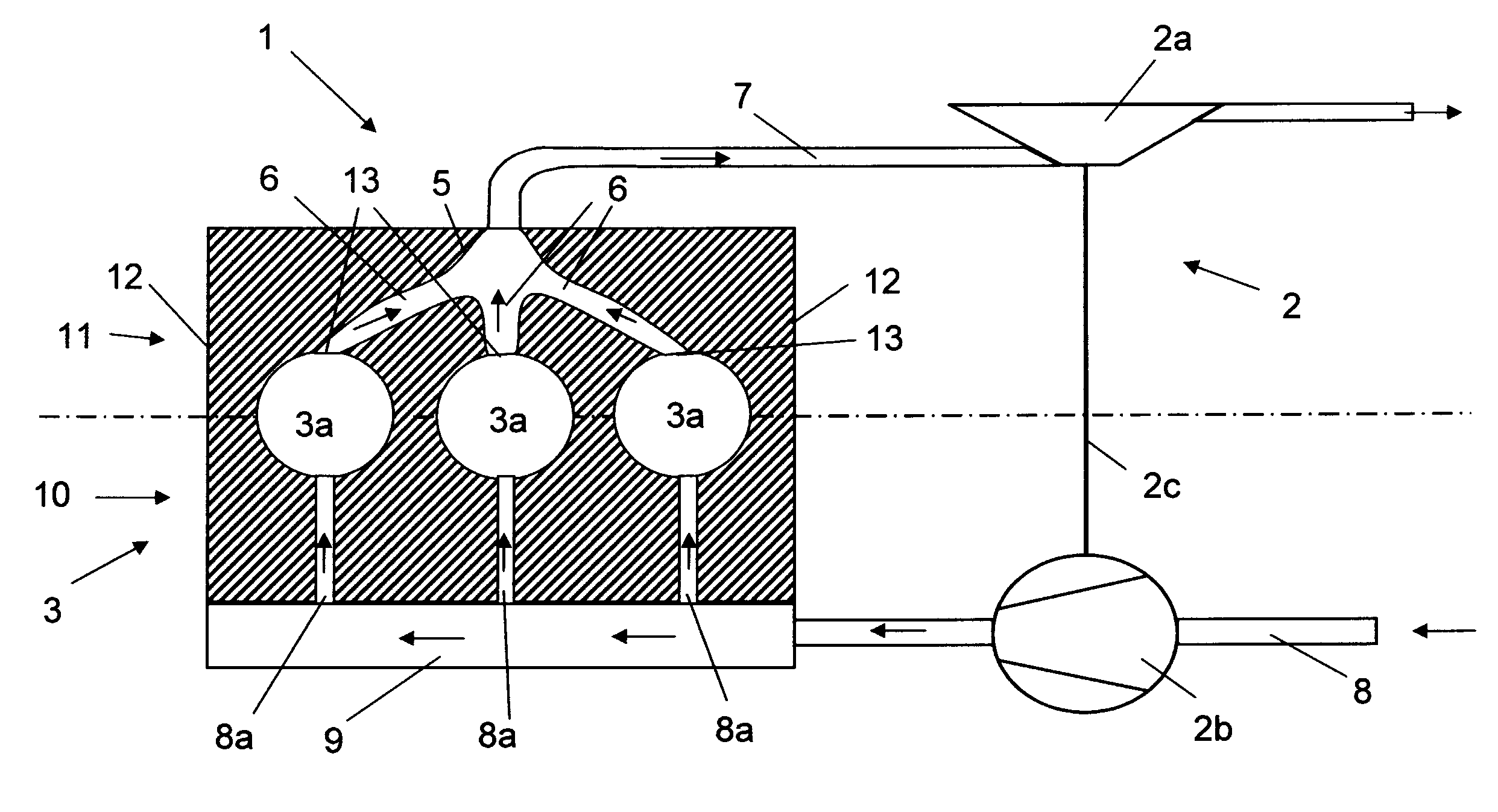
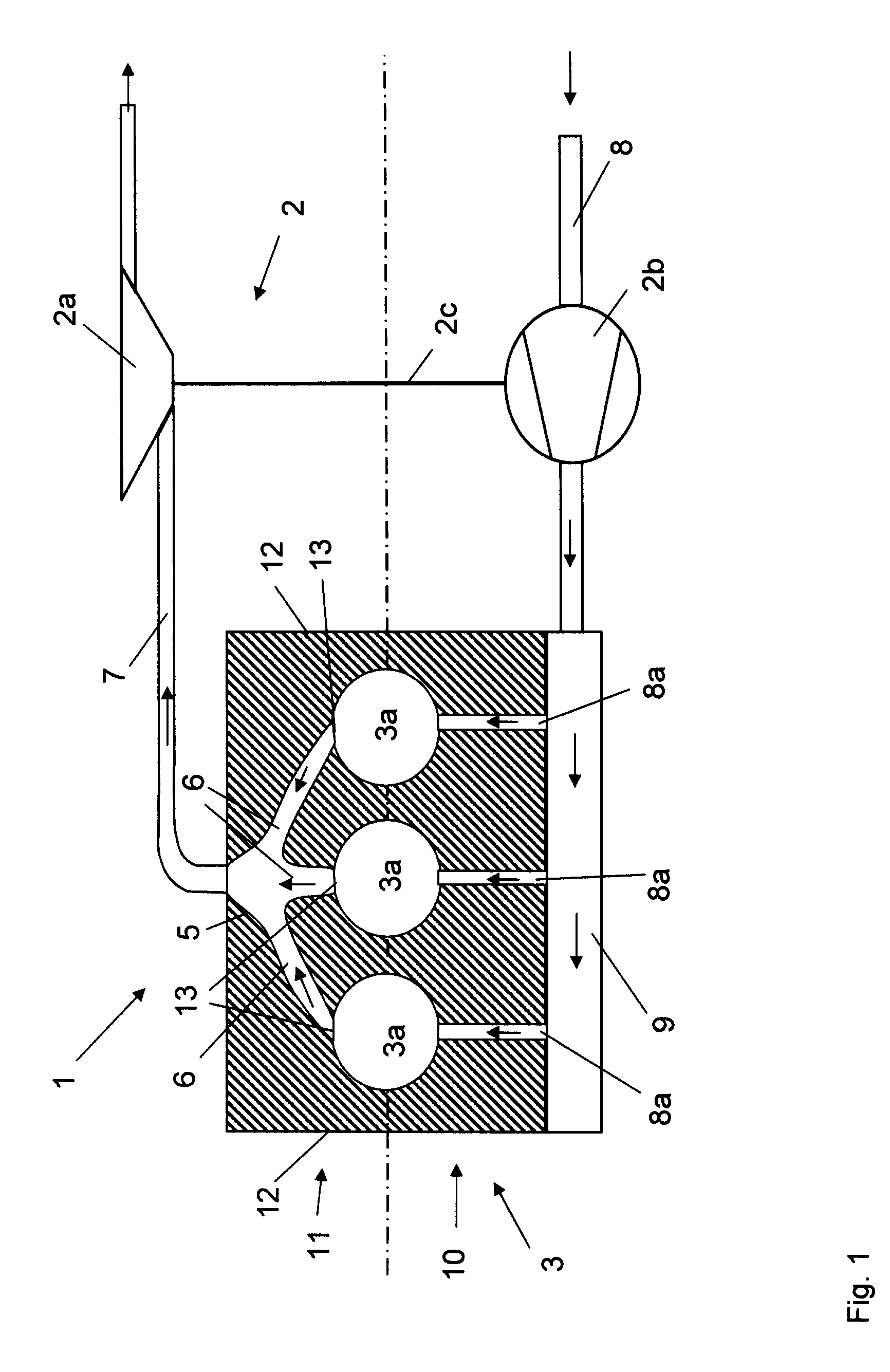
- The exhaust lines of at least two cylinders are merged within the cylinder head to form an integrated exhaust manifold, positioning the turbine close to the outlet and the compressor close to the inlet, with the charger shaft arranged transversely to the cylinder head axis, minimizing line volume and thermal inertia, and optimizing the intake and exhaust paths to reduce pressure losses.
Supercharger for an engine
PatentInactiveUS20090094978A1
Innovation
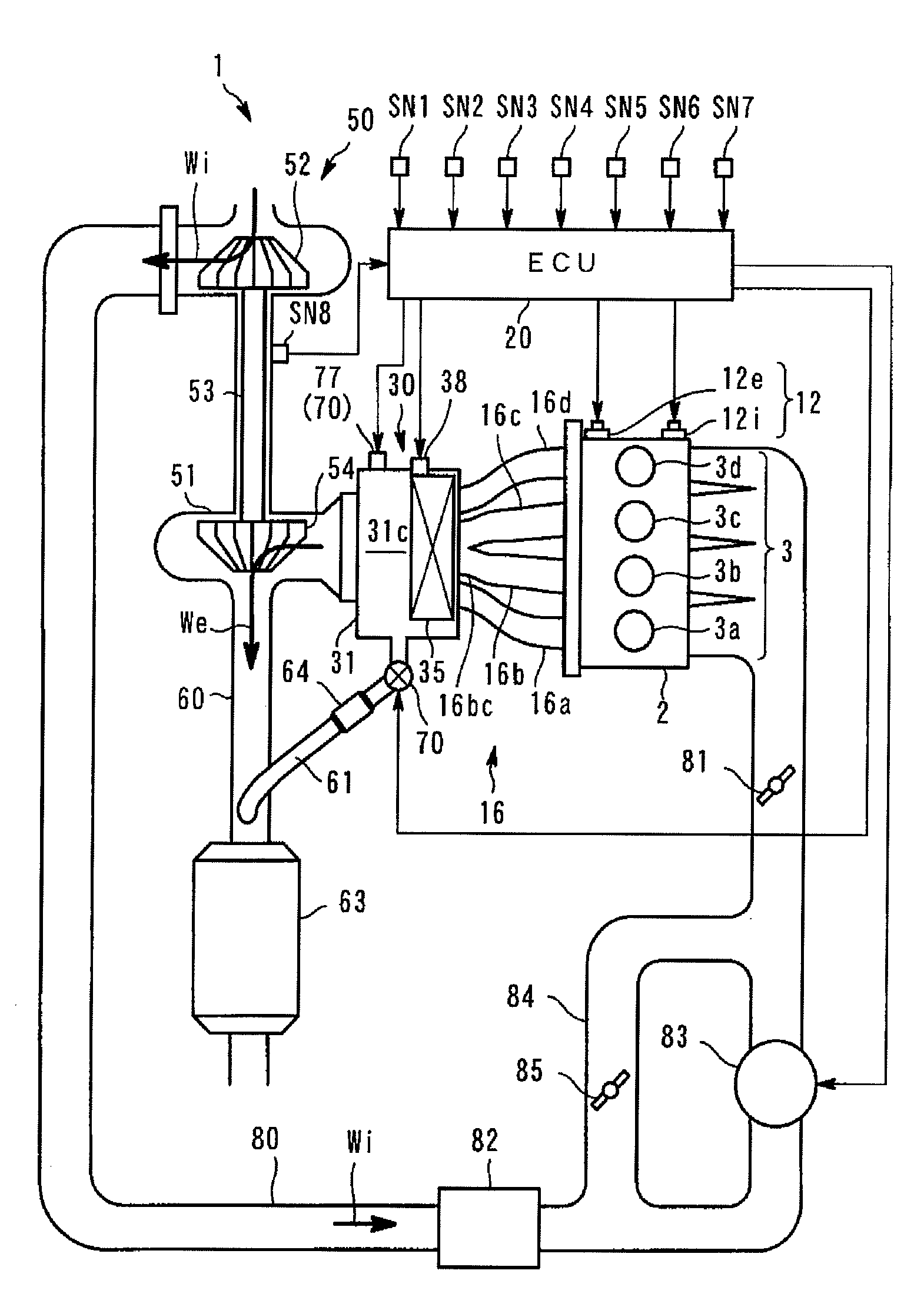
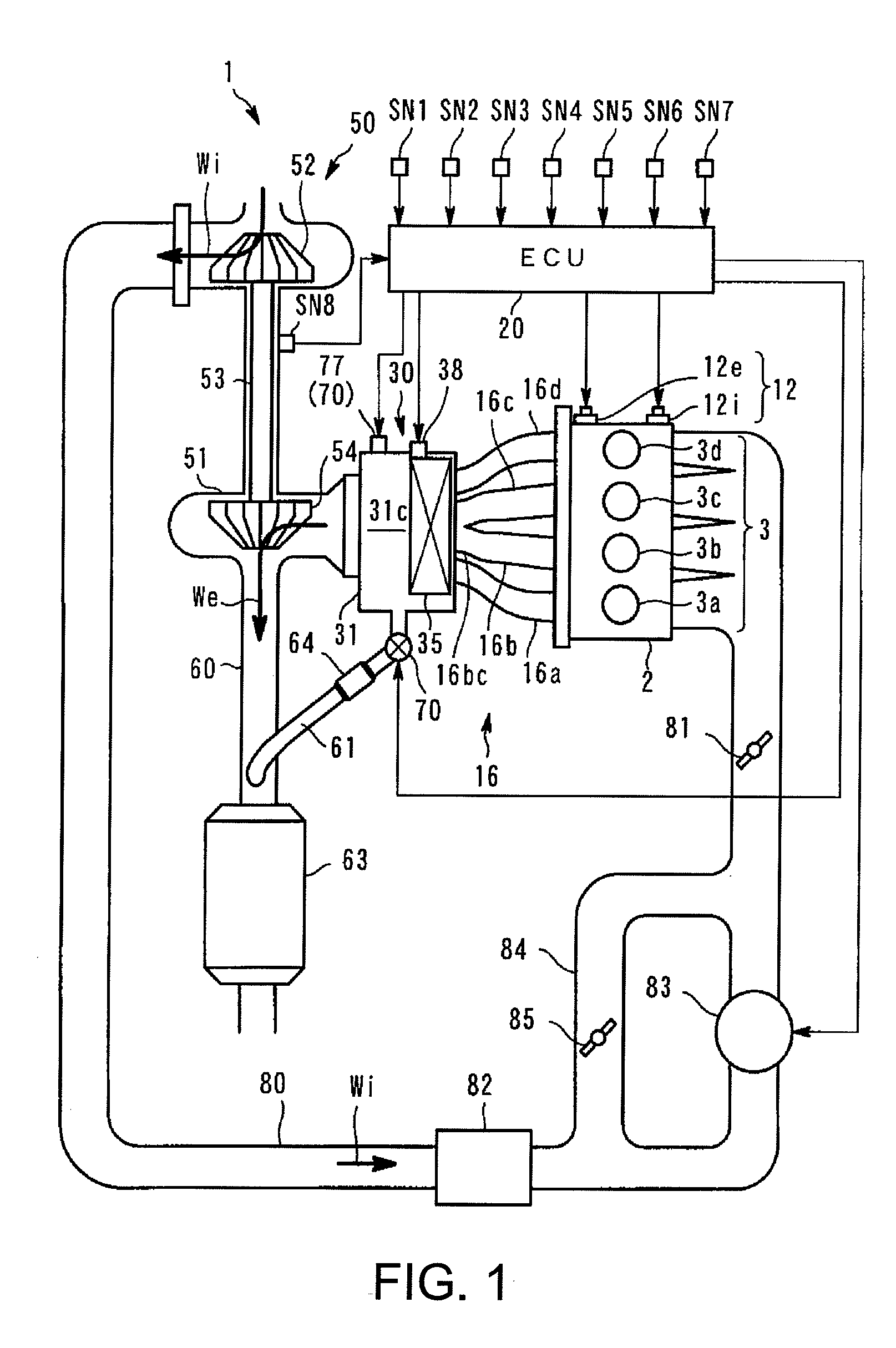
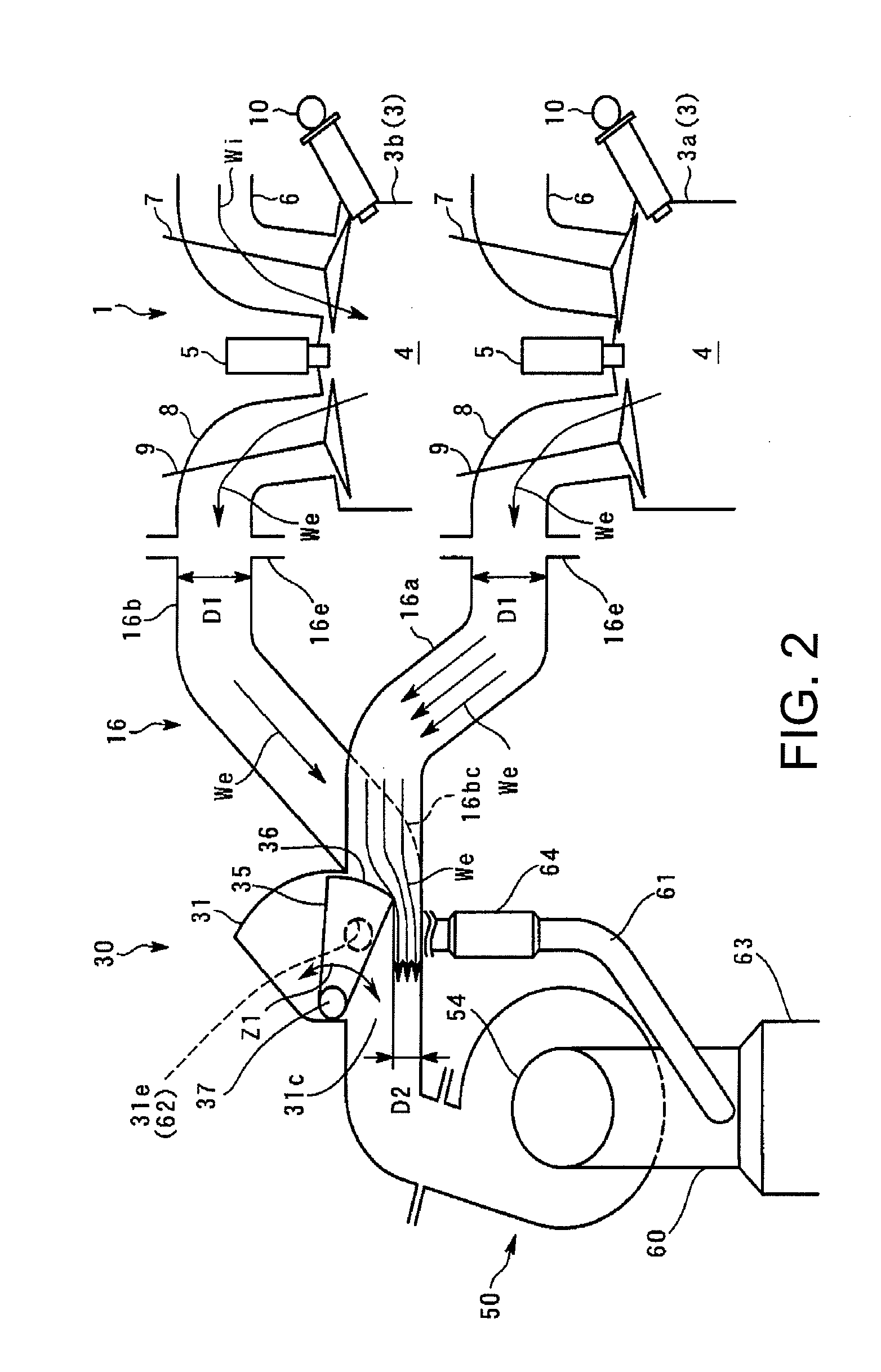
- An engine system with a turbocharger featuring independent exhaust passages, a collective exhaust manifold, a variable exhaust valve, and a controller for independent exhaust throttle control, which generates an ejector effect by reducing the passage cross-sectional area at low engine speeds to enhance turbine flow and scavenging, thereby increasing engine torque across a wide speed range.

Emissions Regulations Impact on Rotary Engine Design
The implementation of increasingly stringent emissions regulations worldwide has fundamentally reshaped rotary engine design philosophy, particularly in the context of turbocharged applications. These regulatory frameworks, including Euro 6, EPA Tier 3, and emerging zero-emission mandates, have compelled engineers to reconsider traditional rotary engine architectures and their compatibility with forced induction systems.
Modern emissions standards impose strict limits on nitrogen oxides (NOx), particulate matter, and hydrocarbon emissions, presenting unique challenges for rotary engines. The inherent combustion characteristics of Wankel engines, including their tendency toward incomplete combustion and higher hydrocarbon emissions, require sophisticated aftertreatment systems when combined with turbocharging technology. This regulatory pressure has driven the development of advanced combustion chamber geometries and port timing strategies specifically optimized for turbocharged configurations.
The integration of turbocharging systems in rotary engines under current emissions frameworks necessitates precise control of combustion temperatures and pressure ratios. Regulatory compliance has led to the adoption of variable geometry turbochargers and sophisticated engine management systems that can modulate boost pressure to maintain optimal air-fuel ratios while minimizing emissions formation. These systems must balance the torque enhancement benefits of turbocharging with the need to operate within prescribed emission limits.
Contemporary rotary engine designs incorporate advanced materials and coatings to withstand the elevated thermal and mechanical stresses imposed by both turbocharging and emissions control requirements. The regulatory environment has accelerated the development of ceramic apex seals, advanced port injection systems, and integrated exhaust gas recirculation technologies specifically tailored for turbocharged rotary applications.
Future emissions regulations, particularly those targeting carbon neutrality, are driving research into hybrid-electric rotary engine systems where turbocharging serves as a bridge technology. These emerging regulatory frameworks are reshaping the fundamental approach to rotary engine turbocharging, emphasizing efficiency optimization and alternative fuel compatibility while maintaining the torque characteristics that define these powertrains.
Modern emissions standards impose strict limits on nitrogen oxides (NOx), particulate matter, and hydrocarbon emissions, presenting unique challenges for rotary engines. The inherent combustion characteristics of Wankel engines, including their tendency toward incomplete combustion and higher hydrocarbon emissions, require sophisticated aftertreatment systems when combined with turbocharging technology. This regulatory pressure has driven the development of advanced combustion chamber geometries and port timing strategies specifically optimized for turbocharged configurations.
The integration of turbocharging systems in rotary engines under current emissions frameworks necessitates precise control of combustion temperatures and pressure ratios. Regulatory compliance has led to the adoption of variable geometry turbochargers and sophisticated engine management systems that can modulate boost pressure to maintain optimal air-fuel ratios while minimizing emissions formation. These systems must balance the torque enhancement benefits of turbocharging with the need to operate within prescribed emission limits.
Contemporary rotary engine designs incorporate advanced materials and coatings to withstand the elevated thermal and mechanical stresses imposed by both turbocharging and emissions control requirements. The regulatory environment has accelerated the development of ceramic apex seals, advanced port injection systems, and integrated exhaust gas recirculation technologies specifically tailored for turbocharged rotary applications.
Future emissions regulations, particularly those targeting carbon neutrality, are driving research into hybrid-electric rotary engine systems where turbocharging serves as a bridge technology. These emerging regulatory frameworks are reshaping the fundamental approach to rotary engine turbocharging, emphasizing efficiency optimization and alternative fuel compatibility while maintaining the torque characteristics that define these powertrains.
Thermal Management Challenges in Turbocharged Rotary Engines
Turbocharged rotary engines face unique thermal management challenges that significantly impact their performance and reliability. The inherent design characteristics of rotary engines, combined with the additional heat load from turbocharging, create complex thermal dynamics that require specialized cooling strategies. Unlike conventional piston engines, rotary engines generate heat in a continuous combustion process around the rotor housing, leading to uneven temperature distribution and concentrated hot spots.
The turbocharging system introduces additional thermal stress by compressing intake air, which elevates charge temperatures and increases the overall heat rejection requirements. This compressed air heating effect is particularly problematic in rotary engines due to their already elevated operating temperatures. The intercooling efficiency becomes critical, as inadequate charge air cooling can lead to reduced volumetric efficiency and increased knock tendency, ultimately limiting the torque gains achievable through turbocharging.
Rotor housing thermal management presents the most significant challenge, as the eccentric motion of the rotor creates varying heat transfer coefficients across different housing surfaces. The apex seal regions experience extreme thermal cycling, with temperatures fluctuating rapidly as the rotor passes through different combustion phases. This thermal cycling can cause housing distortion, affecting seal integrity and leading to compression losses that directly impact torque output.
Cooling system design for turbocharged rotary engines requires careful consideration of coolant flow distribution to address the unique heat rejection patterns. The peripheral exhaust ports, while beneficial for scavenging, create localized high-temperature zones that demand enhanced cooling capacity. Traditional cooling strategies often prove inadequate, necessitating advanced thermal management solutions such as targeted cooling channels and improved heat exchanger designs.
Oil cooling systems face additional complexity in turbocharged rotary applications, as the oil serves multiple functions including rotor cooling, apex seal lubrication, and turbocharger bearing cooling. The elevated oil temperatures resulting from increased heat loads can compromise lubrication effectiveness and accelerate component wear, particularly affecting the turbocharger's operational lifespan and the engine's torque sustainability under high-load conditions.
The turbocharging system introduces additional thermal stress by compressing intake air, which elevates charge temperatures and increases the overall heat rejection requirements. This compressed air heating effect is particularly problematic in rotary engines due to their already elevated operating temperatures. The intercooling efficiency becomes critical, as inadequate charge air cooling can lead to reduced volumetric efficiency and increased knock tendency, ultimately limiting the torque gains achievable through turbocharging.
Rotor housing thermal management presents the most significant challenge, as the eccentric motion of the rotor creates varying heat transfer coefficients across different housing surfaces. The apex seal regions experience extreme thermal cycling, with temperatures fluctuating rapidly as the rotor passes through different combustion phases. This thermal cycling can cause housing distortion, affecting seal integrity and leading to compression losses that directly impact torque output.
Cooling system design for turbocharged rotary engines requires careful consideration of coolant flow distribution to address the unique heat rejection patterns. The peripheral exhaust ports, while beneficial for scavenging, create localized high-temperature zones that demand enhanced cooling capacity. Traditional cooling strategies often prove inadequate, necessitating advanced thermal management solutions such as targeted cooling channels and improved heat exchanger designs.
Oil cooling systems face additional complexity in turbocharged rotary applications, as the oil serves multiple functions including rotor cooling, apex seal lubrication, and turbocharger bearing cooling. The elevated oil temperatures resulting from increased heat loads can compromise lubrication effectiveness and accelerate component wear, particularly affecting the turbocharger's operational lifespan and the engine's torque sustainability under high-load conditions.
Unlock deeper insights with PatSnap Eureka Quick Research — get a full tech report to explore trends and direct your research. Try now!
Generate Your Research Report Instantly with AI Agent
Supercharge your innovation with PatSnap Eureka AI Agent Platform!