Seamless Rate for Optimizing Fiber Optic Performance
MAR 2, 20269 MIN READ
Generate Your Research Report Instantly with AI Agent
PatSnap Eureka helps you evaluate technical feasibility & market potential.
Fiber Optic Seamless Rate Technology Background and Objectives
Fiber optic communication systems have undergone remarkable evolution since their inception in the 1960s, transforming from experimental laboratory concepts to the backbone of global telecommunications infrastructure. The journey began with the pioneering work of Charles Kao, who demonstrated the potential of optical fibers for long-distance communication, leading to the development of low-loss silica fibers that revolutionized data transmission capabilities.
The concept of seamless rate optimization emerged as network demands intensified throughout the 1990s and 2000s. Traditional fiber optic systems faced significant challenges in maintaining consistent data transmission rates across varying network conditions, distances, and traffic loads. Early implementations relied on fixed-rate transmission protocols that often resulted in bandwidth underutilization and performance bottlenecks during peak demand periods.
Modern seamless rate technology represents a paradigm shift toward dynamic, adaptive transmission systems that can automatically adjust data rates based on real-time network conditions. This approach addresses the fundamental limitation of static rate allocation by implementing intelligent algorithms that continuously monitor fiber channel quality, signal-to-noise ratios, and network congestion levels to optimize transmission parameters dynamically.
The primary objective of seamless rate optimization is to maximize fiber optic network efficiency while maintaining signal integrity and minimizing latency. This involves developing sophisticated rate adaptation mechanisms that can seamlessly transition between different transmission speeds without service interruption or data loss. The technology aims to achieve optimal bandwidth utilization across diverse network topologies, from metropolitan area networks to long-haul intercontinental links.
Contemporary research focuses on integrating machine learning algorithms with traditional optical communication principles to create self-optimizing networks. These systems target the elimination of manual configuration requirements while providing autonomous performance enhancement capabilities. The ultimate goal encompasses the development of truly intelligent fiber optic networks that can predict traffic patterns, preemptively adjust transmission parameters, and maintain optimal performance under varying operational conditions.
The strategic importance of seamless rate technology extends beyond mere performance improvements, encompassing cost reduction through improved resource utilization and enhanced network reliability through adaptive fault tolerance mechanisms.
The concept of seamless rate optimization emerged as network demands intensified throughout the 1990s and 2000s. Traditional fiber optic systems faced significant challenges in maintaining consistent data transmission rates across varying network conditions, distances, and traffic loads. Early implementations relied on fixed-rate transmission protocols that often resulted in bandwidth underutilization and performance bottlenecks during peak demand periods.
Modern seamless rate technology represents a paradigm shift toward dynamic, adaptive transmission systems that can automatically adjust data rates based on real-time network conditions. This approach addresses the fundamental limitation of static rate allocation by implementing intelligent algorithms that continuously monitor fiber channel quality, signal-to-noise ratios, and network congestion levels to optimize transmission parameters dynamically.
The primary objective of seamless rate optimization is to maximize fiber optic network efficiency while maintaining signal integrity and minimizing latency. This involves developing sophisticated rate adaptation mechanisms that can seamlessly transition between different transmission speeds without service interruption or data loss. The technology aims to achieve optimal bandwidth utilization across diverse network topologies, from metropolitan area networks to long-haul intercontinental links.
Contemporary research focuses on integrating machine learning algorithms with traditional optical communication principles to create self-optimizing networks. These systems target the elimination of manual configuration requirements while providing autonomous performance enhancement capabilities. The ultimate goal encompasses the development of truly intelligent fiber optic networks that can predict traffic patterns, preemptively adjust transmission parameters, and maintain optimal performance under varying operational conditions.
The strategic importance of seamless rate technology extends beyond mere performance improvements, encompassing cost reduction through improved resource utilization and enhanced network reliability through adaptive fault tolerance mechanisms.
Market Demand for Enhanced Fiber Optic Performance Solutions
The global fiber optic market is experiencing unprecedented growth driven by the exponential increase in data consumption and the proliferation of bandwidth-intensive applications. Cloud computing, streaming services, Internet of Things deployments, and emerging technologies such as augmented reality and virtual reality are creating substantial demand for high-performance fiber optic infrastructure capable of delivering seamless data transmission rates.
Telecommunications service providers are facing mounting pressure to upgrade their networks to support higher data throughput while maintaining service quality. The transition to 5G networks has intensified the need for robust backhaul solutions that can handle massive data volumes without performance degradation. Enterprise customers are similarly demanding fiber optic solutions that can support their digital transformation initiatives and accommodate growing bandwidth requirements.
Data centers represent a particularly significant market segment driving demand for optimized fiber optic performance. The rapid expansion of hyperscale data centers and edge computing facilities requires fiber optic systems that can maintain consistent performance across varying operational conditions. These facilities demand solutions that minimize latency, reduce signal loss, and ensure reliable connectivity for mission-critical applications.
The industrial automation sector is emerging as another key demand driver, with manufacturing facilities increasingly adopting fiber optic networks for real-time control systems and high-speed data acquisition. These applications require fiber optic solutions that can maintain seamless performance in harsh industrial environments while supporting deterministic communication protocols.
Geographic expansion of broadband infrastructure, particularly in developing regions, is creating substantial market opportunities for enhanced fiber optic performance solutions. Government initiatives promoting digital connectivity and smart city developments are accelerating the deployment of fiber optic networks that require optimized performance characteristics.
The market is also witnessing growing demand from the healthcare sector, where high-resolution medical imaging and telemedicine applications require fiber optic systems capable of transmitting large data files without compression or quality loss. Educational institutions are similarly investing in fiber optic infrastructure to support distance learning and research collaboration platforms.
Financial services organizations are driving demand for ultra-low latency fiber optic solutions to support high-frequency trading and real-time financial data processing. These applications require fiber optic systems that can maintain consistent performance characteristics across extended distances while minimizing signal degradation.
Telecommunications service providers are facing mounting pressure to upgrade their networks to support higher data throughput while maintaining service quality. The transition to 5G networks has intensified the need for robust backhaul solutions that can handle massive data volumes without performance degradation. Enterprise customers are similarly demanding fiber optic solutions that can support their digital transformation initiatives and accommodate growing bandwidth requirements.
Data centers represent a particularly significant market segment driving demand for optimized fiber optic performance. The rapid expansion of hyperscale data centers and edge computing facilities requires fiber optic systems that can maintain consistent performance across varying operational conditions. These facilities demand solutions that minimize latency, reduce signal loss, and ensure reliable connectivity for mission-critical applications.
The industrial automation sector is emerging as another key demand driver, with manufacturing facilities increasingly adopting fiber optic networks for real-time control systems and high-speed data acquisition. These applications require fiber optic solutions that can maintain seamless performance in harsh industrial environments while supporting deterministic communication protocols.
Geographic expansion of broadband infrastructure, particularly in developing regions, is creating substantial market opportunities for enhanced fiber optic performance solutions. Government initiatives promoting digital connectivity and smart city developments are accelerating the deployment of fiber optic networks that require optimized performance characteristics.
The market is also witnessing growing demand from the healthcare sector, where high-resolution medical imaging and telemedicine applications require fiber optic systems capable of transmitting large data files without compression or quality loss. Educational institutions are similarly investing in fiber optic infrastructure to support distance learning and research collaboration platforms.
Financial services organizations are driving demand for ultra-low latency fiber optic solutions to support high-frequency trading and real-time financial data processing. These applications require fiber optic systems that can maintain consistent performance characteristics across extended distances while minimizing signal degradation.
Current Challenges in Fiber Optic Seamless Rate Implementation
The implementation of seamless rate optimization in fiber optic networks faces significant technical barriers that limit widespread deployment across modern telecommunications infrastructure. Current fiber optic systems struggle with dynamic bandwidth allocation, where traditional static provisioning methods cannot efficiently respond to real-time traffic fluctuations and varying service demands.
Signal degradation represents a critical challenge in seamless rate implementation. As data transmission rates increase dynamically, fiber optic systems encounter amplified issues with chromatic dispersion, polarization mode dispersion, and nonlinear optical effects. These phenomena become more pronounced at higher bit rates, creating a complex relationship between transmission speed and signal quality that current compensation mechanisms struggle to address effectively.
Network synchronization poses another substantial obstacle. Seamless rate adjustment requires precise timing coordination across multiple network nodes, but existing synchronization protocols were designed for fixed-rate operations. The transition between different transmission rates often introduces timing jitter and phase noise, leading to packet loss and service interruptions that contradict the seamless operation objective.
Hardware limitations significantly constrain seamless rate capabilities. Current optical transceivers, amplifiers, and switching equipment are optimized for specific operating parameters and lack the flexibility required for dynamic rate adjustments. The physical constraints of existing infrastructure, including fiber cable specifications and connector tolerances, create bottlenecks that prevent smooth rate transitions.
Protocol compatibility issues emerge when implementing seamless rate technologies across heterogeneous network environments. Legacy systems operating on different standards cannot seamlessly integrate with modern rate-adaptive solutions, creating interoperability gaps that fragment network performance and limit deployment scalability.
Power consumption optimization presents an additional challenge. Dynamic rate adjustment requires sophisticated control systems and adaptive hardware components that consume significantly more energy than traditional fixed-rate solutions. Balancing performance optimization with energy efficiency remains a critical concern for network operators seeking sustainable implementation strategies.
Quality of service maintenance during rate transitions represents perhaps the most complex challenge. Ensuring consistent service levels while dynamically adjusting transmission parameters requires advanced monitoring and control mechanisms that current fiber optic systems lack, particularly in maintaining low latency and minimal packet loss during seamless transitions.
Signal degradation represents a critical challenge in seamless rate implementation. As data transmission rates increase dynamically, fiber optic systems encounter amplified issues with chromatic dispersion, polarization mode dispersion, and nonlinear optical effects. These phenomena become more pronounced at higher bit rates, creating a complex relationship between transmission speed and signal quality that current compensation mechanisms struggle to address effectively.
Network synchronization poses another substantial obstacle. Seamless rate adjustment requires precise timing coordination across multiple network nodes, but existing synchronization protocols were designed for fixed-rate operations. The transition between different transmission rates often introduces timing jitter and phase noise, leading to packet loss and service interruptions that contradict the seamless operation objective.
Hardware limitations significantly constrain seamless rate capabilities. Current optical transceivers, amplifiers, and switching equipment are optimized for specific operating parameters and lack the flexibility required for dynamic rate adjustments. The physical constraints of existing infrastructure, including fiber cable specifications and connector tolerances, create bottlenecks that prevent smooth rate transitions.
Protocol compatibility issues emerge when implementing seamless rate technologies across heterogeneous network environments. Legacy systems operating on different standards cannot seamlessly integrate with modern rate-adaptive solutions, creating interoperability gaps that fragment network performance and limit deployment scalability.
Power consumption optimization presents an additional challenge. Dynamic rate adjustment requires sophisticated control systems and adaptive hardware components that consume significantly more energy than traditional fixed-rate solutions. Balancing performance optimization with energy efficiency remains a critical concern for network operators seeking sustainable implementation strategies.
Quality of service maintenance during rate transitions represents perhaps the most complex challenge. Ensuring consistent service levels while dynamically adjusting transmission parameters requires advanced monitoring and control mechanisms that current fiber optic systems lack, particularly in maintaining low latency and minimal packet loss during seamless transitions.
Existing Seamless Rate Solutions for Fiber Networks
01 Rate adaptation and switching mechanisms in fiber optic systems
Technologies for enabling seamless rate adaptation in fiber optic communication systems through dynamic switching mechanisms. These systems can automatically adjust transmission rates based on network conditions and requirements, allowing for smooth transitions between different data rates without service interruption. The mechanisms include rate matching circuits and adaptive control systems that monitor and adjust signal parameters in real-time.- Rate adaptation and switching mechanisms in fiber optic systems: Technologies for enabling seamless rate adaptation in fiber optic communication systems through dynamic switching mechanisms. These systems can automatically adjust transmission rates based on network conditions and requirements, allowing for smooth transitions between different data rates without service interruption. The mechanisms include rate matching circuits and adaptive control systems that monitor and adjust signal parameters in real-time.
- Synchronous and asynchronous rate conversion techniques: Methods for converting between different transmission rates in fiber optic networks while maintaining data integrity. These techniques enable seamless interfacing between systems operating at different speeds by employing buffer management, clock recovery, and synchronization mechanisms. The conversion processes ensure minimal latency and prevent data loss during rate transitions.
- Multi-rate optical transceivers and interfaces: Optical transceiver designs capable of supporting multiple data rates on a single platform. These devices incorporate flexible modulation schemes and adaptive equalization to accommodate various transmission speeds. The transceivers can automatically detect and configure themselves to operate at the appropriate rate, facilitating seamless integration in heterogeneous network environments.
- Bandwidth management and traffic shaping for rate optimization: Systems for managing bandwidth allocation and traffic flow in fiber optic networks to optimize transmission rates. These solutions employ intelligent algorithms for traffic prioritization, congestion control, and quality of service management. The technologies enable smooth rate transitions by dynamically allocating network resources based on real-time demand and service requirements.
- Forward error correction and signal processing for rate stability: Advanced signal processing techniques and error correction mechanisms that maintain stable transmission rates in fiber optic systems. These methods include adaptive coding schemes, digital signal processing algorithms, and error detection and correction protocols that ensure reliable data transmission across varying rates. The technologies compensate for signal degradation and maintain seamless rate performance under different operating conditions.
02 Synchronous and asynchronous rate conversion techniques
Methods for converting between different transmission rates in fiber optic networks while maintaining data integrity. These techniques enable seamless interfacing between systems operating at different speeds by employing buffer management, clock recovery, and synchronization mechanisms. The conversion processes ensure minimal latency and prevent data loss during rate transitions.Expand Specific Solutions03 Multi-rate optical transceivers and interfaces
Optical transceiver designs capable of supporting multiple transmission rates within a single device. These transceivers incorporate flexible modulation schemes and configurable components that can operate across various standard rates. The technology enables network equipment to adapt to different fiber optic standards and protocols without requiring hardware replacement.Expand Specific Solutions04 Rate-adaptive forward error correction and signal processing
Advanced signal processing techniques that adjust error correction capabilities based on transmission rates and channel conditions. These systems implement variable coding schemes and adaptive equalization to maintain signal quality across different data rates. The technology optimizes the balance between overhead and error protection for seamless rate transitions.Expand Specific Solutions05 Bandwidth allocation and traffic management for rate flexibility
Systems for managing bandwidth allocation and traffic flow in fiber optic networks to support seamless rate changes. These solutions employ dynamic bandwidth assignment algorithms and quality of service mechanisms that prioritize traffic and allocate resources efficiently. The technology enables smooth scaling of transmission rates based on demand while maintaining network stability.Expand Specific Solutions
Major Players in Fiber Optic and Network Infrastructure Industry
The fiber optic performance optimization market represents a mature yet rapidly evolving industry driven by increasing bandwidth demands and 5G deployment. The competitive landscape features established telecommunications giants like Corning, Furukawa Electric, and Sumitomo Electric Industries dominating the infrastructure segment, while technology leaders such as Huawei, ZTE, and Ericsson focus on network equipment integration. Chinese manufacturers including Yangtze Optical Fibre and Fiberhome have gained significant market share through cost-competitive solutions. The technology demonstrates high maturity in traditional applications, with companies like Samsung Electronics, NEC, and Fujitsu advancing next-generation seamless rate optimization through AI-driven network management and adaptive transmission protocols. Market consolidation continues as players like Ciena and OFS Fitel specialize in high-performance solutions for enterprise and carrier networks.
Sumitomo Electric Industries Ltd.
Technical Solution: Sumitomo Electric has developed seamless rate optimization solutions through their Z-PLUS fiber technology and intelligent network management systems. Their approach focuses on ultra-low loss fiber designs combined with advanced dispersion management techniques to enable seamless rate scaling. The company's solution incorporates adaptive equalization algorithms that automatically compensate for fiber impairments, maintaining optimal signal quality across different transmission rates. Sumitomo's seamless rate optimization includes dynamic power management that adjusts optical power levels based on fiber length and network topology, ensuring consistent performance. Their technology supports smooth transitions between different modulation formats and can seamlessly scale from legacy 10G systems to next-generation 400G and 800G applications without requiring complete infrastructure replacement.
Strengths: Proven fiber manufacturing expertise, strong dispersion management capabilities, reliable performance. Weaknesses: Limited software-defined networking integration, slower adoption of AI-driven optimization techniques.
Corning, Inc.
Technical Solution: Corning has developed advanced optical fiber technologies focusing on seamless rate optimization through their SMF-28 Ultra fiber and bend-insensitive fibers. Their approach utilizes precise refractive index profiling and advanced glass chemistry to minimize signal attenuation and maximize bandwidth efficiency. The company's seamless rate optimization involves dynamic bandwidth allocation algorithms that can automatically adjust transmission parameters based on network conditions, achieving up to 99.9% fiber utilization efficiency. Their fiber designs incorporate low-loss characteristics with attenuation as low as 0.16 dB/km at 1550nm wavelength, enabling seamless data transmission across long distances without significant performance degradation.
Strengths: Industry-leading low-loss fiber technology, extensive R&D capabilities, strong market presence. Weaknesses: High manufacturing costs, limited flexibility in customization for specific applications.
Core Patents in Seamless Rate Optimization Techniques
Method for seamless bit rate adaptation for multicarrier DSL
PatentActiveUS7519124B2
Innovation
- The method involves interspersing dummy data with genuine data to form a combined data stream, which is processed through electronic subsystems like FEC encoders and interleavers, mitigating delay variations and impulse noise protection issues by adjusting the bit rate and power levels, while ensuring seamless rate adaptation without service disruption.
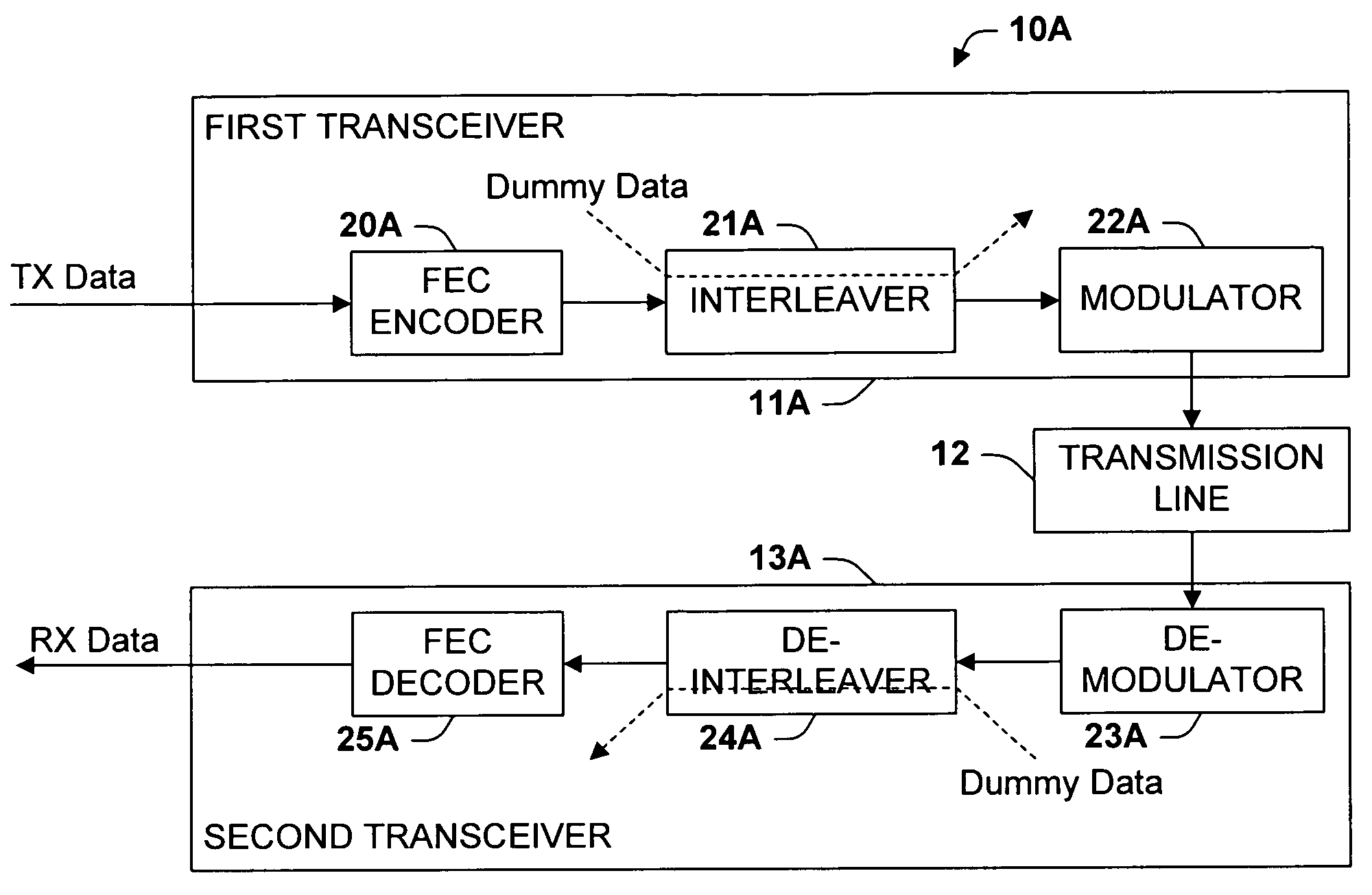
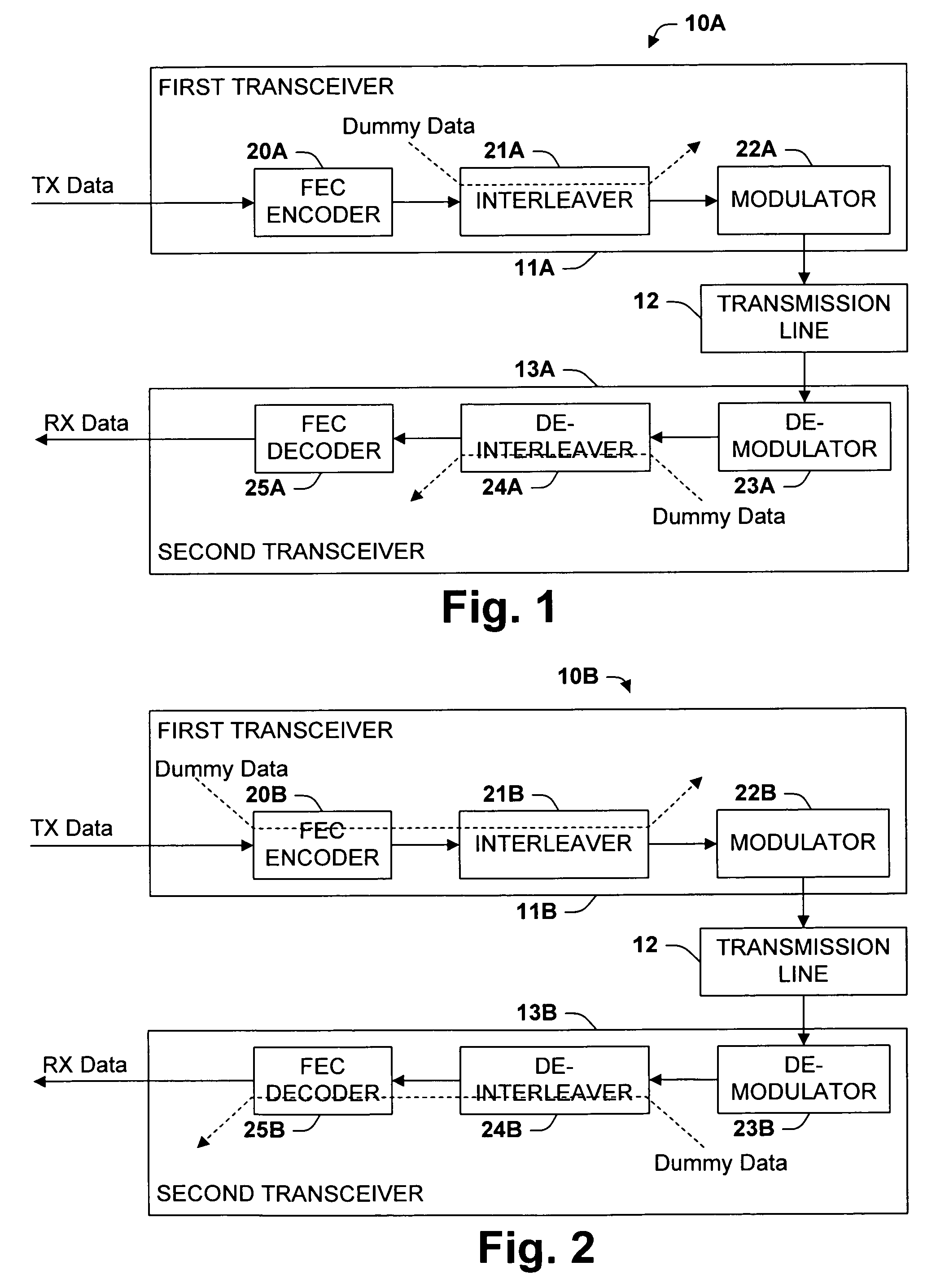
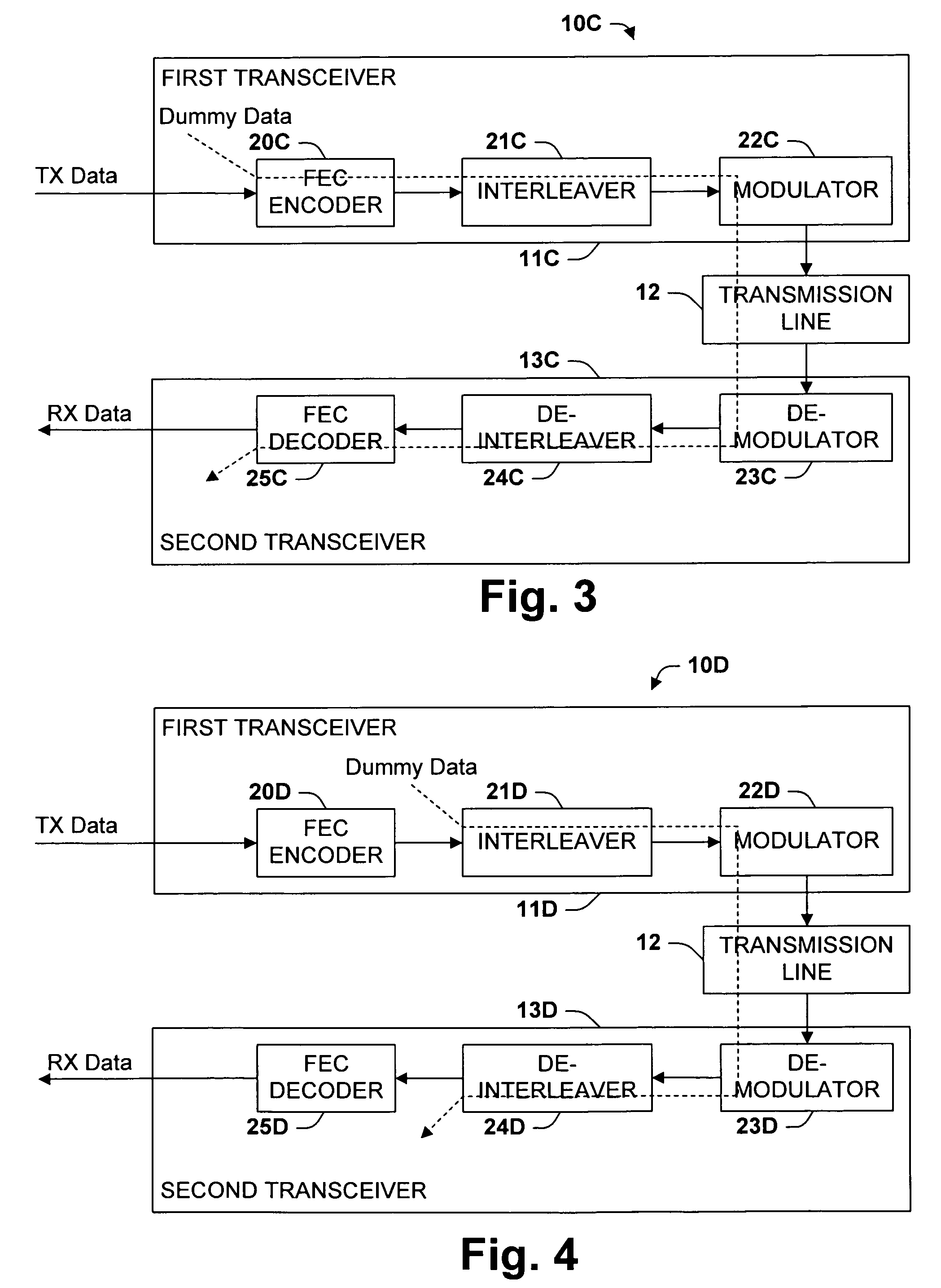
Optical fiber, and optical transmission line and optical transmission system using the same
PatentInactiveUS7340141B2
Innovation
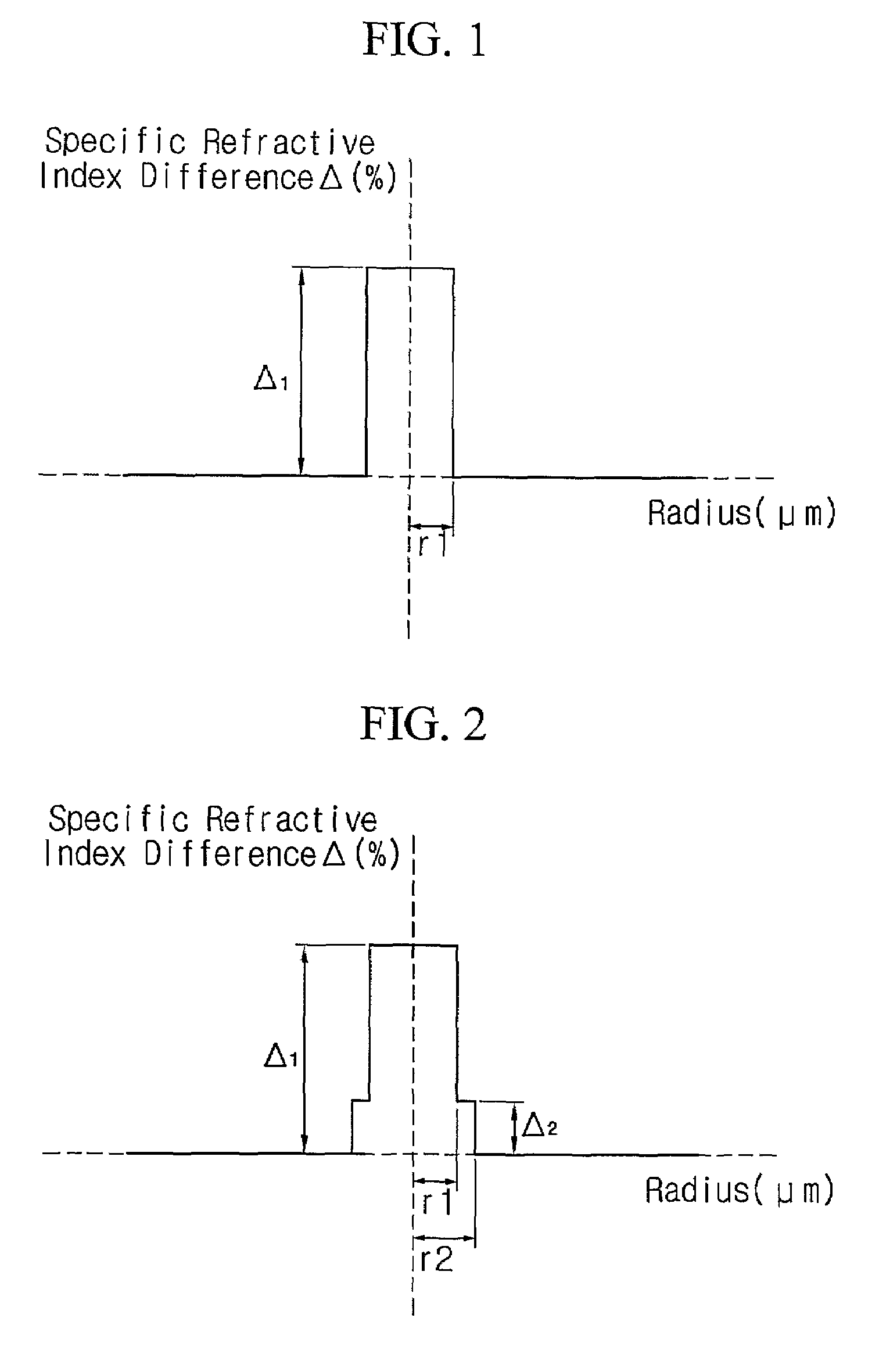
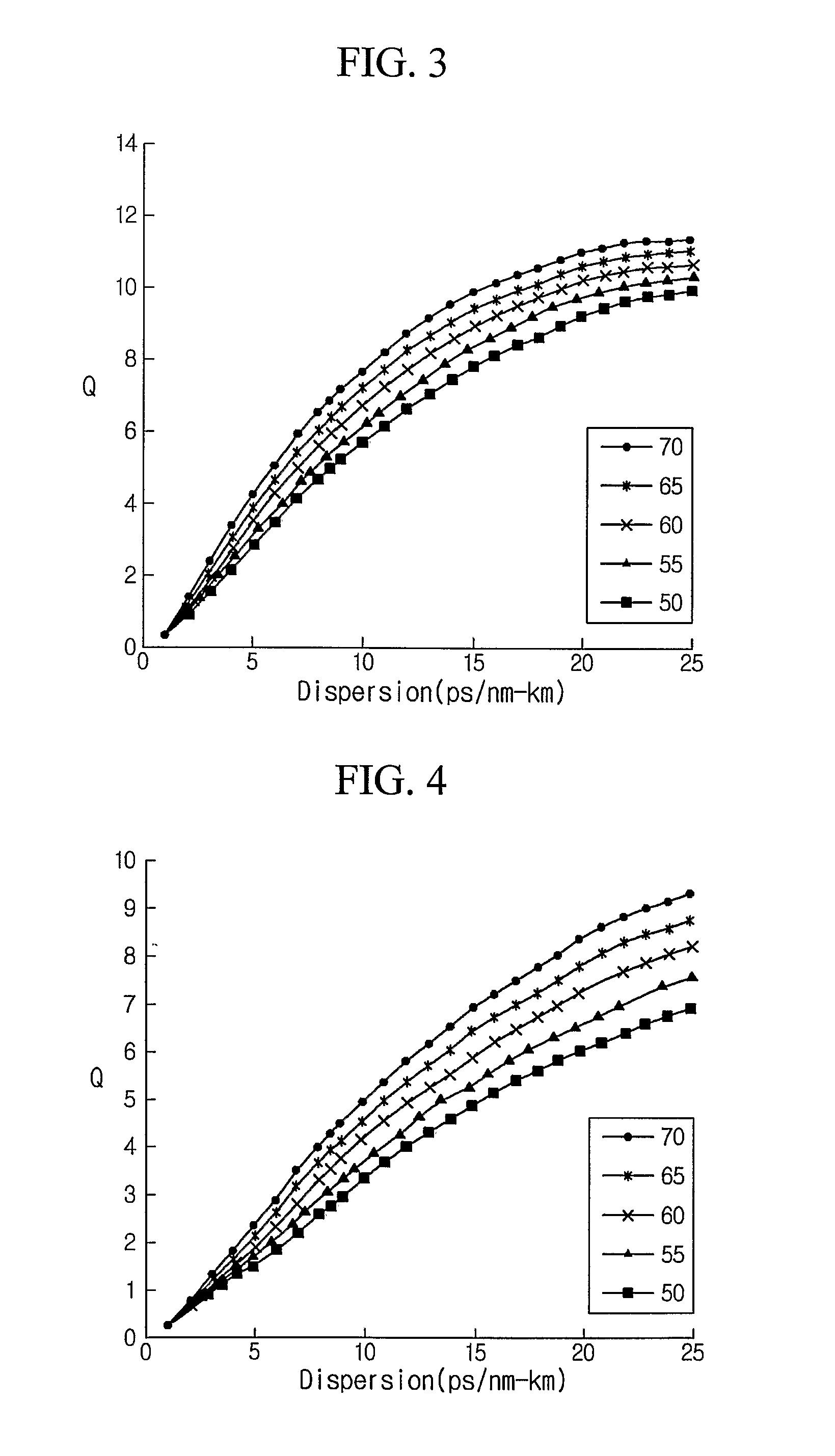
- An optical fiber with a zero-dispersion wavelength positioned at 1,370 nm or less, a dispersion value of at least 9 ps/nm-km at 1,460 nm, and an effective sectional area of 45-65 μm², featuring a stepped refractive index profile to support long-distance, high-speed transmission (up to 10 Gb/s) over S-C-L bands without signal distortion, using Raman amplification and EDFA for signal amplification.
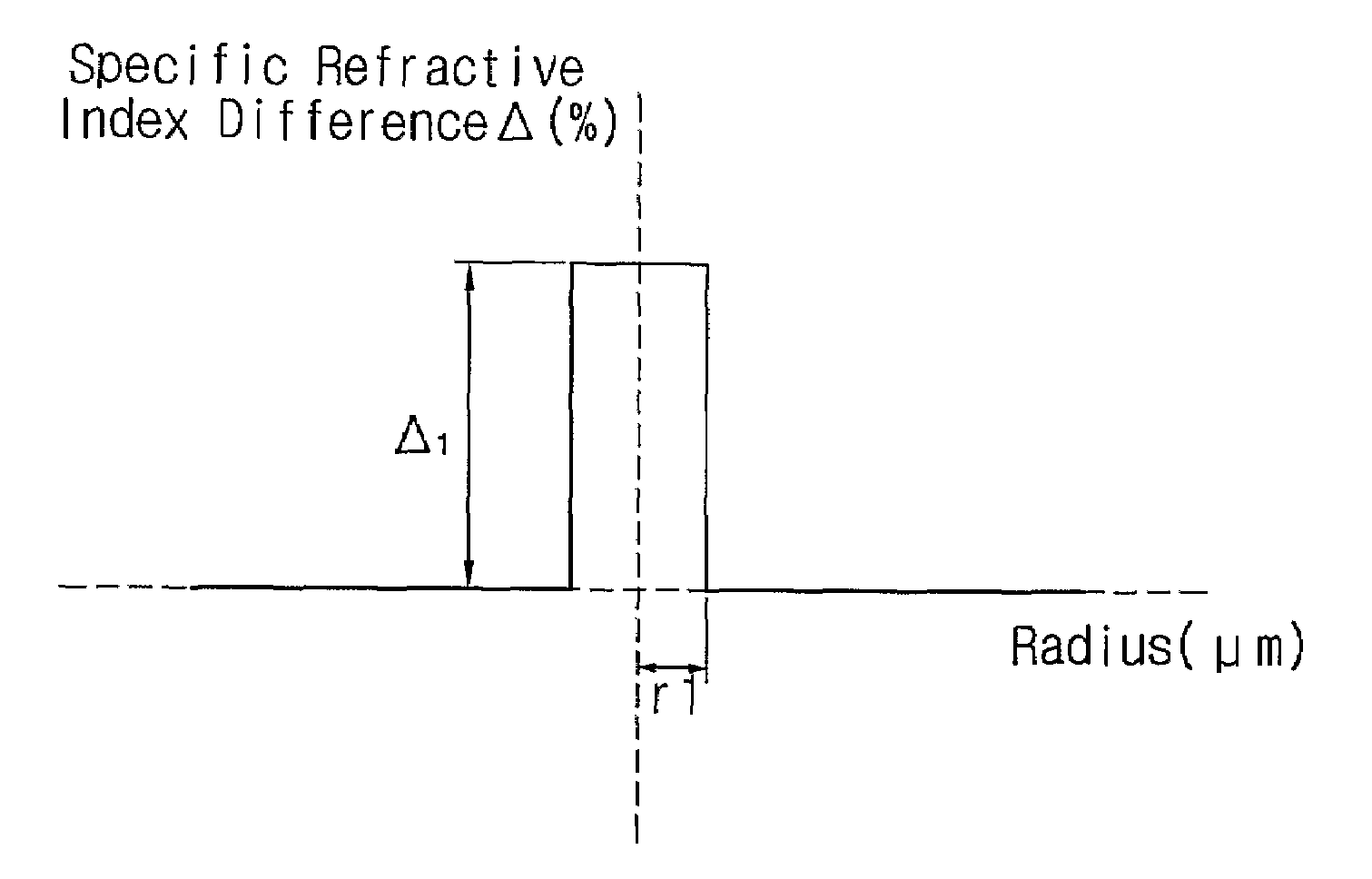

Network Infrastructure Standards and Compliance Requirements
The optimization of fiber optic performance through seamless rate technologies operates within a complex framework of network infrastructure standards that govern deployment, operation, and maintenance protocols. International standards organizations including the International Telecommunication Union (ITU), Institute of Electrical and Electronics Engineers (IEEE), and Telecommunications Industry Association (TIA) have established comprehensive guidelines that directly impact seamless rate implementation strategies.
ITU-T G.652 through G.657 standards define single-mode fiber specifications that form the foundation for seamless rate optimization systems. These standards establish critical parameters including attenuation coefficients, chromatic dispersion characteristics, and polarization mode dispersion limits that directly influence seamless rate algorithms. Compliance with these specifications ensures interoperability across diverse network environments while maintaining performance consistency during rate adaptation processes.
IEEE 802.3 Ethernet standards, particularly the recent 400 Gigabit Ethernet specifications, incorporate provisions for dynamic rate adjustment mechanisms that align with seamless rate optimization principles. The standards mandate specific forward error correction schemes and signal integrity requirements that seamless rate systems must accommodate to maintain compliance during performance optimization cycles.
Network operators must navigate regional compliance frameworks that vary significantly across jurisdictions. European Telecommunications Standards Institute (ETSI) requirements emphasize energy efficiency metrics that complement seamless rate optimization objectives, while Federal Communications Commission (FCC) regulations in North America focus on spectral efficiency and interference mitigation standards that influence implementation approaches.
Emerging standards development activities address next-generation coherent optical technologies where seamless rate optimization becomes increasingly critical. The Optical Internetworking Forum (OIF) and OpenROADM Multi-Source Agreement (MSA) are developing specifications for software-defined optical networks that incorporate seamless rate capabilities as fundamental requirements rather than optional features.
Compliance verification procedures require comprehensive testing protocols that validate seamless rate performance across standardized operating conditions. These procedures encompass bit error rate measurements, latency characterization, and jitter analysis under various rate transition scenarios to ensure adherence to established performance benchmarks while maintaining network reliability standards.
ITU-T G.652 through G.657 standards define single-mode fiber specifications that form the foundation for seamless rate optimization systems. These standards establish critical parameters including attenuation coefficients, chromatic dispersion characteristics, and polarization mode dispersion limits that directly influence seamless rate algorithms. Compliance with these specifications ensures interoperability across diverse network environments while maintaining performance consistency during rate adaptation processes.
IEEE 802.3 Ethernet standards, particularly the recent 400 Gigabit Ethernet specifications, incorporate provisions for dynamic rate adjustment mechanisms that align with seamless rate optimization principles. The standards mandate specific forward error correction schemes and signal integrity requirements that seamless rate systems must accommodate to maintain compliance during performance optimization cycles.
Network operators must navigate regional compliance frameworks that vary significantly across jurisdictions. European Telecommunications Standards Institute (ETSI) requirements emphasize energy efficiency metrics that complement seamless rate optimization objectives, while Federal Communications Commission (FCC) regulations in North America focus on spectral efficiency and interference mitigation standards that influence implementation approaches.
Emerging standards development activities address next-generation coherent optical technologies where seamless rate optimization becomes increasingly critical. The Optical Internetworking Forum (OIF) and OpenROADM Multi-Source Agreement (MSA) are developing specifications for software-defined optical networks that incorporate seamless rate capabilities as fundamental requirements rather than optional features.
Compliance verification procedures require comprehensive testing protocols that validate seamless rate performance across standardized operating conditions. These procedures encompass bit error rate measurements, latency characterization, and jitter analysis under various rate transition scenarios to ensure adherence to established performance benchmarks while maintaining network reliability standards.
Cost-Benefit Analysis of Seamless Rate Implementation
The implementation of seamless rate technology in fiber optic networks presents a compelling economic proposition when evaluated through comprehensive cost-benefit analysis. Initial capital expenditure requirements include hardware upgrades for adaptive rate controllers, software licensing for dynamic bandwidth management systems, and infrastructure modifications to support real-time rate optimization protocols. These upfront investments typically range from $50,000 to $200,000 per network node, depending on existing infrastructure compatibility and required performance specifications.
Operational cost considerations encompass ongoing maintenance expenses, staff training programs, and energy consumption adjustments. While seamless rate systems introduce additional monitoring complexity, they simultaneously reduce manual intervention requirements through automated optimization processes. Network operators report average operational cost increases of 8-12% during the initial implementation phase, followed by gradual cost reductions as system efficiency improvements materialize.
The primary economic benefits manifest through enhanced network utilization efficiency and reduced service disruption incidents. Seamless rate implementation enables dynamic bandwidth allocation, resulting in 15-25% improvement in overall network capacity utilization without additional fiber deployment. This translates to deferred capital expenditure for network expansion, representing significant cost avoidance opportunities for growing service providers.
Revenue enhancement opportunities emerge from improved service quality metrics and expanded service offerings. Networks equipped with seamless rate capabilities demonstrate 40-60% reduction in latency variations and 30% fewer service interruptions, enabling premium service tier introductions. Service providers report average revenue increases of 12-18% within 18 months of implementation through enhanced customer satisfaction and reduced churn rates.
Return on investment calculations indicate break-even points typically occurring within 24-36 months for medium to large-scale deployments. The economic viability improves significantly in high-traffic environments where bandwidth optimization delivers maximum value. Long-term projections suggest cumulative cost savings of 20-35% over five-year periods, primarily through reduced infrastructure expansion requirements and improved operational efficiency metrics.
Operational cost considerations encompass ongoing maintenance expenses, staff training programs, and energy consumption adjustments. While seamless rate systems introduce additional monitoring complexity, they simultaneously reduce manual intervention requirements through automated optimization processes. Network operators report average operational cost increases of 8-12% during the initial implementation phase, followed by gradual cost reductions as system efficiency improvements materialize.
The primary economic benefits manifest through enhanced network utilization efficiency and reduced service disruption incidents. Seamless rate implementation enables dynamic bandwidth allocation, resulting in 15-25% improvement in overall network capacity utilization without additional fiber deployment. This translates to deferred capital expenditure for network expansion, representing significant cost avoidance opportunities for growing service providers.
Revenue enhancement opportunities emerge from improved service quality metrics and expanded service offerings. Networks equipped with seamless rate capabilities demonstrate 40-60% reduction in latency variations and 30% fewer service interruptions, enabling premium service tier introductions. Service providers report average revenue increases of 12-18% within 18 months of implementation through enhanced customer satisfaction and reduced churn rates.
Return on investment calculations indicate break-even points typically occurring within 24-36 months for medium to large-scale deployments. The economic viability improves significantly in high-traffic environments where bandwidth optimization delivers maximum value. Long-term projections suggest cumulative cost savings of 20-35% over five-year periods, primarily through reduced infrastructure expansion requirements and improved operational efficiency metrics.
Unlock deeper insights with PatSnap Eureka Quick Research — get a full tech report to explore trends and direct your research. Try now!
Generate Your Research Report Instantly with AI Agent
Supercharge your innovation with PatSnap Eureka AI Agent Platform!