

Simulation-Driven Design vs Human Error: Reliability Gains
MAR 6, 20269 MIN READ
Generate Your Research Report Instantly with AI Agent
PatSnap Eureka helps you evaluate technical feasibility & market potential.
Simulation-Driven Design Evolution and Reliability Objectives
Simulation-driven design has undergone significant transformation since its inception in the 1960s, evolving from basic computational models to sophisticated multi-physics simulation platforms. Early applications focused primarily on structural analysis and fluid dynamics, utilizing finite element methods to predict component behavior under controlled conditions. The integration of computer-aided design with simulation capabilities in the 1980s marked a pivotal shift toward more comprehensive design validation processes.
The evolution accelerated dramatically with advances in computational power and algorithmic sophistication throughout the 1990s and 2000s. Modern simulation environments now encompass complex multi-domain interactions, including thermal, electromagnetic, and mechanical phenomena simultaneously. This progression has enabled engineers to identify potential failure modes and design vulnerabilities before physical prototyping, fundamentally altering traditional design methodologies.
Contemporary simulation-driven design incorporates artificial intelligence and machine learning algorithms to enhance predictive accuracy and automate optimization processes. Digital twin technologies represent the latest evolutionary stage, creating real-time virtual replicas of physical systems that continuously update based on operational data. These advances have transformed simulation from a validation tool into a primary design driver.
The reliability objectives of simulation-driven design center on systematic reduction of human error throughout the product development lifecycle. Traditional design processes heavily relied on engineering intuition, manual calculations, and empirical knowledge, creating multiple opportunities for oversight and miscalculation. Simulation-driven approaches aim to minimize these vulnerabilities through automated analysis and standardized validation protocols.
Primary reliability targets include achieving predictable performance characteristics across diverse operating conditions, reducing warranty claims and field failures, and ensuring compliance with safety standards. Advanced simulation platforms enable comprehensive sensitivity analysis, identifying critical design parameters that most significantly impact system reliability. This capability allows engineers to focus optimization efforts on high-impact variables while maintaining design robustness.
The integration of probabilistic design methods with simulation tools addresses uncertainty quantification and reliability assessment more systematically than traditional deterministic approaches. Monte Carlo simulations and statistical analysis techniques enable engineers to evaluate design performance across realistic operational variability, providing confidence intervals for critical performance metrics rather than single-point estimates.
Human error mitigation represents a fundamental objective, achieved through automated design rule checking, standardized simulation workflows, and integrated knowledge management systems. These tools reduce dependency on individual expertise while capturing institutional knowledge for consistent application across design teams.
The evolution accelerated dramatically with advances in computational power and algorithmic sophistication throughout the 1990s and 2000s. Modern simulation environments now encompass complex multi-domain interactions, including thermal, electromagnetic, and mechanical phenomena simultaneously. This progression has enabled engineers to identify potential failure modes and design vulnerabilities before physical prototyping, fundamentally altering traditional design methodologies.
Contemporary simulation-driven design incorporates artificial intelligence and machine learning algorithms to enhance predictive accuracy and automate optimization processes. Digital twin technologies represent the latest evolutionary stage, creating real-time virtual replicas of physical systems that continuously update based on operational data. These advances have transformed simulation from a validation tool into a primary design driver.
The reliability objectives of simulation-driven design center on systematic reduction of human error throughout the product development lifecycle. Traditional design processes heavily relied on engineering intuition, manual calculations, and empirical knowledge, creating multiple opportunities for oversight and miscalculation. Simulation-driven approaches aim to minimize these vulnerabilities through automated analysis and standardized validation protocols.
Primary reliability targets include achieving predictable performance characteristics across diverse operating conditions, reducing warranty claims and field failures, and ensuring compliance with safety standards. Advanced simulation platforms enable comprehensive sensitivity analysis, identifying critical design parameters that most significantly impact system reliability. This capability allows engineers to focus optimization efforts on high-impact variables while maintaining design robustness.
The integration of probabilistic design methods with simulation tools addresses uncertainty quantification and reliability assessment more systematically than traditional deterministic approaches. Monte Carlo simulations and statistical analysis techniques enable engineers to evaluate design performance across realistic operational variability, providing confidence intervals for critical performance metrics rather than single-point estimates.
Human error mitigation represents a fundamental objective, achieved through automated design rule checking, standardized simulation workflows, and integrated knowledge management systems. These tools reduce dependency on individual expertise while capturing institutional knowledge for consistent application across design teams.
Market Demand for Error-Resistant Design Solutions
The global market for error-resistant design solutions is experiencing unprecedented growth driven by increasing complexity in engineering systems and mounting pressure for operational reliability across industries. Traditional design methodologies, heavily dependent on human expertise and intuition, are proving inadequate in addressing the sophisticated failure modes present in modern technological systems. This inadequacy has created substantial market opportunities for simulation-driven design approaches that can systematically identify and mitigate potential failure points before they manifest in real-world applications.
Aerospace and automotive sectors represent the largest demand segments for error-resistant design solutions, where system failures can result in catastrophic consequences and significant financial losses. These industries are actively seeking advanced simulation technologies that can predict component behavior under extreme conditions and identify design vulnerabilities that human analysis might overlook. The shift toward autonomous systems and electric vehicles has further intensified this demand, as these technologies introduce novel failure modes that lack historical precedent for traditional risk assessment approaches.
Manufacturing industries are increasingly recognizing the economic benefits of simulation-driven error prevention over reactive quality control measures. The cost differential between identifying design flaws during the simulation phase versus addressing them post-production has become a compelling driver for market adoption. Companies are investing heavily in computational tools that can model complex interactions between materials, environmental conditions, and operational stresses to minimize the likelihood of field failures.
The healthcare technology sector presents another significant growth area, where device reliability directly impacts patient safety outcomes. Medical device manufacturers are under regulatory pressure to demonstrate comprehensive risk mitigation strategies, creating strong demand for simulation platforms that can validate design robustness across diverse patient populations and usage scenarios. The integration of artificial intelligence with simulation tools is enabling more sophisticated error prediction capabilities that surpass human analytical limitations.
Emerging markets in renewable energy and smart infrastructure are generating new demand patterns for error-resistant design solutions. These sectors require systems capable of operating reliably over extended periods with minimal human intervention, making simulation-driven design approaches essential for ensuring long-term performance and reducing maintenance costs.
Aerospace and automotive sectors represent the largest demand segments for error-resistant design solutions, where system failures can result in catastrophic consequences and significant financial losses. These industries are actively seeking advanced simulation technologies that can predict component behavior under extreme conditions and identify design vulnerabilities that human analysis might overlook. The shift toward autonomous systems and electric vehicles has further intensified this demand, as these technologies introduce novel failure modes that lack historical precedent for traditional risk assessment approaches.
Manufacturing industries are increasingly recognizing the economic benefits of simulation-driven error prevention over reactive quality control measures. The cost differential between identifying design flaws during the simulation phase versus addressing them post-production has become a compelling driver for market adoption. Companies are investing heavily in computational tools that can model complex interactions between materials, environmental conditions, and operational stresses to minimize the likelihood of field failures.
The healthcare technology sector presents another significant growth area, where device reliability directly impacts patient safety outcomes. Medical device manufacturers are under regulatory pressure to demonstrate comprehensive risk mitigation strategies, creating strong demand for simulation platforms that can validate design robustness across diverse patient populations and usage scenarios. The integration of artificial intelligence with simulation tools is enabling more sophisticated error prediction capabilities that surpass human analytical limitations.
Emerging markets in renewable energy and smart infrastructure are generating new demand patterns for error-resistant design solutions. These sectors require systems capable of operating reliably over extended periods with minimal human intervention, making simulation-driven design approaches essential for ensuring long-term performance and reducing maintenance costs.
Current State of Human Error Impact on System Reliability
Human error remains one of the most significant contributors to system failures across critical industries, with studies consistently demonstrating its pervasive impact on operational reliability. Research indicates that human factors account for approximately 70-80% of accidents in aviation, 60-90% in nuclear power operations, and 75-96% in maritime incidents. These statistics underscore the fundamental challenge that human cognitive limitations, decision-making biases, and procedural deviations pose to complex engineered systems.
The manifestation of human error in system reliability occurs through multiple pathways, including design phase oversights, operational mistakes, maintenance errors, and emergency response failures. Design-related human errors often stem from inadequate consideration of human-machine interfaces, insufficient understanding of operational contexts, or failure to anticipate edge cases during system development. These early-stage errors can propagate throughout the system lifecycle, creating latent failure modes that may not surface until critical operational scenarios.
Operational human errors typically involve skill-based slips, rule-based mistakes, and knowledge-based errors as categorized by Reason's taxonomy. Skill-based errors occur during routine tasks when attention lapses or automatic behaviors deviate from intended actions. Rule-based mistakes emerge when operators apply incorrect procedures or misinterpret situational cues. Knowledge-based errors manifest in novel situations requiring problem-solving capabilities beyond established procedures.
Current measurement approaches for quantifying human error impact include Human Reliability Analysis (HRA) methodologies such as THERP, HEART, and SPAR-H. These techniques attempt to assign probability values to human failure events within probabilistic risk assessments. However, significant limitations exist in accurately modeling human performance variability, contextual influences, and the dynamic nature of human-system interactions.
The economic implications of human error-induced failures are substantial, with conservative estimates suggesting billions in annual losses across industries. Beyond direct costs, indirect impacts include regulatory scrutiny, reputation damage, and cascading effects on supply chains and market confidence.
Emerging research reveals that traditional approaches focusing solely on individual human performance are insufficient. Modern perspectives emphasize systemic factors including organizational culture, training effectiveness, workload management, and technology design philosophy. The integration of human factors engineering principles with advanced simulation capabilities represents a promising avenue for addressing these persistent reliability challenges through more comprehensive design validation and operator preparation strategies.
The manifestation of human error in system reliability occurs through multiple pathways, including design phase oversights, operational mistakes, maintenance errors, and emergency response failures. Design-related human errors often stem from inadequate consideration of human-machine interfaces, insufficient understanding of operational contexts, or failure to anticipate edge cases during system development. These early-stage errors can propagate throughout the system lifecycle, creating latent failure modes that may not surface until critical operational scenarios.
Operational human errors typically involve skill-based slips, rule-based mistakes, and knowledge-based errors as categorized by Reason's taxonomy. Skill-based errors occur during routine tasks when attention lapses or automatic behaviors deviate from intended actions. Rule-based mistakes emerge when operators apply incorrect procedures or misinterpret situational cues. Knowledge-based errors manifest in novel situations requiring problem-solving capabilities beyond established procedures.
Current measurement approaches for quantifying human error impact include Human Reliability Analysis (HRA) methodologies such as THERP, HEART, and SPAR-H. These techniques attempt to assign probability values to human failure events within probabilistic risk assessments. However, significant limitations exist in accurately modeling human performance variability, contextual influences, and the dynamic nature of human-system interactions.
The economic implications of human error-induced failures are substantial, with conservative estimates suggesting billions in annual losses across industries. Beyond direct costs, indirect impacts include regulatory scrutiny, reputation damage, and cascading effects on supply chains and market confidence.
Emerging research reveals that traditional approaches focusing solely on individual human performance are insufficient. Modern perspectives emphasize systemic factors including organizational culture, training effectiveness, workload management, and technology design philosophy. The integration of human factors engineering principles with advanced simulation capabilities represents a promising avenue for addressing these persistent reliability challenges through more comprehensive design validation and operator preparation strategies.
Existing Simulation-Driven Design Implementation Approaches
01 Statistical analysis and Monte Carlo simulation for design reliability
Methods for improving design reliability through statistical analysis and Monte Carlo simulation techniques. These approaches involve running multiple simulations with varying parameters to assess the probability of design success and identify potential failure modes. The simulation results are analyzed statistically to determine reliability metrics and confidence intervals, enabling designers to make informed decisions about design robustness and manufacturing tolerances.- Statistical analysis and Monte Carlo simulation for design reliability: Methods for improving design reliability through statistical analysis and Monte Carlo simulation techniques. These approaches involve running multiple simulations with varying parameters to assess the probability of design success and identify potential failure modes. The simulation results are analyzed statistically to determine reliability metrics and confidence intervals, enabling designers to make informed decisions about design robustness and manufacturing tolerances.
- Reliability verification through virtual prototyping and digital twins: Techniques for validating design reliability using virtual prototypes and digital twin models before physical manufacturing. These methods create detailed digital representations of products that can be subjected to various stress tests, environmental conditions, and usage scenarios in simulation environments. The virtual testing allows for early detection of reliability issues and optimization of design parameters without the cost and time of physical prototyping.
- Multi-physics simulation for comprehensive reliability assessment: Integration of multiple physical domain simulations including thermal, mechanical, electrical, and electromagnetic analyses to evaluate overall system reliability. This approach considers the interactions between different physical phenomena and their combined effects on product performance and longevity. The multi-physics modeling enables prediction of failure mechanisms that arise from coupled effects and helps optimize designs for enhanced reliability across all operating conditions.
- Automated design optimization using simulation-based reliability constraints: Systems and methods for automatically optimizing designs while maintaining reliability requirements through iterative simulation loops. These approaches use optimization algorithms that incorporate reliability metrics as constraints or objectives, automatically adjusting design parameters to achieve target reliability levels. The automated process significantly reduces design cycle time while ensuring that reliability goals are met throughout the optimization process.
- Failure prediction and lifetime estimation through simulation: Methods for predicting potential failure modes and estimating product lifetime using accelerated simulation techniques. These approaches model degradation mechanisms, wear patterns, and stress accumulation over time to forecast when and how failures might occur. The simulation-based lifetime prediction enables designers to implement preventive measures, optimize maintenance schedules, and ensure products meet reliability targets throughout their intended service life.
02 Automated design verification and validation through simulation
Systems and methods for automated verification and validation of designs using simulation-driven approaches. These techniques involve creating simulation models that can automatically test design specifications against requirements, identify design flaws, and verify functional correctness. The automation reduces manual testing efforts and improves the reliability of the design process by systematically checking multiple design scenarios and edge cases.Expand Specific Solutions03 Reliability prediction using physics-based simulation models
Approaches for predicting design reliability through physics-based simulation models that account for real-world operating conditions. These methods incorporate physical phenomena such as thermal effects, mechanical stress, electromagnetic interference, and material degradation into simulation models. By simulating actual operating environments and stress conditions, designers can predict failure rates and optimize designs for improved reliability before physical prototyping.Expand Specific Solutions04 Design optimization through iterative simulation and feedback loops
Methodologies for optimizing design reliability through iterative simulation processes with feedback mechanisms. These approaches involve running simulations, analyzing results, adjusting design parameters, and re-simulating in a continuous loop until reliability targets are met. The iterative process allows for systematic exploration of the design space and identification of optimal configurations that maximize reliability while meeting other design constraints such as cost and performance.Expand Specific Solutions05 Integration of machine learning with simulation for reliability assessment
Advanced techniques that combine machine learning algorithms with simulation-driven design to enhance reliability assessment. These methods use machine learning models trained on simulation data to predict design reliability, identify patterns in failure modes, and accelerate the simulation process. The integration enables faster reliability predictions and can uncover complex relationships between design parameters and reliability outcomes that may not be apparent through traditional analysis methods.Expand Specific Solutions
Key Players in Simulation Software and Design Automation
The simulation-driven design market is experiencing rapid growth as industries increasingly recognize its potential to minimize human error and enhance reliability across critical applications. The market spans multiple sectors including semiconductor manufacturing, automotive, aerospace, and industrial automation, with established players like Siemens Industry Software NV, Cadence Design Systems, and Boeing leading commercial implementations. Technology maturity varies significantly across segments - semiconductor companies like Taiwan Semiconductor Manufacturing, GlobalFoundries, and Advantest demonstrate advanced simulation capabilities, while automotive manufacturers such as China FAW and DENSO are integrating these technologies into safety-critical systems. Academic institutions like South China University of Technology and Kyushu University contribute foundational research, while specialized firms like Optima Design Automation focus on fault simulation for functional safety applications. The competitive landscape reflects a maturing ecosystem where simulation-driven approaches are transitioning from experimental to production-ready solutions.
Siemens Industry Software NV
Technical Solution: Siemens provides comprehensive simulation-driven design solutions through their PLM software portfolio, including NX CAD, Simcenter simulation, and Teamcenter PLM platform. Their approach integrates digital twin technology with advanced simulation capabilities to reduce human error in design processes. The company's simulation tools cover multi-physics analysis, enabling engineers to validate designs virtually before physical prototyping. This methodology has demonstrated significant reliability improvements by identifying potential failure modes early in the design cycle, reducing costly design iterations and manufacturing defects. Their closed-loop simulation approach ensures continuous validation throughout the product lifecycle, minimizing human-induced errors in complex engineering decisions.
Strengths: Comprehensive integrated PLM ecosystem, proven digital twin implementation, strong multi-physics simulation capabilities. Weaknesses: High implementation costs, complex learning curve for users, requires significant computational resources.
Cadence Design Systems, Inc.
Technical Solution: Cadence offers simulation-driven design methodologies primarily focused on electronic system design and semiconductor development. Their Virtuoso platform integrates advanced simulation engines with design automation tools to minimize human error in circuit design and verification processes. The company's machine learning-enhanced simulation tools can predict design failures and optimize performance parameters automatically. Their approach includes comprehensive design rule checking, parasitic extraction, and timing analysis that significantly reduces manual verification errors. Cadence's simulation-driven flow has been proven to improve first-silicon success rates and reduce design respins, directly addressing reliability concerns caused by human oversight in complex electronic system design.
Strengths: Industry-leading EDA tools, AI-enhanced simulation capabilities, strong semiconductor design expertise. Weaknesses: Limited to electronic design domain, expensive licensing model, steep learning curve for advanced features.
Core Technologies in Human Error Prediction and Mitigation
Effectiveness verification method for interactive system usability design
PatentInactiveCN104267942A
Innovation
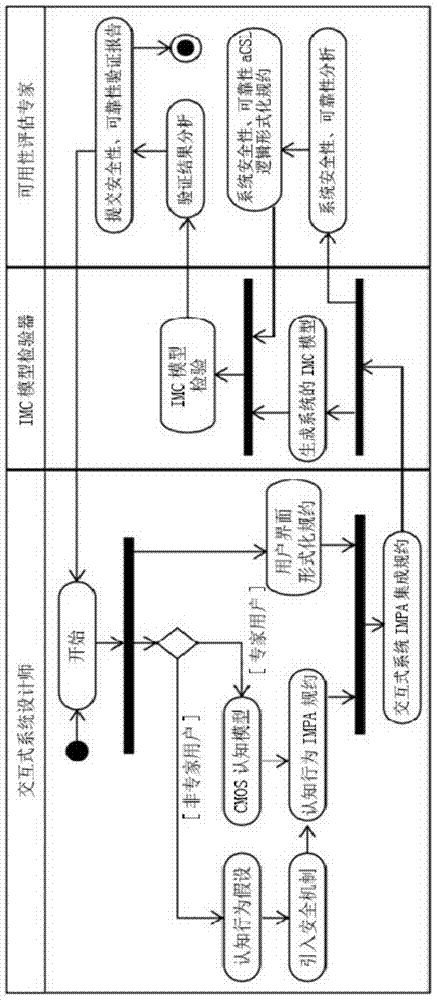
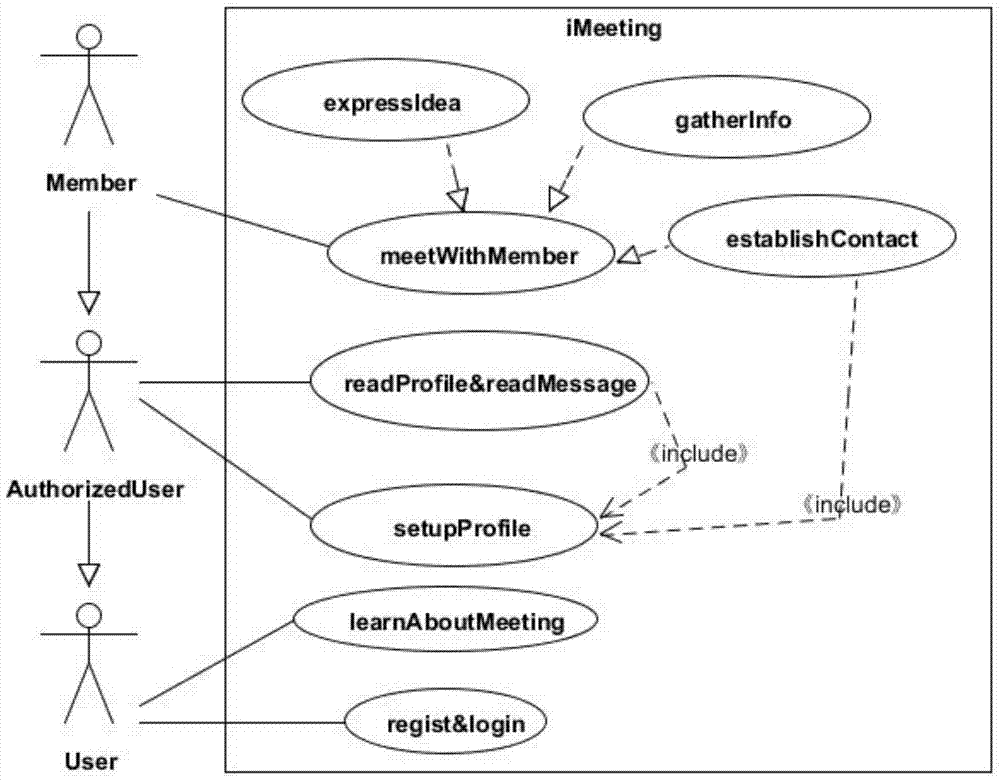
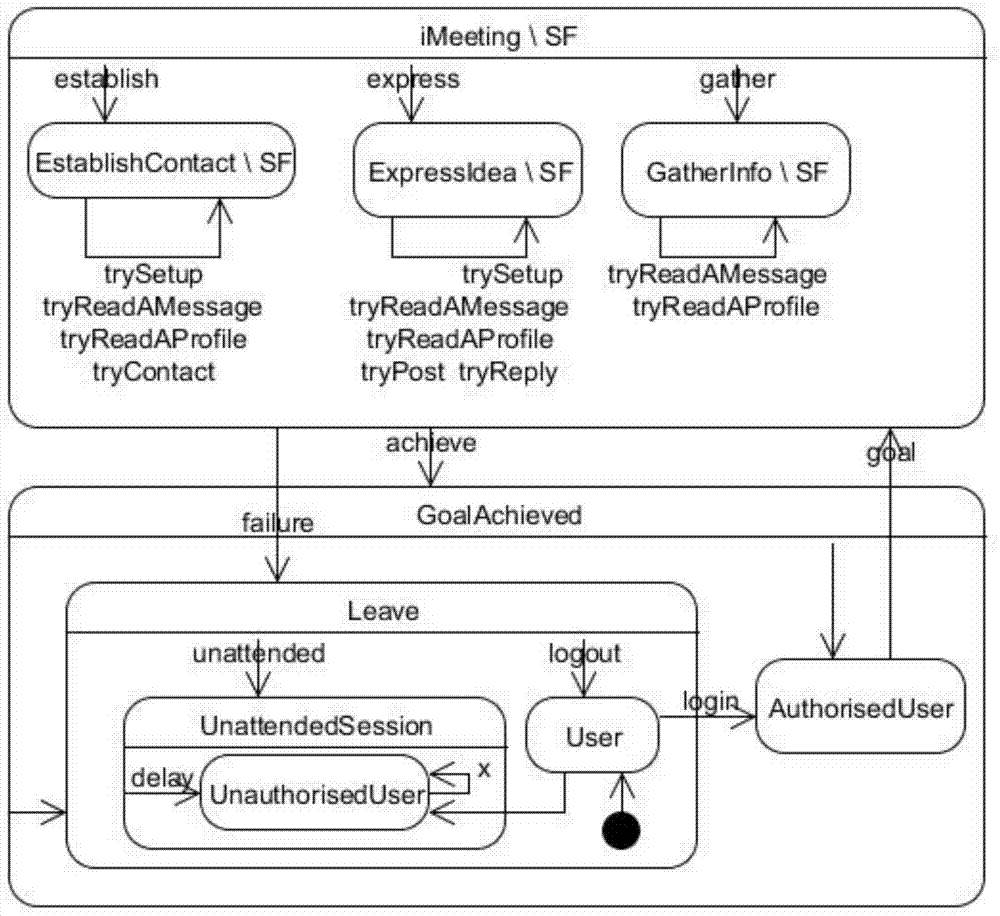
- Using formal methods based on GOMS cognitive model, interactive Markov chain (IMC) model and model checking technology, the safety and reliability of interactive systems are carried out by establishing cognitive models, task models and system usability design models. Verification, use the IMC model checker for design validity verification.

Inspection Reliability Evaluation System
PatentPendingUS20250307735A1
Innovation
- A method and system that incorporate human factors engineering to identify and weight variables such as task factors, time, stressors, experience, and ergonomics, using a computer system to calculate the reliability of human inspections and provide recommendations for improvement.


Safety Standards and Certification for Simulation-Based Design
The integration of simulation-driven design methodologies into safety-critical systems necessitates comprehensive safety standards and certification frameworks that address the unique challenges posed by virtual validation processes. Traditional certification approaches, primarily designed for physical testing and human-operated systems, require substantial adaptation to accommodate simulation-based design verification and validation protocols.
Current international safety standards, including ISO 26262 for automotive functional safety and DO-178C for aviation software, have begun incorporating provisions for model-based development and simulation validation. These standards recognize that simulation-driven design can significantly reduce human error in the design phase by enabling extensive virtual testing scenarios that would be impractical or impossible to conduct physically. However, the certification bodies face the challenge of establishing confidence levels in simulation results equivalent to those achieved through traditional testing methods.
The certification process for simulation-based design typically requires validation of the simulation models themselves, verification of the simulation environment's accuracy, and demonstration of the correlation between simulated and real-world performance. Regulatory authorities demand rigorous documentation of simulation model fidelity, including uncertainty quantification and validation against experimental data. This multi-layered approach ensures that the reliability gains achieved through reduced human error are not compromised by simulation model limitations.
Emerging certification frameworks emphasize the importance of simulation model verification and validation (V&V) processes. These frameworks require organizations to demonstrate that their simulation tools accurately represent physical phenomena and that the design decisions made based on simulation results will translate to reliable real-world performance. The certification process often involves independent third-party validation of simulation models and cross-verification with multiple simulation platforms.
Industry-specific certification requirements continue to evolve as simulation technologies advance. Aerospace and automotive sectors lead in developing comprehensive guidelines for simulation-based certification, while other industries adapt these frameworks to their specific safety requirements. The ongoing development of these standards reflects the growing recognition that properly validated simulation-driven design processes can achieve superior reliability outcomes compared to traditional design approaches heavily dependent on human interpretation and manual verification processes.
Current international safety standards, including ISO 26262 for automotive functional safety and DO-178C for aviation software, have begun incorporating provisions for model-based development and simulation validation. These standards recognize that simulation-driven design can significantly reduce human error in the design phase by enabling extensive virtual testing scenarios that would be impractical or impossible to conduct physically. However, the certification bodies face the challenge of establishing confidence levels in simulation results equivalent to those achieved through traditional testing methods.
The certification process for simulation-based design typically requires validation of the simulation models themselves, verification of the simulation environment's accuracy, and demonstration of the correlation between simulated and real-world performance. Regulatory authorities demand rigorous documentation of simulation model fidelity, including uncertainty quantification and validation against experimental data. This multi-layered approach ensures that the reliability gains achieved through reduced human error are not compromised by simulation model limitations.
Emerging certification frameworks emphasize the importance of simulation model verification and validation (V&V) processes. These frameworks require organizations to demonstrate that their simulation tools accurately represent physical phenomena and that the design decisions made based on simulation results will translate to reliable real-world performance. The certification process often involves independent third-party validation of simulation models and cross-verification with multiple simulation platforms.
Industry-specific certification requirements continue to evolve as simulation technologies advance. Aerospace and automotive sectors lead in developing comprehensive guidelines for simulation-based certification, while other industries adapt these frameworks to their specific safety requirements. The ongoing development of these standards reflects the growing recognition that properly validated simulation-driven design processes can achieve superior reliability outcomes compared to traditional design approaches heavily dependent on human interpretation and manual verification processes.
Risk Assessment Frameworks for Design Process Automation
Risk assessment frameworks for design process automation represent a critical component in evaluating the transition from traditional human-centered design methodologies to simulation-driven approaches. These frameworks provide structured methodologies for identifying, quantifying, and mitigating potential risks associated with automated design processes while ensuring reliability improvements over conventional human-operated systems.
The foundation of effective risk assessment in automated design processes lies in establishing comprehensive risk identification matrices that categorize potential failure modes across multiple dimensions. These matrices typically encompass technical risks related to simulation accuracy, algorithmic limitations, and computational constraints, alongside operational risks stemming from reduced human oversight and intervention capabilities. Process-related risks include inadequate validation protocols, insufficient feedback mechanisms, and potential gaps in quality assurance procedures that may emerge when transitioning from manual to automated workflows.
Quantitative risk assessment methodologies have evolved to incorporate probabilistic models that compare failure rates between human-operated and simulation-driven design processes. Monte Carlo simulations and Bayesian networks are increasingly employed to model uncertainty propagation through automated design chains, enabling more accurate prediction of system reliability outcomes. These approaches facilitate the development of risk-weighted decision trees that guide the selection of appropriate automation levels for specific design tasks based on acceptable risk thresholds.
Contemporary frameworks emphasize the implementation of multi-layered validation protocols that combine automated verification procedures with strategic human checkpoints. These hybrid approaches recognize that while simulation-driven design can significantly reduce human error rates in routine tasks, critical decision points may still require human expertise and judgment. Risk assessment protocols must therefore evaluate the optimal balance between automation efficiency and human oversight to maximize overall system reliability.
Emerging risk assessment standards are incorporating machine learning-based anomaly detection systems that continuously monitor automated design processes for deviations from expected performance parameters. These systems enable real-time risk evaluation and adaptive response mechanisms that can dynamically adjust automation levels based on detected risk patterns, ensuring sustained reliability improvements throughout the design lifecycle.
The foundation of effective risk assessment in automated design processes lies in establishing comprehensive risk identification matrices that categorize potential failure modes across multiple dimensions. These matrices typically encompass technical risks related to simulation accuracy, algorithmic limitations, and computational constraints, alongside operational risks stemming from reduced human oversight and intervention capabilities. Process-related risks include inadequate validation protocols, insufficient feedback mechanisms, and potential gaps in quality assurance procedures that may emerge when transitioning from manual to automated workflows.
Quantitative risk assessment methodologies have evolved to incorporate probabilistic models that compare failure rates between human-operated and simulation-driven design processes. Monte Carlo simulations and Bayesian networks are increasingly employed to model uncertainty propagation through automated design chains, enabling more accurate prediction of system reliability outcomes. These approaches facilitate the development of risk-weighted decision trees that guide the selection of appropriate automation levels for specific design tasks based on acceptable risk thresholds.
Contemporary frameworks emphasize the implementation of multi-layered validation protocols that combine automated verification procedures with strategic human checkpoints. These hybrid approaches recognize that while simulation-driven design can significantly reduce human error rates in routine tasks, critical decision points may still require human expertise and judgment. Risk assessment protocols must therefore evaluate the optimal balance between automation efficiency and human oversight to maximize overall system reliability.
Emerging risk assessment standards are incorporating machine learning-based anomaly detection systems that continuously monitor automated design processes for deviations from expected performance parameters. These systems enable real-time risk evaluation and adaptive response mechanisms that can dynamically adjust automation levels based on detected risk patterns, ensuring sustained reliability improvements throughout the design lifecycle.
Unlock deeper insights with PatSnap Eureka Quick Research — get a full tech report to explore trends and direct your research. Try now!
Generate Your Research Report Instantly with AI Agent
Supercharge your innovation with PatSnap Eureka AI Agent Platform!