Smart Factory Dynamic Scheduling: Approaches and Tools
MAR 19, 20269 MIN READ
Generate Your Research Report Instantly with AI Agent
Patsnap Eureka helps you evaluate technical feasibility & market potential.
Smart Factory Scheduling Background and Objectives
Smart factory dynamic scheduling represents a critical evolution in manufacturing systems, emerging from the convergence of Industry 4.0 technologies and the increasing demand for flexible, responsive production environments. This technological domain addresses the fundamental challenge of optimizing resource allocation and production sequencing in real-time, responding to dynamic changes in demand, equipment availability, and operational constraints.
The historical development of factory scheduling has progressed through distinct phases, beginning with static scheduling approaches in traditional manufacturing systems. Early scheduling methods relied on predetermined production plans with limited adaptability to disruptions. The introduction of computerized manufacturing systems in the 1980s marked the first significant advancement, enabling more sophisticated scheduling algorithms and basic optimization capabilities.
The emergence of flexible manufacturing systems (FMS) in the 1990s introduced the concept of adaptive scheduling, where production systems could respond to certain types of variability. However, these systems still operated within relatively constrained parameters and required significant manual intervention for major adjustments.
The current era of smart factory dynamic scheduling has been catalyzed by several technological breakthroughs. The proliferation of Internet of Things (IoT) sensors enables real-time data collection from production equipment, providing unprecedented visibility into manufacturing operations. Advanced analytics and machine learning algorithms can process this data to predict equipment failures, optimize resource utilization, and automatically adjust production schedules.
Cloud computing infrastructure has democratized access to powerful computational resources, enabling smaller manufacturers to implement sophisticated scheduling systems previously available only to large enterprises. Edge computing technologies further enhance system responsiveness by processing critical scheduling decisions locally, reducing latency and improving system reliability.
The primary objective of smart factory dynamic scheduling is to achieve optimal production efficiency while maintaining flexibility to respond to unexpected events. This includes minimizing production lead times, reducing work-in-process inventory, maximizing equipment utilization, and ensuring on-time delivery performance. Additionally, these systems aim to improve energy efficiency, reduce waste, and enhance overall sustainability of manufacturing operations.
Contemporary smart factory scheduling systems target seamless integration across the entire manufacturing ecosystem, from supplier networks to customer delivery systems, creating end-to-end visibility and optimization capabilities that transform traditional manufacturing paradigms.
The historical development of factory scheduling has progressed through distinct phases, beginning with static scheduling approaches in traditional manufacturing systems. Early scheduling methods relied on predetermined production plans with limited adaptability to disruptions. The introduction of computerized manufacturing systems in the 1980s marked the first significant advancement, enabling more sophisticated scheduling algorithms and basic optimization capabilities.
The emergence of flexible manufacturing systems (FMS) in the 1990s introduced the concept of adaptive scheduling, where production systems could respond to certain types of variability. However, these systems still operated within relatively constrained parameters and required significant manual intervention for major adjustments.
The current era of smart factory dynamic scheduling has been catalyzed by several technological breakthroughs. The proliferation of Internet of Things (IoT) sensors enables real-time data collection from production equipment, providing unprecedented visibility into manufacturing operations. Advanced analytics and machine learning algorithms can process this data to predict equipment failures, optimize resource utilization, and automatically adjust production schedules.
Cloud computing infrastructure has democratized access to powerful computational resources, enabling smaller manufacturers to implement sophisticated scheduling systems previously available only to large enterprises. Edge computing technologies further enhance system responsiveness by processing critical scheduling decisions locally, reducing latency and improving system reliability.
The primary objective of smart factory dynamic scheduling is to achieve optimal production efficiency while maintaining flexibility to respond to unexpected events. This includes minimizing production lead times, reducing work-in-process inventory, maximizing equipment utilization, and ensuring on-time delivery performance. Additionally, these systems aim to improve energy efficiency, reduce waste, and enhance overall sustainability of manufacturing operations.
Contemporary smart factory scheduling systems target seamless integration across the entire manufacturing ecosystem, from supplier networks to customer delivery systems, creating end-to-end visibility and optimization capabilities that transform traditional manufacturing paradigms.
Market Demand for Dynamic Manufacturing Scheduling
The global manufacturing landscape is experiencing unprecedented transformation driven by Industry 4.0 initiatives, creating substantial demand for dynamic scheduling solutions in smart factories. Traditional static scheduling approaches are proving inadequate for modern manufacturing environments characterized by frequent order changes, supply chain disruptions, and customization requirements.
Manufacturing enterprises across automotive, electronics, pharmaceuticals, and aerospace sectors are actively seeking advanced scheduling systems capable of real-time adaptation. The shift toward mass customization has intensified this demand, as manufacturers must balance efficiency with flexibility to meet diverse customer requirements while maintaining competitive delivery times.
Supply chain volatility has emerged as a critical driver for dynamic scheduling adoption. Recent global disruptions have highlighted the limitations of rigid production plans, compelling manufacturers to invest in systems that can rapidly reconfigure operations based on material availability, equipment status, and demand fluctuations. This has created a particularly strong market pull for scheduling solutions that integrate seamlessly with existing enterprise resource planning systems.
The rise of smart manufacturing technologies, including Internet of Things sensors, artificial intelligence, and digital twins, has created new possibilities for sophisticated scheduling approaches. Manufacturers are increasingly recognizing that dynamic scheduling is not merely an operational improvement but a strategic necessity for maintaining competitiveness in volatile markets.
Small and medium-sized enterprises represent an emerging market segment for dynamic scheduling solutions. As these companies face pressure to compete with larger manufacturers while operating with limited resources, they require cost-effective scheduling tools that can maximize asset utilization and minimize waste without requiring extensive technical expertise.
The market demand is further amplified by regulatory pressures in industries such as food processing and pharmaceuticals, where traceability and compliance requirements necessitate flexible scheduling systems capable of accommodating quality control procedures and batch tracking. Energy-intensive industries are also driving demand for scheduling solutions that optimize production timing based on energy costs and availability of renewable power sources.
Manufacturing enterprises across automotive, electronics, pharmaceuticals, and aerospace sectors are actively seeking advanced scheduling systems capable of real-time adaptation. The shift toward mass customization has intensified this demand, as manufacturers must balance efficiency with flexibility to meet diverse customer requirements while maintaining competitive delivery times.
Supply chain volatility has emerged as a critical driver for dynamic scheduling adoption. Recent global disruptions have highlighted the limitations of rigid production plans, compelling manufacturers to invest in systems that can rapidly reconfigure operations based on material availability, equipment status, and demand fluctuations. This has created a particularly strong market pull for scheduling solutions that integrate seamlessly with existing enterprise resource planning systems.
The rise of smart manufacturing technologies, including Internet of Things sensors, artificial intelligence, and digital twins, has created new possibilities for sophisticated scheduling approaches. Manufacturers are increasingly recognizing that dynamic scheduling is not merely an operational improvement but a strategic necessity for maintaining competitiveness in volatile markets.
Small and medium-sized enterprises represent an emerging market segment for dynamic scheduling solutions. As these companies face pressure to compete with larger manufacturers while operating with limited resources, they require cost-effective scheduling tools that can maximize asset utilization and minimize waste without requiring extensive technical expertise.
The market demand is further amplified by regulatory pressures in industries such as food processing and pharmaceuticals, where traceability and compliance requirements necessitate flexible scheduling systems capable of accommodating quality control procedures and batch tracking. Energy-intensive industries are also driving demand for scheduling solutions that optimize production timing based on energy costs and availability of renewable power sources.
Current State of Smart Factory Scheduling Systems
Smart factory scheduling systems have evolved significantly over the past decade, transitioning from traditional static scheduling approaches to sophisticated dynamic systems capable of real-time adaptation. Current implementations predominantly utilize hybrid architectures that combine centralized planning with distributed execution capabilities, enabling factories to respond rapidly to changing production demands and unexpected disruptions.
The majority of existing systems employ multi-agent architectures where individual production units, machines, and resources are represented as autonomous agents capable of local decision-making. These agents communicate through standardized protocols such as OPC-UA and MQTT, facilitating seamless information exchange across heterogeneous manufacturing environments. Leading implementations integrate artificial intelligence algorithms, particularly reinforcement learning and genetic algorithms, to optimize scheduling decisions in real-time.
Contemporary scheduling systems demonstrate varying levels of maturity across different industrial sectors. Automotive and semiconductor industries have achieved the highest implementation rates, with over 60% of major manufacturers deploying some form of dynamic scheduling technology. These systems typically handle complex multi-objective optimization problems, balancing production efficiency, resource utilization, energy consumption, and delivery deadlines simultaneously.
Current technological limitations primarily center around computational complexity and scalability challenges. Most existing systems struggle with large-scale optimization problems involving hundreds of machines and thousands of jobs, often requiring simplified models or heuristic approaches that may compromise optimal solutions. Integration challenges persist when connecting legacy manufacturing equipment with modern scheduling platforms, necessitating extensive middleware solutions and data transformation protocols.
Real-time data processing capabilities vary significantly across implementations. Advanced systems process sensor data streams at millisecond intervals, enabling immediate response to equipment failures or quality deviations. However, many current deployments still rely on periodic batch processing with update cycles ranging from minutes to hours, limiting their responsiveness to dynamic production environments.
The geographical distribution of smart factory scheduling technology shows concentrated development in Germany, Japan, South Korea, and the United States, with emerging implementations in China and other developing manufacturing economies. European systems tend to emphasize energy efficiency and sustainability metrics, while Asian implementations focus primarily on throughput optimization and cost reduction.
The majority of existing systems employ multi-agent architectures where individual production units, machines, and resources are represented as autonomous agents capable of local decision-making. These agents communicate through standardized protocols such as OPC-UA and MQTT, facilitating seamless information exchange across heterogeneous manufacturing environments. Leading implementations integrate artificial intelligence algorithms, particularly reinforcement learning and genetic algorithms, to optimize scheduling decisions in real-time.
Contemporary scheduling systems demonstrate varying levels of maturity across different industrial sectors. Automotive and semiconductor industries have achieved the highest implementation rates, with over 60% of major manufacturers deploying some form of dynamic scheduling technology. These systems typically handle complex multi-objective optimization problems, balancing production efficiency, resource utilization, energy consumption, and delivery deadlines simultaneously.
Current technological limitations primarily center around computational complexity and scalability challenges. Most existing systems struggle with large-scale optimization problems involving hundreds of machines and thousands of jobs, often requiring simplified models or heuristic approaches that may compromise optimal solutions. Integration challenges persist when connecting legacy manufacturing equipment with modern scheduling platforms, necessitating extensive middleware solutions and data transformation protocols.
Real-time data processing capabilities vary significantly across implementations. Advanced systems process sensor data streams at millisecond intervals, enabling immediate response to equipment failures or quality deviations. However, many current deployments still rely on periodic batch processing with update cycles ranging from minutes to hours, limiting their responsiveness to dynamic production environments.
The geographical distribution of smart factory scheduling technology shows concentrated development in Germany, Japan, South Korea, and the United States, with emerging implementations in China and other developing manufacturing economies. European systems tend to emphasize energy efficiency and sustainability metrics, while Asian implementations focus primarily on throughput optimization and cost reduction.
Existing Dynamic Scheduling Solutions and Tools
01 Real-time dynamic scheduling systems
Dynamic scheduling systems that operate in real-time to adjust task allocation and resource management based on current system conditions. These systems monitor ongoing processes and make immediate scheduling decisions to optimize performance, handle unexpected events, and adapt to changing workloads. The scheduling algorithms continuously evaluate priorities and constraints to ensure efficient execution of tasks.- Real-time dynamic scheduling systems: Dynamic scheduling systems that operate in real-time to adjust task allocation and resource management based on current system conditions. These systems monitor ongoing processes and make immediate scheduling decisions to optimize performance, handle unexpected events, and maintain system efficiency. The scheduling algorithms continuously evaluate priorities and constraints to dynamically reassign tasks as conditions change.
- Multi-processor and parallel processing scheduling: Scheduling techniques designed for multi-processor environments and parallel computing systems. These methods distribute computational tasks across multiple processing units to maximize throughput and minimize execution time. The scheduling approaches consider processor availability, task dependencies, load balancing, and inter-processor communication to achieve optimal parallel execution.
- Priority-based and deadline-driven scheduling: Scheduling mechanisms that utilize priority levels and deadline constraints to determine task execution order. These systems assign priorities to different tasks based on urgency, importance, or service level requirements. The scheduler ensures that high-priority tasks and time-critical operations are completed within specified deadlines while managing lower-priority tasks efficiently.
- Resource-aware adaptive scheduling: Adaptive scheduling approaches that consider available system resources such as memory, bandwidth, processing capacity, and energy consumption. These methods dynamically adjust scheduling decisions based on resource availability and utilization patterns. The scheduling algorithms optimize resource allocation to prevent bottlenecks, reduce waste, and improve overall system performance under varying resource constraints.
- Machine learning and predictive scheduling: Advanced scheduling systems that incorporate machine learning algorithms and predictive analytics to forecast future workload patterns and optimize scheduling decisions. These intelligent systems learn from historical data and system behavior to anticipate resource demands, predict task completion times, and proactively adjust schedules. The predictive capabilities enable more efficient resource planning and improved system responsiveness.
02 Multi-processor and parallel task scheduling
Scheduling techniques designed for multi-processor environments and parallel computing systems. These methods distribute tasks across multiple processing units to maximize throughput and minimize execution time. The scheduling approaches consider processor availability, task dependencies, and load balancing to achieve optimal parallel execution and resource utilization.Expand Specific Solutions03 Priority-based and deadline-aware scheduling
Scheduling mechanisms that incorporate task priorities and deadline constraints to ensure critical tasks are completed on time. These systems assign different priority levels to tasks and use scheduling algorithms that consider both urgency and importance. The methods handle time-sensitive operations and guarantee that high-priority tasks receive preferential treatment in resource allocation.Expand Specific Solutions04 Adaptive and learning-based scheduling optimization
Advanced scheduling systems that employ machine learning and adaptive algorithms to improve scheduling decisions over time. These systems analyze historical performance data and system behavior patterns to predict optimal scheduling strategies. The adaptive mechanisms automatically adjust scheduling parameters based on observed outcomes and changing environmental conditions.Expand Specific Solutions05 Resource-aware and energy-efficient scheduling
Scheduling approaches that consider resource constraints and energy consumption in scheduling decisions. These methods optimize task allocation while minimizing power usage and managing limited resources such as memory, bandwidth, and processing capacity. The scheduling strategies balance performance requirements with energy efficiency goals and resource availability constraints.Expand Specific Solutions
Key Players in Smart Manufacturing Scheduling
The smart factory dynamic scheduling landscape represents a rapidly evolving market driven by Industry 4.0 transformation demands. The competitive environment spans established industrial automation giants like Siemens AG and ABB Ltd., semiconductor leaders including Intel Corp. and Samsung Electronics, automotive manufacturers such as Hyundai Motor and Kia Corp., and technology innovators like IBM and Hitachi Ltd. Academic institutions including Tongji University, South China University of Technology, and Beihang University contribute significant research advancement. The technology demonstrates high maturity in core scheduling algorithms but remains in development phases for AI-driven adaptive systems. Market growth is accelerated by manufacturing digitalization needs, with companies like Accenture and Kyndryl providing implementation services while specialized firms like LS Electric focus on automation solutions, creating a diverse ecosystem addressing varying industrial requirements.
International Business Machines Corp.
Technical Solution: IBM offers smart factory dynamic scheduling through their Watson IoT platform and IBM Sterling Supply Chain solutions. Their approach leverages artificial intelligence and machine learning algorithms to analyze production data in real-time and automatically adjust schedules based on changing conditions. The system incorporates predictive analytics to anticipate equipment failures and material shortages, enabling proactive schedule modifications. IBM's solution features cognitive scheduling capabilities that learn from historical patterns and continuously improve decision-making processes. The platform integrates with various manufacturing systems and provides cloud-based scalability for multi-site operations.
Strengths: Advanced AI and machine learning capabilities, strong data analytics foundation, cloud-native architecture enabling scalability. Weaknesses: Limited manufacturing domain expertise compared to specialized industrial automation companies, requires significant data preparation and model training efforts.
Siemens AG
Technical Solution: Siemens provides comprehensive smart factory dynamic scheduling solutions through their Digital Factory portfolio, featuring the SIMATIC IT production suite and MindSphere IoT platform. Their approach integrates real-time data analytics with advanced planning algorithms to enable adaptive scheduling based on machine availability, order priorities, and resource constraints. The system utilizes digital twin technology to simulate production scenarios and optimize scheduling decisions dynamically. Their Manufacturing Execution System (MES) connects with Enterprise Resource Planning (ERP) systems to provide end-to-end visibility and control over manufacturing operations, enabling automatic rescheduling when disruptions occur.
Strengths: Market-leading industrial automation expertise, comprehensive digital factory ecosystem, strong integration capabilities with existing manufacturing systems. Weaknesses: High implementation costs, complex system architecture requiring significant technical expertise for deployment and maintenance.
Core Algorithms in Real-time Production Scheduling
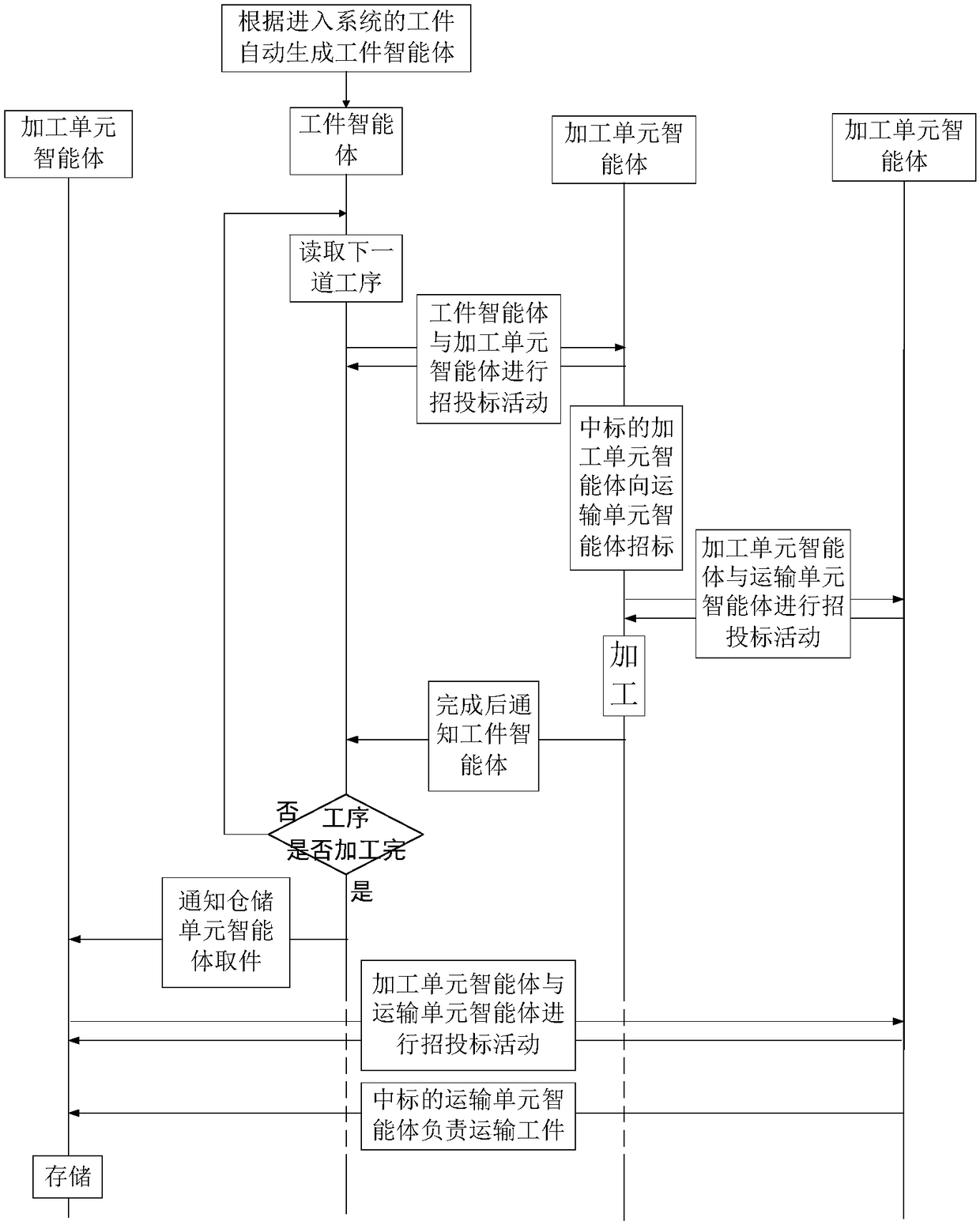
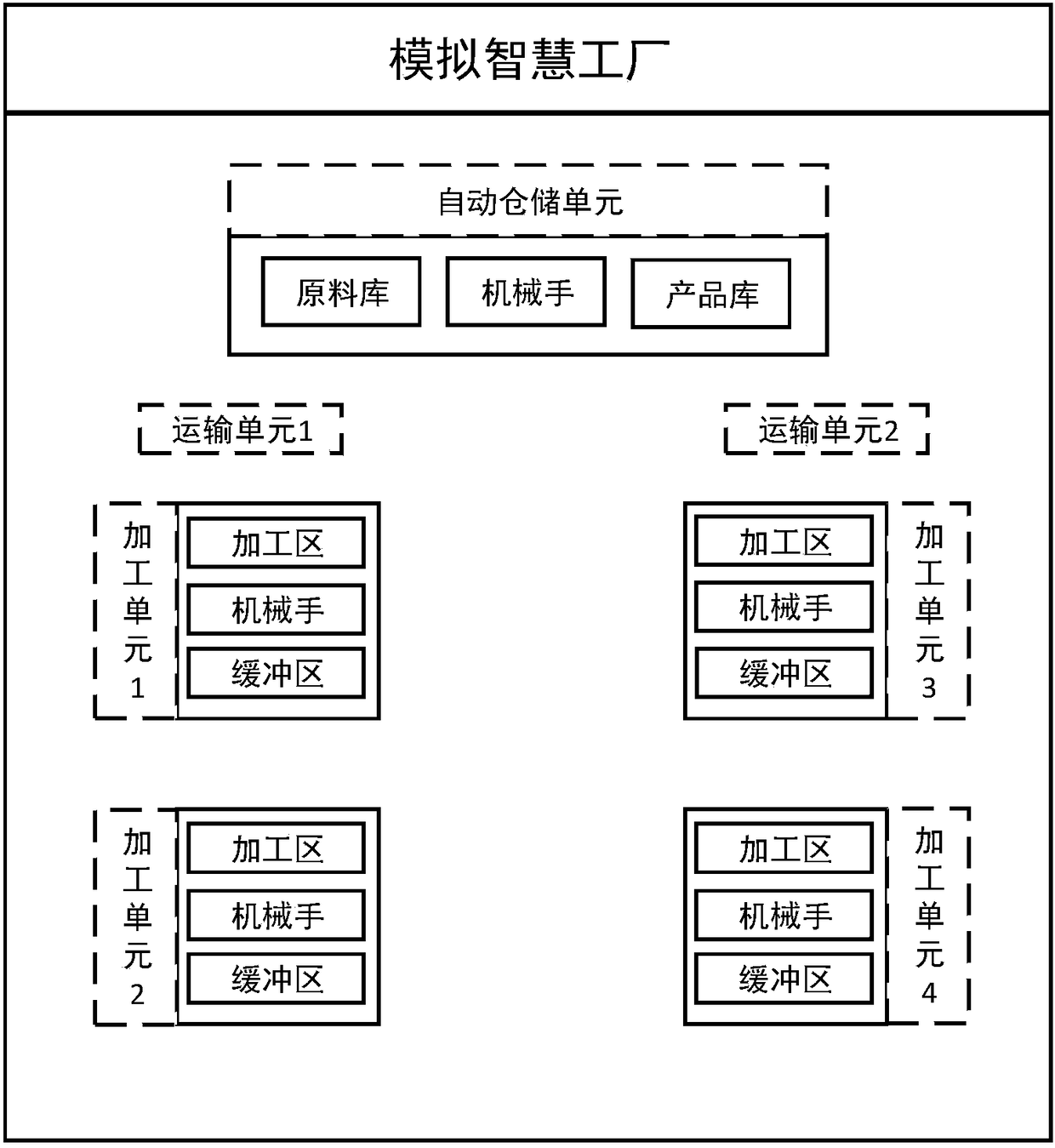
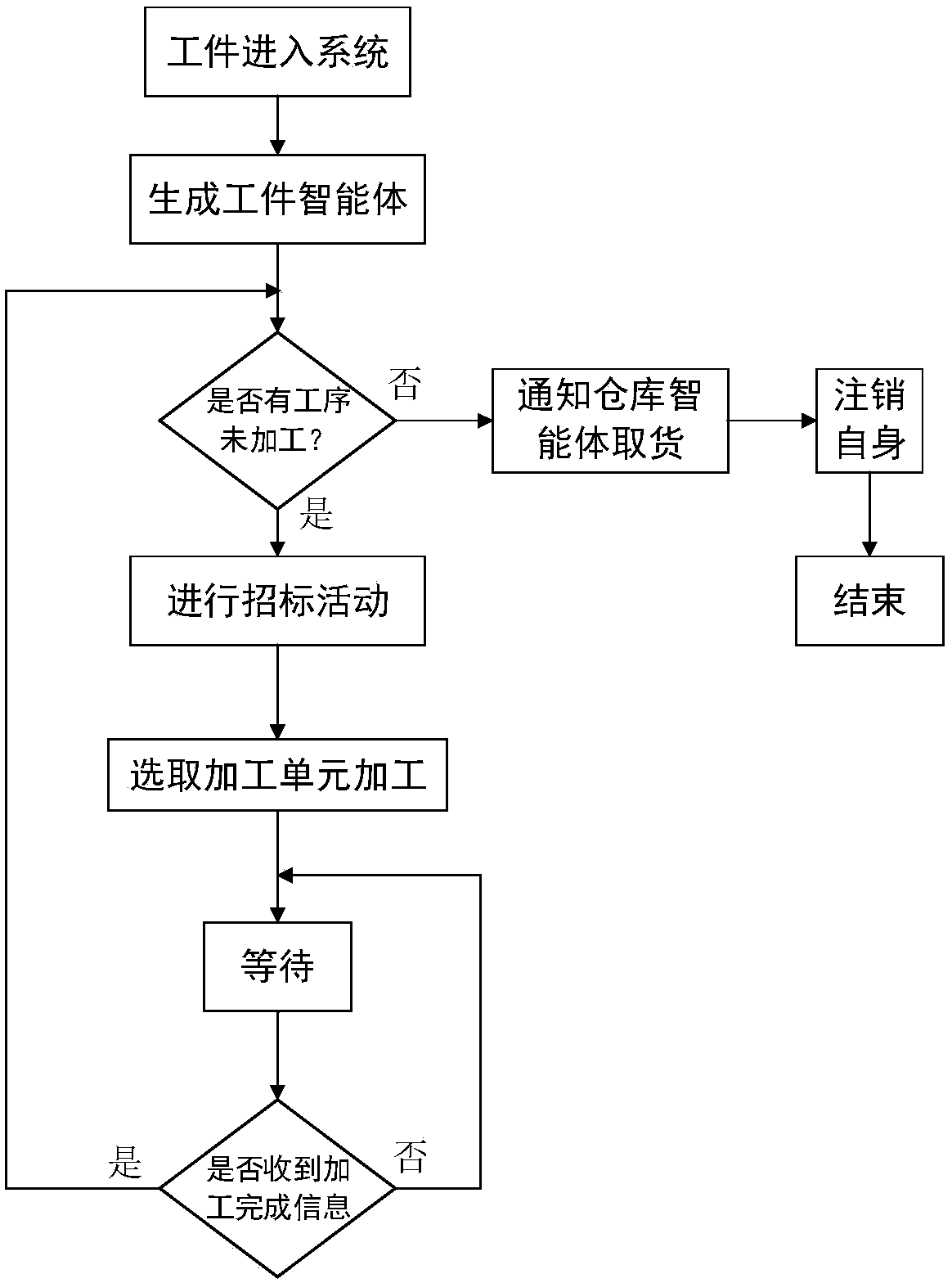
Smart factory dynamic collaborative scheduling method based on static scheduling prediction
PatentActiveCN108229853A
Innovation
- A dynamic collaborative scheduling method for smart factories based on static scheduling prediction is adopted. By establishing intelligent entities between workpieces, processing units and transportation units, and introducing bidding mechanisms and genetic algorithms, global environment prediction and experience summary are achieved, and scheduling decisions are optimized.

Improved factory scheduling system and method
PatentWO2020117221A1
Innovation
- A system and method that combines continuous online scheduling with periodic offline updates, utilizing machine and process simulations, historical data analysis, and an analytics module to continuously adjust and refine manufacturing plans based on actual production data.


Industry 4.0 Standards and Compliance Requirements
The implementation of smart factory dynamic scheduling systems must align with established Industry 4.0 standards to ensure interoperability, security, and regulatory compliance. The Reference Architecture Model Industrie 4.0 (RAMI 4.0) provides the foundational framework for integrating dynamic scheduling tools within the broader industrial ecosystem. This standard defines the hierarchical layers from field devices to enterprise systems, ensuring that scheduling algorithms can seamlessly communicate across different operational levels.
ISO/IEC 62264 series standards play a crucial role in defining the integration between enterprise and control systems, directly impacting how dynamic scheduling interfaces with manufacturing execution systems (MES) and enterprise resource planning (ERP) platforms. Compliance with these standards ensures that scheduling decisions can be effectively translated into actionable manufacturing instructions while maintaining data consistency across organizational boundaries.
The OPC Unified Architecture (OPC UA) standard has become indispensable for real-time data exchange in dynamic scheduling applications. This protocol enables secure, reliable communication between scheduling engines and shop floor equipment, facilitating the continuous data streams necessary for adaptive scheduling algorithms. OPC UA's information modeling capabilities allow for standardized representation of production resources, constraints, and scheduling parameters.
Cybersecurity compliance represents a critical aspect of Industry 4.0 implementation, with standards such as IEC 62443 defining security requirements for industrial automation systems. Dynamic scheduling systems must incorporate robust authentication, authorization, and encryption mechanisms to protect against cyber threats that could disrupt production operations or compromise sensitive scheduling data.
Data governance and privacy regulations, including GDPR in Europe and similar frameworks globally, impose additional compliance requirements on smart factory implementations. Dynamic scheduling systems must ensure proper data handling, storage, and processing procedures, particularly when dealing with production data that may contain commercially sensitive information or when integrating with cloud-based scheduling platforms.
Quality management standards such as ISO 9001 and industry-specific certifications require traceability and documentation capabilities within dynamic scheduling systems. These compliance requirements necessitate comprehensive logging of scheduling decisions, parameter changes, and system performance metrics to support audit trails and continuous improvement initiatives.
ISO/IEC 62264 series standards play a crucial role in defining the integration between enterprise and control systems, directly impacting how dynamic scheduling interfaces with manufacturing execution systems (MES) and enterprise resource planning (ERP) platforms. Compliance with these standards ensures that scheduling decisions can be effectively translated into actionable manufacturing instructions while maintaining data consistency across organizational boundaries.
The OPC Unified Architecture (OPC UA) standard has become indispensable for real-time data exchange in dynamic scheduling applications. This protocol enables secure, reliable communication between scheduling engines and shop floor equipment, facilitating the continuous data streams necessary for adaptive scheduling algorithms. OPC UA's information modeling capabilities allow for standardized representation of production resources, constraints, and scheduling parameters.
Cybersecurity compliance represents a critical aspect of Industry 4.0 implementation, with standards such as IEC 62443 defining security requirements for industrial automation systems. Dynamic scheduling systems must incorporate robust authentication, authorization, and encryption mechanisms to protect against cyber threats that could disrupt production operations or compromise sensitive scheduling data.
Data governance and privacy regulations, including GDPR in Europe and similar frameworks globally, impose additional compliance requirements on smart factory implementations. Dynamic scheduling systems must ensure proper data handling, storage, and processing procedures, particularly when dealing with production data that may contain commercially sensitive information or when integrating with cloud-based scheduling platforms.
Quality management standards such as ISO 9001 and industry-specific certifications require traceability and documentation capabilities within dynamic scheduling systems. These compliance requirements necessitate comprehensive logging of scheduling decisions, parameter changes, and system performance metrics to support audit trails and continuous improvement initiatives.
Integration Challenges with Legacy Manufacturing Systems
The integration of dynamic scheduling systems with legacy manufacturing infrastructure represents one of the most significant technical barriers in smart factory implementation. Legacy systems, often built on proprietary protocols and closed architectures, were designed decades ago without consideration for modern connectivity standards or real-time data exchange capabilities. These systems typically operate on isolated networks with limited computational resources and rigid communication interfaces that cannot easily accommodate the bidirectional data flows required for dynamic scheduling optimization.
Communication protocol incompatibility emerges as a primary challenge when attempting to bridge legacy equipment with modern scheduling platforms. Traditional manufacturing systems frequently rely on outdated fieldbus protocols such as DeviceNet, Profibus, or proprietary serial communications, while contemporary dynamic scheduling tools operate on Ethernet-based protocols like OPC-UA, MQTT, or industrial IoT standards. This protocol mismatch necessitates extensive middleware development or hardware gateway solutions to enable data translation and synchronization between systems.
Data format standardization presents another critical obstacle in legacy system integration. Historical manufacturing equipment often generates data in proprietary formats with inconsistent naming conventions, measurement units, and temporal resolution. Dynamic scheduling algorithms require standardized, real-time data feeds with consistent formatting to perform accurate optimization calculations. The absence of unified data models across legacy systems creates significant preprocessing overhead and potential data integrity issues that can compromise scheduling accuracy.
Real-time connectivity limitations in legacy infrastructure pose substantial constraints on dynamic scheduling effectiveness. Many older manufacturing systems operate on batch-processing paradigms with limited real-time monitoring capabilities, making it difficult to capture the continuous data streams necessary for responsive schedule adjustments. The lack of embedded sensors and real-time communication capabilities in legacy equipment often requires costly retrofitting or complete system replacement to achieve the connectivity levels demanded by modern dynamic scheduling platforms.
Security vulnerabilities represent a growing concern when connecting legacy systems to dynamic scheduling networks. Older manufacturing equipment typically lacks modern cybersecurity features such as encryption, authentication protocols, or secure communication channels. Integrating these systems into connected scheduling environments can expose critical manufacturing operations to cyber threats, requiring comprehensive security upgrades and network segmentation strategies to maintain operational integrity while enabling dynamic scheduling capabilities.
Communication protocol incompatibility emerges as a primary challenge when attempting to bridge legacy equipment with modern scheduling platforms. Traditional manufacturing systems frequently rely on outdated fieldbus protocols such as DeviceNet, Profibus, or proprietary serial communications, while contemporary dynamic scheduling tools operate on Ethernet-based protocols like OPC-UA, MQTT, or industrial IoT standards. This protocol mismatch necessitates extensive middleware development or hardware gateway solutions to enable data translation and synchronization between systems.
Data format standardization presents another critical obstacle in legacy system integration. Historical manufacturing equipment often generates data in proprietary formats with inconsistent naming conventions, measurement units, and temporal resolution. Dynamic scheduling algorithms require standardized, real-time data feeds with consistent formatting to perform accurate optimization calculations. The absence of unified data models across legacy systems creates significant preprocessing overhead and potential data integrity issues that can compromise scheduling accuracy.
Real-time connectivity limitations in legacy infrastructure pose substantial constraints on dynamic scheduling effectiveness. Many older manufacturing systems operate on batch-processing paradigms with limited real-time monitoring capabilities, making it difficult to capture the continuous data streams necessary for responsive schedule adjustments. The lack of embedded sensors and real-time communication capabilities in legacy equipment often requires costly retrofitting or complete system replacement to achieve the connectivity levels demanded by modern dynamic scheduling platforms.
Security vulnerabilities represent a growing concern when connecting legacy systems to dynamic scheduling networks. Older manufacturing equipment typically lacks modern cybersecurity features such as encryption, authentication protocols, or secure communication channels. Integrating these systems into connected scheduling environments can expose critical manufacturing operations to cyber threats, requiring comprehensive security upgrades and network segmentation strategies to maintain operational integrity while enabling dynamic scheduling capabilities.
Unlock deeper insights with Patsnap Eureka Quick Research — get a full tech report to explore trends and direct your research. Try now!
Generate Your Research Report Instantly with AI Agent
Supercharge your innovation with Patsnap Eureka AI Agent Platform!