

Solid-State Circuit Breakers Vs Mechanical Solutions: Lifespan Metrics
MAY 14, 20269 MIN READ
Generate Your Research Report Instantly with AI Agent
PatSnap Eureka helps you evaluate technical feasibility & market potential.
Solid-State vs Mechanical Circuit Breaker Technology Evolution
The evolution of circuit breaker technology represents a fundamental shift from purely mechanical systems to sophisticated solid-state solutions, driven by the increasing demands of modern electrical infrastructure. Traditional mechanical circuit breakers, developed in the early 20th century, relied on physical contacts and arc extinction mechanisms using air, oil, or sulfur hexafluoride gas. These systems dominated the market for decades due to their reliability, cost-effectiveness, and well-understood operational characteristics.
The emergence of power electronics in the 1960s and 1970s laid the groundwork for solid-state circuit breaker development. Early semiconductor-based protection devices were limited by the voltage and current handling capabilities of available components. However, the introduction of high-power semiconductors such as thyristors, IGBTs, and more recently, silicon carbide and gallium nitride devices, has revolutionized the field.
The 1990s marked a significant turning point with the development of hybrid circuit breakers that combined mechanical contacts for normal operation with semiconductor devices for fault interruption. This approach leveraged the low conduction losses of mechanical contacts while utilizing the fast switching capabilities of semiconductors for protection functions.
Modern solid-state circuit breakers have evolved to incorporate advanced features including precise current limiting, fault detection within microseconds, and integration with digital control systems. The technology progression has been particularly accelerated by the growth of renewable energy systems, electric vehicles, and data centers, which demand faster response times and more precise protection than traditional mechanical solutions can provide.
Recent developments focus on wide bandgap semiconductors that enable higher operating temperatures, reduced switching losses, and improved power density. The integration of artificial intelligence and machine learning algorithms has further enhanced the predictive capabilities of solid-state systems, enabling proactive maintenance and fault prevention strategies that were impossible with mechanical alternatives.
The current trajectory indicates a convergence toward intelligent protection systems that combine the robustness of mechanical designs with the precision and speed of solid-state technology, creating hybrid solutions optimized for specific applications and operating environments.
The emergence of power electronics in the 1960s and 1970s laid the groundwork for solid-state circuit breaker development. Early semiconductor-based protection devices were limited by the voltage and current handling capabilities of available components. However, the introduction of high-power semiconductors such as thyristors, IGBTs, and more recently, silicon carbide and gallium nitride devices, has revolutionized the field.
The 1990s marked a significant turning point with the development of hybrid circuit breakers that combined mechanical contacts for normal operation with semiconductor devices for fault interruption. This approach leveraged the low conduction losses of mechanical contacts while utilizing the fast switching capabilities of semiconductors for protection functions.
Modern solid-state circuit breakers have evolved to incorporate advanced features including precise current limiting, fault detection within microseconds, and integration with digital control systems. The technology progression has been particularly accelerated by the growth of renewable energy systems, electric vehicles, and data centers, which demand faster response times and more precise protection than traditional mechanical solutions can provide.
Recent developments focus on wide bandgap semiconductors that enable higher operating temperatures, reduced switching losses, and improved power density. The integration of artificial intelligence and machine learning algorithms has further enhanced the predictive capabilities of solid-state systems, enabling proactive maintenance and fault prevention strategies that were impossible with mechanical alternatives.
The current trajectory indicates a convergence toward intelligent protection systems that combine the robustness of mechanical designs with the precision and speed of solid-state technology, creating hybrid solutions optimized for specific applications and operating environments.
Market Demand Analysis for Advanced Circuit Protection Systems
The global circuit protection systems market is experiencing unprecedented growth driven by the increasing complexity of electrical infrastructure and the critical need for enhanced reliability across multiple sectors. Traditional mechanical circuit breakers, while historically dominant, are facing mounting pressure from evolving industry requirements that demand faster response times, reduced maintenance overhead, and improved operational precision.
Industrial automation represents one of the most significant demand drivers for advanced circuit protection solutions. Manufacturing facilities increasingly rely on sophisticated control systems and sensitive electronic equipment that require protection beyond what conventional mechanical breakers can provide. The automotive industry's transition toward electric vehicles has created substantial demand for solid-state circuit protection systems capable of handling high-voltage DC applications with minimal switching delays.
Data centers and telecommunications infrastructure constitute another rapidly expanding market segment. These facilities require circuit protection systems that can operate reliably in high-frequency switching environments while maintaining consistent performance over extended periods. The growing emphasis on uninterrupted service delivery has intensified focus on lifespan metrics and predictive maintenance capabilities that solid-state solutions can better accommodate.
Renewable energy integration presents unique challenges that are reshaping circuit protection requirements. Solar installations and wind farms demand protection systems capable of handling variable power conditions and rapid fault isolation without the mechanical wear associated with traditional breakers. Grid modernization initiatives worldwide are driving adoption of smart protection systems that can communicate operational status and performance data in real-time.
The aerospace and defense sectors represent high-value market segments where reliability and weight considerations favor solid-state solutions despite higher initial costs. These applications prioritize extended operational lifespans and reduced maintenance requirements over upfront investment considerations.
Market analysis indicates growing preference for protection systems offering predictable lifecycle costs and enhanced monitoring capabilities. End users increasingly evaluate total cost of ownership rather than initial purchase price, creating favorable conditions for solid-state circuit breaker adoption despite premium pricing compared to mechanical alternatives.
Industrial automation represents one of the most significant demand drivers for advanced circuit protection solutions. Manufacturing facilities increasingly rely on sophisticated control systems and sensitive electronic equipment that require protection beyond what conventional mechanical breakers can provide. The automotive industry's transition toward electric vehicles has created substantial demand for solid-state circuit protection systems capable of handling high-voltage DC applications with minimal switching delays.
Data centers and telecommunications infrastructure constitute another rapidly expanding market segment. These facilities require circuit protection systems that can operate reliably in high-frequency switching environments while maintaining consistent performance over extended periods. The growing emphasis on uninterrupted service delivery has intensified focus on lifespan metrics and predictive maintenance capabilities that solid-state solutions can better accommodate.
Renewable energy integration presents unique challenges that are reshaping circuit protection requirements. Solar installations and wind farms demand protection systems capable of handling variable power conditions and rapid fault isolation without the mechanical wear associated with traditional breakers. Grid modernization initiatives worldwide are driving adoption of smart protection systems that can communicate operational status and performance data in real-time.
The aerospace and defense sectors represent high-value market segments where reliability and weight considerations favor solid-state solutions despite higher initial costs. These applications prioritize extended operational lifespans and reduced maintenance requirements over upfront investment considerations.
Market analysis indicates growing preference for protection systems offering predictable lifecycle costs and enhanced monitoring capabilities. End users increasingly evaluate total cost of ownership rather than initial purchase price, creating favorable conditions for solid-state circuit breaker adoption despite premium pricing compared to mechanical alternatives.
Current Lifespan Limitations in Circuit Breaker Technologies
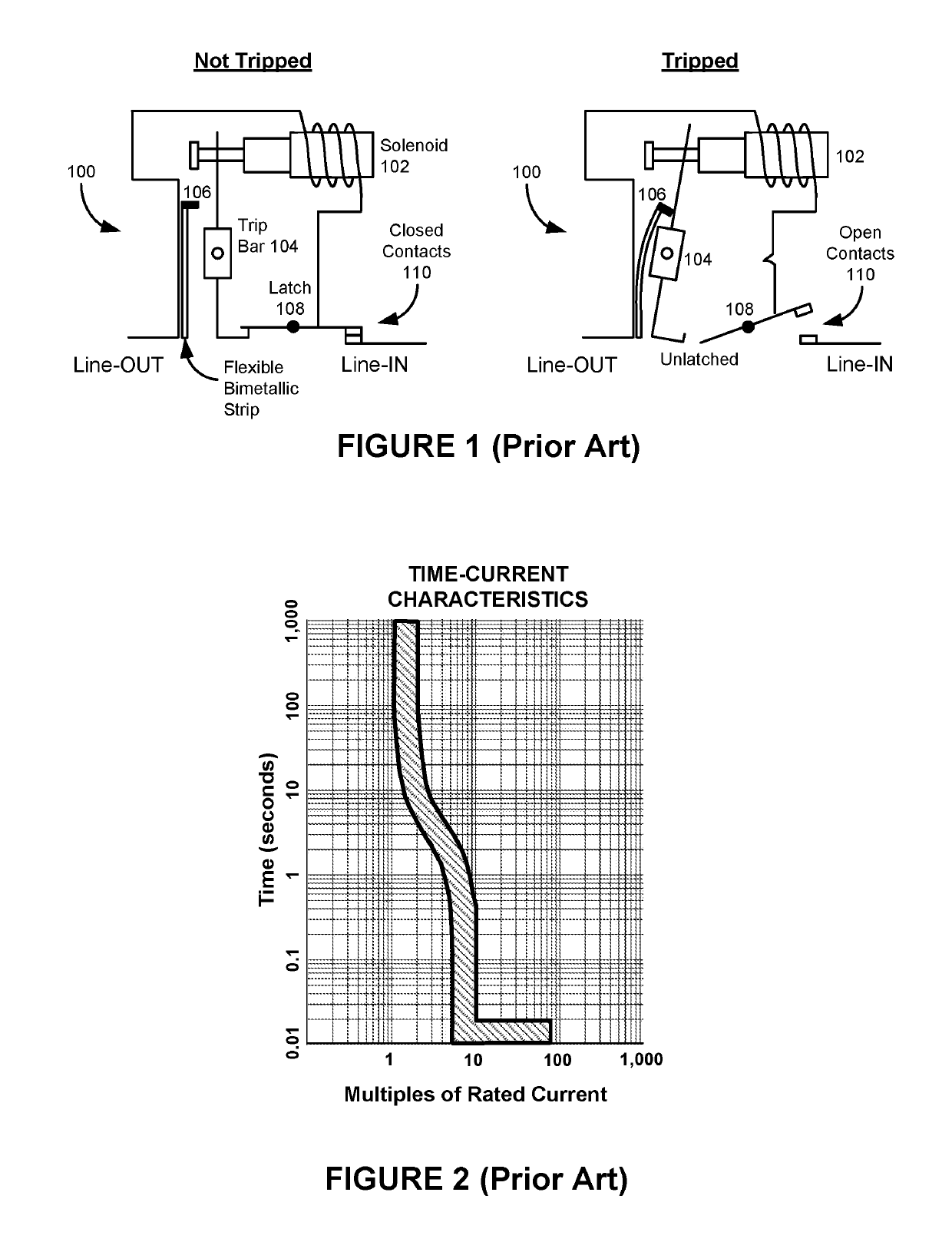
Traditional mechanical circuit breakers face significant lifespan constraints primarily due to their reliance on physical contact mechanisms and arc interruption processes. These devices typically achieve operational lifespans ranging from 10,000 to 30,000 switching cycles under rated conditions, with performance degradation accelerating under high-current fault conditions. The fundamental limitation stems from contact erosion, where repeated arcing during switching operations gradually degrades the contact surfaces, leading to increased resistance and eventual failure.
Mechanical wear represents another critical limitation affecting long-term reliability. The spring-loaded mechanisms, linkages, and actuators experience fatigue over time, particularly in applications requiring frequent switching operations. Environmental factors such as temperature fluctuations, humidity, and contamination further accelerate degradation processes, reducing operational lifespan in harsh industrial environments.
Arc extinction challenges pose substantial constraints on mechanical solutions. During fault interruption, the intense heat generated by electrical arcs can reach temperatures exceeding 20,000°C, causing material vaporization and contact welding. This phenomenon not only reduces the number of successful interruptions but also creates unpredictable failure modes that compromise system reliability.
Maintenance requirements significantly impact the effective lifespan of mechanical circuit breakers. Regular inspection, contact replacement, and calibration procedures are necessary to maintain performance standards, creating operational downtime and increasing total cost of ownership. The inability to predict precise failure points necessitates conservative replacement schedules, often resulting in premature device retirement.
Solid-state circuit breakers address many of these limitations through semiconductor-based switching mechanisms that eliminate physical contacts and arc formation. However, they face distinct challenges including thermal management requirements, semiconductor aging effects, and sensitivity to voltage transients. Power semiconductor devices experience gradual parameter drift over time, affecting switching characteristics and potentially leading to thermal runaway conditions.
The comparative analysis reveals that while mechanical solutions offer proven reliability and cost-effectiveness for low-frequency switching applications, their lifespan limitations become pronounced in high-cycle or harsh environment scenarios. Solid-state alternatives demonstrate superior cycle life potential but introduce new failure modes related to semiconductor physics and thermal stress, requiring careful consideration of application-specific requirements and operating conditions.
Mechanical wear represents another critical limitation affecting long-term reliability. The spring-loaded mechanisms, linkages, and actuators experience fatigue over time, particularly in applications requiring frequent switching operations. Environmental factors such as temperature fluctuations, humidity, and contamination further accelerate degradation processes, reducing operational lifespan in harsh industrial environments.
Arc extinction challenges pose substantial constraints on mechanical solutions. During fault interruption, the intense heat generated by electrical arcs can reach temperatures exceeding 20,000°C, causing material vaporization and contact welding. This phenomenon not only reduces the number of successful interruptions but also creates unpredictable failure modes that compromise system reliability.
Maintenance requirements significantly impact the effective lifespan of mechanical circuit breakers. Regular inspection, contact replacement, and calibration procedures are necessary to maintain performance standards, creating operational downtime and increasing total cost of ownership. The inability to predict precise failure points necessitates conservative replacement schedules, often resulting in premature device retirement.
Solid-state circuit breakers address many of these limitations through semiconductor-based switching mechanisms that eliminate physical contacts and arc formation. However, they face distinct challenges including thermal management requirements, semiconductor aging effects, and sensitivity to voltage transients. Power semiconductor devices experience gradual parameter drift over time, affecting switching characteristics and potentially leading to thermal runaway conditions.
The comparative analysis reveals that while mechanical solutions offer proven reliability and cost-effectiveness for low-frequency switching applications, their lifespan limitations become pronounced in high-cycle or harsh environment scenarios. Solid-state alternatives demonstrate superior cycle life potential but introduce new failure modes related to semiconductor physics and thermal stress, requiring careful consideration of application-specific requirements and operating conditions.
Existing Lifespan Enhancement Technologies and Methods
01 Thermal management and heat dissipation techniques
Effective thermal management is crucial for extending the lifespan of solid-state circuit breakers. Advanced heat dissipation methods, including improved heat sink designs, thermal interface materials, and cooling systems, help maintain optimal operating temperatures. Proper thermal design prevents overheating-induced degradation of semiconductor components and ensures reliable long-term operation under various load conditions.- Thermal management and heat dissipation techniques: Effective thermal management is crucial for extending the lifespan of solid-state circuit breakers. Advanced heat dissipation methods, including improved heat sink designs, thermal interface materials, and cooling systems, help maintain optimal operating temperatures. Proper thermal design prevents overheating-induced degradation of semiconductor components and ensures reliable long-term operation under various load conditions.
- Semiconductor device protection and degradation mitigation: Protection mechanisms for semiconductor switching elements are essential for maximizing circuit breaker lifespan. These include overvoltage protection, current limiting circuits, and gate drive optimization to reduce stress on power semiconductors. Advanced protection schemes help prevent premature failure of critical components and maintain switching performance over extended operational periods.
- Arc suppression and contact-less switching technologies: Solid-state circuit breakers eliminate mechanical contacts and associated arc formation, significantly improving lifespan compared to traditional breakers. Advanced switching technologies using power electronics provide faster response times and reduce wear mechanisms. These contact-less designs minimize maintenance requirements and extend operational life through reduced mechanical stress and elimination of contact erosion.
- Condition monitoring and predictive maintenance systems: Integrated monitoring systems track key parameters such as temperature, current, voltage, and switching frequency to assess circuit breaker health. Real-time diagnostics and predictive algorithms help identify potential failure modes before they occur. These monitoring capabilities enable proactive maintenance scheduling and optimization of operating conditions to maximize equipment lifespan.
- Advanced control algorithms and switching optimization: Sophisticated control strategies optimize switching patterns and timing to minimize stress on semiconductor devices. Adaptive algorithms adjust operating parameters based on load conditions and environmental factors to reduce component degradation. Smart control systems balance performance requirements with longevity considerations, implementing soft-switching techniques and optimal gate drive patterns to extend device lifespan.
02 Semiconductor device protection and degradation mitigation
Protection mechanisms for semiconductor switching elements are essential for maximizing circuit breaker lifespan. These include overvoltage protection, current limiting circuits, and gate drive optimization to prevent stress-induced failures. Advanced protection schemes monitor device parameters and implement preventive measures to avoid conditions that could lead to premature aging or catastrophic failure of power semiconductor devices.Expand Specific Solutions03 Fault detection and predictive maintenance systems
Integrated monitoring and diagnostic systems enable predictive maintenance strategies that significantly extend operational lifespan. These systems continuously monitor key parameters such as switching performance, leakage currents, and thermal characteristics to detect early signs of degradation. Advanced algorithms analyze operational data to predict remaining useful life and schedule maintenance before failures occur.Expand Specific Solutions04 Arc suppression and contact-less switching technology
Solid-state circuit breakers eliminate mechanical wear through contact-less switching, but require sophisticated arc suppression techniques during fault interruption. Advanced arc management systems and optimized switching sequences minimize electrical stress and prevent arc-related damage. These technologies ensure reliable fault clearing while preserving the integrity of switching components over extended operational periods.Expand Specific Solutions05 Material engineering and component reliability enhancement
Advanced materials and manufacturing processes improve the inherent reliability and longevity of solid-state circuit breaker components. This includes the development of wide bandgap semiconductors, improved packaging materials, and enhanced interconnection technologies. These innovations reduce degradation mechanisms such as electromigration, thermal cycling fatigue, and moisture-induced corrosion that typically limit device lifespan.Expand Specific Solutions
Major Circuit Breaker Manufacturers and Market Leaders
The solid-state circuit breaker market represents an emerging technology sector transitioning from early development to commercial deployment phases, with significant growth potential driven by increasing demand for intelligent power management solutions. The global market is experiencing rapid expansion as industries seek more reliable, faster-switching alternatives to traditional mechanical breakers. Technology maturity varies significantly across market players, with established electrical giants like Schneider Electric, Siemens, ABB, and Eaton leveraging decades of power systems expertise to develop hybrid and fully solid-state solutions. Innovative companies such as Atom Power are pioneering pure solid-state architectures with intelligent software integration, while major conglomerates like Mitsubishi Electric and Huawei Digital Power are incorporating solid-state technologies into broader digitalization strategies. Research institutions including Beihang University, Shanghai University of Electric Power, and various State Grid research facilities are advancing fundamental technologies, particularly in semiconductor materials and control algorithms, indicating strong foundational support for continued technological advancement and market maturation.
Schneider Electric (China) Co. Ltd.
Technical Solution: Schneider Electric has developed solid-state circuit breaker technology based on wide bandgap semiconductors that achieve operational lifespans of 200,000 to 1,000,000 switching cycles depending on application requirements. Their mechanical circuit breakers demonstrate typical lifespans of 8,000 to 12,000 operations under standard conditions. Schneider's solid-state solutions incorporate advanced power electronics with intelligent control systems that optimize switching behavior to maximize component lifespan. The company's EcoStruxure platform provides comprehensive lifecycle management including predictive analytics that can extend operational life by identifying optimal switching patterns and maintenance schedules. Their solid-state technology shows significant advantages in applications requiring high switching frequency where mechanical wear limits traditional breaker lifespan.
Strengths: Wide bandgap semiconductor technology, integrated IoT platform, comprehensive lifecycle analytics. Weaknesses: Higher conduction losses, complex cooling requirements, premium pricing for advanced features.
Atom Power, Inc.
Technical Solution: Atom Power has developed innovative solid-state circuit breakers utilizing silicon carbide (SiC) semiconductor technology that can interrupt electrical faults in microseconds compared to milliseconds for mechanical breakers. Their digital circuit breakers feature no moving parts, enabling virtually unlimited switching cycles with minimal degradation. The company's solid-state solutions demonstrate operational lifespans exceeding 1 million switching operations while maintaining consistent performance characteristics. Their technology incorporates advanced power electronics and intelligent control systems that provide real-time monitoring and predictive maintenance capabilities, significantly extending operational lifespan compared to traditional mechanical solutions.
Strengths: Ultra-fast switching response, virtually unlimited mechanical lifespan, predictive maintenance capabilities. Weaknesses: Higher initial cost, heat dissipation challenges, limited high-voltage applications.
Critical Patents in Solid-State Circuit Breaker Durability
Solid-state circuit interrupter and arc inhibitor
PatentActiveUS20190103742A1
Innovation
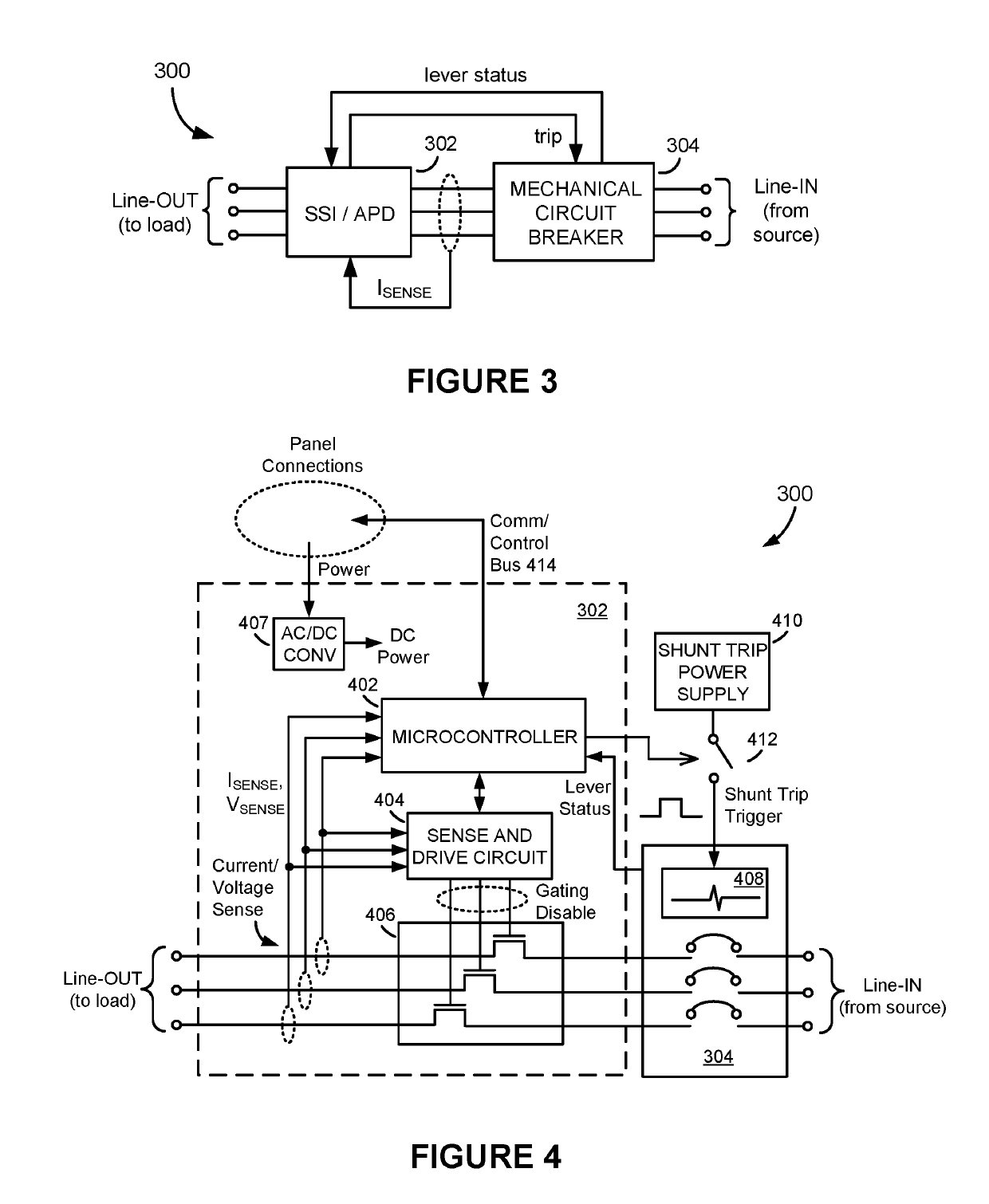
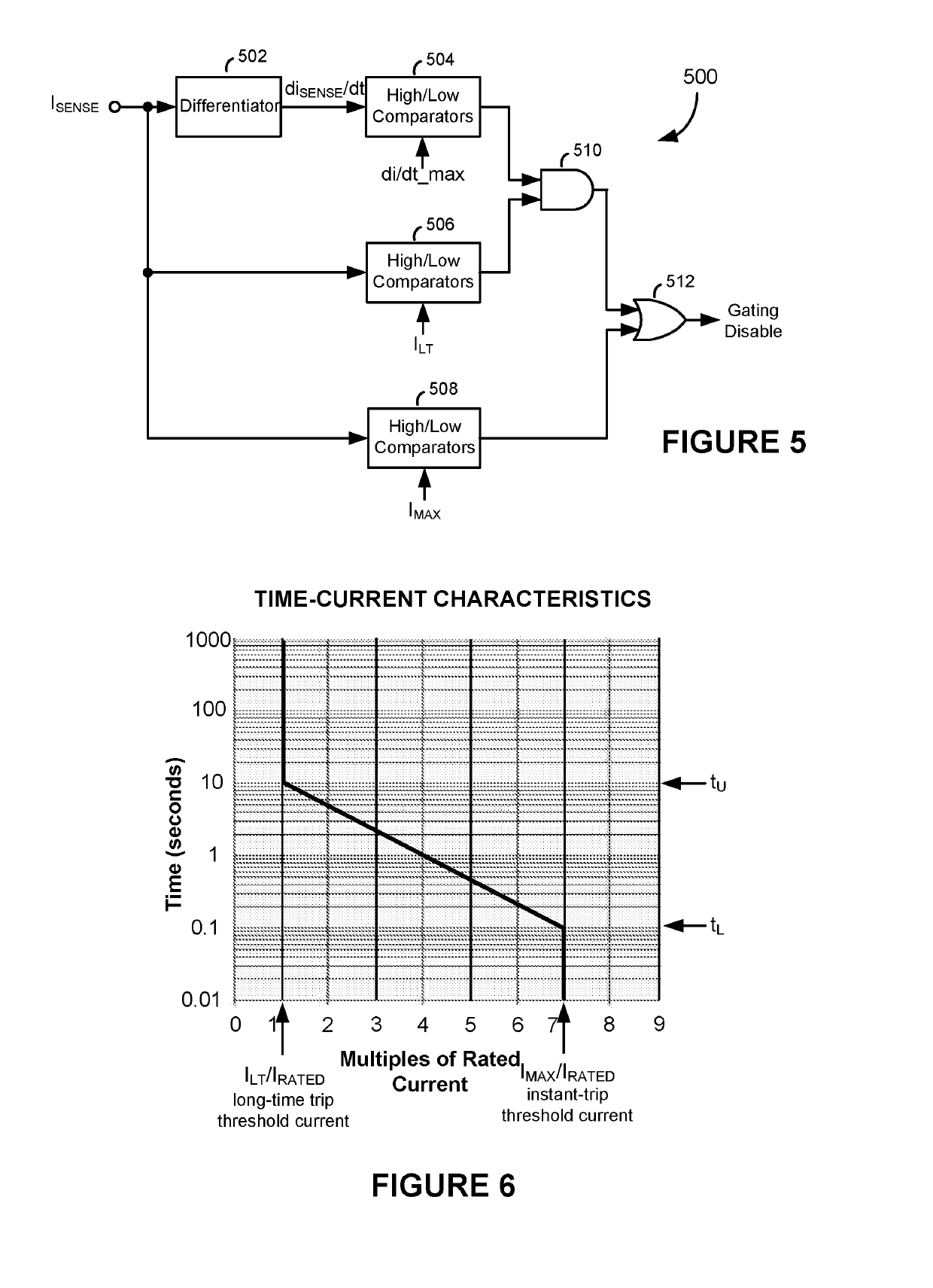
- A solid-state circuit interrupter and arc prevention device (SSI/APD) that can detect and respond to faults in microseconds, prevent arcing, and be remotely reset, configured to work in series with mechanical circuit breakers, using a microcontroller and solid-state protection devices to interrupt current flow and control the mechanical circuit breaker.

Circuit breaker
PatentInactiveEP1873806A1
Innovation
- A shuntless current-carrying mechanism is implemented using a crossbar-linked movable contact arm with a shaft and an elastic member sandwiched between parallel movable contact arm members, ensuring planar surface contact and stable contact resistance without the need for a shunt, allowing for a compact and stable design.


Grid Modernization Standards and Compliance Requirements
The transition from mechanical to solid-state circuit breakers represents a significant paradigm shift that necessitates comprehensive updates to existing grid modernization standards and compliance frameworks. Current electrical grid standards, primarily developed around mechanical switching technologies, require substantial revision to accommodate the unique operational characteristics and performance metrics of solid-state solutions.
International standards organizations, including the IEEE and IEC, are actively developing new compliance requirements specifically addressing solid-state circuit breaker technologies. These emerging standards focus on critical performance parameters such as switching speed, thermal management, and electromagnetic compatibility, which differ substantially from traditional mechanical breaker specifications. The IEEE 1547 series and IEC 62271 standards are undergoing revisions to incorporate solid-state technology requirements.
Grid modernization compliance now demands enhanced monitoring and diagnostic capabilities that solid-state circuit breakers inherently provide. New standards require real-time performance data collection, predictive maintenance protocols, and advanced fault detection mechanisms. These requirements align with smart grid initiatives and support the integration of renewable energy sources, which benefit from the rapid switching capabilities of solid-state solutions.
Regulatory bodies are establishing specific lifespan certification processes for solid-state circuit breakers, recognizing their different aging mechanisms compared to mechanical alternatives. Unlike mechanical breakers that experience wear-based degradation, solid-state devices face semiconductor junction fatigue and thermal cycling stress. New testing protocols evaluate power cycling endurance, temperature coefficient stability, and long-term reliability under various operational conditions.
Compliance frameworks are evolving to address cybersecurity concerns unique to solid-state circuit breakers, which often incorporate digital control systems and communication interfaces. Standards now mandate secure communication protocols, firmware update procedures, and intrusion detection capabilities. These requirements reflect the increased connectivity and intelligence of modern solid-state switching solutions.
Environmental compliance standards are being updated to reflect the different materials and manufacturing processes associated with solid-state circuit breakers. New regulations address semiconductor material disposal, rare earth element usage, and energy efficiency requirements throughout the product lifecycle, supporting sustainable grid modernization objectives.
International standards organizations, including the IEEE and IEC, are actively developing new compliance requirements specifically addressing solid-state circuit breaker technologies. These emerging standards focus on critical performance parameters such as switching speed, thermal management, and electromagnetic compatibility, which differ substantially from traditional mechanical breaker specifications. The IEEE 1547 series and IEC 62271 standards are undergoing revisions to incorporate solid-state technology requirements.
Grid modernization compliance now demands enhanced monitoring and diagnostic capabilities that solid-state circuit breakers inherently provide. New standards require real-time performance data collection, predictive maintenance protocols, and advanced fault detection mechanisms. These requirements align with smart grid initiatives and support the integration of renewable energy sources, which benefit from the rapid switching capabilities of solid-state solutions.
Regulatory bodies are establishing specific lifespan certification processes for solid-state circuit breakers, recognizing their different aging mechanisms compared to mechanical alternatives. Unlike mechanical breakers that experience wear-based degradation, solid-state devices face semiconductor junction fatigue and thermal cycling stress. New testing protocols evaluate power cycling endurance, temperature coefficient stability, and long-term reliability under various operational conditions.
Compliance frameworks are evolving to address cybersecurity concerns unique to solid-state circuit breakers, which often incorporate digital control systems and communication interfaces. Standards now mandate secure communication protocols, firmware update procedures, and intrusion detection capabilities. These requirements reflect the increased connectivity and intelligence of modern solid-state switching solutions.
Environmental compliance standards are being updated to reflect the different materials and manufacturing processes associated with solid-state circuit breakers. New regulations address semiconductor material disposal, rare earth element usage, and energy efficiency requirements throughout the product lifecycle, supporting sustainable grid modernization objectives.
Environmental Impact Assessment of Circuit Breaker Technologies
The environmental implications of circuit breaker technologies represent a critical consideration in modern electrical infrastructure development, particularly when comparing solid-state circuit breakers (SSCBs) and traditional mechanical solutions. This assessment encompasses multiple environmental dimensions, including material composition, manufacturing processes, operational efficiency, and end-of-life disposal requirements.
Solid-state circuit breakers demonstrate superior environmental performance through their semiconductor-based architecture, which eliminates the need for SF6 gas commonly used in high-voltage mechanical breakers. SF6 possesses a global warming potential approximately 23,500 times greater than CO2, making its elimination a significant environmental benefit. SSCBs also reduce material consumption by eliminating complex mechanical components, springs, and arc-quenching chambers.
Manufacturing processes for SSCBs generate lower carbon emissions due to simplified assembly procedures and reduced material processing requirements. The semiconductor fabrication process, while energy-intensive, produces components with extended operational lifespans that offset initial manufacturing impacts. Mechanical breakers require extensive metalworking, precision machining, and assembly of numerous components, resulting in higher embodied energy and manufacturing emissions.
Operational environmental benefits of SSCBs include reduced energy losses during normal operation, with typical conduction losses 30-40% lower than mechanical alternatives. This efficiency improvement translates to reduced power generation requirements and associated emissions over the device lifetime. Additionally, SSCBs eliminate the need for periodic maintenance involving environmentally hazardous materials such as insulating oils and contact lubricants.
End-of-life considerations favor solid-state solutions through simplified recycling processes. Semiconductor materials can be recovered through established electronic waste streams, while mechanical breakers require specialized handling for SF6 recovery, metal separation, and hazardous material disposal. The absence of moving parts in SSCBs also eliminates wear debris generation during operation.
Lifecycle assessment studies indicate that SSCBs achieve 25-35% lower overall environmental impact compared to equivalent mechanical solutions when evaluated across manufacturing, operation, and disposal phases. This advantage becomes more pronounced in applications requiring frequent switching operations, where mechanical wear and maintenance requirements significantly increase the environmental footprint of traditional solutions.
Solid-state circuit breakers demonstrate superior environmental performance through their semiconductor-based architecture, which eliminates the need for SF6 gas commonly used in high-voltage mechanical breakers. SF6 possesses a global warming potential approximately 23,500 times greater than CO2, making its elimination a significant environmental benefit. SSCBs also reduce material consumption by eliminating complex mechanical components, springs, and arc-quenching chambers.
Manufacturing processes for SSCBs generate lower carbon emissions due to simplified assembly procedures and reduced material processing requirements. The semiconductor fabrication process, while energy-intensive, produces components with extended operational lifespans that offset initial manufacturing impacts. Mechanical breakers require extensive metalworking, precision machining, and assembly of numerous components, resulting in higher embodied energy and manufacturing emissions.
Operational environmental benefits of SSCBs include reduced energy losses during normal operation, with typical conduction losses 30-40% lower than mechanical alternatives. This efficiency improvement translates to reduced power generation requirements and associated emissions over the device lifetime. Additionally, SSCBs eliminate the need for periodic maintenance involving environmentally hazardous materials such as insulating oils and contact lubricants.
End-of-life considerations favor solid-state solutions through simplified recycling processes. Semiconductor materials can be recovered through established electronic waste streams, while mechanical breakers require specialized handling for SF6 recovery, metal separation, and hazardous material disposal. The absence of moving parts in SSCBs also eliminates wear debris generation during operation.
Lifecycle assessment studies indicate that SSCBs achieve 25-35% lower overall environmental impact compared to equivalent mechanical solutions when evaluated across manufacturing, operation, and disposal phases. This advantage becomes more pronounced in applications requiring frequent switching operations, where mechanical wear and maintenance requirements significantly increase the environmental footprint of traditional solutions.
Unlock deeper insights with PatSnap Eureka Quick Research — get a full tech report to explore trends and direct your research. Try now!
Generate Your Research Report Instantly with AI Agent
Supercharge your innovation with PatSnap Eureka AI Agent Platform!