Thorium Reactors: Sustainable Solutions for Base Load Power
APR 1, 20269 MIN READ
Generate Your Research Report Instantly with AI Agent
Patsnap Eureka helps you evaluate technical feasibility & market potential.
Thorium Reactor Technology Background and Objectives
Thorium reactor technology represents a paradigm shift in nuclear energy generation, building upon decades of nuclear physics research and engineering innovation. Unlike conventional uranium-based reactors, thorium reactors utilize thorium-232 as fertile material, which undergoes neutron bombardment to produce fissile uranium-233. This fundamental difference in fuel cycle mechanics has positioned thorium as a potentially transformative solution for sustainable nuclear power generation.
The historical development of thorium reactor concepts dates back to the 1960s when Oak Ridge National Laboratory pioneered the Molten Salt Reactor Experiment. This early work demonstrated the feasibility of thorium-based fuel cycles and established foundational principles that continue to guide contemporary research efforts. The technology gained renewed attention in the 21st century as global energy demands intensified and climate change concerns accelerated the search for carbon-neutral baseload power solutions.
Current technological evolution focuses on several reactor designs, including Molten Salt Reactors, High-Temperature Gas-Cooled Reactors, and Advanced Heavy Water Reactors adapted for thorium fuel cycles. Each design approach addresses specific technical challenges while leveraging thorium's inherent safety characteristics, such as its inability to sustain chain reactions without external neutron sources and its reduced production of long-lived radioactive waste.
The primary objective of thorium reactor development centers on achieving commercially viable, inherently safe nuclear power systems capable of providing consistent baseload electricity generation. Key technical goals include optimizing fuel utilization efficiency, minimizing waste production, enhancing passive safety systems, and reducing capital costs compared to conventional nuclear technologies. These reactors aim to operate at higher thermal efficiencies while maintaining simplified operational procedures.
Strategic objectives encompass establishing energy security through abundant thorium resources, reducing nuclear proliferation risks due to thorium's limited weapons applications, and creating scalable reactor designs suitable for both developed and developing nations. The technology seeks to bridge the gap between renewable energy intermittency and fossil fuel dependency by providing reliable, carbon-free power generation that complements variable renewable sources in modern electrical grids.
The historical development of thorium reactor concepts dates back to the 1960s when Oak Ridge National Laboratory pioneered the Molten Salt Reactor Experiment. This early work demonstrated the feasibility of thorium-based fuel cycles and established foundational principles that continue to guide contemporary research efforts. The technology gained renewed attention in the 21st century as global energy demands intensified and climate change concerns accelerated the search for carbon-neutral baseload power solutions.
Current technological evolution focuses on several reactor designs, including Molten Salt Reactors, High-Temperature Gas-Cooled Reactors, and Advanced Heavy Water Reactors adapted for thorium fuel cycles. Each design approach addresses specific technical challenges while leveraging thorium's inherent safety characteristics, such as its inability to sustain chain reactions without external neutron sources and its reduced production of long-lived radioactive waste.
The primary objective of thorium reactor development centers on achieving commercially viable, inherently safe nuclear power systems capable of providing consistent baseload electricity generation. Key technical goals include optimizing fuel utilization efficiency, minimizing waste production, enhancing passive safety systems, and reducing capital costs compared to conventional nuclear technologies. These reactors aim to operate at higher thermal efficiencies while maintaining simplified operational procedures.
Strategic objectives encompass establishing energy security through abundant thorium resources, reducing nuclear proliferation risks due to thorium's limited weapons applications, and creating scalable reactor designs suitable for both developed and developing nations. The technology seeks to bridge the gap between renewable energy intermittency and fossil fuel dependency by providing reliable, carbon-free power generation that complements variable renewable sources in modern electrical grids.
Market Demand for Sustainable Base Load Power Solutions
The global energy landscape is experiencing unprecedented transformation driven by urgent climate commitments and the imperative to decarbonize electricity generation. Traditional baseload power sources, primarily coal and natural gas plants, face mounting pressure from environmental regulations and carbon pricing mechanisms. This shift creates substantial market opportunities for clean baseload alternatives that can provide consistent, reliable power generation without intermittency challenges.
Nuclear energy represents the most viable large-scale solution for carbon-free baseload power, yet conventional uranium-based reactors face public acceptance challenges and regulatory complexities. The market demand for alternative nuclear technologies has intensified as governments worldwide establish net-zero emissions targets. Thorium-based reactor systems emerge as particularly attractive due to their enhanced safety profiles and reduced long-term waste concerns.
Industrial sectors requiring continuous high-energy operations drive significant demand for reliable baseload power. Manufacturing facilities, data centers, and heavy industry cannot accommodate the variability associated with renewable sources without substantial energy storage investments. These sectors increasingly seek sustainable alternatives that maintain operational continuity while meeting corporate sustainability commitments and regulatory requirements.
Emerging economies present the largest growth markets for baseload power solutions. Countries experiencing rapid industrialization require massive electricity capacity additions to support economic development. Traditional fossil fuel infrastructure faces increasing financing constraints as international lenders implement climate-focused investment criteria. This creates substantial opportunities for advanced nuclear technologies that can provide clean, scalable baseload power.
Grid stability requirements further amplify demand for sustainable baseload solutions. As renewable energy penetration increases, electrical grids require dispatchable generation sources to maintain frequency stability and voltage regulation. Battery storage systems remain cost-prohibitive for extended duration applications, creating market space for clean baseload technologies that complement renewable generation.
The convergence of climate policy, industrial energy needs, and grid stability requirements establishes a compelling market foundation for thorium reactor deployment. Early adopter markets include countries with ambitious climate targets, growing industrial bases, and supportive nuclear regulatory frameworks. The technology's potential for modular deployment and enhanced safety characteristics positions it favorably against conventional nuclear alternatives in addressing this expanding market demand.
Nuclear energy represents the most viable large-scale solution for carbon-free baseload power, yet conventional uranium-based reactors face public acceptance challenges and regulatory complexities. The market demand for alternative nuclear technologies has intensified as governments worldwide establish net-zero emissions targets. Thorium-based reactor systems emerge as particularly attractive due to their enhanced safety profiles and reduced long-term waste concerns.
Industrial sectors requiring continuous high-energy operations drive significant demand for reliable baseload power. Manufacturing facilities, data centers, and heavy industry cannot accommodate the variability associated with renewable sources without substantial energy storage investments. These sectors increasingly seek sustainable alternatives that maintain operational continuity while meeting corporate sustainability commitments and regulatory requirements.
Emerging economies present the largest growth markets for baseload power solutions. Countries experiencing rapid industrialization require massive electricity capacity additions to support economic development. Traditional fossil fuel infrastructure faces increasing financing constraints as international lenders implement climate-focused investment criteria. This creates substantial opportunities for advanced nuclear technologies that can provide clean, scalable baseload power.
Grid stability requirements further amplify demand for sustainable baseload solutions. As renewable energy penetration increases, electrical grids require dispatchable generation sources to maintain frequency stability and voltage regulation. Battery storage systems remain cost-prohibitive for extended duration applications, creating market space for clean baseload technologies that complement renewable generation.
The convergence of climate policy, industrial energy needs, and grid stability requirements establishes a compelling market foundation for thorium reactor deployment. Early adopter markets include countries with ambitious climate targets, growing industrial bases, and supportive nuclear regulatory frameworks. The technology's potential for modular deployment and enhanced safety characteristics positions it favorably against conventional nuclear alternatives in addressing this expanding market demand.
Current State and Challenges of Thorium Reactor Development
Thorium reactor technology currently exists in various stages of development across different reactor designs, with several countries and organizations pursuing distinct approaches. The most prominent designs include the Molten Salt Reactor (MSR), which uses liquid thorium-bearing fuel salts, and solid fuel thorium reactors that incorporate thorium into conventional reactor frameworks. China leads global efforts with its TMSR program, targeting commercial deployment by 2030, while India operates the world's only thorium-fueled research reactor at Kalpakkam. Norway, through Thor Energy, has conducted thorium fuel testing in existing reactors, and the United States maintains research programs despite limited government support.
The geographical distribution of thorium reactor development reflects both resource availability and national energy strategies. India possesses approximately 25% of global thorium reserves and has maintained the most consistent long-term thorium program since the 1950s. China's substantial investment in molten salt reactor technology stems from energy security concerns and abundant thorium resources. European efforts remain fragmented across multiple smaller-scale research initiatives, while the United States has shifted focus away from thorium despite early pioneering work in the 1960s-70s.
Technical challenges significantly impede thorium reactor commercialization. The thorium fuel cycle requires initial fissile material, typically uranium-233 or enriched uranium, to initiate the breeding process, creating dependency on existing nuclear infrastructure. Molten salt reactors face materials science challenges, particularly developing corrosion-resistant materials capable of withstanding high-temperature, chemically aggressive salt environments for extended periods. The complexity of online fuel processing and the handling of highly radioactive protactinium-233 intermediate products present additional operational difficulties.
Regulatory frameworks worldwide lack comprehensive standards for thorium reactor licensing, creating uncertainty for potential developers and investors. Most nuclear regulatory bodies have established procedures primarily for uranium-based light water reactors, requiring extensive adaptation for thorium technologies. The absence of standardized safety protocols and limited operational experience with thorium systems further complicates regulatory approval processes.
Economic constraints represent perhaps the most significant barrier to thorium reactor deployment. Development costs remain substantial due to the experimental nature of most designs, while the nuclear industry's conservative approach favors proven technologies. Limited supply chains for thorium fuel fabrication and specialized components increase projected costs. Additionally, the current low uranium prices and established uranium fuel cycle infrastructure reduce economic incentives for thorium adoption, despite potential long-term advantages in fuel security and waste reduction.
The geographical distribution of thorium reactor development reflects both resource availability and national energy strategies. India possesses approximately 25% of global thorium reserves and has maintained the most consistent long-term thorium program since the 1950s. China's substantial investment in molten salt reactor technology stems from energy security concerns and abundant thorium resources. European efforts remain fragmented across multiple smaller-scale research initiatives, while the United States has shifted focus away from thorium despite early pioneering work in the 1960s-70s.
Technical challenges significantly impede thorium reactor commercialization. The thorium fuel cycle requires initial fissile material, typically uranium-233 or enriched uranium, to initiate the breeding process, creating dependency on existing nuclear infrastructure. Molten salt reactors face materials science challenges, particularly developing corrosion-resistant materials capable of withstanding high-temperature, chemically aggressive salt environments for extended periods. The complexity of online fuel processing and the handling of highly radioactive protactinium-233 intermediate products present additional operational difficulties.
Regulatory frameworks worldwide lack comprehensive standards for thorium reactor licensing, creating uncertainty for potential developers and investors. Most nuclear regulatory bodies have established procedures primarily for uranium-based light water reactors, requiring extensive adaptation for thorium technologies. The absence of standardized safety protocols and limited operational experience with thorium systems further complicates regulatory approval processes.
Economic constraints represent perhaps the most significant barrier to thorium reactor deployment. Development costs remain substantial due to the experimental nature of most designs, while the nuclear industry's conservative approach favors proven technologies. Limited supply chains for thorium fuel fabrication and specialized components increase projected costs. Additionally, the current low uranium prices and established uranium fuel cycle infrastructure reduce economic incentives for thorium adoption, despite potential long-term advantages in fuel security and waste reduction.
Existing Thorium Reactor Design Solutions
01 Thorium fuel cycle and breeding technology
Thorium-based nuclear reactors utilize the thorium fuel cycle where thorium-232 is converted into fissile uranium-233 through neutron capture. This breeding process enables sustainable fuel production and reduces dependency on uranium-235. The technology involves specific fuel compositions, breeding ratios, and conversion mechanisms that make thorium reactors self-sustaining over extended operational periods.- Thorium fuel cycle and breeding technology: Thorium-based nuclear reactors utilize the thorium fuel cycle where thorium-232 is converted into fissile uranium-233 through neutron capture. This breeding process enables sustainable fuel generation and reduces dependency on uranium-235. The technology involves specific fuel compositions, breeding ratios, and conversion mechanisms that make thorium reactors self-sustaining over extended operational periods.
- Molten salt reactor designs for thorium utilization: Molten salt reactor configurations specifically designed for thorium fuel provide enhanced safety features and operational flexibility. These designs incorporate liquid fuel systems where thorium and fissile materials are dissolved in molten salt carriers, enabling continuous fuel processing, better heat transfer, and inherent safety mechanisms. The reactor designs address challenges related to fuel handling, corrosion resistance, and thermal management.
- Waste reduction and transmutation in thorium systems: Thorium reactor systems offer significant advantages in nuclear waste management through reduced production of long-lived transuranic elements and enhanced transmutation capabilities. The technology enables conversion of existing nuclear waste into less hazardous materials while generating energy. These systems produce waste with shorter half-lives and lower radiotoxicity compared to conventional uranium-based reactors.
- Advanced fuel compositions and material innovations: Development of specialized fuel compositions combining thorium with various fissile and fertile materials to optimize reactor performance and sustainability. Innovations include ceramic fuel forms, composite materials, and advanced cladding technologies that enhance fuel stability, burnup rates, and proliferation resistance. These materials are designed to withstand high temperatures and radiation exposure while maintaining structural integrity.
- Reactor control and safety systems for thorium reactors: Specialized control mechanisms and safety systems designed for thorium reactor operations, including neutron moderation, reactivity control, and emergency shutdown procedures. These systems account for the unique neutron physics and thermal characteristics of thorium fuel cycles. Advanced monitoring and control technologies ensure stable operation and provide multiple layers of safety protection against potential operational anomalies.
02 Molten salt reactor designs for thorium utilization
Molten salt reactor configurations specifically designed for thorium fuel enable efficient heat transfer and fuel processing. These designs incorporate liquid fuel systems where thorium and fissile materials are dissolved in molten salt carriers, allowing for continuous fuel reprocessing and improved safety characteristics. The reactor designs address challenges related to corrosion, fuel chemistry, and operational stability.Expand Specific Solutions03 Waste reduction and transmutation in thorium systems
Thorium reactor systems provide sustainable solutions through reduced long-lived radioactive waste generation compared to conventional uranium reactors. The technology includes methods for transmuting actinides and reducing waste volumes through specific neutron spectrum management and fuel cycle optimization. These approaches significantly decrease the radiotoxicity and storage requirements of nuclear waste.Expand Specific Solutions04 Advanced fuel compositions and material innovations
Development of specialized fuel compositions combining thorium with other materials to enhance reactor performance and sustainability. These innovations include ceramic fuel forms, composite materials, and advanced cladding systems that improve thermal conductivity, radiation resistance, and fuel burnup rates. Material innovations address challenges in fuel fabrication, structural integrity, and long-term stability under reactor conditions.Expand Specific Solutions05 Reactor control and safety systems for thorium reactors
Specialized control mechanisms and safety systems designed for thorium-based reactors to ensure stable operation and enhanced safety margins. These systems include passive safety features, reactivity control methods, and emergency shutdown mechanisms tailored to the unique characteristics of thorium fuel cycles. The technology addresses neutron physics, temperature coefficients, and accident mitigation strategies specific to thorium reactor operations.Expand Specific Solutions
Key Players in Thorium Reactor Research and Development
The thorium reactor industry is in its early developmental stage, representing an emerging nuclear technology sector with significant long-term potential but limited commercial deployment. The market remains nascent with most activities concentrated in research and development phases rather than large-scale commercial operations. Technology maturity varies significantly across different approaches, with key players including established nuclear research institutions like Shanghai Institute of Applied Physics, China Nuclear Power Research & Design Institute, and China Institute of Atomic Energy leading fundamental research, while specialized companies such as Clean Core Thorium Energy and Texas Thorium LLC focus on commercialization pathways. Traditional nuclear industry players like Tokyo Electric Power Co. Holdings and industrial manufacturers including Toshiba Mitsubishi-Electric Industrial Systems Corp. provide supporting infrastructure and expertise, indicating growing institutional interest despite the technology's pre-commercial status.
Shanghai Institute of Applied Physics, Chinese Academy of Sci
Technical Solution: The institute has developed advanced molten salt reactor (MSR) technology specifically designed for thorium fuel cycles. Their TMSR-LF1 reactor represents a breakthrough in thorium utilization, featuring a liquid fuel design that enables continuous fuel processing and breeding of U-233 from thorium-232. The reactor operates at atmospheric pressure with inherent safety features including negative temperature coefficients and passive decay heat removal systems. Their technology incorporates advanced materials research for corrosion-resistant components and specialized salt chemistry optimization for thorium-based fuel cycles, positioning them as leaders in practical thorium reactor deployment.
Strengths: Extensive government backing, advanced MSR technology, proven research capabilities. Weaknesses: Limited commercial deployment experience, regulatory approval challenges in international markets.
China Nuclear Power Research & Design Institute
Technical Solution: The institute has developed comprehensive thorium reactor designs including both molten salt reactors and solid fuel thorium systems. Their research focuses on thorium-uranium fuel cycles optimized for Chinese energy security requirements, with emphasis on breeding ratios and fuel utilization efficiency. They have conducted extensive safety analysis for thorium-based reactors, including accident scenarios and emergency response protocols. The institute's work includes development of specialized fuel fabrication techniques for thorium-containing fuel elements and advanced reprocessing methods for thorium fuel cycles. Their designs incorporate passive safety systems and are optimized for base load power generation with high capacity factors and extended fuel cycles to maximize economic benefits of thorium utilization.
Strengths: Strong government support, integrated fuel cycle capabilities, focus on commercial viability. Weaknesses: Limited international collaboration, technology export restrictions.
Core Innovations in Thorium Fuel Cycle Technologies
System and process for base load power generation
PatentInactiveUS7685821B2
Innovation
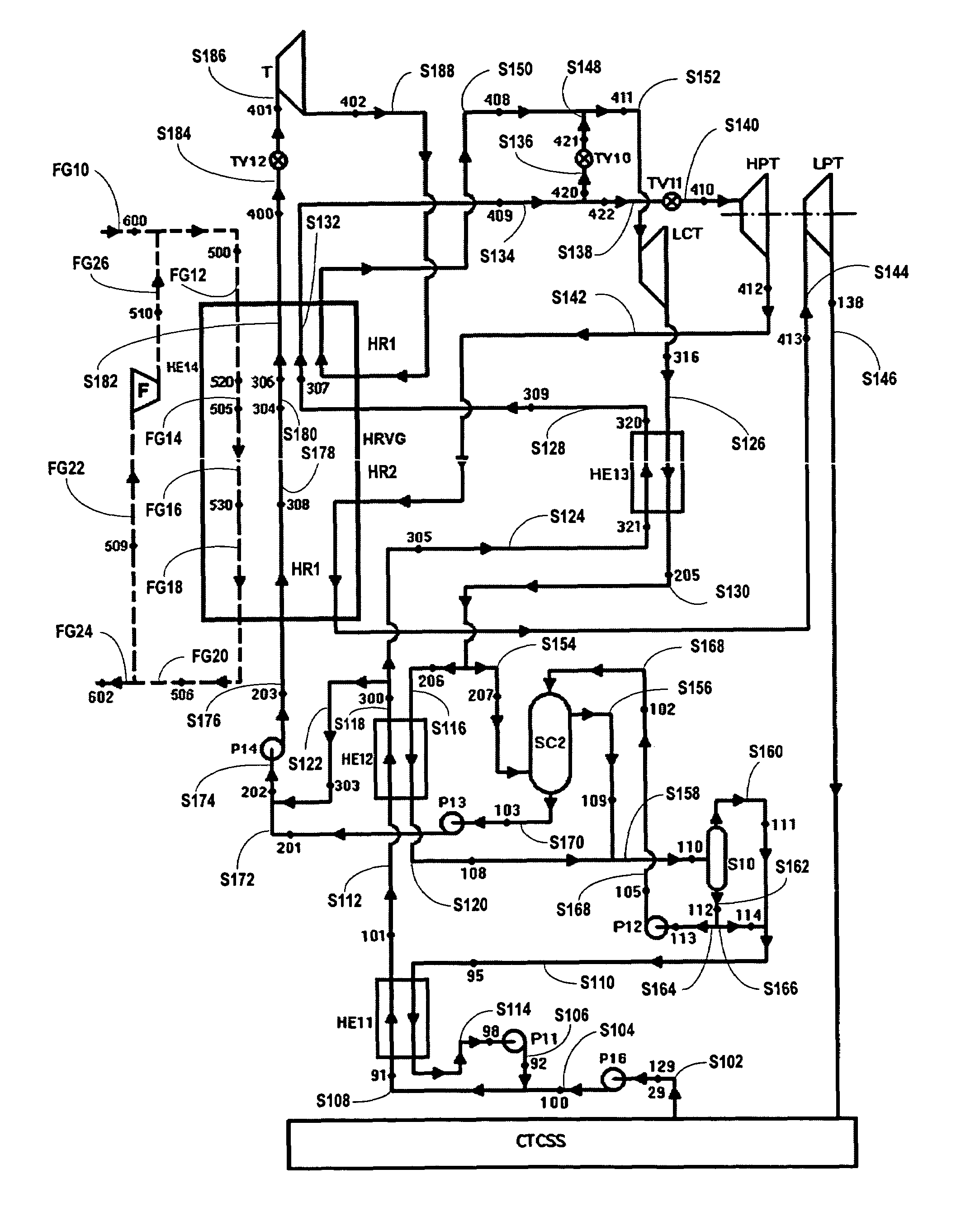
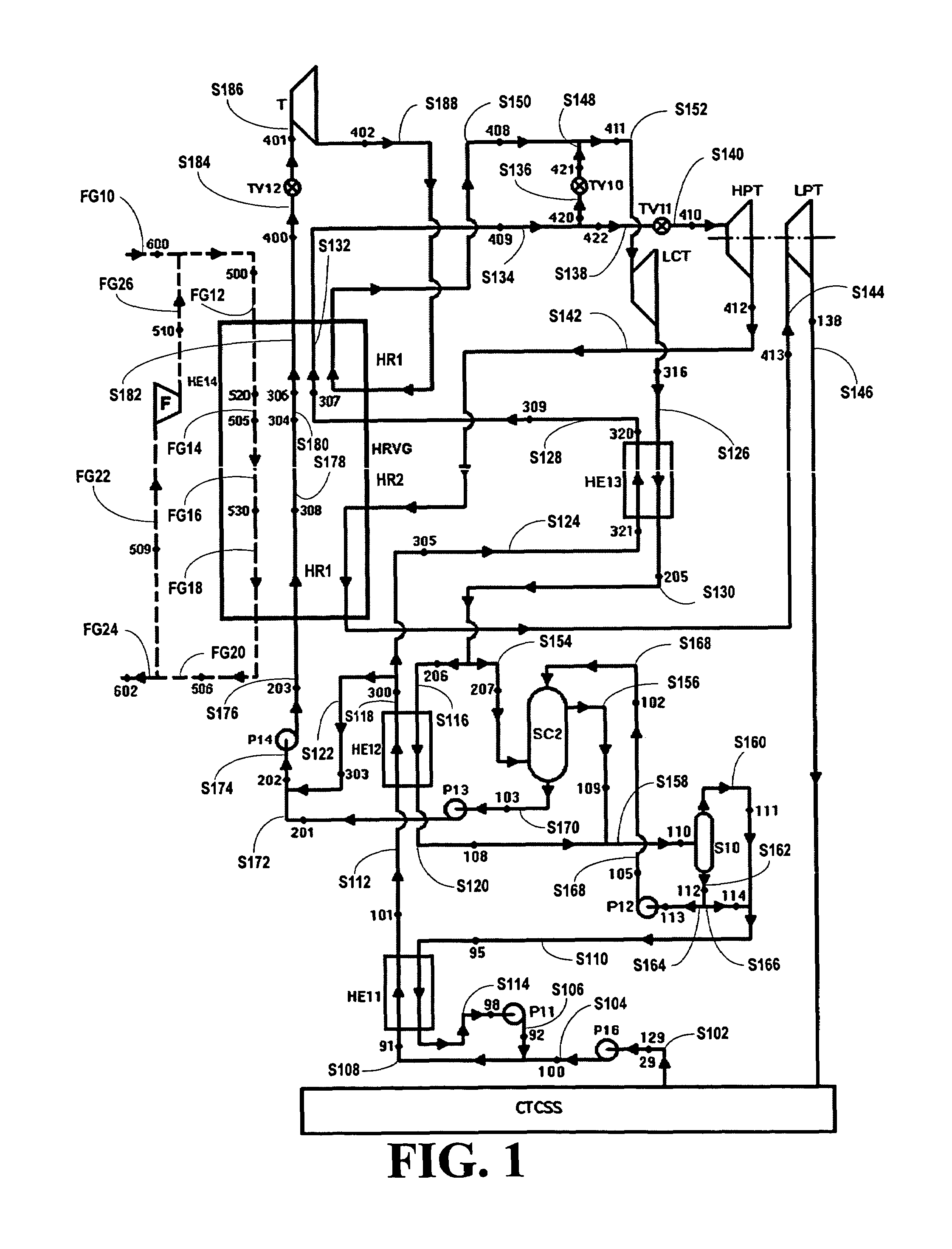
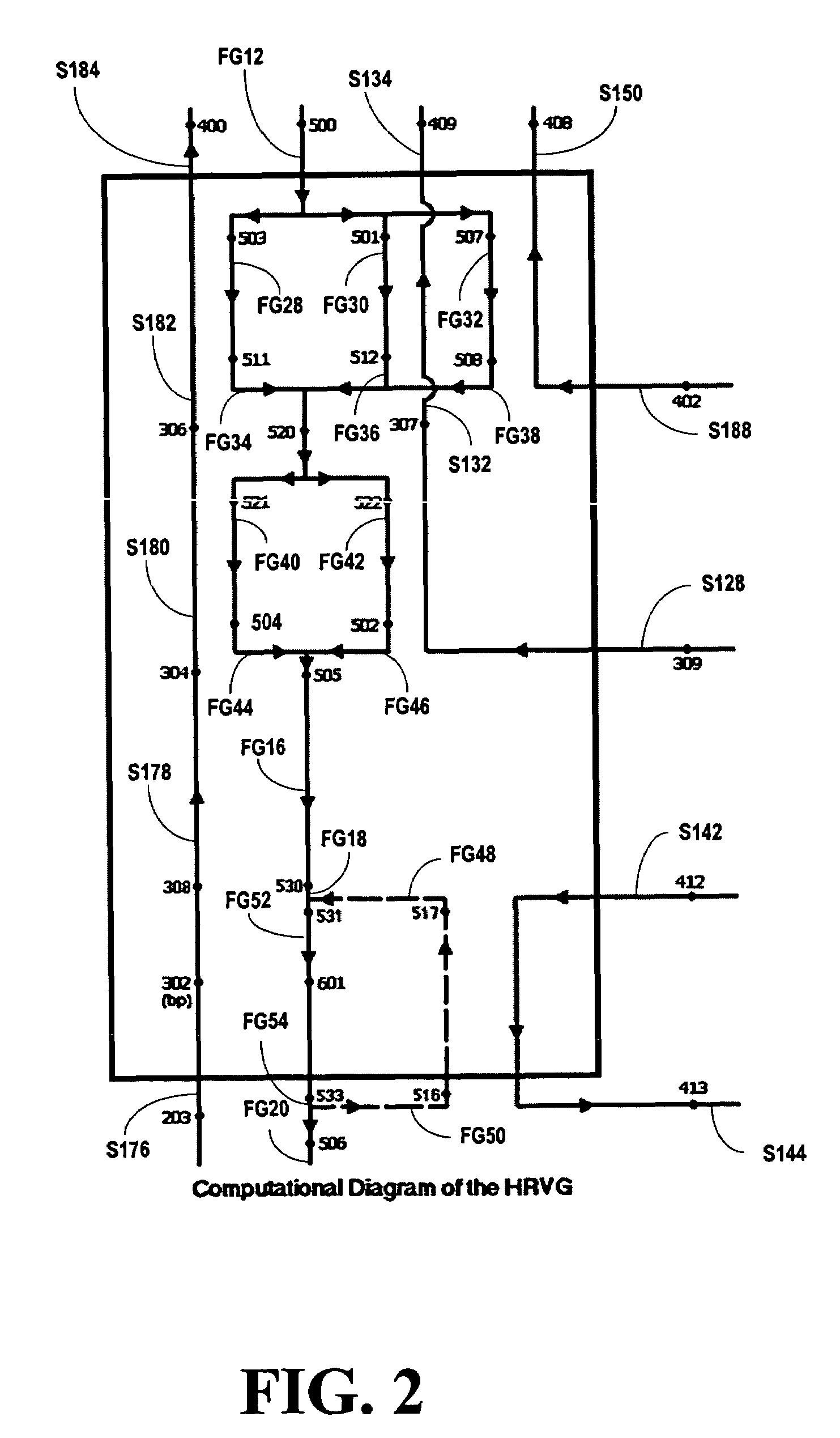
- A system and process utilizing a heat recovery vapor generator with three compositional streams of a multi-component working fluid, including a lean, rich, and intermediate stream, to efficiently convert thermal energy into electrical power, employing condensation and thermal compression subsystems, and turbines to manage flue gas temperature and extract energy effectively.

A method and apparatus for generating base load energy from an alternative and renewable source
PatentInactivePH12015000256U3
Innovation
- Integration of hydraulic drive systems with propellers to create artificial wind streams for turbine rotation, enabling controlled base load power generation independent of natural wind conditions.
- Implementation of advanced flywheel energy storage systems to accumulate and dispense mechanical energy, providing grid stability and continuous power output for base load applications.
- Hybrid mechanical-electrical energy input system combining moment arm extensions, Venturi air jet propulsion, and weighted components to amplify the overall energy conversion efficiency.

Nuclear Regulatory Framework for Thorium Reactors
The regulatory landscape for thorium reactors presents a complex framework that differs significantly from conventional uranium-based nuclear systems. Current nuclear regulatory bodies, including the U.S. Nuclear Regulatory Commission (NRC), International Atomic Energy Agency (IAEA), and national regulators worldwide, have primarily developed their frameworks around light water reactor technologies. This creates substantial regulatory gaps for thorium-based systems, particularly molten salt reactors and accelerator-driven subcritical systems.
Existing regulatory structures face fundamental challenges when addressing thorium reactor designs. Traditional licensing processes assume solid fuel assemblies, pressurized water cooling systems, and established safety protocols that may not directly apply to liquid fuel thorium systems. The NRC's current Part 50 and Part 52 licensing frameworks require extensive adaptation to accommodate the unique characteristics of thorium reactors, including their different neutron physics, fuel cycle behavior, and operational parameters.
International regulatory harmonization efforts are gradually emerging to address these challenges. The IAEA has initiated working groups focused on advanced reactor technologies, including thorium systems, to develop standardized safety criteria and licensing guidelines. The Generation IV International Forum has also contributed to establishing preliminary regulatory principles for advanced nuclear systems, though specific thorium reactor guidance remains limited.
Key regulatory considerations for thorium reactors include revised safety analysis methodologies, updated emergency planning requirements, and modified waste classification systems. The thorium fuel cycle produces different radioactive isotopes compared to uranium systems, necessitating new approaches to radiation protection, waste management protocols, and decommissioning procedures. Regulators must also address the unique proliferation resistance characteristics of thorium systems while ensuring adequate safeguards compliance.
Several countries are pioneering thorium-specific regulatory developments. India's Atomic Energy Regulatory Board has advanced frameworks for thorium reactor oversight, while China's National Nuclear Safety Administration is developing specialized guidelines for molten salt reactor technologies. These early regulatory initiatives provide valuable precedents for global standardization efforts and demonstrate the feasibility of adapting existing nuclear oversight structures to accommodate thorium reactor deployment.
Existing regulatory structures face fundamental challenges when addressing thorium reactor designs. Traditional licensing processes assume solid fuel assemblies, pressurized water cooling systems, and established safety protocols that may not directly apply to liquid fuel thorium systems. The NRC's current Part 50 and Part 52 licensing frameworks require extensive adaptation to accommodate the unique characteristics of thorium reactors, including their different neutron physics, fuel cycle behavior, and operational parameters.
International regulatory harmonization efforts are gradually emerging to address these challenges. The IAEA has initiated working groups focused on advanced reactor technologies, including thorium systems, to develop standardized safety criteria and licensing guidelines. The Generation IV International Forum has also contributed to establishing preliminary regulatory principles for advanced nuclear systems, though specific thorium reactor guidance remains limited.
Key regulatory considerations for thorium reactors include revised safety analysis methodologies, updated emergency planning requirements, and modified waste classification systems. The thorium fuel cycle produces different radioactive isotopes compared to uranium systems, necessitating new approaches to radiation protection, waste management protocols, and decommissioning procedures. Regulators must also address the unique proliferation resistance characteristics of thorium systems while ensuring adequate safeguards compliance.
Several countries are pioneering thorium-specific regulatory developments. India's Atomic Energy Regulatory Board has advanced frameworks for thorium reactor oversight, while China's National Nuclear Safety Administration is developing specialized guidelines for molten salt reactor technologies. These early regulatory initiatives provide valuable precedents for global standardization efforts and demonstrate the feasibility of adapting existing nuclear oversight structures to accommodate thorium reactor deployment.
Safety and Environmental Impact Assessment
Thorium reactors present significantly enhanced safety characteristics compared to conventional uranium-based nuclear systems. The inherent properties of thorium fuel cycles eliminate many traditional nuclear safety concerns through passive safety mechanisms. Unlike uranium reactors, thorium systems operate at atmospheric pressure and utilize molten salt coolants that cannot undergo steam explosions or meltdowns in the conventional sense.
The thorium fuel cycle produces substantially less long-lived radioactive waste than uranium reactors. While uranium-235 fission generates actinides with half-lives extending tens of thousands of years, thorium-232 breeding to uranium-233 creates waste products with significantly shorter half-lives, typically reducing long-term storage requirements from millennia to centuries. This dramatic reduction in waste longevity addresses one of nuclear power's most persistent environmental challenges.
Proliferation resistance represents another critical safety advantage of thorium reactors. The uranium-233 produced in thorium fuel cycles is inherently contaminated with uranium-232, which generates highly radioactive decay products making weapons development extremely difficult and dangerous. This characteristic provides built-in proliferation resistance without requiring additional security measures or international monitoring protocols.
Environmental impact assessments reveal thorium's superior ecological profile. Thorium is approximately three to four times more abundant than uranium in Earth's crust, reducing mining environmental impacts per unit of energy produced. Additionally, thorium extraction generates minimal radioactive byproducts compared to uranium mining, which produces significant quantities of radioactive tailings and radon gas emissions.
Thermal pollution concerns are substantially mitigated in molten salt thorium reactor designs. These systems operate at higher thermal efficiencies than conventional light water reactors, reducing waste heat discharge to surrounding water bodies. The higher operating temperatures also enable more efficient electricity generation and potential integration with industrial process heat applications.
Accident scenarios in thorium molten salt reactors demonstrate inherent safety through negative temperature coefficients and freeze plug mechanisms. If cooling systems fail, the reactor naturally shuts down as rising temperatures reduce neutron absorption efficiency. Emergency situations trigger freeze plugs to melt, draining fuel into passively cooled underground tanks, effectively eliminating catastrophic release scenarios that have historically plagued nuclear power development.
The thorium fuel cycle produces substantially less long-lived radioactive waste than uranium reactors. While uranium-235 fission generates actinides with half-lives extending tens of thousands of years, thorium-232 breeding to uranium-233 creates waste products with significantly shorter half-lives, typically reducing long-term storage requirements from millennia to centuries. This dramatic reduction in waste longevity addresses one of nuclear power's most persistent environmental challenges.
Proliferation resistance represents another critical safety advantage of thorium reactors. The uranium-233 produced in thorium fuel cycles is inherently contaminated with uranium-232, which generates highly radioactive decay products making weapons development extremely difficult and dangerous. This characteristic provides built-in proliferation resistance without requiring additional security measures or international monitoring protocols.
Environmental impact assessments reveal thorium's superior ecological profile. Thorium is approximately three to four times more abundant than uranium in Earth's crust, reducing mining environmental impacts per unit of energy produced. Additionally, thorium extraction generates minimal radioactive byproducts compared to uranium mining, which produces significant quantities of radioactive tailings and radon gas emissions.
Thermal pollution concerns are substantially mitigated in molten salt thorium reactor designs. These systems operate at higher thermal efficiencies than conventional light water reactors, reducing waste heat discharge to surrounding water bodies. The higher operating temperatures also enable more efficient electricity generation and potential integration with industrial process heat applications.
Accident scenarios in thorium molten salt reactors demonstrate inherent safety through negative temperature coefficients and freeze plug mechanisms. If cooling systems fail, the reactor naturally shuts down as rising temperatures reduce neutron absorption efficiency. Emergency situations trigger freeze plugs to melt, draining fuel into passively cooled underground tanks, effectively eliminating catastrophic release scenarios that have historically plagued nuclear power development.
Unlock deeper insights with Patsnap Eureka Quick Research — get a full tech report to explore trends and direct your research. Try now!
Generate Your Research Report Instantly with AI Agent
Supercharge your innovation with Patsnap Eureka AI Agent Platform!