

Using Simulation-Driven Design for Strategic Decision-Making
MAR 6, 20269 MIN READ
Generate Your Research Report Instantly with AI Agent
PatSnap Eureka helps you evaluate technical feasibility & market potential.
Simulation-Driven Design Background and Strategic Objectives
Simulation-driven design has emerged as a transformative methodology that fundamentally reshapes how organizations approach strategic decision-making processes. This approach leverages advanced computational modeling and virtual prototyping to create digital representations of complex systems, enabling decision-makers to explore multiple scenarios, test hypotheses, and evaluate outcomes before committing resources to real-world implementations. The evolution of this field traces back to early computer-aided design systems in the 1960s, progressing through finite element analysis in engineering applications, and ultimately expanding into comprehensive business strategy simulation platforms.
The historical development of simulation-driven design reflects the convergence of several technological streams, including high-performance computing, advanced algorithms, and sophisticated visualization techniques. Early applications focused primarily on engineering and manufacturing domains, where physical prototyping costs were prohibitively expensive. As computational power increased exponentially and software sophistication advanced, the methodology expanded into financial modeling, supply chain optimization, market analysis, and organizational behavior prediction.
Contemporary simulation-driven design encompasses a broad spectrum of technologies, from Monte Carlo simulations and agent-based modeling to machine learning-enhanced predictive analytics and digital twin architectures. These tools enable organizations to model complex interdependencies, account for uncertainty and variability, and simulate the dynamic interactions between multiple stakeholders and environmental factors that influence strategic outcomes.
The strategic objectives of implementing simulation-driven design center on enhancing decision quality while reducing associated risks and costs. Organizations seek to achieve improved predictive accuracy by modeling complex scenarios that would be impossible or impractical to test in reality. This capability enables more informed resource allocation, better timing of strategic initiatives, and enhanced understanding of potential unintended consequences.
Risk mitigation represents another critical objective, as simulation environments allow decision-makers to identify potential failure modes, stress-test strategies under adverse conditions, and develop contingency plans before implementation. The methodology also aims to accelerate innovation cycles by enabling rapid iteration and optimization of strategic alternatives without the time and cost constraints of physical experimentation.
Furthermore, simulation-driven design objectives include fostering organizational learning and building strategic consensus. By providing visual, interactive representations of complex strategic scenarios, these tools facilitate better communication among stakeholders, enable more collaborative decision-making processes, and help build shared understanding of strategic challenges and opportunities across different organizational levels and functional areas.
The historical development of simulation-driven design reflects the convergence of several technological streams, including high-performance computing, advanced algorithms, and sophisticated visualization techniques. Early applications focused primarily on engineering and manufacturing domains, where physical prototyping costs were prohibitively expensive. As computational power increased exponentially and software sophistication advanced, the methodology expanded into financial modeling, supply chain optimization, market analysis, and organizational behavior prediction.
Contemporary simulation-driven design encompasses a broad spectrum of technologies, from Monte Carlo simulations and agent-based modeling to machine learning-enhanced predictive analytics and digital twin architectures. These tools enable organizations to model complex interdependencies, account for uncertainty and variability, and simulate the dynamic interactions between multiple stakeholders and environmental factors that influence strategic outcomes.
The strategic objectives of implementing simulation-driven design center on enhancing decision quality while reducing associated risks and costs. Organizations seek to achieve improved predictive accuracy by modeling complex scenarios that would be impossible or impractical to test in reality. This capability enables more informed resource allocation, better timing of strategic initiatives, and enhanced understanding of potential unintended consequences.
Risk mitigation represents another critical objective, as simulation environments allow decision-makers to identify potential failure modes, stress-test strategies under adverse conditions, and develop contingency plans before implementation. The methodology also aims to accelerate innovation cycles by enabling rapid iteration and optimization of strategic alternatives without the time and cost constraints of physical experimentation.
Furthermore, simulation-driven design objectives include fostering organizational learning and building strategic consensus. By providing visual, interactive representations of complex strategic scenarios, these tools facilitate better communication among stakeholders, enable more collaborative decision-making processes, and help build shared understanding of strategic challenges and opportunities across different organizational levels and functional areas.
Market Demand for Simulation-Based Strategic Solutions
The global market for simulation-based strategic solutions has experienced substantial growth driven by increasing complexity in business environments and the need for data-driven decision-making processes. Organizations across industries are recognizing the critical importance of predictive modeling and scenario analysis to navigate uncertain market conditions and optimize strategic outcomes.
Manufacturing and automotive sectors represent the largest demand segments for simulation-driven design solutions. These industries require sophisticated modeling capabilities to optimize production processes, reduce development costs, and accelerate time-to-market for new products. The aerospace and defense sectors also demonstrate strong demand, particularly for mission-critical applications where simulation accuracy directly impacts safety and performance outcomes.
Financial services institutions are increasingly adopting simulation technologies for risk management, portfolio optimization, and regulatory compliance. The growing complexity of financial markets and stricter regulatory requirements have created substantial demand for advanced Monte Carlo simulations and stress testing capabilities that support strategic investment decisions.
Healthcare and pharmaceutical companies are driving significant market expansion through their adoption of simulation tools for drug discovery, clinical trial optimization, and treatment protocol development. The recent acceleration in digital health initiatives has further amplified demand for predictive modeling solutions that can support evidence-based medical decision-making.
Supply chain management represents an emerging high-growth area where organizations seek simulation solutions to optimize logistics networks, manage inventory levels, and enhance resilience against disruptions. The increasing globalization of supply chains and recent supply chain vulnerabilities have intensified demand for comprehensive scenario planning capabilities.
Technology companies and startups are creating new market segments by developing cloud-based simulation platforms that democratize access to advanced modeling capabilities. These solutions address the growing demand from small and medium enterprises that previously lacked resources to implement sophisticated simulation technologies.
The market demand is further accelerated by the integration of artificial intelligence and machine learning capabilities with traditional simulation approaches. Organizations are seeking solutions that combine physics-based modeling with data-driven insights to enhance prediction accuracy and reduce computational requirements for complex strategic decision-making processes.
Manufacturing and automotive sectors represent the largest demand segments for simulation-driven design solutions. These industries require sophisticated modeling capabilities to optimize production processes, reduce development costs, and accelerate time-to-market for new products. The aerospace and defense sectors also demonstrate strong demand, particularly for mission-critical applications where simulation accuracy directly impacts safety and performance outcomes.
Financial services institutions are increasingly adopting simulation technologies for risk management, portfolio optimization, and regulatory compliance. The growing complexity of financial markets and stricter regulatory requirements have created substantial demand for advanced Monte Carlo simulations and stress testing capabilities that support strategic investment decisions.
Healthcare and pharmaceutical companies are driving significant market expansion through their adoption of simulation tools for drug discovery, clinical trial optimization, and treatment protocol development. The recent acceleration in digital health initiatives has further amplified demand for predictive modeling solutions that can support evidence-based medical decision-making.
Supply chain management represents an emerging high-growth area where organizations seek simulation solutions to optimize logistics networks, manage inventory levels, and enhance resilience against disruptions. The increasing globalization of supply chains and recent supply chain vulnerabilities have intensified demand for comprehensive scenario planning capabilities.
Technology companies and startups are creating new market segments by developing cloud-based simulation platforms that democratize access to advanced modeling capabilities. These solutions address the growing demand from small and medium enterprises that previously lacked resources to implement sophisticated simulation technologies.
The market demand is further accelerated by the integration of artificial intelligence and machine learning capabilities with traditional simulation approaches. Organizations are seeking solutions that combine physics-based modeling with data-driven insights to enhance prediction accuracy and reduce computational requirements for complex strategic decision-making processes.
Current State and Challenges in Simulation-Driven Decision Making
Simulation-driven design has emerged as a critical methodology for strategic decision-making across industries, yet its current implementation faces significant technological and organizational barriers. The global adoption of simulation technologies varies considerably, with advanced manufacturing sectors in North America, Europe, and Asia-Pacific leading deployment, while emerging markets struggle with infrastructure and expertise gaps.
Contemporary simulation platforms demonstrate remarkable computational capabilities, enabling complex multi-physics modeling and real-time scenario analysis. However, integration challenges persist between different simulation tools, creating data silos that limit comprehensive strategic insights. Legacy systems often lack interoperability with modern simulation environments, forcing organizations to maintain fragmented technological ecosystems that impede holistic decision-making processes.
The accuracy and reliability of simulation models remain primary concerns for strategic applications. Current validation methodologies frequently rely on historical data that may not adequately represent future market conditions or technological disruptions. This limitation becomes particularly pronounced in rapidly evolving sectors where traditional modeling assumptions quickly become obsolete, undermining confidence in simulation-based strategic recommendations.
Computational resource requirements present another significant constraint. High-fidelity simulations demand substantial processing power and specialized hardware, creating cost barriers for smaller organizations and limiting the democratization of simulation-driven decision-making capabilities. Cloud-based solutions offer partial relief but introduce data security and latency concerns that many enterprises find unacceptable for sensitive strategic planning activities.
Human expertise represents perhaps the most critical bottleneck in current implementations. The shortage of professionals capable of developing, validating, and interpreting complex simulation models constrains organizational capacity to leverage these technologies effectively. This skills gap is particularly acute in interdisciplinary applications where domain expertise must combine with advanced computational modeling capabilities.
Data quality and availability issues further complicate simulation-driven approaches. Many organizations lack the comprehensive, high-quality datasets necessary for accurate model calibration and validation. Incomplete or biased input data can propagate through simulation models, leading to flawed strategic insights that may guide organizations toward suboptimal decisions.
Real-time decision-making requirements often conflict with simulation computational demands. While strategic planning traditionally allows extended analysis periods, dynamic market conditions increasingly require rapid response capabilities that current simulation technologies struggle to provide consistently.
Contemporary simulation platforms demonstrate remarkable computational capabilities, enabling complex multi-physics modeling and real-time scenario analysis. However, integration challenges persist between different simulation tools, creating data silos that limit comprehensive strategic insights. Legacy systems often lack interoperability with modern simulation environments, forcing organizations to maintain fragmented technological ecosystems that impede holistic decision-making processes.
The accuracy and reliability of simulation models remain primary concerns for strategic applications. Current validation methodologies frequently rely on historical data that may not adequately represent future market conditions or technological disruptions. This limitation becomes particularly pronounced in rapidly evolving sectors where traditional modeling assumptions quickly become obsolete, undermining confidence in simulation-based strategic recommendations.
Computational resource requirements present another significant constraint. High-fidelity simulations demand substantial processing power and specialized hardware, creating cost barriers for smaller organizations and limiting the democratization of simulation-driven decision-making capabilities. Cloud-based solutions offer partial relief but introduce data security and latency concerns that many enterprises find unacceptable for sensitive strategic planning activities.
Human expertise represents perhaps the most critical bottleneck in current implementations. The shortage of professionals capable of developing, validating, and interpreting complex simulation models constrains organizational capacity to leverage these technologies effectively. This skills gap is particularly acute in interdisciplinary applications where domain expertise must combine with advanced computational modeling capabilities.
Data quality and availability issues further complicate simulation-driven approaches. Many organizations lack the comprehensive, high-quality datasets necessary for accurate model calibration and validation. Incomplete or biased input data can propagate through simulation models, leading to flawed strategic insights that may guide organizations toward suboptimal decisions.
Real-time decision-making requirements often conflict with simulation computational demands. While strategic planning traditionally allows extended analysis periods, dynamic market conditions increasingly require rapid response capabilities that current simulation technologies struggle to provide consistently.
Current Simulation Methodologies for Strategic Applications
01 Simulation-based optimization and design methodology
Methods and systems for using simulation tools to optimize design parameters and configurations. This approach involves iterative simulation processes to evaluate multiple design alternatives, analyze performance metrics, and converge on optimal solutions. The methodology integrates computational models with design workflows to enable data-driven decision making and reduce physical prototyping requirements.- Simulation-based optimization and design methodology: Methods and systems for using simulation tools to optimize design parameters and configurations. This approach involves iterative simulation processes to evaluate multiple design alternatives, analyze performance metrics, and identify optimal solutions. The methodology enables designers to test various scenarios virtually before physical prototyping, reducing development time and costs while improving design quality.
- Computer-aided design integration with simulation engines: Systems that integrate computer-aided design platforms with simulation engines to enable real-time design validation and analysis. These systems allow designers to perform simulations directly within the design environment, providing immediate feedback on design modifications. The integration facilitates seamless data exchange between design and simulation tools, enabling more efficient design workflows and better decision-making.
- Multi-physics simulation for complex system design: Approaches for conducting multi-physics simulations that consider multiple interacting physical phenomena simultaneously during the design process. These methods enable comprehensive analysis of complex systems by simulating thermal, mechanical, electrical, and fluid dynamics aspects together. This holistic simulation approach helps identify potential issues and optimize designs across multiple domains.
- Automated design space exploration using simulation: Techniques for automatically exploring large design spaces through systematic simulation-based evaluation. These methods employ algorithms to intelligently sample the design space, run simulations for each configuration, and identify promising design regions. The automation enables comprehensive exploration of design possibilities that would be impractical through manual analysis.
- Virtual prototyping and performance prediction: Systems and methods for creating virtual prototypes and predicting product performance through simulation before physical manufacturing. These approaches use detailed simulation models to evaluate design performance under various operating conditions and scenarios. Virtual prototyping enables early detection of design flaws, reduces the need for physical prototypes, and accelerates product development cycles.
02 Multi-physics simulation integration for design validation
Integration of multiple simulation domains including structural, thermal, electromagnetic, and fluid dynamics analyses to validate design performance. This comprehensive approach enables designers to assess complex interactions between different physical phenomena and ensure design robustness across various operating conditions. The integration facilitates early detection of design issues and reduces development cycles.Expand Specific Solutions03 Automated design space exploration using simulation
Automated systems and methods for exploring large design spaces through parametric simulation studies. These approaches utilize algorithms to systematically vary design parameters, execute simulations, and analyze results to identify optimal or near-optimal design configurations. The automation enables efficient evaluation of numerous design variants that would be impractical to assess manually.Expand Specific Solutions04 Real-time simulation for interactive design modification
Systems enabling real-time or near-real-time simulation feedback during the design process, allowing designers to interactively modify designs and immediately observe performance impacts. This capability supports rapid design iteration and intuitive exploration of design alternatives. The approach leverages computational efficiency improvements and simplified models to achieve interactive response times.Expand Specific Solutions05 Simulation-driven generative design and topology optimization
Advanced methods that use simulation results to automatically generate and optimize design geometries and topologies. These techniques employ algorithms that iteratively modify design structures based on simulation-derived performance criteria, often producing innovative solutions that may not be intuitive to human designers. The approach is particularly valuable for weight reduction, material efficiency, and performance enhancement objectives.Expand Specific Solutions
Key Players in Simulation Software and Strategic Consulting
The simulation-driven design for strategic decision-making field represents a mature technology landscape experiencing rapid evolution across multiple industry verticals. The market demonstrates substantial growth potential, driven by increasing demand for predictive analytics and risk mitigation in complex business environments. Technology maturity varies significantly among key players, with established leaders like Siemens AG, Microsoft Technology Licensing LLC, and IBM demonstrating advanced integrated platforms combining simulation capabilities with AI-driven analytics. Mid-tier players including Bentley Systems, Autodesk, and SAP SE offer specialized domain solutions, while emerging companies like PostQ Inc. and AtomBeam Technologies focus on niche innovations. The competitive landscape spans traditional software giants, specialized simulation providers, and industry-specific solution developers, with academic institutions like Beijing Institute of Technology and South China University of Technology contributing foundational research. Market consolidation continues as companies seek comprehensive end-to-end simulation ecosystems to support enterprise-wide strategic planning initiatives.
Siemens Industry Software NV
Technical Solution: Siemens provides comprehensive simulation-driven design solutions through their digital twin technology and PLM (Product Lifecycle Management) platforms. Their approach integrates multi-physics simulation capabilities with advanced analytics to enable strategic decision-making across manufacturing and industrial processes. The company's simulation framework combines real-time data from IoT sensors with predictive modeling algorithms to create accurate digital representations of physical systems. This enables organizations to test multiple scenarios, optimize operations, and make informed strategic decisions before implementing changes in the real world. Their solution supports continuous validation and refinement of business strategies through iterative simulation cycles.
Strengths: Market-leading digital twin technology with extensive industrial domain expertise and proven track record in manufacturing optimization. Weaknesses: High implementation costs and complexity may limit adoption for smaller organizations.
Microsoft Technology Licensing LLC
Technical Solution: Microsoft leverages Azure cloud computing platform to deliver simulation-driven design capabilities through their Digital Twins service and AI-powered analytics tools. Their approach combines machine learning algorithms with high-performance computing resources to enable large-scale simulation modeling for strategic planning. The platform integrates with existing enterprise systems and provides scalable infrastructure for running complex simulations that inform business decisions. Microsoft's solution emphasizes democratizing access to simulation tools through user-friendly interfaces and pre-built templates, allowing organizations to quickly deploy simulation models without extensive technical expertise. Their cloud-native approach enables real-time collaboration and data sharing across distributed teams.
Strengths: Scalable cloud infrastructure with strong AI/ML capabilities and extensive enterprise integration options. Weaknesses: Dependency on cloud connectivity and potential data security concerns for sensitive strategic information.
Core Innovations in Strategic Simulation Technologies
Methods and systems for determining one or more actions to carry out in an environment
PatentWO2020104784A1
Innovation
- A social-ecological model is used to simulate actions in a computer-based environment, incorporating factors like public sentiment, demographics, and infrastructure changes, trained with data from real-life events and media sources, to generate realistic and dynamic simulations.


Optimizing active decision making using simulated decision making
PatentInactiveUS20060200333A1
Innovation
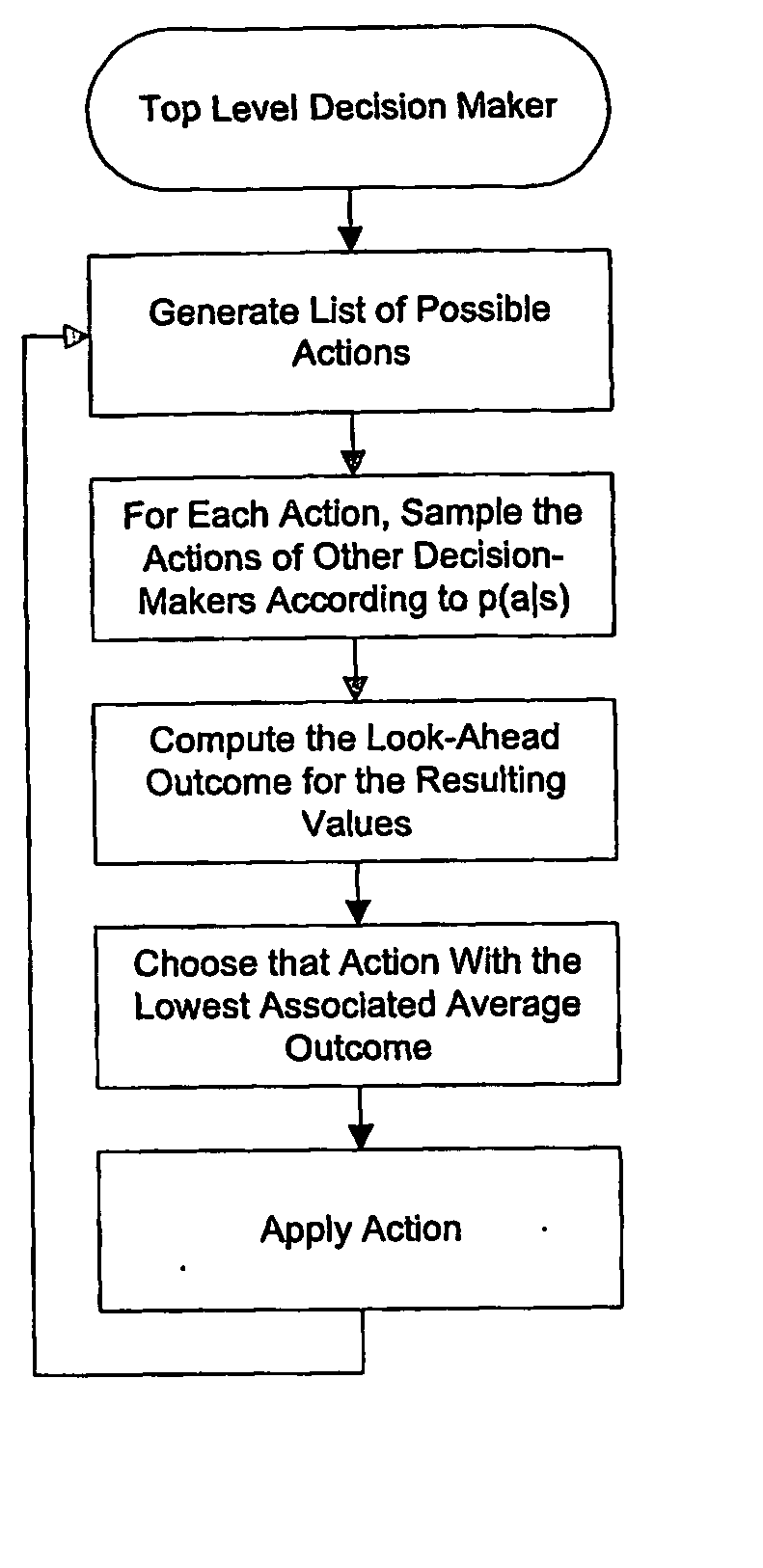
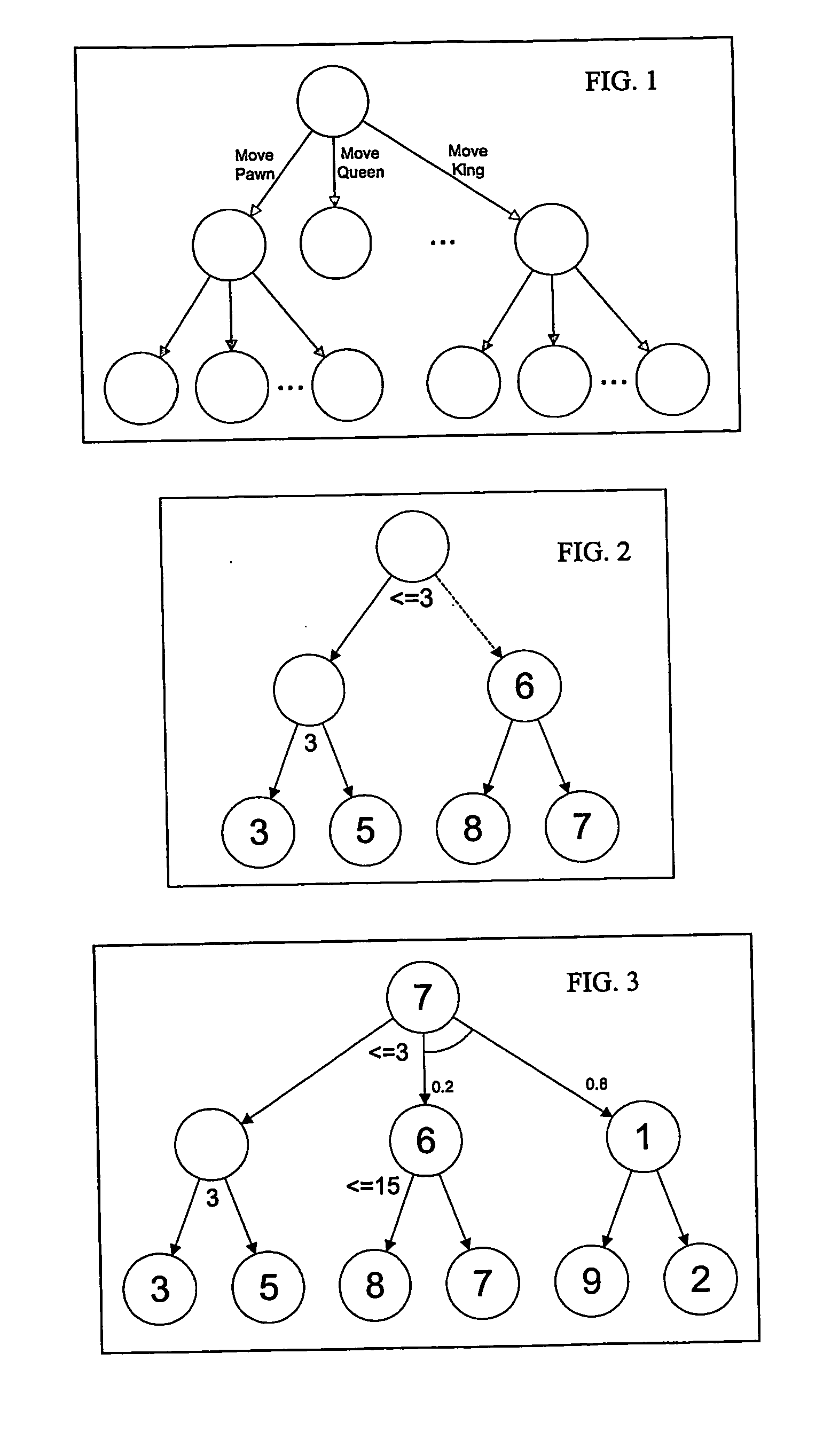
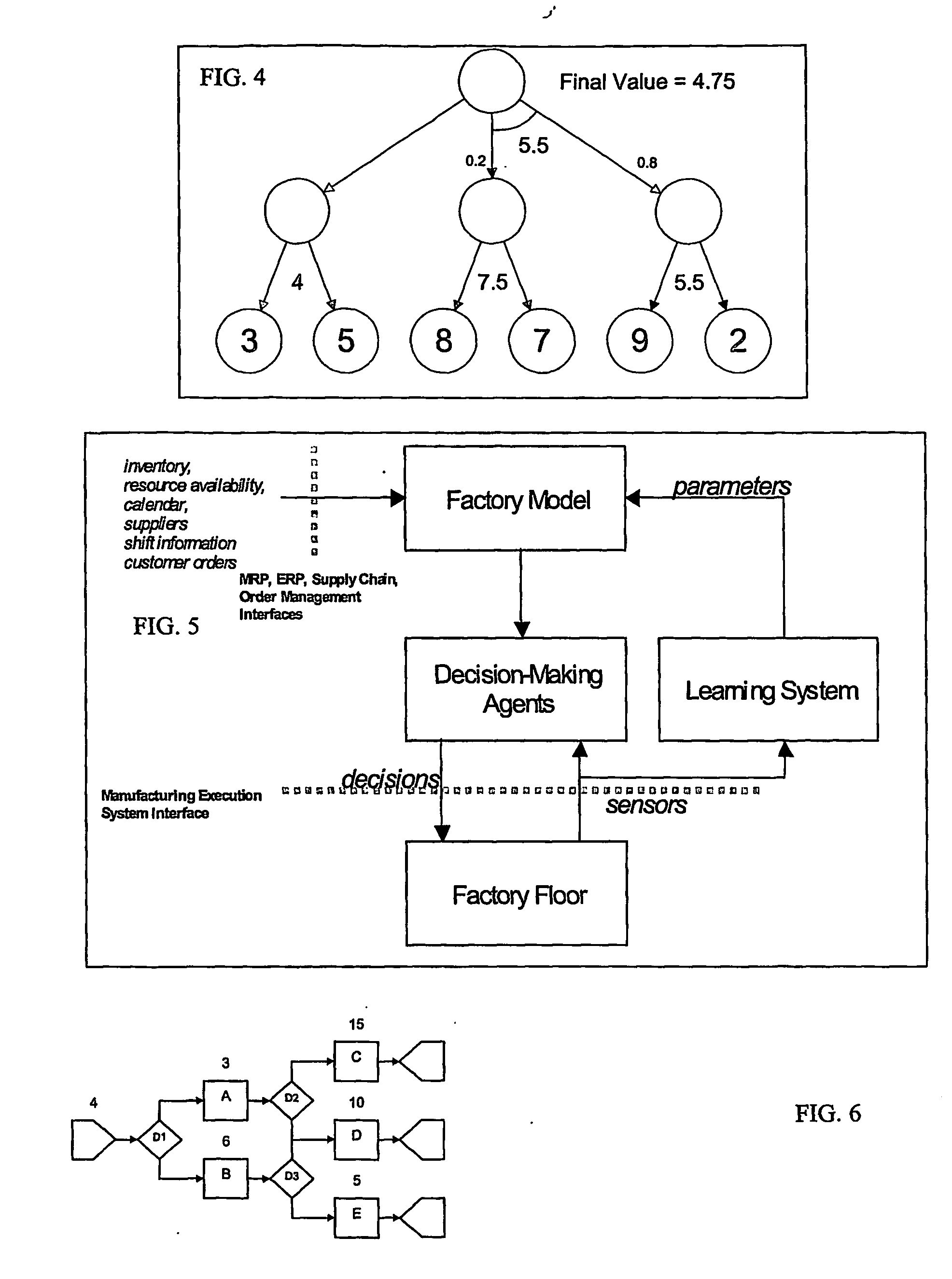
- A new lookahead process that integrates a simulated decision-making process using an expectation-based objective function, which computes the expected outcome by sampling actions and states according to a stochastic policy, focusing the search on likely portions of the lookahead tree and allowing for real-time decision-making with improved accuracy and scalability.

Digital Twin Integration for Real-Time Strategic Insights
Digital twin technology represents a paradigm shift in how organizations approach strategic decision-making by creating dynamic, real-time virtual replicas of physical systems, processes, and operations. The integration of digital twins into strategic frameworks enables unprecedented visibility into complex business ecosystems, transforming traditional reactive management approaches into proactive, data-driven strategies.
The convergence of Internet of Things sensors, advanced analytics, and cloud computing infrastructure has matured digital twin capabilities beyond simple monitoring to comprehensive strategic intelligence platforms. Modern digital twin implementations leverage continuous data streams from operational environments, processing millions of data points to generate actionable insights that directly inform executive-level decisions.
Real-time strategic insights emerge through sophisticated integration architectures that connect digital twins with enterprise resource planning systems, customer relationship management platforms, and supply chain networks. This interconnected ecosystem enables organizations to visualize cascading effects of strategic decisions across multiple business dimensions simultaneously, revealing previously hidden interdependencies and optimization opportunities.
The strategic value proposition centers on predictive scenario modeling, where digital twins simulate potential outcomes of strategic initiatives before implementation. Organizations can test market expansion strategies, operational restructuring plans, and resource allocation decisions within virtual environments that mirror real-world constraints and variables. This capability significantly reduces strategic risk while accelerating decision-making cycles.
Advanced digital twin platforms incorporate machine learning algorithms that continuously refine predictive accuracy based on historical performance data and emerging market conditions. These self-improving systems provide increasingly sophisticated strategic recommendations, identifying optimal timing for strategic moves and highlighting potential disruption scenarios that require contingency planning.
Integration challenges primarily revolve around data quality, system interoperability, and organizational change management. Successful implementations require robust data governance frameworks, standardized integration protocols, and comprehensive stakeholder training programs to maximize strategic value realization from digital twin investments.
The convergence of Internet of Things sensors, advanced analytics, and cloud computing infrastructure has matured digital twin capabilities beyond simple monitoring to comprehensive strategic intelligence platforms. Modern digital twin implementations leverage continuous data streams from operational environments, processing millions of data points to generate actionable insights that directly inform executive-level decisions.
Real-time strategic insights emerge through sophisticated integration architectures that connect digital twins with enterprise resource planning systems, customer relationship management platforms, and supply chain networks. This interconnected ecosystem enables organizations to visualize cascading effects of strategic decisions across multiple business dimensions simultaneously, revealing previously hidden interdependencies and optimization opportunities.
The strategic value proposition centers on predictive scenario modeling, where digital twins simulate potential outcomes of strategic initiatives before implementation. Organizations can test market expansion strategies, operational restructuring plans, and resource allocation decisions within virtual environments that mirror real-world constraints and variables. This capability significantly reduces strategic risk while accelerating decision-making cycles.
Advanced digital twin platforms incorporate machine learning algorithms that continuously refine predictive accuracy based on historical performance data and emerging market conditions. These self-improving systems provide increasingly sophisticated strategic recommendations, identifying optimal timing for strategic moves and highlighting potential disruption scenarios that require contingency planning.
Integration challenges primarily revolve around data quality, system interoperability, and organizational change management. Successful implementations require robust data governance frameworks, standardized integration protocols, and comprehensive stakeholder training programs to maximize strategic value realization from digital twin investments.
Risk Assessment Frameworks in Simulation-Based Decisions
Risk assessment frameworks serve as the cornerstone of reliable simulation-based strategic decision-making, providing structured methodologies to identify, quantify, and mitigate uncertainties inherent in complex business environments. These frameworks transform raw simulation outputs into actionable intelligence by systematically evaluating potential adverse outcomes and their likelihood of occurrence.
Monte Carlo risk assessment represents the most widely adopted framework in simulation-driven contexts. This probabilistic approach generates thousands of scenario iterations, enabling decision-makers to understand the full spectrum of possible outcomes rather than relying on single-point estimates. The framework excels in capturing interdependencies between variables and provides confidence intervals that inform risk tolerance thresholds.
Scenario-based risk frameworks complement probabilistic methods by focusing on specific high-impact, low-probability events that could fundamentally alter strategic outcomes. These frameworks typically employ stress testing methodologies, examining how strategic decisions perform under extreme market conditions, regulatory changes, or technological disruptions that may not be adequately captured in historical data patterns.
Value-at-Risk (VaR) and Conditional Value-at-Risk (CVaR) frameworks have gained prominence in simulation-based decision-making, particularly for financial and operational risk assessment. These methodologies quantify potential losses at specified confidence levels, enabling organizations to establish risk budgets and capital allocation strategies aligned with their risk appetite.
Real options valuation frameworks integrate risk assessment with strategic flexibility, recognizing that simulation-based decisions often involve sequential choices rather than one-time commitments. This approach evaluates the value of maintaining decision flexibility in uncertain environments, incorporating the cost of delay against the benefit of additional information.
Bayesian risk assessment frameworks leverage prior knowledge and continuously update risk estimates as new simulation data becomes available. This adaptive approach proves particularly valuable in dynamic environments where risk profiles evolve rapidly, allowing organizations to refine their strategic decisions based on emerging evidence and changing market conditions.
Monte Carlo risk assessment represents the most widely adopted framework in simulation-driven contexts. This probabilistic approach generates thousands of scenario iterations, enabling decision-makers to understand the full spectrum of possible outcomes rather than relying on single-point estimates. The framework excels in capturing interdependencies between variables and provides confidence intervals that inform risk tolerance thresholds.
Scenario-based risk frameworks complement probabilistic methods by focusing on specific high-impact, low-probability events that could fundamentally alter strategic outcomes. These frameworks typically employ stress testing methodologies, examining how strategic decisions perform under extreme market conditions, regulatory changes, or technological disruptions that may not be adequately captured in historical data patterns.
Value-at-Risk (VaR) and Conditional Value-at-Risk (CVaR) frameworks have gained prominence in simulation-based decision-making, particularly for financial and operational risk assessment. These methodologies quantify potential losses at specified confidence levels, enabling organizations to establish risk budgets and capital allocation strategies aligned with their risk appetite.
Real options valuation frameworks integrate risk assessment with strategic flexibility, recognizing that simulation-based decisions often involve sequential choices rather than one-time commitments. This approach evaluates the value of maintaining decision flexibility in uncertain environments, incorporating the cost of delay against the benefit of additional information.
Bayesian risk assessment frameworks leverage prior knowledge and continuously update risk estimates as new simulation data becomes available. This adaptive approach proves particularly valuable in dynamic environments where risk profiles evolve rapidly, allowing organizations to refine their strategic decisions based on emerging evidence and changing market conditions.
Unlock deeper insights with PatSnap Eureka Quick Research — get a full tech report to explore trends and direct your research. Try now!
Generate Your Research Report Instantly with AI Agent
Supercharge your innovation with PatSnap Eureka AI Agent Platform!