
Validate Compostable Materials for Commercial Waste Systems
OCT 9, 20269 MIN READ
Generate Your Research Report Instantly with AI Agent
Patsnap Eureka helps you evaluate technical feasibility & market potential.
Compostable Materials Background and Validation Goals
Compostable materials have emerged as a critical component in addressing the global waste crisis and transitioning toward circular economy models. Traditional petroleum-based plastics persist in the environment for centuries, contributing to landfill overflow, ocean pollution, and greenhouse gas emissions. In response, compostable alternatives derived from renewable resources such as polylactic acid (PLA), polyhydroxyalkanoates (PHA), and starch-based polymers have gained significant attention since the early 2000s. These materials promise to biodegrade under specific conditions, returning nutrients to the soil and reducing environmental burden.
The evolution of compostable materials has progressed through distinct phases. Initial developments focused on agricultural applications and packaging for controlled composting environments. However, as consumer demand for sustainable products intensified and regulatory frameworks tightened, the scope expanded to include food service items, retail packaging, and single-use products. Major legislative initiatives in Europe, North America, and Asia have accelerated adoption by mandating compostable alternatives in specific sectors.
Despite this progress, a critical gap exists between laboratory performance and real-world commercial waste system integration. Many materials certified as compostable under standardized testing conditions fail to break down effectively in municipal and industrial composting facilities due to variations in temperature, moisture, microbial activity, and processing timeframes. This disconnect undermines the environmental benefits and creates contamination issues in both composting and recycling streams.
The primary validation goal is to establish comprehensive testing protocols that accurately simulate commercial composting conditions across diverse facility types and operational parameters. This includes evaluating degradation rates, residue quality, and compatibility with existing infrastructure. Secondary objectives encompass identifying material formulation improvements, developing clear labeling standards for end-users, and creating certification frameworks that reflect actual processing capabilities rather than idealized laboratory conditions.
Achieving these goals requires collaboration among material scientists, waste management operators, policymakers, and industry stakeholders to bridge the gap between material innovation and practical waste system integration. Success will enable scalable deployment of truly compostable materials that deliver measurable environmental benefits while maintaining operational efficiency in commercial waste processing facilities.
The evolution of compostable materials has progressed through distinct phases. Initial developments focused on agricultural applications and packaging for controlled composting environments. However, as consumer demand for sustainable products intensified and regulatory frameworks tightened, the scope expanded to include food service items, retail packaging, and single-use products. Major legislative initiatives in Europe, North America, and Asia have accelerated adoption by mandating compostable alternatives in specific sectors.
Despite this progress, a critical gap exists between laboratory performance and real-world commercial waste system integration. Many materials certified as compostable under standardized testing conditions fail to break down effectively in municipal and industrial composting facilities due to variations in temperature, moisture, microbial activity, and processing timeframes. This disconnect undermines the environmental benefits and creates contamination issues in both composting and recycling streams.
The primary validation goal is to establish comprehensive testing protocols that accurately simulate commercial composting conditions across diverse facility types and operational parameters. This includes evaluating degradation rates, residue quality, and compatibility with existing infrastructure. Secondary objectives encompass identifying material formulation improvements, developing clear labeling standards for end-users, and creating certification frameworks that reflect actual processing capabilities rather than idealized laboratory conditions.
Achieving these goals requires collaboration among material scientists, waste management operators, policymakers, and industry stakeholders to bridge the gap between material innovation and practical waste system integration. Success will enable scalable deployment of truly compostable materials that deliver measurable environmental benefits while maintaining operational efficiency in commercial waste processing facilities.
Market Demand for Commercial Composting Solutions
The commercial composting sector is experiencing significant momentum driven by evolving regulatory frameworks and heightened corporate sustainability commitments. Municipalities across North America and Europe are implementing organic waste diversion mandates, with several jurisdictions establishing targets to reduce landfill-bound organic materials. These policy shifts are creating immediate demand for validated compostable materials that can seamlessly integrate into existing commercial waste infrastructure without contaminating compost streams or compromising processing efficiency.
Food service operations represent a primary demand driver, as restaurants, cafeterias, and catering services seek alternatives to conventional disposables. The hospitality industry faces mounting pressure from both regulatory requirements and consumer expectations to adopt environmentally responsible packaging solutions. Commercial composting facilities require assurance that materials labeled as compostable will actually break down within their operational parameters, creating urgent need for standardized validation protocols that bridge the gap between material certification and real-world performance.
Large-scale waste management companies are increasingly investing in composting infrastructure to capture value from organic waste streams. However, contamination from non-compostable materials remains a critical operational challenge that threatens process efficiency and end-product quality. This concern has intensified demand for reliable validation systems that can distinguish genuinely compostable materials from conventional plastics or problematic bio-based alternatives that fail to decompose adequately in commercial timeframes.
The retail and consumer packaged goods sectors are also driving market expansion as brands seek to differentiate products through sustainable packaging claims. Corporate environmental commitments have elevated compostable packaging from niche applications to mainstream consideration, particularly for fresh produce, prepared foods, and single-use items. However, brand reputation risks associated with greenwashing allegations have made third-party validation increasingly essential for market acceptance.
Emerging opportunities exist in institutional settings including healthcare facilities, educational campuses, and corporate offices implementing zero-waste initiatives. These environments generate substantial organic waste volumes and possess the organizational capacity to implement source-separation programs, yet require confidence that compostable products will perform as claimed within their contracted waste management systems.
Food service operations represent a primary demand driver, as restaurants, cafeterias, and catering services seek alternatives to conventional disposables. The hospitality industry faces mounting pressure from both regulatory requirements and consumer expectations to adopt environmentally responsible packaging solutions. Commercial composting facilities require assurance that materials labeled as compostable will actually break down within their operational parameters, creating urgent need for standardized validation protocols that bridge the gap between material certification and real-world performance.
Large-scale waste management companies are increasingly investing in composting infrastructure to capture value from organic waste streams. However, contamination from non-compostable materials remains a critical operational challenge that threatens process efficiency and end-product quality. This concern has intensified demand for reliable validation systems that can distinguish genuinely compostable materials from conventional plastics or problematic bio-based alternatives that fail to decompose adequately in commercial timeframes.
The retail and consumer packaged goods sectors are also driving market expansion as brands seek to differentiate products through sustainable packaging claims. Corporate environmental commitments have elevated compostable packaging from niche applications to mainstream consideration, particularly for fresh produce, prepared foods, and single-use items. However, brand reputation risks associated with greenwashing allegations have made third-party validation increasingly essential for market acceptance.
Emerging opportunities exist in institutional settings including healthcare facilities, educational campuses, and corporate offices implementing zero-waste initiatives. These environments generate substantial organic waste volumes and possess the organizational capacity to implement source-separation programs, yet require confidence that compostable products will perform as claimed within their contracted waste management systems.
Current State of Compostable Material Standards
The landscape of compostable material standards has evolved significantly over the past two decades, driven by increasing environmental concerns and the need for sustainable waste management solutions. Currently, the standardization framework is fragmented across different regions, with varying certification requirements and testing protocols that create challenges for commercial implementation.
In North America, ASTM D6400 and D6868 serve as the primary standards for compostable plastics and food service ware respectively. These standards specify that materials must achieve at least 90% biodegradation within 180 days under controlled composting conditions, with no toxic residues remaining. The Biodegradable Products Institute (BPI) provides third-party certification based on these ASTM standards, offering a recognizable label for consumers and waste processors.
European standards center around EN 13432, which establishes similar biodegradation thresholds but includes additional requirements for disintegration and ecotoxicity testing. The European certification system, managed primarily through organizations like TÜV Austria and DIN CERTCO, has gained international recognition and is often referenced in global markets. The standard mandates that 90% of material must pass through a 2mm sieve after 12 weeks of composting.
Despite these established frameworks, significant gaps persist in addressing real-world commercial composting conditions. Current standards predominantly focus on industrial composting facilities operating at optimal temperatures between 55-60°C, while many commercial systems operate under suboptimal conditions with variable moisture levels, temperature fluctuations, and shorter processing cycles. This disconnect creates validation challenges, as materials certified under laboratory conditions may not perform adequately in actual commercial facilities.
Emerging standards are beginning to address home composting scenarios and anaerobic digestion compatibility, recognizing the diversity of waste processing infrastructure. However, harmonization across international boundaries remains limited, complicating global supply chains and market access for compostable products. The absence of standardized testing protocols for contamination thresholds and sorting compatibility further constrains widespread adoption in commercial waste systems.
In North America, ASTM D6400 and D6868 serve as the primary standards for compostable plastics and food service ware respectively. These standards specify that materials must achieve at least 90% biodegradation within 180 days under controlled composting conditions, with no toxic residues remaining. The Biodegradable Products Institute (BPI) provides third-party certification based on these ASTM standards, offering a recognizable label for consumers and waste processors.
European standards center around EN 13432, which establishes similar biodegradation thresholds but includes additional requirements for disintegration and ecotoxicity testing. The European certification system, managed primarily through organizations like TÜV Austria and DIN CERTCO, has gained international recognition and is often referenced in global markets. The standard mandates that 90% of material must pass through a 2mm sieve after 12 weeks of composting.
Despite these established frameworks, significant gaps persist in addressing real-world commercial composting conditions. Current standards predominantly focus on industrial composting facilities operating at optimal temperatures between 55-60°C, while many commercial systems operate under suboptimal conditions with variable moisture levels, temperature fluctuations, and shorter processing cycles. This disconnect creates validation challenges, as materials certified under laboratory conditions may not perform adequately in actual commercial facilities.
Emerging standards are beginning to address home composting scenarios and anaerobic digestion compatibility, recognizing the diversity of waste processing infrastructure. However, harmonization across international boundaries remains limited, complicating global supply chains and market access for compostable products. The absence of standardized testing protocols for contamination thresholds and sorting compatibility further constrains widespread adoption in commercial waste systems.
Existing Validation Methods for Compostable Materials
01 Compostable packaging materials and films
Development of compostable materials specifically designed for flexible packaging applications, including films, carrier materials, and laminated sheets for general and specialized fluid packaging.- Compostable packaging materials and containers: Development of compostable materials specifically designed for general packaging, containers, films, and flexible wrapping solutions. These materials provide eco-friendly alternatives to traditional plastic packaging while maintaining structural integrity.
- Compostable food and beverage containment products: Formulations and structures engineered for direct contact with food and liquid containment. These include compostable food packaging systems, beverage cups, pods, single-use food preparation items, and containers capable of safely storing liquids.
- Compostable consumer goods and everyday novelties: Application of compostable biomaterials into various consumer products, personal care items, and single-use commodities. Examples include compostable toys, facemasks, mobile device protection cases, scoops, and floral arrangement mediums.
- Compostable labels, sleeves, and adhesive applications: Integration of compostable materials into auxiliary packaging components such as labels, protective sleeves, and shipping inserts. These products utilize specialized compostable adhesives and films suitable for home or industrial composting.
- Methods for waste processing and manufacturing compostable biopolymers: Processes, polymer blend compositions, and equipment designed for preparing green compostable biomaterials as well as processing organic waste. These methods focus on controlled degradation, improved mechanical stiffness, and efficient waste processing.
02 Compostable food and beverage containers
Design and manufacture of compostable single-use food packaging items, beverage containers, pods, cups, and shipping inserts intended to safely hold food and liquids while remaining biodegradable.Expand Specific Solutions03 Compostable polymer blends and composite materials
Formulation of novel eco-friendly biomaterials, bio-based composite structures, modified nano-scale blends, and biopolymer cases to replace conventional plastics while maintaining structural integrity.Expand Specific Solutions04 Home-compostable consumer products and accessories
Manufacture of compostable consumer products, single-use commodities, personal protective equipment, and home-compostable adhesive labels designed to break down efficiently in home composting systems.Expand Specific Solutions05 Methods and apparatuses for waste processing and composting
Systems, apparatuses, and processes dedicated to treating, processing, storing, and metering organic compostable waste materials, optimized for residential or specialized composting applications.Expand Specific Solutions
Key Players in Compostable Materials Industry
The validation of compostable materials for commercial waste systems represents an emerging yet rapidly maturing market segment within the broader circular economy transition. The industry is currently in its growth phase, driven by increasing regulatory pressure on single-use plastics and corporate sustainability commitments, with the global compostable packaging market projected to reach significant scale by 2030. Technology maturity varies considerably across players: established materials companies like Eastman Chemical Co., 3M Innovative Properties Co., and UPM-Kymmene Oyj leverage advanced polymer science and manufacturing capabilities, while innovative startups such as Advanced Extrusion Inc. pioneer bio-based compostable materials like CPLA, and UBQ Materials Ltd. and Mycocycle Inc. develop breakthrough waste-to-material conversion technologies using municipal solid waste and fungal mycelium respectively. Infrastructure providers including Casella Waste Systems Inc. and Upland Road IP Holdco LLC are scaling commercial composting facilities essential for material validation and end-of-life processing, creating critical feedback loops between material innovation and waste system integration.
UBQ Materials Ltd.
Technical Solution: UBQ Materials has developed an advanced waste conversion technology that validates compostable materials through their proprietary sorting and processing system for commercial waste streams. Their technology employs a comprehensive material characterization process that separates and identifies compostable components from mixed municipal solid waste. The system utilizes advanced sensors, AI-driven sorting algorithms, and chemical analysis to verify material composition and biodegradability potential. UBQ's validation process includes testing materials against international compostability standards, measuring degradation rates under industrial composting conditions, and tracking residual contamination levels. Their platform can process unsorted household waste and validate which components meet compostability criteria, enabling commercial waste facilities to optimize their composting operations and ensure output quality meets regulatory requirements.
Strengths: Handles mixed waste streams; AI-powered sorting increases accuracy; comprehensive validation against multiple standards. Weaknesses: High initial capital investment; requires sophisticated equipment maintenance; dependent on consistent waste stream composition.
Eastman Chemical Co.
Technical Solution: Eastman Chemical has developed molecular recycling and material validation technologies specifically designed for commercial waste systems handling compostable materials. Their approach combines advanced polymer science with biodegradation testing protocols to validate compostable materials at industrial scale. The company's testing methodology includes accelerated composting trials, respirometry analysis to measure CO2 evolution rates, and ecotoxicity assessments of final compost products. Eastman's validation system incorporates spectroscopic analysis and chromatography techniques to identify material composition and predict biodegradation behavior in commercial composting environments. They provide certification services that verify materials meet ASTM D6868 standards for compostable plastics and offer consulting for waste management facilities to optimize their composting processes. Their technology platform enables real-time monitoring of decomposition progress and compost quality parameters.
Strengths: Strong polymer science expertise; comprehensive analytical capabilities; established industry credibility for certification. Weaknesses: Focus primarily on plastic materials; limited biological processing capabilities; testing protocols may not reflect all real-world composting conditions.
Core Testing Protocols for Commercial Composting
Systems, methods, and apparatus for composting and waste reduction token creation, validation and storage
PatentWO2023184018A3
Innovation
- Integration of a condenser assembly that captures condensate from outlet airflow and redirects inlet airflow back into the composting region, creating a closed-loop air circulation system that improves moisture management and odor control.
- Creation of a blockchain-based waste reduction token system that validates and quantifies composting activities through real-time data collection from the composting device, enabling verifiable environmental impact tracking and potential carbon credit generation.
- Combined mechanical grinding assembly with automated composting process monitoring that connects physical waste processing with digital validation infrastructure for tokenized environmental credits.
Methods of Processing Waste Material to Render a Compostable Product
PatentInactiveUS20140077007A1
Innovation
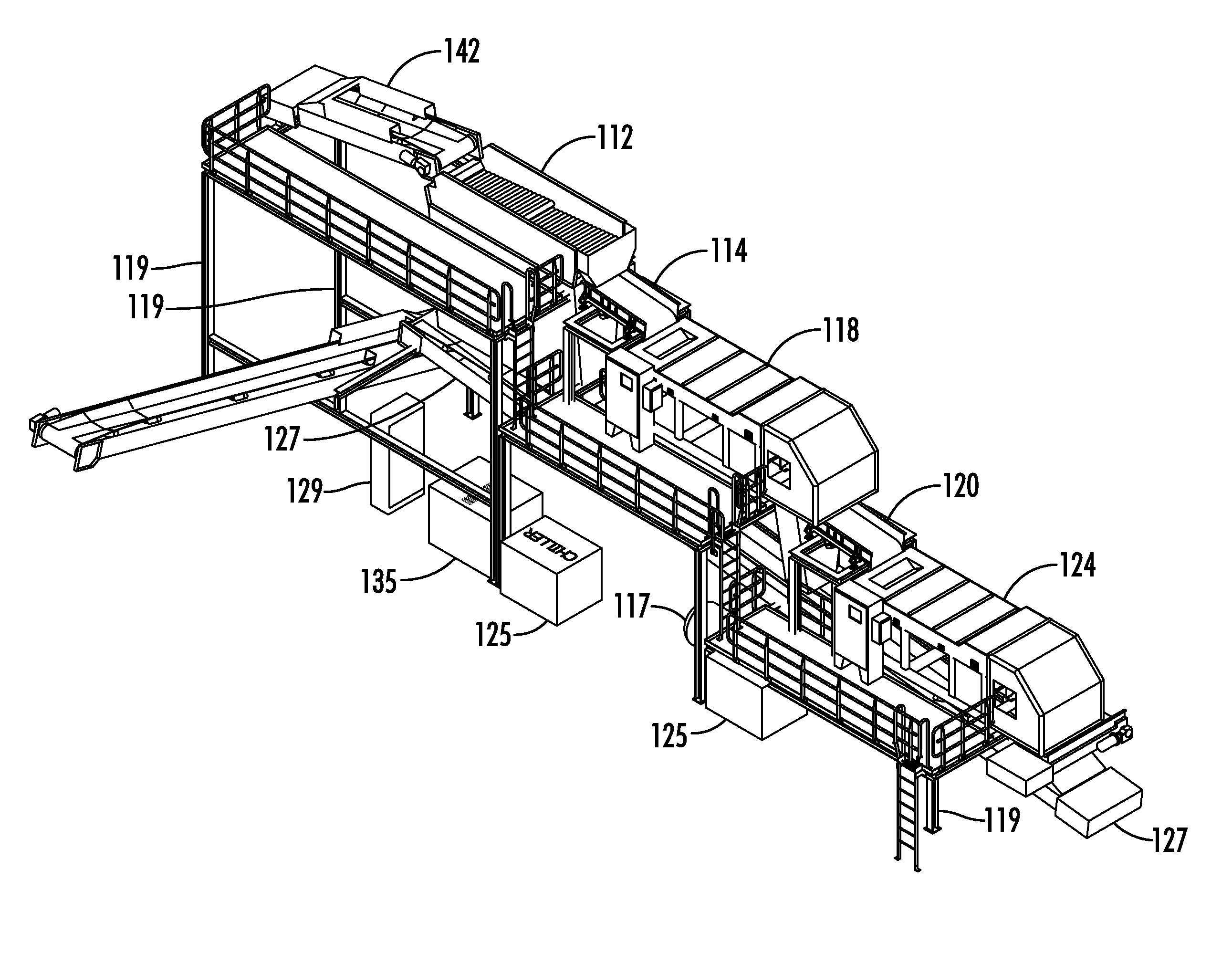
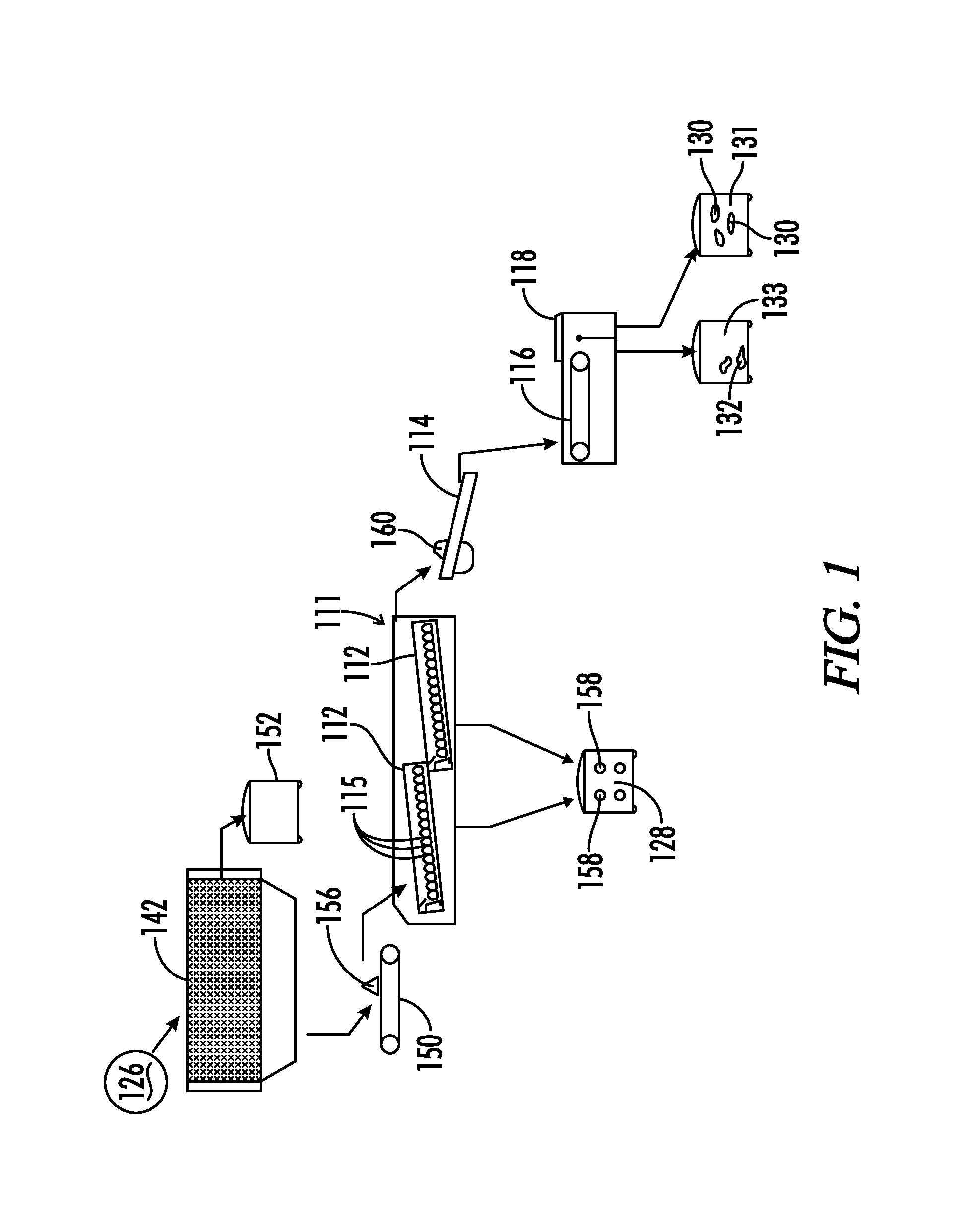
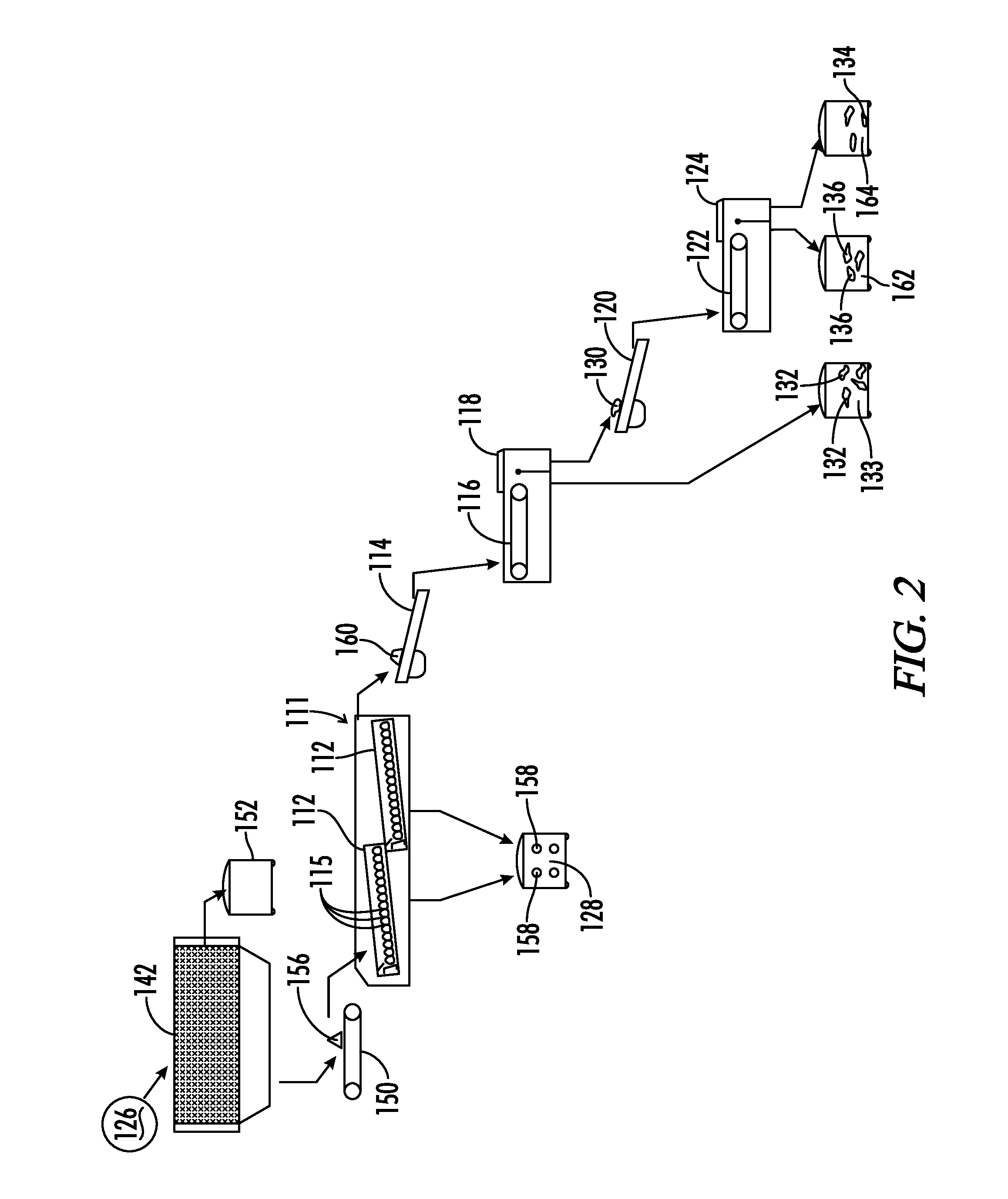
- A method involving sizing the waste material to specific sizes, using vibrating feeders and sorting devices to separate organic and inorganic fractions, with optional additional sorting steps to increase the yield and purity of organic material, including the use of x-ray sorters and air aspiration sorters to differentiate materials based on atomic density.

Regulatory Standards for Compostable Materials
The regulatory landscape for compostable materials in commercial waste systems has evolved significantly over the past two decades, driven by increasing environmental concerns and the need for standardized validation methods. At the international level, the European standard EN 13432 and the American standard ASTM D6400 serve as foundational frameworks, establishing comprehensive criteria for packaging materials claiming compostability. These standards define specific requirements including biodegradation rates, disintegration timelines, and ecotoxicity thresholds that materials must meet under controlled composting conditions.
In North America, the Biodegradable Products Institute (BPI) certification program has become the predominant third-party verification system, requiring materials to demonstrate at least 90% biodegradation within 180 days and complete disintegration with no visible residues larger than 2mm after 12 weeks of composting. The certification also mandates heavy metal content limits and plant toxicity testing to ensure compost safety. Similarly, European markets rely heavily on the Seedling logo certification managed by European Bioplastics, which verifies compliance with EN 13432 standards.
Recent regulatory developments have introduced more stringent requirements specific to commercial-scale operations. California's SB 1383 regulations, implemented in 2022, established mandatory organic waste diversion programs that directly impact compostable material acceptance criteria at commercial facilities. These regulations require materials to meet not only laboratory standards but also demonstrate successful processing in real-world commercial composting environments, addressing the gap between theoretical compostability and practical system compatibility.
The Federal Trade Commission's Green Guides in the United States provide additional oversight on marketing claims, prohibiting unqualified compostability statements unless materials can be composted in home composting systems or access to appropriate composting facilities is readily available. This regulatory framework emphasizes the distinction between industrial and home compostability, preventing misleading environmental claims that could undermine waste system integrity.
Emerging regulatory trends indicate a shift toward performance-based standards that account for varying processing conditions across commercial facilities, including temperature ranges, retention times, and moisture levels. Several jurisdictions are developing tiered certification systems that classify materials based on their compatibility with specific composting infrastructure types, recognizing that validation requirements must align with actual operational parameters rather than idealized laboratory conditions.
In North America, the Biodegradable Products Institute (BPI) certification program has become the predominant third-party verification system, requiring materials to demonstrate at least 90% biodegradation within 180 days and complete disintegration with no visible residues larger than 2mm after 12 weeks of composting. The certification also mandates heavy metal content limits and plant toxicity testing to ensure compost safety. Similarly, European markets rely heavily on the Seedling logo certification managed by European Bioplastics, which verifies compliance with EN 13432 standards.
Recent regulatory developments have introduced more stringent requirements specific to commercial-scale operations. California's SB 1383 regulations, implemented in 2022, established mandatory organic waste diversion programs that directly impact compostable material acceptance criteria at commercial facilities. These regulations require materials to meet not only laboratory standards but also demonstrate successful processing in real-world commercial composting environments, addressing the gap between theoretical compostability and practical system compatibility.
The Federal Trade Commission's Green Guides in the United States provide additional oversight on marketing claims, prohibiting unqualified compostability statements unless materials can be composted in home composting systems or access to appropriate composting facilities is readily available. This regulatory framework emphasizes the distinction between industrial and home compostability, preventing misleading environmental claims that could undermine waste system integrity.
Emerging regulatory trends indicate a shift toward performance-based standards that account for varying processing conditions across commercial facilities, including temperature ranges, retention times, and moisture levels. Several jurisdictions are developing tiered certification systems that classify materials based on their compatibility with specific composting infrastructure types, recognizing that validation requirements must align with actual operational parameters rather than idealized laboratory conditions.
Environmental Impact Assessment of Composting Systems
The environmental impact assessment of composting systems for validating compostable materials in commercial waste infrastructure requires comprehensive evaluation across multiple ecological dimensions. This assessment framework establishes critical benchmarks for determining whether compostable materials genuinely deliver environmental benefits compared to conventional waste management alternatives. The evaluation must encompass lifecycle considerations, from raw material extraction through end-of-life processing, ensuring that claimed environmental advantages are substantiated through rigorous scientific analysis.
Greenhouse gas emissions constitute a primary assessment criterion, measuring carbon dioxide, methane, and nitrous oxide releases throughout the composting process. Commercial composting facilities must demonstrate net carbon reduction compared to landfill disposal, accounting for emissions from collection, transportation, processing operations, and final compost application. Methane capture efficiency becomes particularly critical, as uncontrolled anaerobic decomposition can negate climate benefits. Advanced monitoring systems now enable real-time emission tracking, providing quantifiable data for comparative analysis between different material compositions and processing methodologies.
Water resource impacts require careful examination, including consumption during manufacturing, contamination risks from leachate generation, and water quality effects from compost application. Commercial composting operations must implement proper moisture management protocols to prevent nutrient runoff while maintaining optimal decomposition conditions. Assessment frameworks evaluate water footprint reduction potential compared to virgin material production, considering both direct facility usage and indirect agricultural irrigation requirements for feedstock cultivation.
Soil health implications represent another crucial dimension, examining how finished compost affects soil structure, nutrient availability, microbial diversity, and long-term fertility. Validation protocols must verify that compostable materials break down into beneficial soil amendments without introducing persistent contaminants, microplastics, or phytotoxic residues. Heavy metal content, PFAS concentrations, and residual polymer fragments require stringent testing to ensure compost safety for agricultural and horticultural applications.
Ecosystem toxicity assessments evaluate potential harm to terrestrial and aquatic organisms from material degradation byproducts. This includes ecotoxicological testing of leachate, finished compost, and intermediate decomposition products to identify any adverse effects on indicator species. The assessment must also consider cumulative environmental loading effects when compostable materials are processed at scale within regional waste management systems.
Greenhouse gas emissions constitute a primary assessment criterion, measuring carbon dioxide, methane, and nitrous oxide releases throughout the composting process. Commercial composting facilities must demonstrate net carbon reduction compared to landfill disposal, accounting for emissions from collection, transportation, processing operations, and final compost application. Methane capture efficiency becomes particularly critical, as uncontrolled anaerobic decomposition can negate climate benefits. Advanced monitoring systems now enable real-time emission tracking, providing quantifiable data for comparative analysis between different material compositions and processing methodologies.
Water resource impacts require careful examination, including consumption during manufacturing, contamination risks from leachate generation, and water quality effects from compost application. Commercial composting operations must implement proper moisture management protocols to prevent nutrient runoff while maintaining optimal decomposition conditions. Assessment frameworks evaluate water footprint reduction potential compared to virgin material production, considering both direct facility usage and indirect agricultural irrigation requirements for feedstock cultivation.
Soil health implications represent another crucial dimension, examining how finished compost affects soil structure, nutrient availability, microbial diversity, and long-term fertility. Validation protocols must verify that compostable materials break down into beneficial soil amendments without introducing persistent contaminants, microplastics, or phytotoxic residues. Heavy metal content, PFAS concentrations, and residual polymer fragments require stringent testing to ensure compost safety for agricultural and horticultural applications.
Ecosystem toxicity assessments evaluate potential harm to terrestrial and aquatic organisms from material degradation byproducts. This includes ecotoxicological testing of leachate, finished compost, and intermediate decomposition products to identify any adverse effects on indicator species. The assessment must also consider cumulative environmental loading effects when compostable materials are processed at scale within regional waste management systems.
Unlock deeper insights with Patsnap Eureka Quick Research — get a full tech report to explore trends and direct your research. Try now!
Generate Your Research Report Instantly with AI Agent
Supercharge your innovation with Patsnap Eureka AI Agent Platform!