
Validate Compostable Materials for Soil-Contact Applications
OCT 9, 20269 MIN READ
Generate Your Research Report Instantly with AI Agent
Patsnap Eureka helps you evaluate technical feasibility & market potential.
Compostable Materials Background and Validation Goals
Compostable materials represent a critical innovation in sustainable material science, emerging as a response to the global plastic pollution crisis and the urgent need for circular economy solutions. These materials are designed to biodegrade under specific environmental conditions, returning to natural elements without leaving persistent residues. The concept gained momentum in the 1990s when environmental concerns about conventional plastics intensified, prompting researchers and industries to explore bio-based and biodegradable alternatives derived from renewable resources such as polylactic acid, polyhydroxyalkanoates, starch blends, and cellulose derivatives.
The evolution of compostable materials has been driven by increasing regulatory pressures, consumer demand for eco-friendly products, and corporate sustainability commitments. Early developments focused primarily on packaging applications, but recent attention has shifted toward soil-contact applications including agricultural films, mulches, plant pots, erosion control products, and horticultural containers. These applications present unique challenges as materials must maintain functional integrity during use while ensuring complete and safe biodegradation in soil environments without introducing harmful substances or microplastics.
Current validation goals center on establishing robust testing protocols that accurately assess material performance across diverse soil conditions, climates, and agricultural practices. The primary objective is to verify that compostable materials degrade within acceptable timeframes, typically ranging from several months to two years depending on application requirements. Validation must confirm that degradation products are non-toxic to soil microorganisms, plants, and broader ecosystems, while also demonstrating that materials do not accumulate in agricultural soils over multiple application cycles.
Technical validation encompasses multiple dimensions including biodegradation rates, ecotoxicity assessments, physical disintegration patterns, and chemical composition analysis of residual materials. Standards such as EN 17033 for soil-biodegradable mulch films and ASTM D6400 for compostable plastics provide frameworks, yet gaps remain in addressing real-world variability and long-term environmental impacts. The ultimate goal is to establish comprehensive validation methodologies that balance agricultural functionality with environmental safety, enabling confident adoption of compostable materials in soil-contact applications while supporting sustainable agricultural practices and reducing plastic pollution in terrestrial ecosystems.
The evolution of compostable materials has been driven by increasing regulatory pressures, consumer demand for eco-friendly products, and corporate sustainability commitments. Early developments focused primarily on packaging applications, but recent attention has shifted toward soil-contact applications including agricultural films, mulches, plant pots, erosion control products, and horticultural containers. These applications present unique challenges as materials must maintain functional integrity during use while ensuring complete and safe biodegradation in soil environments without introducing harmful substances or microplastics.
Current validation goals center on establishing robust testing protocols that accurately assess material performance across diverse soil conditions, climates, and agricultural practices. The primary objective is to verify that compostable materials degrade within acceptable timeframes, typically ranging from several months to two years depending on application requirements. Validation must confirm that degradation products are non-toxic to soil microorganisms, plants, and broader ecosystems, while also demonstrating that materials do not accumulate in agricultural soils over multiple application cycles.
Technical validation encompasses multiple dimensions including biodegradation rates, ecotoxicity assessments, physical disintegration patterns, and chemical composition analysis of residual materials. Standards such as EN 17033 for soil-biodegradable mulch films and ASTM D6400 for compostable plastics provide frameworks, yet gaps remain in addressing real-world variability and long-term environmental impacts. The ultimate goal is to establish comprehensive validation methodologies that balance agricultural functionality with environmental safety, enabling confident adoption of compostable materials in soil-contact applications while supporting sustainable agricultural practices and reducing plastic pollution in terrestrial ecosystems.
Market Demand for Soil-Contact Compostable Products
The global shift toward sustainable materials has created substantial market momentum for compostable products designed for soil-contact applications. Agricultural sectors, landscaping industries, and horticulture operations represent primary demand drivers, as these fields increasingly seek alternatives to conventional plastics that contribute to soil contamination and microplastic accumulation. The agricultural mulch film segment alone demonstrates significant growth potential, as traditional polyethylene films require costly removal and disposal, whereas validated compostable alternatives can be tilled directly into soil after use.
Consumer awareness regarding environmental impact has intensified demand across multiple application categories. Biodegradable plant pots, seedling trays, and nursery containers have gained traction among both commercial growers and home gardeners who prioritize soil health and waste reduction. The organic farming sector particularly values soil-contact compostable materials, as these products align with certification requirements that prohibit synthetic residues in cultivation systems.
Regulatory frameworks increasingly favor compostable materials through plastic reduction mandates and extended producer responsibility schemes. Several jurisdictions have implemented restrictions on single-use plastics in agricultural contexts, creating compliance-driven demand for validated alternatives. This regulatory pressure extends beyond agriculture to landscaping textiles, erosion control products, and temporary ground covers used in construction and restoration projects.
The packaging industry represents an emerging demand segment, particularly for products requiring direct soil disposal pathways. Compostable food service items and packaging materials designed for backyard or industrial composting facilities must demonstrate soil compatibility to meet certification standards and consumer expectations. This intersection between packaging waste management and soil health concerns has expanded the addressable market for validated compostable materials.
Market growth faces constraints from performance verification requirements and price sensitivity. End users demand rigorous validation that materials will decompose completely without leaving harmful residues or affecting soil chemistry. Cost premiums compared to conventional materials remain a barrier in price-competitive sectors, though total lifecycle cost analyses increasingly favor compostable options when disposal expenses and environmental externalities are considered. The validation of compostable materials for soil-contact applications directly addresses these market barriers by providing the technical assurance necessary for broader commercial adoption.
Consumer awareness regarding environmental impact has intensified demand across multiple application categories. Biodegradable plant pots, seedling trays, and nursery containers have gained traction among both commercial growers and home gardeners who prioritize soil health and waste reduction. The organic farming sector particularly values soil-contact compostable materials, as these products align with certification requirements that prohibit synthetic residues in cultivation systems.
Regulatory frameworks increasingly favor compostable materials through plastic reduction mandates and extended producer responsibility schemes. Several jurisdictions have implemented restrictions on single-use plastics in agricultural contexts, creating compliance-driven demand for validated alternatives. This regulatory pressure extends beyond agriculture to landscaping textiles, erosion control products, and temporary ground covers used in construction and restoration projects.
The packaging industry represents an emerging demand segment, particularly for products requiring direct soil disposal pathways. Compostable food service items and packaging materials designed for backyard or industrial composting facilities must demonstrate soil compatibility to meet certification standards and consumer expectations. This intersection between packaging waste management and soil health concerns has expanded the addressable market for validated compostable materials.
Market growth faces constraints from performance verification requirements and price sensitivity. End users demand rigorous validation that materials will decompose completely without leaving harmful residues or affecting soil chemistry. Cost premiums compared to conventional materials remain a barrier in price-competitive sectors, though total lifecycle cost analyses increasingly favor compostable options when disposal expenses and environmental externalities are considered. The validation of compostable materials for soil-contact applications directly addresses these market barriers by providing the technical assurance necessary for broader commercial adoption.
Current Status and Challenges in Compostable Material Validation
The validation of compostable materials for soil-contact applications currently faces significant methodological and standardization challenges that impede widespread adoption and reliable performance assessment. Existing certification frameworks primarily focus on industrial composting conditions, which differ substantially from direct soil-contact environments in terms of microbial communities, moisture levels, temperature fluctuations, and degradation timelines. This disconnect creates uncertainty regarding material behavior in actual agricultural and horticultural settings.
Current testing protocols, such as ISO 17088 and ASTM D6400, predominantly evaluate biodegradation in controlled composting facilities at elevated temperatures (58-60°C), whereas soil environments typically operate at ambient temperatures with seasonal variations. This fundamental mismatch means materials certified as compostable may exhibit drastically different degradation rates and pathways when applied directly to soil, potentially persisting longer than anticipated or releasing unintended byproducts.
The lack of standardized soil-contact validation methods represents a critical gap in the field. While some research institutions have developed proprietary testing approaches, no universally accepted protocol exists for assessing degradation rates, ecotoxicity effects, and residue formation under diverse soil conditions. Variables such as soil pH, microbial diversity, moisture content, and organic matter composition significantly influence degradation outcomes, yet current validation frameworks inadequately account for this environmental heterogeneity.
Another major challenge involves the verification of material composition and the detection of non-compostable additives or contaminants. Many commercially available products labeled as compostable contain conventional plastic blends, chemical additives, or heavy metals that accumulate in soil over time. Current analytical capabilities struggle to efficiently identify and quantify these problematic components at scale, particularly for complex multi-layer materials or coated products.
The absence of long-term field studies further complicates validation efforts. Most existing research focuses on short-term laboratory assessments lasting weeks to months, providing limited insight into cumulative environmental impacts, potential phytotoxicity, or effects on soil microbiome composition over multiple growing seasons. This temporal limitation prevents comprehensive risk assessment and hinders the development of evidence-based application guidelines for agricultural practitioners.
Current testing protocols, such as ISO 17088 and ASTM D6400, predominantly evaluate biodegradation in controlled composting facilities at elevated temperatures (58-60°C), whereas soil environments typically operate at ambient temperatures with seasonal variations. This fundamental mismatch means materials certified as compostable may exhibit drastically different degradation rates and pathways when applied directly to soil, potentially persisting longer than anticipated or releasing unintended byproducts.
The lack of standardized soil-contact validation methods represents a critical gap in the field. While some research institutions have developed proprietary testing approaches, no universally accepted protocol exists for assessing degradation rates, ecotoxicity effects, and residue formation under diverse soil conditions. Variables such as soil pH, microbial diversity, moisture content, and organic matter composition significantly influence degradation outcomes, yet current validation frameworks inadequately account for this environmental heterogeneity.
Another major challenge involves the verification of material composition and the detection of non-compostable additives or contaminants. Many commercially available products labeled as compostable contain conventional plastic blends, chemical additives, or heavy metals that accumulate in soil over time. Current analytical capabilities struggle to efficiently identify and quantify these problematic components at scale, particularly for complex multi-layer materials or coated products.
The absence of long-term field studies further complicates validation efforts. Most existing research focuses on short-term laboratory assessments lasting weeks to months, providing limited insight into cumulative environmental impacts, potential phytotoxicity, or effects on soil microbiome composition over multiple growing seasons. This temporal limitation prevents comprehensive risk assessment and hinders the development of evidence-based application guidelines for agricultural practitioners.
Current Validation Methods for Soil-Contact Applications
01 Compostable packaging materials and films
Development of compostable materials and flexible films specifically engineered for packaging applications, including food containers, bags, and liquid packaging. These materials offer environmentally friendly alternatives to conventional single-use plastics while maintaining structural integrity during storage.- Compostable packaging materials and films: Development of compostable materials and flexible films specifically tailored for packaging applications, such as food packaging, fluid containment, and shipping containers. These materials provide environmental sustainability while maintaining the required barrier properties and mechanical strength for packaging.
- Compostable containers and sealing methods: Innovative structures for compostable containers, cups, and associated sealing methods. These technical solutions focus on deforming or bonding lidding materials and inner coatings to form secure, eco-friendly containers for food, beverages, and single-use commodities.
- Processes for preparing composite and modified biomaterials: Methods and chemical processes for manufacturing green compostable biomaterials, wood composites, and modified composite materials. Techniques include incorporating nanoscale agricultural byproducts, such as corn stalks, to enhance material properties and biodegradability.
- Compostable labels and adhesive products: Formulation and design of compostable labels, tags, and adhesive-backed products suitable for home or industrial composting. These components ensure that labeling elements degrade naturally alongside the main packaged product without leaving harmful residues.
- Compostable waste processing systems and apparatuses: Specialized apparatuses, mechanical equipment, and operational processes designed for handling, sorting, metering, and processing compostable organic waste efficiently for both residential and commercial applications.
02 Methods and apparatuses for processing compostable waste
Technologies, processing systems, and specialized equipment designed for handling, metering, and decomposing compostable organic materials and waste. These solutions address operational reliability and efficiency issues in both residential and industrial waste treatment.Expand Specific Solutions03 Compostable labels, adhesives, and sealing methods
Innovations in compostable labels, self-adhesive components, and techniques for sealing compostable containers. These developments ensure that auxiliary components like lidding materials and closures are fully home- or industrially compostable without releasing harmful residues.Expand Specific Solutions04 Bio-based and composite compostable material formulations
Formulations incorporating natural fibers, nano-scale biomass like corn stalks, wood composites, and specialized biopolymer blends. These compositions enhance the mechanical properties, such as stiffness and biodegradability, of eco-friendly consumer products and industrial materials.Expand Specific Solutions05 Compostable single-use commodities and consumer articles
Manufacturing of various single-use consumer products, household goods, and specialty items using compostable materials. Examples include disposable cups, scoops, cleaning sponges, toys, flower pots, and dust bags that naturally degrade after disposal.Expand Specific Solutions
Key Players in Compostable Materials Industry
The validation of compostable materials for soil-contact applications represents an emerging yet rapidly maturing market segment, driven by increasing environmental regulations and sustainable agriculture demands. The competitive landscape spans diverse sectors including packaging manufacturers like Advanced Extrusion producing CPLA bio-based compostables, specialty chemical companies such as Eastman Chemical and Michelman developing biodegradable polymers and coatings, and agricultural solution providers like Sumika Agrotech and Groundscapes Express offering compost-based soil amendments. Japanese industrial conglomerates including Kuraray, Unitika, and Seiren demonstrate advanced technical capabilities in biodegradable materials development. The technology maturity varies significantly across players, with established firms like Mars and Alter Eco implementing compostable packaging commercially, while construction and infrastructure companies such as Shimizu Corp. and Sumitomo Forestry explore civil engineering applications, indicating a transitional phase from pilot projects toward mainstream adoption across multiple industries.
Eastman Chemical Co.
Technical Solution: Eastman Chemical has developed advanced compostable polymer solutions specifically designed for soil-contact applications, including their Eastman Cristal™ Renew copolyester and cellulose-based materials. Their technology focuses on creating biodegradable mulch films and agricultural materials that meet international compostability standards such as EN 13432 and ASTM D6400. The company employs molecular engineering to optimize degradation rates in soil environments while maintaining mechanical performance during use. Their materials demonstrate controlled breakdown through microbial activity, converting into CO2, water, and biomass without leaving harmful residues. Eastman's validation process includes extensive field trials measuring degradation rates, ecotoxicity testing, and soil health impact assessments across various climate conditions and soil types.
Strengths: Established global chemical company with robust R&D infrastructure, comprehensive testing protocols meeting multiple international standards, proven track record in biodegradable polymers. Weaknesses: Higher material costs compared to conventional plastics, degradation rates may vary significantly depending on environmental conditions.
Michelman, Inc.
Technical Solution: Michelman specializes in water-based barrier coatings and compostable surface treatments for soil-contact applications, particularly for paper-based and fiber-based agricultural products. Their Michem® Coat and Prime technologies provide compostable barrier solutions that protect materials from moisture and soil contact while ensuring complete biodegradation. The company's validation approach includes comprehensive testing according to EN 13432, ASTM D6400, and ISO standards, with specific focus on disintegration rates, ecotoxicity, and heavy metal content. Their formulations are designed to maintain structural integrity during the growing season while breaking down completely post-use. Michelman conducts extensive field validation studies in partnership with agricultural research institutions to verify performance across different soil types, pH levels, and microbial populations.
Strengths: Specialized expertise in coating technologies, strong focus on sustainable chemistry, flexible customization for specific applications. Weaknesses: Limited to coating applications rather than bulk materials, requires substrate compatibility testing for each application.
Core Technologies in Biodegradation Assessment
Compostable wet-laid articles comprising cellulose and cellulose esters
PatentInactiveUS20200063365A1
Innovation
- A wet laid product comprising virgin or waste/recycle cellulose fibers combined with cellulose ester staple fibers, featuring a denier per filament of less than 3, cut length of less than 6 mm, and crimping, which are biodegradable and compostable, along with a process for obtaining biodegradability certification through independent laboratory testing.
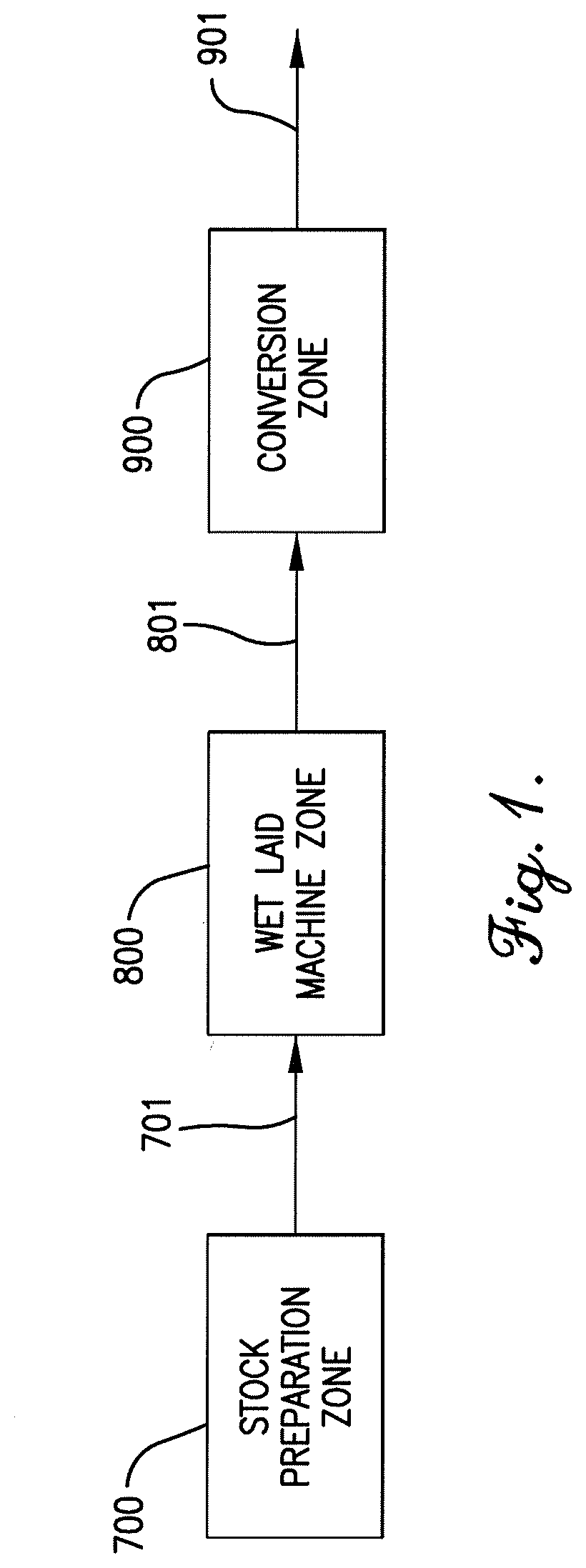
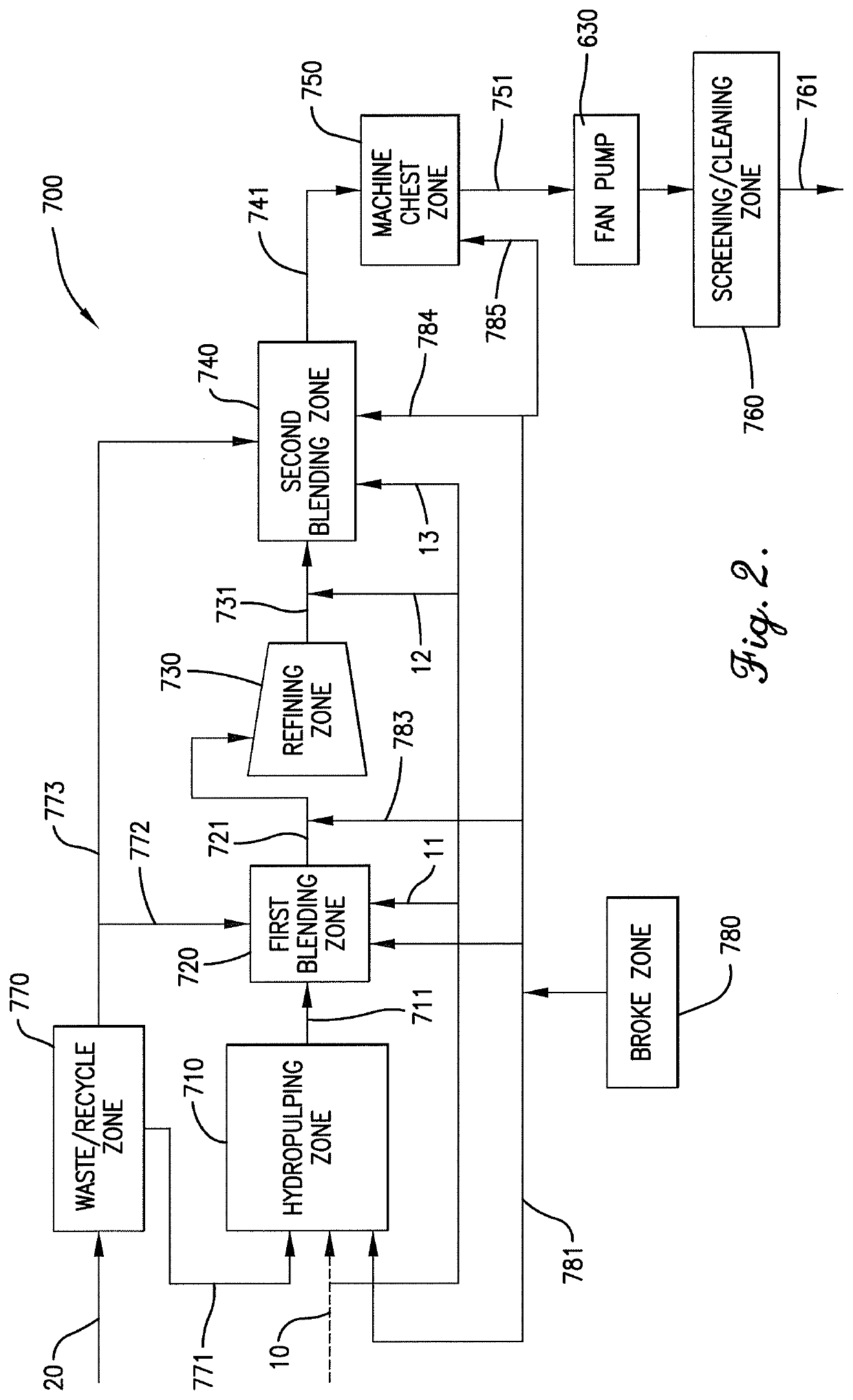
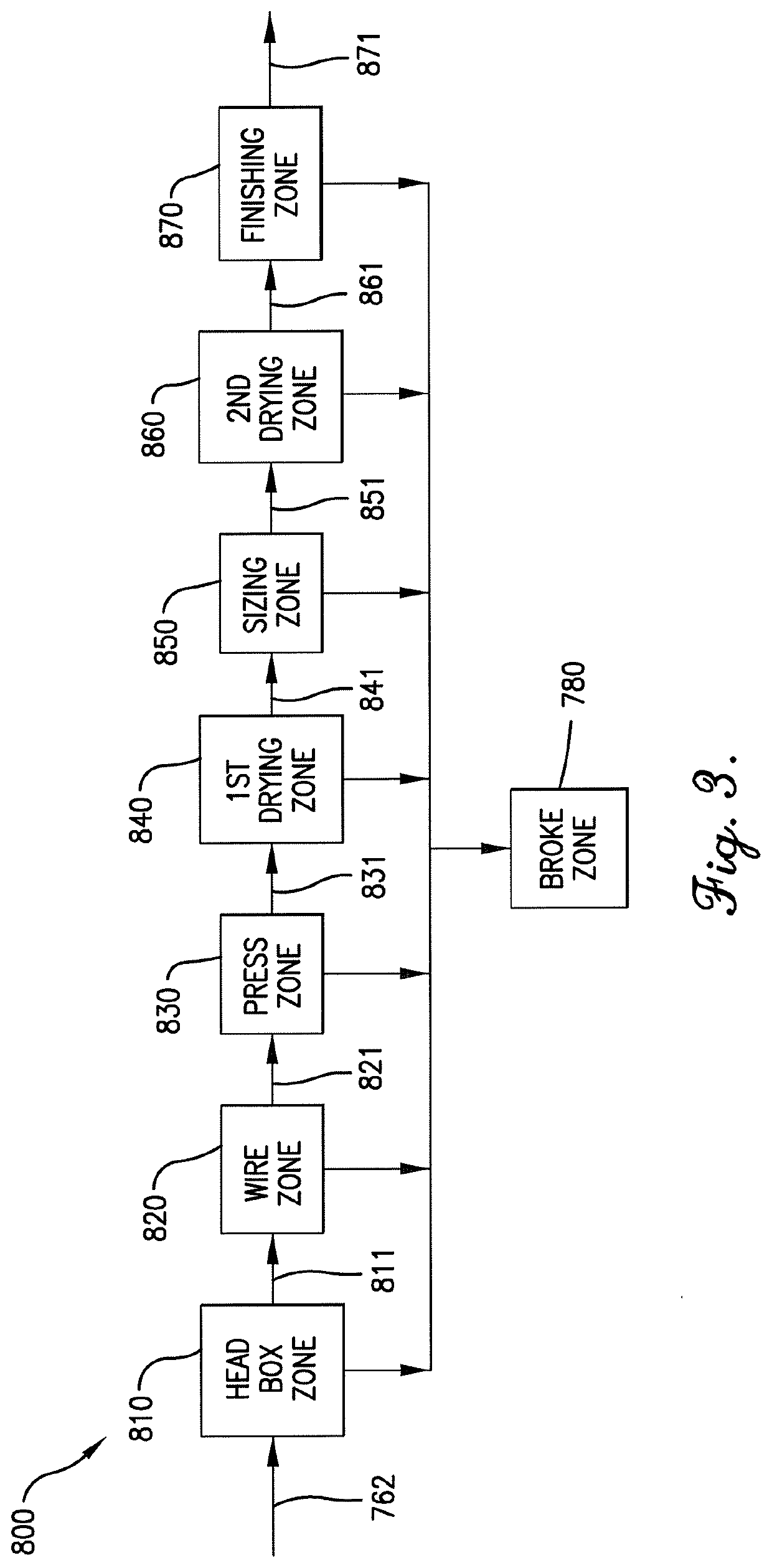

Compostable wet-laid articles comprising cellulose and cellulose esters
PatentWO2020050971A2
Innovation
- The development of wet laid products comprising cellulose fibers and cellulose ester staple fibers with specific properties such as denier per filament of less than 3, cut length of less than 6 mm, and crimping, which are biodegradable and compostable, along with a process for obtaining biodegradability certification through independent laboratory testing.


Environmental Regulations and Certification Standards
The validation of compostable materials for soil-contact applications operates within a complex framework of environmental regulations and certification standards that vary significantly across global markets. These regulatory mechanisms serve as critical gatekeepers, ensuring that materials claiming compostability genuinely meet environmental safety criteria and perform as intended when in direct contact with soil ecosystems. Understanding this regulatory landscape is essential for manufacturers, researchers, and end-users seeking to deploy compostable solutions responsibly.
At the international level, several key standards have emerged as benchmarks for compostability validation. The European standard EN 13432 establishes comprehensive requirements for packaging recoverable through composting and biodegradation, including disintegration thresholds, biodegradation rates, and ecotoxicity limits. Similarly, ASTM D6400 in North America provides specifications for labeling plastics designed to be aerobically composted in municipal or industrial facilities. For soil-contact applications specifically, ISO 17088 offers broader guidance on compostable plastics, while emerging standards like EN 17033 address biodegradable mulch films used in agriculture.
Regional regulatory frameworks add additional layers of complexity. The European Union's Packaging and Packaging Waste Directive mandates that compostable materials meet specific criteria before market entry, with member states implementing varying enforcement mechanisms. In the United States, the Federal Trade Commission's Green Guides govern environmental marketing claims, requiring substantiation of compostability assertions. California's AB 1201 represents stricter state-level legislation, prohibiting products labeled as compostable unless they meet ASTM standards and are accepted by composting facilities.
Certification bodies play a pivotal role in translating standards into market-ready validation. Organizations such as TÜV Austria's OK Compost and Biodegradable Products Institute (BPI) in North America provide third-party verification that materials comply with relevant standards. The Seedling logo in Europe and the Australasian Bioplastics Association certification in the Asia-Pacific region offer similar assurance mechanisms. These certifications typically require comprehensive testing protocols including biodegradation assessment, ecotoxicity evaluation, and heavy metal content analysis.
Emerging regulatory trends reflect growing sophistication in addressing soil-contact applications. Recent developments include stricter requirements for demonstrating that degradation products do not accumulate harmful residues in agricultural soils, enhanced testing protocols for microplastic formation during decomposition, and expanded scope covering diverse application environments beyond industrial composting facilities. These evolving standards increasingly recognize that soil-contact scenarios demand more rigorous validation than controlled composting conditions, driving innovation in testing methodologies and material design.
At the international level, several key standards have emerged as benchmarks for compostability validation. The European standard EN 13432 establishes comprehensive requirements for packaging recoverable through composting and biodegradation, including disintegration thresholds, biodegradation rates, and ecotoxicity limits. Similarly, ASTM D6400 in North America provides specifications for labeling plastics designed to be aerobically composted in municipal or industrial facilities. For soil-contact applications specifically, ISO 17088 offers broader guidance on compostable plastics, while emerging standards like EN 17033 address biodegradable mulch films used in agriculture.
Regional regulatory frameworks add additional layers of complexity. The European Union's Packaging and Packaging Waste Directive mandates that compostable materials meet specific criteria before market entry, with member states implementing varying enforcement mechanisms. In the United States, the Federal Trade Commission's Green Guides govern environmental marketing claims, requiring substantiation of compostability assertions. California's AB 1201 represents stricter state-level legislation, prohibiting products labeled as compostable unless they meet ASTM standards and are accepted by composting facilities.
Certification bodies play a pivotal role in translating standards into market-ready validation. Organizations such as TÜV Austria's OK Compost and Biodegradable Products Institute (BPI) in North America provide third-party verification that materials comply with relevant standards. The Seedling logo in Europe and the Australasian Bioplastics Association certification in the Asia-Pacific region offer similar assurance mechanisms. These certifications typically require comprehensive testing protocols including biodegradation assessment, ecotoxicity evaluation, and heavy metal content analysis.
Emerging regulatory trends reflect growing sophistication in addressing soil-contact applications. Recent developments include stricter requirements for demonstrating that degradation products do not accumulate harmful residues in agricultural soils, enhanced testing protocols for microplastic formation during decomposition, and expanded scope covering diverse application environments beyond industrial composting facilities. These evolving standards increasingly recognize that soil-contact scenarios demand more rigorous validation than controlled composting conditions, driving innovation in testing methodologies and material design.
Soil Health Impact Assessment Framework
Establishing a comprehensive Soil Health Impact Assessment Framework is essential for validating compostable materials intended for soil-contact applications. This framework must integrate multiple evaluation dimensions to ensure that materials claiming compostability genuinely contribute to soil ecosystem vitality rather than introducing harmful residues or disrupting biological processes. The assessment methodology should encompass both short-term degradation metrics and long-term soil quality indicators, creating a holistic validation system that addresses environmental safety, agronomic performance, and ecological sustainability.
The framework should prioritize biological activity measurements as primary indicators of soil health response. Key parameters include microbial biomass carbon, enzyme activity profiles, and respiration rates, which collectively reflect the soil's biological vitality following material incorporation. These metrics provide early warning signals of potential toxicity or beneficial effects, enabling differentiation between materials that merely disappear physically versus those that integrate beneficially into soil ecosystems. Standardized sampling protocols across different soil types and climatic conditions ensure reproducibility and comparability of results.
Physical and chemical soil property assessments form the second pillar of this framework. Critical measurements include soil structure stability, water retention capacity, cation exchange capacity, and nutrient availability dynamics. These parameters reveal whether compostable materials enhance or compromise fundamental soil functions. Particular attention should be given to residual polymer fragments through advanced analytical techniques, establishing threshold limits for acceptable degradation completeness that prevent microplastic accumulation.
Ecotoxicological evaluation constitutes the third essential component, examining impacts on soil fauna and flora beyond microbial communities. Standardized bioassays using earthworms, springtails, and plant germination tests provide sensitive indicators of potential adverse effects. This multi-species approach captures diverse ecological interactions and ensures materials do not harm beneficial soil organisms critical for ecosystem services.
Temporal monitoring protocols must extend beyond conventional composting timeframes, incorporating multi-season field trials that capture seasonal variations and cumulative effects. The framework should mandate assessment periods of at least 12-24 months to observe complete degradation cycles and detect delayed impacts. Comparative analysis against control soils and conventional materials establishes baseline references for interpreting results. Integration of these assessment dimensions creates a rigorous validation system that protects soil health while advancing sustainable material innovation.
The framework should prioritize biological activity measurements as primary indicators of soil health response. Key parameters include microbial biomass carbon, enzyme activity profiles, and respiration rates, which collectively reflect the soil's biological vitality following material incorporation. These metrics provide early warning signals of potential toxicity or beneficial effects, enabling differentiation between materials that merely disappear physically versus those that integrate beneficially into soil ecosystems. Standardized sampling protocols across different soil types and climatic conditions ensure reproducibility and comparability of results.
Physical and chemical soil property assessments form the second pillar of this framework. Critical measurements include soil structure stability, water retention capacity, cation exchange capacity, and nutrient availability dynamics. These parameters reveal whether compostable materials enhance or compromise fundamental soil functions. Particular attention should be given to residual polymer fragments through advanced analytical techniques, establishing threshold limits for acceptable degradation completeness that prevent microplastic accumulation.
Ecotoxicological evaluation constitutes the third essential component, examining impacts on soil fauna and flora beyond microbial communities. Standardized bioassays using earthworms, springtails, and plant germination tests provide sensitive indicators of potential adverse effects. This multi-species approach captures diverse ecological interactions and ensures materials do not harm beneficial soil organisms critical for ecosystem services.
Temporal monitoring protocols must extend beyond conventional composting timeframes, incorporating multi-season field trials that capture seasonal variations and cumulative effects. The framework should mandate assessment periods of at least 12-24 months to observe complete degradation cycles and detect delayed impacts. Comparative analysis against control soils and conventional materials establishes baseline references for interpreting results. Integration of these assessment dimensions creates a rigorous validation system that protects soil health while advancing sustainable material innovation.
Unlock deeper insights with Patsnap Eureka Quick Research — get a full tech report to explore trends and direct your research. Try now!
Generate Your Research Report Instantly with AI Agent
Supercharge your innovation with Patsnap Eureka AI Agent Platform!