Wireless Controller vs Cellular: Data Rate Comparison
MAR 5, 20269 MIN READ
Generate Your Research Report Instantly with AI Agent
Patsnap Eureka helps you evaluate technical feasibility & market potential.
Wireless Controller vs Cellular Technology Background and Objectives
The evolution of wireless communication technologies has fundamentally transformed how devices connect and exchange data across various applications. Two primary paradigms have emerged as dominant solutions: wireless controller-based systems and cellular networks. Each represents distinct architectural approaches to addressing connectivity challenges, with wireless controllers typically managing local area networks through protocols like Wi-Fi, Bluetooth, and proprietary radio frequencies, while cellular technologies leverage wide-area network infrastructure through standardized protocols including 4G LTE, 5G NR, and emerging 6G concepts.
The historical development of these technologies reflects divergent optimization strategies. Wireless controller systems evolved from the need for high-performance local connectivity, prioritizing low latency and high throughput within confined geographical areas. These systems typically operate in unlicensed spectrum bands and employ sophisticated signal processing techniques to maximize data rates through advanced modulation schemes, MIMO configurations, and beamforming technologies.
Cellular networks, conversely, developed to address ubiquitous connectivity requirements across vast geographical regions. The progression from 2G through 5G represents continuous advancement in spectral efficiency, with each generation introducing enhanced modulation techniques, carrier aggregation, and network densification strategies. The fundamental trade-off between coverage and capacity has driven cellular evolution toward heterogeneous network architectures combining macro cells, small cells, and distributed antenna systems.
Current technological objectives center on bridging the performance gap between these paradigms while maintaining their respective advantages. For wireless controllers, primary goals include achieving multi-gigabit data rates through Wi-Fi 6E and Wi-Fi 7 implementations, reducing latency to sub-millisecond levels, and improving reliability in dense deployment scenarios. Advanced techniques such as orthogonal frequency-division multiple access, spatial multiplexing, and dynamic spectrum management are being refined to maximize throughput efficiency.
Cellular technology objectives focus on realizing 5G's full potential while preparing for 6G deployment. Key targets include achieving theoretical peak rates exceeding 10 Gbps, implementing ultra-reliable low-latency communications for critical applications, and supporting massive machine-type communications. Network slicing, edge computing integration, and artificial intelligence-driven resource optimization represent core technological pillars for meeting these ambitious performance benchmarks.
The convergence of these technologies is driving hybrid solutions that leverage the strengths of both approaches, creating new possibilities for optimized data rate performance across diverse application scenarios.
The historical development of these technologies reflects divergent optimization strategies. Wireless controller systems evolved from the need for high-performance local connectivity, prioritizing low latency and high throughput within confined geographical areas. These systems typically operate in unlicensed spectrum bands and employ sophisticated signal processing techniques to maximize data rates through advanced modulation schemes, MIMO configurations, and beamforming technologies.
Cellular networks, conversely, developed to address ubiquitous connectivity requirements across vast geographical regions. The progression from 2G through 5G represents continuous advancement in spectral efficiency, with each generation introducing enhanced modulation techniques, carrier aggregation, and network densification strategies. The fundamental trade-off between coverage and capacity has driven cellular evolution toward heterogeneous network architectures combining macro cells, small cells, and distributed antenna systems.
Current technological objectives center on bridging the performance gap between these paradigms while maintaining their respective advantages. For wireless controllers, primary goals include achieving multi-gigabit data rates through Wi-Fi 6E and Wi-Fi 7 implementations, reducing latency to sub-millisecond levels, and improving reliability in dense deployment scenarios. Advanced techniques such as orthogonal frequency-division multiple access, spatial multiplexing, and dynamic spectrum management are being refined to maximize throughput efficiency.
Cellular technology objectives focus on realizing 5G's full potential while preparing for 6G deployment. Key targets include achieving theoretical peak rates exceeding 10 Gbps, implementing ultra-reliable low-latency communications for critical applications, and supporting massive machine-type communications. Network slicing, edge computing integration, and artificial intelligence-driven resource optimization represent core technological pillars for meeting these ambitious performance benchmarks.
The convergence of these technologies is driving hybrid solutions that leverage the strengths of both approaches, creating new possibilities for optimized data rate performance across diverse application scenarios.
Market Demand Analysis for High-Speed Wireless Data Solutions
The global demand for high-speed wireless data solutions has experienced unprecedented growth, driven by the proliferation of Internet of Things devices, autonomous systems, and real-time industrial applications. Organizations across manufacturing, logistics, healthcare, and smart city sectors increasingly require reliable wireless connectivity that can deliver consistent data rates while maintaining low latency and high reliability.
Industrial automation represents one of the most significant demand drivers, where wireless controllers must compete with cellular solutions in factory environments. Manufacturing facilities seek wireless technologies capable of supporting real-time control systems, predictive maintenance applications, and seamless machine-to-machine communication. The requirement for deterministic data transmission with minimal jitter has become critical for maintaining operational efficiency and safety standards.
The automotive and transportation sectors demonstrate substantial appetite for high-speed wireless solutions, particularly in connected vehicle applications and intelligent transportation systems. Fleet management, autonomous driving technologies, and vehicle-to-infrastructure communication create sustained demand for wireless technologies that can deliver reliable data rates across diverse geographic coverage areas.
Healthcare and medical device industries increasingly rely on wireless connectivity for remote patient monitoring, telemedicine applications, and connected medical equipment. These applications demand consistent data transmission capabilities to ensure patient safety and regulatory compliance, creating market opportunities for both wireless controller and cellular technologies.
Smart city initiatives and infrastructure modernization projects generate significant demand for scalable wireless solutions. Applications including traffic management, environmental monitoring, and public safety systems require wireless technologies capable of supporting diverse data rate requirements while maintaining cost-effectiveness across large deployment areas.
The enterprise and commercial sectors show growing interest in private wireless networks, seeking alternatives to traditional cellular infrastructure for specific use cases. Warehousing, logistics, and retail operations require wireless solutions that can deliver predictable performance within controlled environments while supporting mobility and scalability requirements.
Emerging applications in augmented reality, virtual reality, and edge computing continue expanding market demand for high-speed wireless connectivity. These technologies require wireless solutions capable of supporting bandwidth-intensive applications with ultra-low latency characteristics, influencing the competitive landscape between wireless controller and cellular technologies.
Market growth patterns indicate sustained expansion across multiple vertical sectors, with organizations evaluating wireless technologies based on data rate consistency, coverage requirements, deployment flexibility, and total cost of ownership considerations.
Industrial automation represents one of the most significant demand drivers, where wireless controllers must compete with cellular solutions in factory environments. Manufacturing facilities seek wireless technologies capable of supporting real-time control systems, predictive maintenance applications, and seamless machine-to-machine communication. The requirement for deterministic data transmission with minimal jitter has become critical for maintaining operational efficiency and safety standards.
The automotive and transportation sectors demonstrate substantial appetite for high-speed wireless solutions, particularly in connected vehicle applications and intelligent transportation systems. Fleet management, autonomous driving technologies, and vehicle-to-infrastructure communication create sustained demand for wireless technologies that can deliver reliable data rates across diverse geographic coverage areas.
Healthcare and medical device industries increasingly rely on wireless connectivity for remote patient monitoring, telemedicine applications, and connected medical equipment. These applications demand consistent data transmission capabilities to ensure patient safety and regulatory compliance, creating market opportunities for both wireless controller and cellular technologies.
Smart city initiatives and infrastructure modernization projects generate significant demand for scalable wireless solutions. Applications including traffic management, environmental monitoring, and public safety systems require wireless technologies capable of supporting diverse data rate requirements while maintaining cost-effectiveness across large deployment areas.
The enterprise and commercial sectors show growing interest in private wireless networks, seeking alternatives to traditional cellular infrastructure for specific use cases. Warehousing, logistics, and retail operations require wireless solutions that can deliver predictable performance within controlled environments while supporting mobility and scalability requirements.
Emerging applications in augmented reality, virtual reality, and edge computing continue expanding market demand for high-speed wireless connectivity. These technologies require wireless solutions capable of supporting bandwidth-intensive applications with ultra-low latency characteristics, influencing the competitive landscape between wireless controller and cellular technologies.
Market growth patterns indicate sustained expansion across multiple vertical sectors, with organizations evaluating wireless technologies based on data rate consistency, coverage requirements, deployment flexibility, and total cost of ownership considerations.
Current State and Challenges in Wireless Data Rate Performance
The current landscape of wireless data rate performance presents a complex dichotomy between wireless controller technologies and cellular networks, each operating under distinct technical paradigms and facing unique performance constraints. Wireless controllers, primarily operating in unlicensed spectrum bands such as 2.4GHz and 5GHz, demonstrate theoretical maximum data rates ranging from 150Mbps in basic 802.11n implementations to over 9.6Gbps in advanced Wi-Fi 6E configurations. However, real-world performance typically achieves only 40-60% of these theoretical maximums due to protocol overhead, interference, and environmental factors.
Cellular networks have evolved through multiple generations, with current 4G LTE networks delivering practical data rates between 20-100Mbps in typical deployment scenarios, while 5G networks promise significantly higher performance with theoretical peaks exceeding 10Gbps. The actual performance varies dramatically based on spectrum allocation, network congestion, and proximity to base stations, with urban environments often experiencing substantial degradation during peak usage periods.
A critical challenge affecting both technologies lies in spectrum efficiency and interference management. Wireless controllers operating in unlicensed bands face increasing congestion as device density grows, particularly in enterprise and high-density residential environments. The limited number of non-overlapping channels in the 2.4GHz band creates significant bottlenecks, while the 5GHz band, despite offering more channels, suffers from reduced range and penetration characteristics.
Cellular networks encounter different but equally significant obstacles, including the substantial infrastructure investment required for 5G deployment and the complex coordination needed between multiple carriers sharing spectrum resources. The transition from 4G to 5G has revealed implementation challenges, particularly in achieving consistent millimeter-wave coverage and managing the increased power consumption associated with higher-frequency operations.
Latency performance represents another critical differentiator, with wireless controllers typically achieving sub-10ms latency in optimal conditions, while cellular networks range from 20-50ms for 4G and potentially sub-1ms for 5G under ideal circumstances. However, both technologies face significant latency variations under real-world conditions, impacting applications requiring consistent low-latency performance.
The geographic distribution of performance capabilities reveals stark disparities, with wireless controller performance remaining relatively consistent across different regions, while cellular performance varies significantly based on infrastructure maturity and regulatory spectrum policies. This creates substantial challenges for applications requiring predictable performance across diverse deployment environments.
Cellular networks have evolved through multiple generations, with current 4G LTE networks delivering practical data rates between 20-100Mbps in typical deployment scenarios, while 5G networks promise significantly higher performance with theoretical peaks exceeding 10Gbps. The actual performance varies dramatically based on spectrum allocation, network congestion, and proximity to base stations, with urban environments often experiencing substantial degradation during peak usage periods.
A critical challenge affecting both technologies lies in spectrum efficiency and interference management. Wireless controllers operating in unlicensed bands face increasing congestion as device density grows, particularly in enterprise and high-density residential environments. The limited number of non-overlapping channels in the 2.4GHz band creates significant bottlenecks, while the 5GHz band, despite offering more channels, suffers from reduced range and penetration characteristics.
Cellular networks encounter different but equally significant obstacles, including the substantial infrastructure investment required for 5G deployment and the complex coordination needed between multiple carriers sharing spectrum resources. The transition from 4G to 5G has revealed implementation challenges, particularly in achieving consistent millimeter-wave coverage and managing the increased power consumption associated with higher-frequency operations.
Latency performance represents another critical differentiator, with wireless controllers typically achieving sub-10ms latency in optimal conditions, while cellular networks range from 20-50ms for 4G and potentially sub-1ms for 5G under ideal circumstances. However, both technologies face significant latency variations under real-world conditions, impacting applications requiring consistent low-latency performance.
The geographic distribution of performance capabilities reveals stark disparities, with wireless controller performance remaining relatively consistent across different regions, while cellular performance varies significantly based on infrastructure maturity and regulatory spectrum policies. This creates substantial challenges for applications requiring predictable performance across diverse deployment environments.
Current Data Rate Solutions and Implementation Approaches
01 Dynamic data rate adjustment based on channel conditions
Wireless controllers can dynamically adjust cellular data rates based on real-time channel quality measurements and network conditions. The system monitors signal strength, interference levels, and packet error rates to optimize transmission rates. Adaptive modulation and coding schemes are employed to maximize throughput while maintaining connection stability. This approach ensures efficient use of available bandwidth and improves overall system performance in varying radio environments.- Dynamic data rate adjustment based on channel conditions: Wireless controllers can dynamically adjust cellular data rates based on real-time channel quality measurements and network conditions. The system monitors signal strength, interference levels, and available bandwidth to optimize transmission rates. This adaptive approach ensures efficient data transfer while maintaining connection stability and minimizing packet loss in varying radio environments.
- Multi-mode wireless controller supporting multiple cellular standards: Controllers designed to support multiple cellular communication standards and protocols can switch between different modes to achieve optimal data rates. These systems can operate across various generations of cellular technology and select the most appropriate mode based on network availability and performance requirements. The multi-mode capability enables seamless transitions and backward compatibility while maximizing throughput.
- Power management and data rate optimization: Wireless controllers implement power-aware algorithms that balance data transmission rates with energy consumption. The system adjusts transmission power levels and modulation schemes to maintain desired data rates while optimizing battery life. This approach includes scheduling mechanisms that prioritize data transmission during favorable conditions and implement sleep modes during idle periods.
- Quality of Service (QoS) management for cellular data transmission: Controllers incorporate QoS mechanisms to prioritize different types of data traffic and allocate bandwidth accordingly. The system classifies data streams based on application requirements and assigns appropriate transmission rates and latency parameters. This ensures critical data receives preferential treatment while maintaining overall network efficiency and user experience across multiple concurrent connections.
- Handover and mobility management for sustained data rates: Wireless controllers manage seamless handovers between cellular base stations and networks to maintain consistent data rates during mobility. The system predicts handover requirements, pre-establishes connections with target cells, and coordinates the transition to minimize interruption. Advanced algorithms ensure continuous data flow and rate adaptation during cell changes, supporting mobile applications with high throughput demands.
02 Multi-mode wireless controller supporting multiple cellular standards
Controllers designed to support multiple cellular technologies and data rate standards enable seamless switching between different network types. The system can operate across various generations of cellular networks, automatically selecting the optimal connection based on availability and performance requirements. This multi-mode capability provides backward compatibility while taking advantage of higher data rates when available, ensuring continuous connectivity across different network infrastructures.Expand Specific Solutions03 Quality of Service management for data rate allocation
Wireless controllers implement quality of service mechanisms to prioritize and allocate data rates according to application requirements and user priorities. The system classifies traffic types and assigns appropriate bandwidth and latency parameters to ensure critical data receives preferential treatment. Resource scheduling algorithms distribute available data rates among multiple users or applications while maintaining service level agreements and optimizing overall network utilization.Expand Specific Solutions04 Power control optimization for data rate transmission
Controllers incorporate power management techniques that balance transmission power with achievable data rates to optimize battery life and signal quality. The system adjusts transmit power levels based on distance to base station, required data throughput, and current power availability. Intelligent power control algorithms minimize energy consumption while maintaining target data rates, extending device operational time and reducing interference to other network users.Expand Specific Solutions05 Carrier aggregation and bandwidth management
Advanced wireless controllers utilize carrier aggregation techniques to combine multiple frequency bands and increase overall cellular data rates. The system coordinates transmission across multiple carriers simultaneously, managing bandwidth allocation and scheduling across aggregated channels. This technology enables significantly higher peak data rates by leveraging available spectrum resources across different frequency bands, improving user experience for high-bandwidth applications.Expand Specific Solutions
Major Players in Wireless Controller and Cellular Industries
The wireless controller versus cellular data rate comparison represents a mature technology domain experiencing rapid evolution driven by 5G deployment and IoT expansion. The market demonstrates substantial scale with billions in annual revenue, characterized by intense competition between established telecommunications giants and emerging technology innovators. Technology maturity varies significantly across segments, with companies like Qualcomm, Huawei, and Ericsson leading in advanced cellular solutions, while Apple, Samsung, and Sony drive wireless controller innovations. Traditional players including Nokia, NEC, and Fujitsu maintain strong positions in infrastructure, whereas newer entrants like Cradlepoint and Futurewei Technologies focus on specialized applications. The competitive landscape reflects a consolidating industry where patent portfolios, represented by entities like Thomson Licensing and RPX Corp, play crucial strategic roles in maintaining market position and enabling cross-licensing agreements essential for technological advancement.
Huawei Technologies Co., Ltd.
Technical Solution: Huawei's Balong 5000 series modems support both NSA and SA 5G networks with theoretical peak speeds of 6.5 Gbps downlink and 3.5 Gbps uplink. Their Kirin chipsets integrate advanced wireless controllers supporting Wi-Fi 6+ with 160MHz bandwidth achieving 3.6 Gbps throughput. Huawei's proprietary algorithms optimize beamforming and interference cancellation, enhancing data rates in dense network environments. Their dual-connectivity solutions enable simultaneous cellular and Wi-Fi operations with intelligent traffic steering based on real-time network conditions and application requirements.
Strengths: Integrated chipset solutions, strong 5G infrastructure expertise, advanced antenna technologies. Weaknesses: Limited market access due to trade restrictions, reduced ecosystem partnerships.
Telefonaktiebolaget LM Ericsson
Technical Solution: Ericsson's radio access solutions focus on network-side optimizations for enhanced data rates, including advanced MIMO configurations supporting up to 64T64R antenna arrays. Their 5G RAN solutions achieve spectral efficiency improvements of 3-5x compared to 4G through techniques like massive MIMO and beamforming. For device connectivity, Ericsson's modem IP supports carrier aggregation across 7 component carriers and advanced interference mitigation. Their wireless controller technologies incorporate machine learning algorithms for dynamic channel selection and power management, optimizing throughput in congested spectrum environments while maintaining sub-5ms latency for real-time applications.
Strengths: Network infrastructure expertise, advanced MIMO technologies, strong R&D capabilities. Weaknesses: Limited direct consumer device presence, focus primarily on infrastructure solutions.
Core Technologies for Wireless Data Rate Optimization
Method for determining data rate and packet length in mobile wireless networks
PatentActiveUS20120076010A1
Innovation
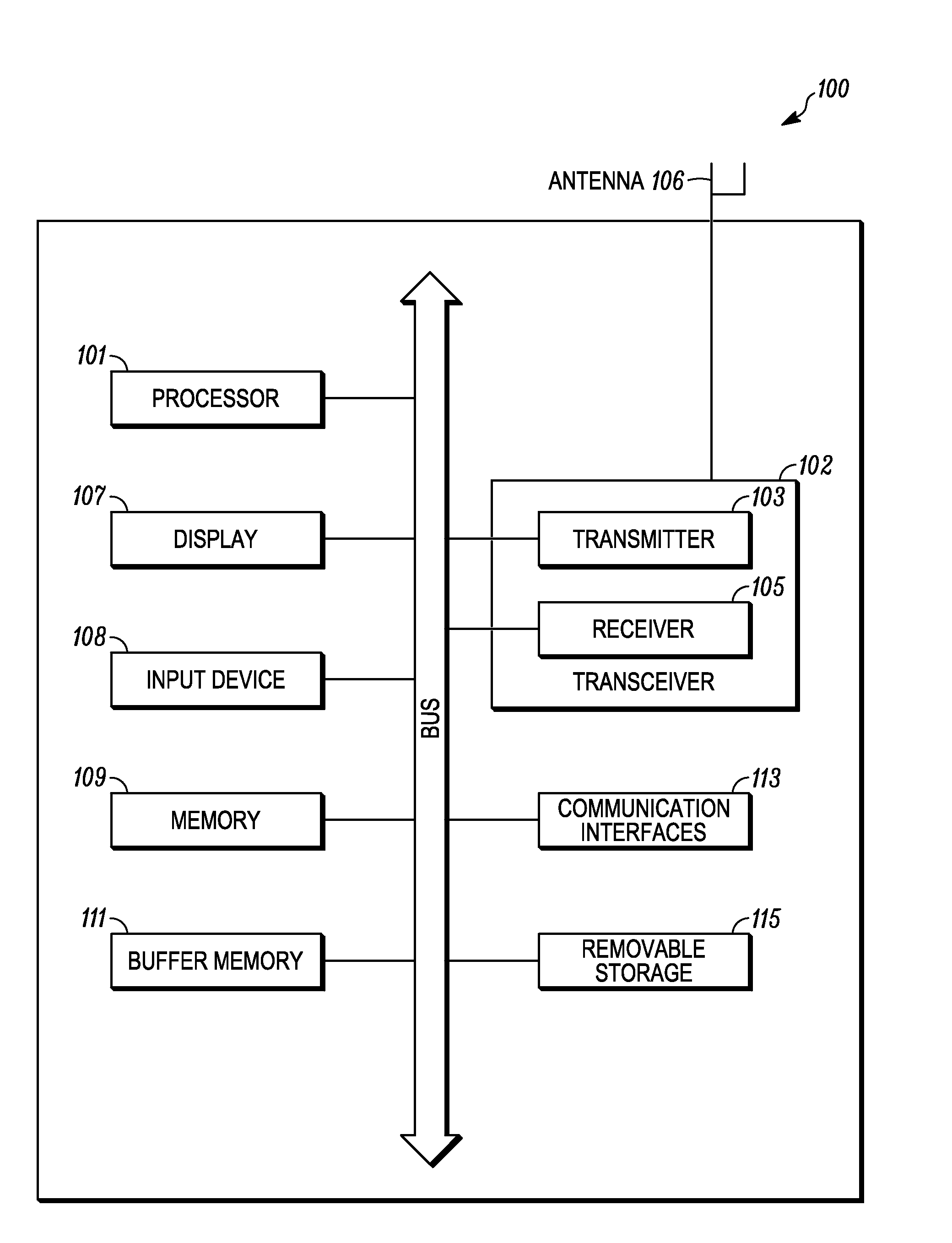
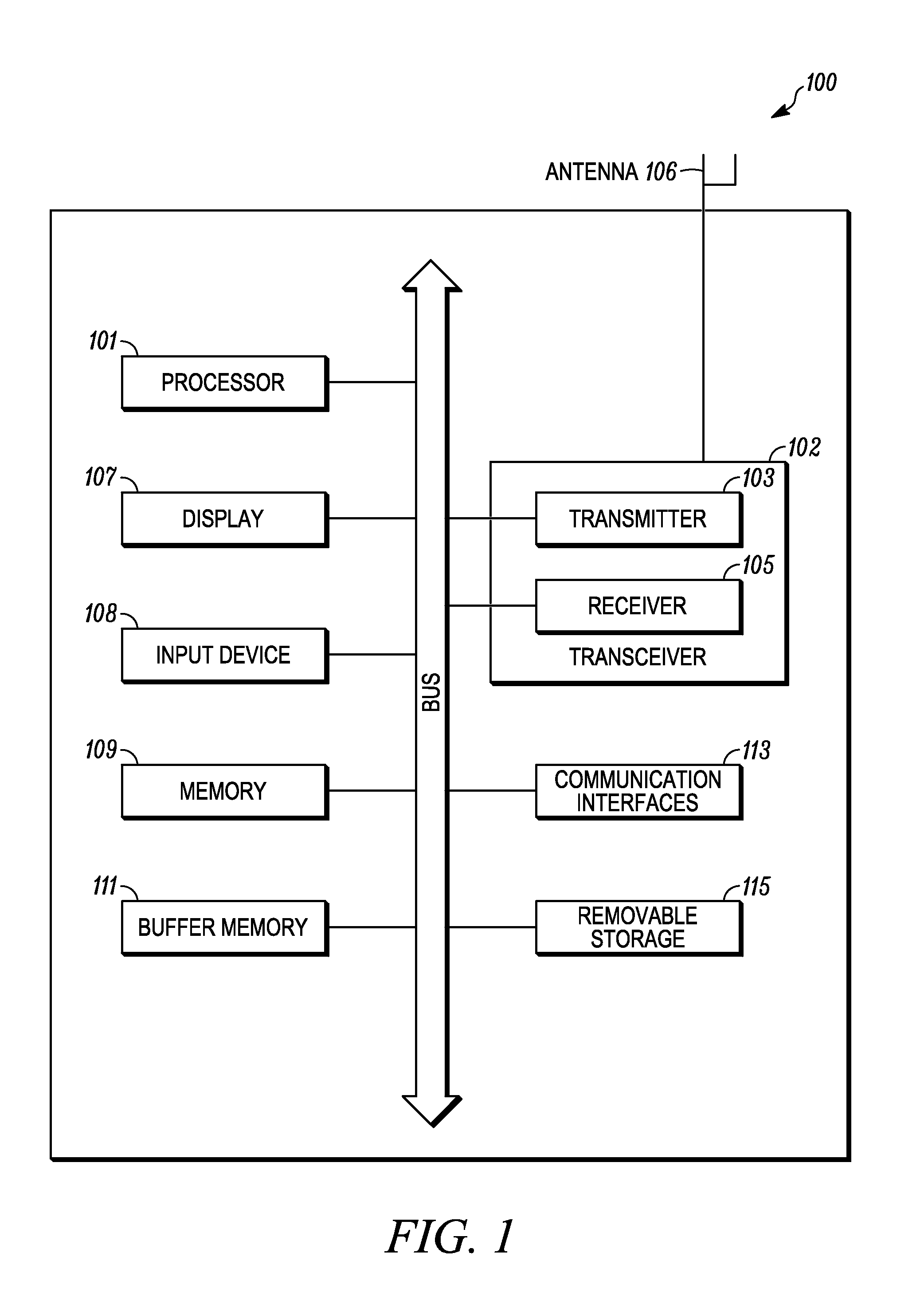
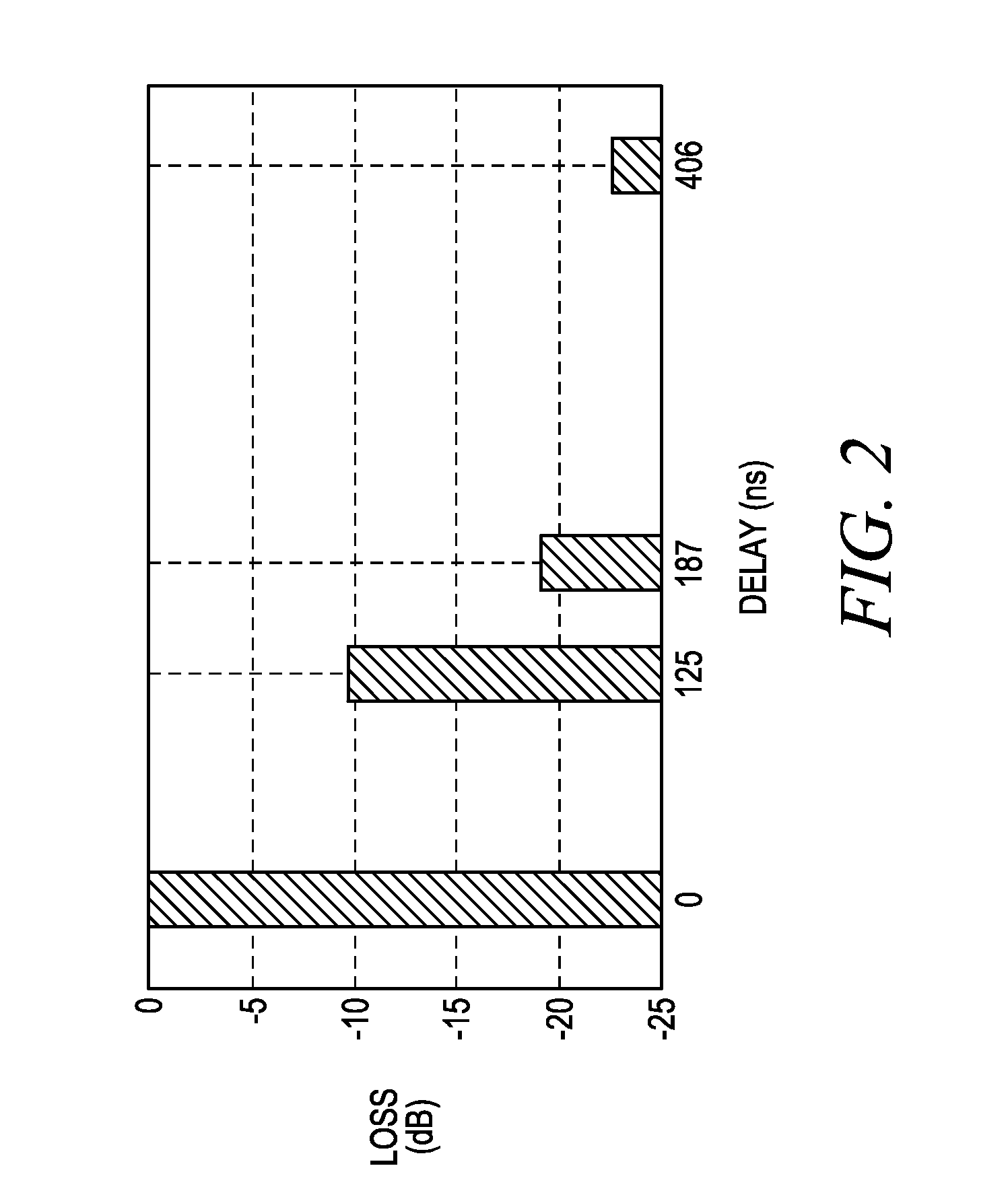
- A method that uses a Channel Condition Index (CCI) abstracted from simulations to quantify channel conditions, allowing for direct optimization of packet length and data rate, reducing real-time computation to table lookup and comparisons, and adjusting parameters based on packet completion rate (PCR) to achieve optimal communication efficiency.

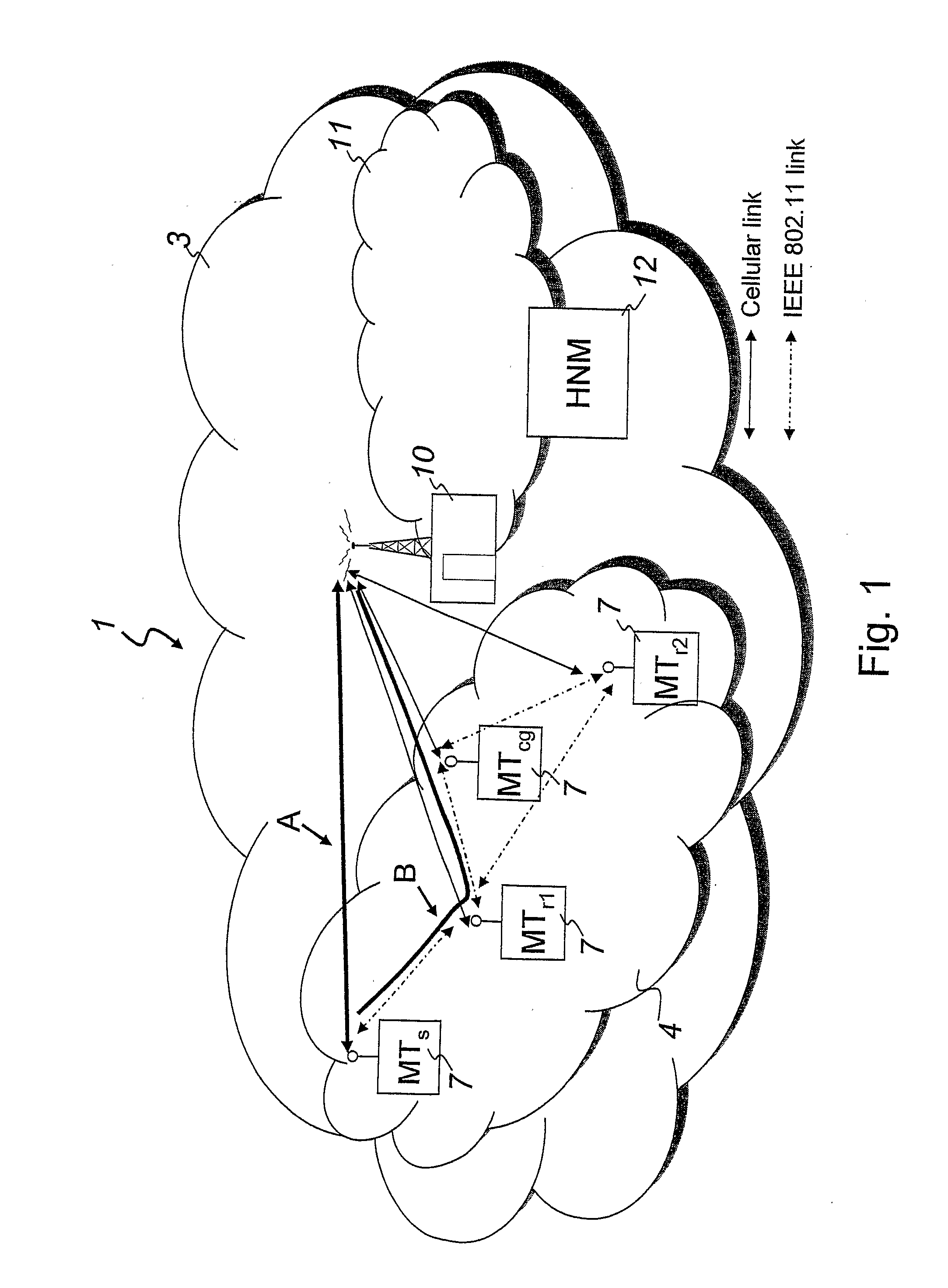
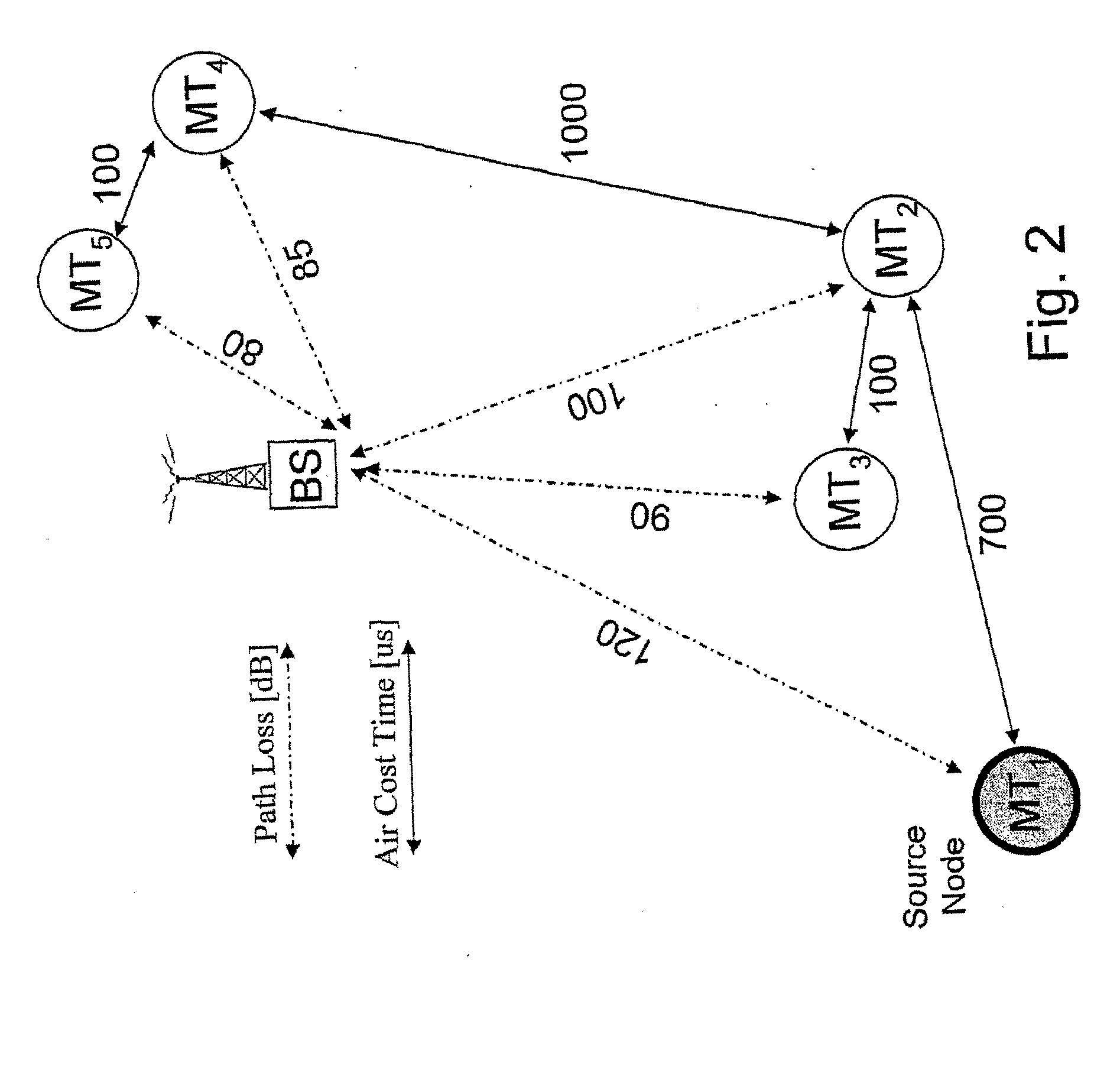
Management of a Hybrid Communication Network Comprising a Cellular Network and a Local Network
PatentActiveUS20100284388A1
Innovation
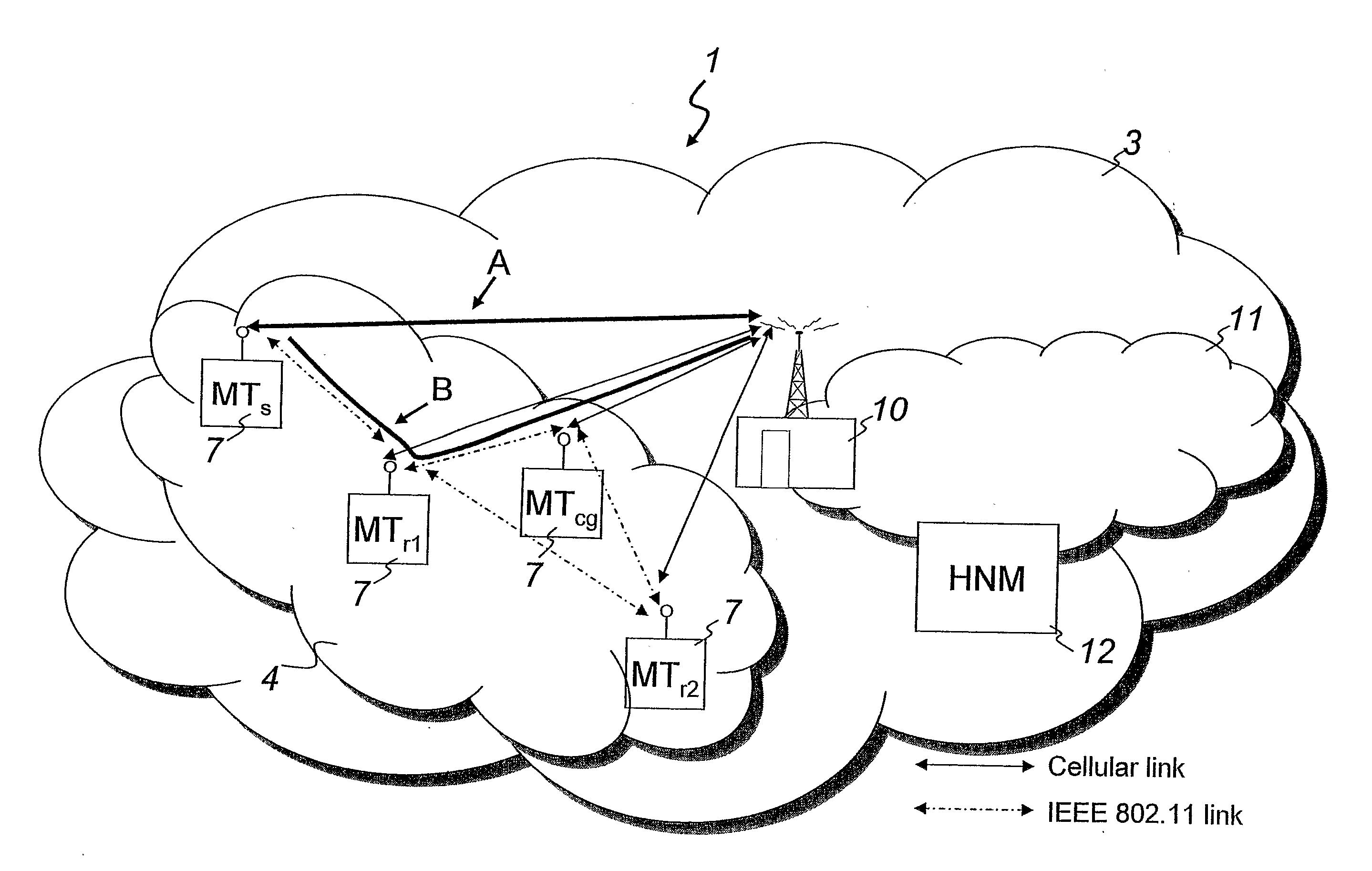
- A method for managing a hybrid network that computes and compares the costs of direct and indirect connections using dual-mode mobile terminals, employing a centralized hybrid network manager to select the most cost-effective path for data transmission by considering the quality of both cellular and ad-hoc links, and the number of hops in the ad-hoc network.

Spectrum Allocation and Regulatory Framework Analysis
The spectrum allocation landscape for wireless controllers and cellular networks operates under fundamentally different regulatory frameworks, creating distinct advantages and limitations for each technology. Wireless controllers typically operate in unlicensed spectrum bands, primarily the 2.4 GHz ISM band and 5 GHz UNII bands, which are globally harmonized under ITU-R recommendations. These bands allow for immediate deployment without licensing fees but require adherence to power limitations and interference mitigation protocols established by regional authorities such as the FCC, ETSI, and other national regulatory bodies.
Cellular networks operate exclusively in licensed spectrum allocated through government auctions and assignments, spanning frequencies from 600 MHz to millimeter wave bands above 24 GHz. This licensed approach provides interference protection and guaranteed spectrum access, enabling higher power transmission and more predictable performance characteristics. The regulatory framework for cellular spectrum involves complex coordination between national regulators, international bodies, and service providers to ensure interference-free operation across geographic boundaries.
The regulatory treatment of these technologies significantly impacts their data rate capabilities. Licensed cellular spectrum allows for sophisticated interference management techniques, including coordinated multipoint transmission and advanced beamforming, which directly enhance throughput performance. Conversely, unlicensed spectrum regulations impose duty cycle limitations and listen-before-talk protocols that can constrain peak data rates during congested conditions.
Recent regulatory developments have introduced new spectrum sharing mechanisms, including Citizens Broadband Radio Service in the United States and Licensed Shared Access in Europe, creating hybrid models that bridge traditional licensed and unlicensed approaches. These frameworks enable dynamic spectrum access while maintaining interference protection, potentially offering new pathways for both wireless controller and cellular technologies to optimize their data rate performance within evolving regulatory constraints.
The geographic variation in spectrum allocation policies creates additional complexity, as different regions may allocate identical frequency bands for different services, necessitating technology adaptations that can impact comparative data rate performance across international deployments.
Cellular networks operate exclusively in licensed spectrum allocated through government auctions and assignments, spanning frequencies from 600 MHz to millimeter wave bands above 24 GHz. This licensed approach provides interference protection and guaranteed spectrum access, enabling higher power transmission and more predictable performance characteristics. The regulatory framework for cellular spectrum involves complex coordination between national regulators, international bodies, and service providers to ensure interference-free operation across geographic boundaries.
The regulatory treatment of these technologies significantly impacts their data rate capabilities. Licensed cellular spectrum allows for sophisticated interference management techniques, including coordinated multipoint transmission and advanced beamforming, which directly enhance throughput performance. Conversely, unlicensed spectrum regulations impose duty cycle limitations and listen-before-talk protocols that can constrain peak data rates during congested conditions.
Recent regulatory developments have introduced new spectrum sharing mechanisms, including Citizens Broadband Radio Service in the United States and Licensed Shared Access in Europe, creating hybrid models that bridge traditional licensed and unlicensed approaches. These frameworks enable dynamic spectrum access while maintaining interference protection, potentially offering new pathways for both wireless controller and cellular technologies to optimize their data rate performance within evolving regulatory constraints.
The geographic variation in spectrum allocation policies creates additional complexity, as different regions may allocate identical frequency bands for different services, necessitating technology adaptations that can impact comparative data rate performance across international deployments.
Power Consumption Trade-offs in High Data Rate Systems
The pursuit of higher data rates in wireless communication systems inevitably introduces significant power consumption challenges that require careful engineering consideration. As wireless controllers and cellular technologies compete to deliver enhanced performance, the fundamental trade-off between data throughput and energy efficiency becomes increasingly critical for system designers and end users alike.
Modern wireless controllers operating at elevated data rates face substantial power penalties due to increased signal processing requirements. Higher-order modulation schemes, advanced error correction algorithms, and sophisticated beamforming techniques demand more computational resources, directly translating to increased power draw. The relationship between data rate and power consumption typically follows a non-linear curve, where doubling the data rate often results in more than double the power consumption.
Cellular systems encounter similar challenges but with additional complexity layers. 5G networks implementing massive MIMO and millimeter-wave technologies require dense antenna arrays and high-frequency RF components that consume considerable power. The baseband processing for advanced features like carrier aggregation and coordinated multipoint transmission further amplifies energy requirements, creating thermal management challenges in mobile devices.
Battery life considerations become paramount when evaluating high data rate implementations. Wireless controllers must balance peak performance capabilities with sustained operation requirements, often implementing dynamic power scaling mechanisms. These systems typically employ duty cycling, adaptive transmission power control, and intelligent sleep modes to optimize energy utilization while maintaining acceptable performance levels.
Thermal constraints impose additional limitations on sustained high data rate operations. Both wireless controllers and cellular devices must implement thermal throttling mechanisms to prevent component damage and maintain regulatory compliance. This thermal management directly impacts achievable data rates, creating a complex optimization problem where peak performance, average throughput, and thermal envelope must be simultaneously considered.
The architectural implications of power-efficient high data rate systems extend beyond individual components to system-level design decisions. Advanced power management units, sophisticated cooling solutions, and intelligent workload distribution mechanisms become essential elements in achieving optimal power-performance ratios in next-generation wireless communication systems.
Modern wireless controllers operating at elevated data rates face substantial power penalties due to increased signal processing requirements. Higher-order modulation schemes, advanced error correction algorithms, and sophisticated beamforming techniques demand more computational resources, directly translating to increased power draw. The relationship between data rate and power consumption typically follows a non-linear curve, where doubling the data rate often results in more than double the power consumption.
Cellular systems encounter similar challenges but with additional complexity layers. 5G networks implementing massive MIMO and millimeter-wave technologies require dense antenna arrays and high-frequency RF components that consume considerable power. The baseband processing for advanced features like carrier aggregation and coordinated multipoint transmission further amplifies energy requirements, creating thermal management challenges in mobile devices.
Battery life considerations become paramount when evaluating high data rate implementations. Wireless controllers must balance peak performance capabilities with sustained operation requirements, often implementing dynamic power scaling mechanisms. These systems typically employ duty cycling, adaptive transmission power control, and intelligent sleep modes to optimize energy utilization while maintaining acceptable performance levels.
Thermal constraints impose additional limitations on sustained high data rate operations. Both wireless controllers and cellular devices must implement thermal throttling mechanisms to prevent component damage and maintain regulatory compliance. This thermal management directly impacts achievable data rates, creating a complex optimization problem where peak performance, average throughput, and thermal envelope must be simultaneously considered.
The architectural implications of power-efficient high data rate systems extend beyond individual components to system-level design decisions. Advanced power management units, sophisticated cooling solutions, and intelligent workload distribution mechanisms become essential elements in achieving optimal power-performance ratios in next-generation wireless communication systems.
Unlock deeper insights with Patsnap Eureka Quick Research — get a full tech report to explore trends and direct your research. Try now!
Generate Your Research Report Instantly with AI Agent
Supercharge your innovation with Patsnap Eureka AI Agent Platform!