
Method and device for testing the bonding strength of anchoring interface of anchoring system
An interface bonding and anchoring system technology, applied in the field of geotechnical engineering, can solve the problem of inability to accurately calculate the bonding strength of the first and second anchoring interfaces, the inability to obtain the bonding strength of the first anchoring interface, and the inability to obtain the second anchoring interface Bond strength and other issues, to achieve the effect of simple and easy test operation process, scientific and reasonable test method, and simple structure
Patent Information
- Authority / Receiving Office
- CN · China
- Patent Type
- Patents(China)
- Current Assignee / Owner
- Publication Date
- 2018-08-14
Smart Images
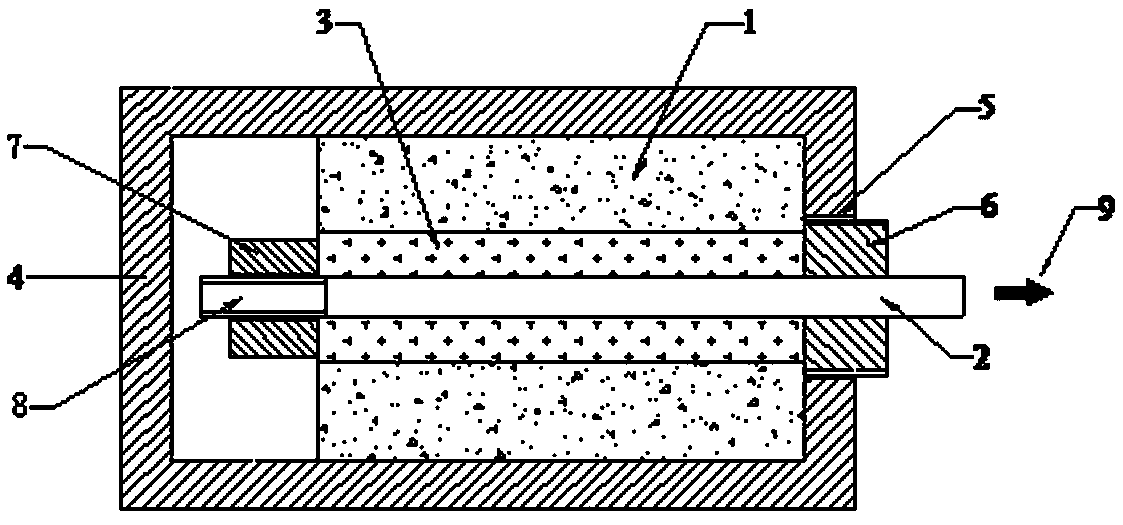
Figure 1 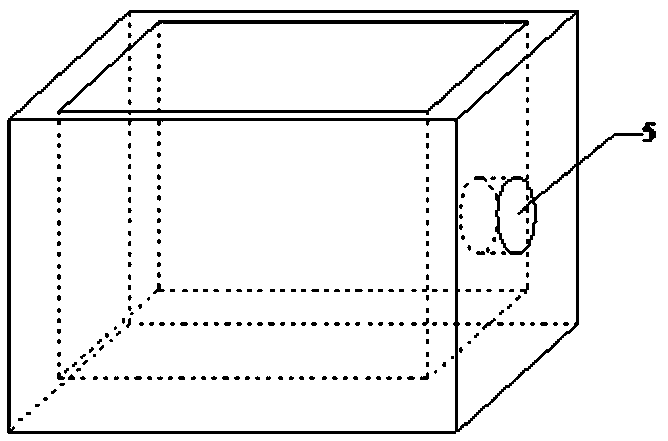
Figure 2 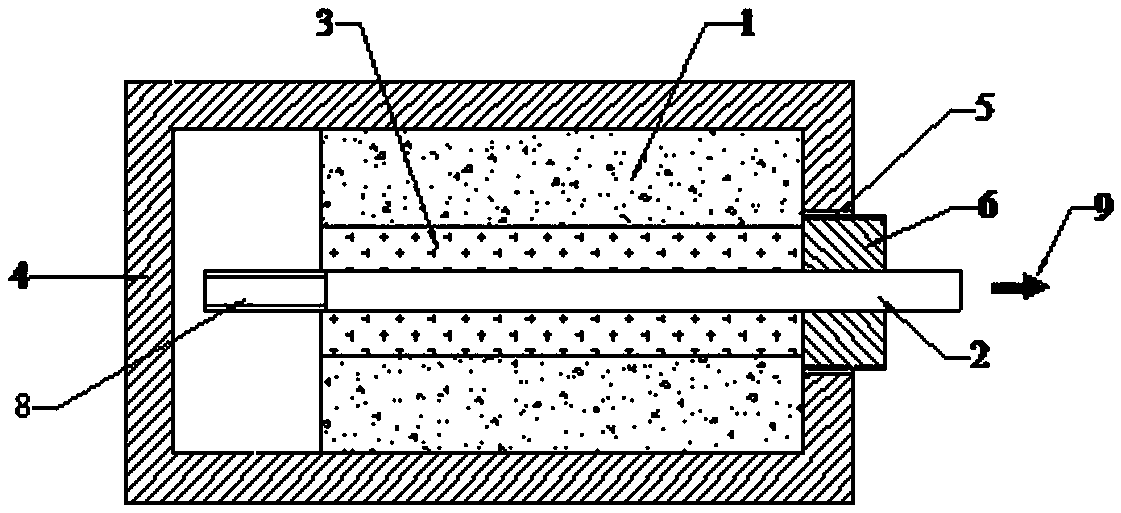
Figure 3
Abstract
Description
technical field
[0001] The invention relates to a method and a device for testing the bond strength of an anchorage interface of an anchorage system, belonging to the technical field of geotechnical engineering. Background technique
[0002] Bolt is one of the most widely used support types in anchoring projects in transportation, water conservancy and mining industries. The anchor rod and the rock mass are bonded together by the anchoring agent, and the anchoring system is a comprehensive term including the anchor rod and the anchoring agent. The anchoring system contains two anchoring interfaces: the first anchoring interface refers to the anchoring interface formed by the bonding of the anchor rod and the anchoring agent; the second anchoring interface refers to the bonding between the anchoring agent and the surrounding rock mass (bolt drilling) The anchor interface formed by the knot. The bond strength of the anchor interface is one of the key factors affecting the su...
Examples
Embodiment 1
[0039] A. Cast a cuboid anchoring sample 1 with a size of 20 cm×20 cm×25 cm. The material used for anchoring sample 1 and its ratio are water:cement:quartz sand=0.4:1:1; after 14 days of curing for anchoring sample 1, Drill out the bolt hole that diameter is 30mm, length 250mm at its central axis; Make diameter is 10mm, the anchor rod 2 that total length is 60cm, the length of extension section 8 in the anchor rod 2 is 10cm; The anchor rod 2 is placed on In the anchor drilling center, pour anchoring agent 3 into the anchor drilling. The material and proportion of anchoring agent 3 are water: cement = 0.5:1; 3 Composition of test specimens.
[0040] B. After the anchoring agent 3 is solidified, the test sample is placed in the sample chamber 4, and the anchor rod 2 passes through the limiting hole 5, such as figure 2 As shown, the internal size of the sample chamber 4 is 20 cm×20 cm×45 cm, and the diameter of the limiting hole 5 is 33 mm.
[0041] C. When testing the bond...
Embodiment 2
[0045] A. Cast a cuboid anchoring sample 1 with a size of 20 cm×20 cm×25 cm. The material used for anchoring sample 1 and its ratio are water:cement:quartz sand=0.4:1:1; after 14 days of curing for anchoring sample 1, Drill out the bolt hole that diameter is 30mm, length 250mm at its central axis; Make diameter is 10mm, the anchor rod 2 that total length is 60cm, the length of extension section 8 in the anchor rod 2 is 10cm; The anchor rod 2 is placed on In the anchor drilling center, pour anchoring agent 3 into the anchor drilling. The material and proportion of anchoring agent 3 are water: cement = 0.5:1; 3 Composition of test specimens.
[0046] B. After the anchoring agent 3 is solidified, the test sample is placed in the sample chamber 4, and the anchor rod 2 passes through the limiting hole 5, such as figure 2 As shown, the internal size of the sample chamber 4 is 20 cm×20 cm×45 cm, and the diameter of the limiting hole 5 is 33 mm.
[0047] C. When testing the bond...