
Method and system for excavating approximate dictionary rule of database, and database terminal
A database and rule technology, applied in the direction of electrical digital data processing, special data processing applications, instruments, etc., can solve problems such as low efficiency, poor performance, and inability to adapt to the needs of big data analysis and processing
Patent Information
- Authority / Receiving Office
- CN · China
- Patent Type
- Applications(China)
- Current Assignee / Owner
- Publication Date
- 2013-10-16
Smart Images
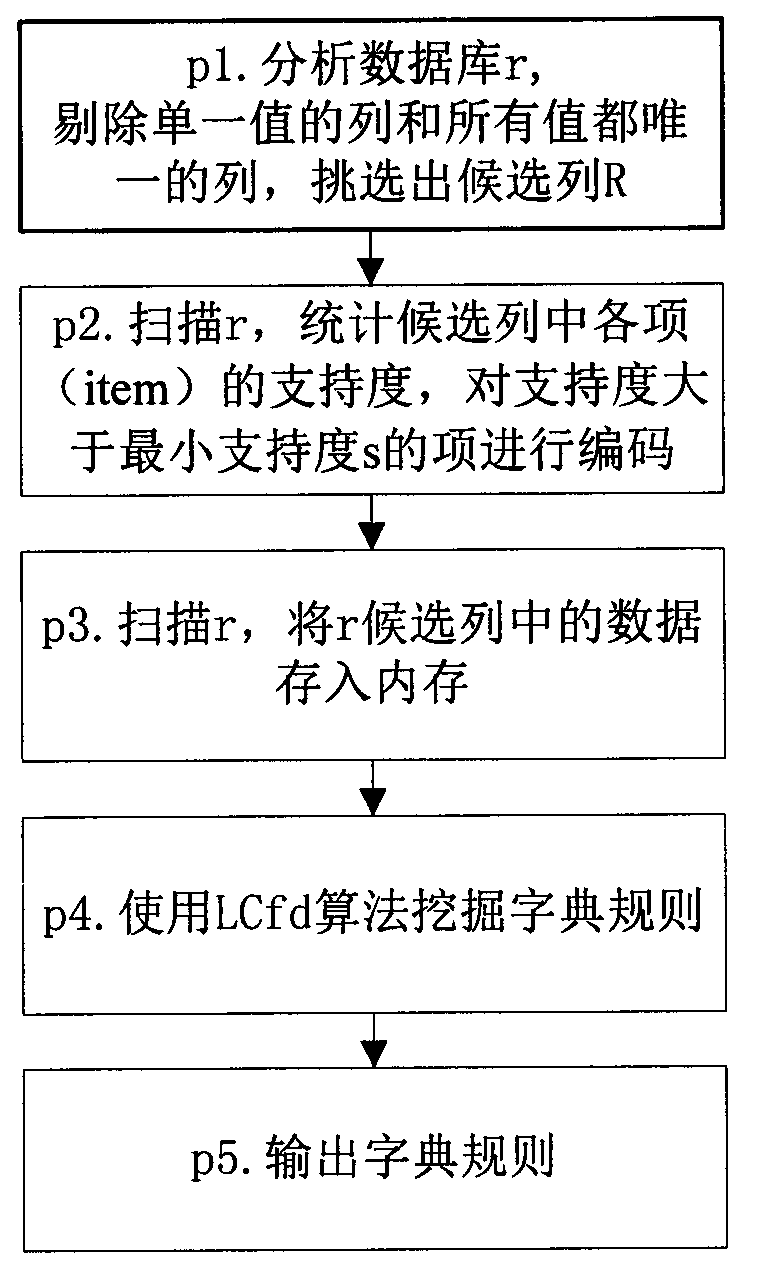
Figure 1 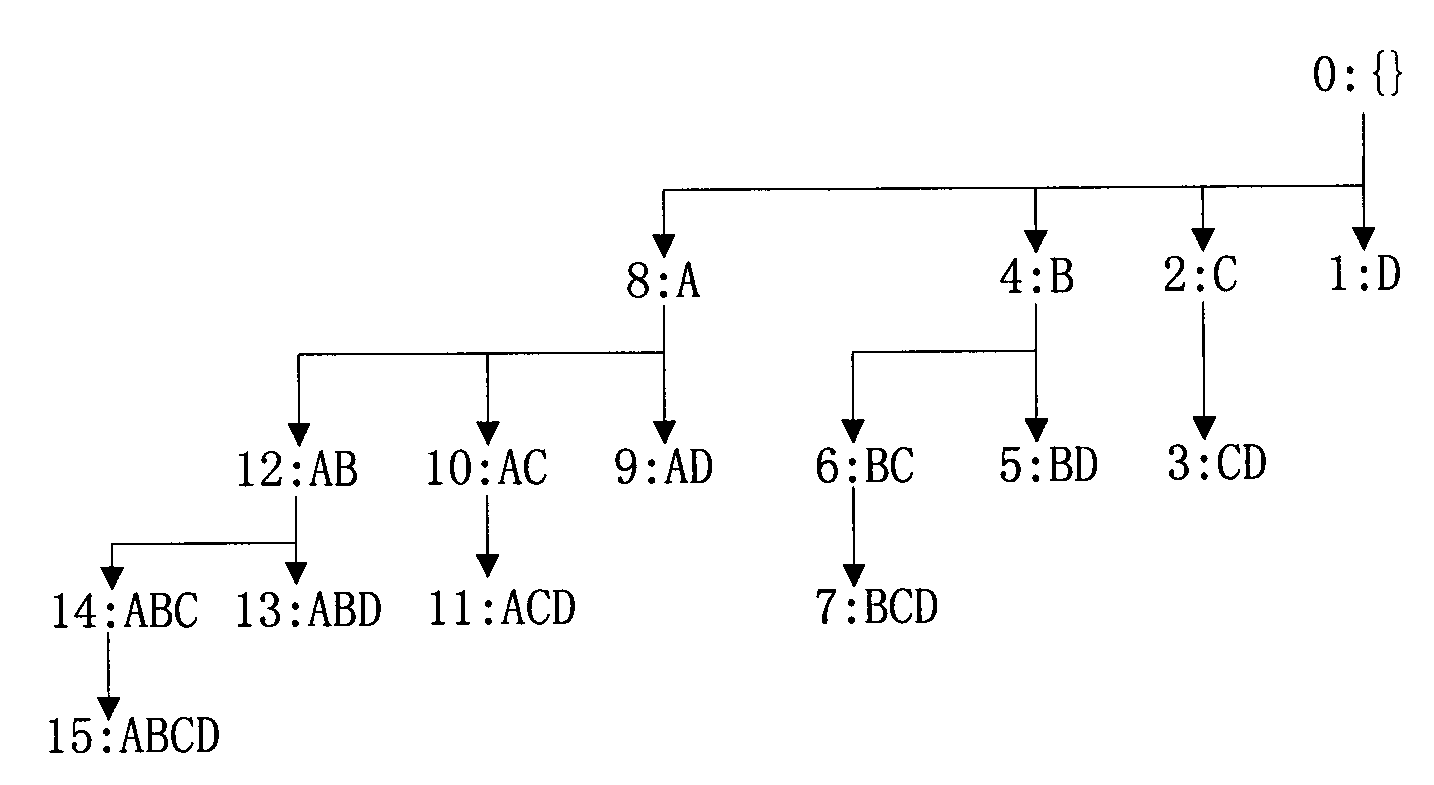
Figure 2 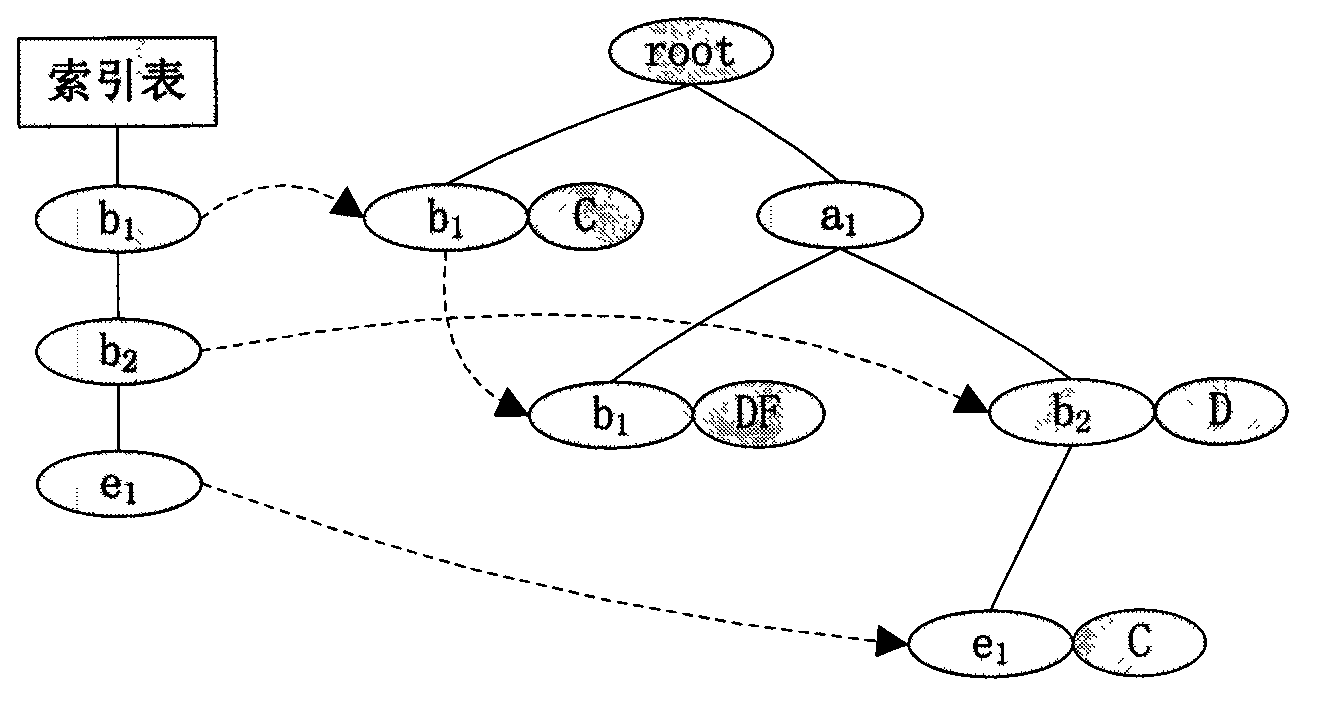
Figure 3
Abstract
Description
technical field
[0001] The invention relates to the field of mining approximate dictionary rules, in particular to a method, system and database terminal for mining approximate dictionary rules in a database. Background technique
[0002] With the rapid development of the Internet and the improvement of informatization in various fields of society, the amount of data is blowing out at an unprecedented rate, and human beings are entering the era of big data. The era of big data is characterized by a larger amount of data, more complex data sources, faster data updates, and uneven data quality. It is almost impossible to manage data quality only by manual means. The field of data management is undergoing major changes and breakthroughs. The technologies that have been commercialized basically stay in the second-generation data quality management stage that is manual and based on experience. didn't show up. An important part of the automated management system is the automated...
Examples
Embodiment Construction
[0111] In order to make the object, technical solution and advantages of the present invention clearer, the present invention will be further described in detail below in conjunction with the accompanying drawings and embodiments. It should be understood that the specific embodiments described here are only used to explain the present invention, not to limit the present invention.
[0112] Related concepts
[0113] Consider the database r, define the set of all columns in r as R, and the different values in each column are called items (item), and the set of all items is defined as item set I; each row of r is called transaction t (transaction),
[0114] (1) Support: For a given itemset Define its support degree supp(X) as the number of transactions containing item set X in r, which satisfies number of transactions.
[0115] (2) Superset, subset: For two itemsets X, Y, if satisfy Then it is said that Y is a superset of X, X is a subset of Y, and there is supp(Y)<=su...