
An ultrasonic nano-absorption air conditioning unit
An absorption air conditioner and ultrasonic technology, which is applied in the field of ultrasonic nano-absorption air conditioner units, can solve the problems of poor heat and mass transfer performance, and achieve the effect of increasing the area, increasing the rate of absorption, and good heat and mass transfer effects
Patent Information
- Authority / Receiving Office
- CN · China
- Patent Type
- Patents(China)
- Current Assignee / Owner
- Publication Date
- 2018-04-17
Smart Images
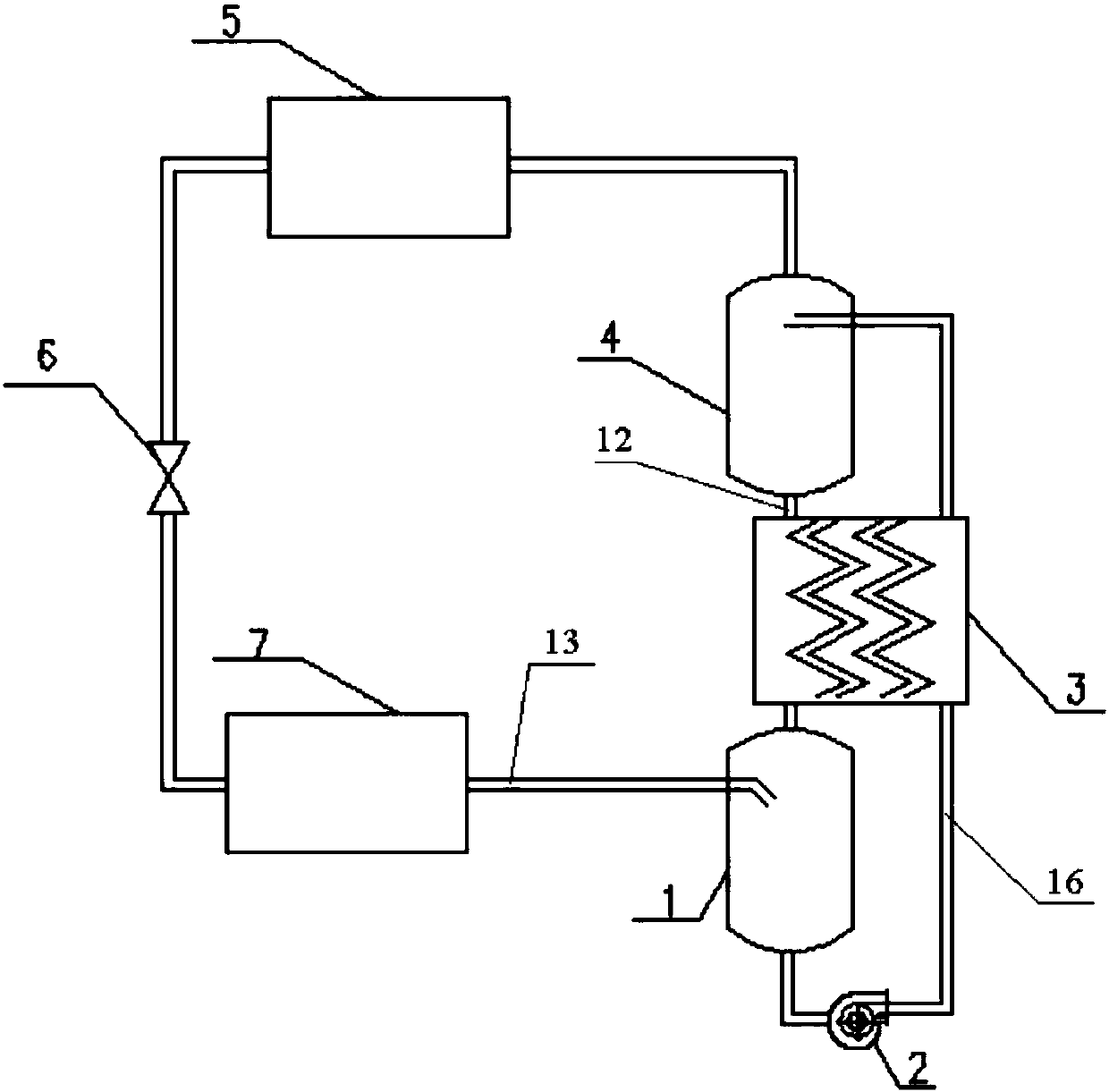
Figure 1 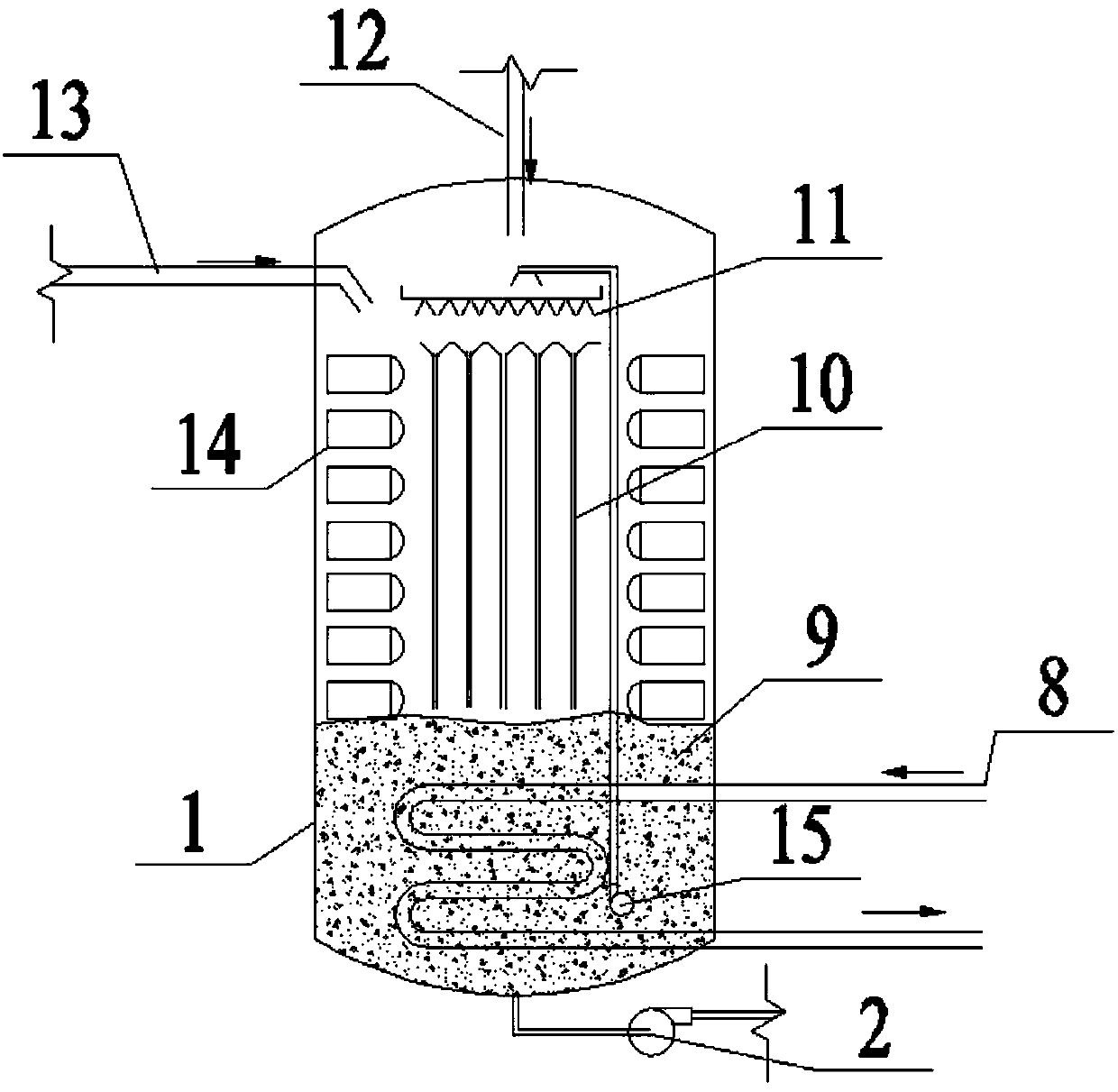
Figure 2 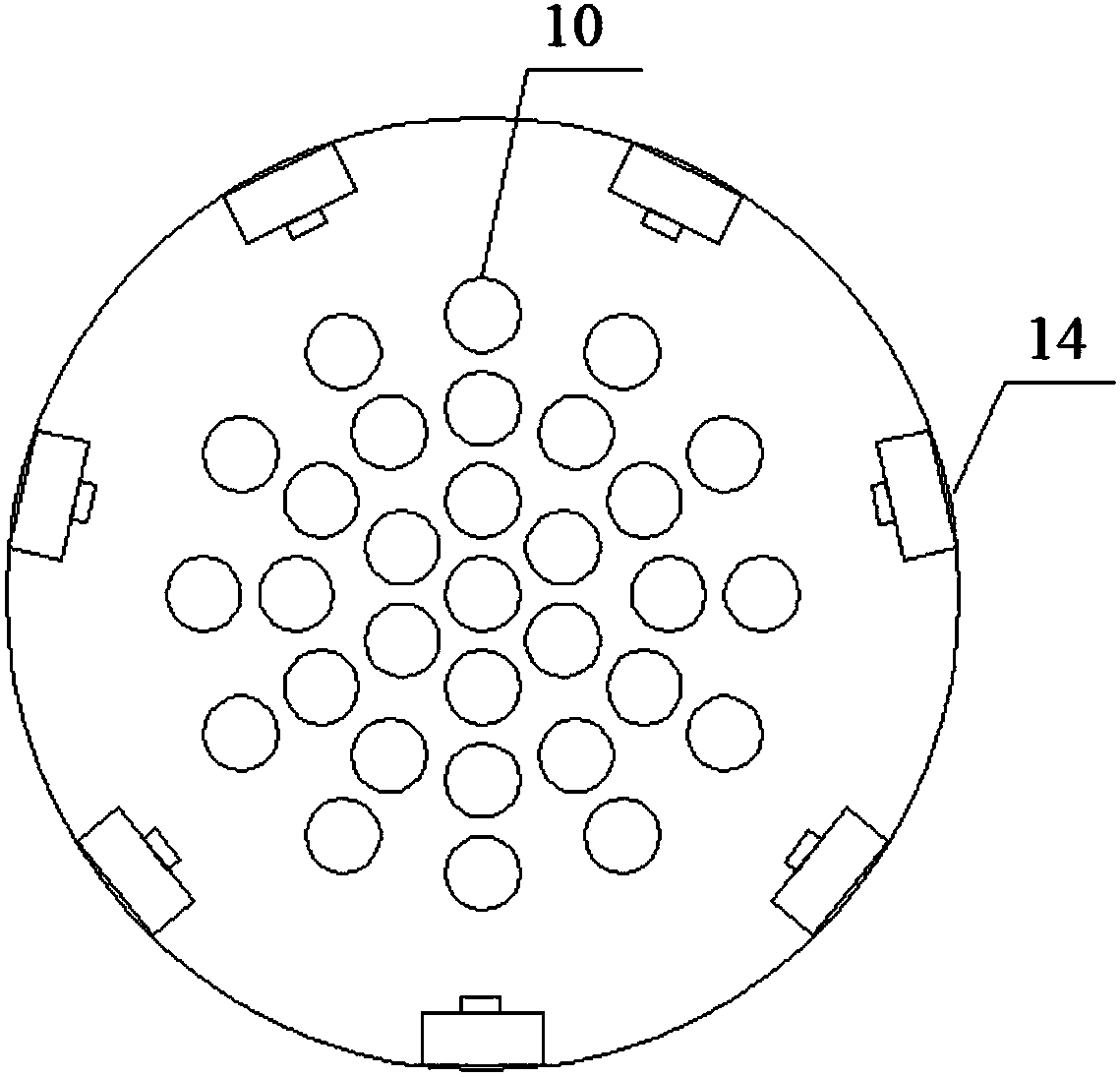
Figure 3
Abstract
Description
technical field
[0001] The invention relates to the technical field of air-conditioning refrigeration and heat exchange, in particular to an ultrasonic nano-absorption air-conditioning unit. Background technique
[0002] At present, the known lithium bromide solution absorption refrigeration method uses water as a refrigerant and lithium bromide as an absorbent. Cooling is obtained by the evaporation of water. The lithium bromide absorption refrigeration device is mainly composed of generator, condenser, evaporator, absorber, heat exchanger, circulation pump and other parts. During the operation of the lithium bromide absorption refrigeration device, when the lithium bromide aqueous solution is heated in the generator, the water in the solution is continuously vaporized; with the continuous vaporization of the water, the concentration of the lithium bromide aqueous solution in the generator continues to increase and enters the absorber; Water vapor enters the condenser, is...
Examples
Embodiment Construction
[0025] The present invention will be further described in detail below in conjunction with the accompanying drawings and specific embodiments.
[0026] Such as Figure 1~2 , an ultrasonic nano-absorption air-conditioning unit, comprising a generator 4, a condenser 5 whose inlet end communicates with the steam outlet end of the generator 4, an evaporator 7 whose inlet end communicates with the outlet end of the condenser 5, and inside the generator 4 A heating device is provided for dilute nano-lithium bromide solution (concentrated and dilute in this embodiment refers to lithium bromide solution, rather than the concentration of nanoparticles, and the heat transfer coefficient of nano-lithium bromide solution is larger than that of traditional lithium bromide solution, which is more conducive to heat transfer) for heating, the moisture in the heated nano-lithium bromide solution evaporates to form a concentrated nano-lithium bromide solution, and the evaporated water vapor ent...