
A Hydrophobic Finishing Method of Cotton Fabric Based on Acrylate-Modified Silicon Ball-Electron Beam Technology
An acrylic, cotton fabric technology, applied in fiber processing, textiles and papermaking, etc., can solve the problem that the static contact angle of the fabric needs to be improved, and achieve great social and economic significance, high energy utilization, and reduction of large energy consumption. Effect
Patent Information
- Authority / Receiving Office
- CN · China
- Patent Type
- Patents(China)
- Current Assignee / Owner
- Publication Date
- 2019-03-01
Smart Images
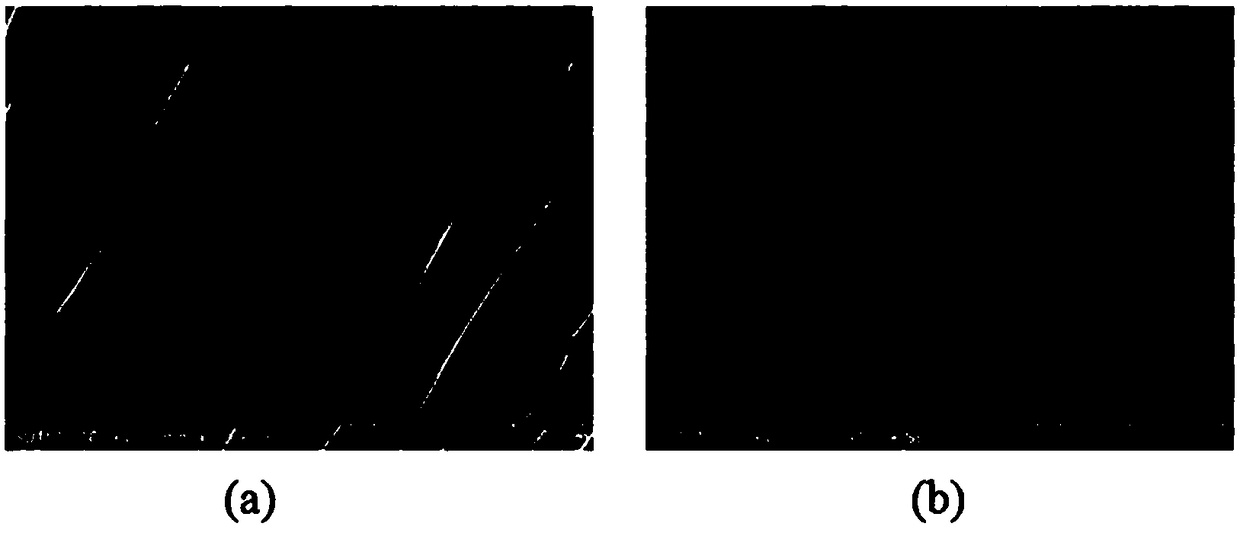
Figure 1 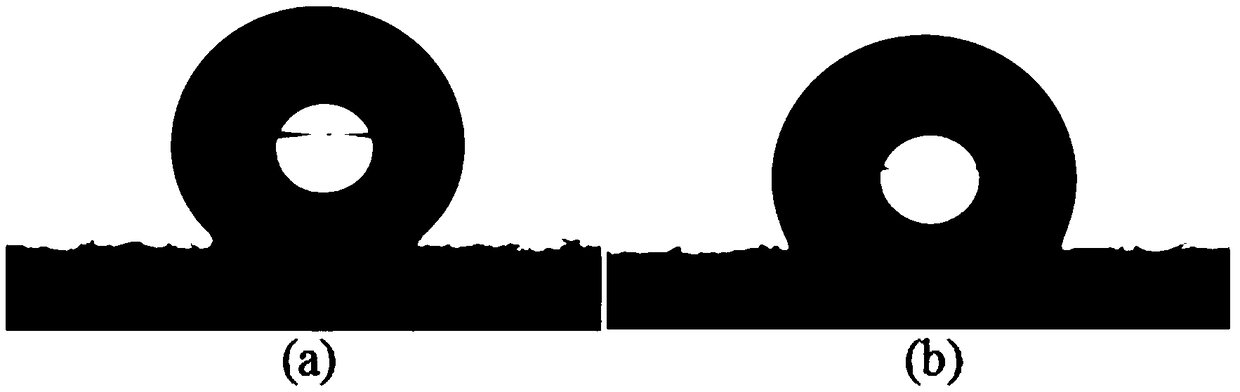
Figure 2 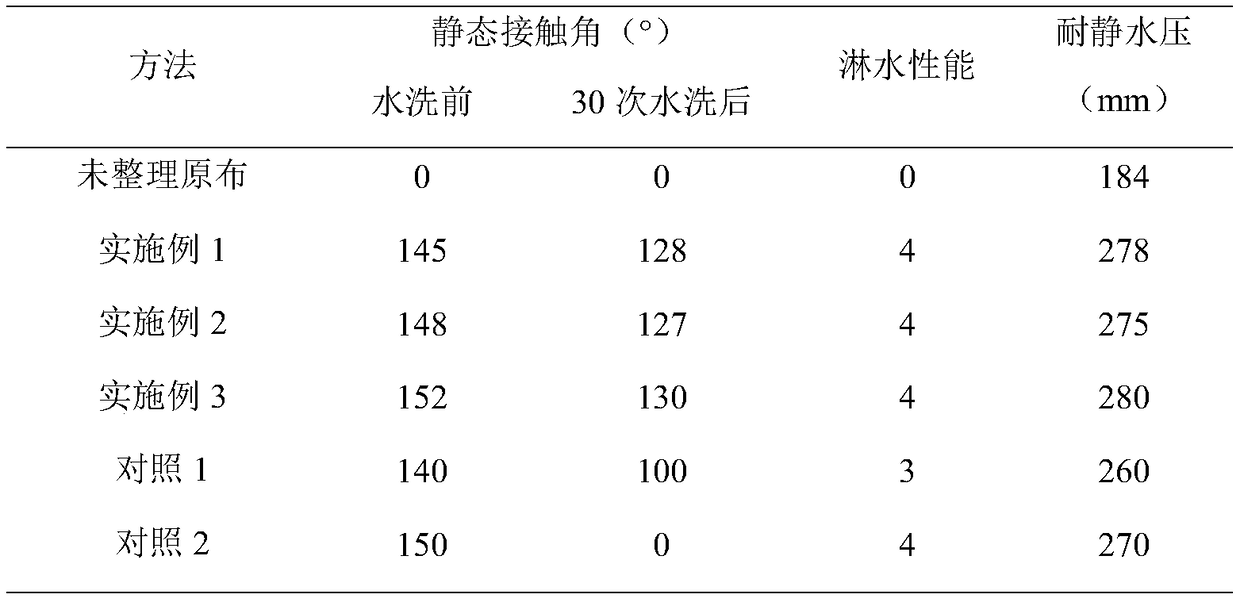
Figure 3
Abstract
Description
technical field
[0001] The invention relates to a method for hydrophobic finishing of cotton fabric based on acrylate-modified silicon ball-electron beam technology, which belongs to the field of functional textiles. Background technique
[0002] In recent years, with the improvement of people's level, textiles have gradually transformed from simple warmth retention to comfort and functionality, expanding the application value of textiles. Hydrophobic fabrics have a broad application market, such as outdoor sportswear, protective clothing, etc. It is of inestimable economic significance to develop a simple method for fabric hydrophobic preparation.
[0003] Cotton fabrics are favored by people for their comfort and breathability. However, due to the numerous hydroxyl groups in the molecular structure of cotton fiber, it is highly hydrophilic and easily polluted by water stains. Hydrophobic finishing of cotton fabrics can effectively avoid the above problems. Reducing the ...
Examples
Embodiment 1
[0028] Fabric: Cotton Woven (40 S ×40 S / 133*72)
[0029] prescription:
[0030] Octadecyl methacrylate (mass fraction): 5%
[0031] Modified silica balls: Vinyltrimethoxysilane modified silica balls
[0032] Modifier dosage: the mass ratio of modifier to silica balls is 6:1
[0033] Modified silicon sphere particle size: 100nm
[0034] Modified silica (mass fraction): 1%,
[0035] Solvent: The mass ratio of hexane to ethanol is 6:1
[0036] Dipping time: 5min
[0037] Surplus rate: 60%
[0038] Radiation: 16kGy
[0039] The properties of the treated fabric are shown in Table 1.
Embodiment 2
[0041] Fabric: Cotton Woven (40 S ×40 S / 133*72)
[0042] prescription:
[0043] Lauryl acrylate (mass fraction): 50%
[0044] Modified silica balls: vinyl triethoxysilane modified silica balls
[0045] Modifier dosage: The mass ratio of modifier to silica balls is 2:1
[0046] Modified silicon sphere particle size: 700nm
[0047] Modified silica (mass fraction): 5%,
[0048] Solvent: The mass ratio of hexene to ethanol is 1:1
[0049] Dipping time: 30min
[0050] Surplus rate: 200%
[0051] Radiation: 65kGy
[0052] The properties of the treated fabric are shown in Table 1.
Embodiment 3
[0054] Fabric: Cotton Woven (40 S×40 S / 133*72)
[0055] prescription:
[0056] Octadecyl acrylate (mass fraction): 30%
[0057] Modified silica balls: Vinyltrimethoxysilane modified silica balls
[0058] Modifier dosage: The mass ratio of modifier to silica balls is 4:1
[0059] Modified silicon sphere particle size: 200nm
[0060] Modified silica (mass fraction): 10%,
[0061] Solvent: The mass ratio of hexane to ethanol is 6:1
[0062] Dipping time: 5min
[0063] Surplus rate: 100%
[0064] Radiation: 43kGy
[0065] The properties of the treated fabric are shown in Table 1.
[0066] Control 1
[0067] Fabric: Cotton Woven (40 S ×40 S / 133*72)
[0068] prescription:
[0069] Octadecyl acrylate (mass fraction): 30%
[0070] Solvent: The mass ratio of hexane to ethanol is 6:1
[0071] Dipping time: 5min
[0072] Surplus rate: 100%
[0073] Radiation: 43kGy
[0074] The properties of the treated fabric are shown in Table 1.
[0075] Control 2
[0076] Fabr...