
Peptides and their applications
A hydrophobic interaction and protein interaction technology, applied in the field of peptides, can solve the problems of limited application, difficult transfection, full length of APC, etc.
Patent Information
- Authority / Receiving Office
- CN · China
- Patent Type
- Patents(China)
- Current Assignee / Owner
- Publication Date
- 2020-11-03
Smart Images
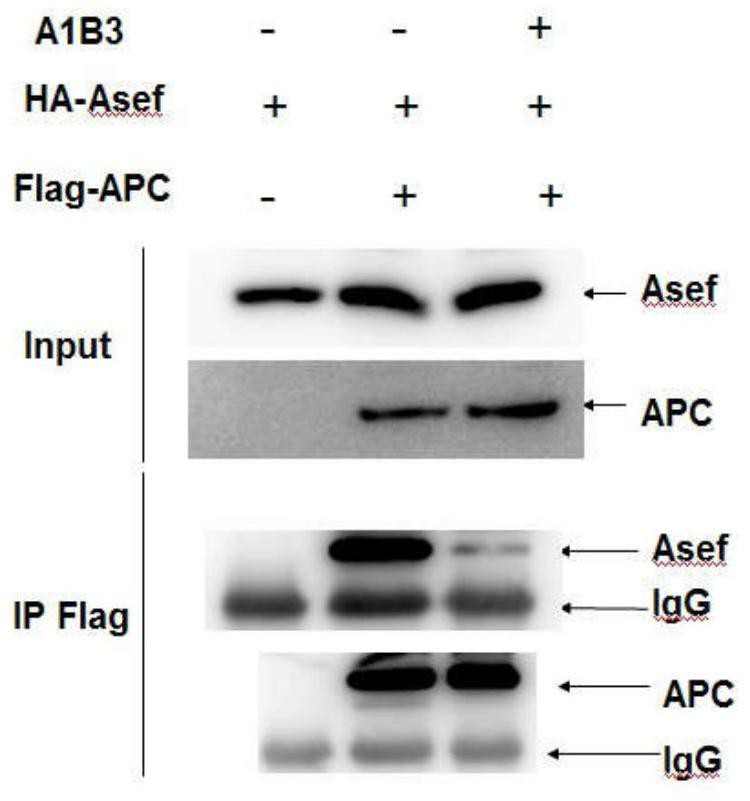
Figure 1 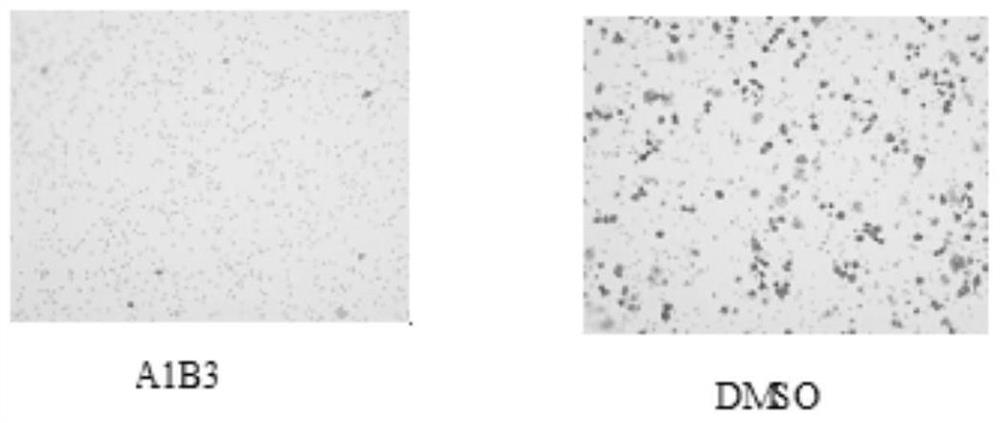
Figure 2 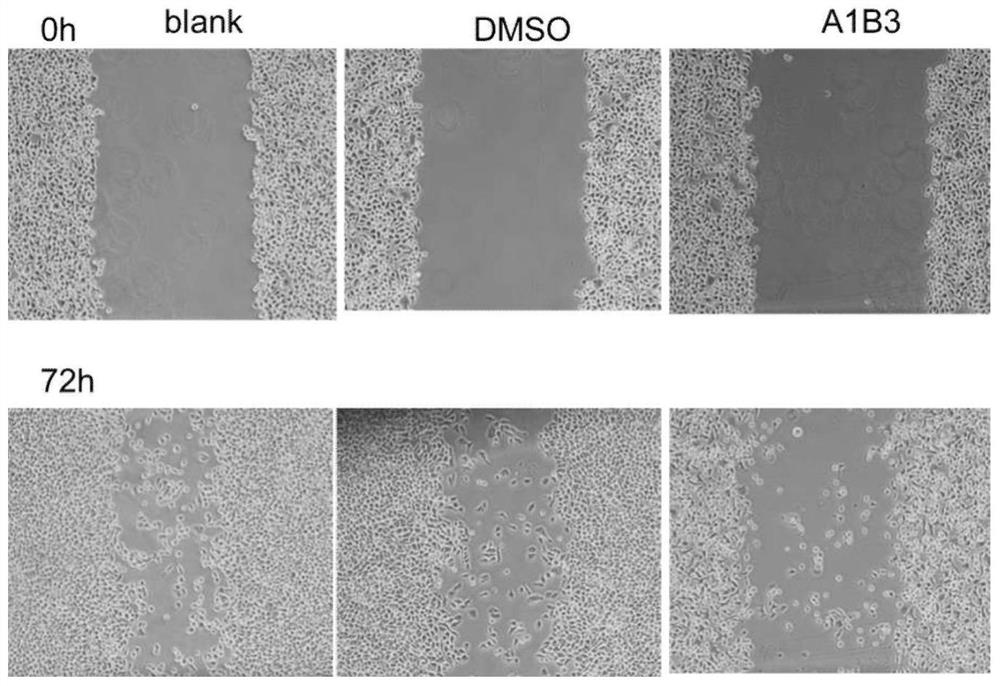
Figure 3
Abstract
Description
technical field
[0001] The invention belongs to the field of polypeptides, and more specifically relates to an anti-tumor polypeptide and its application. Background technique
[0002] The interaction between specific intracellular proteins constitutes a variety of intracellular signal transduction pathways, which are crucial to the survival of normal cells and cancer cells, and are an important source of drug targets. Studies have found that there is a specific protein-protein interaction in cancer cells—the truncated APC (Adenomatous Polyposis Coli) / Asef (APC-stimulated guanine nucleotide exchange factor) protein interaction, which It plays an important role in the occurrence and development of tumors and can become a new drug target for cancer treatment.
[0003] APC is involved in regulating processes such as cell adhesion and cell migration under physiological conditions. Clinical studies have confirmed that in patients with colon cancer, breast cancer, and lung cance...
Examples
Embodiment 1
[0046] Example 1 Solid phase synthesis, cleavage, purification and identification of polypeptide 1
[0047] 1.1 Solid phase synthesis of polypeptide 1
[0048] The present invention utilizes a polypeptide synthesizer to synthesize polypeptide 1 (Ac-AGEALYE-NH2) by solid-phase synthesis: using DMF as a solvent, the concentration of various α-amino acids protected by Fmoc is 0.25M, the concentration of HBTU solution and HOBt solution is 0.33M, the concentration of piperidine solution is 200ml / L, and the concentration of DIEA solution is 174.2ml / L.
[0049] 1.1.1 Fmoc protecting group
[0050] Take 1g of Rink Amide MBHA Resin (the degree of substitution of the resin is 0.40mmol / g, and the resin is protected by Fmoc) into the peptide bottle, add an appropriate amount of CH 2 Cl 2 Swell the resin, then put the CH 2 Cl 2 Take out and add 6ml 20% piperidine / DMF solution, shake for 5 minutes, drain, then add 6ml 20% piperidine / DMF solution, shake for 15 minutes, then drain, wash ...
Embodiment 2
[0059] Example 2 Prepare 5 mg of polypeptide 2Ac-AGEAIYE-NH2 according to the same method as in Example 1, ESI: 791.8 [M-H] - , HPLC: 98.3%.
Embodiment 3
[0060] Example 3 Prepare polypeptide 3Ac-AGESLYE-NH2 Ac-AGEAIYE-NH2 5 mg according to the same method as Example 1, ESI: 807.9 [M-H] - , HPLC: 98.1%.