
Sealing mechanism for high-pressure detection of TMC master cylinder
A technology of high-pressure detection and sealing mechanism, which is applied in the direction of liquid tightness measurement using liquid/vacuum degree, etc., which can solve the problems of high device cost and inability to solve the problem of good sealing of TMC main cylinder, etc., and achieve the effect of effective sealing
Patent Information
- Authority / Receiving Office
- CN · China
- Patent Type
- Applications(China)
- Current Assignee / Owner
- Publication Date
- 2019-05-31
Smart Images
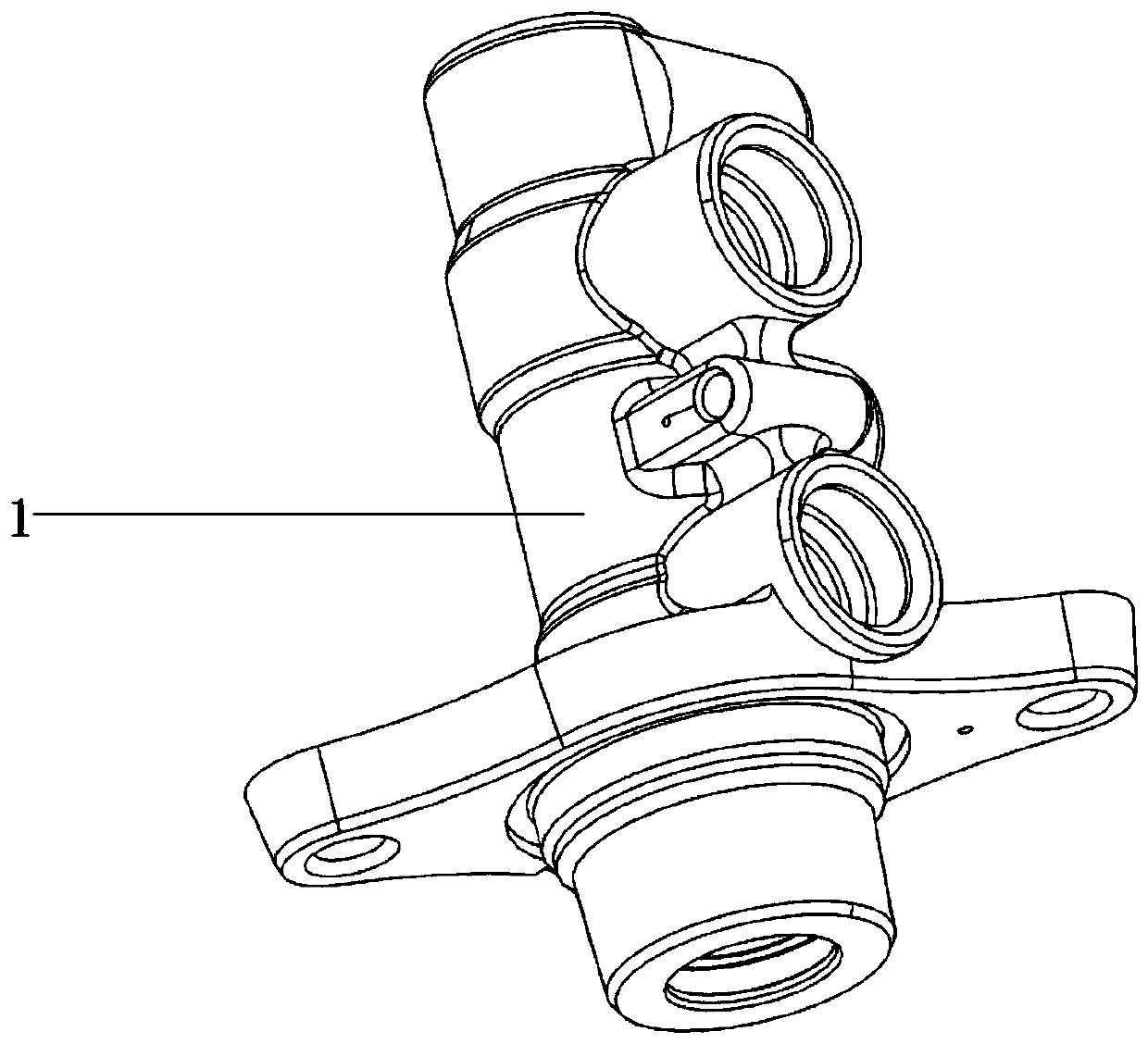
Figure 1 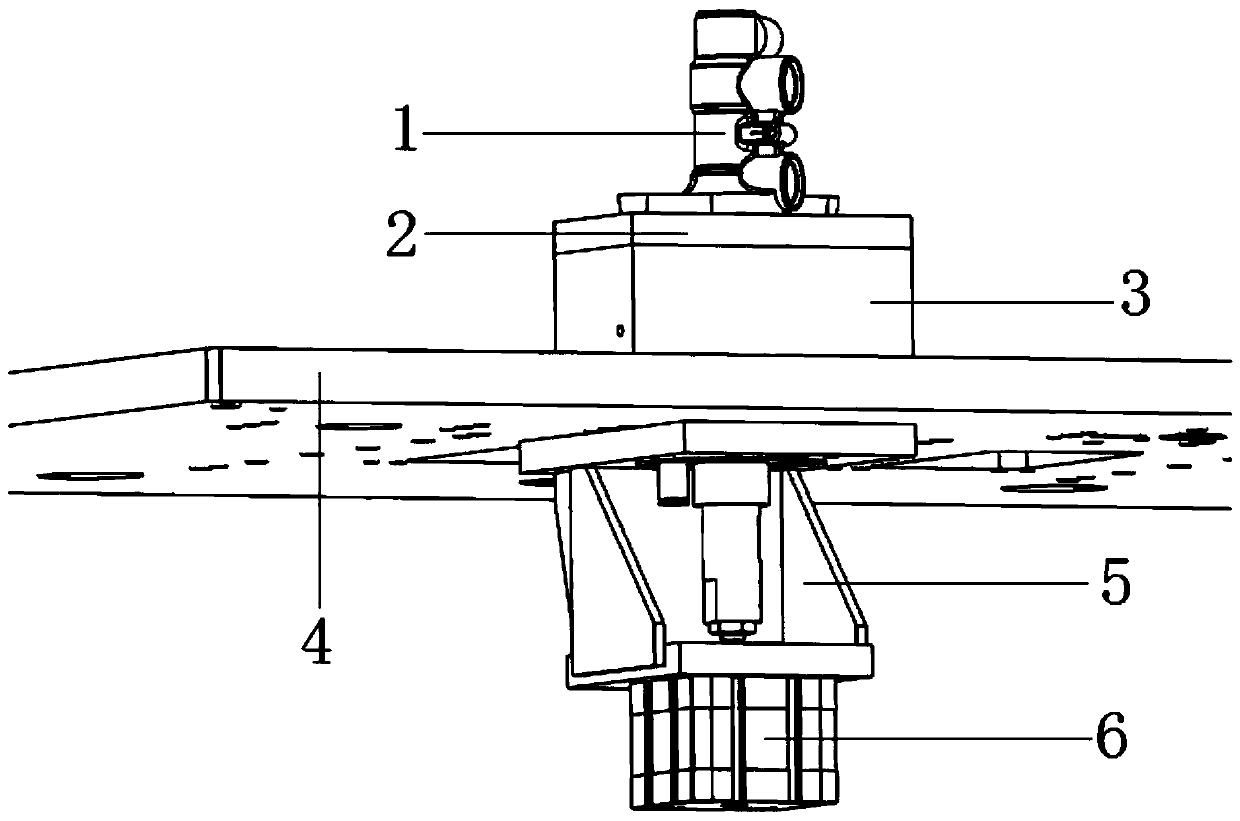
Figure 2 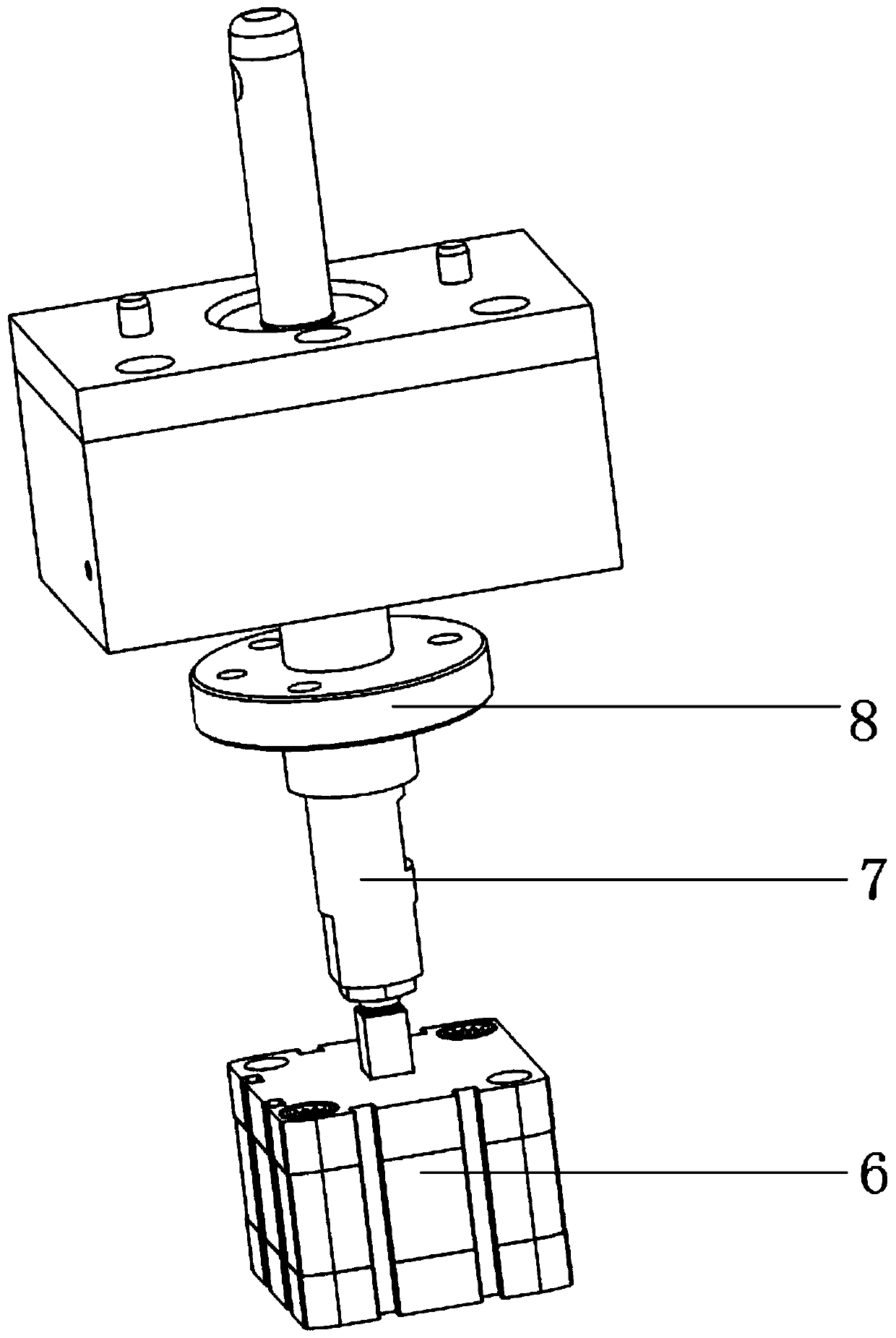
Figure 3
Abstract
Description
technical field
[0001] The invention relates to a sealing mechanism, in particular to a sealing mechanism used for high-pressure detection of a TMC master cylinder. Background technique
[0002] The TMC master cylinder is a casting. After the product is manufactured, high-pressure testing is required to detect whether the product is defective. During high-pressure testing, it is necessary to seal the master cylinder completely, and then inject high-pressure gas for testing. During the high-pressure detection of the TMC master cylinder, the detection pressure is as high as 200bar. The current sealing method is to directly press the end face of the master cylinder to the table for sealing. This sealing method requires a lot of pressure, and because the end face of the master cylinder has not been processed, it is not easy. The seal is complete, and air leakage is easy to occur, which brings great inconvenience to the testing process.
[0003] Patent CN206431071U discloses a ...
Examples
Embodiment
[0040] figure 1 It is the TMC master cylinder to be detected in the present invention. Such as Figure 2-7 , the present invention provides a sealing mechanism for TMC master cylinder high pressure detection, including a reference table 4, also includes a sealing ventilation unit, the sealing ventilation unit includes a ventilation rod 7, a positioning sliding sleeve 8, a limit sleeve 9, a seal 10 and The ventilation pressure head 11, the positioning sliding sleeve 8, the limit sleeve 9 and the seal 10 are sequentially set on the ventilation rod 7 from bottom to top, the ventilation pressure head 11 is fixed on the upper end of the ventilation rod 7, and the top of the reference table 4 is set There is a positioning component for fixing and supporting the TMC master cylinder 1. The positioning sliding sleeve 8 is fixedly installed on the lower end of the reference table 4. The lower end of the ventilation rod 7 is connected to the driving mechanism. Under the action of the dr...