
Mobile phone lock with man-machine interaction function and use method
A human-computer interaction and mobile phone technology, applied in the field of mobile phone locks, can solve the problems of children's poor self-control and easy overuse of smart phones, etc., and achieve the effects of improving self-control, avoiding vision loss and being easy to use.
Patent Information
- Authority / Receiving Office
- CN · China
- Patent Type
- Applications(China)
- Current Assignee / Owner
- Publication Date
- 2021-08-27
- Estimated Expiration
- Not applicable · inactive patent
Smart Images
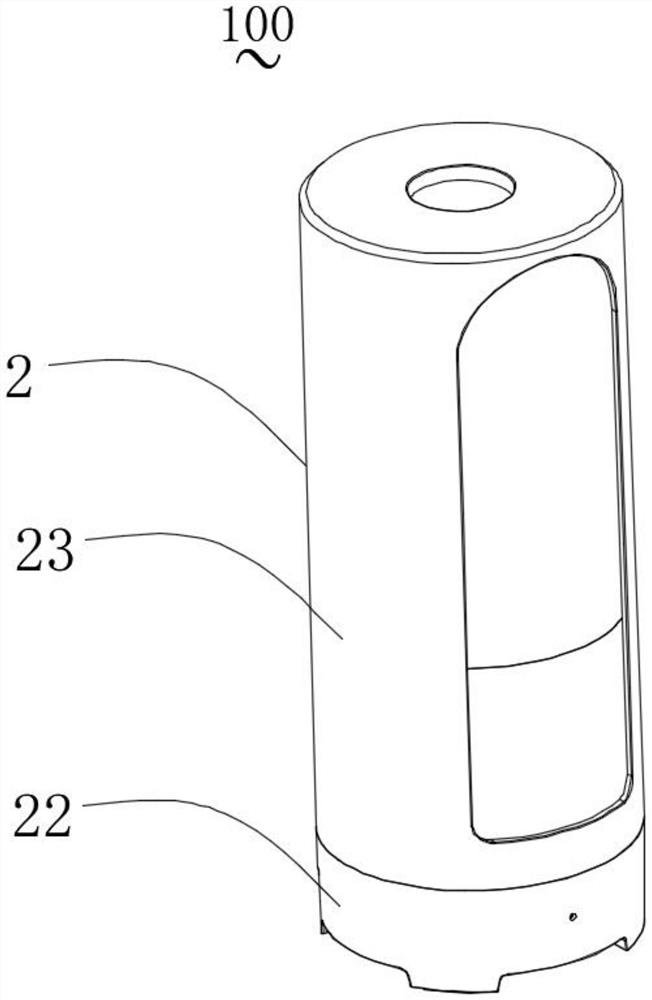
Figure 1 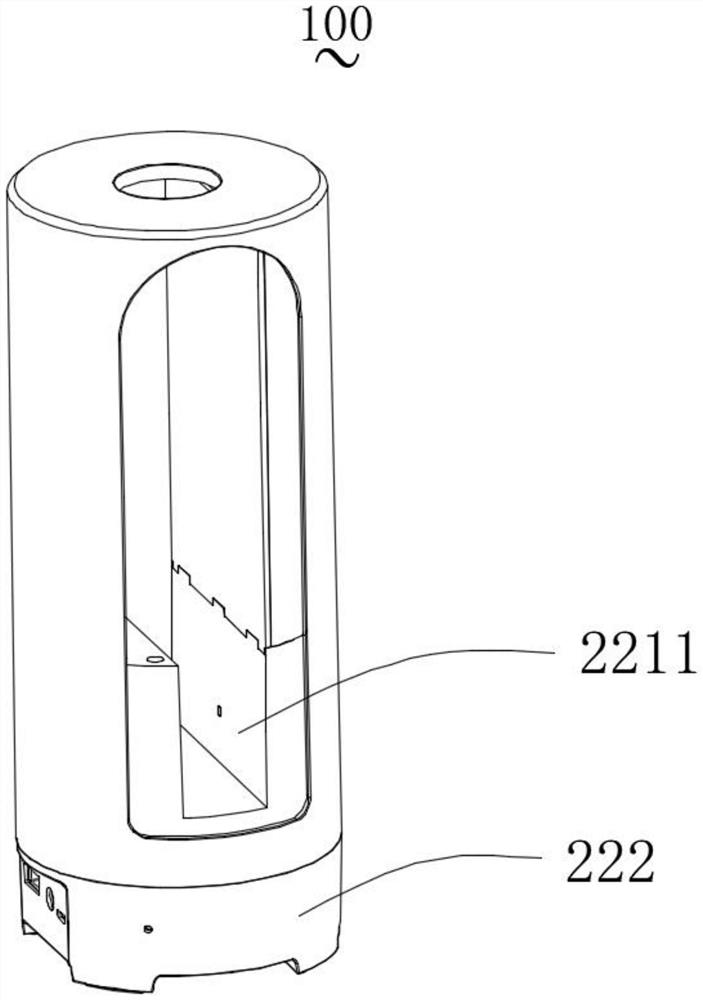
Figure 2 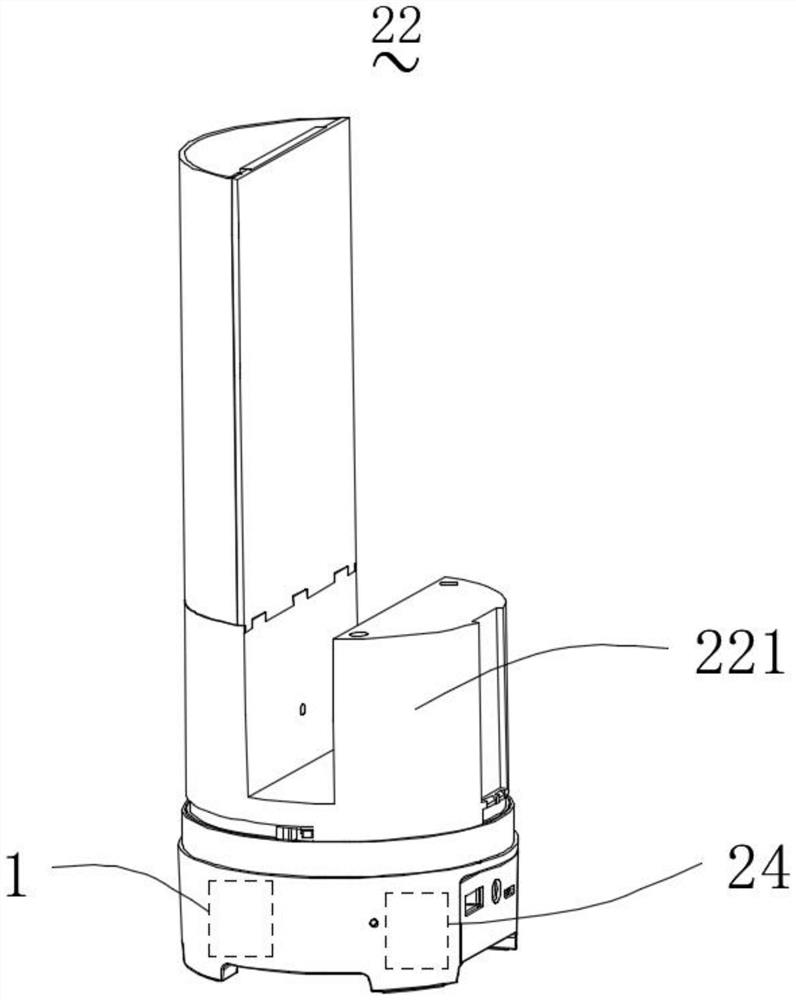
Figure 3
Abstract
Description
technical field
[0001] The invention belongs to the technical field of mobile phone locks, and in particular relates to a mobile phone lock with a human-computer interaction function and a using method. Background technique
[0002] With the development of the times, children will use mobile electronic products for learning, especially the popularity of smart mobile electronic products. Most children are immersed in games, and children have poor self-control ability. Excessive use of smart phones not only affects vision, but also affects learning. Contents of the invention
[0003] In order to overcome the current technical problem that children have poor self-control and are prone to excessive use of smart phones, the present invention provides a mobile phone lock with a human-computer interaction function and a method for using it.
[0004] The invention provides a mobile phone lock with a human-computer interaction function, which includes a connection module, a voice m...
Examples
Embodiment Construction
[0040] In order to make the purpose, technical solutions and advantages of the present invention more clear, the present invention will be further described in detail below in conjunction with the accompanying drawings and implementation examples. It should be understood that the specific embodiments described here are only used to explain the present invention, not to limit the present invention.
[0041] see Figure 1-6 , the first embodiment of the present invention provides a mobile phone lock 100 with human-computer interaction function, which is used to improve children's self-control, including a system control module 1 and a lock body 2, and the system control module 1 is arranged on the lock body 2; the system control module 1 includes a connection module 11, a voice module 12, a control module 13 and a human-computer interaction module 14, and the connection module 11, the voice module 12, and the human-computer interaction module 14 are electrically connected to the...